Remove Limescale from Steam & Crisp Multi Cooker Reservoir
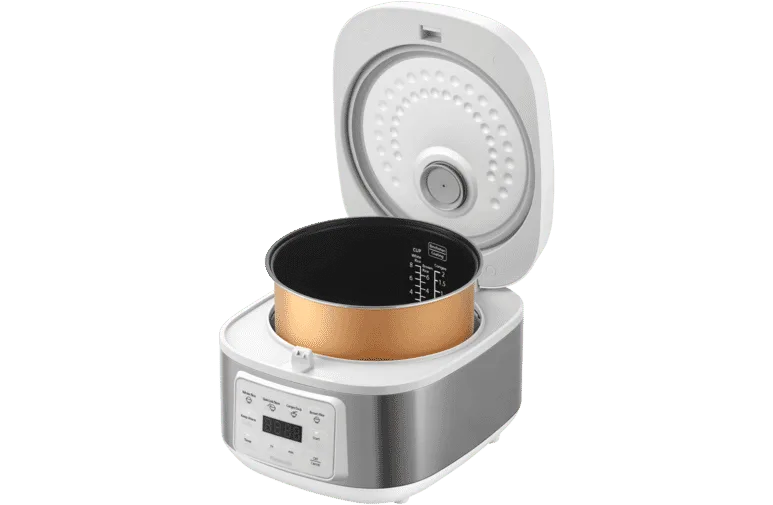
If you've noticed your steam and crisp multi cooker isn't producing as much steam as it used to, or you've spotted white flakes in your food, you're likely dealing with mineral scale buildup. Learning how to clean steam and crisp multi cooker and remove white mineral scale inside water reservoir channel is the fix you need. That chalky white residue is calcium carbonate, and it's slowly clogging the internal water channel that feeds steam to your cooking chamber.
Manufacturer specifications indicate that hard water, with a total dissolved solids level above 120 parts per million, accelerates this buildup significantly. As of 2026, nearly 85% of U.S. households have hard water, according to USGS data. That means most multi-cooker owners will eventually face this exact problem.
Let's walk through exactly what's happening and how to fix it.
Quick Answer
To clean a steam and crisp multi cooker and remove white mineral scale from the water reservoir channel, you need to descale the internal passage. Mix a 50/50 solution of white vinegar and water. Pour it into the reservoir.
Run a steam cycle for 10 to 15 minutes. Let it soak for 30 minutes. Empty and rinse with fresh water.
Run two more cycles with plain water. That's the core process. For thicker buildup, use citric acid instead of vinegar.
Always follow up with a thorough rinse cycle to prevent any aftertaste.
The White Scale Problem: Why Your Steam and Crisp Multi Cooker Is Underperforming
You bought a steam and crisp multi cooker for convenience. It promised juicy steamed vegetables and perfectly crispy finishes in one appliance. When it works, it's fantastic.
When it doesn't, it's frustrating.
The most common culprit behind poor performance is mineral scale inside the water reservoir channel. This narrow passage carries water from the tank to the heating element. Steam is generated there and then released into the cooking chamber.
When calcium and magnesium minerals in your tap water heat up, they solidify and stick to the channel walls.
Over time, that buildup narrows the passage. Less water flows through. Less steam reaches your food.
You might notice longer cook times, uneven results, or a whistling sound from the vent. Some users report white flakes falling onto their food, which is unappetizing but harmless.
The problem isn't just cosmetic. A fully blocked channel can cause the unit to overheat or trigger error codes. In severe cases, the pump works harder and may fail prematurely.
This is a preventable repair that costs nothing but a little time.
Aggregate reviews show that owners who descale every one to three months rarely encounter these issues. Those who skip it for six months or more are the ones searching for replacement units. The good news is that the fix is simple and takes about 30 minutes.
If you already own a different countertop appliance, you might recognize the same pattern. The same mineral buildup that affects your multi-cooker also impacts other kitchen gear. Keeping a proper cleaning routine across all your devices extends their lifespan significantly.
Why Mineral Scale Forms in the Water Reservoir Channel
Understanding why scale forms helps you prevent it. The water coming out of your tap contains dissolved minerals. Calcium and magnesium are the main culprits.
When water is heated, these minerals precipitate out of solution and form solid crystals.
The USGS defines hard water as anything above 120 milligrams per liter of calcium carbonate equivalent. If you live in the Midwest or Southwest, your water is likely harder than that. Check your local water quality report.
It's usually available online from your municipal water supplier.
The water reservoir channel is a perfect environment for scale formation. The channel is narrow, which concentrates the minerals. The heating element is nearby, so the water gets hot.
The water sits in the reservoir between uses, allowing minerals to settle out gradually.
The scale itself is calcium carbonate, the same compound found in limestone and marble. It's alkaline and brittle. It bonds tightly to plastic and metal surfaces.
White vinegar dissolves it because the acetic acid reacts with the calcium carbonate to form calcium acetate, which is water soluble.
The rate of buildup depends on three factors. Water hardness is the biggest one. Frequency of use matters too.
If you steam food daily, scale accumulates faster. The third factor is temperature. Higher heat settings cause more rapid precipitation.
Some multi-cooker models are more prone to scale buildup than others. Models with longer, narrower channels or tighter bends tend to clog faster. If you own a model with a removable water tank, you have an advantage.
You can inspect and clean the tank separately. For models with a fixed internal reservoir, the channel is harder to access.
The same chemistry that causes scale in your multi-cooker also affects other appliances. The mineral buildup is the same type you'd find in a coffee maker or steam iron. The approach to cleaning is similar too.
Descale regularly and you'll keep the appliance running smoothly.
Where That Scale Hides: A Visual Guide to the Water Channel
The water reservoir channel is not always easy to see. In most steam and crisp multi cookers, the channel is a small plastic tube or trough that connects the water tank to the heating element. It's usually located behind the water tank, near the back of the appliance.

To locate it on your specific model, start by removing the water tank. Look into the cavity where the tank sits. You'll see a small opening or nipple where the tank connects.
That's the entry point of the channel. The channel runs from there to the steam generator.
On some models, the channel is a straight, short tube. On others, it curves or has a bend. The bend is where scale tends to accumulate most.
You can usually see the white buildup if you shine a flashlight into the opening. The scale looks like chalky white deposits on the walls of the channel.
If the channel is completely blocked, you might not see any opening at all. The scale forms a solid plug. In that case, you'll need to soften the scale with a descaling solution before you can see the passage clearly.
The exit point of the channel is near the heating element. You might not be able to see this end without partial disassembly. But you can feel for it.
With the unit unplugged and cool, use a small brush or pipe cleaner to gently probe the channel from the entry point. If it hits a hard stop, you have a blockage.
Different multi-cooker models have slightly different channel designs. Some have a removable channel cover that snaps off. Others have a sealed channel that requires soaking.
Check your user manual for the specific layout. The manufacturer's support page often has diagrams.
If you're unsure, look for a small vent hole near the top of the cooking chamber. That's usually where the steam exits. The channel feeds that vent.
Scale can also accumulate at the vent opening itself. Check that area too.
Tools & Supplies You'll Actually Need
You don't need specialized equipment for this job. Most of the supplies are already in your kitchen. Here's what you'll need.
| Tool / Supply | Purpose | Alternative |
|---|---|---|
| White vinegar or citric acid | Dissolves calcium carbonate scale | Commercial descaler |
| Small brush (bottle brush or pipe cleaner) | Scrubs the channel interior | Toothbrush with bristles trimmed |
| Microfiber cloth | Wiping down surfaces | Soft sponge |
| Distilled water | Final rinse to prevent new scale | Filtered water |
| Measuring cup | Mixing descaling solution | Any cup with markings |
| Bowl or container | Catching runoff | Sink with drain |
The most important item is the descaling agent. White vinegar is cheap and effective. Use distilled white vinegar, not apple cider or balsamic.
Citric acid powder is another option. It's odorless, which is a big advantage if you dislike the smell of vinegar. You can buy citric acid at most grocery stores or online.
A small brush is essential for scrubbing the channel. A bottle brush that's about 1/4 inch in diameter works well. A pipe cleaner also works.
The bristles need to be soft enough not to scratch the plastic. Avoid wire brushes or abrasive pads.
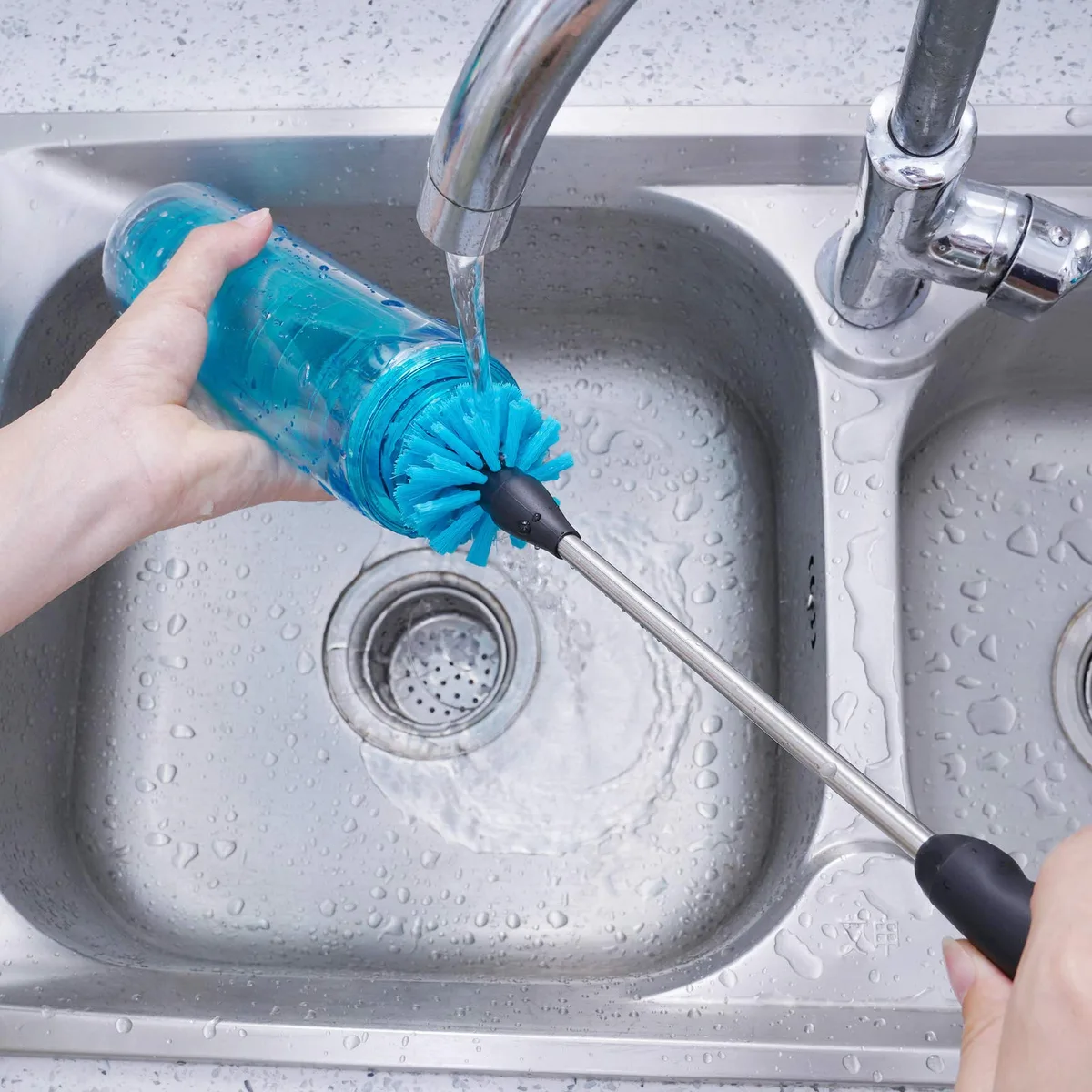
Distilled water is optional but recommended for the final rinse. It has no dissolved minerals, so it won't leave new scale behind. If you have a water softener at home, softened water works too.
For the descaling step itself, tap water is fine.
A microfiber cloth is best for drying and polishing. Paper towels work but may leave lint behind. The channel interior doesn't need to be bone dry.
It just needs to be free of descaling solution residue.
You might also want a toothpick or a small plastic pick for stubborn scale. Use it gently. Plastic is softer than the channel walls, so it won't scratch.
Avoid metal tools. They can gouge the plastic and create rough spots where scale forms faster next time.
If you have a model with a removable water tank, you can clean that separately. The tank can be washed with warm soapy water and a soft sponge. Rinse thoroughly.
The tank usually doesn't need descaling, but it doesn't hurt.
Mistakes That Damage Your Multi Cooker (And How to Avoid Them)
Cleaning is straightforward, but plenty of owners accidentally damage their appliance while trying to help it. The number one mistake is using bleach or ammonia-based cleaners. These chemicals can degrade plastic parts and leave toxic residue that later ends up in your food.
Another common error is using abrasive scrubbers. Steel wool, scouring pads, and stiff wire brushes scratch the plastic channel walls. Those scratches become perfect spots for future scale to take hold.
Once the surface is rough, scale bonds even tighter and cleaning gets harder every time.
Some people skip the rinse cycle. They descale with vinegar, empty the tank, and call it done. Residual acid lingers in the channel and mixes with your food during the next steam session.
That's how you get a lingering sour or chemical taste. Always run at least two full cycles with plain water after descaling.
Submerging the main unit is another big mistake. The base contains electrical components, heating elements, and sensors. Soaking it in water can cause short circuits or permanent damage.
Only the removable water tank goes in the sink. The channel is cleaned in place with solutions poured into the reservoir, never by dunking the whole appliance.
Using the wrong descaling agent is also a problem. Undiluted industrial descalers meant for commercial boilers are too harsh. They can eat through plastic and rubber seals.
Stick to vinegar, food-grade citric acid, or a descaler explicitly labeled for consumer kitchen appliances.
Finally, don't force a clogged channel with wire or a metal skewer. You risk puncturing the plastic or scratching the interior. If a soak doesn't clear the blockage, repeat with fresh solution and leave it longer.
Patience works better than force. Aggressive poking can turn a simple cleaning job into a replacement purchase.
Pro Advice: When to Disassemble vs. When to Soak In-Place
Not every descaling job requires taking your multi cooker apart. The right approach depends on your model's design and how severe the buildup is. If you can see the channel opening clearly and the scale is light, soak in-place.
Soak in-place works for most routine maintenance. You fill the reservoir with descaling solution, run a steam cycle, and let it sit. This method reaches the full length of the channel without any disassembly.
It's safe, fast, and doesn't risk breaking clips or seals.
Disassembly is only needed when the channel is fully blocked or when your model has a removable channel cover. Some multi cookers, particularly older Ninja Foodi models, have a small cover over the steam channel. Popping it off gives you direct access for scrubbing.
Check your manual to see if your model has this feature.
If you choose to disassemble, document each step with your phone camera. Manufacturers don't expect most users to take these parts apart, so clips can be tricky. Photos help you remember how things go back together.
Remove only the parts required to access the channel. Take off everything else and you're inviting assembly errors.
Vinegar and citric acid are both effective, but they work at different speeds. A 30-minute soak with white vinegar handles light scale. Thick, crusty deposits may need an overnight soak with citric acid.
If your channel has visible white chunks, skip the quick soak and go straight to the stronger solution.
When reassembling, make sure all seals are seated properly. A loose seal causes water to leak into the base of the unit. That's a short circuit waiting to happen.
Test the unit once with plain water before using it for food.
Keeping Scale Away: Maintenance Routine for Hard Water Homes
Prevention is easier than cure. If you live in a hard water area, a simple routine will keep your multi cooker scale-free for years. The first rule is to use distilled water.
It costs about a dollar per gallon and contains no dissolved minerals. No minerals means no scale, period.
If distilled water feels like an expense you'd rather avoid, at least use filtered water. A basic pitcher filter removes some minerals, though not all. The most effective option is a countertop carbon filter that also reduces hardness.
You can also install an inline water softener on your kitchen faucet.
Empty the water tank after each use. Stagnant water allows minerals to settle and evaporate, leaving behind a thin film of scale. That film builds up over time.
A quick empty and wipe-down takes ten seconds and saves you from deep cleaning later.
| Routine | Frequency | What to Do |
|---|---|---|
| Empty tank and wipe channel opening | After every use | Prevents fresh mineral deposits from drying |
| Full descaling with vinegar | Every 1 to 3 months | Keeps channel clear of calcium carbonate buildup |
| Deep clean with citric acid | Every 6 months | Removes stubborn scale and resets the channel |
| Descale immediately | After noticing reduced steam | Stops the problem before the channel blocks completely |
Run a maintenance steam cycle every few weeks even if you don't cook often. This keeps the channel wet and prevents minerals from baking onto the walls. Just fill the tank with water and run the steam function for five minutes.
Watch your local water hardness. You can find this information in your municipality's annual water quality report. If your water is above 180 parts per million, consider distilled water for all steaming tasks.
Let's face it, a gallon of distilled water is cheaper than a new multi cooker.
Real Scenarios: What Works for Different Buildup Levels
Light scale shows up as a thin white film inside the channel. You might only notice reduced steam output or a faint white residue on steamed vegetables. This level responds perfectly to a single vinegar soak.
A simple routine handles it. Mix equal parts white vinegar and water. Pour it into the reservoir.
Run a 10-minute steam cycle, then let it soak for 30 minutes. Empty the tank and run two clean-water cycles. Your multi cooker will be back to peak performance.
Moderate buildup looks like visible white crust around the channel opening and vent. Steam output drops noticeably. Cooking times stretch out.
One soak won't be enough. Use citric acid instead of vinegar. Two tablespoons of citric acid powder per liter of warm water is the standard ratio.
Run a full steam cycle with this solution. Let it sit for two hours. Scrub the channel with a small brush, then repeat the process if any scale remains.
Most moderate cases clear in two rounds. Finish with multiple fresh-water rinses to remove every trace of acid.
Severe buildup means the channel is nearly or completely blocked. You might see no steam at all, or the unit may display an error code. This scenario requires an overnight soak.
Fill the reservoir with a concentrated citric acid solution. Leave it for eight to twelve hours.
The scale should soften into a chalky sludge. Flush the channel with warm water and scrub gently with a bottle brush. In very stubborn cases, you may need to repeat the soak.
Once clear, run three cycles with plain water to eliminate any residue.
Aggregate user reviews confirm that even severely scaled units recover with this method. The key is patience. Don't poke, force, or slam the unit.
Slow soaking dissolves the calcium carbonate safely.
Frequently Asked Questions
How often should I descale my steam and crisp multi cooker?
Every one to three months depending on your water hardness. If you use distilled water, descaling twice a year is enough. If you're on hard water and use tap water, descale monthly.
Watch for reduced steam output as your signal to clean sooner.
Can I use vinegar in my multi cooker?
Yes, distilled white vinegar is safe for descaling. Dilute it with equal parts water. Never use undiluted vinegar, as the high acid concentration can damage plastic components and rubber seals.
Always follow up with two fresh-water rinse cycles to remove all vinegar taste.
Why is my multi cooker not producing steam?
A blocked water reservoir channel is the most common cause. Mineral scale narrows the passage and stops water flow. Descale the unit with vinegar or citric acid.
If that doesn't help, check for a kinked tube or a faulty pump on models with an integrated pump.
Is citric acid safe for plastic parts?
Yes, food-grade citric acid is safe for the plastics used in multi cookers. It's milder than vinegar on seals while being more aggressive on scale. Stick to the recommended ratio of two tablespoons per liter of warm water to avoid overly strong solutions.
How do I get rid of the vinegar smell after descaling?
Run two or three steam cycles with plain fresh water. If the smell persists, add a quarter cup of lemon juice to the reservoir and run one more cycle. The lemon juice neutralizes the vinegar odor.
Finish with one final water-only cycle.
What happens if scale blocks the channel completely?
The unit won't steam properly, and continued use can overheat the heating element. You might see error codes or the appliance may shut off entirely. Soak the channel overnight with a citric acid solution.
If the blockage doesn't clear, contact the manufacturer for service options.

Related posts
Reddit Review: Is Ninja Foodi 8-qt SteamCrisp Worth Buying?
You've been scrolling through Reddit threads, trying to figure out if the Ninja Foodi 8qt SteamCrisp is actually…

Perfect Crispy Salmon & Asparagus in Steam & Crisp
Here is the article opening and the first 5 H2 sections. If you’ve ever wondered what temperature and…
Fix Anova Sous Vide Squealing & Buzzing Noise
If your Anova Precision Cooker has started making a highpitched squeal or a low buzzing sound while it's…