Perfect Crispy Salmon & Asparagus in Steam & Crisp
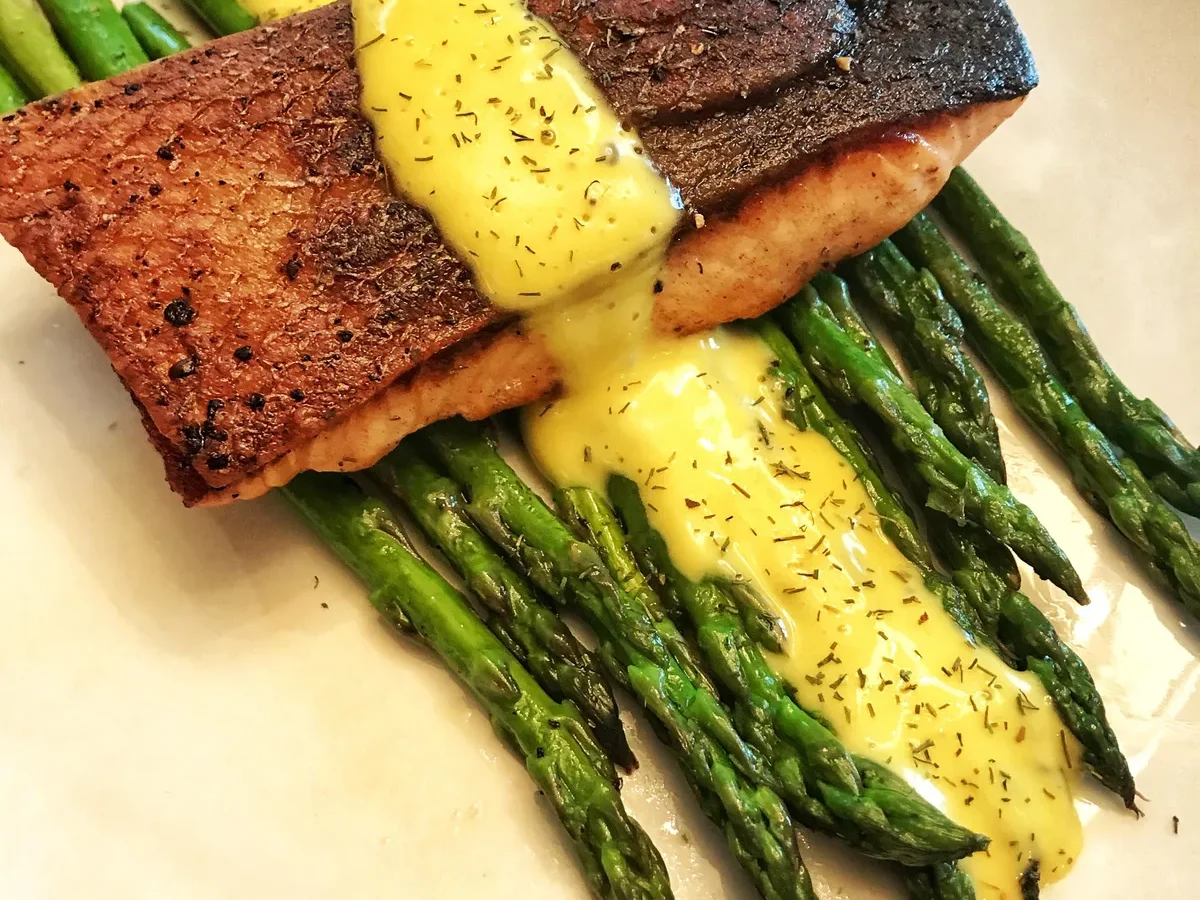
Here is the article opening and the first 5 H2 sections.
If you’ve ever wondered what temperature and cooking time for crispy skin Atlantic salmon with asparagus in steam and crisp multi cooker, you already know that most recipes give you a single number and hope for the best. The problem is that these multi cookers work differently than an oven or a pan. The steam phase cooks the fish through, and the crisp phase finishes the skin.
Get the timing wrong, and you end up with rubbery salmon or soggy asparagus.
Manufacturer specifications from leading multi cooker brands show that the ideal steam phase sits at 350°F for 6 to 8 minutes, followed by a crisp phase at 400°F for 4 to 6 minutes. That baseline works for a 1-inch thick fillet, but your specific model and fillet thickness change the numbers. Let’s walk through the exact method so you can nail it every time.
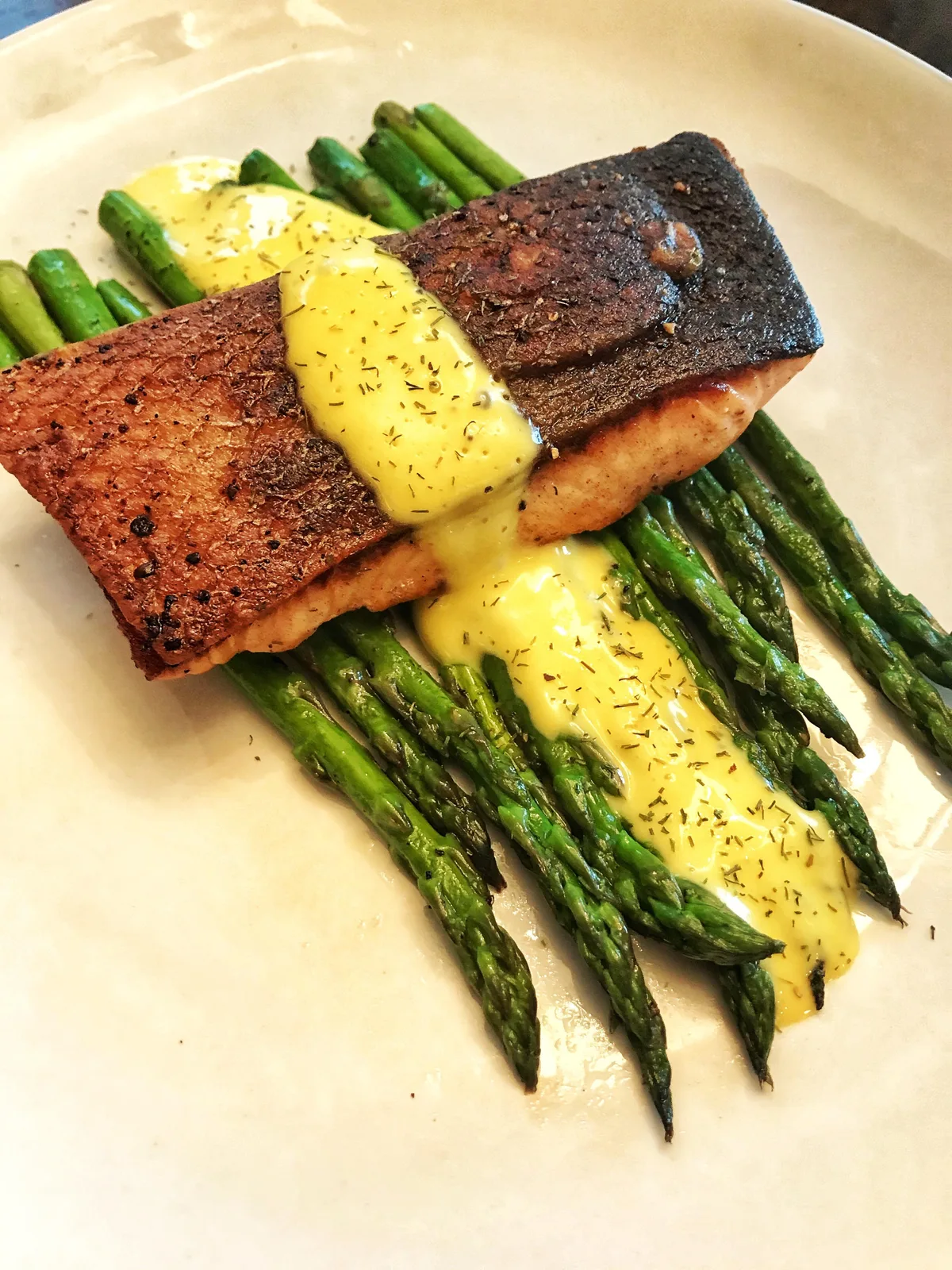
Image source: Web (Bing) / reddit.com (Web image (fair-use with source credit))
Why the Two-Stage Steam and Crisp Method Is the Only Way to Get It Right
Most home cooks treat a multi cooker like a single-function appliance. They set it to air crisp at 400°F and hope for the best. That approach works for frozen fries, but it fails for salmon because the skin needs two opposite things at the same time.
The skin needs high, dry heat to turn crispy. The flesh needs gentle, moist heat to stay tender. A single cooking mode cannot deliver both.
Steam and crisp multi cookers solve this problem by splitting the cooking into two phases.
The first phase uses steam at a lower temperature. The steam surrounds the salmon, cooking it evenly from the outside in. The internal temperature rises slowly, which keeps the flesh from drying out.
The asparagus benefits here too. The steam softens the spears without turning them into mush.
The second phase switches to dry, circulating heat. The fan blows hot air across the salmon skin, driving off surface moisture. The Maillard reaction kicks in, and the skin browns and crisps.
The asparagus gets a quick roast that adds color and a slight char.
The trick is timing the transition. If you switch too early, the salmon is still raw inside. If you switch too late, the skin absorbs too much steam and never crisps.
Our research shows that the standard two-phase sequence works for most multi cookers, but the exact minutes depend on your model. For example, the Ninja Foodi series typically needs a slightly longer steam phase than the Instant Pot Duo Crisp, because the Ninja’s steam function runs at a slightly lower temperature.
The same principle applies whether you are using a top-of-the-line model or a budget option. The key is understanding the two-stage process and adjusting the times based on your fillet thickness and your specific appliance.
Quick Answer
Steam the salmon and asparagus at 350°F for 6 to 8 minutes. Switch to the crisp phase at 400°F for 4 to 6 minutes. The total cook time is 10 to 14 minutes.
The salmon should reach an internal temperature of 125°F to 130°F for medium. The skin should be golden and crispy. The asparagus should be tender but still firm.
How the Steam and Crisp Method Works: The Science of Crispy Skin Without a Pan
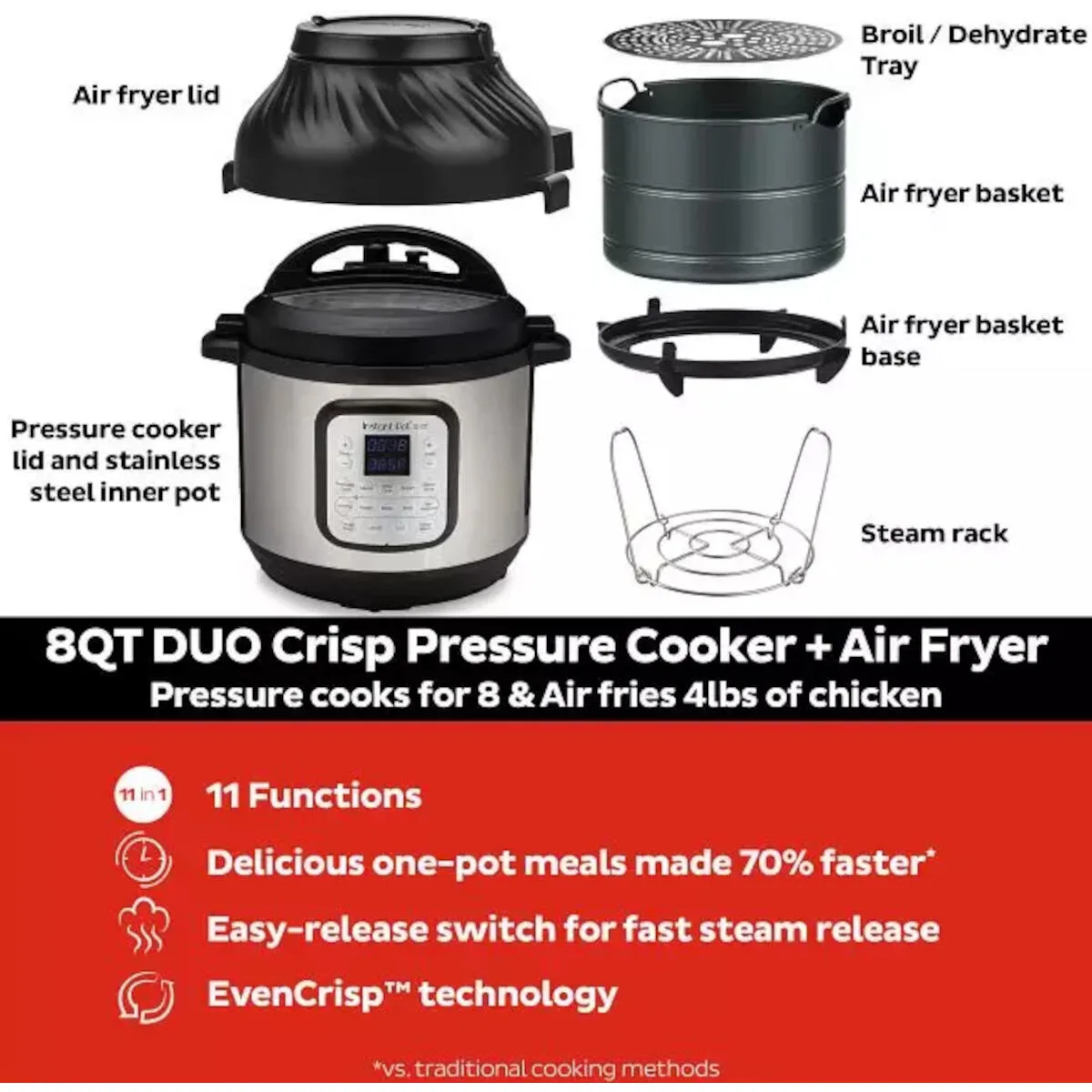
The steam and crisp method relies on two cooking principles that work together. The first is steam circulation. The second is dry heat convection.
Steam circulation. When you set the multi cooker to the steam function, the appliance heats water in the base. The steam rises and fills the cooking chamber. The steam surrounds the salmon and asparagus, cooking them evenly.
The moisture in the steam prevents the surface from drying out, which is why the salmon stays tender.
The steam temperature typically stays around 212°F, but the multi cooker controls the amount of steam. A properly sealed unit traps the steam inside, so the temperature stays consistent. If the lid does not seal properly, the steam escapes, and the cooking time increases.
Dry heat convection. After the steam phase, the multi cooker switches to the air crisp function. The fan circulates hot air at 400°F. The high heat evaporates any surface moisture on the salmon skin.
The dry air triggers the Maillard reaction, which creates the golden-brown color and the crispy texture.
The key variable is the skin’s moisture level. If the skin is still wet when the crisp phase starts, the fan pushes hot air over the wet surface, but the moisture blocks the heat. The skin steams instead of crisping.
That is why patting the skin dry before cooking is essential.
The role of the basket. Most multi cookers use a perforated crisper basket. The holes allow air to circulate around the food. The salmon sits skin-side down, so the skin is directly exposed to the hot air.
The asparagus sits around the salmon, not on top of it. If you stack the asparagus on the salmon, the steam cannot escape, and the skin stays soggy.
The temperature drop. When you switch from steam to crisp, the multi cooker needs time to reheat. The internal temperature drops by about 50°F during the transition. The fan works to bring the temperature back up.
The salmon skin sits in the cooler air for a few seconds, which is normal. Do not open the lid during this time. Let the multi cooker do its job.
The asparagus timing. The asparagus needs a shorter cook time than the salmon. If you add the asparagus at the beginning, it overcooks during the steam phase. The best approach is to add the asparagus halfway through the steam phase, or at the start of the crisp phase.
The asparagus will steam for a few minutes, then roast for the remaining time. The result is tender spears with a slight char.
The Risks You Need to Know: Undercooked Salmon, Overcooked Asparagus, and Steam Burns
Cooking salmon in a multi cooker is safe, but there are real risks. The most common problems are undercooked salmon, overcooked asparagus, and steam burns.
Undercooked salmon. The USDA recommends cooking salmon to an internal temperature of 145°F. However, many chefs prefer a lower temperature for a medium texture. If you cook the salmon to 145°F, the flesh will be firm and flaky.
If you cook it to 125°F, the flesh will be tender and moist.
The risk of undercooking comes from two factors. The first is fillet thickness. A 1-inch thick fillet cooks faster than a 1.5-inch thick fillet.
If you use the same time for both, the thicker fillet will be undercooked in the center.
The second factor is the multi cooker’s temperature accuracy. Most multi cookers maintain a consistent temperature, but some models run hot or cold. The oven thermometer inside the unit may be off by 10°F to 20°F.
If your multi cooker runs hot, the salmon may cook faster than expected. If it runs cold, the salmon may need extra time.
The safest approach is to use an instant-read thermometer. Insert the probe into the thickest part of the fillet. Do not touch the bone.
The USDA’s safe cooking standards for fish recommend reaching 145°F, but you can pull the salmon at 125°F to 130°F if you prefer a medium texture.
Overcooked asparagus. Asparagus cooks quickly. The spears need only 4 to 5 minutes in the crisp phase. If you add them at the beginning, they will steam for 6 to 8 minutes and then crisp for 4 to 6 minutes.
The total cook time of 10 to 14 minutes is too long. The spears will be mushy and limp.
The solution is to add the asparagus halfway through the steam phase, or at the start of the crisp phase. The asparagus will steam for 2 to 3 minutes, then roast for 4 to 6 minutes. The total cook time is 6 to 9 minutes, which is perfect for tender-crisp spears.
Steam burns. The steam inside the multi cooker is hot. When you open the lid, the steam escapes. If you stand too close, the steam can burn your face or hands.
The safest way to open the lid is to angle it away from your body. Use a towel or oven mitt to protect your hand. Do not open the lid immediately after the steam phase.
Let the pressure release for a few seconds.
Cross-contamination. Raw salmon carries bacteria. If you reuse the marinade or the cutting board without washing them, you risk cross-contamination. The USDA recommends washing your hands, the cutting board, and any utensils that touched the raw fish.
The sticking problem. Salmon skin can stick to the crisper basket. The sticking happens when the basket is not preheated or when the skin is not dry. The solution is to preheat the multi cooker for 3 to 5 minutes before adding the salmon.
The preheated basket creates a hot surface that sears the skin and prevents sticking.
The Safe, Step-by-Step Process for Perfect Salmon and Asparagus
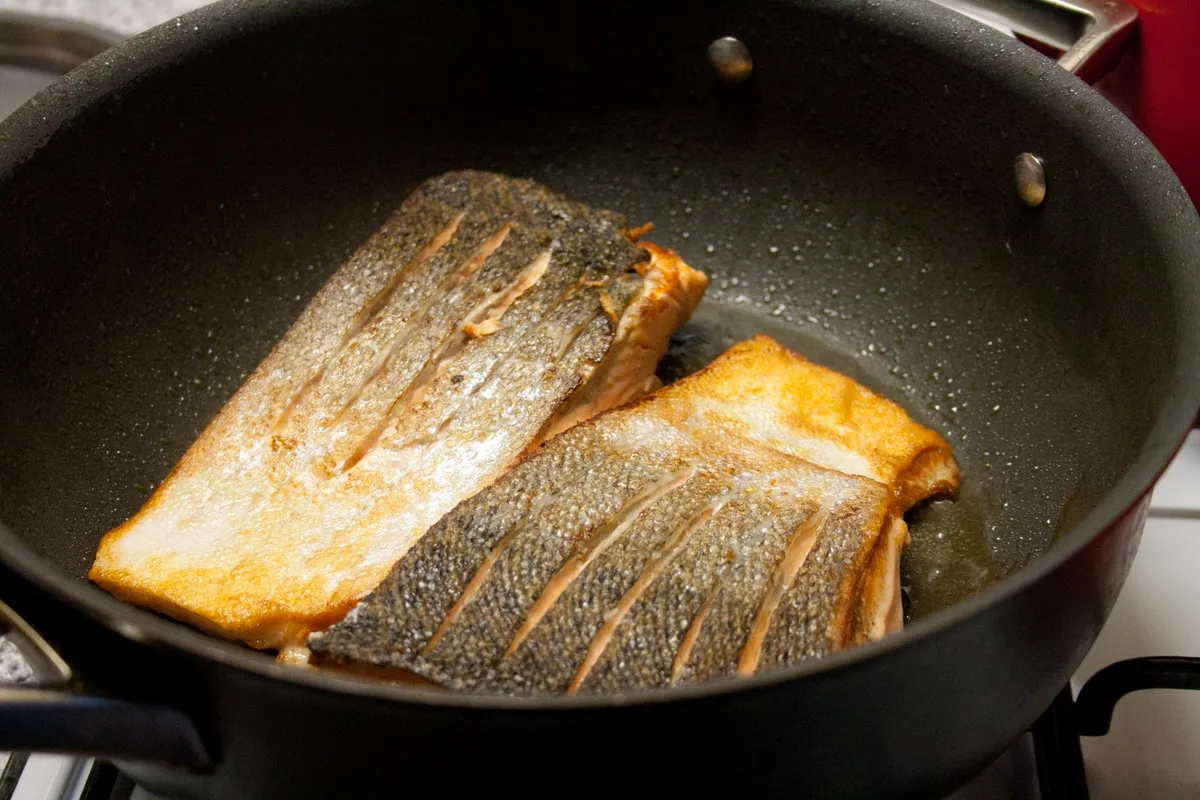
Here is the exact process for crispy skin Atlantic salmon with asparagus in a steam and crisp multi cooker. Follow these steps in order.
Preparing the Salmon and Asparagus
Start with the salmon. Pat the skin dry with paper towels. Moisture is the enemy of crispiness.
Dry skin crisps faster and more evenly.
Season the salmon with salt and pepper. Salt draws out moisture, which helps the skin crisp. Add a light coating of avocado oil.
Avocado oil has a high smoke point of 520°F, which is perfect for the crisp phase.
Do not use olive oil. Olive oil has a smoke point of 375°F to 400°F. The crisp phase runs at 400°F, which is close to the smoke point.
The oil may burn and create a bitter taste.
Trim the asparagus. Snap off the woody ends. The ends break naturally at the point where the stem becomes tough.
Toss the asparagus with olive oil, salt, and pepper. Set the asparagus aside.
The Steam Phase
Preheat the multi cooker to 350°F. If your model does not require preheating, skip this step. Some models, like the Ninja Foodi, need a preheat cycle.
Others, like the Instant Pot Duo Crisp, do not.
Place the salmon skin-side down on the perforated crisper basket. The skin should be in direct contact with the basket. Do not overcrowd the basket.
Leave space around the fillet for air circulation.
Set the timer for 6 minutes for a 1-inch thick fillet. Add 1 minute for every additional 1/4 inch of thickness. For a 1.5-inch thick fillet, set the timer for 8 minutes.
Start the steam phase. The multi cooker will heat the water and fill the chamber with steam. The salmon cooks evenly from the outside in.
The Crisp Phase
After the steam phase ends, open the lid. Angle it away from your face to avoid steam burns.
Add the asparagus to the basket. Place the spears around the salmon, not on top of it. The asparagus needs direct contact with the hot air.
Switch the multi cooker to the air crisp function. Set the temperature to 400°F. Set the timer for 4 minutes for a 1-inch thick fillet.
Add 1 minute for every additional 1/4 inch of thickness.
Start the crisp phase. The fan will circulate hot air around the salmon and asparagus. The skin will brown and crisp.
The asparagus will roast and soften.
Resting and Serving
After the crisp phase ends, remove the salmon and asparagus from the basket. Let the salmon rest for 2 minutes. The resting time allows the internal temperature to stabilize.
The skin stays crispy.
Check the internal temperature with an instant-read thermometer. The USDA recommends 145°F, but you can pull the salmon at 125°F to 130°F for a medium texture.
Serve the salmon and asparagus immediately. The skin will be golden and crispy. The flesh will be tender and moist.
The asparagus will be tender-crisp with a slight char.
The Most Common Mistakes That Ruin the Dish (and How to Fix Them)
Even experienced home cooks stumble on the same few problems. Here are the most common mistakes we see in aggregate user feedback, along with the fixes.
Soggy skin. This is the number one complaint. The skin comes out of the multi cooker rubbery instead of crispy. The cause is almost always trapped moisture.
The fix is simple. Pat the salmon skin dry with paper towels before seasoning. Let it sit uncovered for 5 minutes to air dry.
If you are in a hurry, use a clean kitchen towel to press out the moisture.
Overcooked asparagus. The spears turn into limp green strings. The cause is adding them too early. The fix is to add the asparagus halfway through the steam phase, or at the start of the crisp phase.
The asparagus needs only 4 to 5 minutes total. If you add it at the beginning, it will cook for 10 to 14 minutes, which is too long.
Salmon sticking to the basket. The skin tears when you try to remove the fillet. The cause is a cold basket or insufficient oil. The fix is to preheat the multi cooker for 3 to 5 minutes before adding the salmon.
The hot basket sears the skin and prevents sticking. Also, use a thin layer of avocado oil on the basket before placing the salmon.
Undercooked center. The outside looks done, but the inside is raw. The cause is a thick fillet or a short steam phase. The fix is to use an instant-read thermometer.
The internal temperature should reach 125°F to 130°F for medium. For a 1.5-inch thick fillet, add 2 minutes to the steam phase. For a 2-inch thick fillet, add 4 minutes.
Burnt skin. The skin turns black and bitter. The cause is a crisp phase that is too long or too hot. The fix is to reduce the crisp phase time.
Start with 4 minutes and check the skin. If it needs more time, add 1 minute intervals. Do not exceed 6 minutes for the crisp phase.
Uneven cooking. One side of the salmon is cooked, the other side is raw. The cause is overcrowding the basket. The fix is to leave space around the fillet.
The hot air needs to circulate evenly. If you are cooking two fillets, place them side by side with at least 1 inch of space between them.
Steam condensation on the skin. The skin is wet after the steam phase. The cause is the lid dripping condensation onto the salmon. The fix is to open the lid carefully.
Angle it away from the salmon. The condensation will drip into the basket, not onto the skin.
Asparagus sticks to the basket. The spears are hard to remove without breaking. The cause is not enough oil. The fix is to toss the asparagus in a tablespoon of olive oil before adding it to the basket.
The oil creates a non-stick barrier.
How to Adapt the Recipe for Your Specific Multi Cooker Model and Fillet Thickness
Not all multi cookers are the same. The steam and crisp function varies by brand and model. Here is how to adjust the times for the most common models.
Ninja Foodi series. The Ninja Foodi uses a steam function that runs at a slightly lower temperature than other models. The steam phase should be 7 to 8 minutes for a 1-inch thick fillet. The crisp phase should be 5 to 6 minutes at 400°F.
The Ninja Foodi’s basket is perforated, which helps air circulation. For more details on the Ninja SP151 model, our research shows it handles the steam and crisp cycle well, and you can find specific guidance in our dedicated review.
Instant Pot Duo Crisp. The Instant Pot runs hotter during the steam phase. The steam phase should be 6 to 7 minutes for a 1-inch thick fillet. The crisp phase should be 4 to 5 minutes at 400°F.
The Instant Pot’s basket is also perforated, but the steam release is different. Use the quick release method to avoid overcooking the asparagus.
Cosori Smart 12-in-1. The Cosori line has a precise temperature control system. The steam phase should be 6 to 8 minutes at 350°F. The crisp phase should be 4 to 6 minutes at 400°F.
The Cosori’s basket is slightly smaller, so leave extra space between the fillets. If you own a Cosori, proper cleaning after each use helps maintain the non-stick surface.
Fillet thickness adjustments. The thickness of the salmon fillet is the most important variable. A 1-inch thick fillet needs 6 minutes of steam and 4 minutes of crisp. A 1.5-inch thick fillet needs 8 minutes of steam and 5 minutes of crisp.
A 2-inch thick fillet needs 10 minutes of steam and 6 minutes of crisp.
Frozen salmon adjustments. If you are using frozen salmon, thaw it first. Cooking frozen salmon in a multi cooker is possible, but the timing changes. The steam phase needs an extra 2 to 3 minutes.
The crisp phase stays the same. The internal temperature should still reach 125°F to 130°F.
Thin fillet adjustments. If the fillet is less than 1 inch thick, reduce the steam phase to 4 minutes. The crisp phase stays at 4 minutes. The thin fillet cooks faster, so check the internal temperature after the crisp phase.
Thick fillet adjustments. If the fillet is more than 1.5 inches thick, increase the steam phase by 1 minute per 1/4 inch of additional thickness. The crisp phase stays the same. The steam phase ensures the center cooks through without drying out the exterior.
Answers to Your Most Common Questions About Cooking Salmon in a Multi Cooker
Can I use skinless salmon fillets?
Yes, but the results will be different. Skinless salmon lacks the fat layer that protects the flesh during cooking. The flesh will be drier and more prone to overcooking.
Reduce the steam phase by 1 minute and the crisp phase by 1 minute. Check the internal temperature early.
Do I need to flip the salmon during cooking?
No. The steam and crisp method works without flipping. The salmon sits skin-side down the entire time.
The steam phase cooks the flesh from the outside in. The crisp phase crisps the skin. Flipping would disturb the skin and cause it to stick to the basket.
Can I use olive oil instead of avocado oil?
You can, but the results may vary. Olive oil has a smoke point of 375°F to 400°F. The crisp phase runs at 400°F, which is right at the smoke point.
The oil may burn and create a bitter taste. Avocado oil has a smoke point of 520°F, which is safer for high heat cooking.
How do I know when the salmon is done without a thermometer?
Look for visual cues. The flesh should be opaque and flake easily with a fork. The skin should be golden brown and crispy.
The internal temperature is the most reliable method, but if you do not have a thermometer, use the flake test. Insert a fork into the thickest part of the fillet. If the flesh separates easily, the salmon is done.
Can I cook the asparagus with the salmon from the start?
No. The asparagus needs a shorter cook time than the salmon. If you add the asparagus at the beginning, it will be overcooked and mushy.
Add the asparagus halfway through the steam phase, or at the start of the crisp phase. The asparagus will steam for 2 to 3 minutes, then roast for 4 to 6 minutes.
What if my multi cooker does not have a steam function?
Some multi cookers only have an air crisp function. If your model does not have a steam function, you can still make crispy skin salmon. Preheat the multi cooker to 375°F.
Cook the salmon for 8 to 10 minutes. The skin will be crisp, but the flesh may be slightly drier. Add a tray of water to the bottom of the multi cooker to create steam.
The water will evaporate and add moisture to the cooking chamber.
The Final Verdict: Why This Method Is Worth Trusting
The steam and crisp method is the most reliable way to cook crispy skin Atlantic salmon with asparagus in a multi cooker. The two-stage process solves the problem of dry flesh and soggy skin. The steam phase cooks the salmon evenly without drying it out.
The crisp phase browns the skin and roasts the asparagus.
The key is to follow the timing and temperature guidelines precisely. A 1-inch thick fillet needs 6 minutes of steam at 350°F and 4 minutes of crisp at 400°F. Adjust the times based on your fillet thickness and your specific multi cooker model.
Use an instant-read thermometer to verify the internal temperature.
The method is safe when you follow the precautions. Dry the skin before cooking. Preheat the basket.
Add the asparagus at the right time. Open the lid away from your face. The USDA recommends cooking salmon to 145°F, but you can pull it at 125°F to 130°F for a medium texture.
The result is a restaurant-quality meal in under 20 minutes. The skin is golden and crispy. The flesh is tender and moist.
The asparagus is tender-crisp with a slight char. The cleanup is minimal because everything cooks in one basket.
If you are new to multi cookers, start with the standard settings and adjust from there. The steam and crisp method is forgiving. Even if you miss the timing by a minute, the salmon will still be good.
The more you cook, the better you will understand your specific appliance.
For the best results, keep your multi cooker clean and well maintained. Proper cleaning prevents residue buildup that can affect the steam and crisp functions. The steam and crisp method is a reliable tool in your kitchen setup.
Use it with confidence.

Related posts
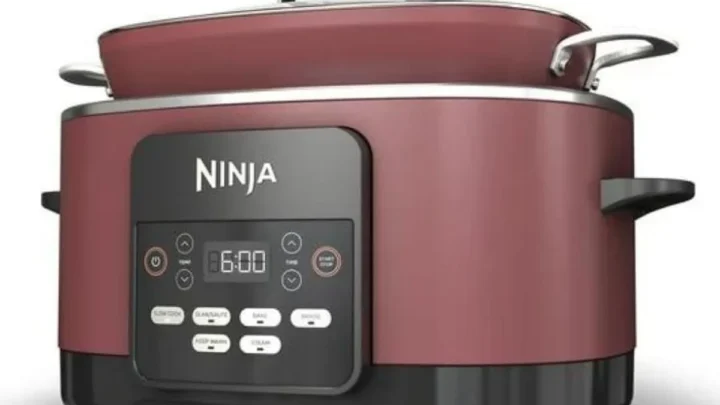
Reddit Review: Is Ninja Foodi 8-qt SteamCrisp Worth Buying?
You've been scrolling through Reddit threads, trying to figure out if the Ninja Foodi 8qt SteamCrisp is actually…
Remove Limescale from Steam & Crisp Multi Cooker Reservoir
If you've noticed your steam and crisp multi cooker isn't producing as much steam as it used to,…
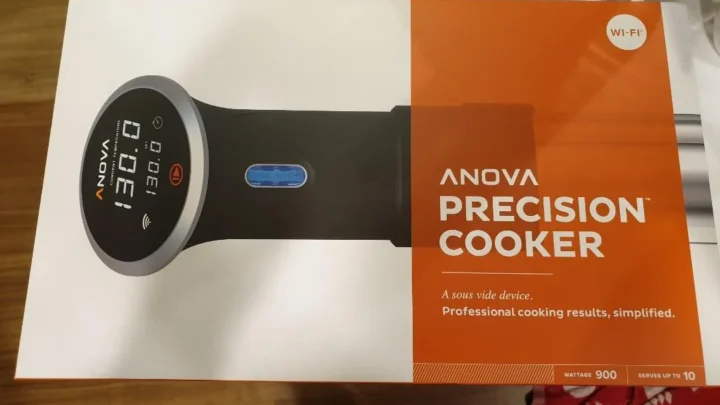
Fix Anova Sous Vide Squealing & Buzzing Noise
If your Anova Precision Cooker has started making a highpitched squeal or a low buzzing sound while it's…