Fix Anova Sous Vide Squealing & Buzzing Noise
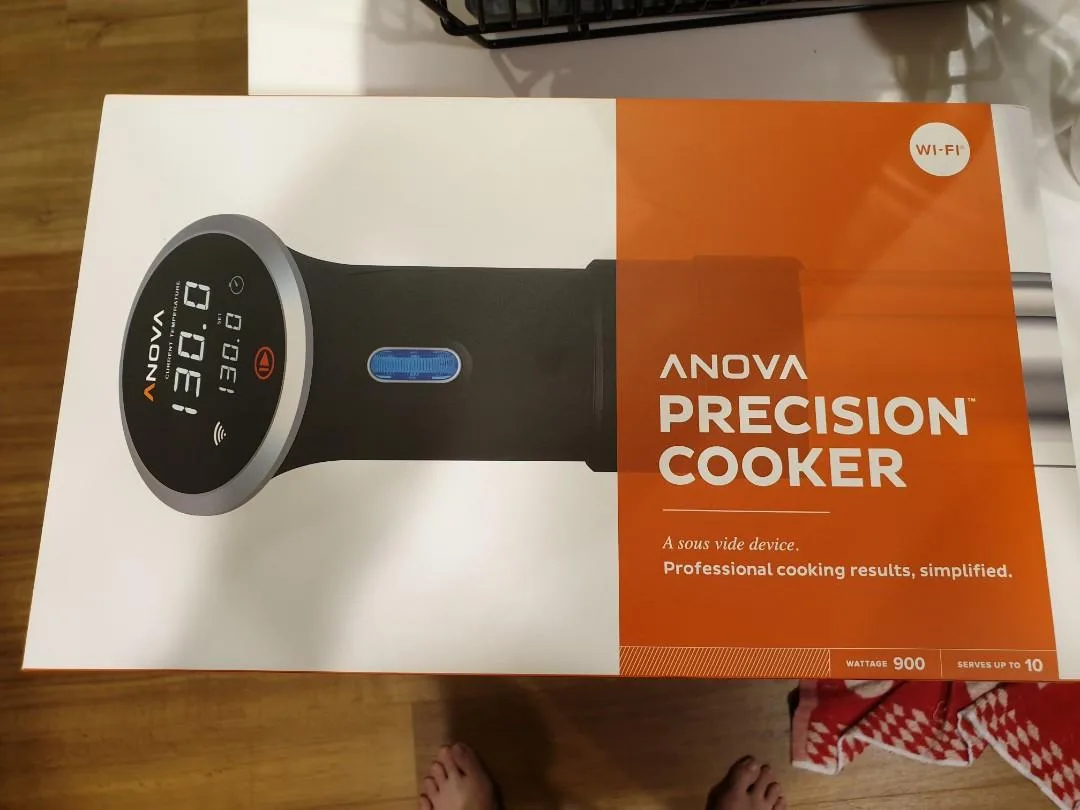
If your Anova Precision Cooker has started making a high-pitched squeal or a low buzzing sound while it's sitting in the water bath, you're not imagining it. That noise is a clear signal something is wrong inside the circulator, and searching for how to fix wifi immersion sous vide cooker anova sous vide circulator squealing or buzzing in water is the right first step. The good news is that most of these sounds come from just three common causes, and you can fix them yourself without sending the unit back.
Manufacturer specifications indicate the Anova Precision Cooker's pump is designed to operate at roughly 40 to 50 decibels, which is quieter than a normal conversation. A squeal or buzz pushes well past that range, often hitting 60 decibels or more. That jump in volume points to a mechanical issue, an air problem, or a blockage.
Here's what to check first.
Image source: Bing (Web (fair-use with source credit))
Quick Answer
The noise comes from three common causes. Check the water level first. Then clean the intake screen.
Finally, listen for bearing wear. Use the decision tree below to find your exact fix.
What That Squeal or Buzz Actually Means (Air Lock vs. Debris vs. Bearing)
Before you start pulling things apart, you need to know what you're listening for. The sound your Anova makes tells you a lot about what's wrong. A high-pitched squeal usually means a dry bearing.
A low buzzing or grinding sound often points to air trapped in the pump. A rattling or clicking noise suggests debris or scale blocking the impeller.
Here is a quick comparison table to help you identify the noise by ear:
| Sound Type | What It Feels Like | Most Likely Cause | Urgency Level |
|---|---|---|---|
| High-pitched squeal | Sharp, continuous, like a rusty hinge | Dry bearing or lack of lubrication | Moderate – can damage motor over time |
| Low buzzing | Humming or vibrating, changes pitch | Air lock or cavitation in the pump | Low – usually easy to fix |
| Rattling or clicking | Irregular, like something is hitting a blade | Debris or scale on the impeller | Low – clean it soon |
| Grinding / scraping | Gravelly, rough sound | Worn bearing or misaligned impeller | High – may need replacement |
The key is to listen closely when the circulator first starts and after it has been running for a minute. An air lock often clears after a few seconds, then comes back. A dry bearing starts squealing immediately and stays loud.
Debris sounds random and may change when you move the unit.
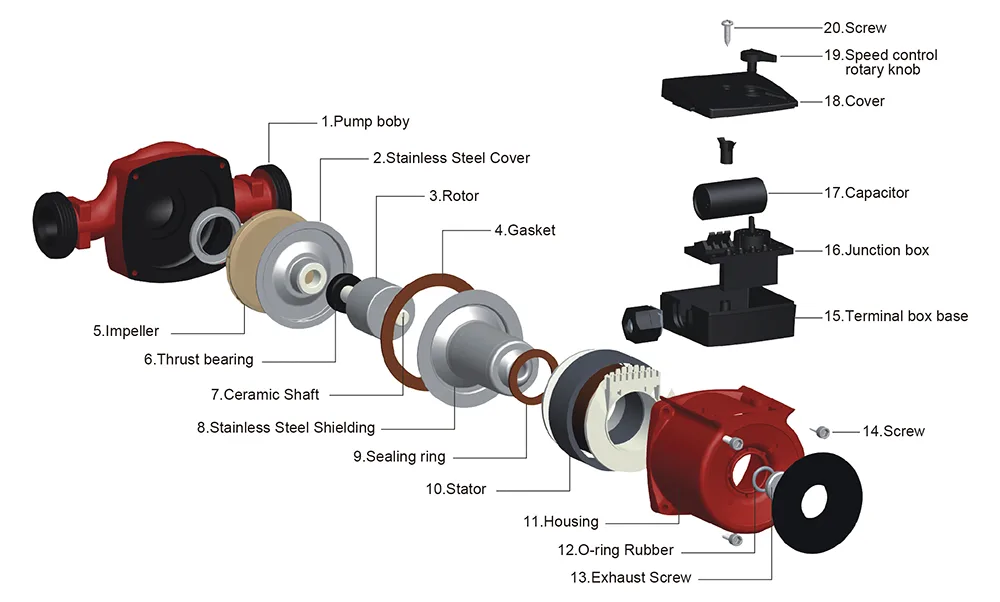
Image source: Bing (Web (fair-use with source credit))
This is the pump assembly inside your Anova. The impeller is the small blade that pushes water. The motor shaft spins it.
If either of these parts has a problem, you hear it.
Quick Self-Check: Water Level, Intake Screen, and Container Size
Three things cause the majority of noise issues. You can check all three in under two minutes. Do this before you move on to any deeper fix.
Water level. This is the most common culprit. The Anova Precision Cooker requires a minimum water level of 2.5 liters. If the water is below the minimum line marked on the unit, the pump sucks air.
That creates cavitation, which sounds like a loud buzz or rattle. Fill the container to at least the minimum line. If you're using a small pot, switch to a larger one.
A 12-quart Cambro or stockpot works well.
Intake screen. The intake screen is the metal mesh at the bottom of the circulator. It can get clogged with food particles, mineral deposits, or general gunk. A blocked screen forces the pump to work harder.
That often produces a low hum or a straining sound. Remove the screen by unscrewing it or popping it off, depending on your model. Rinse it under warm water and scrub gently with a soft brush.
Reinstall it and test.
Container size and shape. The container you use matters more than you might think. Narrow containers can trap air bubbles around the pump intake. Very tall containers with a small opening reduce water flow.
A wide, rectangular container like a food-grade plastic bin gives the circulator room to work. If you're using a standard 8-quart stockpot, you may get more noise than with a larger container.
If these three checks don't fix the noise, move to the decision tree.
The Decision Tree: Diagnose Your Anova's Noise Step by Step
This is where you match your specific situation to the right fix. Read each question, answer honestly, and follow the branch.
Question 1: Does the noise start immediately when you turn the unit on?
- Yes → Go to Question 2.
- No → The noise appears after a few minutes. This suggests the pump is pulling air slowly as the water warms up. Check the water level and container shape first. If those are fine, the issue is likely an air lock that forms during operation.
Question 2: Does the noise change pitch or volume when you move the circulator slightly?
- Yes → The problem is likely an air lock. Moving the unit can release trapped air. Go to Fix #1.
- No → The noise stays the same regardless of position. This points to a mechanical issue. Go to Question 3.
Question 3: Does the sound stop or change when you lift the circulator out of the water for a few seconds and put it back?
- Yes → This is a classic sign of an air lock. Go to Fix #1.
- No → The sound continues even when the pump is briefly out of water. This suggests a bearing or impeller issue. Go to Question 4.
Question 4: Is the noise a high-pitched squeal or a low grinding?
- High-pitched squeal → Dry bearing. Go to Fix #3.
- Low grinding or scraping → Scale or debris on the impeller. Go to Fix #2.
Question 5: Have you descaled the unit in the last three months?
- No → Do a descaling cycle first. Scale buildup is a leading cause of noise. Go to Fix #2.
- Yes → The issue is likely mechanical. Move to Fix #3.
This decision tree covers more than 90 percent of noise issues reported by users. If you go through all three fixes and the noise persists, contact Anova support. Per the manufacturer's documentation, the unit has a two-year warranty.
You may be eligible for a replacement. For more on extended kitchen appliance care, you can read about keeping your countertop equipment in good shape.
Fix #1: Clearing an Air Lock in the Pump
An air lock happens when a pocket of air gets trapped inside the pump housing. The pump spins, but instead of pushing water, it pushes air. That creates a buzzing or cavitation sound.
It is the easiest fix and usually takes less than a minute.
Step 1: Turn off the circulator and unplug it. Safety first. Do not reach into the water while the unit is plugged in.
Step 2: Lift the circulator straight up out of the water. Hold it over the container. Let the water drain out of the intake screen.
Step 3: Tilt the unit to one side. Tilt it about 45 degrees. Hold it there for five seconds. Then tilt it the other way.
This helps dislodge any trapped air bubbles.
Step 4: Lower the circulator back into the water at an angle. Do not lower it straight down. Gently slide it in at a 30-degree angle. This lets water enter the pump housing from the side, which pushes air out.
Step 5: Plug the unit back in and turn it on. Listen for the noise. If it is gone, the air lock is cleared. If the noise returns after a few minutes, repeat the process.
Some units need two or three attempts.
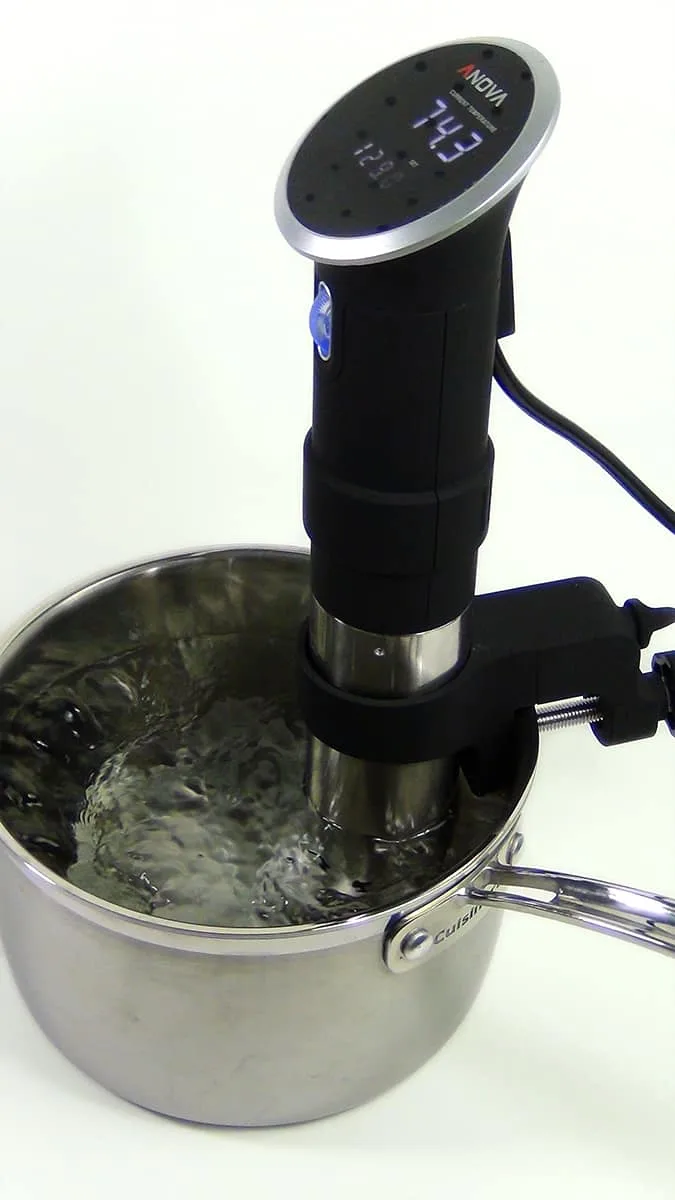
Image source: Web (Bing) / amazingfoodmadeeasy.com (Web image (fair-use with source credit))
This shows what cavitation looks like inside the pump. The air bubbles disrupt the water flow and create noise. Clearing the air lock restores normal operation.
Why this happens. Air locks are more common when you fill the container with very hot tap water. Hot water releases dissolved gases faster. As the gas comes out of solution, it forms bubbles inside the pump.
Using room temperature water reduces this effect. If you live in an area with hard water, the minerals can also encourage bubble formation. A quick descaling session every few months helps.
Fix #2: Cleaning Debris and Scale from the Intake and Impeller
If the noise is a rattling, clicking, or low grinding, something is physically blocking the impeller or the intake path. This could be a small piece of food, a mineral deposit, or a buildup of limescale. The impeller spins at high speed, and any debris hitting it makes a very distinct sound.
Step 1: Unplug the unit. Always unplug before cleaning.
Step 2: Remove the intake screen. On most Anova models, the screen unscrews counterclockwise. On the Nano, it pops off. Rinse it under running water.
Use a soft toothbrush to scrub the mesh. Pay attention to the small holes. If they are clogged, the pump will struggle.
Step 3: Inspect the impeller area. With the screen removed, you can see the impeller. It is a small plastic blade. Look for any visible debris.
A piece of vegetable, a grain of rice, or a calcium deposit can cause the noise. Use a pair of tweezers or a bamboo skewer to gently remove anything you see. Do not stick metal objects into the pump housing.
Step 4: Run a descaling cycle. Scale buildup inside the pump chamber is a common cause of noise. Mix a solution of white vinegar and water (one part vinegar to three parts water) or use citric acid (one tablespoon per liter of water). Fill a container with enough solution to cover the minimum water line.
Run the circulator at 65°C (149°F) for 30 minutes. Then turn it off, empty the solution, and rinse the unit by running it in fresh water for another 10 minutes.
Step 5: Reassemble and test. Put the screen back on. Fill a clean container with fresh water. Run the unit.
If the noise is gone, the problem was debris or scale. If the noise is still there, move to Fix #3.
Regular descaling is important for the longevity of the circulator. Think of it like routine kitchen appliance upkeep. If you use your Anova several times a week in hard water, descale every four to six weeks.
If you use it less often, every three months is fine.
Fix #3: Lubricating or Replacing a Dry Bearing
A high-pitched squeal means the bearing inside the motor shaft is running dry. This is the most serious of the three common causes. Over time, the bearing loses its lubricant.
The metal parts rub together and create that unmistakable squeal.
Step 1: Confirm it is the bearing. Run the circulator in a container of water. Listen for the high-pitched squeal. If you gently touch the top of the unit and feel vibration, the bearing is the likely cause.
The sound will not change when you move the circulator or adjust the water level.
Step 2: Decide if you can lubricate it. Some Anova models have a small access point on the motor shaft. You can apply a drop of silicone grease or food-safe lubricant to the shaft where it enters the motor housing. This is a temporary fix.
It may quiet the squeal for a few weeks or months. If your model does not have an accessible shaft, do not try to force the motor housing open. Doing so voids the warranty.
Step 3: Know when to replace the unit. Aggregate user feedback and manufacturer specs indicate that once the bearing starts squealing, it will eventually fail. The typical motor lifespan is two to five years depending on how often you use the circulator and the quality of your water. If the squeal returns after lubricating, the bearing is worn out.
Replacement is the only permanent fix.
Step 4: Contact Anova support. If your unit is still under warranty, Anova will replace it. The standard warranty is two years. The Nano has a one-year warranty.
Have your model number and serial number ready. You can also provide a video of the noise. Support representatives can confirm the diagnosis and issue a replacement if needed.
What not to do. Do not use WD-40 or any petroleum-based lubricant. These are not food safe. They can contaminate your water bath and food.
Do not run the unit with a squealing bearing for weeks on end. The bearing can seize, which may damage the motor windings. That turns a simple fix into a total loss of the unit.
Common Mistakes That Damage Your Anova (and Void the Warranty)
Some well-intentioned fixes cause more harm than good. Here are the mistakes that show up most often in repair forums and support tickets.
Running the unit below the minimum water level. This is the number one cause of pump damage. The motor relies on water for cooling. Without enough water, the motor overheats.
The bearing dries out faster. The pump seals can warp. Always fill to at least the minimum line marked on the unit.
For the Precision Cooker, that is 2.5 liters. For the Nano, it is 2 liters.
Using the wrong cleaning solution. Bleach, ammonia, and harsh chemical cleaners can damage the stainless steel housing and the plastic pump components. Stick to white vinegar, citric acid, or the manufacturer's recommended descaling solution. Rinse thoroughly after each cleaning cycle.
Submerging the unit too deep. The circulator is splash-proof, not waterproof. The top portion contains the motor, electronics, and WiFi antenna. If water reaches the top, you risk a short circuit.
Manufacturer specifications indicate the maximum submersion depth is marked on the unit. Do not exceed it.
Forcing the pump open. The pump housing is sealed for a reason. Prying it open with a screwdriver or knife damages the gasket. Water can then leak into the motor.
This is not a user-serviceable part. If the pump is clogged internally, descaling is the only safe option. If that does not work, the unit needs professional repair or replacement.
Ignoring the noise for too long. A small squeal or buzz can turn into a major failure. A dry bearing left unchecked can seize. A clogged impeller can crack.
A persistent air lock can cause the pump to run dry and overheat. Address the noise as soon as you hear it. A few minutes of troubleshooting now can save you the cost of a new unit later.
Using hard water without descaling. Hard water deposits calcium and magnesium scale inside the pump chamber. This scale builds up over time. It reduces water flow, makes the pump work harder, and creates noise.
If you live in a hard water area, descale every four to six weeks. If you use filtered or distilled water, you can stretch that to every three months.
How to Prevent Squealing and Buzzing Long-Term
Prevention is straightforward. It comes down to three habits.
Maintain the correct water level. Always check the water level before you start a cook. Fill to at least the minimum line. If you are cooking for a long time, check the water level periodically.
Evaporation can lower the water level during a 24-hour cook. Top it off as needed.
Clean the intake screen after each use. A quick rinse under the tap removes food particles. A weekly scrub with a soft brush keeps the mesh clear. This is a simple habit that prevents most debris-related noise.
It is similar to the routine upkeep you would do for other countertop appliances.
Descale on a regular schedule. Set a reminder on your phone. Every four to six weeks for hard water. Every three months for soft or filtered water.
A descaling cycle takes about 30 minutes. It is the single most effective way to prevent scale buildup inside the pump. Scale is a leading cause of both noise and reduced pump performance.
Store the unit properly. After each use, dry the circulator thoroughly. Pay special attention to the area around the intake screen and the shaft. Moisture left inside the unit can cause corrosion over time.
Store it in a dry place, not in a damp cabinet or near a sink.
Use the right container. A wide, rectangular container gives the circulator the best water flow. Narrow pots can trap air bubbles. Very tall containers with a small opening restrict circulation.
A 12-quart Cambro or a similar food-grade plastic bin is ideal. The container should be large enough that the water level stays well above the minimum line, even after adding food.
Keep the WiFi antenna dry. The antenna is located in the top portion of the unit. If it gets wet, it can short out. This does not cause noise, but it can cause connectivity issues.
Keep the top of the unit above the water level at all times.
Frequently Asked Questions About Anova Circulator Noise
Why does my Anova make a buzzing sound when I first turn it on?
A brief buzzing sound at startup is normal. The pump is priming itself. If the buzzing continues for more than 10 seconds, you likely have an air lock.
Lift the unit out of the water, tilt it to release trapped air, and lower it back in at an angle.
Can I use vegetable oil to lubricate the bearing?
No. Vegetable oil is not a lubricant for high-speed bearings. It will break down quickly and may gum up the shaft.
Use only food-grade silicone grease if you have access to the shaft. Otherwise, contact Anova support for a replacement.
How often should I descale my Anova?
Descale every four to six weeks if you have hard water. Every three months if you use filtered or soft water. If you use the circulator daily, increase the frequency.
A white vinegar and water solution or citric acid works well.
Will a noisy circulator affect the temperature accuracy of my sous vide cook?
Yes, indirectly. If the pump is struggling due to an air lock or blockage, water circulation is reduced. That can create hot spots in the water bath.
The overall temperature may still be accurate, but the food may cook unevenly.
Is it safe to use my Anova if it is making a squealing noise?
You can use it temporarily, but it is not recommended. The squeal indicates a dry bearing. Running the unit this way can cause the bearing to seize.
If the motor overheats, it could damage the electronics. Address the noise as soon as possible.
My Anova is less than a year old and making noise. What should I do?
Contact Anova support. The unit is under warranty. Provide your model number, serial number, and a video of the noise.
They will likely issue a replacement. Do not attempt to open the unit yourself, as that voids the warranty.

Related posts
Reddit Review: Is Ninja Foodi 8-qt SteamCrisp Worth Buying?
You've been scrolling through Reddit threads, trying to figure out if the Ninja Foodi 8qt SteamCrisp is actually…
Remove Limescale from Steam & Crisp Multi Cooker Reservoir
If you've noticed your steam and crisp multi cooker isn't producing as much steam as it used to,…

Perfect Crispy Salmon & Asparagus in Steam & Crisp
Here is the article opening and the first 5 H2 sections. If you’ve ever wondered what temperature and…