Perfect Crispy Beer-Battered Cod: Temp & Time for Deep Fryer
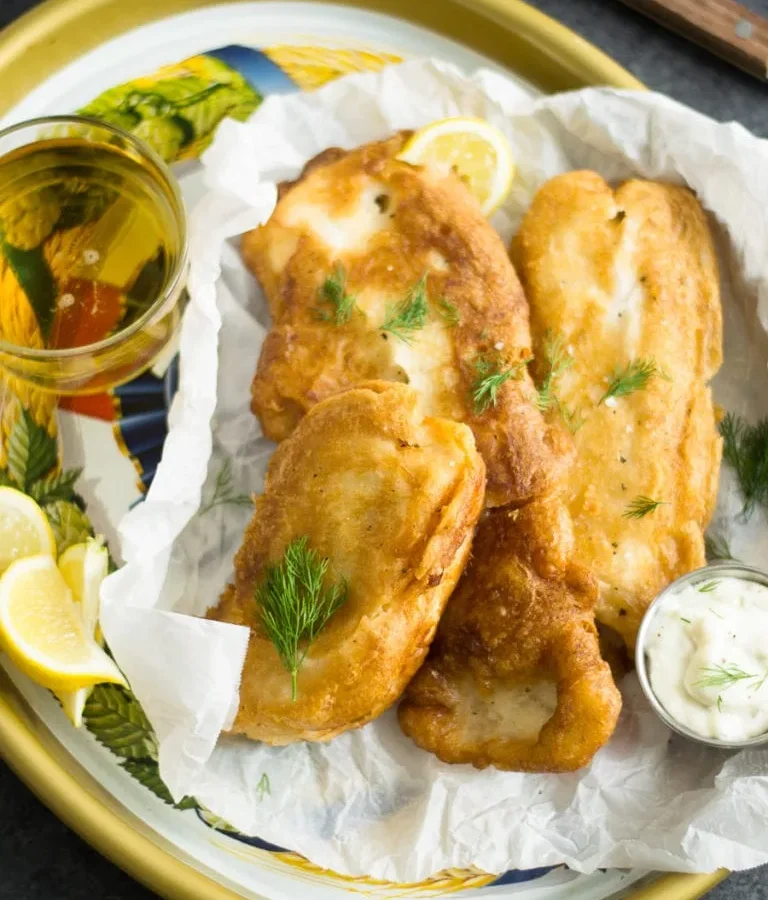
If you've been searching for what temperature and cooking time for crispy beer-battered cod fish in deep fryer with oil filtration system, you already know the frustration. Golden outside, raw inside. Soggy batter that slides off the fish.
Contradictory advice all over the internet. The good news is that there's a reliable range that works across fryer sizes, and once you understand why it works, you can nail it every single batch.
Our research draws on USDA food-safety guidelines, manufacturer specs for home and commercial fryers, and what busy fish-and-chip kitchens actually do. The sweet spot is 360°F to 365°F, with a cook time of 4 to 6 minutes for a 1-inch cod fillet. Internal temperature needs to hit 145°F.
The oil filtration system plays a bigger role than most recipes admit. Here's what that means for your kitchen.
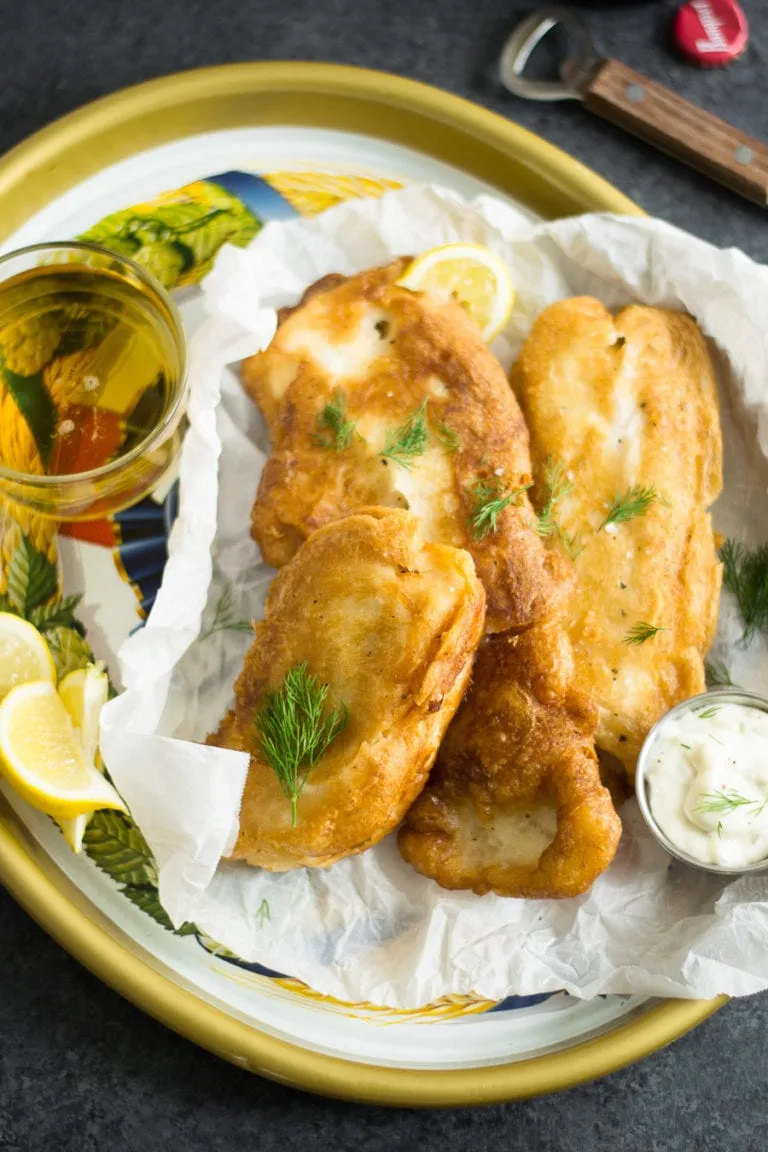
Image source: Bing (Web (fair-use with source credit))
Why Getting the Temperature and Time Right Actually Matters for Beer-Battered Cod
Quick answer: Use 360°F for the oil. Fry 1-inch cod fillets for 4 to 6 minutes. Check the center hits 145°F.
Filter your oil before frying for the crispiest result.
Cooking temperature does more than drive doneness. It controls how the batter behaves. When the oil is hot enough, the water in the beer batter vaporizes instantly, creating steam that puffs the crust into airy, crunchy bubbles.
That steam also prevents the fish from absorbing too much oil. Drop the oil even 15 degrees too low, and the batter acts like a sponge. Soggy, greasy, and heavy.
Time matters just as much. Too short, and the center stays raw, which is a genuine food-safety issue with cod. Too long, and the fish turns dry and chewy while the crust darkens into something that tastes bitter.
A 4-6 minute window at the right temperature gets you both a golden shell and a moist, flaky interior. As of 2026, the consensus across commercial fry guides and university extension programs still points to the same numbers.
There's also the oil quality factor. Clean, filtered oil transfers heat more efficiently than oil full of breadcrumb residue and burnt bits. That means it browns the batter faster and more evenly at the same thermostat setting.
Old, dirty oil runs cooler at the surface, so you compensate by frying longer, which overshoots the interior and ruins the cod.
The filtration system changes your strategy, not the science. You get better heat transfer, less flavor transfer between batches, and a more forgiving window for temperature control. That's exactly why paying attention to prep and process matters more than guessing.
We've seen home cooks make perfect fish in a $30 fryer and mess up expensive restaurant equipment by using stale oil. The technology helps, but only if you respect the fundamentals. Cod is a lean, delicate fish.
It cooks quickly and has little fat to mask mistakes. When the temperature and time are right, the batter shatters and the fish stays juicy. When they're wrong, no filter system can save it.
The Exact Numbers: Oil Temperature, Cooking Time, and Internal Cod Doneness
Let's put the core numbers in one place. These are the figures you'll rely on every time you fry cod.
| Metric | Target | Why It Works |
|---|---|---|
| Oil temperature | 350°F–375°F | Below 350°F, batter absorbs oil. Above 375°F, crust burns before fish cooks. |
| Recommended oil temp | 360°F–365°F | Balanced browning speed and even heat penetration. |
| Cooking time (1-inch fillet) | 4–6 minutes | Thinner fillets hit the low end, thicker fillets need more time. |
| Internal cod temp | 145°F minimum | USDA safe minimum for fish. |
| Oil depth | At least 2 inches | Fillets need full submersion or flipping halfway. |
The first number is your thermostat setting. The second is the truth. Most deep fryer thermostats are not spot-on.
A dial that reads 365°F might actually sit at 350°F, especially after years of use. That's why an instant-read thermometer clipped to the side of the fryer is non-negotiable. Check your oil temp right before dropping the fish, then again halfway through.
Cooking time depends on fillet thickness more than weight. A thin tail piece might be done in 3 minutes. A thick center-cut fillet can take 7 minutes.
The 4-6 minute mark assumes a standard fish-and-chips portion, about 1 inch thick at the thickest part. If you're using fillets that vary wildly, cut them into uniform pieces so they finish at the same time.
Carryover cooking is real. Fish continues to cook after you pull it from the oil, usually by about 5°F to 10°F in the first minute. So if you're aiming for exactly 145°F, pull the fish at 140°F to 142°F and let it rest on a wire rack.
That gives you a safe, moist result without an overcooked, dry center. The USDA safe minimum is 145°F for fish. Use that as your floor, not your stop point.
Time also varies with oil cleanliness. Fresh, filtered oil cooks faster than old, murky oil because it conducts heat better. If you've just replaced or filtered your fryer oil, move to the shorter end of the range.
If you're working with older oil, start checking earlier than you think you need to.
Remember that batter thickness affects time too. A thick, fluffy beer batter insulates the fish from the heat. You may need to add 30 to 60 seconds for the center to come up to temp without burning the crust.
That's normal. Cut a test piece first, check the internal temp, and adjust from there.
How Your Oil Filtration System Changes Heat Transfer, Batter Browning, and Cook Time
Oil filtration systems do one main job. They remove the suspended particles that matte cooking oil down into a dark, scorched-flavored mess. Crumbs from batter and flakes from the fish break loose during frying.
Left in the oil, they keep frying and burn, releasing free radicals and off-flavors into the oil. They also act as physical barriers on the fish surface, slowing heat transfer and making browning uneven.
Clean oil behaves differently. It has a higher smoke point because it hasn't degraded, and it holds its temperature steadier. When you drop in a cold piece of battered cod, clean oil recovers to the target temperature faster.
That's why the same 365°F setting will produce a lighter, crisper, more consistent crust with freshly filtered oil.
With a built-in filtration system, you're less likely to let the oil degrade in the first place. That's the whole point. The filter catches those tiny particles before they form a layer of sludge at the bottom of the fryer.
But it also changes your cooking times slightly. Clean oil transfers heat more aggressively, so your 5-minute window might turn into 4 minutes and 30 seconds. Watch the crust color, not just the clock.
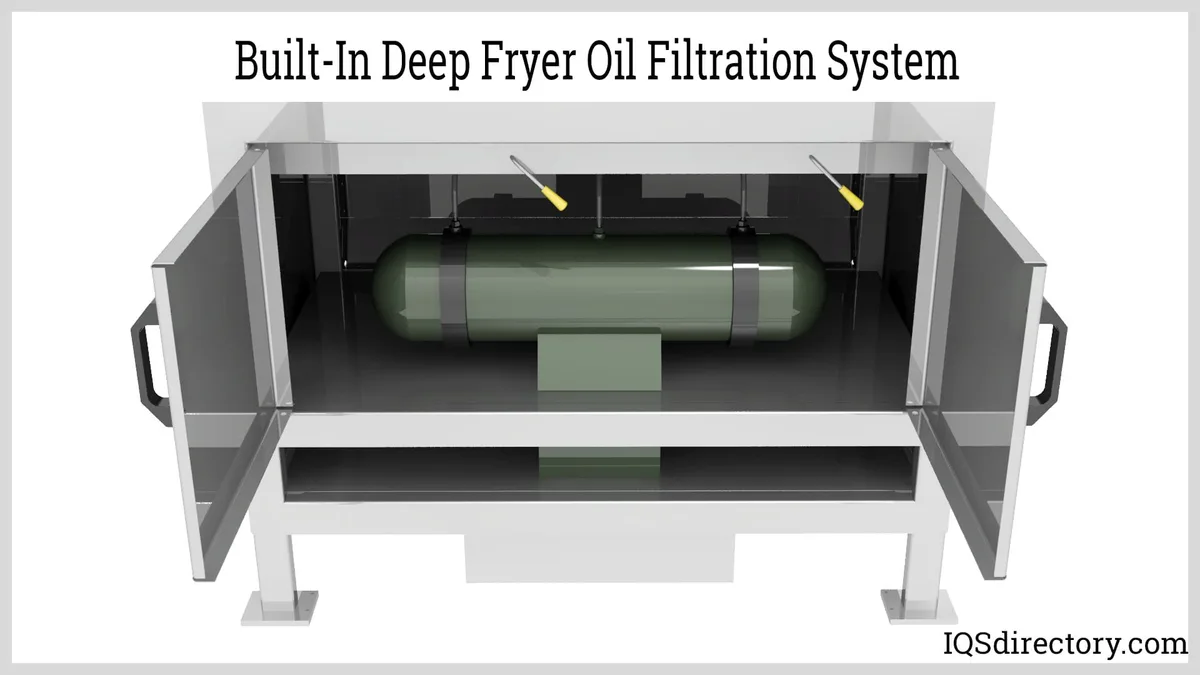
Image source: Web (Bing) / ar.inspiredpencil.com (Web image (fair-use with source credit))
There's a practical rhythm that makes the filtration system worth it. Filter the oil after every frying session, once the oil cools to about 200°F but is still pourable. That traps the sediment before it imparts any burnt flavor.
Then, before your next fish fry, bring the clean oil up to 365°F and hold it there for a full minute so the temperature stabilizes. Your batter will puff immediately on contact, which is exactly what you want.
Some fryers have an automatic filter pump that cycles oil through a paper filter or a fine mesh. Others rely on a drain valve and a separate filtration kit. Either way, the goal is the same: reduce the particle load so your oil does what it's supposed to do.
Filtered oil also gets more batches out of each fill, which saves money. Aggregate reviews of fryers with built-in filters consistently report longer oil life and better fried food for that reason.
If you're cooking several batches in one session, filter between batches when the oil cools enough to handle safely. That's usually fine for a short gap. For a fast fish-fry party, you might not want to wait.
Instead, skim the oil surface with a fine-mesh strainer after each batch and do a full filter pass when you're done. That's an acceptable compromise.
One more thing: don't assume the thermostat adjusts automatically for clean oil. It doesn't. You'll need to lower the setting slightly once oil is pristine and fresh.
A good starting point is 2°F to 5°F below what you used with older oil. Watch the first piece, check crispness, and adjust.
If your fryer has a filtration system built in, you'll also deal with filter maintenance. Paper filters lose flow as they clog. Replacing them regularly and rinsing or replacing mesh screens keeps the system effective.
Neglect it, and the oil filter becomes a bottleneck. For help with keeping your equipment in shape, our guide on proper deep fryer cleaning applies to most standalone units and to many built-in filter designs.
Step-by-Step Process: Prepping the Fish, Making the Batter, Frying, and Filtering Between Batches
Here's the full sequence. Follow this order and the frying takes care of itself.
Prep the Cod
Start with cold, dry fish. Pat each fillet with paper towels until the surface feels completely dry. Wet fish makes the batter slide off and causes oil spitting.
If the fillets have any remaining pin bones, pull them out with tweezers. Salt the fish lightly and let it rest for 10 minutes. Rinse off the salt and dry it again.
This removes excess moisture and seasons the fish all the way through.
Mix the Batter
A simple beer batter works better than a complicated one. Whisk together 1 cup all-purpose flour, 1 teaspoon baking powder, and a pinch of salt. Slowly stir in 1 cup cold beer.
Use a lager or pale ale, something with enough carbonation to puff the crust. Stop mixing when the batter looks like thin pancake batter. Small lumps are fine.
Overmixing develops gluten, and gluten makes the coating tough and chewy.
Rest the batter in the fridge for 15 to 30 minutes. That gives the flour time to hydrate and the bubbles to stabilize. A colder batter creates a better contrast with the hot oil, which means more crunchy texture.
Some recipes add a splash of vodka or sparkling water for extra crispness. That works, but it's optional.
Preheat the Fryer
Set your deep fryer to 360°F. Let it fully preheat with the lid open so steam escapes. When the oil reaches temp, hold it there for a minute.
If your fryer's thermostat reads unevenly, use a standalone deep fryer thermometer clipped to the side to confirm. Calibration drift is common in home fryers.
Coat and Fry
Dip each dried fillet into the batter, letting the excess drip off for two seconds. Gently lay it into the fryer basket, never drop it. If both fillets don't fit comfortably, cook them in smaller batches to avoid dropping the oil temperature.
A full basket cools the oil instantly.
Lower the basket slowly. Fry for 2 to 3 minutes, then check the underside. If it's golden, flip the fillet to cook the other side.
Total time should land between 4 and 6 minutes. Pull one piece early and test the internal temperature at the thickest part. Once you hit 140°F to 142°F, remove the rest and let carryover cooking finish the job.
Rest and Serve
Place fried cod on a wire rack, not on paper towels. Paper towels trap steam and soften the crust. The rack allows airflow so the batter stays shattering crisp.
Let it rest for 2 minutes before serving. That's enough to lock in the texture without losing heat.
Filter Between Batches
After your last batch, turn off the fryer. Let the oil cool to around 200°F, which takes 20 to 40 minutes depending on oil volume. Once cooled, run the filtration system according to your fryer's manual.
If you have a built-in filter, drain the oil through it. If you use a portable filter, do the same with a fine-screen filter or paper. Then store the filtered oil in a sealed container or leave it in the fryer if it's designed for that.
Skim the surface before the next session to catch any stray particles.
Getting comfortable with your fryer's controls is half the battle. Our Presto deep fryer setup guide walks through the same preheating and oil-level basics for a popular home unit.
Common Mistakes That Ruin Crispness, Cause Soggy Batter, or Create Food Safety Risks
Let's look at the failures that hurt your results. Fix these, and your cod goes from "okay" to "why isn't this a restaurant?"
| Mistake | Symptom | The Fix |
|---|---|---|
| Frying without filtering | Dark, greasy crust, off-flavors | Filter oil after each session |
| Oil too cold | Heavy, oily batter that slides off | Preheat to 360°F+, verify with a thermometer |
| Oil too hot | Burnt crust, raw center | Drop to 365°F max |
| Overcrowding the basket | Temp crashes, even cook gone | Fry in small batches |
| Drying fish poorly | Batter falls off, oil spits | Pat fillets completely dry before coating |
| Using warm beer | Flat, dense crust | Use ice-cold beer and rest the batter |
| Draining on paper towels | Soggy bottom crust | Use a wire rack for draining |
Undercooked fish is the most serious one. Cod can carry parasites, and while commercial flash-freezing usually kills what matters, you still need to hit 145°F internally. That's not a suggestion, it's the safe minimum.
A soapy feeling in the mouth or translucent, jelly-like flesh is a sign the fish isn't done. Use a digital thermometer every time. Cut the first piece open if you don't have one on hand.
Better to check one piece than serve a whole batch too early.
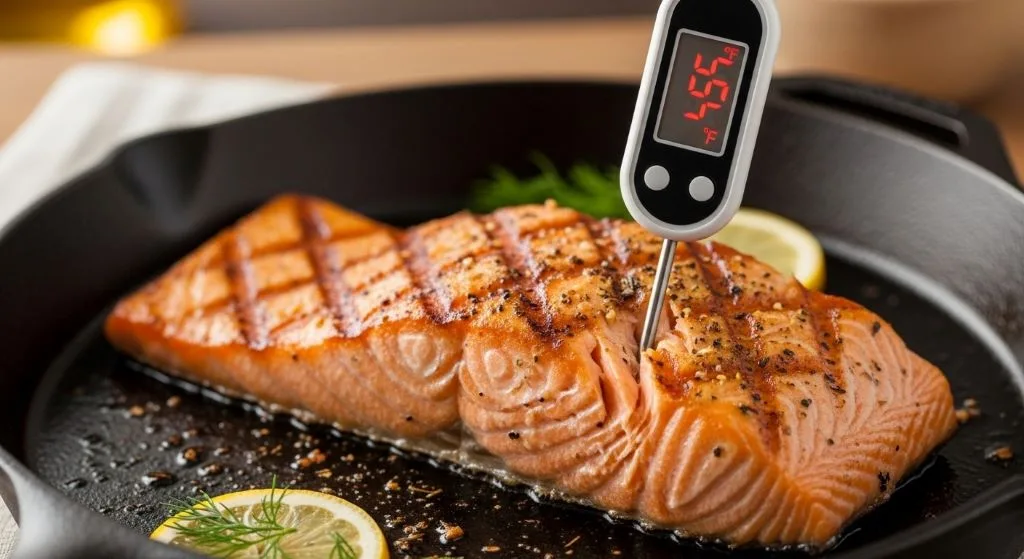
Image source: Web (Bing) / carolinejoyblog.com (Web image (fair-use with source credit))
Soggy batter also comes from skipping the resting period in the fridge. A warm, thin batter won't hold air pockets the way a cold, rested one does. If your crust looks flat and pancake-like, the batter is too thick, too warm, or overmixed.
Drop the flour lumps and use a lighter touch.
Oil that hasn't been filtered causes a slower, duller browning. It creates a dark, greasy surface that tastes bitter and stale. Whole recipe blogs blame the batter, but the oil is usually the villain.
Regular filtration is your single best preventive measure. The routine isn't hard. Cool, filter, clean, refill.
That same routine is covered in more detail in our fryer maintenance guide.
Another silent killer is using a basket that's too packed. When cold fish hits hot oil, the oil temp drops fast. A crowded basket drops it by 50°F or more.
At 310°F, your batter won't crisp, it will soak. It takes several minutes for the oil to recover, by which point the fish is half-poached. Fry one layer at a time, with room for the pieces to float freely.
Finally, don't trust your timer blindly. Timer plus visual check plus temperature probe is the winning combo. If every fryer cooks a little differently, your eyes and thermometer are the great equalizers.
They'll catch what the thermostat misses.

Related posts
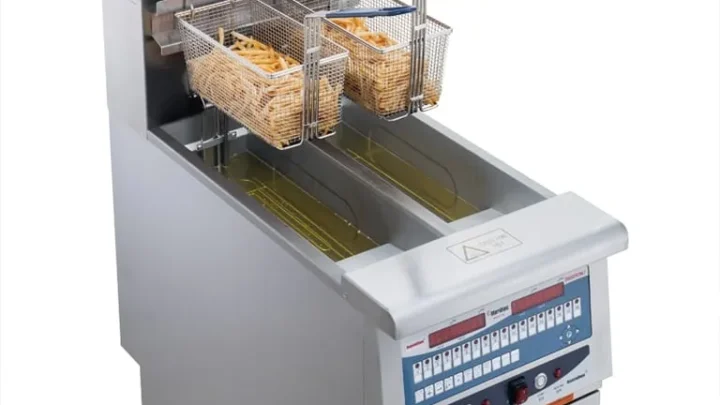
Crispy Onion Rings & Funnel Cakes: Dual Fryer Temp & Time
If you've ever searched for what temperature and cooking time for crispy fried onion rings and funnel cakes…
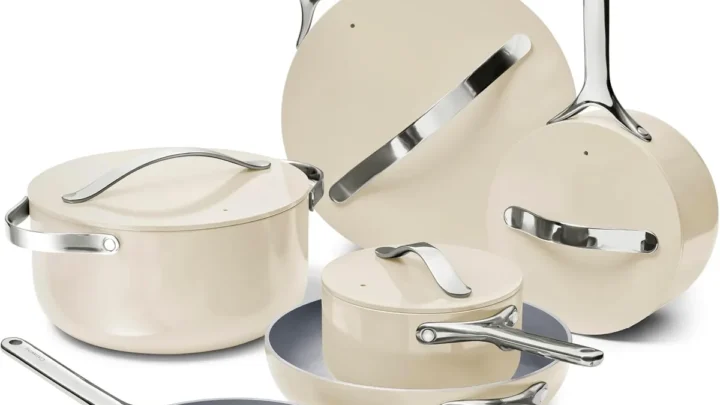
Is Caraway Ceramic Cookware Worth Buying? Reddit
If you have spent any time in cookware subreddits, you have seen the question pop up again and…
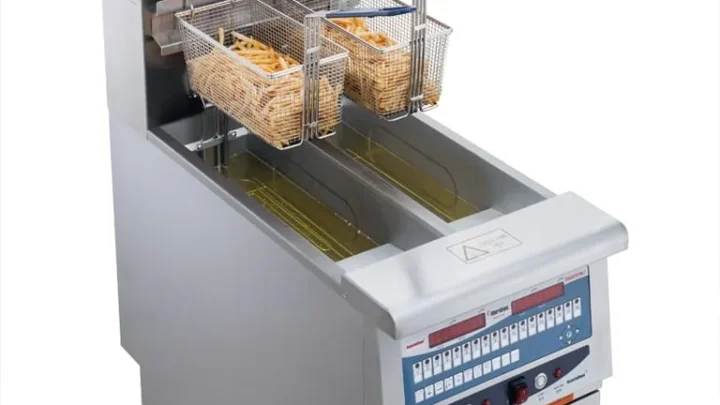
Fix Commercial Dual Basket Fryer High-Limit Reset Button
That little red reset button is the most frustrating button in a commercial kitchen. If you're trying to…