Is Breville Barista Express Worth It? Reddit Weighs In
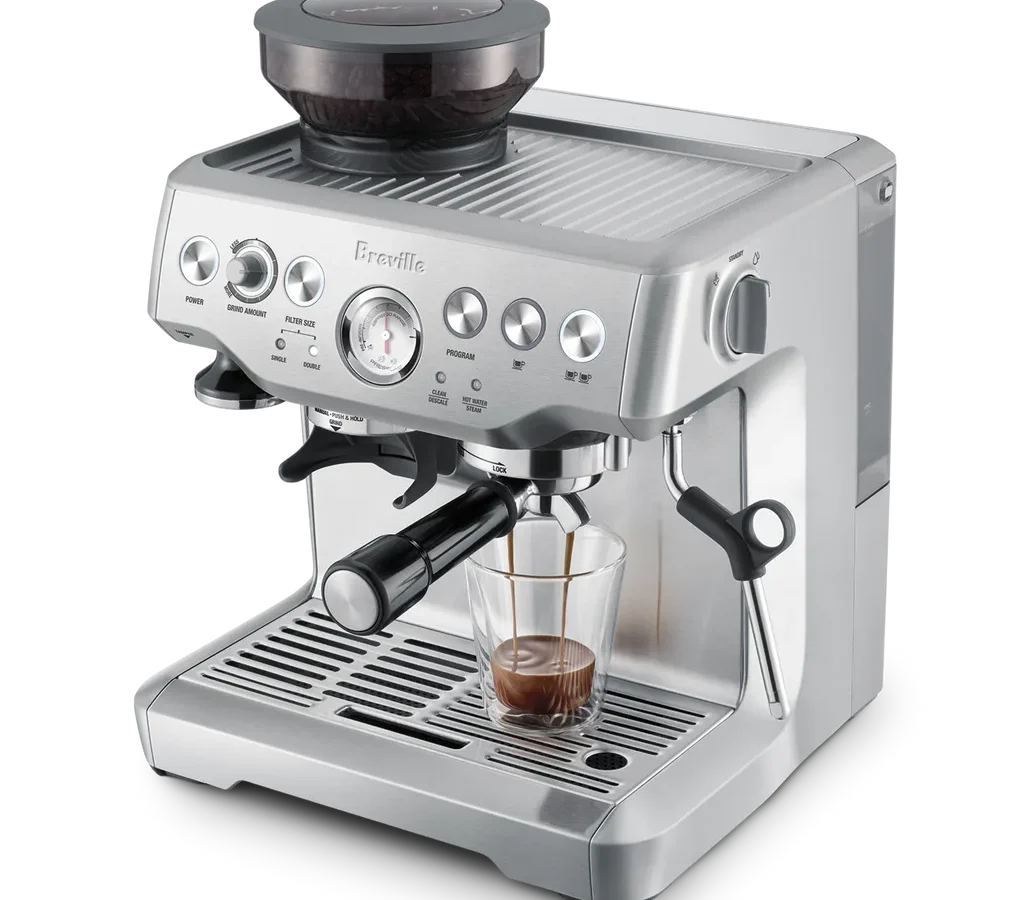
You're scrolling through Reddit, trying to figure out if the Breville Barista Express espresso machine with built in grinder is worth buying. Reddit review threads are full of conflicting opinions, and it's hard to separate the hype from the honest feedback. You want a straightforward answer that considers your budget, your counter space, and your willingness to learn.
Manufacturer specifications indicate the Barista Express (model BES870XL) uses a 15-bar Italian pump and a conical burr grinder with 30 settings. The built-in pressure gauge is one of its most talked-about features, as it helps you see if you're hitting the 9-bar sweet spot for proper extraction. Let's walk through what the research, aggregate reviews, and real-world feedback actually tell us.
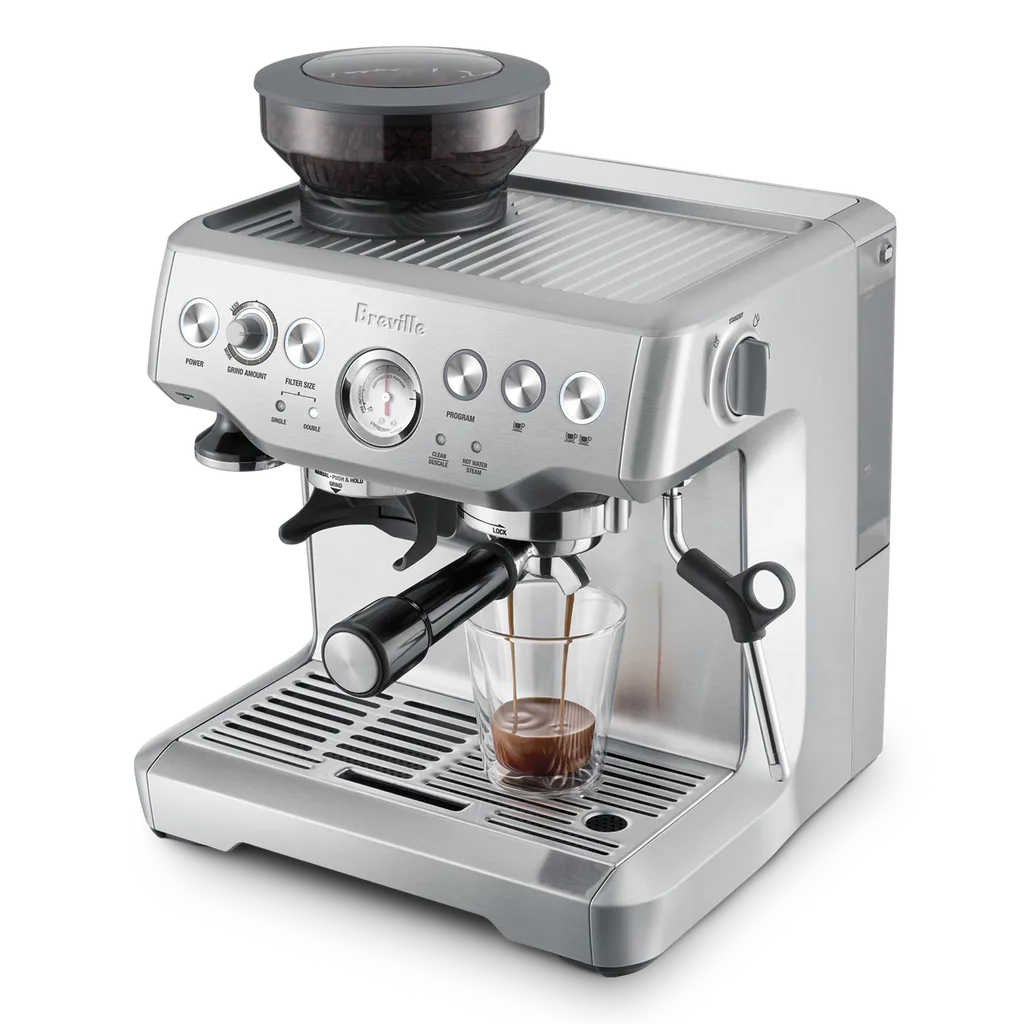
Image source: Web (Bing) / majestycoffee.com (Web image (fair-use with source credit))
Quick Answer
Yes, the Breville Barista Express is worth buying for the right person. It offers solid espresso for the price if you're willing to learn. The built-in grinder saves space and money.
But it's not the best choice for everyone. The machine has real limitations that matter depending on your priorities.
What You're Getting: A Real Look at the Features That Matter
The Barista Express packs a lot into one box. At its core, it's a semi-automatic espresso machine with a built-in conical burr grinder. That means you grind fresh beans directly into the portafilter, then tamp and pull your shot.
No separate grinder taking up counter space.
The grinder has 30 settings, adjustable from fine to coarse. You can also tweak the internal burrs for finer control. That's plenty of range for most home baristas, though you'll need to spend time dialing in a new bag of beans.
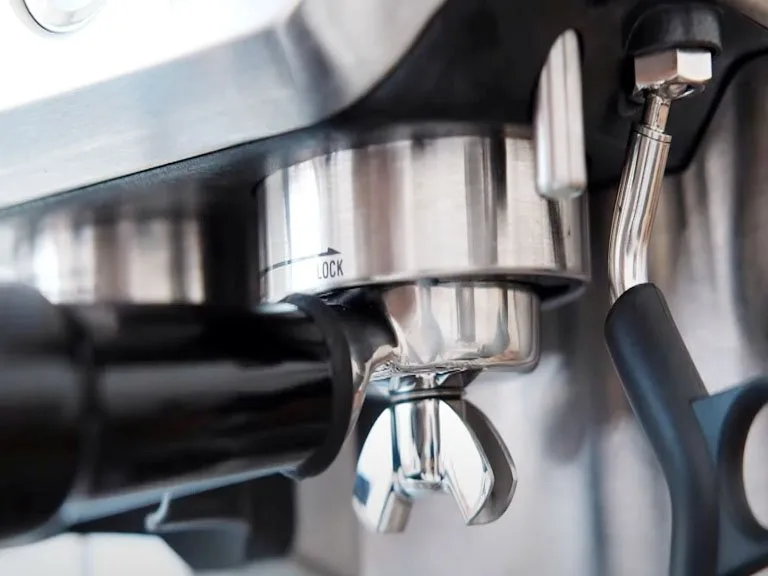
The pressure gauge on the front panel is a real help. It shows you the pressure during extraction, and you can see if you're in the ideal 9-10 bar range. That visual feedback makes a big difference when you're learning.
The ThermoJet heating system (on newer models) or the thermocoil (on older units) heats water fast. You're ready to brew in about 30 seconds. That's much quicker than traditional boiler machines that need several minutes to warm up.
PID temperature control keeps the water at a stable temperature. That matters because even small swings in temp can ruin a shot. The machine holds 190-200°F consistently.
The steam wand is manual and single-hole. It's not as powerful as prosumer machines, but it's good enough for learning milk texturing. You'll get decent microfoam with practice.
Here's a quick comparison of what you get versus what you're paying for:
| Feature | Barista Express | Typical Prosumer Alternative |
|---|---|---|
| Price | ~$700-800 | $1,500+ |
| Grinder | Built-in, 30 settings | Separate, usually $200-600 |
| Heat-up time | ~30 seconds | 5-10 minutes |
| Steam power | Moderate | High |
| Learning curve | Steep, but manageable | Steeper, more variables |
The machine is about 14 inches tall and 13 inches wide. It fits on most countertops, but it's deep at almost 14 inches. You'll want about 6 inches of clearance above for loading beans and filling the tank.
The Reddit Consensus: What Users Actually Love and Hate
Aggregate reviews from Reddit's r/espresso and r/coffee communities paint a realistic picture. The machine is polarizing for good reasons.
What users love:
- The all-in-one design saves space and money. New home baristas appreciate not having to buy a separate grinder.
- The pressure gauge is genuinely useful for learning. It helps you understand how grind size, dose, and tamp all affect extraction.
- Build quality is solid. Many users report their machine lasting 5+ years with regular maintenance.
- The steam wand, while not the best, is good enough for lattes and cappuccinos at home.
- The machine is easy to find replacement parts for. Breville has good support.
What users hate:
- The grinder has retention issues. Stale grounds get stuck inside, and you can't easily clean them out. That means your first shot of the day might be mixed with old grounds.
- The grinder clogs easily with dark, oily beans. Many users report having to clean the burrs weekly.
- The dose is inconsistent. The built-in timer doesn't measure by weight, so you need to use a scale. That's an extra step and an extra cost.
- The steam wand is weaker than most prosumer machines. Texturing milk for a latte takes practice and patience.
- The learning curve is steeper than expected. Plenty of Reddit threads are titled "I can't pull a decent shot" from new owners.
- The machine has temperature stability issues during back-to-back shots. The PID helps, but it's not perfect.
One Reddit thread from a user who owned the machine for three years sums it up: "It's a great starter machine, but you'll outgrow it in a year or two." That's a common sentiment. The Barista Express is a learning tool, not a forever machine.
Who Should Buy the Barista Express (and Who Should Skip It)
This is where the decision tree comes in. The answer changes based on your situation.
Buy the Barista Express if:
- You're a beginner who wants to learn espresso without a huge upfront investment.
- You have limited counter space and want one machine instead of two.
- You're willing to spend time dialing in and learning the process.
- You drink mostly medium to dark roasts. Light roasts are harder to dial in.
- You plan to make 1-3 shots per day, not 10+.
Skip the Barista Express if:
- You want consistent results with minimal effort. The Bambino Plus or a super-automatic like the Philips 3200 is better.
- You plan to upgrade later. You're better off buying a separate grinder and a cheaper machine like the Gaggia Classic Pro.
- You drink mostly light roasts. The grinder struggles with lighter beans, and you'll fight with retention.
- You need strong steam for multiple milk drinks. The steam wand is a bottleneck.
- You're on a tight budget. You can get a better setup for the same price by buying a separate grinder and a used machine.
The key insight from Reddit: the machine is a great value if you're willing to learn, but it's a frustrating purchase if you expect plug-and-play perfection. If you're the type of person who enjoys tinkering and experimenting, you'll love it. If you just want a good coffee without the hassle, look elsewhere.
All-in-One vs. Separate Grinder and Machine: The Real Trade-Off
The biggest decision you'll make is whether to buy an all-in-one like the Barista Express or go with a separate grinder and espresso machine. Each path has real trade-offs that matter for your daily routine.
All-in-one (Barista Express):
- Pros: One purchase, one footprint, one power cord. Easier for beginners who don't know what to look for in a separate grinder.
- Cons: If the grinder breaks, you lose the whole machine. You can't upgrade the grinder without replacing the whole setup. The grinder is the weakest link in the chain.
Separate setup:
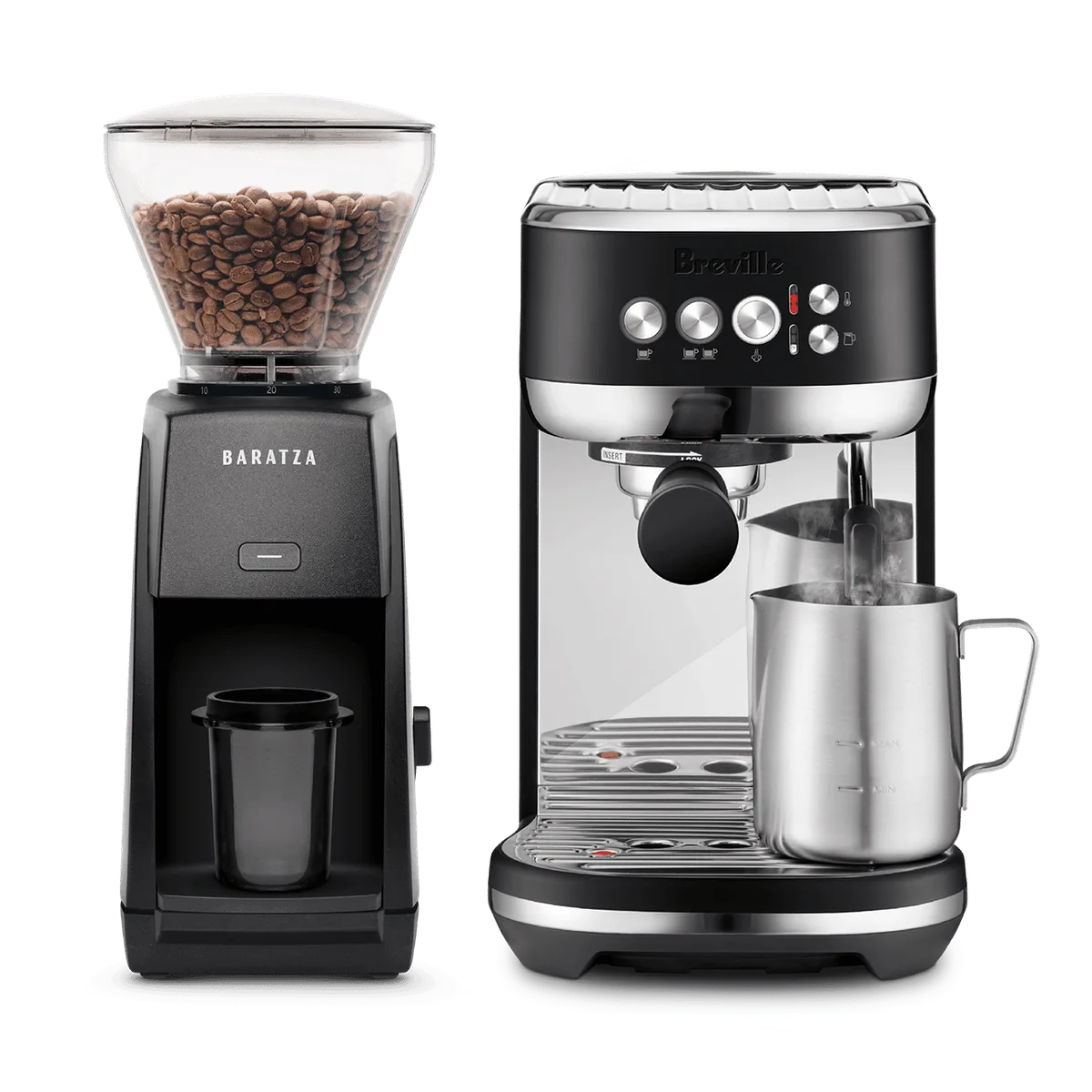
- Pros: You can upgrade the grinder or machine independently. A good grinder like the Baratza Encore ESP or the 1Zpresso J-Max hand grinder gives you much better consistency. You can also choose a machine with better steam power or temperature stability.
- Cons: More counter space, higher upfront cost (usually $1,000+ for a decent separate setup), and more complexity.
Here's a cost comparison for a similar quality level:
| Setup | Price | Space | Consistency | Upgrade Path |
|---|---|---|---|---|
| Barista Express | $700-800 | 1 unit | Good, but grinder is limiting | Limited |
| Baratza Encore ESP + Gaggia Classic Pro | $600-700 (grinder) + $450-500 (machine) | 2 units | Better grinder, better machine | Excellent |
| 1Zpresso J-Max hand grinder + Breville Bambino Plus | $200 (grinder) + $500 (machine) | 1.5 units | Very good grinder, good steam | Good |
The separate setup costs about the same or slightly more. But you get a grinder that's much more consistent, and you can upgrade either component later. That's why many Reddit users recommend the separate path for anyone serious about espresso.
However, if you're just starting out and don't want to learn two machines at once, the all-in-one approach is simpler. You can always sell the Barista Express later and upgrade. Many users do exactly that.
The real trade-off is between convenience and long-term value. The all-in-one is convenient now but limiting later. The separate setup is more work now but gives you room to grow.
How It Stacks Up Against the Top Alternatives
The Barista Express sits in a crowded segment. Several machines compete for the same buyer, and each one has a different trade-off. Here is how the main alternatives compare.
Breville Barista Pro
The Barista Pro is the direct upgrade. It has a faster heat-up time, a digital display, and a better grinder with more settings. The steam wand is also slightly stronger.
The price is about $200 more. For that extra money, you get a machine that's easier to use day to day. The grinder has less retention, so your first shot of the morning is fresher.
If you're willing to spend more, the Pro is a noticeable improvement.
Breville Bambino Plus
The Bambino Plus is a different beast. It has no grinder, so you need a separate one. But it has a much better steam wand with automatic frothing.
It heats up in three seconds. It's also cheaper, around $500. The trade-off is that you need counter space for a grinder.
If you already have a good grinder, the Bambino Plus is a better choice than the Barista Express for milk drinks.
Gaggia Classic Pro
The Gaggia Classic Pro is a traditional machine. It has a commercial-style boiler and a metal body. It's more durable and easier to repair.
The steam wand is better. But it has no PID temperature control, so you need to temperature surf for consistent shots. It also has no grinder.
The Gaggia costs about $500. Total cost with a grinder is similar to the Barista Express.
Rancilio Silvia
The Silvia is the gold standard for entry-level prosumer machines. It's built like a tank and has excellent steam power. It also has no PID and no grinder.
The Silvia costs about $700. With a good grinder, you're over $1,000. It's a better long-term investment, but you need to know what you're doing.
Here is a quick comparison table:
| Feature | Barista Express | Barista Pro | Bambino Plus | Gaggia Classic Pro | Rancilio Silvia |
|---|---|---|---|---|---|
| Price | $700-800 | $900-1,000 | $500 | $500 | $700 |
| Grinder | Built-in | Built-in (better) | None | None | None |
| Heat-up time | 30 seconds | 3 seconds | 3 seconds | 5-10 minutes | 5-10 minutes |
| Steam power | Moderate | Moderate | Good | Good | Excellent |
| PID | Yes | Yes | Yes | No | No |
| Build quality | Good | Good | Good | Excellent | Excellent |
| Best for | Beginners | Serious beginners | Milk drinkers | Tinkerers | Enthusiasts |
Which one wins?
There is no single winner. It depends on your priorities. The Barista Express is the best all-in-one for beginners who want to learn.
The Bambino Plus is better for milk drinkers who already have a grinder. The Gaggia Classic Pro is better for tinkerers who want to mod their machine. The Rancilio Silvia is better for anyone who plans to keep their machine for a decade.
The Hidden Costs: Maintenance, Accessories, and the Learning Curve
The purchase price is not the whole story. The Barista Express has ongoing costs that add up. You should budget for them before you buy.
Maintenance
The machine needs regular cleaning. You should backflush it with a cleaning tablet every week. A pack of 50 tablets costs about $10.
You also need to descale every three to six months. A descaling solution costs about $10 per bottle. The water filter needs replacing every three months.
A pack of six filters is about $25.
The grinder also needs care. You should clean the burrs every few weeks. A brush and cleaning kit costs about $15.
If you use dark, oily beans, you'll need to clean more often.
Accessories
The machine comes with a tamper, but it's plastic and not very good. Most users upgrade to a better tamper. A good 54mm tamper costs $30 to $50.
You also need a scale. The built-in dose timer is not consistent. A decent coffee scale costs $20 to $40.
A dosing funnel helps reduce mess. It costs about $15. A knock box for used pucks costs $20 to $40.
A bottomless portafilter lets you see your shot quality. It costs about $40.
The learning curve
The biggest hidden cost is time. You will spend your first few weeks pulling bad shots. You'll need to learn how to dial in the grind, dose correctly, and tamp evenly.
Many users report throwing away their first dozen shots. That's wasted coffee beans.
A bag of quality espresso beans costs $15 to $20. If you waste a bag learning, that's the cost of tuition. Plan for it.
Total first-year costs
Here is a rough estimate for the first year:
| Item | Cost |
|---|---|
| Machine | $750 |
| Tamper | $40 |
| Scale | $30 |
| Dosing funnel | $15 |
| Knock box | $30 |
| Cleaning tablets (year supply) | $20 |
| Descaling solution (year supply) | $20 |
| Water filters (year supply) | $25 |
| Extra coffee for learning | $20 |
| Total first year | $950 |
The ongoing costs after the first year are about $65 per year for consumables. That's reasonable. But the upfront accessory costs are real.
Many Reddit users complain about needing to buy a scale and a better tamper. They feel the machine should come with better tools.
FAQs: What Reddit Asks About the Barista Express
How long does the Breville Barista Express last?
With proper maintenance, the machine typically lasts 5 to 7 years. Many users report longer. The grinder burrs may need replacement after 3 to 5 years.
Parts are available from Breville's website.
Can I use the Barista Express without the built-in grinder?
No, you cannot bypass the grinder. The machine is designed to work as a complete unit. If you want to use a separate grinder, you need a different machine like the Bambino Plus.
Is the steam wand good enough for latte art?
Yes, but it takes practice. The single-hole steam wand produces decent microfoam. You can make latte art with it.
The process is slower than prosumer machines, so you have more time to learn.
How often do I need to clean the grinder?
You should clean the grinder every few weeks. If you use dark, oily beans, clean it every week. A buildup of coffee oils can cause clogs and inconsistent shots.
Can I use light roast beans with the Barista Express?
You can, but it's harder. The grinder struggles with light roasts because they are harder and denser. You'll need to grind finer, which can cause clogs.
Medium to dark roasts are much easier to dial in.
Is the Barista Express a good first espresso machine?
Yes, it's one of the best for beginners. The all-in-one design simplifies the learning process. The pressure gauge gives helpful feedback.
Just be prepared for the learning curve.
Final Verdict: Is the Barista Express Worth Your Money?
The answer depends on who you are. Let's break it down clearly.
If you are a beginner who wants to learn espresso without a huge upfront investment, yes. The Barista Express is a great teacher. It gives you everything you need in one box.
The pressure gauge helps you understand extraction. The all-in-one design keeps your counter clean. You can learn the fundamentals without buying a separate grinder.
If you are someone who wants consistent results with minimal effort, no. The Bambino Plus or a super-automatic machine is a better fit. You'll get frustrated with the Barista Express's learning curve and grinder inconsistencies.
If you are someone who plans to upgrade later, think carefully. The Barista Express holds its value fairly well. You can sell it for about half the purchase price after a few years.
But you lose money compared to buying a separate grinder and machine from the start.
If you are someone who drinks mostly milk drinks, consider the Bambino Plus. The steam wand is better. The Barista Express's steam wand is adequate but not great.
As of 2026, the Barista Express remains a solid entry-level choice. It's not perfect. The grinder has flaws.
The steam wand is average. The learning curve is real. But for the price, you get a complete setup that can produce excellent espresso.
You just need to put in the work.
Our recommendation: If you're willing to learn and you have $750 to spend, buy it. If you want less hassle or more consistency, look at the alternatives. The Barista Express is a machine for enthusiasts, not for everyone.
That's why the Reddit threads are so divided. It's a love-it-or-hate-it machine. For the right person, it's one of the best decisions you can make.

Related posts
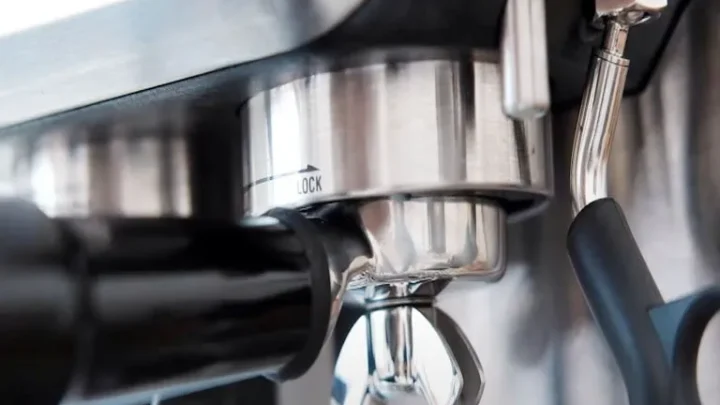
Fix Barista Express Pressure Gauge Stuck During Extraction
You load your portafilter, lock it in, pull the shot. The pump whirs. Coffee drips. But the pressure…
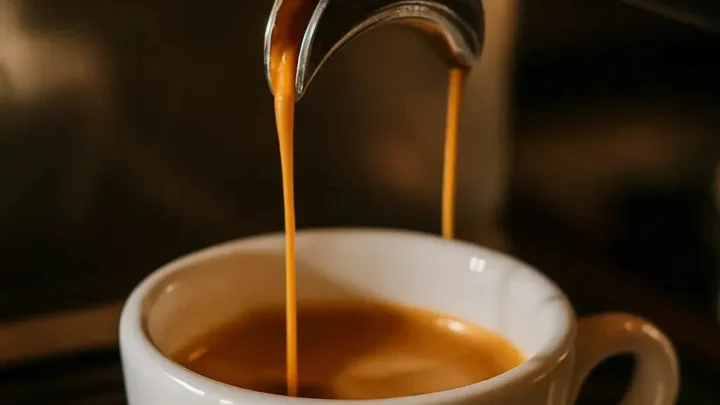
Compact Double Espresso: Temp & Time for Golden Crema
If you're wondering what temperature and cooking time for a double espresso shot with thick golden crema in…
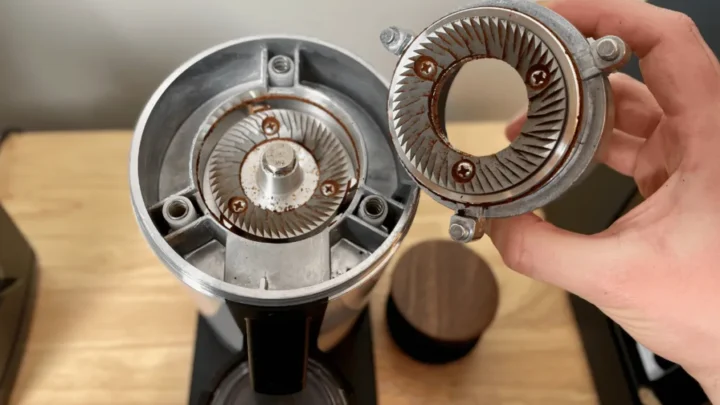
Can You Safely Run Water Through an Empty Bean Hopper?
You're asking a question that seems simple on the surface. Can you put running water through an empty…