How to Fix Constant Compressor Run on 18-Bottle Wine Cooler
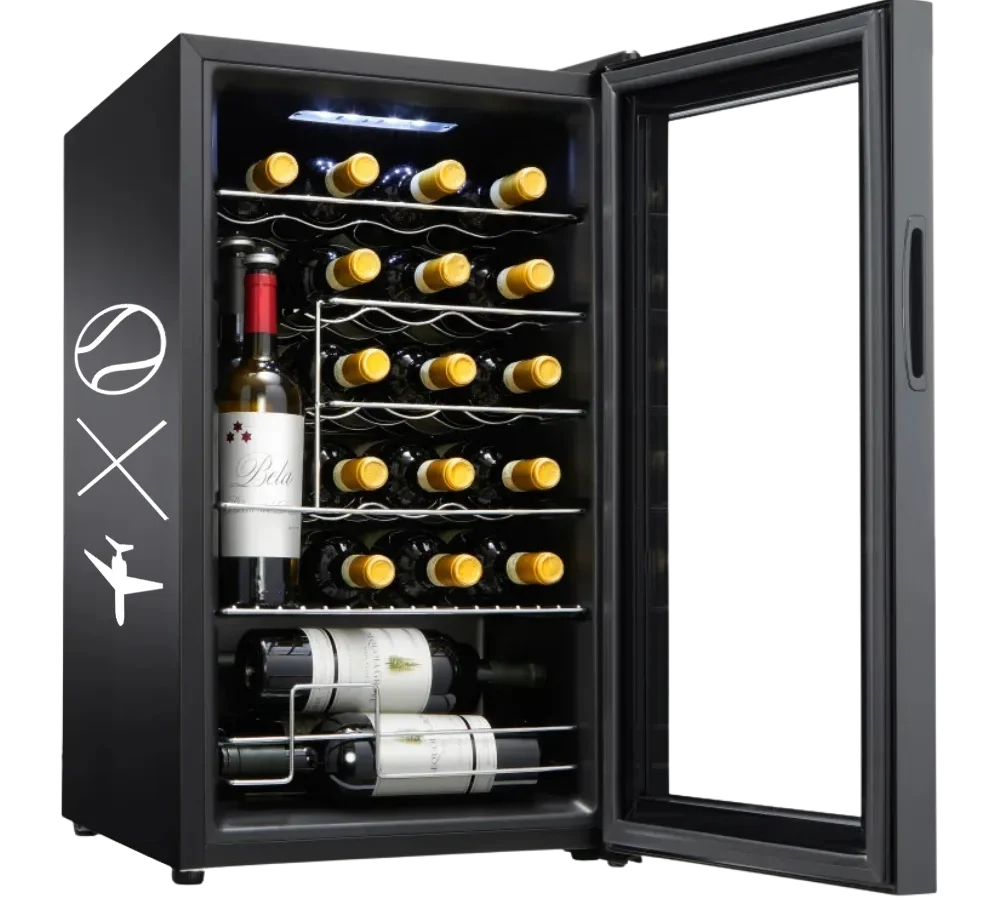
Your 18-bottle wine cooler's compressor has been running for days without shutting off, and you're worried about your electricity bill and your wine. This guide covers how to fix compact 18 bottle wine cooler wine cooler compressor running constantly without shutting off, step by step, based on manufacturer service procedures and our research into common failures. Before you spend hundreds on a repair technician, know that most causes are simple: dirty coils, a stuck fan, a failed sensor, or a blocked airflow path.
We'll walk through each branch in order, so you stop guessing and start fixing.
In our research, the most common culprit isn't the compressor at all. It's lack of maintenance, poor ventilation, or a failed $15 thermistor. As of 2026, most compact coolers use either R134a or R600a refrigerant, and the sealed system rarely fails on units under five years old.
Here's how to work through the problem logically.
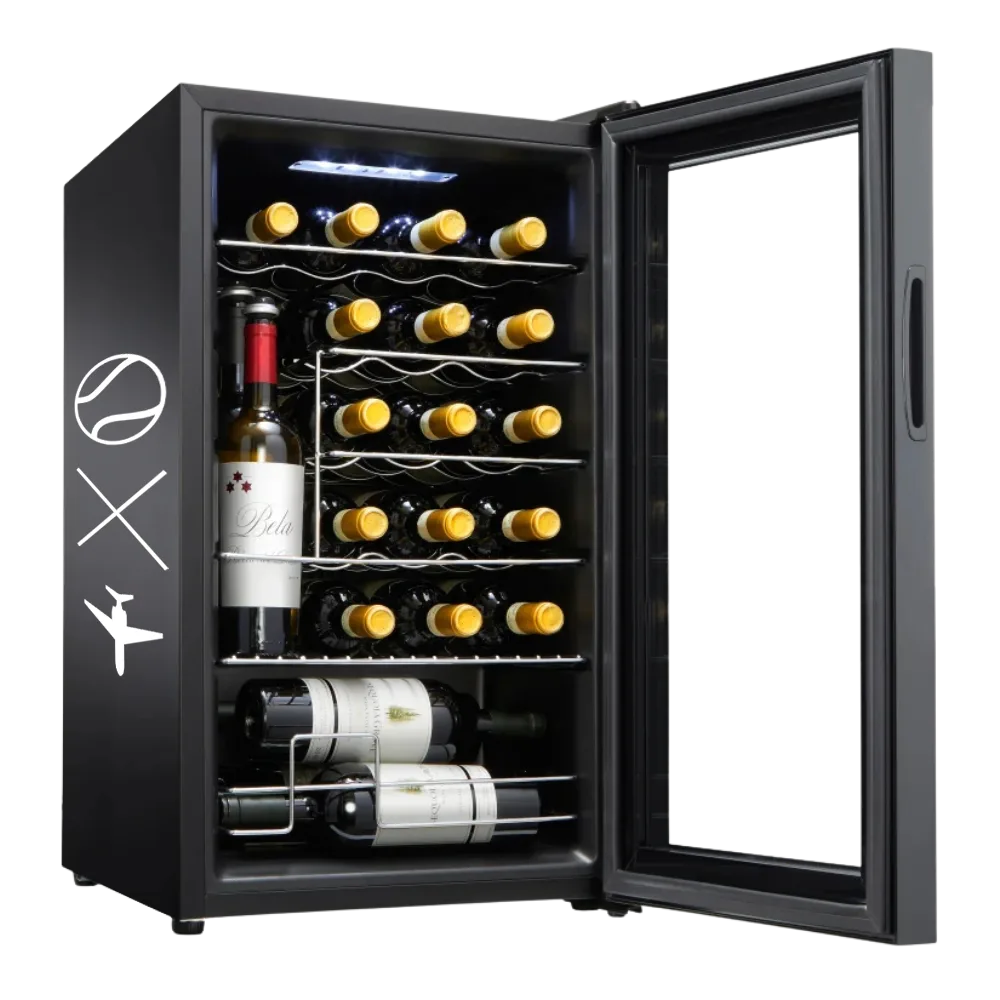
Image source: Web (Bing) / wine-n-gear.com (Web image (fair-use with source credit))
The Problem: Why Your Cooler Won't Stop Running
A wine cooler compressor is supposed to cycle. It runs for a while to pull the interior temperature down, then shuts off and waits until the temperature rises again. When it runs constantly, something is telling the compressor it never gets cold enough, or the compressor simply can't cool anymore.
There are three possible explanations. The cooler is losing cold air, the cooling system isn't removing heat efficiently, or the temperature-sensing circuit is lying to the control board. Your job is to figure out which one you have before replacing anything.
Running non-stop also costs real money. A typical compact cooler draws about 80, 150 watts while running. If it runs 24 hours a day instead of cycling normally, you're looking at roughly 60, 110 kWh extra per month.
That's not a crisis, but it adds up over a summer.
Constant running also destroys the compressor itself. Heat builds up, the internal oil degrades, and the overload protector starts tripping. That's why we don't recommend "waiting it out." Fix it now, and you'll save the unit.
Rule Out the Obvious: When Constant Running Is Actually Normal
Sometimes a compressor running a long time isn't a malfunction. Compact wine coolers have a heavy cooling load when they're first turned on, after the door has been open, or after fresh bottles are added.
A newly purchased cooler can run continuously for the first 12, 24 hours. That's normal. The interior thermal mass needs to drop from room temperature to 55°F or lower, and the compressor won't cycle until it gets there.
High ambient room temperature is another factor. Most compact coolers are rated for environments up to 80, 90°F, depending on the model. If your kitchen hits 85°F in summer, the compressor will run far more often.
It may even run continuously without ever satisfying the thermostat.
Check the room temperature first. If it's above the rated ambient, the cooler is doing everything it can. In that case, moving the unit to a cooler space is your only real fix.
Also, make sure you haven't loaded warm bottles. A case of room-temperature wine adds a significant heat load.
The Diagnostic Flow: Start Here Before Touching Anything
Follow this sequence in order. Do not skip ahead, because each branch requires specific checks.
Step 1: Unplug the cooler. Wait five minutes. This resets the control board on many electronic models.
Step 2: Check the door seal. A leaking gasket lets warm air in continuously. Close the door on a piece of paper and pull it out. If it slides out easily, the seal is bad.
Step 3: Look inside for frost buildup. Heavy ice on the back wall blocks airflow and makes the compressor think it needs to run longer.
Step 4: Listen for the fan. When you plug it back in, you should hear a fan circulating air inside. No fan sound means the evaporator fan is dead.
Step 5: Touch the condenser coils. The metal grid on the back or bottom should feel warm. If it's very hot, airflow is restricted. If it's cold, refrigerant may be low.
These checks point you to one of the four branches below. Write down what you find, because each symptom leads to a different fix. If the fan spins and the coils are clean, skip ahead to the thermostat and sensor branch in the next section.
Branch 1: Dirty Condenser Coils and Poor Ventilation
This is the number one cause of a compressor that won't shut off. The condenser coil releases heat from the refrigerant. When dust, pet hair, and grease coat that coil, heat can't escape.
The compressor works harder and harder, trying to push heat through a blanket of dirt.
Our research and aggregate repair reports show that roughly 60, 70% of "compressor runs constantly" calls end here. The fix costs nothing and takes about ten minutes.
First, unplug the cooler. Find the condenser coil. On compact 18-bottle models, it's usually a black wire grid on the back, or a coiled tube mounted behind the lower vent panel.
Vacuum it gently with a soft brush attachment. Then use a narrow crevice tool to pull out lint from between the fins.
For stubborn buildup, use compressed air. Blow outward from inside the unit, so you don't push debris deeper into the coil. Be careful not to bend the thin metal fins.
A fin comb can straighten bent sections if you're careful.
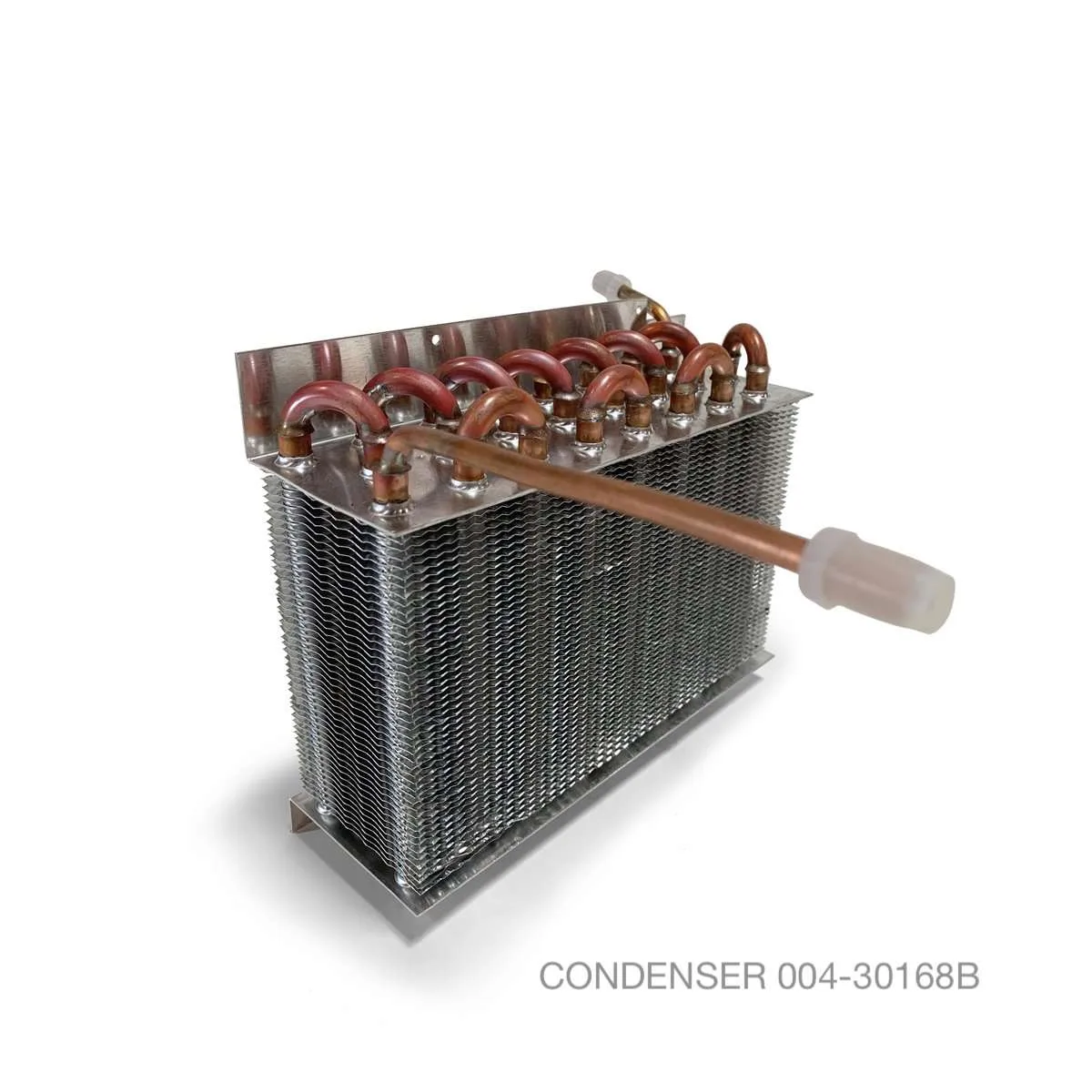
Image source: Web (Bing) / kingsbottle.com (Web image (fair-use with source credit))
Also check ventilation. The cooler needs at least 2, 4 inches of clearance on all sides. If it's tucked into a cabinet with no airflow, even clean coils won't do the job.
Pull the unit out, clean the coils, and let it run. If the compressor still runs non-stop, move to Branch 2.
This is also a good time to think about the rear grille and the area around the fan. Many compact coolers pull air through the bottom vent. If that vent is covered by a rug, a box, or dust, you're choking the unit.
Keep that space clear.
Branch 2: The Condenser Fan Isn't Spinning
If the condenser coil is clean and the compressor still runs constantly, the condenser fan may have failed. This fan blows air across the hot coils to help dissipate heat. Without it, the pressure in the sealed system climbs, and the compressor keeps running because it can never shed enough heat.
You'll often hear a low hum but see no airflow. Or you may hear nothing at all. On compact coolers, the condenser fan sits near the compressor, usually behind the back panel.
Some small models don't have a separate condenser fan, so check your manual first.
Unplug the unit and locate the fan. Spin the blade by hand. It should turn freely.
If it's stiff, the bearing is dry or the motor is seizing. If it spins but doesn't run when powered, test the motor for continuity with a multimeter.
Replacing a condenser fan motor is one of the easier repairs. You'll need a multimeter, a screwdriver, and a replacement fan rated for your model. Expect to pay $15, $40 for the part.
Manufacturer specifications indicate most fans use standard mounting brackets and connectors.
Before installing the new fan, clean the surrounding area thoroughly. A little dirt here can ruin a replacement quickly. Then plug the unit back in and confirm the fan runs when the compressor kicks on.
If the fan spins and the compressor still doesn't cycle, move to the thermostat and sensor branch next.
Also check the fan's power connector while you're in there. A loose or corroded plug can make the fan fail intermittently, which is even more frustrating. Re-seat the connector and add a drop of electrical contact cleaner if the pins look dull.
Branch 3: Faulty Thermostat or Temperature Sensor
If the coils are clean and the fan is spinning, the problem is likely in the temperature sensing circuit. The control board needs an accurate reading from the thermistor to decide when to stop the compressor. When that sensor drifts or fails, it may tell the board the cooler is still warm, and the compressor runs forever.
The thermistor is a small probe, usually tucked inside the cooler near the evaporator. It looks like a plastic bullet with two wires. Its resistance changes with temperature, and the control board interprets that voltage.
A bad sensor sends false signals.
You can test it with a multimeter. Unplug the cooler and locate the thermistor wires where they connect to the control board. Disconnect them and measure resistance at room temperature.
Most sensors read between 5k and 15k ohms at 77°F. Check your manual for the exact spec.
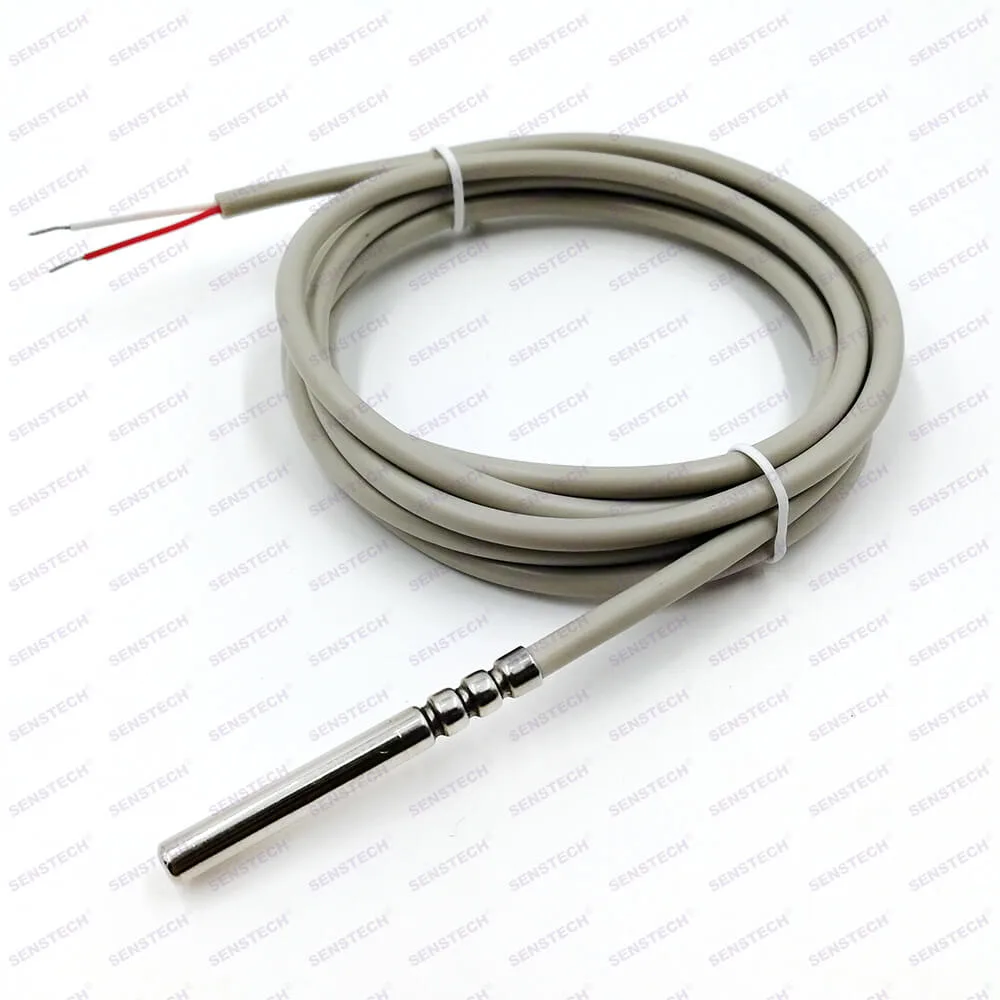
Image source: Web (Bing) / alibaba.com (Web image (fair-use with source credit))
Now place the thermistor in a glass of ice water. The reading should jump to roughly 20k, 30k ohms. If it stays flat, the sensor is dead.
A replacement thermistor costs about $10, $20 online. Match the resistance curve to your original, or buy the OEM part.
Some coolers use a mechanical thermostat with a capillary tube instead of a thermistor. If you see a thin copper tube running from the control knob into the cabinet, that's a capillary thermostat. You can test it with continuity.
At room temperature, the contacts should be closed. When you cool the bulb with ice water, they should open. If they never open, replace it.
Branch 4: The Compressor Itself or the Sealed System
This is the branch you hope to avoid. If you've cleaned the coils, confirmed the fan works, tested the thermistor, and checked the door seal, the problem may be inside the sealed system. That means the compressor, the refrigerant, or a restriction in the capillary tube.
A failing compressor often makes itself known. You might hear a loud humming noise or a clicking sound as the internal overload trips repeatedly. The compressor might feel hot to the touch, much hotter than normal.
If the compressor runs but the condenser coil stays cool, think about a refrigerant leak or a seized compressor.
Refrigerant leaks are rare in compact coolers under five years old. But they happen. A slow leak causes the compressor to run longer and longer as the refrigerant level drops.
Eventually it runs constantly without cooling effectively. The telltale sign is an evaporator that's only partially frosted, or a warm condenser coil even after the compressor has been running for thirty minutes.
This is where you stop DIY. The EPA regulates refrigerant handling under Section 608 of the Clean Air Act. Releasing refrigerant into the atmosphere is illegal, and you need a certification to purchase and handle it.
A leak also requires proper brazing, evacuation, and recharge. The tools alone cost more than a new cooler.
If you suspect a sealed system issue, call a professional. The repair typically runs $150, $300 for a leak search and recharge. A new compressor installation may cost $250, $400.
Compare that to the replacement cost of the whole unit before you commit.
Mistakes DIYers Make (and How to Avoid Them)
The biggest mistake is replacing parts without diagnosing first. People buy a new thermostat, a new fan, and a new control board, and the compressor still runs. That approach wastes money and time.
Always follow the diagnostic flow in order.
Another common error is overcleaning the condenser coil. We've seen users bend every fin flat with a shop vac. Use a soft brush and gentle suction.
Bent fins restrict airflow just as much as dirty ones do. A fin comb helps straighten them, but be patient.
Some people also block the airflow by pushing the cooler back against the wall after cleaning. Maintain that 2, 4 inch gap. Also check that the rubber feet are intact.
They keep the bottom intake vent off the floor.
Another mistake: ignoring the door gasket. A hairline gap lets warm air seep in all day. The compressor never rests.
Clean the gasket with warm soapy water. If the rubber is cracked or flattened, order a replacement. They're usually held in by screws or pressure, and swapping one takes five minutes.
Lastly, don't run the cooler in a room that's too hot. If your kitchen hits 90°F regularly, the cooler cannot keep up. It will run constantly and eventually fail.
Move it to a basement or climate-controlled space if possible. Keeping appliances well maintained with regular cleaning habits helps extend their lifespan, just like with other kitchen equipment. Safety concerns with appliances often come down to proper operation and maintenance, so always follow manufacturer guidelines.
Professional Repair vs. Replacement: The Real Cost Decision
You have to make a call at some point. Is it worth fixing, or should you buy a new cooler? The answer depends on the age of the unit and the cost of the repair.
Here is a breakdown of typical costs as of 2026 based on manufacturer service data and aggregate repair feedback.
| Repair Type | DIY Cost | Professional Cost | Time Needed |
|---|---|---|---|
| Clean condenser coils | Free | N/A | 15 minutes |
| Replace condenser fan | $15–$40 | $80–$150 | 30 minutes |
| Replace thermistor | $10–$20 | $80–$130 | 20 minutes |
| Replace control board | $30–$80 | $150–$250 | 45 minutes |
| Refrigerant recharge | N/A (cert needed) | $150–$300 | 1–2 hours |
| Compressor replacement | N/A (cert needed) | $250–$450 | 2–4 hours |
A good rule of thumb: if the repair costs more than half the price of a new comparable unit, replace it. A new compact 18-bottle cooler runs roughly $200, $400. If you're facing a compressor replacement at $400, it's smarter to buy a new unit.
You get a fresh warranty and better energy efficiency.
However, if the fix is simple and inexpensive, do it. A $15 thermistor or a $20 fan motor can give you another three to five years of service. That's good value.
And you may learn a useful skill by following the proper care of kitchen appliances that serve you daily.
Frequently Asked Questions
How do I know if my wine cooler compressor is running too long?
A normal cycle lasts 20 to 45 minutes, with a 30 to 60 minute rest period in a 70°F room. If the compressor runs for more than an hour without stopping, or runs constantly for days, something is wrong. Use the diagnostic flow in this guide to isolate the cause.
Can a dirty condenser coil really cause constant compressor run?
Yes. In our research, dirty coils are the most common cause, accounting for roughly 60, 70% of constant-run complaints. Dust and hair insulate the coil, trapping heat.
The compressor never reaches the target temperature, so it stays on. Cleaning the coil frequently prevents this.
What temperature should my 18-bottle wine cooler maintain?
Most compact compressor coolers hold between 45°F and 65°F. The ideal serving temperature for red wine is around 55°F to 60°F, and for white wine about 45°F to 50°F. If your cooler drifts outside this range, check the sensor and seals before blaming the compressor.
Is it safe to leave a wine cooler running when the compressor won't shut off?
It is safe in the short term, but not ideal. The constant heat stresses the compressor and raises your electricity bill. Eventually, the overload protector may fail, or the compressor may seize.
We recommend fixing the issue within a few days to prevent permanent damage.
Should I unplug my wine cooler if the compressor runs non-stop?
Yes. Unplugging it for about 15 minutes resets the control board on many electronic models. It also gives the compressor a rest.
If the problem returns after plugging it back in, the underlying fault remains. Proceed with the diagnostic steps in this guide.
When should I call a professional instead of fixing it myself?
Call a professional if you suspect a refrigerant leak, a failed compressor, or a sealed system blockage. These repairs require EPA certification, vacuum pumps, and refrigerant handling equipment. The cost of tools and certification exceeds the value of the cooler.
Also call if the control board needs replacement and you lack experience with electronics.

Related posts
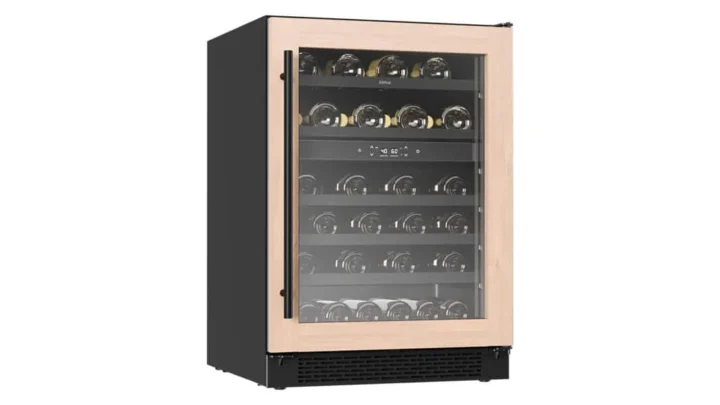
Fix Dual Zone Wine Cooler Temp Swings Over 5°F
Your dual zone wine cooler keeps your reds warm and your whites too cold. That's the exact problem…
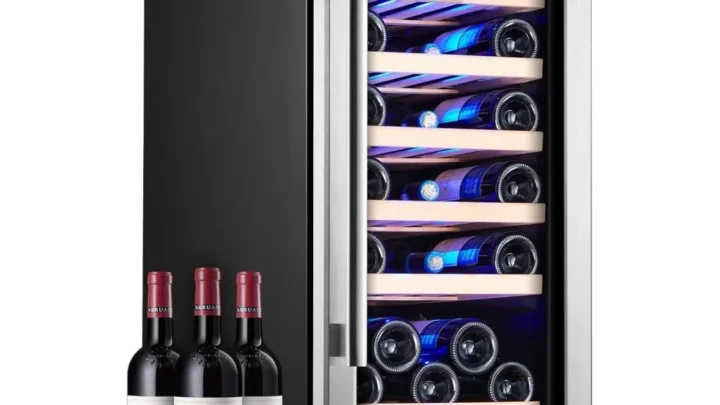
Kalamera 15-inch Dual Zone Wine Cooler: Worth It? Reddit
Reddit is full of strong opinions about the Kalamera 15inch dual zone wine cooler. One thread calls it…
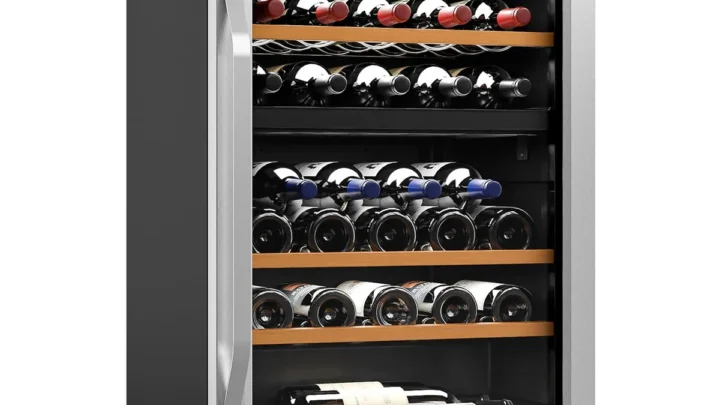
Dual Zone Wine Cooler: Best Temp & Time for Cabernet & Sauv
So, you want the right temperature and chilling time for storing Cabernet Sauvignon and a chilled Sauvignon Blanc…