Dual Zone Wine Cooler: Best Temp & Time for Cabernet & Sauv
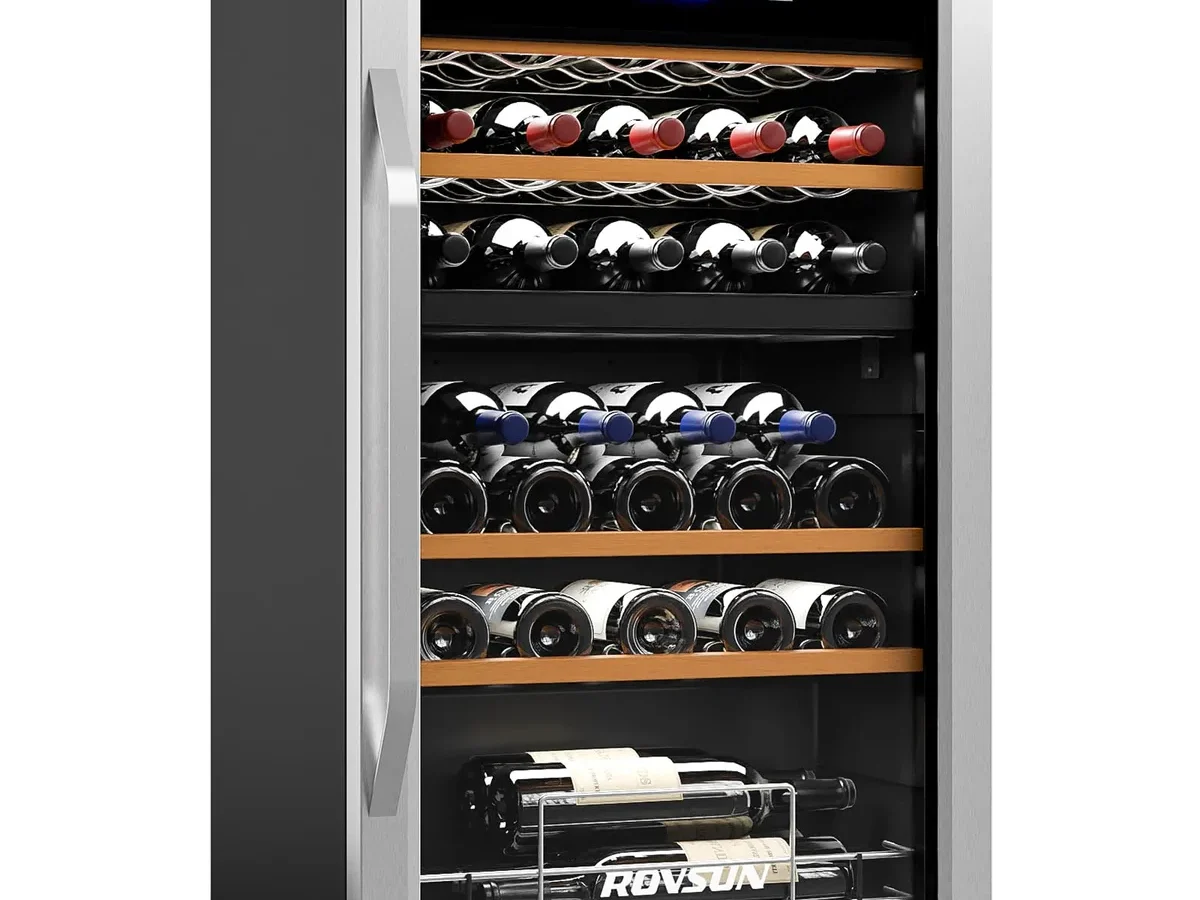
So, you want the right temperature and chilling time for storing Cabernet Sauvignon and a chilled Sauvignon Blanc in a dual zone wine cooler refrigerator. That is the right question to ask, because these two wines have very different needs. Store them the same way, and you are silently dulling the flavor of at least one of them.
As of 2026, wine storage experts and major cooler manufacturers agree on a few clear standards. The sweet spot for long-term red wine aging sits near 55°F, while a crisp white pops best when served between 45°F and 50°F. That gap might seem small, but it defines the entire experience in your glass.
Let’s walk through exactly what to set your zones to, how long chilling actually takes, and the mistakes that quietly ruin good bottles.
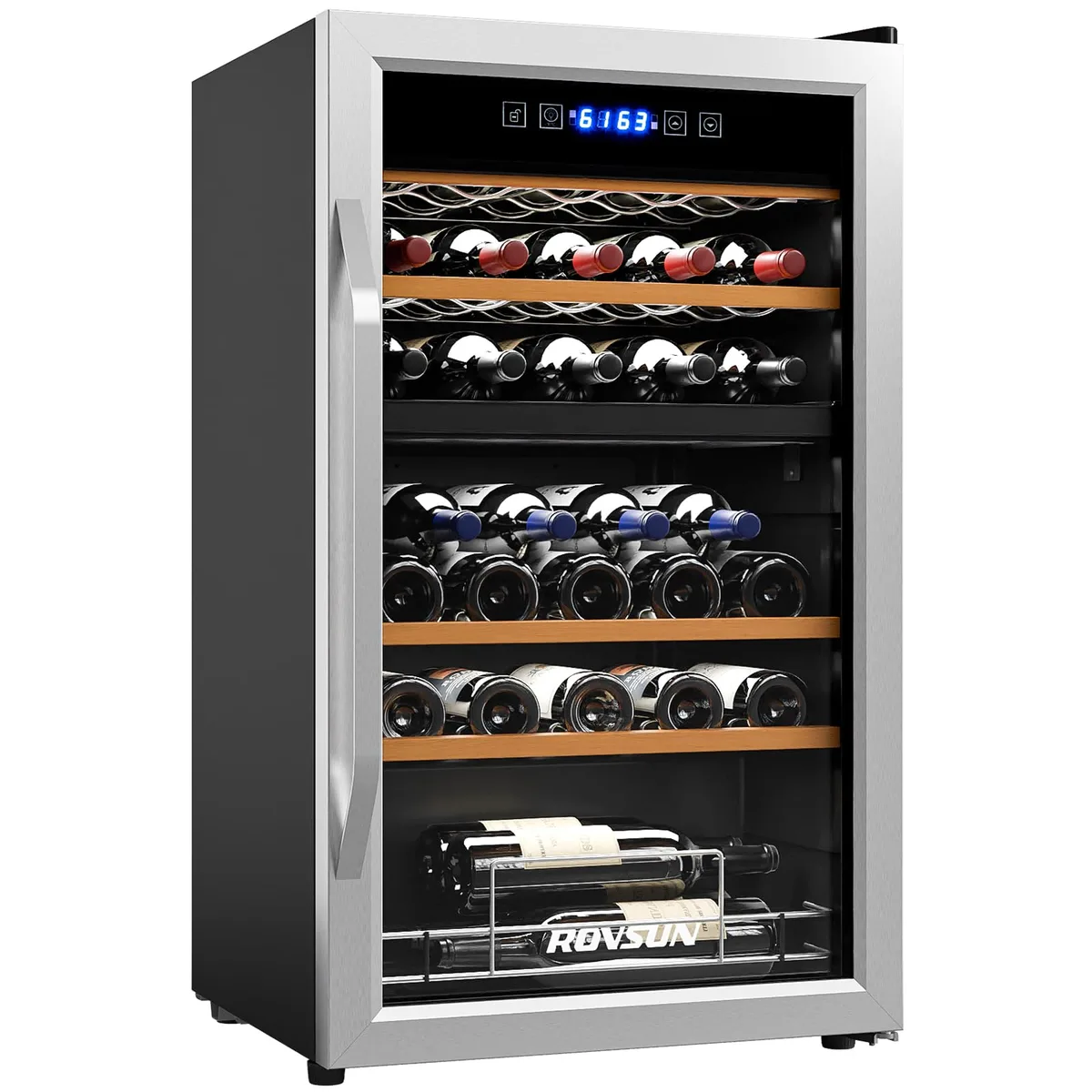
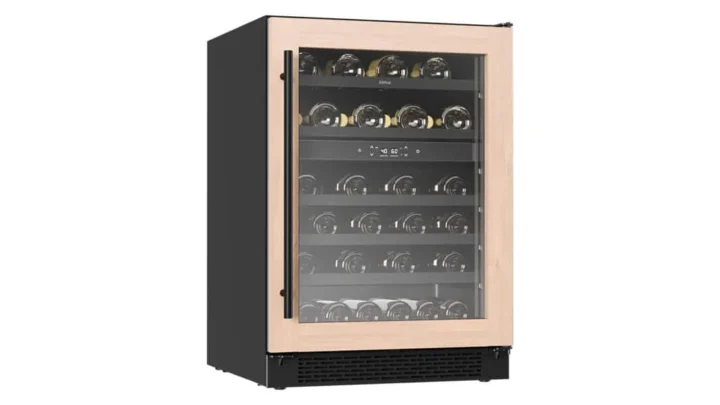
Image source: Web (Bing) / rovsun.com (Web image (fair-use with source credit))
Why Getting This Exactly Right Matters
We aren't being dramatic here. Temperature is the single biggest factor that decides whether wine tastes lively or flat. Too much heat ages wine too quickly and pushes it toward a boiled or stewed flavor.
Too cold, and the aromatics lock up so tightly that you might as well be drinking flavored water.
Cabernet Sauvignon is built to unfold slowly. It has bold tannins and dark fruit that need warmth to open up. Serving it too cold makes those tannins feel grippy and harsh, like chewing on a dry tea bag.
Sauvignon Blanc, on the other hand, lives for zippy acidity and fresh citrus notes. Serve it anything above 50°F and it starts tasting heavy and slightly alcoholic.
Your dual zone wine cooler exists to solve exactly this conflict. The two zones let you hold your Cabernet at a proper aging temperature while your Sauvignon Blanc sits chilled and ready to pour. That's the whole reason you'd buy one instead of a single zone unit.
The risk isn't theoretical either. A bottle of decent Cabernet costs anywhere from twenty to several hundred dollars. Ruin the serving temperature and you still have wine, just not the wine you paid for.
The winemaker's work, the careful aging, the whole point of the bottle, all of it gets masked by a simple error in thermostat settings.
Research from the wine program at UC Davis confirms that fluctuation and extreme temps are the main culprits in premature wine aging. Their work has shaped how most commercial cellars manage their climate. When you set your home cooler properly, you are applying the same principles the pros use.
The Short Answer: What the Dual Zone Settings Should Actually Be
Set your red side to 55°F and your white side to 45°F. That’s the short version.
Here is the longer one.
Your Cabernet Sauvignon should be stored at 50°F to 59°F, with 55°F as the ideal target. That temperature range slows the aging process and protects all those dark cherry and cassis notes. Just before you serve it, bring the bottle up to 60°F to 68°F.
That means pulling it out of the cooler thirty to sixty minutes before opening.
Your Sauvignon Blanc, meanwhile, wants to be stored at 45°F to 50°F. The cooler temperature preserves its vibrant acidity. Serving temperature matches the storage range on this one, so 45°F to 50°F is perfect.
You don't need to adjust anything.
| Wine | Storage Temp | Serving Temp | Zone Setting |
|---|---|---|---|
| Cabernet Sauvignon | 50–59°F | 60–68°F | 55°F |
| Sauvignon Blanc | 45–50°F | 45–50°F | 45°F |
If your cooler has a digital display, set the top zone (usually the red side) to 55°F and the bottom zone to 45°F. Most units follow this layout because cold air falls. The lower zone stays cooler naturally.
One note for long-term aging. If you plan to keep bottles for years, not months, hold everything at 55°F. That temperature suits both red and white for extended cellaring.
The 45°F white setting is more about having a bottle ready for tonight's dinner.
It’s Not Just Temperature: The Other Factors That Can Ruin Your Wine
Temperature gets all the attention, but it isn't the only thing that matters inside a wine cooler. Humidity, vibration, and light can each damage a bottle quietly over time.
Humidity
Corks dry out when the air is too dry. A dry cork shrinks, lets oxygen sneak in, and starts the wine on a slow road to oxidation. That's why keeping humidity between 50% and 70% matters.
Most good coolers manage this automatically. Keep yours at 60% if you have a hygrometer built in.
Vibration
Constant shaking breaks down the chemical structure of wine prematurely. It's a subtle effect, but audible if you study it long enough. Compressor-based coolers create more vibration than thermoelectric models.
That's one reason serious collectors prefer thermoelectric units, even though they cost more and cool slower.
Light
UV rays are notorious for creating "light-struck" wine. That sulfuric, rubbery smell you sometimes get in clear bottles comes from light exposure. A solid door blocks this.
A glass door, even UV-treated, lets some light in. If you have a glass door model, keep it somewhere out of direct sunlight and open it rarely.
Air quality and odors
Wine breathes through the cork slightly. That means strong smells from nearby food can slowly seep into the bottle. Keep your cooler away from garlic, onions, and anything pungent.
This is also why you should avoid storing wine next to leftover takeout containers inside a regular fridge.
Humidity, vibration, light, and air. Get all four right, and your temperature settings will actually do their job. Miss one, and even perfect thermostats won't save you.
How to Set Up Your Dual Zone Cooler for Red and White
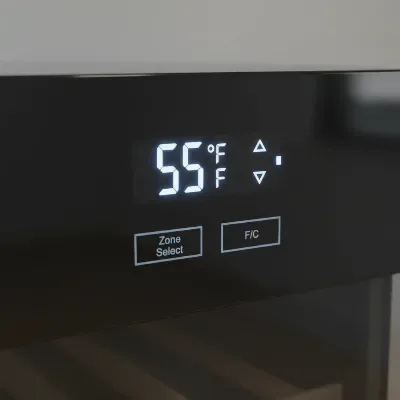
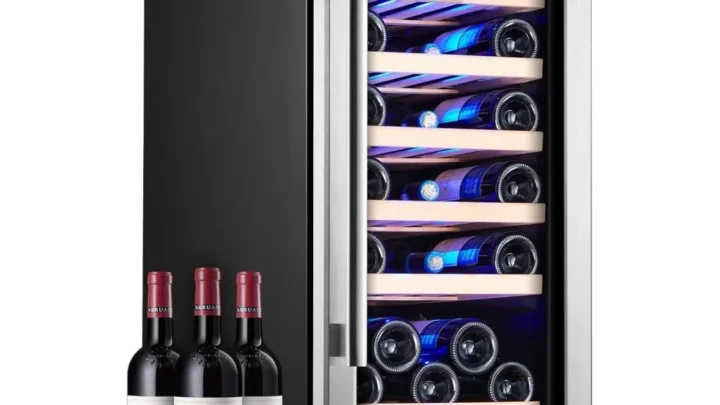
Image source: Web (Bing) / reviewaamco.com (Web image (fair-use with source credit))
Setting up your dual zone cooler correctly only takes a few minutes. Do it right once, and you won't need to touch the dials again.
Step 1: Choose Your Zones
Decide which side holds red and which holds white before you plug anything in. Most manufacturers design the lower zone for colder temperatures since cold air sinks. Use the bottom zone for your Sauvignon Blanc, top zone for Cabernet.
Write this down or put a small label inside, because you will forget.
Step 2: Set the Correct Temperatures
Wait until the unit is plugged in and running for at least an hour before adjusting the controls. Compressors need time to stabilize. Then, use the digital panel to set the white zone to 45°F and the red zone to 55°F.
Give the cooler another 24 hours before trusting the readings on the display. Thermostats drift early on.
Step 3: Arrange Your Bottles Properly
Lay your wine bottles on their side so the wine stays in contact with the cork. This keeps corks moist and prevents air from sneaking in. For screw cap bottles, orientation doesn't matter as much.
Give each bottle a little breathing room. Crowding everything together restricts air circulation and can create uneven temperatures across the shelves.
Step 4: Let Everything Stabilize
Here's the part most people skip. Freshly moved bottles need time to settle. Your wine has been jostled during transport, and those tiny vibrations disturb the sediment and chemical balance.
Let bottles rest inside the cooler for at least 24 hours before opening one. Ideally, give them two days.
Place a thermometer inside each zone if your unit doesn't display one. An inexpensive digital thermometer lets you verify the actual temperature rather than trusting the machine's internal sensor.
The Real “Cooking Time” Question: Chilling and Settling Time Explained
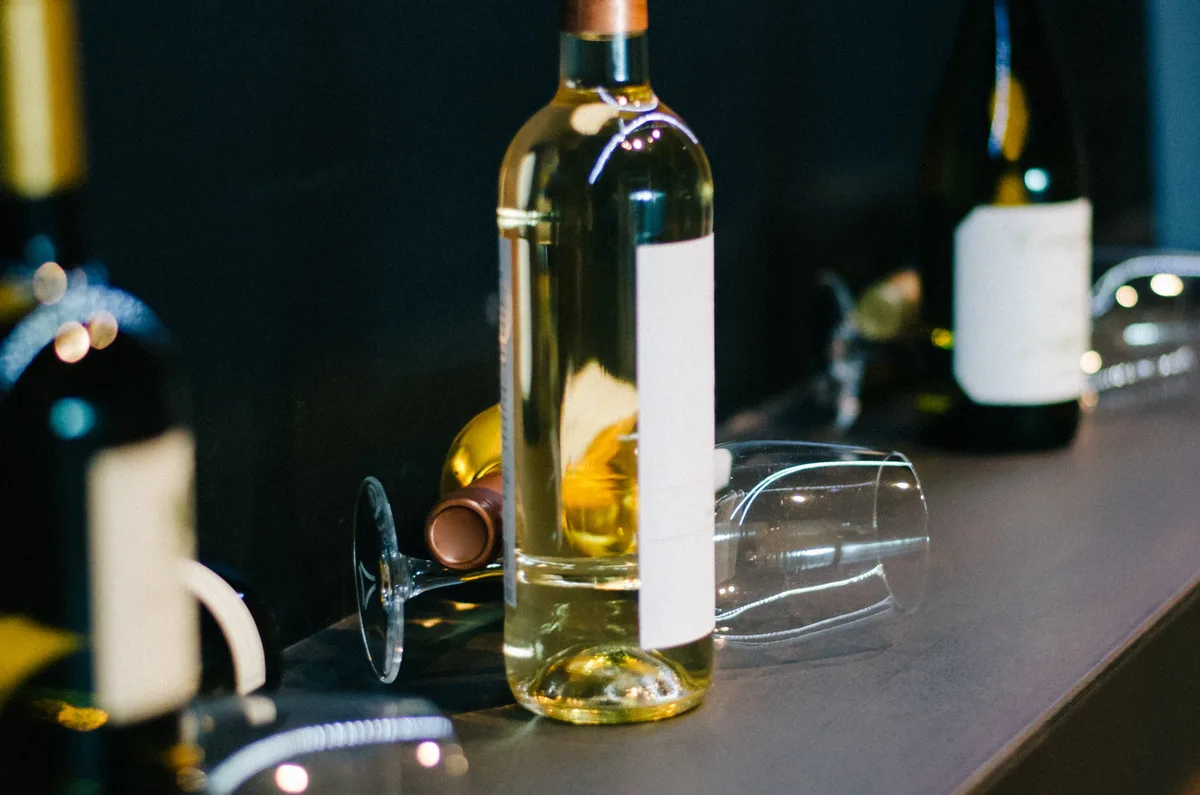
Image source: Bing (Web (fair-use with source credit))
"Cooking time" isn't a wine term, but we get what you're asking. You want to know how long it takes for a bottle to reach the right temperature inside your cooler. The honest answer: longer than most people expect.
A wine cooler is not a blast chiller. It pulls heat out slowly to avoid shocking the wine. If you put a bottle of Sauvignon Blanc at room temperature (say, 72°F) into a cooler set to 45°F, it takes roughly two to four hours to fully chill.
That's with good air circulation. A full cooler takes longer than an empty one. A large wine cooler takes longer than a compact countertop model.
Chilling Down a New Bottle
Start planning ahead. If you want to serve white wine tonight, move the bottle into the cooler in the morning. That guarantees it hits the target temperature.
The rush-job approach, putting it in an ice bucket twenty minutes before guests arrive, works fine too, but that's not what the cooler is for.
Bringing Red to Serving Temperature
Cabernet Sauvignon benefits from warming up before you pour. Your red zone sits at 55°F, but serving temperature should be 60°F to 68°F. Take the bottle out thirty to sixty minutes before opening.
Let it rest on the counter. You'll notice the aromas open up almost immediately.
Allowing Wine to Rest After Transport
This is the settling time we mentioned earlier. Shipment or a car ride stirs up sediment and agitates the wine's structure. A good rule from professional cellarmasters: one day of rest for every two days in transit.
Even a short trip from the store warrants 24 hours of quiet time before you open a serious bottle.
Time your purchases accordingly. Buying wine on Saturday and drinking it that evening? That's rushed.
Buy Thursday, rest it Friday, enjoy it Saturday. Your palate will thank you.
Common Mistakes That Waste Money and Ruin Good Wine
Even with the right temperatures set, small habits can quietly wreck your wine. The mistakes below are the ones we see most often in user reports and manufacturer feedback. Avoid them and your bottles will taste better for longer.
Mistake #1: Treating Red and White the Same Way
The most common error is setting both zones to the same temperature. A single zone at 50°F seems like a compromise, but it is the worst of both worlds. Your Cabernet will taste tight and tannic.
Your Sauvignon Blanc will feel barely cool enough.
If you only have one zone available, store everything at 55°F for long-term aging. Then adjust serving temperature manually. Pull the white out and put it in the kitchen fridge an hour before serving.
Pull the red out thirty minutes early and let it breathe.
Mistake #2: Forgetting About Humidity
Many dual zone coolers manage temperature well but struggle with humidity. Dry air is invisible and silent, yet it is one of the fastest ways to ruin a cork. Once a cork dries out and shrinks, oxygen gets in and the wine oxidizes.
Check your cooler's humidity level at least once a month. Use a small digital hygrometer placed on a middle shelf. If the reading drops below 50%, add a small dish of distilled water to the bottom of the cooler.
If it climbs above 70%, wipe down the interior and check the door seal.
Mistake #3: Storing Wine in the Wrong Spot Within the Cooler
Temperature varies inside a single zone. The back wall next to the cooling element is always colder than the door area. The bottom shelf tends to be cooler than the top.
Place your white wines on the lower shelves where cold air settles naturally. Keep your reds on the upper shelves. That simple arrangement adds a few degrees of separation and makes your dual zone system work more efficiently.
Never stack bottles too close to the back wall. Leave a gap of at least two inches for air circulation.
Mistake #4: Opening Bottles Too Soon After Moving Them
Wine is sensitive to motion. Transporting bottles from the store to your home stirs up sediment and agitates the liquid structure. Opening one immediately after unloading gives you a muted, slightly disjointed taste.
Let new arrivals rest for at least 24 hours. If the wine has been shipped across the country, give it three to four days. This settling period is well documented in professional winemaking literature.
The wine needs time to recalibrate.
A Real Scenario: Setting Up for a Dinner Party
Let's say you are hosting a casual dinner for six people on Saturday evening. You plan to start with Sauvignon Blanc and move to Cabernet Sauvignon with the main course. Here is exactly how the timing plays out.
You bought the bottles on Wednesday afternoon. You bring them home and place them in your dual zone cooler immediately. The white zone is set to 45°F and the red zone is set to 55°F.
You lay the bottles on their sides and close the door.
Thursday and Friday are rest days. The wine settles quietly. The corks rehydrate.
The internal temperature stabilizes fully.
On Saturday, you pull the Sauvignon Blanc from the cooler at 6:00 PM. It is already at serving temperature, 45°F. You pour the first glass at 6:15.
You pull the Cabernet Sauvignon from the red zone at 6:30 PM. It is at 55°F. You open it and let it breathe on the counter.
By the time the main course is served at 7:15, the Cabernet has warmed to about 62°F. That temperature lets the fruit and tannins open up beautifully.
| Time | Action | Wine Temp |
|---|---|---|
| Wednesday | Buy and store bottles | Cooler sets to 45°F / 55°F |
| Thursday – Friday | Rest and settle | Stable |
| Saturday 6:00 PM | Pull Sauvignon Blanc and serve | 45°F |
| Saturday 6:30 PM | Pull Cabernet Sauvignon, open and decant or let breathe | 55°F, warming to 62°F by 7:15 PM |
That timeline works without rushing or second-guessing. The white stays crisp throughout appetizers. The red hits its stride exactly when the steak arrives.
If you are short on time and bought bottles the same day, skip the settling period for the white. Chill it in an ice bucket for twenty minutes instead. For the red, accept that it will taste slightly tighter than ideal and choose a younger bottle that does not demand as much decanting time.
A cool, clean kitchen surface used for general food prep can double as a staging area for bottle breathing. Just keep it away from heat sources.
Frequently Asked Questions
Can I store both red and white wine at 50°F in a single zone cooler?
You can, but it is not ideal for either. 50°F is slightly too cold for red wine long-term and slightly too warm for white wine to stay crisp. Use a single zone at 55°F for aging both, then adjust serving temperature by moving bottles to the kitchen fridge for whites or letting reds rest on the counter.
How long does it take for a wine cooler to reach the set temperature?
Most dual zone coolers reach their target temperature within 4 to 8 hours after being plugged in. A full cooler takes longer than an empty one. Manufacturer specifications indicate you should wait 24 hours before trusting the display reading.
Use a standalone thermometer to verify the actual temperature.
What happens if I set my cooler too cold for Sauvignon Blanc?
Serving Sauvignon Blanc below 40°F effectively numbs your taste buds and masks the wine's aromatics. The citrus and herbal notes become muted. The wine tastes thin and flat.
Store it at 45°F and serve it at 45°F to 50°F for the best flavor expression.
Is it okay to open the cooler frequently during a party?
Every time you open the door, cool air spills out and warm air rushes in. Frequent openings force the compressor to work harder and cause temperature swings. Limit door openings during parties.
Pull out several bottles at once if you expect to serve them throughout the evening.

Related posts
Fix Dual Zone Wine Cooler Temp Swings Over 5°F
Your dual zone wine cooler keeps your reds warm and your whites too cold. That's the exact problem…
Kalamera 15-inch Dual Zone Wine Cooler: Worth It? Reddit
Reddit is full of strong opinions about the Kalamera 15inch dual zone wine cooler. One thread calls it…
Stacking Oversized Champagne in a Dual-Zone Cooler: Safe?
You pull a magnum of vintage Champagne from the cellar, and it won't fit in your dual‑zone wine…