Can You Use Dish Soap on Cast Iron? Dishwasher Risks
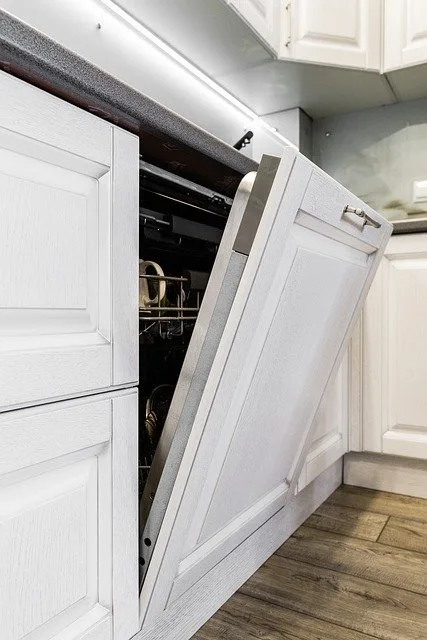
Let’s answer the question everyone argues about: can you put washing cast iron with harsh dish soap or putting in dishwasher in a cast iron skillet safely? The short answer is no, but not for the reason you’ve heard. Most cooks are still repeating a soap warning that stopped being true 70 years ago.
What actually ruins a skillet today is moisture, heat, and high-pressure washing, not mild dish soap.
Here’s a key number: modern liquid dish soap sits around pH 7 to 9, which is gentle. Harsh lye-based detergents, common in old soap recipes, run closer to pH 13 or higher. As of 2026, no major cast iron manufacturer recommends dishwasher cleaning for bare iron.
Understanding that gap saves you from both rust and the fear of soap.
Image source: Web (Bing) / smartkitchenimprovement.com (Web image (fair-use with source credit))
Why This Question Still Confuses People
Ask five experienced cooks how to clean cast iron, and you’ll get five different answers. Some insist soap destroys the pan. Others quietly load their skillets into the dishwasher.
The truth lands between those extremes.
The original soap warning came from an older generation of cleaners. Old lye-based bars could strip a seasoned surface in minutes. Modern dish soap doesn’t.
That historical fact is the root of the myth.
Cast iron also looks fragile. It rusts easily if left wet. It chips when dropped.
The black patina that builds up over years looks delicate, like a coating that a sponge could wipe away. It’s not. Seasoning is a polymerized layer of fat that bonds to the iron at high temperature.
That makes it tougher than most people expect.
The dishwasher adds another layer of misinformation. It’s convenient, so people want it to be safe. Aggregate reviews and cooking forums show the same story.
A skillet goes in. It comes out gray. The detergent gets blamed.
The real culprit is two hours of soaking heat.
You’ll see the same pattern in nonstick cookware cleaning debates, where heat and time get blamed on the wrong tool.
Quick Answer: You Can Use Mild Soap, Not the Dishwasher
You can hand-wash a cast iron skillet with mild dish soap. Do not wash it in the dishwasher. Harsh lye-based soap strips seasoning.
Dishwasher heat causes rust. Dry the pan right away. Apply a thin oil coat when done.
That’s the whole rule. Everything else is detail.
Hand washing with modern dish soap is safe because the soap is mild and the exposure is short. You won’t strip a healthy seasoning unless you soak the pan or use steel wool. Harsh dish soap is different.
It’s designed to dissolve grease aggressively. It will pull the polymerized seasoning off eventually.
| Soap Type | pH Level | Effect on Cast Iron |
|---|---|---|
| Modern dish soap | 7 to 9 | Safe for well-seasoned pans |
| Harsh degreaser or lye-based soap | 13 or higher | Strips seasoning quickly |
Use the table as a shortcut. If the label mentions sodium hydroxide, lye, or bleach, don’t use it on a skillet you care about. The if/then logic also applies to keeping a nonstick surface intact elsewhere in the kitchen.
How Seasoning Works: The Real Reason Soap Fears Exist
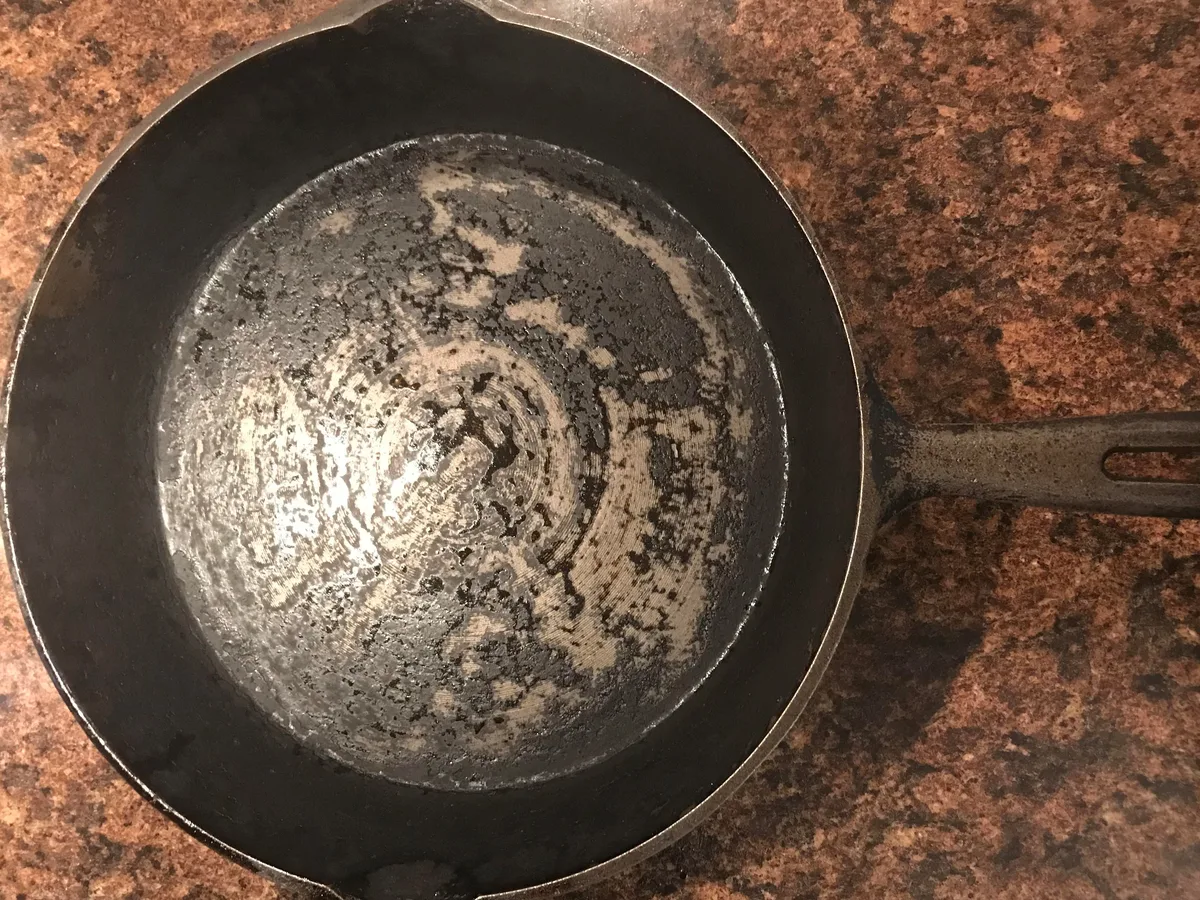
Image source: Web (Bing) / campfiresandcastiron.com (Web image (fair-use with source credit))
Seasoning is not a layer of oil sitting on the iron. It’s oil that has been heated past its smoke point until it polymerizes. The molecules rearrange and bond to the metal.
That creates a hard, nearly glassy surface.
That surface gives cast iron its nonstick quality. It also blocks moisture from reaching the iron underneath. When you use harsh lye soap, you break those polymer bonds.
That’s why the old warnings existed.
Modern dish soap does not work that way. It lifts food residue and grease without reacting with the polymerized seasoning. Manufacturer documentation from Lodge Manufacturing’s care instructions confirms that mild soap is acceptable on seasoned cast iron.
The key is rinsing thoroughly and drying before any water can linger.
A healthy seasoning looks smooth and dark. It may have some uneven patches, but it should not feel sticky or come off on a paper towel. If it does, that’s not a soap problem.
That’s a sign you need to rebuild the seasoning. The same maintenance logic shows up in deep fryer upkeep, where consistent care keeps oil from going rancid and surfaces from deteriorating.
Decision Tree: Is Your Skillet Safe for Soap or Not?
Let’s walk through the variables one at a time. Answer these three questions in order, and the right cleaning method becomes obvious.
Is your skillet enameled or bare?
If the cooking surface is glossy white, cream, black, or another solid enamel color, you own enameled cast iron. Enameled pans are dishwasher-safe in the short term, but hand washing keeps the finish bright. If the surface is rough, dark gray, or unpainted, it’s bare iron.
Bare iron never goes in the dishwasher.
Is your seasoning strong or flaking?
Run your fingers over the cooking surface. A strong seasoning feels smooth and glassy. It can handle mild soap and a scrub.
A failing seasoning shows gray patches, rust spots, or flaking edges. When you see that, switch to hot water and a scrub brush until you’ve re-seasoned the pan.
What type of soap are you using?
Check the label before you squeeze. Standard liquid dish detergent is fine. If the soap lists sodium hydroxide, lye, or bleach as an ingredient, keep it away from your skillet.
Save those for deliberate stripping and restoration projects.
Remember the condition first, then the method. That’s how you match the cleaning process to the item. It works for matching the method to the coating on other cookware, too.
Why the Dishwasher Is the Real Enemy of Cast Iron
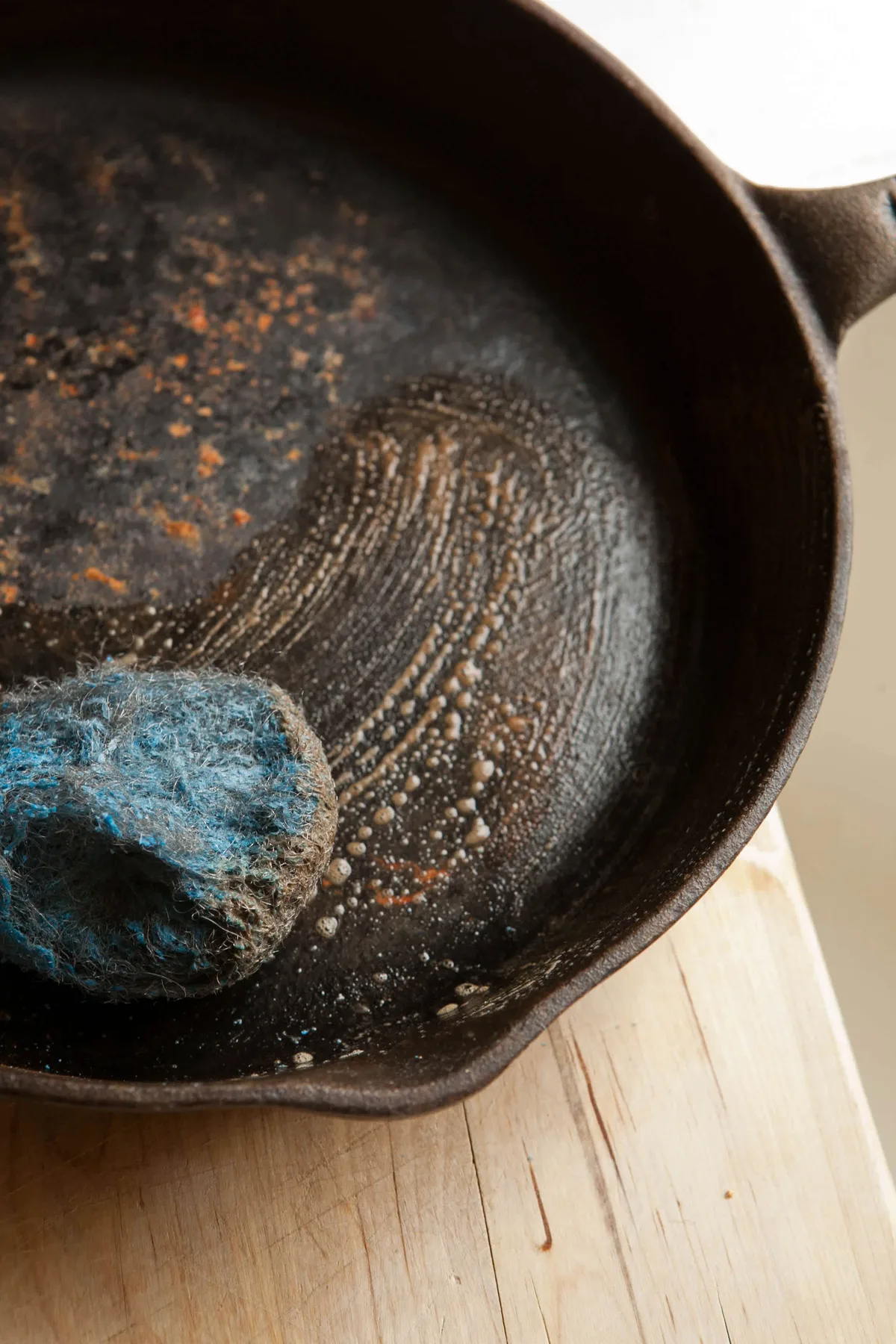
Image source: Web (Bing) / wcc-berlin.de (Web image (fair-use with source credit))
The dishwasher looks like the ultimate cheat code. Load the skillet, press start, walk away. In reality, you’re asking for rust and stripped seasoning.
Four things go wrong in a dishwasher. The first is moisture. Cycles run 90 minutes to three hours, and bare iron stays wet the whole time.
Rust only needs a few hours of contact with water.
The second problem is heat. Dishwasher water reaches 140 to 160 degrees Fahrenheit. That’s below the seasoning’s burnout point, but it weakens the bond between oil and iron over time.
Repeated cycles cause gradual flaking.
The third issue is pressure. High-pressure spray bars blast the pan thousands of times during a single load. Those tiny impacts erode seasoning layer by layer.
The fourth is detergent chemistry. Dishwasher detergents use enzymes and bleach to break down fats. That’s exactly what a seasoned coating is made of.
USDA Food Safety and Inspection Service sanitation guidelines treat all food-contact cookware as needing soap or detergent and sanitizer. That’s fine for cast iron, but it means the pan gets re-seasoned regularly. For the home cook, the simpler rule wins: hand wash, dry fast, oil, store.
The same hand-washing rules for fragile coatings apply to other appliances with nonstick surfaces.
Step-by-Step: How to Hand Wash a Cast Iron Skillet the Right Way
Scraping and hot water do most of the work. Soap is optional. If the pan has a strong seasoning, a drop of mild detergent is fine.
Start while the pan is still warm. Hot iron releases stuck food better than cold does. Run it under hot tap water and use a stiff nylon brush or chainmail scrubber.
The chainmail removes crusty bits without scraping off seasoning.
If food is stubborn, add one drop of mild dish soap to the brush. Scrub for 15 seconds. Rinse thoroughly with hot water until no suds remain.
Soap residue left on the iron can affect the taste of your next meal.
Dry the skillet immediately. Use a dish towel, then set the pan on a low stovetop flame for two minutes. That drives out any moisture hiding in the pores of the iron.
Water left behind creates rust spots within hours.
Apply a thin oil layer while the pan is still warm. Use a paper towel to rub in about half a teaspoon of oil. Wipe off the excess until the surface looks dry.
That thin film protects the seasoning until the next use.
Store the skillet in a dry spot. If you stack pans, place a paper towel between them to prevent scratching. The same gentle care approach applies to avoiding surface damage on other kitchen tools.
Common Mistakes to Avoid (And What They Actually Ruin)
The most common error is using harsh dish soap. It strips seasoning faster than you expect. Even one wash with a degreaser can leave patches of bare iron.
Soaking is another problem. Leaving a cast iron skillet in the sink for an hour invites rust. Water seeps into the seasoning and lifts it from the iron.
If you must soak, limit it to 10 minutes maximum and dry immediately.
Steel wool will remove seasoning quickly. It also scratches the surface of enameled pans. Use a nylon scrub brush or a chainmail pad instead.
Those tools remove food without damaging the coating.
Storing without oil is a slow mistake. The seasoning dries out over weeks. Small rust spots appear.
By the time you notice, the pan needs a full re-season. A light oil coat after every wash prevents that.
Cooking acidic foods in older or weaker seasoning also causes damage. Tomato sauce, vinegar, and wine react with the iron and pit the surface. Wait until the seasoning is dark and glassy before cooking acidic recipes.
Putting a hot pan under cold water is a thermal shock risk. It can warp thin iron or crack enamel. Let the pan cool slightly before rinsing.
The same temperature shock risk applies to deep fryer baskets and other metal cookware.
Real Scenarios: From Slightly Stuck Food to Full Rust Recovery
Scenario 1: Stuck eggs after breakfast. The pan has a strong seasoning. You scrape the bits with a wooden spatula, rinse with hot water, and dry on the burner. That’s it.
No soap needed. Stuck food rarely requires more than heat and water.
Scenario 2: Burnt sauce coating the surface. The seasoning is intact but the residue is thick. Add a quarter cup of coarse salt and a tablespoon of oil. Scrub with a paper towel until the salt turns brown.
Rinse and dry. The salt acts as a gentle abrasive that lifts burnt food without stripping the seasoning underneath.
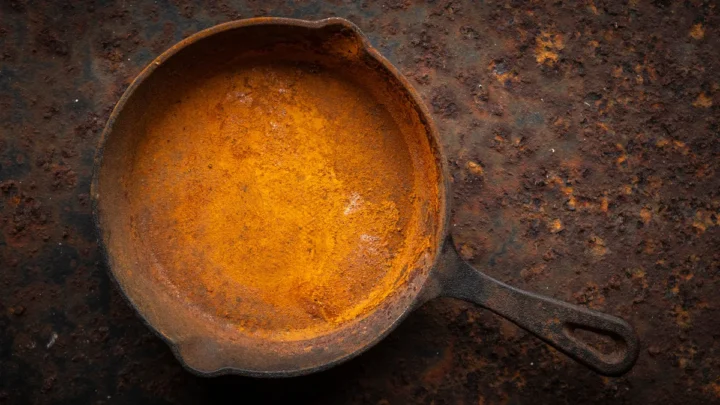
Scenario 3: Rust spots appear after a dishwasher run. The pan came out gray and orange-flecked. Scrub the rust with white vinegar and a scrub pad. Rinse and dry immediately.
Then apply three thin coats of oil, baking each coat at 400 degrees Fahrenheit for an hour. The seasoning will be functional again by the third coat.
Scenario 4: A vintage skillet needs full restoration. The seasoning is flaking, there’s rust under it, and the surface feels rough. Strip with lye-based oven cleaner or an electrolysis bath. Then scrub, dry, and build a fresh seasoning from zero.
This takes two to three days but produces a pan that lasts decades.
Aggregate user feedback shows that most skillet damage comes from neglect or harsh cleaning, not from regular use. A healthy pan bounces back fast. If you catch rust within hours, a simple scrub saves the seasoning.
Frequently Asked Questions
Can I use dish soap every time I clean my cast iron?
Yes, if the seasoning is strong and the soap is mild. Use one drop per wash. Rinse fully.
Dry and oil immediately. Frequent soap use thins seasoning over time, so many cooks prefer soap only when needed.
What happens if I put my cast iron in the dishwasher by accident?
Remove it as soon as the cycle ends. Dry it thoroughly on the stovetop. Apply oil.
If rust has already formed, scrub it off with vinegar. Re-season if needed. One dishwasher load rarely ruins a pan permanently.
How do I fix rusty cast iron?
Scrub the rust with a vinegar and water mixture. Use a scrub pad or steel wool if needed. Rinse, dry, and apply oil.
Then bake the pan at 400 degrees Fahrenheit for one hour. Repeat the oil and baking step twice more for a strong seasoning.
Is it safe to use vinegar to clean cast iron?
Vinegar removes rust effectively, but it also reacts with the iron. Limit exposure to five minutes at a time. Rinse thoroughly after use.
Never soak a cast iron pan in vinegar for longer than that.
Should I oil my cast iron after every wash?
Yes. A thin oil coat prevents rust and maintains the seasoning. Wipe off excess so the surface feels dry.
Store the pan in a dry place. Oil after every use, even if you didn’t use soap.
Can I use a metal spatula on cast iron?
Yes. Metal spatulas help scrape stuck food and even out the seasoning. They won’t damage a well-seasoned surface.
Avoid metal utensils on enameled cast iron to prevent chipping.
Final Verdict: Match Your Cleaning Method to Your Skillet
The rule is simple. Hand wash with mild soap if needed. Never use the dishwasher.
Dry immediately. Oil after every wash.
Here is the decision guide in table form.
| Skillet Condition | Cleaning Method | Drying Method |
|---|---|---|
| Strong seasoning, light food residue | Hot water and scrub | Stovetop dry, no oil needed |
| Strong seasoning, stuck food | Hot water, mild soap, chainmail | Stovetop dry, light oil coat |
| Weak or new seasoning | Hot water only, no soap | Stovetop dry, light oil coat |
| Rust spots present | Scrub with vinegar, rinse, dry | Stovetop dry, re-season with 3 oil coats |
| Flaking or stripped seasoning | Strip with lye cleaner or scrub | Dry, build fresh seasoning from zero |
Match your method to the pan’s condition. A well-maintained skillet needs soap only occasionally. A rusty or stripped pan needs more work.
But the same core steps apply every time: clean, dry, oil, store.
That consistency matters across all cookware. The same discipline that keeps a deep fryer working smoothly applies to cast iron. Clean the right way and the skillet lasts a lifetime.

Related posts
What Temp & Time for Crispy Golden Cast Iron Cornbread?
You're staring at a cold cast iron skillet, wondering what temperature and cooking time for crispy golden skillet…
Remove Rust and Restore Seasoning on Cast Iron
Searching for how to clean cast iron skillet and remove rust spots and stripped seasoning patches on cast…
Lodge 6-QT Enameled Dutch Oven: Worth It? Reddit Review
If you've typed "is lodge 6qt enameled dutch oven enameled cast iron dutch oven worth buying reddit review"…