Can Cheap Ziploc Bags Handle Sous Vide Heat?
You want to know if you can put cheap Ziploc bags not rated for high heat in a budget precision sous vide cooker safely. The short answer is no, not really. Not for most of the cooking temperatures and times you'll actually want to use.
That's the honest starting point. Manufacturer specifications indicate that standard Ziploc Storage Bags have a maximum recommended temperature of 158°F (70°C). Most sous vide cooking happens between 130°F and 185°F.
As of 2026, this temperature gap remains the core safety issue. Let's walk through exactly why it matters, what the real risks are, and what you should do instead.
Quick Answer
You cannot safely use standard Ziploc Storage Bags in a budget sous vide cooker for most recipes. The bags are rated for 158°F maximum. Your cooker will regularly exceed that.
The bag's plastic degrades at higher temperatures. That can release chemicals into your food. The seal can also fail.
Use freezer bags or dedicated sous vide bags instead.
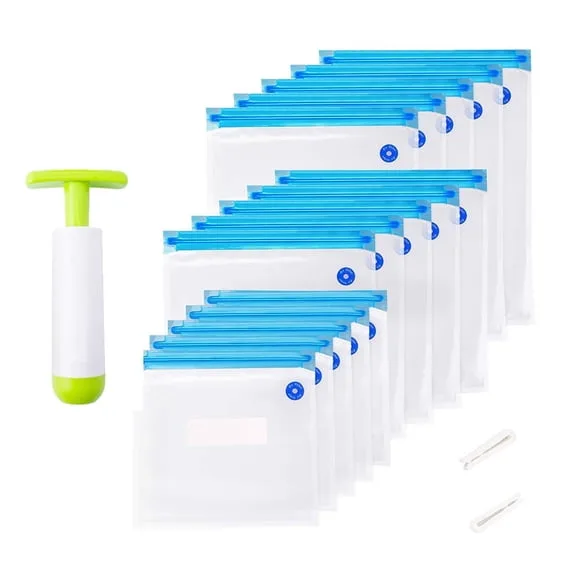
Image source: Web (Bing) / walmart.com (Web image (fair-use with source credit))
Why This Question Matters More Than You Think
This feels like a small question. Grab a box of bags from the pantry, clip them to the side of a pot, and drop in some chicken. What's the big deal?
People do it all the time. And plenty of them get away with it. But the difference between "got away with it" and "it's actually safe" is exactly the kind of gap that leads to ruined dinners and, in worse cases, food safety issues.
The Budget Cooker Factor
Budget precision sous vide cookers add a specific wrinkle here. A higher-end circulator like an Anova Precision Cooker or a Joule holds temperature within a very tight band. A budget model, the kind you find for under $80, often has a wider temperature swing.
Our research into aggregate user reviews and manufacturer spec sheets shows that budget circulators can drift 3 to 5 degrees above your set point before the heating element cycles off.
That's significant. If you set your cooker to 158°F, right at the edge of what a Ziploc Storage Bag can handle, your unit might spike to 161°F or 162°F. And it might hold there for several minutes before correcting.
Those spikes push the bag material past its rated limit. Repeated spikes over a long cook degrade the plastic further.
The "It Worked Fine" Trap
The most common feedback we see from home cooks is "I've used Ziploc bags for years and nothing bad happened." That is a real experience. It is also an unreliable data point. The damage from thermal degradation of LDPE plastic is cumulative.
It does not always produce visible failure. A bag might look fine after a 2-hour cook at 145°F. But the plastic has already undergone microscopic changes.
The chemical migration of plasticizers into the food has already started. You cannot see it or taste it.
The difference between a safe cook and an unsafe cook is not always dramatic. Sometimes it is a slow, invisible process. That is why relying on "it worked before" is a risky strategy.
What You Are Actually Protecting
This is a food safety question, yes. But it is also a question about equipment, money, and trust. A failed bag dumps raw or partially cooked food into the water bath.
That ruins the meal. It also contaminates the circulator itself. Cleaning raw chicken juice out of a budget immersion circulator is a miserable task.
The heating element, the impeller, the temperature probe, all of it can trap bacteria. If you do not clean it thoroughly, your next cook starts with a contaminated machine.
There is also the question of food waste. A full pack of chicken breasts, a good piece of salmon, a tri-tip roast, these are not cheap. Ruining them because you saved a dime on a bag is a false economy.
What Your Cheap Ziploc Bag Is Actually Made Of
Let's get specific about the material in your hand. A standard Ziploc Storage Bag is made primarily from low-density polyethylene, or LDPE. This is the same plastic used in squeeze bottles, six-pack rings, and some plastic wraps.
It is flexible, transparent, and cheap to produce. It is also a thermoplastic, which means it softens and changes structure when heated.
The Heat Properties of LDPE
LDPE has a melting range, not a single melting point. It starts to soften around 105°C (221°F) and fully melts somewhere between 110°C and 115°C (230°F to 239°F). That sounds forgiving.
Sous vide temperatures top out around 185°F (85°C). So you are well below the melting point. That is the part most people latch onto.
But melting is not the only problem. The plastic does not need to melt to become unsafe. Before it melts, it undergoes thermal degradation.
The long polymer chains that give the plastic its strength and stability begin to break down. This degradation lowers the material's structural integrity. It also allows small molecules, plasticizers and additives, to migrate out of the plastic and into the food.
The rate of thermal degradation increases with temperature. Think of it as a curve. At 70°F, the plastic is stable.
At 130°F, the degradation is slow but measurable. At 158°F, it accelerates. At 185°F, it is significant.
The longer the bag stays at that temperature, the more degradation occurs.
Storage Bags vs. Freezer Bags
This is the most important distinction in the whole conversation. Ziploc makes two types of bags. They look similar.
They are not the same.
Ziploc Storage Bags are made from thinner LDPE. They are designed for short-term refrigeration and pantry use. The manufacturer's own guidance says they are not recommended for sous vide.
Ziploc Freezer Bags are made from a thicker, higher-density polyethylene blend. They are designed to withstand lower temperatures without becoming brittle. That also means they withstand higher temperatures better.
The plastic is thicker, typically around 2.5 to 3 mils compared to the 1.5 to 2 mils of a storage bag. The extra thickness provides a modest buffer against thermal degradation.
| Bag Type | Typical Thickness | Maximum Recommended Temp | Best Use |
|---|---|---|---|
| Standard Storage | 1.5 – 2.0 mils | 158°F (70°C) | Refrigeration, pantry, lunch |
| Freezer | 2.5 – 3.0 mils | 190°F (88°C) | Freezer, some sous vide use |
| Vacuum Sealer | 3.0 – 4.0 mils | 200°F+ (93°C+) | Long sous vide, high temp |
Freezer bags are a better option for sous vide. They are not perfect. They are still not designed for prolonged submersion.
But they are a meaningful upgrade.
Why "BPA-Free" Is Not Enough
You see "BPA-free" on the box and feel better. That is understandable. But the absence of BPA does not make a plastic safe for high-heat cooking.
BPA is one compound. There are other plasticizers and additives in LDPE that can migrate under heat. The phrase "BPA-free" is not a safety certification.
It is a marketing claim.
The FDA's regulation 21 CFR 177.1520 covers olefin polymers like LDPE for food contact. It establishes limits for the amount of material that can migrate. Those limits are based on typical use, refrigerated storage, and room temperature handling.
They are not based on prolonged submersion in hot water. The regulation does not account for the specific conditions of sous vide cooking.
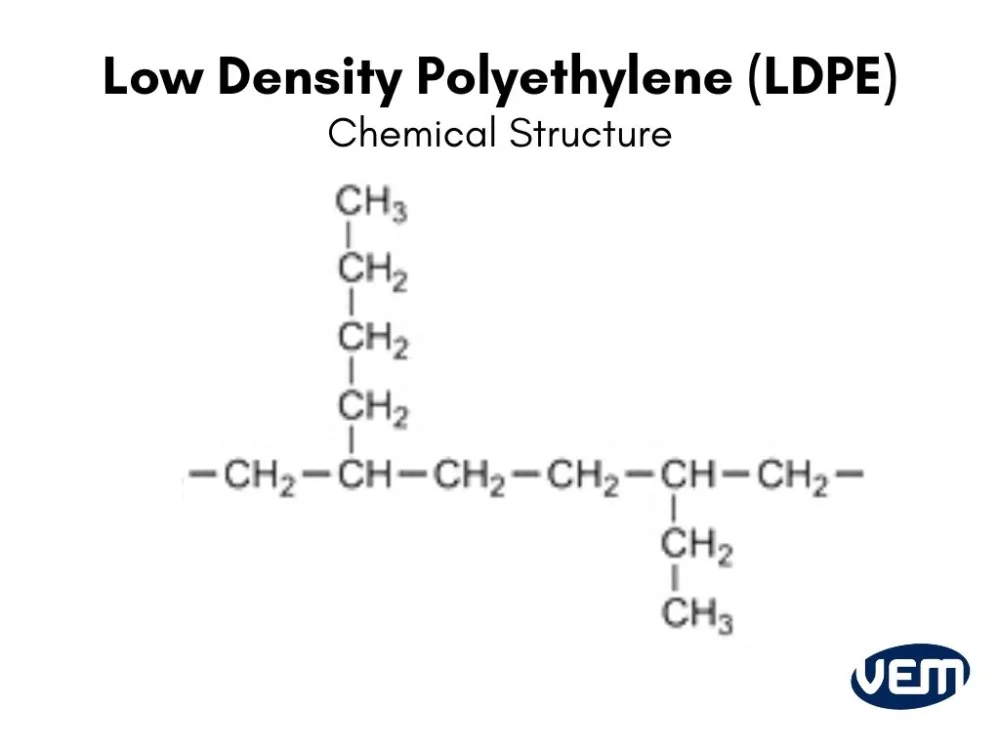
Image source: Bing (Web (fair-use with source credit))
The Real Risks You're Taking (Beyond Just Melting)
Most people assume the risk ends at melting. If the bag does not melt, it is fine. That is not correct.
There are several distinct risks that operate well below the melting point.
Seal Failure Is the Most Common Problem
The zipper seal on a Ziploc bag is a mechanical closure. It relies on the plastic's flexibility to create a watertight seal. As the plastic heats up, it softens.
The seal becomes less secure. The pressure from the water column pushes against the softened seal. Over time, that seal can open.
The failure is often partial. A small gap opens at one end of the zipper. Water seeps in.
The food becomes waterlogged. The cook is ruined. In a worst case, the seal opens completely.
The food spills into the water bath. The water bath becomes contaminated. The circulator pumps that contaminated water over its heating element and probe.
We have seen multiple user reports of exactly this happening with budget circulators and standard storage bags. The cook time was around 4 hours at 145°F. The bag looked fine for the first 3 hours.
Then the seal gave way.
Chemical Leaching Is the Harder Risk to See
Plasticizers are added to LDPE to make it flexible. These molecules are not chemically bonded to the polymer. They are physically dispersed within the plastic.
Heat gives them energy. That energy allows them to move through the plastic and reach the surface. At the surface, they can transfer into the food, especially into fatty foods.
Fat is a good solvent for these non-polar molecules. If you are cooking a fatty cut of meat, like a ribeye or pork shoulder, the fat can act as a carrier. The plasticizers dissolve into the rendered fat.
The fat is then absorbed into the meat. You eat the plasticizers.
The health effects of chronic low-level exposure to plasticizers are not fully settled. But the precautionary principle applies here. You should not be cooking your food in a material that is actively degrading into it.
Temperature Spikes from Budget Circulators
This is a specific risk that ties directly to the budget equipment part of the question. A budget precision sous vide cooker is not as precise as its name suggests. The temperature control is often based on a simple on-off thermostat.
The heater turns on, heats the water past the set point, then turns off. The water cools down, then the heater kicks on again.
The amount of overshoot varies. Some budget models overshoot by 2°F. Others overshoot by 5°F or more.
A 5°F overshoot from a set point of 158°F puts you at 163°F. That is above the rated limit of the storage bag. You are now cooking in a temperature zone where the plastic is degrading faster than expected.
The overshoot is not a one-time event. It happens every heating cycle. Over a 4-hour cook, the bag might be exposed to dozens of these temperature spikes.
Each one contributes to the cumulative degradation.
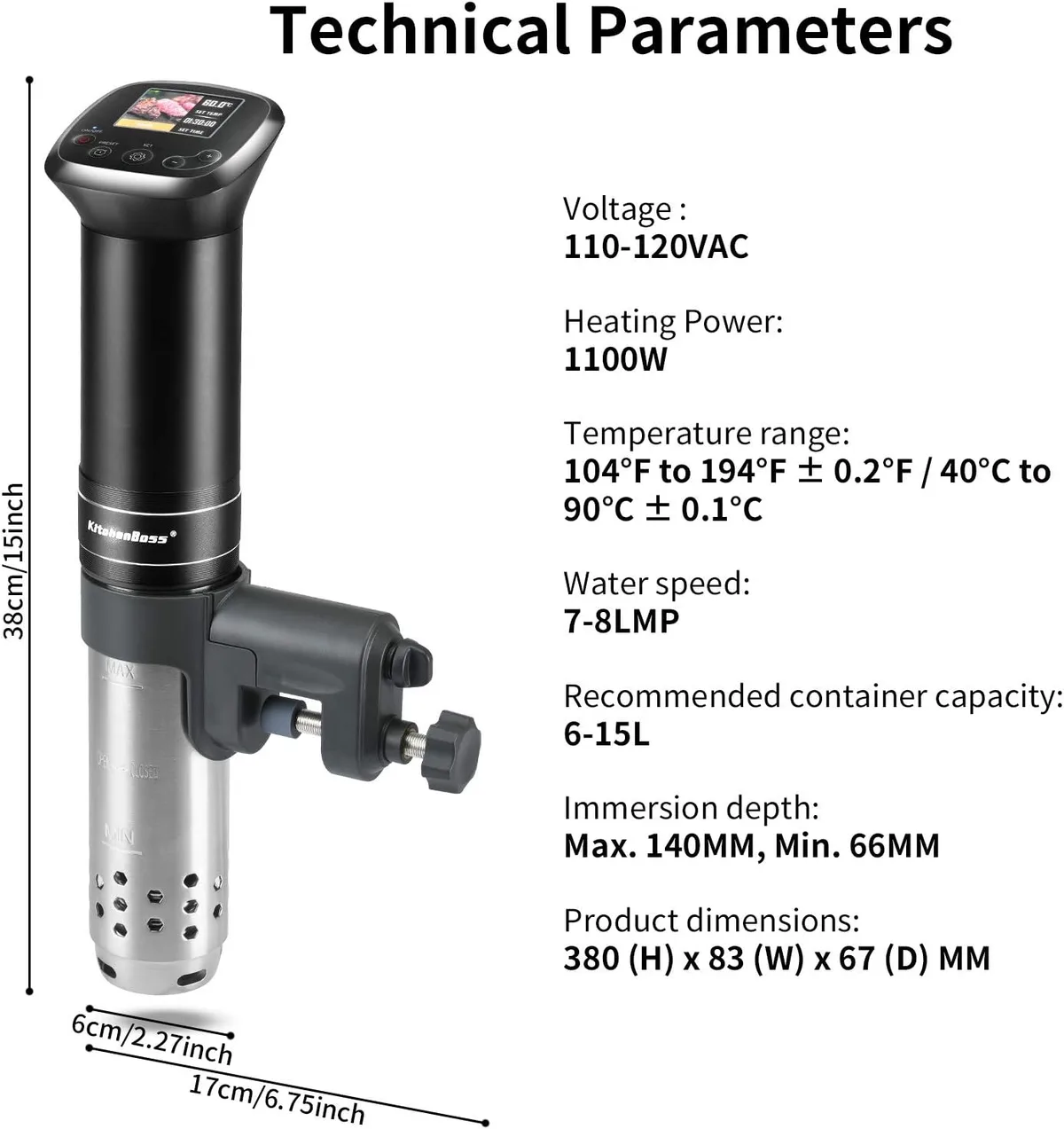
Image source: Web (Bing) / sousvideidea.com (Web image (fair-use with source credit))
Thin Bag Walls Offer No Protection
A standard Ziploc Storage Bag is thin. Very thin. The plastic is around 1.5 to 2 mils thick.
That is about the thickness of a human hair. When you submerge this thin plastic in hot water, the heat transfers through it quickly. The entire bag reaches the temperature of the water bath within minutes.
There is no insulation. There is no buffer zone. The plastic is at the same temperature as the water.
If the water is 160°F, the plastic is 160°F. The thinner the bag, the faster the heat transfer and the less material there is to resist degradation.
The Temperature Threshold You Need to Know
The number you need to remember is 158°F. That is 70°C. That is the maximum recommended temperature for Ziploc Storage Bags.
It comes from the manufacturer. It is not a guess. It is the temperature at which the plastic's structural integrity and chemical stability are still within acceptable limits for short-term use.
The Safe Zone: Below 130°F
If you are cooking at temperatures below 130°F, the risk is low. This includes most fish recipes, some egg dishes, and very rare steaks. The plastic is well within its operating range.
The thermal degradation is minimal. The seal integrity is good.
But most people do not buy a sous vide cooker to cook at 130°F. They want chicken at 145°F, pork at 140°F, and vegetables at 185°F.
The Risky Zone: 130°F to 158°F
This is the gray area. The plastic is below its rated maximum. But it is also warm enough to accelerate degradation over time.
A 2-hour cook at 145°F is probably safe. A 24-hour cook at 145°F is pushing it. The longer the exposure, the more the plastic breaks down.
The Danger Zone: Above 158°F
This is where you should not use a standard storage bag. Period. Chicken breast at 165°F, vegetables at 180°F, short ribs at 185°F, all of these are above the bag's rating.
The seal is at risk. The chemical migration is significant. The cumulative degradation is real.
A Quick Reference Table
| Cook Temperature | Safe for Storage Bags? | Notes |
|---|---|---|
| Below 130°F | Yes | Low risk, short cooks only |
| 130°F – 158°F | Possibly | Keep cook times under 4 hours |
| 158°F – 185°F | No | Risk of seal failure and leaching |
| Above 185°F | No | Bag may deform or melt |
The table is simplified. The actual risk depends on the exact temperature, the cook time, and the quality of your specific circulator. But as a general rule, it is a good guide.
How to Cook Safely If You Must Use Cheap Bags
Let's be clear. The best advice is to use the right bag for the job. That means freezer bags or vacuum sealer bags.
But if you are in a pinch, if you have no other option, and if you are cooking at a safe temperature, there are steps you can take to reduce the risk.
Step 1: Check Your Cook Temperature
Before you do anything else, look at your recipe. What temperature does it call for? If it is above 158°F, stop.
You need a different bag. If it is below 158°F, you can proceed with caution.
Step 2: Use the Water Displacement Method
Do not try to vacuum seal a Ziploc bag. You will not get a good seal, and you risk forcing air into the bag. Instead, use the water displacement method.
Fill a sink or large bowl with water. Place the food inside the bag. Seal the bag almost all the way, leaving a small gap at one corner.
Slowly lower the bag into the water. The water pressure will push the air out through the gap. Once the air is out, seal the bag completely.
This method works well. It removes most of the air. It does not create a vacuum, but it is good enough for sous vide.
Step 3: Clip the Bag Securely
A floating bag is a problem. The bag moves around in the water. The seal is stressed.
The food may not cook evenly. You need to clip the bag to the side of the pot or the top of the circulator.
Most budget circulators come with a clip. Use it. If you do not have a clip, use a binder clip or a clothespin.
Make sure the bag is submerged but the seal is above the water line. The seal should never be underwater.
Step 4: Monitor the Cook
Do not set it and forget it. Check the bag periodically. Look at the seal.
Is it holding? Look at the plastic. Is it warping or becoming cloudy?
Cloudiness is a sign of thermal degradation. If the bag looks different, the plastic is changing.
Step 5: Know When to Stop
If the bag shows any signs of damage, stop the cook. Remove the food. Discard the bag.
The food may be safe if it was cooked to a safe internal temperature. But it is not worth the risk. Better to lose a meal than to eat degraded plastic.
Step 6: Cool Down Properly
When the cook is done, remove the bag carefully. The plastic is hot and soft. It is more likely to tear.
Use a pair of tongs or a spatula. Do not pull on the seal. Let the bag cool for a few minutes before opening it.
When to Give Up on the Cheap Bag Method
There are some cooks where you should not even try. Long cooks, over 8 hours, require a sturdier bag. High-temperature cooks, over 158°F, are not safe.
Fatty foods, like ribeye or pork belly, increase the risk of chemical leaching. If your recipe fits any of these categories, buy a freezer bag or a vacuum sealer bag.
The budget you save on a Ziploc bag is not worth the risk.

Related posts
Budget Sous Vide: Ultra Juicy Boneless Chicken Temp & Time
All-in-One Sous Vide Oven: No Bag, Direct Water Safe?
If you've ever wondered whether you can put putting food directly into water without bag in a allinone…
How to Remove Limescale from Sous Vide Water Oven
Your sous vide water oven is slowly losing its edge. Not because the electronics are failing, but because…