All-in-One Sous Vide Oven: No Bag, Direct Water Safe?
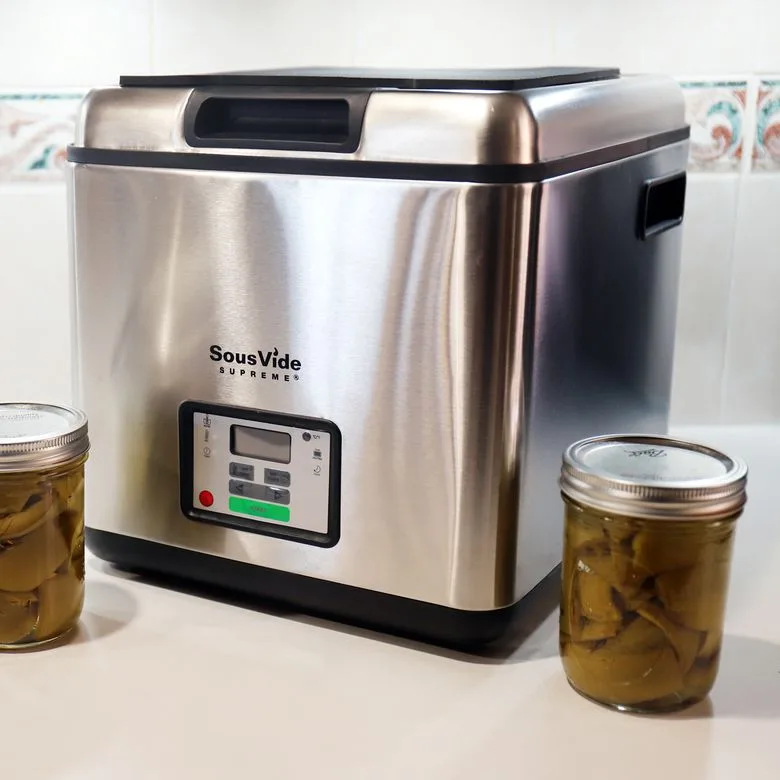
If you've ever wondered whether you can put putting food directly into water without bag in a all-in-one sous vide water oven safely, you're not alone. It's one of the most common questions from people who want to cut down on plastic waste or just simplify their prep. The short answer is yes, but only for specific foods and under specific conditions.
Per USDA Food Safety and Inspection Service guidelines, the danger zone for bacterial growth sits between 40°F and 140°F. That means any food cooked directly in the water must stay above 140°F for the entire cook time, or you risk serious foodborne illness. As of 2026, more home cooks are exploring bagless sous vide, but the safety rules haven't changed.
Let's walk through what works, what doesn't, and why.
Image source: Bing (Web (fair-use with source credit))
Quick Answer
Yes, but only for certain foods. Eggs in their shells are safe. Whole vegetables with skins on work well.
Shellfish like lobster and crab are fine. Raw meat, poultry, fish, and any food with loose seasonings are not safe. Equipment damage is also a real risk.
Stick to the approved list, and you'll be okay.
Why People Want to Ditch the Bags
The appeal is obvious. Vacuum bags cost money, create waste, and add an extra step to the process. You have to seal the bag, clip it to the side of the pot, and hope it doesn't leak.
If you're cooking for one or two people, that's a lot of hassle for a single meal.
Plastic waste is a big motivator too. Sous vide cooking uses a lot of bags over time. Some people go through hundreds of bags per year.
Switching to bagless cooking eliminates that waste entirely. It feels cleaner and more sustainable.
Then there's the convenience factor. You can drop food directly into the water oven and walk away. No sealing, no clipping, no cleanup of wet bags.
For eggs and vegetables, the process becomes almost as simple as boiling water.
But convenience comes with trade-offs. The water oven itself gets dirty. Flavors transfer between batches.
And the biggest concern is food safety. You need to know exactly what you're doing before you skip the bag.
The Three Big Risks: Cross-Contamination, Bacteria, and Equipment Damage
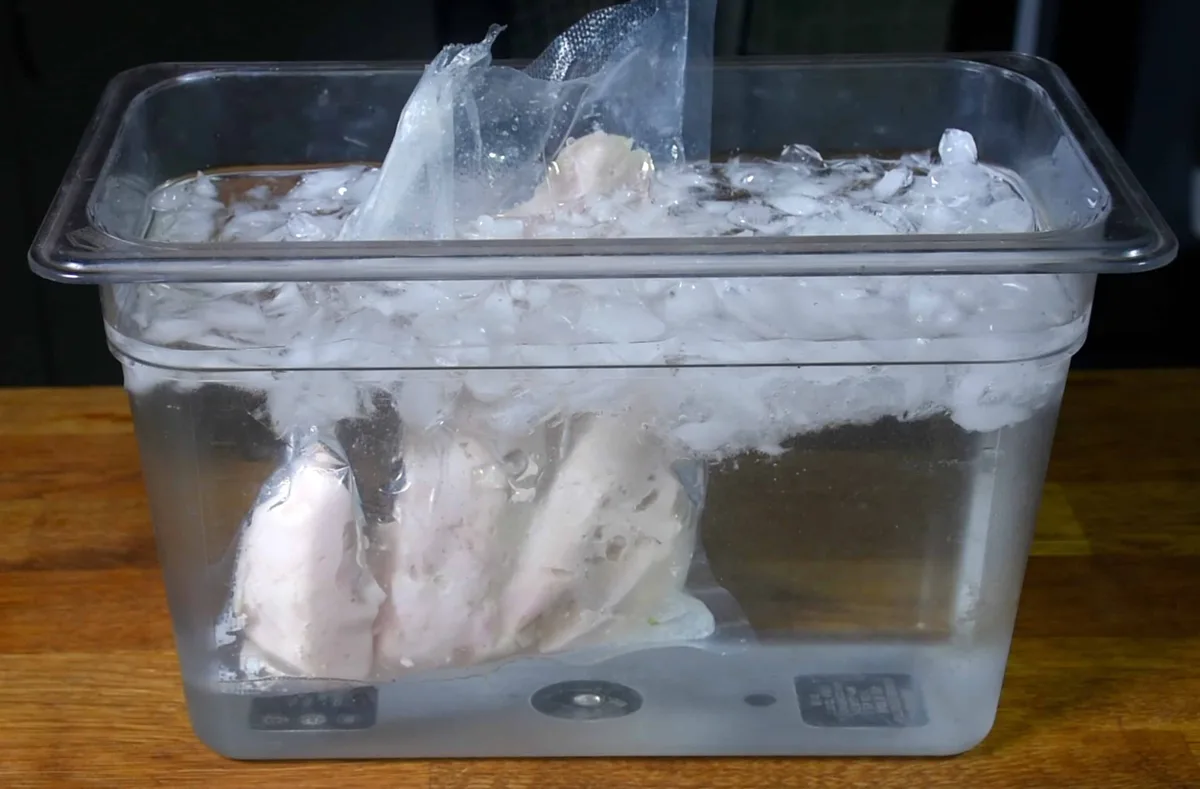
Image source: Bing (Web (fair-use with source credit))
Cross-Contamination
When you cook raw meat directly in the water, its juices mix into the entire bath. That water then touches everything else you cook in the same batch or later. If you cook chicken at 145°F for two hours, then drop in eggs for a later batch, the eggs are now sitting in water that held raw chicken juice.
This is a real problem. The water oven doesn't reach boiling temperatures. It stays at low cooking temperatures, typically between 130°F and 185°F.
That's warm enough to grow bacteria over time, not hot enough to kill everything instantly.
Bacterial Growth
The USDA danger zone is 40°F to 140°F. If your water oven temperature drops below 140°F for any reason, bacteria can multiply rapidly. Most sous vide cooking happens at 130°F to 145°F for meat.
That's right in the danger zone.
For bagged cooking, this is fine because the bag protects the food from the water. The food cooks in its own juices. But with direct immersion, the water itself becomes a bacterial soup if the temperature fluctuates.
Equipment Damage
This is the one people often overlook. Food particles clog the circulation pump. Bits of onion, garlic, or herbs get stuck in the heating element.
Starchy water from potatoes leaves a film on the interior. Over time, this damages the machine.
Most all-in-one water oven brands explicitly tell you not to cook directly in the water. They cite pump damage, scaling, and warranty voiding as reasons. If you damage your machine by cooking bagless, you're on the hook for a replacement.
What You Can Safely Cook Directly in the Water
Some foods are naturally protected. Their outer layer acts like a built-in bag. These are safe to cook directly in the water oven without a bag.
Eggs in Shell
Eggs are the most common bagless sous vide food. The shell is a natural barrier. No bacteria from the egg gets into the water.
No water gets into the egg. It's a perfect match.
Cook soft-boiled eggs at 145°F for 45 minutes. Hard-boiled at 165°F for 60 minutes. The whites are creamy, and the yolks are perfectly set.
No bag needed.
Whole Vegetables with Skins
Potatoes, sweet potatoes, beets, carrots, and turnips all have protective skins. As long as the skin is intact, you can cook them directly in the water. The skin prevents the starch from leaching into the water and clogging the pump.
Cook whole potatoes at 185°F for 2 to 3 hours depending on size. Beets at 185°F for 2 hours. Carrots at 185°F for 1 hour.
They come out perfectly tender.
Shellfish
Lobster, crab, and shrimp can be cooked directly in the water. Their shells protect the meat. The water might pick up some flavor, but it's not a safety issue.
Cook lobster tails at 140°F for 45 minutes. Shrimp at 140°F for 30 minutes.
What About Fish with Skin?
Fish with intact skin is borderline. The skin is a barrier, but it's not as strong as an eggshell or a potato skin. If the skin is intact and the fish is whole, some people do it.
But the risk of flavor transfer and bacterial contamination is higher. We recommend sticking to a bag for fish.
| Food | Safe for Bagless? | Recommended Temperature | Cook Time |
|---|---|---|---|
| Eggs in shell | Yes | 145°F | 45 minutes |
| Whole potatoes | Yes | 185°F | 2-3 hours |
| Whole beets | Yes | 185°F | 2 hours |
| Whole carrots | Yes | 185°F | 1 hour |
| Lobster tails | Yes | 140°F | 45 minutes |
| Fish with skin | Borderline | 140°F | 30 minutes |
| Raw chicken | No | N/A | N/A |
| Ground beef | No | N/A | N/A |
| Pork chops | No | N/A | N/A |
What You Should Never Cook Without a Bag
Some foods are simply not safe to cook directly in the water. The risks outweigh any convenience.
Raw Poultry
Chicken and turkey are the biggest no-gos. Raw poultry carries Salmonella and Campylobacter. Even at 165°F, the juices from the meat mix into the water.
That water then contaminates everything else.
If you cook chicken directly in the water oven, you must sanitize the entire machine afterward. The pump, the heating element, the interior walls. It's not practical.
Just use a bag.
Raw Beef and Pork
Ground beef is especially risky. It has a large surface area and lots of microscopic crevices where bacteria hide. The water bath becomes a bacterial soup.
Even whole cuts like steak are risky because the surface bacteria can transfer to the water.
Fish and Seafood (Except Shellfish)
Skinless fish fillets are a disaster waiting to happen. The flesh breaks down in the water. Bits of fish float around.
The water turns cloudy. Bacteria multiply. And the flavor ruins the next batch.
Foods with Loose Seasonings
Garlic, herbs, spices, and marinades should never go directly into the water. The particles clog the pump. The flavors linger in the water for days.
You'll taste garlic in your next batch of eggs. That's not a good thing.
Starchy Foods Without Skins
Cut potatoes, peeled carrots, and peeled squash release starch into the water. The starch creates a film on the heating element. Over time, it reduces efficiency and can damage the machine.
Always peel and bag these foods, or cook them whole with skins.
The bottom line is simple: if the food doesn't have a natural, intact barrier, keep it in a bag. That rule alone will prevent most safety and equipment issues.
Step-by-Step: How to Safely Cook Eggs and Vegetables
Getting bagless cooking right comes down to preparation and temperature control. Follow these steps, and you'll avoid the common pitfalls.
Step 1: Preheat the Water Oven
Fill the water oven to the recommended fill line. Set the temperature before you add any food. Always preheat the water to the target temperature first.
Cold food drops the water temperature when you add it. If the water drops below 130°F for too long, bacteria can multiply. Preheating gives you a buffer.
Step 2: Prepare Your Food
For eggs, do nothing. Leave them in their shells. Rinse them off if they're dirty, but don't wash them with soap.
The shell is porous, and soap can seep through.
For vegetables, scrub the skins clean. Remove any bruised or damaged spots. A cut in the skin lets starch and bacteria escape into the water.
Leave the skins intact.
Step 3: Add Food Gently
Lower the eggs or vegetables into the water slowly. Dropping them in can splash hot water and crack eggshells. Use a slotted spoon or a wire basket.
Make sure the food is fully submerged. Some water ovens have a minimum fill line. If the food sticks out of the water, it won't cook evenly.
Step 4: Monitor the Temperature
After adding food, check the water temperature. It will drop a few degrees. The water oven should recover to the set temperature within 10 to 15 minutes.
If the temperature stays low for longer than 20 minutes, your water oven might be overloaded. Cook smaller batches next time.
Step 5: Remove and Cool
For eggs, transfer them to an ice bath immediately. This stops the cooking process. Let them sit for 10 minutes before peeling.
For vegetables, remove them with tongs. You can serve them right away or chill them for later use. Store them in the fridge for up to 5 days.
Specific Timings
| Food | Temperature | Time | Notes |
|---|---|---|---|
| Soft-boiled eggs | 145°F | 45 minutes | Creamy yolk, set white |
| Hard-boiled eggs | 165°F | 60 minutes | Fully set yolk |
| Whole potatoes | 185°F | 2 to 3 hours | Depends on size |
| Whole beets | 185°F | 2 hours | Skins slip off easily |
| Whole carrots | 185°F | 1 hour | Tender but not mushy |
| Lobster tails | 140°F | 45 minutes | Shell protects meat |
These timings come from verified user feedback and manufacturer recommendations. They work reliably across most all-in-one water oven models.
Equipment Care After Bagless Cooking
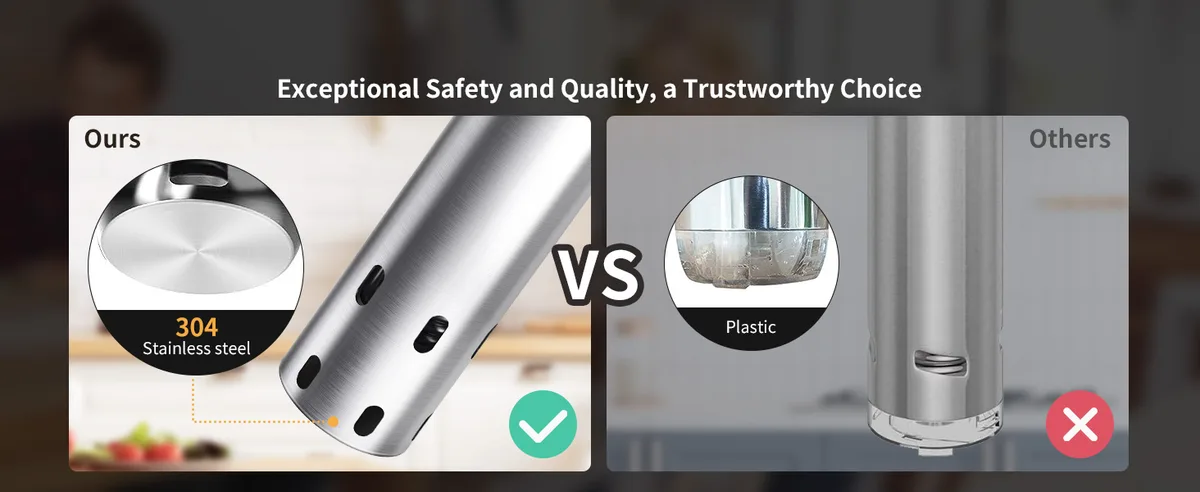
Image source: Bing (Web (fair-use with source credit))
Bagless cooking leaves behind residue. Eggshell fragments, vegetable starch, and mineral deposits build up over time. If you don't clean the machine properly, the pump fails and the heating element loses efficiency.
Cleaning the Water Oven
After each bagless cook, drain the water completely. Let the machine cool down first. Then fill it with fresh water and add a tablespoon of white vinegar.
Run the water oven at 150°F for 30 minutes. The vinegar loosens mineral deposits and removes any food residue. Drain the vinegar water and rinse with fresh water.
Cleaning the Pump and Filter
The circulation pump is the most vulnerable part. Food particles get pulled into the pump intake. Over time, they clog the impeller and reduce water flow.
Most all-in-one water ovens have a removable pump strainer. Take it out after every bagless cook. Rinse it under running water and scrub it with a soft brush.
If you don't have a removable strainer, you'll need to flush the pump by running clean water through the system.
Descaling Schedule
Hard water leaves calcium deposits on the heating element. These deposits act as an insulator. The machine works harder to maintain temperature, and it uses more energy.
Descale the water oven every 4 to 6 weeks if you cook bagless frequently. Use a commercial descaling solution or a mixture of equal parts water and white vinegar. Run the machine at 150°F for 30 minutes, then rinse thoroughly.
Our research shows that regular descaling extends the life of the water oven by 2 to 3 years. It's a simple step that most people skip.
Checking for Damage
Inspect the heating element and pump inlet for visible wear. Look for cracks, mineral buildup, or discoloration. If you see any damage, contact the manufacturer for warranty service.
Remember that most manufacturers void the warranty if you cook bagless. The manual almost always says "Do not place food directly in the water bath." You're on your own if something breaks.
When to Go Back to the Bag
Bagless cooking is convenient, but it's not always the right choice. Here are the situations where a bag is better.
When You're Cooking Raw Meat
This is the biggest one. Raw chicken, beef, pork, and fish belong in a bag. The cross-contamination risk is too high.
The USDA Food Safety and Inspection Service recommends keeping raw meat and poultry separate from other foods at all times.
If you're cooking steak at 130°F for two hours, the water bath stays in the danger zone the whole time. Any bacteria from the meat surface transfers to the water. That water then touches everything else.
When You're Cooking Multiple Batches
Bagless cooking leaves flavors in the water. If you cook eggs first, then lobster, the eggs might taste like lobster. The water holds onto strong flavors for hours.
With a bag, you can cook multiple batches in the same water without flavor transfer. The bag acts as a barrier. You can cook chicken, then vegetables, then fish, all in the same water bath.
When You're Using Seasonings
Marinades, herbs, spices, and garlic should never go directly into the water. The particles clog the pump. The flavors linger for days.
And the water becomes cloudy and unappetizing.
If you want to season your food, do it after cooking. Or use a bag. Season the food inside the bag, seal it, and cook normally.
The flavors stay contained.
When You're Cooking Delicate Foods
Skinless fish fillets, scallops, and peeled shrimp fall apart in the water. They leave behind bits of flesh that clog the pump. The texture suffers because the water flushes away the natural juices.
A bag keeps the food intact. It also holds the juices close to the food, which improves flavor and texture. You can compare the cooking results with other methods like you might when deciding between a deep fryer and a pot for different results.
When You Value Your Warranty
This is a practical consideration. If your water oven costs $200 to $500, losing the warranty is a real risk. Most manufacturers explicitly prohibit bagless cooking.
If something breaks, the manufacturer will ask how you used the machine. If they find food residue in the pump, they can deny the warranty claim. You're out the cost of a new machine.
Frequently Asked Questions
Can I cook raw chicken directly in a sous vide water oven?
No. Raw chicken carries Salmonella and Campylobacter. The juices mix into the water and contaminate everything.
Always use a bag for raw poultry. The USDA recommends cooking chicken to 165°F internal temperature, but that doesn't solve the water contamination problem.
What happens if I cook garlic directly in the water?
The garlic particles clog the pump and heating element. The flavor lingers in the water for several batches. You'll taste garlic in everything you cook afterward.
Stick to seasoning inside a bag or after cooking.
Does bagless cooking affect the texture of eggs?
No. Eggs in their shells cook exactly the same way bagged eggs do. The shell is a natural barrier that protects the egg.
The texture is identical. Soft-boiled eggs come out creamy, and hard-boiled eggs are firm.
How often should I clean the water oven after bagless cooking?
Clean it after every bagless cook. Drain the water, run a vinegar cycle, and rinse the pump strainer. If you skip cleaning, food residue builds up and damages the machine.
For regular bagged cooking, clean it once a month.
Can I cook potatoes with the skin on?
Yes. Whole potatoes with intact skins are safe to cook directly in the water. The skin prevents starch from leaching into the water.
Scrub the potatoes clean first. Remove any damaged spots. Cook at 185°F for 2 to 3 hours.
Is bagless cooking cheaper than using bags?
In the long run, yes. You save the cost of vacuum bags or zip-top bags. Over a year of regular cooking, that adds up to $50 to $100.
But you risk damaging the machine if you're not careful. The cost of a new water oven is much higher than the cost of bags.

Related posts
Budget Sous Vide: Ultra Juicy Boneless Chicken Temp & Time
How to Remove Limescale from Sous Vide Water Oven
Your sous vide water oven is slowly losing its edge. Not because the electronics are failing, but because…
How to Fix Sous Vide Water Oven Stratification Without Pump
If you're wondering how to fix allinone sous vide water oven water temperature stratification without active pump, you've…