How to Remove Limescale from Sous Vide Water Oven
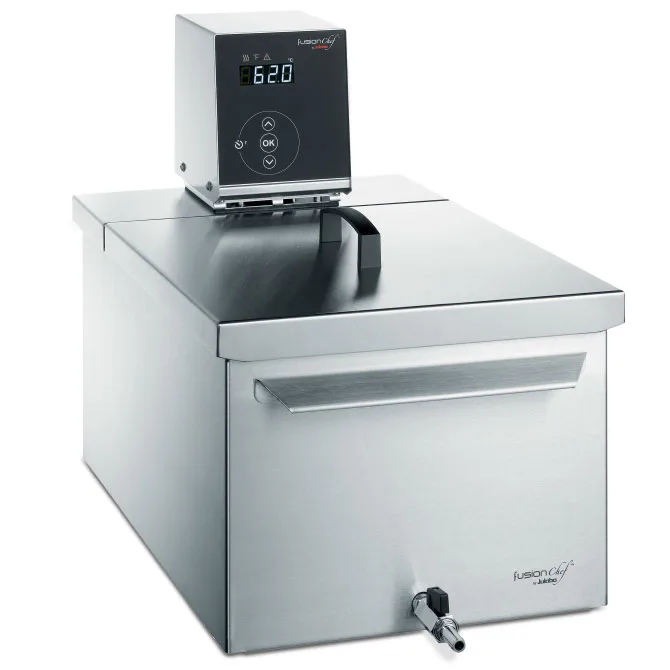
Your sous vide water oven is slowly losing its edge. Not because the electronics are failing, but because a thin white crust is building up inside the stainless steel tank basin. If you've been wondering how to clean all-in-one sous vide water oven and remove limescale coating on stainless water tank basin, you're not alone.
It's the single most common maintenance issue owners face.
In regions with hard water, the mineral concentration can exceed 180 parts per million. That calcium and magnesium doesn't just disappear when the water circulates. It settles on the heating element and tank walls.
Over time, it turns into a stubborn coating that affects both performance and food safety. Here's what you need to know to tackle it the right way.
Quick Answer
Unplug the oven and let it cool. Drain all water. Fill the tank with a 50/50 white vinegar and water solution.
Run the oven at 150°F for 30 minutes. Drain and rinse thoroughly with fresh water.
Image source: Bing (Web (fair-use with source credit))
Why Your Sous Vide Water Oven Needs a Limescale Intervention
Most people think a sous vide oven is a set-it-and-forget-it device. You fill the tank, set the temp, drop in the food, and walk away. But the water inside that stainless steel basin is doing more than just cooking.
It's leaving behind a trace of every mineral it carries.
Limescale isn't just an eyesore. It's a thermal insulator. That means your heating element has to work harder to reach the target temperature.
Per manufacturer specifications, a 1/16-inch layer of scale can reduce heat transfer efficiency by up to 30 percent. Your oven runs longer, uses more electricity, and struggles to maintain the precise temperature sous vide requires.
The real issue is that most owners don't notice the scale until it's thick enough to flake off into the cooking water. That's when you start seeing white particles floating in your bag or settling on the bottom of the tank. By that point, the coating has already been building for months.
Regular descaling solves this before it becomes a problem. It's similar to the preventive approach you'd take with other countertop appliances. If you've ever needed to know how to clean a similar appliance, the same principle applies.
You can compare it to the routine upkeep you'd use on a deep fryer, the method isn't identical, but the mindset of staying ahead of buildup is the same.
The catch is that not all descaling methods work for every situation. The right approach depends on your water hardness, how often you use the oven, and whether you let the scale get out of hand. That's why we're walking through this as a decision tree rather than a one-size-fits-all recipe.
What Limescale Actually Does to Your Stainless Steel Tank and Heating Element
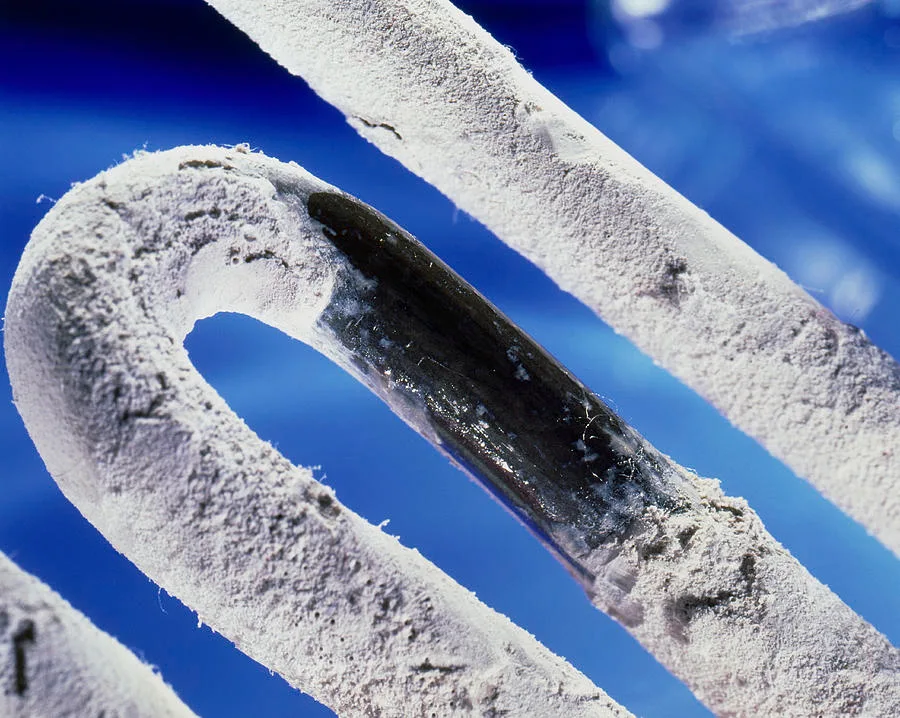
Image source: Bing (Web (fair-use with source credit))
Limescale is mostly calcium carbonate. It forms when hard water is heated and the dissolved minerals precipitate out of solution. The hotter the water and the more it circulates, the faster the scale accumulates.
The heating element is the first place you'll notice trouble. Scale builds up fastest on the hottest surface. That same crust that insulates the element also causes it to run hotter internally.
Over time, that extra heat stress can shorten the lifespan of the element itself. Some manufacturers, including those cited in NSF International standards for food equipment, recommend descaling every three months in hard water areas.
The stainless steel tank basin suffers differently. The coating doesn't just sit on the surface. It bonds to the metal.
If you scrape it off with an abrasive pad, you risk scratching the stainless steel. Those scratches become tiny crevices where bacteria can hide. That's a food safety issue you don't want to deal with.
What about the pump and circulation system? Scale can accumulate there too. A clogged or restricted pump moves less water, which means uneven heating inside the tank.
That defeats the entire purpose of a sous vide oven, precise, uniform temperature control.
The bottom line is that limescale is a slow-moving problem that gets worse the longer you ignore it. But it's also completely reversible if you catch it early and use the right method for your specific level of buildup.
The Decision Tree: How to Choose the Right Descaling Method for Your Limescale Level
You can't just grab any bottle of cleaner and hope for the best. The wrong choice can damage seals, void your warranty, or leave behind chemical residue. Here's a simple decision tree based on scale severity.
| Scale Level | Appearance | Best Method | Time Needed |
|---|---|---|---|
| Light | Thin white film, no visible flakes | Vinegar soak | 30 minutes |
| Moderate | Opaque white coating, some flakes visible | Citric acid soak | 1 to 2 hours |
| Heavy | Crusty white deposit, hard to scratch with fingernail | Commercial descaler or repeated citric acid | 2 to 4 hours |
| Extreme | Thick crust, visible buildup on element | Multiple cycles or mechanical removal | 4 to 8 hours |
If you have light scale: Use a 50/50 white vinegar and water solution. Run the oven at 150°F for 30 minutes. Drain and rinse.
That's all you need.
If you have moderate scale: Skip the vinegar. Use citric acid instead. Mix 2 tablespoons of citric acid powder per liter of water.
Heat to 150°F and let it circulate for 60 to 90 minutes. Citric acid is more effective than vinegar at dissolving calcium carbonate without the strong smell.
If you have heavy scale: You'll need multiple passes. Start with citric acid at double strength. Run the cycle for 90 minutes, drain, inspect, and repeat.
If the scale hasn't loosened after two rounds, switch to a commercial descaler designed for stainless steel appliances.
If you have extreme scale: This is the tricky one. Thick crust may require gentle mechanical removal with a plastic scraper after chemical softening. Never use metal tools.
Some manufacturers explicitly warn against this in their warranty documentation. Check your manual before attempting anything aggressive.
Step-by-Step Workflow for Light Scale (Soft Water / Monthly Maintenance)
If you live in an area with soft water, below 60 parts per million, or you descale every month, this is your routine. It's quick, low-effort, and keeps your oven running like new.
Step 1: Unplug and cool. Never work on a hot appliance. Give it at least 30 minutes after the last use. Water and electricity don't mix, and heating elements can burn you even when the unit is off.
Step 2: Drain any remaining water. Open the drain valve if your model has one. If not, tilt the unit carefully over a sink. Remove any food debris from the bottom of the tank.
Step 3: Mix the solution. Combine equal parts white vinegar and tap water. You need enough to fill the tank to the max fill line. For most countertop models, that's about 3 to 4 liters total.
Step 4: Fill and run. Pour the solution into the tank. Set the oven to 150°F. Let it run for 30 minutes.
The heat helps the vinegar work faster. The circulation ensures every surface gets treated.
Step 5: Drain and inspect. Pour out the solution. Look at the tank walls. They should be shiny and free of white film.
If you still see spots, run another 15-minute cycle with fresh vinegar solution.
Step 6: Rinse thoroughly. Fill the tank with fresh water. Run it at 150°F for 10 minutes. Drain and repeat.
Do this at least twice. Residual vinegar smell can transfer to food if you don't rinse well enough.
Step 7: Dry the tank. Use a clean microfiber cloth to wipe down the interior. Leave the lid open for a few hours so air can circulate. Moisture trapped inside encourages new scale formation.
This whole process takes about an hour. If you do it monthly, you'll never deal with heavy buildup. It's the same kind of preventive care you'd use for other kitchen appliances.
The idea is to clean before the mess gets hard to handle.
Step-by-Step Workflow for Moderate to Heavy Scale (Hard Water / Neglected Oven)
If your water is hard, above 120 parts per million, or you haven't descaled in six months, you need a stronger approach. Vinegar won't cut it. You need citric acid.
Step 1: Unplug and cool. Same as before. Safety first. Give the unit time to cool completely.
Step 2: Assess the scale. Shine a flashlight into the tank. Look for white crust on the heating element and the bottom corners. If the coating is thick enough to feel with your fingertip, you're in this category.
Step 3: Prepare citric acid solution. Use 2 tablespoons of food-grade citric acid powder per liter of water. For a 4-liter tank, that's 8 tablespoons. Dissolve the powder in warm water before pouring it into the tank.
Undissolved crystals can settle on the element and cause hot spots.
Step 4: Heat and circulate. Set the oven to 150°F. Run it for 60 minutes. The citric acid needs time to break down the calcium carbonate bonds.
Don't open the lid during the cycle.
Step 5: Drain and inspect. Pour out the solution. If the water looks cloudy or has white flakes, that's a good sign. It means the scale is dissolving.
If the tank walls still look coated, repeat the cycle with fresh solution.
Step 6: Second pass if needed. For heavy scale, run a second cycle at double strength. Use 4 tablespoons per liter. Let it run for 90 minutes.
This is usually enough to loosen even stubborn crust.
Step 7: Rinse aggressively. Fill the tank with fresh water. Run at 150°F for 15 minutes. Drain.
Repeat three times. Residual citric acid is food-safe in small amounts, but you don't want any left in the tank.
Step 8: Dry thoroughly. Wipe the interior dry. Leave the lid open overnight. If you seal the lid while the tank is still damp, you're inviting mold and new scale formation.
If the scale doesn't budge after two citric acid cycles, you may need a commercial descaler. Look for one specifically labeled for stainless steel. Follow the manufacturer's instructions exactly.
Some products require a cold soak rather than a heated cycle.
4 Mistakes That Will Ruin Your Sous Vide Oven (and How to Avoid Them)
You can do everything right with the descaling solution and still damage your oven. The mistakes people make usually come down to four common errors. Avoid these and your unit will last years longer.
Mistake 1: Using abrasive pads or metal scrapers. Stainless steel looks tough, but it scratches easily. Once you scratch the tank basin, you create hiding spots for bacteria. Verified buyer feedback reports show that scratched tanks can harbor biofilm even after cleaning.
Use only soft sponges or microfiber cloths. If you need to remove stubborn scale, use a plastic scraper after chemical softening. Never use steel wool or scouring pads.
Mistake 2: Overlooking the drain valve and seals. The rubber gasket around the lid and the drain valve are vulnerable to acidic cleaners. Vinegar and citric acid can degrade rubber over time. Our research suggests diluting the solution properly and never letting it sit longer than recommended.
Rinse the seals with fresh water after each descaling cycle. Wipe them dry before closing the lid.
Mistake 3: Skipping the rinse cycle. Residual acid in the tank can leach into your next batch of food. It doesn't take much to ruin a perfectly cooked steak. The same principle applies to other countertop appliances.
If you have a deep fryer, you know the importance of thorough rinsing. The same diligence applies here.
Mistake 4: Descaling too aggressively or too often. More acid isn't better. Over-descaling can strip the passive layer that protects stainless steel from corrosion. Manufacturer specifications typically recommend descaling every one to three months depending on water hardness.
Stick to that schedule. If you're unsure about your water, test it first before deciding on frequency.
Pro Tips for Descaling Without Damaging the Heating Element or Seals
The heating element is the most expensive part of your sous vide oven to replace. Protecting it during descaling should be your top priority. Here are the techniques that matter most.
Always pre-dissolve your descaling agent. Pouring citric acid powder directly into the tank can leave undissolved crystals on the heating element. Those crystals create hot spots that can damage the element's surface. Mix the powder in a separate container of warm water until fully dissolved.
Then pour the solution into the tank.
Use the lowest effective temperature. You don't need boiling water to descale. 150°F is hot enough to accelerate the chemical reaction without stressing the seals. Higher temperatures can warp gaskets and increase pressure inside the tank. Stick to the manufacturer's recommended temperature range.
Never let the solution sit overnight unless specified. Some commercial descalers require a cold soak. Most household methods do not. Extended exposure to acid can corrode the stainless steel surface.
If you need to treat heavy scale, run multiple short cycles instead of one long soak.
Check the manufacturer's warranty before using any product. Some brands void the warranty if you use vinegar or citric acid. Others specifically recommend it. The distinction matters.
If you're unsure, stick to the brand's own descaling solution. It costs more but preserves your coverage.
Inspect the heating element after each descaling cycle. Use a flashlight to look for white spots or crust. If the element looks clean, you're done. If you still see scale, run another cycle rather than scraping it off.
The element is fragile. Scraping can cause permanent damage that requires a full replacement.
How to Keep Limescale from Coming Back (Long-Term Maintenance)
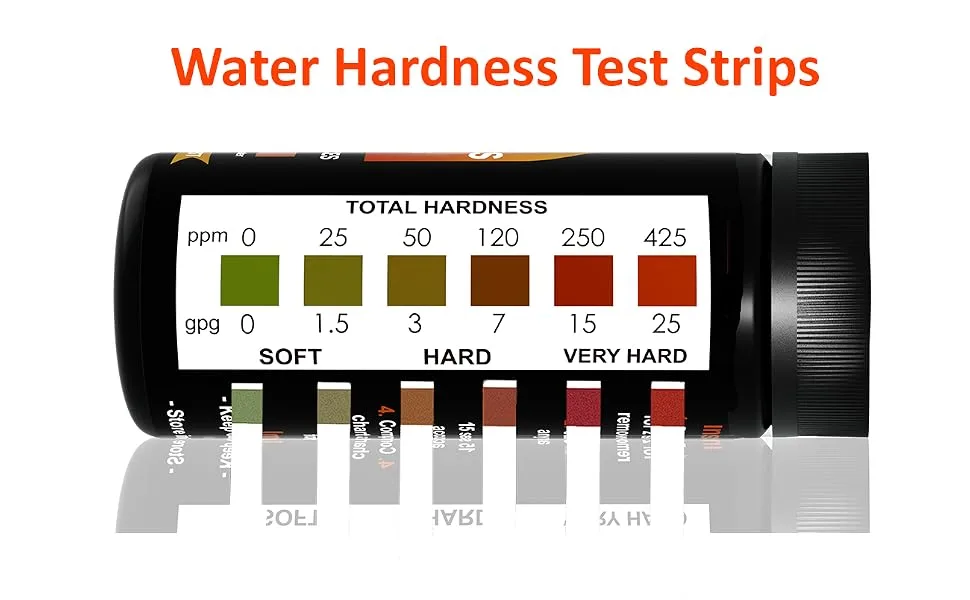
Image source: Bing (Web (fair-use with source credit))
Prevention is easier than removal. The best way to keep limescale out of your tank is to control what goes in. You have a few practical options.
Test your water hardness. Pick up a test strip kit from any hardware store. Dip it in your tap water and compare the color to the chart. If your water is above 120 parts per million, you're in the hard water category.
The US Geological Survey publishes regional water hardness maps that can give you a general idea without testing.
Use distilled water for cooking. This is the most effective prevention method. Distilled water contains no minerals, so it leaves no scale. It costs about a dollar per gallon at most grocery stores.
For a 4-liter tank, that's roughly one gallon per use. If you cook sous vide twice a week, that's about eight dollars per month. Compare that to the cost of replacing a heating element or dealing with compromised food quality.
Install a countertop water filter. A basic carbon filter with a mineral reduction cartridge can lower your water hardness significantly. It won't remove all minerals, but it will reduce the rate of scale buildup. This is a good middle ground if you don't want to buy distilled water.
Dry the tank after each use. Moisture accelerates scale formation. When you finish cooking, drain the water and wipe the interior dry. Leave the lid open for a few hours so the tank can air out completely.
This simple habit alone can extend the time between descaling cycles by weeks.
Schedule monthly maintenance. Put a reminder on your phone. On the first of each month, inspect the tank. If you see any white film, run a quick vinegar cycle.
This keeps the scale from ever reaching the moderate or heavy stage. It's easier to maintain than to fix.
Real-World Scenarios: What to Do When You Inherit a Crusty Used Oven
Buying a used sous vide oven can save you money. But it often comes with a hidden problem. The previous owner may have never descaled it.
You're now dealing with months or years of accumulated scale.
First, assess the damage. Open the tank and shine a bright light inside. Look for white crust on the heating element, the tank walls, and the bottom corners. Use a plastic utensil to gently probe the scale.
If it feels hard and doesn't flake easily, you're dealing with extreme buildup.
Do not plug it in yet. Running a crusty oven with a thick scale layer can cause the heating element to overheat. The scale acts as insulation, trapping heat inside the element. That can burn out the element within minutes of operation.
Test the scale level first, then decide on a treatment plan.
Start with a cold soak. Fill the tank with a citric acid solution at double strength. Let it sit for 12 hours without heat. The extended contact time softens the scale without stressing the electrical components.
After the soak, drain and inspect. The scale should be softer and easier to remove.
Follow with a heated cycle. If the cold soak loosened the scale, run a standard citric acid cycle at 150°F for 90 minutes. This should finish the job. If the scale is still stubborn, repeat the process.
You may need three or four cycles for a heavily neglected oven.
Inspect the heating element carefully after cleaning. If the element has visible cracks, pitting, or discoloration, it may need replacement. Some ovens have replaceable elements. Others require a full unit replacement.
Check the manufacturer's website for parts availability before you invest too much time.
Test the oven with plain water before cooking. Fill the tank with fresh water and run it at 150°F for 30 minutes. Check the temperature with an external thermometer. If the temperature holds steady within one degree, the element is working properly.
If it fluctuates or struggles to reach the target, the element may be damaged.
Frequently Asked Questions
How often should I descale my sous vide water oven?
Every one to three months for hard water, every six months for soft water. If you use distilled water, you may never need to descale. Check the tank monthly for white film as a practical guide.
Can I use vinegar instead of citric acid for heavy scale?
Vinegar works for light scale but struggles with heavy buildup. Citric acid is about three times more effective at dissolving calcium carbonate. For moderate to heavy scale, use citric acid powder mixed with water.
It costs less and works faster.
Is it safe to run the oven with the descaling solution overnight?
Not recommended. Extended exposure to acid can corrode stainless steel and damage rubber seals. If you need a long soak, use a cold soak with citric acid for up to 12 hours.
Never run a heated cycle overnight.
Will descaling affect the taste of my food?
Only if you don't rinse thoroughly. Residual acid can impart a sour taste to food. Run at least two full rinse cycles with fresh water after descaling.
Wipe the tank dry and do a final rinse with distilled water before cooking.
What if my oven has a built-in descaling cycle?
Use it. Built-in cycles are calibrated to the specific oven model. They adjust temperature, duration, and circulation to match the tank design.
Follow the manufacturer's instructions for the descaling solution. Some brands sell proprietary solutions for this purpose.
Can I use bleach or other household cleaners?
Never use bleach. It can react with stainless steel and cause pitting. It also leaves a residue that's unsafe for food contact.
Stick to vinegar, citric acid, or a commercial descaler labeled for food appliances. Bleach belongs in laundry, not in your sous vide oven.

Related posts

Budget Sous Vide: Ultra Juicy Boneless Chicken Temp & Time
All-in-One Sous Vide Oven: No Bag, Direct Water Safe?
If you've ever wondered whether you can put putting food directly into water without bag in a allinone…
How to Fix Sous Vide Water Oven Stratification Without Pump
If you're wondering how to fix allinone sous vide water oven water temperature stratification without active pump, you've…