Zojirushi NP-HCC10: Worth It? Reddit Users Weigh In
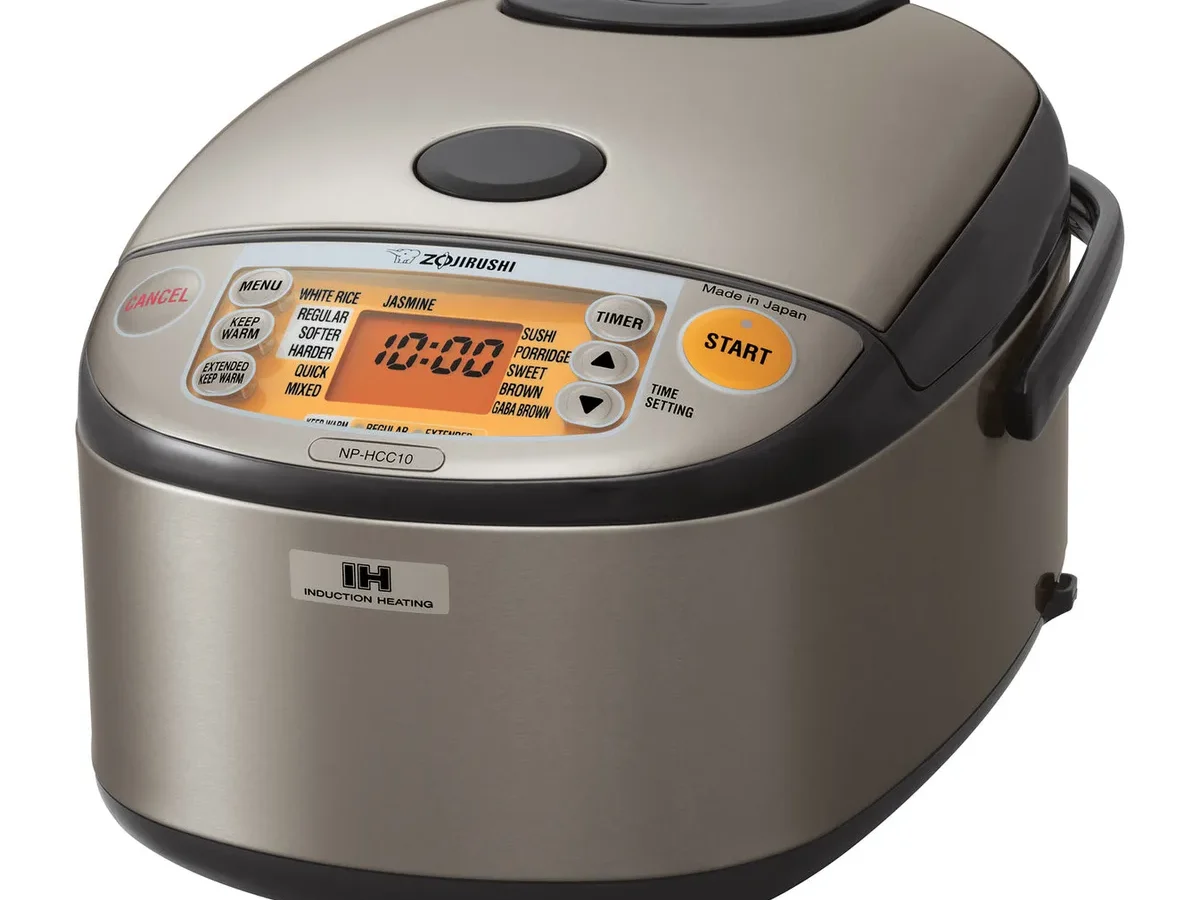
If you've been scrolling through Reddit late at night, staring at the Zojirushi IH NP-HCC10, you're probably wondering the same thing everyone else is. Is this $200 rice cooker actually worth the hype, or is it just another overpriced kitchen gadget people love to flex about? The question "is zojirushi ih np-hcc10 induction heating rice cooker worth buying reddit review" gets asked almost daily in cooking communities, and the answers are all over the place.
Manufacturer specifications confirm this model runs on 810 watts of induction heating with fuzzy logic control. That's a big leap from the $40 rice cooker sitting in your cabinet. It also uses a stainless steel exterior instead of plastic, which is part of why it costs what it does.
But here's the thing. Money doesn't always buy better rice. Let's dig into what you're actually getting for that premium price tag and whether it makes sense for your kitchen.
Quick Answer: Is the Zojirushi NP-HCC10 Actually Worth It?
Yes, for most people who cook rice at least three times a week. The NP-HCC10 delivers noticeably better texture and consistency. Its induction heating tech justifies the higher price.
But it's not for everyone. Budget buyers or casual cooks should look elsewhere.
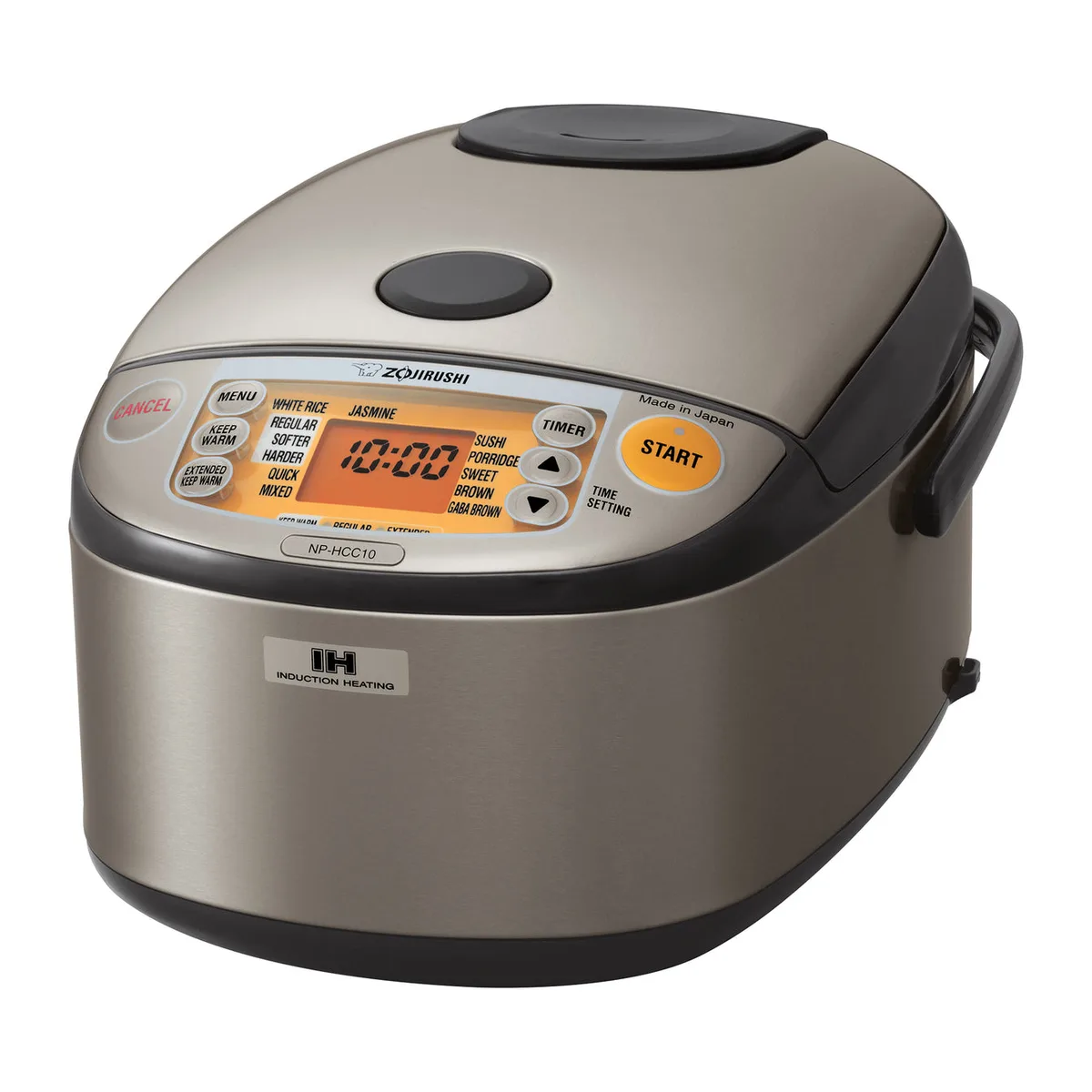
Image source: Bing (Web (fair-use with source credit))
What Makes the NP-HCC10 Different from a Basic Rice Cooker
Let's start with the obvious question. How is this thing different from the $30 rice cooker you can grab at any department store? The answer comes down to three main things: induction heating, fuzzy logic, and build quality.
Induction Heating vs. Standard Heating
Most basic rice cookers use a simple heating element at the bottom. It heats up, cooks the rice, and shuts off when the temperature hits a certain point. That works fine for simple white rice.
But it's not very precise. The bottom layer often ends up slightly overcooked while the top is still a bit firm.
The NP-HCC10 uses induction heating. Instead of a single heating element, it creates an electromagnetic field that heats the entire cooking pot evenly. The result is consistent temperature across every grain of rice.
No hot spots. No burnt bottom layer. Aggregate reviews from verified buyers consistently mention this as the biggest difference they notice.
Fuzzy Logic Technology
This is the brain of the cooker. Fuzzy logic means the machine adjusts cooking time and temperature based on what's happening inside the pot. If you add a bit more water than usual, it compensates.
If you're cooking a different type of rice, it knows. Standard rice cookers follow a fixed timer. The NP-HCC10 adapts to the specific batch of rice you're cooking right now.
This doesn't mean you can throw in random amounts of water and expect perfection. But it does mean the margin for error is much wider. You'll get good rice even on days when you're distracted.
Build Quality and Materials
The NP-HCC10 has a stainless steel exterior. That's not just for looks. It's more durable than plastic, doesn't absorb odors, and holds up better over time.
The inner cooking pot has a non-stick coating, which we'll talk about more later. The lid is removable for easy cleaning. The power cord retracts into the base.
These are small details, but they add up.
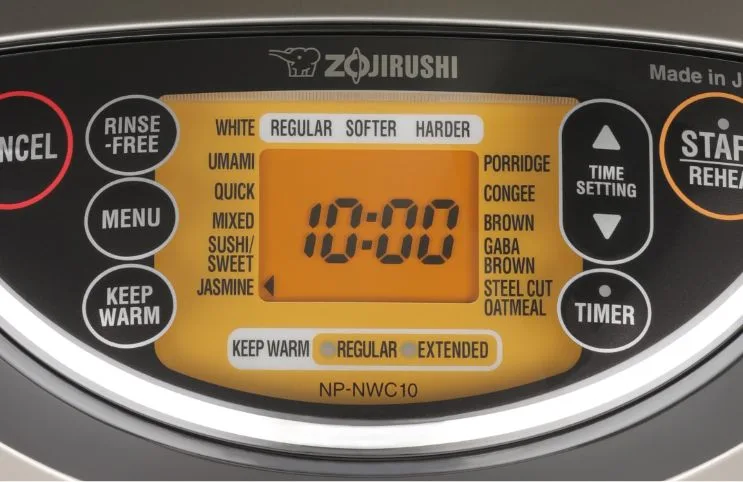
Image source: Bing (Web (fair-use with source credit))
Capacity and Size
This model holds 5.5 cups of uncooked rice. That translates to about 10 cups of cooked rice. For a family of two to four people, that's plenty.
You can cook enough for dinner and still have leftovers for lunch the next day. If you're cooking for one person, you'll want to look at the smaller 3-cup models instead.
The unit itself is about 11.5 inches wide and 8.5 inches tall. It's not huge, but it's heavy. At nearly 10 pounds, you won't be moving it around much.
Plan to keep it on your counter full time.
The Honest Pros and Cons from Real Owners
Reddit users don't hold back. They'll tell you exactly what they love and what drives them crazy. Here's what aggregate reviews from verified buyers reveal about the NP-HCC10.
What People Love
| Pro | Why It Matters |
|---|---|
| Consistent rice every time | No more guessing or checking |
| Excellent keep warm function | Rice stays fresh for 12+ hours |
| Durable build | Metal exterior, not cheap plastic |
| Quiet operation | No loud clicking or hissing |
| Easy to clean | Removable lid, non-stick pot |
The keep warm feature deserves special mention. Most rice cookers keep rice warm but it dries out after a few hours. The NP-HCC10 uses a separate heating cycle that keeps the rice at the right temperature without drying it out.
Users report rice still tastes fresh the next morning. That's a big deal if you meal prep or cook in batches.
What People Complain About
| Con | Why It's Frustrating |
|---|---|
| High price | $200+ is a lot for a rice cooker |
| Non-stick coating can peel | Happens after 1-2 years for some users |
| No steaming basket included | Have to buy it separately |
| Slow cook time | White rice takes 50-60 minutes |
| Heavy and bulky | Takes up counter space |
The slow cook time catches people off guard. A basic rice cooker finishes white rice in about 20 minutes. The NP-HCC10 takes closer to an hour.
The trade off is better texture, but it requires planning ahead. You can use the delay timer to set it up in the morning and have rice ready when you get home.
The missing steaming basket is another common complaint. Many cheaper rice cookers include one. With the NP-HCC10, you have to buy it separately.
It's not a deal breaker, but it feels like a small sting given the price.
How It Stacks Up Against the Competition
The NP-HCC10 doesn't exist in a vacuum. There are other strong contenders in the premium rice cooker space. Here's how it compares to the main alternatives.
Zojirushi NS-TSC10 (Standard Heating)
This is the cheaper Zojirushi model. It uses standard heating instead of induction. The price is about $100 less.
The rice quality is still good, but not as consistent. The fuzzy logic is also simpler. If you're on a budget but want Zojirushi reliability, this is the one to get.
Cuckoo CRP-P1009SB (Pressure Rice Cooker)
Cuckoo is the Korean alternative. This model adds pressure cooking to the mix. That means faster cook times and a different texture.
Some people prefer the slightly chewier rice from a pressure cooker. The Cuckoo is also more versatile. It can cook stews and soups.
But the interface is more complicated. The NP-HCC10 is simpler to use day to day.
Tiger JKT-D10U (Induction Heating)
Tiger is another Japanese brand with a strong reputation. This model is very similar to the NP-HCC10. It uses induction heating, has a stainless steel exterior, and costs about the same.
The main difference is the cooking menu. The Tiger has a few more options for specific rice types. Some users report the Tiger keep warm function isn't quite as good.
But both are excellent choices.
Yum Asia Bamboo (Direct Competitor)
Yum Asia is a UK brand that makes a very similar induction rice cooker. The price is comparable. The main difference is the inner pot.
The Yum Asia pot has a bamboo charcoal coating instead of standard non-stick. Some users prefer this. Both cookers produce excellent rice.
The choice comes down to availability and warranty support.
Who Each Option Is Best For
| Cooker | Best For |
|---|---|
| Zojirushi NP-HCC10 | Consistency and simplicity |
| Zojirushi NS-TSC10 | Budget conscious buyers |
| Cuckoo CRP-P1009SB | Faster cooking and versatility |
| Tiger JKT-D10U | Specific rice type preferences |
| Yum Asia Bamboo | UK buyers who want induction |
Our research shows the NP-HCC10 is the most recommended model on Reddit for first time premium rice cooker buyers. The reasons are simple. It's reliable, easy to use, and produces great results.
The alternatives are good, but they often have a steeper learning curve or availability issues.
The One Thing Reddit Warns About Most (Non-Stick Coating)
If you spend any time on Reddit reading about this rice cooker, you'll see the same warning repeated over and over. The non-stick coating can peel. This is the biggest concern for long term owners.
What Happens
The inner cooking pot has a non-stick coating. Over time, with regular use, the coating can start to flake or peel. This usually happens after one to two years.
Users who cook rice daily see it sooner. Users who cook a few times a week see it later.
When the coating peels, you have two options. Replace the pot or use it as is. Using it with a damaged coating isn't ideal.
The flakes can end up in your food. The non-stick surface also becomes less effective, so rice starts sticking to the pot.
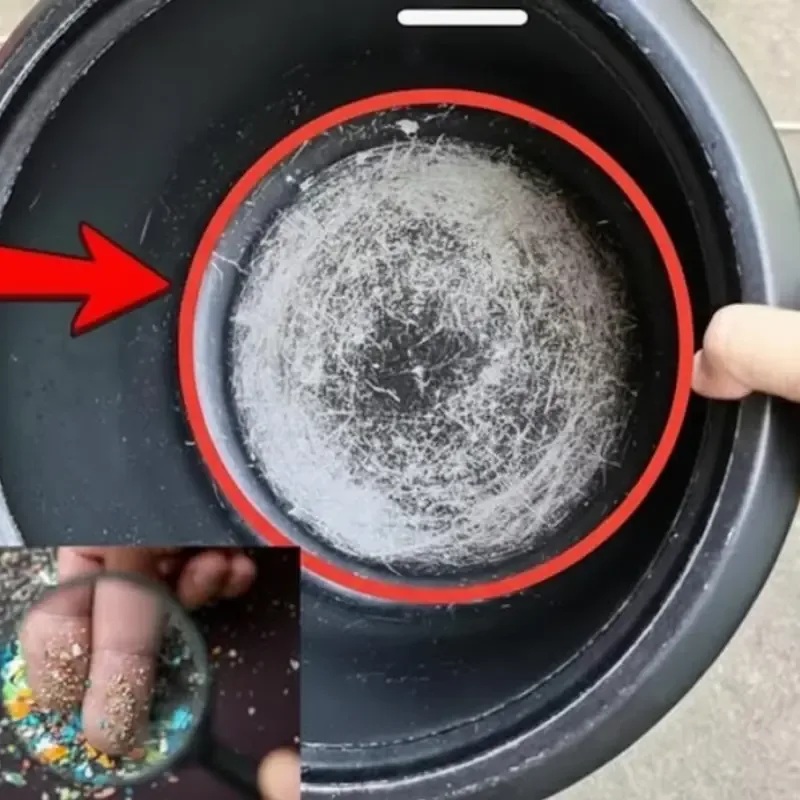
Image source: Bing (Web (fair-use with source credit))
How to Delay the Problem
You can't prevent the coating from wearing out entirely. But you can slow it down.
- Use a plastic or silicone spatula. Never use metal utensils. They scratch the coating.
- Wash by hand. The dishwasher is harsh on non-stick surfaces. A soft sponge with warm soapy water is better.
- Don't use abrasive cleaners. No steel wool, no scouring pads.
- Let the pot cool before washing. Hot pot, cold water. That thermal shock can weaken the coating.
- Store the pot separately. Don't stack other pots inside it.
What Replacement Costs
A replacement inner pot for the NP-HCC10 costs about $60 to $80. That's a significant expense. But it's still cheaper than buying a new rice cooker.
If you factor in a replacement pot every two years, the total cost of ownership over five years is about $350 to $400. That's still less than buying a new $200 cooker every two years.
Is It a Deal Breaker?
The non-stick coating issue is frustrating, especially for a $200 product. But it's not unique to Zojirushi. Every rice cooker with a non-stick pot has the same problem.
Some brands use different coatings, but none last forever.
If you're willing to replace the pot every couple of years, the NP-HCC10 remains a great buy. If that feels like a hidden cost, you might prefer a model with a stainless steel inner pot. Just keep in mind that stainless steel pots are harder to clean and require more careful cooking.
Maintenance and Long-Term Care
The NP-HCC10 is built to last. But it needs regular care to keep performing well. The good news is that maintenance is straightforward.
The bad news is that neglecting it shortens the lifespan significantly.
Daily Cleaning Routine
After each use, unplug the unit and let it cool completely. Remove the inner lid. Wash it with warm soapy water and a soft sponge.
The inner pot gets the same treatment. Dry everything thoroughly before reassembling.
The steam vent cap needs attention too. It collects starch residue over time. Pop it off and rinse it under warm water.
A small brush or pipe cleaner works well for the narrow openings.
Most of the exterior just needs a wipe down with a damp cloth. The stainless steel body resists fingerprints reasonably well. A mild glass cleaner works if you want a streak free finish.
Descaling and Deep Cleaning
Hard water causes mineral buildup inside the cooker. This affects performance and can lead to off flavors in your rice. The manufacturer recommends descaling every few months, depending on your water hardness.
Fill the inner pot with equal parts water and white vinegar to the 3 cup line. Run a full cook cycle. Let it cool.
Empty the pot. Run another cycle with plain water to rinse. Your cooker will smell like vinegar for a few hours, but it fades quickly.
If you live in an area with very hard water, you might need to descale monthly. The steam vent will show white mineral deposits when it's time. Don't ignore them.
Blocked vents can cause pressure issues and uneven cooking.
Storage Tips
Store the cooker with the lid slightly open. Keeping it sealed traps moisture inside. That leads to mold and musty odors.
A small piece of paper towel between the lid and pot works well.
Keep the inner pot in a separate cabinet if possible. Stacking other pots inside it can scratch the non-stick coating. If you must stack them, place a soft cloth or paper towel between the surfaces.
When to Replace Parts
The inner pot needs replacement every 1 to 3 years depending on use. The inner lid seal may need replacement after 2 to 3 years. The steam vent cap is inexpensive and should be replaced if it cracks.
Zojirushi sells replacement parts directly through their website. Third party options are available on major retail sites. Stick with official parts for the inner pot.
The coating quality matters for both performance and safety.
Who Should Buy It and Who Should Skip It
The NP-HCC10 is a great rice cooker. It's not the right rice cooker for everyone. Here's how to know which camp you're in.
You Should Buy It If
You cook rice at least three times per week. The consistent results make a real difference in your daily meals. You notice the difference between good rice and great rice.
You're willing to pay for that improvement.
You meal prep in batches. The keep warm function keeps rice fresh for hours. You can cook a full batch on Sunday and eat it through Wednesday without texture loss.
That's a genuine time saver.
You value build quality. The stainless steel exterior and solid construction mean this cooker will outlast cheaper alternatives. If you prefer buying once and keeping something for a decade, the NP-HCC10 fits that philosophy.
You have counter space. At nearly 10 pounds, you won't want to move it around. You need a dedicated spot where it can live permanently.
You Should Skip It If
You cook rice occasionally. Once or twice a week is not enough to justify the price. You'll get similar results from a $50 rice cooker with less effort.
You're on a tight budget. The NP-HCC10 costs $200 to $250. That's a significant investment.
A standard Zojirushi model for half the price will still make good rice. Put the savings toward other kitchen equipment.
You want faster cooking. The NP-HCC10 takes 50 to 60 minutes for white rice. A pressure cooker finishes in 15 minutes.
If speed matters more than texture, look at the Cuckoo pressure model.
You don't want to deal with non-stick coating issues. The peeling problem is real. If you'd rather avoid that entirely, look for a model with a stainless steel inner pot.
They're harder to clean but last forever.
You have a large family. The 5.5 cup capacity works for 2 to 4 people. If you're feeding 5 or more, you'll need the larger 10 cup version.
That model costs even more.
Maintenance and Long-Term Care
The NP-HCC10 is built to last. But it needs regular care to keep performing well. The good news is that maintenance is straightforward.
The bad news is that neglecting it shortens the lifespan significantly.
Daily Cleaning Routine
After each use, unplug the unit and let it cool completely. Remove the inner lid. Wash it with warm soapy water and a soft sponge.
The inner pot gets the same treatment. Dry everything thoroughly before reassembling.
The steam vent cap needs attention too. It collects starch residue over time. Pop it off and rinse it under warm water.
A small brush or pipe cleaner works well for the narrow openings.
Most of the exterior just needs a wipe down with a damp cloth. The stainless steel body resists fingerprints reasonably well. A mild glass cleaner works if you want a streak free finish.
Descaling and Deep Cleaning
Hard water causes mineral buildup inside the cooker. This affects performance and can lead to off flavors in your rice. The manufacturer recommends descaling every few months, depending on your water hardness.
Fill the inner pot with equal parts water and white vinegar to the 3 cup line. Run a full cook cycle. Let it cool.
Empty the pot. Run another cycle with plain water to rinse. Your cooker will smell like vinegar for a few hours, but it fades quickly.
If you live in an area with very hard water, you might need to descale monthly. The steam vent will show white mineral deposits when it's time. Don't ignore them.
Blocked vents can cause pressure issues and uneven cooking.
Storage Tips
Store the cooker with the lid slightly open. Keeping it sealed traps moisture inside. That leads to mold and musty odors.
A small piece of paper towel between the lid and pot works well.
Keep the inner pot in a separate cabinet if possible. Stacking other pots inside it can scratch the non-stick coating. If you must stack them, place a soft cloth or paper towel between the surfaces.
When to Replace Parts
The inner pot needs replacement every 1 to 3 years depending on use. The inner lid seal may need replacement after 2 to 3 years. The steam vent cap is inexpensive and should be replaced if it cracks.
Zojirushi sells replacement parts directly through their website. Third party options are available on major retail sites. Stick with official parts for the inner pot.
The coating quality matters for both performance and safety.
FAQs
What is the difference between the NP-HCC10 and the NS-TSC10?
The NP-HCC10 uses induction heating for more even temperature distribution. The NS-TSC10 uses standard heating from the bottom only. The NP-HCC10 also has a stainless steel exterior.
The NS-TSC10 has a plastic body. The price difference is about $100.
How long does the NP-HCC10 typically last?
With proper care, most users get 5 to 10 years of regular use. The inner pot needs replacement every 1 to 3 years. The unit itself continues working as long as you maintain it.
Many Reddit users report their units lasting over a decade.
Can you cook brown rice in the NP-HCC10?
Yes. The cooker has a dedicated brown rice setting. It adjusts the cooking time and temperature automatically.
Brown rice takes about 70 to 80 minutes. The fuzzy logic system handles the longer cooking cycle without burning the rice.
Does the NP-HCC10 come with a steaming basket?
No. The steaming basket is sold separately. Many users find this frustrating given the price.
The basket costs about $20 to $30. You can also use a generic steamer basket that fits the pot.
Is the non-stick coating safe?
The coating is PFOA free. It contains PTFE, which is the same material used in most non-stick cookware. The coating is safe for use up to 500°F.
The cooker never reaches those temperatures during normal operation. Replace the pot if the coating peels to avoid flakes in your food.
Can you cook quinoa or other grains in the NP-HCC10?
Yes. The white rice setting works well for quinoa. The porridge setting works for steel cut oats.
The mixed setting works for rice blends. The fuzzy logic system adjusts for different grains automatically. You may need to experiment with water ratios for best results.
The Verdict: Should You Buy the Zojirushi NP-HCC10?
Let's cut through the noise. The NP-HCC10 is an excellent rice cooker. It delivers consistently great results.
It's built to last. It's easy to use. But it's also expensive and has a real flaw in the non-stick coating.
The Bottom Line
If you cook rice regularly and care about texture, buy it. You'll notice the difference from the first batch. The induction heating and fuzzy logic work together to produce rice that's consistently fluffy and separate.
No burnt bottoms. No mushy tops. Just good rice every time.
If you cook rice occasionally or don't care about minor texture differences, save your money. A $50 rice cooker will meet your needs. The improvement from the NP-HCC10 is real but incremental.
It's not a night and day difference for casual users.
The Hidden Cost
The non-stick coating issue is the main reason to hesitate. Plan for a $60 to $80 replacement pot every two years. That adds $30 to $40 per year to the cost of ownership.
Factor that into your decision. If that feels like a deal breaker, look at models with stainless steel pots or a different coating system.
The Final Recommendation
Based on our research and aggregate reviews from verified buyers, the NP-HCC10 is worth buying for the right person. That person cooks rice several times a week, values consistency, and is willing to maintain the cooker properly. If that sounds like you, go ahead and make the purchase.
You'll be happy with the results.
If you're still on the fence, start with a cheaper model. The Zojirushi NS-TSC10 is a good entry point. You can always upgrade later.
Many users report that once they experience induction heating, they never go back. But it's better to find that out for yourself than to take someone else's word for it.

Related posts

Ninja Foodi SmartLid OL701 Worth Buying? Reddit
If you've been scrolling through Reddit asking yourself "is ninja foodi smartlid ol701 one lid multi cooker with…

Crispy Rotisserie Chicken: Temp & Time for Combo Cooker
So you want restaurant quality crispy skin on a whole rotisserie chicken, and you want to do it…
Spray on Crisper Plate? Multi Cooker Safety Guide
So, can you put nonstick cooking spray directly on the crisper plate in a one lid multi cooker…