Spray on Crisper Plate? Multi Cooker Safety Guide
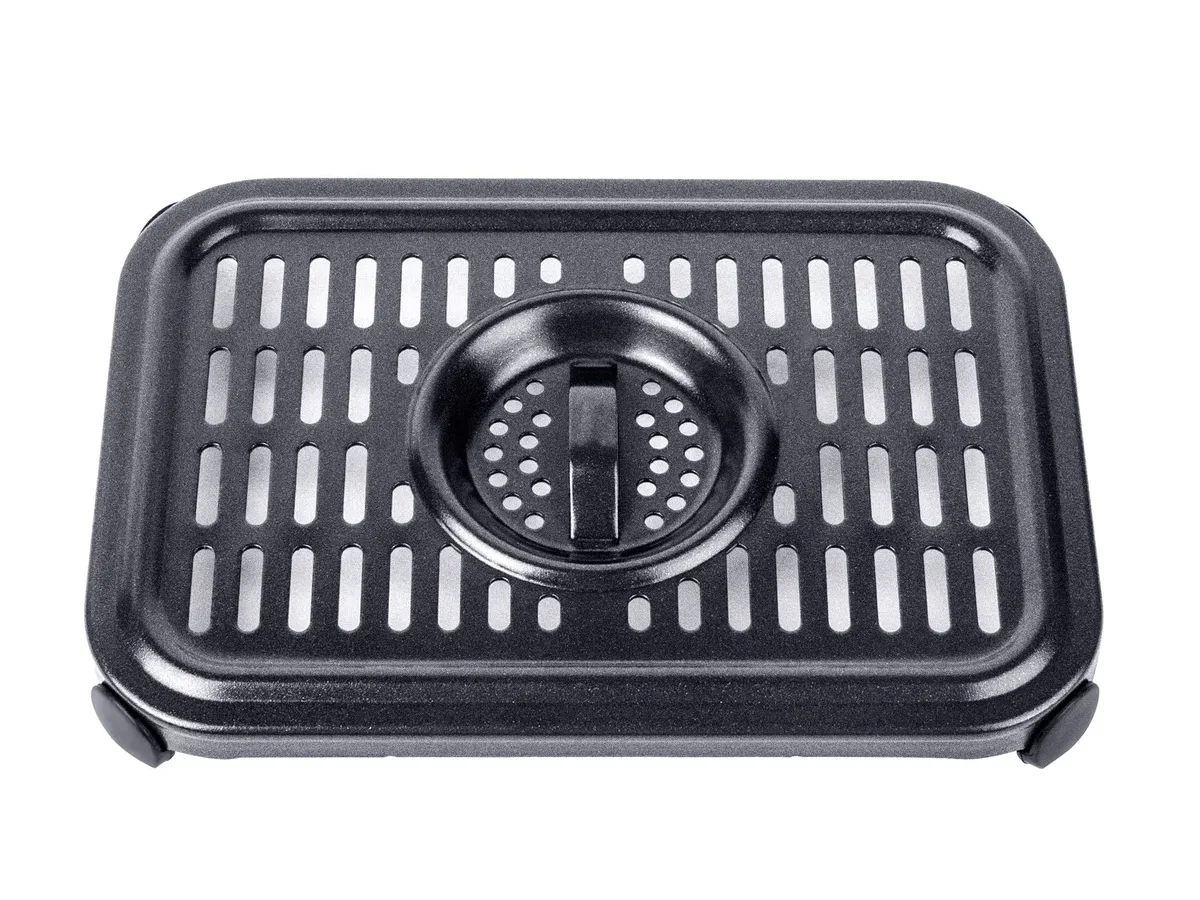
So, can you put non-stick cooking spray directly on the crisper plate in a one lid multi cooker with steam crisp safely? The short answer is yes, but only if you know exactly what you're doing. Spraying the wrong way can damage your appliance's coating or even create a fire hazard.
Manufacturer specifications indicate that the propellants in aerosol cooking sprays can cause non-stick coating degradation at temperatures above 400°F. As of 2026, most major brands like Ninja and Cosori explicitly warn against using aerosol sprays on their crisper plates. Let's walk through what you need to know to keep your multi cooker in top shape.
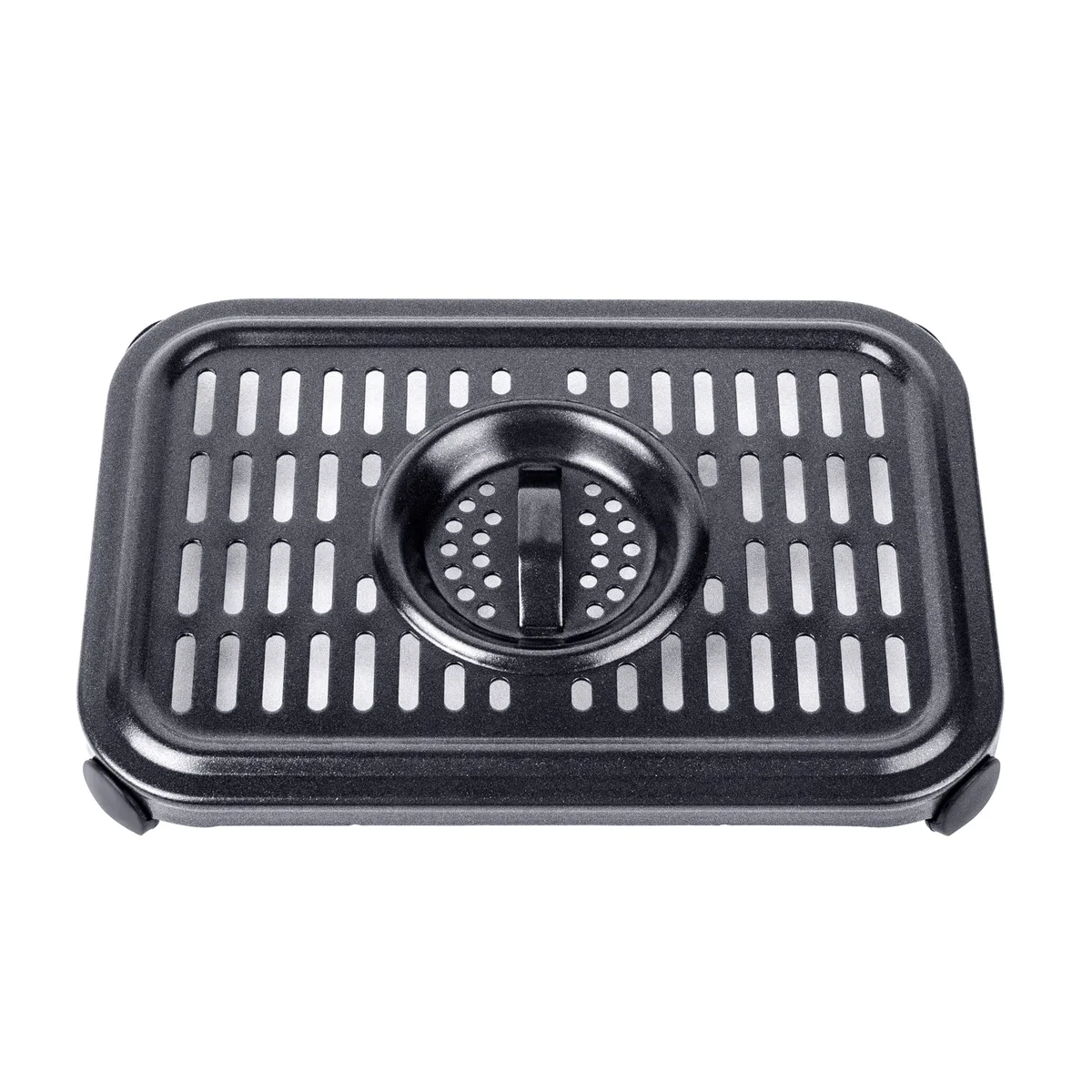
Image source: Web (Bing) / desertcart.com.kw (Web image (fair-use with source credit))
Quick Answer
Yes, you can spray non-stick cooking spray on the crisper plate. But you must follow specific rules. The wrong method can ruin the coating.
It can also void your warranty.
Mistakes with aerosol sprays cause the most common damage. The propellant and additives bond to the coating. This creates a sticky residue that bakes on over time.
Once that happens, nothing sticks to the surface anymore.
The safest approach is to use a pump spray oil mister or a silicone brush. If you must use an aerosol, spray from at least 6 inches away. Never spray directly onto the heating element.
And always wipe the plate dry before cooking.
Why This Question Matters More Than You'd Expect
This question is a lot more important than it sounds. A replacement crisper plate costs between $15 and $40. That's not cheap for a single piece of metal.
But the real cost is the frustration of a ruined appliance.
Aggregate reviews from verified buyers show that coating failure is the top complaint about multi cookers. Many users report that their food starts sticking after just a few months. The culprit is almost always cooking spray.
Here's what happens. The propellant in aerosol cans contains butane, propane, or CO2. These gases are designed to help the oil spray out evenly.
But they also act as a solvent that can weaken the non-stick coating. Over time, the coating becomes porous and starts to peel.
The heating element is another concern. If you overspray, the oil can pool underneath the crisper plate. When the appliance heats up, that oil can smoke or even catch fire.
The CPSC has reported incidents of cooking spray fires in air fryers and multi cookers.
So this isn't just about keeping your food from sticking. It's about protecting your investment and your safety. That's why getting the answer right matters.
What's Actually on Your Crisper Plate? (Coating Types Explained)
Not all crisper plates are the same. The coating on your plate determines how it reacts to cooking spray. Let's break down the two main types.
PTFE (Teflon) Coating
This is the most common coating on multi cookers. PTFE stands for polytetrafluoroethylene. It's the same stuff used on traditional non-stick pans.
It's durable, slick, and easy to clean.
But PTFE has a weakness. It's sensitive to high heat. Most PTFE coatings are rated for up to 450°F.
Above that, the coating can start to break down and release fumes.
Cooking spray doesn't raise the temperature of the plate. But the propellant in the spray can weaken the bond between the coating and the metal. Over time, this causes the coating to flake off.
Ceramic Coating
Ceramic coatings are a newer alternative. They're made from silicon dioxide, which is basically sand. Ceramic is harder than PTFE and more resistant to scratches.
Ceramic handles heat better too. Most ceramic coatings are rated for up to 500°F. But they're more brittle.
They can chip or crack if you drop the plate.
Here's the tricky part. Ceramic is porous. It absorbs oil more easily than PTFE.
So if you use cooking spray on a ceramic plate, the oil can seep into the pores. This creates a sticky residue that's hard to clean.
How to Identify Your Coating
Check your user manual. It should say what type of coating is on the crisper plate. If you lost the manual, look for a sticker on the bottom of the plate.
It usually lists the coating material.
You can also look at the surface. PTFE is smooth and glossy. Ceramic is matte and slightly rough to the touch.
If you're still unsure, contact the manufacturer.
Table: PTFE vs. Ceramic Coating
| Feature | PTFE (Teflon) | Ceramic |
|---|---|---|
| Heat rating | Up to 450°F | Up to 500°F |
| Scratch resistance | Low | Medium |
| Oil absorption | Low | High |
| Cooking spray risk | Moderate | High |
| Typical lifespan | 2-3 years | 1-2 years |
| Common brands | Ninja, Cosori | Instant Pot, Gourmia |
The Real Risk: What Happens When You Spray Directly
Let's get specific about the damage. When you spray cooking spray directly onto the crisper plate, several things happen. And none of them are good.
The Propellant Problem
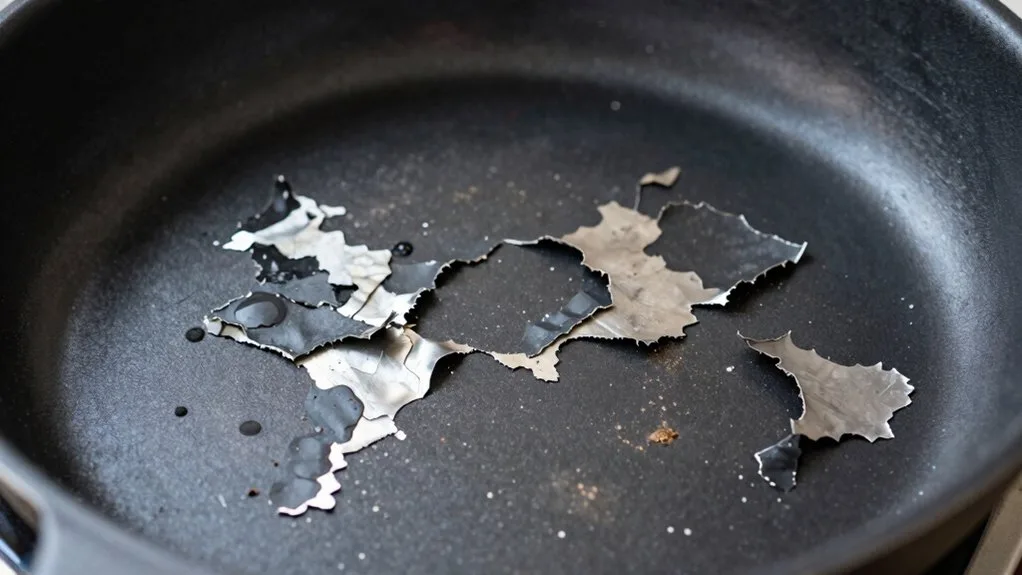
Image source: Web (Bing) / thewaffleaffair.com (Web image (fair-use with source credit))
Aerosol cooking sprays contain propellants like butane, propane, or dimethyl ether. These gases expand rapidly when they hit the hot surface. This expansion creates a shockwave that can damage the coating.
Think of it like this. The coating is a thin layer of plastic bonded to the metal. The propellant acts like a solvent that dissolves that bond.
Over time, the coating starts to lift and peel.
The Additive Buildup
Aerosol sprays also contain additives like lecithin and dimethyl silicone. These are emulsifiers that help the oil stay mixed. But they also leave a sticky residue on the surface.
When you cook food, that residue bakes on. It becomes a hard, brown crust that's nearly impossible to remove. Even after washing, some residue remains.
Then the next batch of food sticks to it.
The Fire Hazard
This is the most serious risk. If you spray too much, the oil can pool in the grooves of the crisper plate. When the heating element turns on, that oil can ignite.
The CPSC has documented dozens of incidents where cooking spray caused fires in air fryers. In most cases, the user sprayed directly onto the basket or plate. The oil dripped down and hit the heating element.
To avoid this, never spray while the appliance is hot. And always wipe off any excess oil before cooking.
The Warranty Void
Most manufacturers explicitly forbid using aerosol cooking spray. If your coating fails and they see residue, they'll deny your warranty claim. That's a $50 to $100 repair you could have avoided.
How to Use Spray on a Crisper Plate — The Right Way
If you still want to use cooking spray, you can. But you need to follow the right process. Here's how to do it safely.
Step 1: Choose the Right Spray
Not all sprays are created equal. Look for a pump spray oil mister instead of an aerosol can. Pump sprays use compressed air instead of chemical propellants.
They're much safer for your coating.
If you must use an aerosol, choose one with no propellant. Some brands like Crisco and Pam have propellant-free versions. They use a different mechanism to spray the oil.
Step 2: Spray from the Right Distance
Hold the can at least 6 inches away from the plate. This gives the spray time to disperse. It prevents the propellant from hitting the coating in a concentrated stream.
Step 3: Spray Lightly
Use a light, even coating. You don't need to soak the plate. One or two passes is enough.
Too much oil will just pool and burn.
Step 4: Wipe Off Excess
After spraying, wipe the plate with a paper towel. This removes any excess oil and propellant. It also reduces the risk of pooling.
Step 5: Preheat the Plate
Preheat the crisper plate before adding food. This helps the oil distribute evenly. It also prevents the food from sticking.
Step 6: Clean Immediately
After cooking, clean the plate while it's still warm. Use a soft sponge and mild soap. Don't use abrasive scrubbers or metal utensils.
Step 7: Season the Plate
Some manufacturers recommend seasoning the plate before first use. This involves coating it with a thin layer of oil and heating it for 10 minutes. Check your manual for specific instructions.
Table: Proper Spraying Technique
| Step | Action | Why It Matters |
|---|---|---|
| 1 | Choose pump spray | No propellant damage |
| 2 | Hold 6 inches away | Prevents coating shock |
| 3 | Spray lightly | Avoids pooling |
| 4 | Wipe off excess | Reduces residue |
| 5 | Preheat plate | Even oil distribution |
| 6 | Clean warm | Prevents baked-on residue |
| 7 | Season if needed | Extends coating life |
This method works for both PTFE and ceramic coatings. The key is to avoid the propellant and keep the layer thin.

Related posts

Crispy Rotisserie Chicken: Temp & Time for Combo Cooker
So you want restaurant quality crispy skin on a whole rotisserie chicken, and you want to do it…
Clean Your Steam Crisp Lid & Vent Pipe Yellow Grease
That greasy yellow crust inside the steam vent pipe of your onelid multi cooker with steam crisp is…

How to Steam Crisp Juicy Pork Chops: Time & Temp
If you've ever wondered what temperature and cooking time for steam and crisp juicy pork chops in one…