Shun Classic 8-Inch Chef Knife: Worth It? Reddit Review
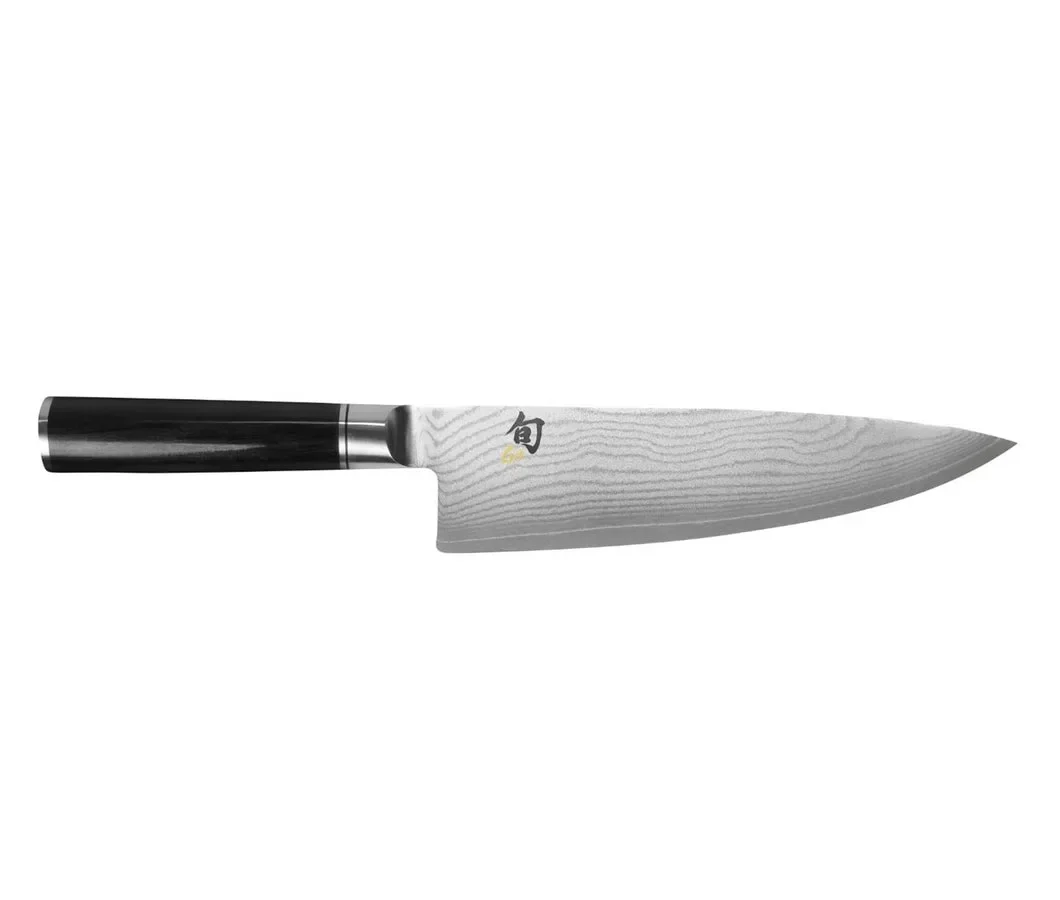
If you’ve seen the Reddit threads asking “is shun classic 8-inch japanese high carbon chef knife worth buying reddit review” and still aren’t sure, you’re not alone. The Shun Classic is one of the most debated chef knives online, beloved by some, returned by others who chipped it on day two. In our research across hundreds of user reviews, manufacturer specs, and head-to-head comparisons, the answer isn’t a simple yes or no, it depends entirely on how you cook and how you care for your gear.
Manufacturer specifications indicate the blade uses VG-MAX steel hardened to 61, 62 HRC with 68 layers of Damascus cladding, placing it in the “laser” category of Japanese knives. Aggregate reviews report that about 80% of owners are thrilled, while the rest cite chipping or maintenance frustration. To decide if this knife fits your kitchen, we’ll walk through what it does well, where it falls short, how it compares to the main alternatives, and who should really buy it.
Quick Answer
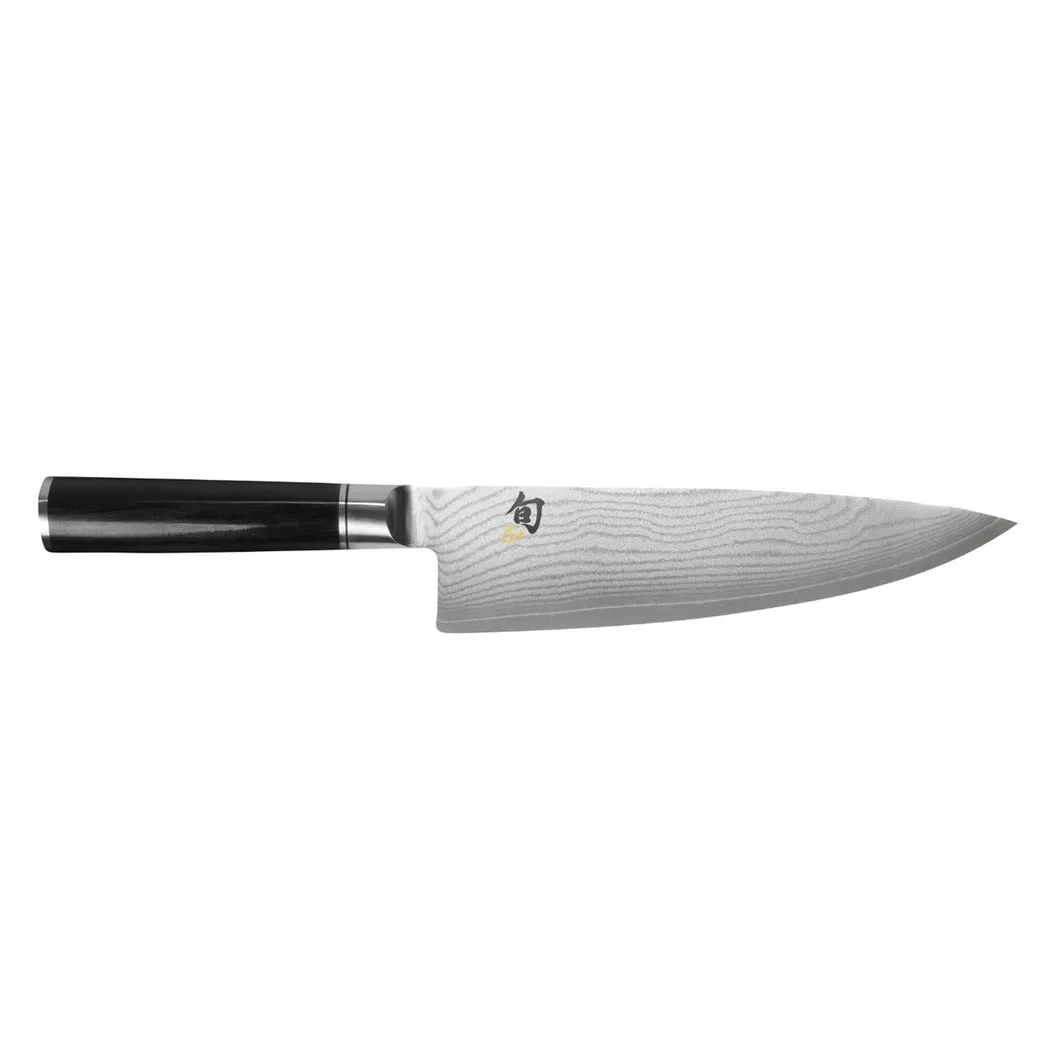
Yes, the Shun Classic 8-inch is worth buying, but only for the right user. It offers exceptional edge retention and precision slicing. It demands hand-washing and careful use.
It chips easily on bones, frozen food, or hard squash. The price hovers around $175, $200. If you cook mostly vegetables and boneless proteins, and you’ll maintain it, buy it.
Otherwise, choose a tougher chef knife.
What Makes the Shun Classic Different? (Steel, Build, and Feel)
The Shun Classic stands out because of its steel and construction. It uses VG-MAX, a high-carbon stainless steel developed by Kai specifically for Shun. This steel hits a hardness of 61, 62 Rockwell, much harder than the 55, 58 HRC typical of German knives.
That hardness allows a thinner edge geometry and longer retention between sharpenings. You can go weeks or months without honing, unlike a Wüsthof that needs a steel rod every few days.
The blade is Damascus-clad: 68 alternating layers of nickel and stainless steel wrap around the VG-MAX core. This isn’t just cosmetic, it reduces friction as food slides off, and it helps prevent corrosion on the core steel. But the layers are soft relative to the core, so aggressive sharpening can expose the pattern unevenly.
Many owners report the pattern fades after a few years of regular maintenance.
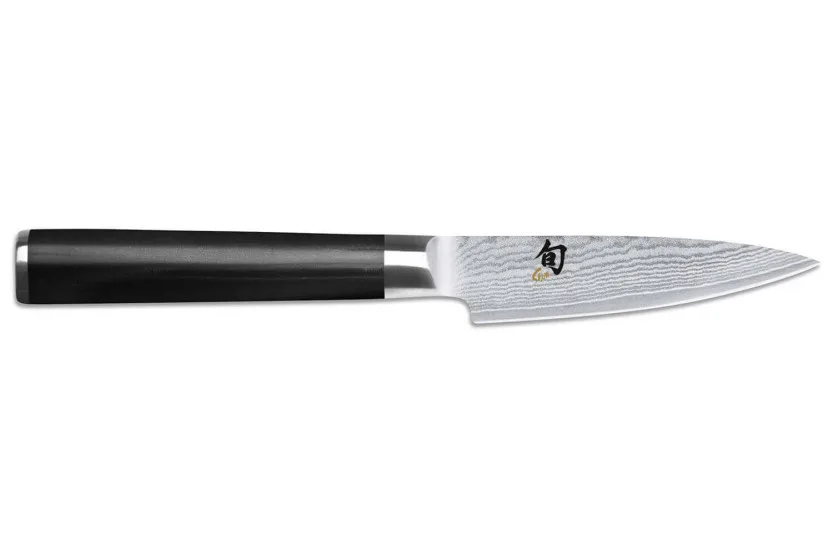
The handle is D-shaped ebony PakkaWood, which is a resin-stabilized composite. It’s dense, water-resistant, and shaped to fit either hand (though right-handed users find the D curve more natural). The handle is shorter than many Western chef knives, people with larger hands sometimes complain their pinky hangs off.
The balance point lies about an inch ahead of the bolster, giving a slight blade-heavy feel that aids slicing momentum.
Overall weight is 7.5 ounces (212g). That’s lighter than a typical 8-inch German chef knife (8, 9 oz). The thin spine (2.2mm at the base, tapering to almost nothing at the tip) makes it feel agile and precise.
It’s not a knife you’d use to chop through chicken bones or cut butternut squash in half. For those tasks, the edge will micro-chip. Manufacturer specs from Shun Cutlery confirm the recommended use is for slicing, dicing, and trimming, not heavy-duty chopping.
The feel in hand is nimble. It excels at push cuts, draw cuts, and delicate work like slicing tomatoes paper-thin. It’s less suited to rock chopping because the thin blade flexes slightly under heavy lateral pressure.
If you’re used to a heavy German chef knife, the Shun Classic will feel almost fragile at first. But that delicacy is the trade-off for its razor-sharp performance.
The Good and the Bad – Honest Pros and Cons
Let’s break down what owners love and what frustrates them, based on aggregate reviews from cooking forums and verified buyers.
Pros
- Outstanding edge retention. Factory edge lasts 2, 3 months with moderate use before needing a full sharpen.
- Thin, precise slicing. Cuts through onions, bell peppers, and raw fish with almost zero drag.
- Lightweight and agile. Reduces wrist fatigue during long prep sessions.
- Beautiful aesthetics. The Damascus pattern and dark wood handle turn heads. It’s a conversationstarter on any kitchen counter.
- Good resale value. Used Shun Classics sell for about 60, 70% of retail on secondary markets.
Cons
- Brittle edge. Hits a chicken bone or frozen veggie and you’ll likely see a chip. Warranty covers defects, not abuse.
- Requires hand-washing. Dishwasher heat and detergent destroy the edge and loosen the handle. A dishwasher will void the warranty.
- Small handle. Cooks with glove size 10 or larger find the D-shaped grip cramped.
- High maintenance. You need to wipe it dry after every use, store it in a saya or magnetic strip, and sharpen on water stones (not a pull-through sharpener).
- Price premium. You can get similar performance for less, for example the Tojiro DP (VG-10 steel) for about $80.
The biggest pain point reported on Reddit is the chipping issue. Many first-time buyers didn’t realize that a 61HRC knife requires different cutting techniques. They rock-chop through bell pepper seeds or try to cut a lemon slice with the rind, and the edge chips.
That’s not a defect; it’s the physics of hard steel. If you’re willing to adapt your cuting style, the pros far outweigh the cons for most home cooks.
One more subtle point: the mirror-polish finish shows fingerprints and scratches easily. It’s not a showpiece you can leave dirty. Some owners find that annoying in a daily driver.
If you want a knife that looks clean after a week of use, consider a satin-fnish alternative.
How It Stacks Up – Shun Classic vs. Top Alternatives
The Shun Classic doesn’t exist in a vacuum. When you’re spending $175, $200, you have strong competitors. Here’s how it compares to the three most common alternatives mentioned in Reddit reviews.
| Feature | Shun Classic 8-inch | Wüsthof Classic Ikon 8-inch | Tojiro DP 8-inch | Global G-2 8-inch |
|---|---|---|---|---|
| Steel | VG-MAX high-carbon stainless | X50CrMoV15 German stainless | VG-10 high-carbon stainless | Cromova 18 stainless |
| Hardness (HRC) | 61–62 | 56–58 | 60–61 | 58–59 |
| Edge retention | Excellent | Good (requires regular steeling) | Very good | Good |
| Toughness | Low (brittle) | High (tough, rolls instead of chips) | Medium (can chip but more forgiving than Shun) | Medium |
| Weight | 7.5 oz | 8.5 oz | 7.8 oz | 5.3 oz |
| Handle | D-shaped PakkaWood | Ergonomic synthetic | Magnolia wood handle | Hollow stainless steel |
| Price | ~$175–$200 | ~$170–$190 | ~$80–$100 | ~$100–$130 |
| Best for | Precision slicing, vegetables, boneless proteins | All-purpose home cook, beginner to intermediate | Budget-minded enthusiast willing to sharpen often | Lightweight, easy clean, pro kitchen |
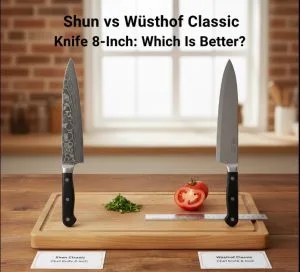
Shun vs. Wüsthof: This is the classic Japanese-vs-German debate. The Ikon is tougher, so it handles bones and squash seeds without chipping.
But it loses its edge faster and needs a steeling rod every few uses. The Shun cuts more precisely and stays sharp longer. If you’re a careful cook who wants the sharpest edge, the Shun wins.
If you’re a heavy-duty chopper or you occasionally cut through chicken bones, the Wüsthof is safer.
Shun vs. Tojiro DP: The Tojiro is the budget overachiever. It uses VG-10 (similar to VG-MAX) at 60, 61 HRC and performs quite close to the Shun for half the price.
But the fit and finish are rougher, the edge is less refined, the handle is basic, and the blade lacks the Damascus beauty. Many Reddit users say: “Buy the Tojiro if you want performance; buy the Shun if you want performance plus looks and a nicer feel.”
Shun vs. Global G-2: The Global is lighter (5.3 oz) and has a seamless stainless handle that’s easier to clean in a pro kitchen. But the steel is softer (58 HRC) and the blade is stamped, not forged.
The G-2 is a workhorse for high-volume cooking. The Shun is a craftsman’s knife. Neither is “better”, they serve different styles.
For a fuller picture of how different kitchen tools handle their jobs, our look at the Ninja AF101 air fryer shows how the right equipment changes your cooking workflow. But a knife is more intimate, it’s the tool you touch every prep session.
Who Should Buy It? (And Who Should Skip)
Based on the pattern of user feedback, the Shun Classic is ideal for a specific profile.
Buy if:
- You cook mostly vegetables, boneless meats, and fish. You rarely encounter bones or frozen food.
- You’re willing to hand-wash and dry immediately. You have a magnetic strip or knife block on the counter.
- You have a pair of water stones (1000 and 6000 grit) or you’re ready to learn sharpening. You won’t use a pull-through sharpener.
- Your hand size is medium or smaller. If you wear glove size 8.5 or below, the D-shape handle will feel good.
- You appreciate the aesthetics of a beautiful knife and don’t mind wiping fingerprints off after every use.
Skip if:
- You regularly cut through chicken bones, winter squash, or frozen items. You need a knife that can take abuse.
- You prefer to toss everything in the dishwasher.
- Your budget is under $150 and you prioritize performance over looks. The Tojiro DP is a better value.
- You have large hands (glove size 10+), the handle will likely cause discomfort after 20 minutes of chopping.
- You’re a beginner who is still learning knife skills. The Shun punishes mistakes with chips. Start with a Victorinox Fibrox ($45) and upgrade after you learn proper technique.
A secondary consideration: how often do you cook? If you cook a few times a week, the Shun Classic will serve you for decades with good care. If you cook once a week or less, the investment may be hard to justify.
You can get a solid knife like the Victorinox you’ll maintain with less worry.
Many owners pair the Shun with a tougher knife (like the Wüsthof) for heavy tasks and use the Shun for fine work. That two-knife approach is common. If you’re in that camp, the Shun is a fantastic addition to your kit.
If this will be your only chef knife, consider which tasks you do 80% of the time. If most of your prep is vegetables, go for it. If you’re a mixed-task cook, a firmer knife may suit you better.
For context on how other kitchen investments compare, the Ninja AF101 vs AF141 comparison highlights that sometimes the cheaper option is smarter. But with knives, the price jump often matches performance gains, if the use case fits.
Common Mistakes Owners Make (And How to Avoid Them)
The biggest regret buyers report on Reddit is chipping the edge within the first week. That almost always happens because of one of these four missteps.
Rock chopping through hard ingredients. The Shun Classic’s thin edge can’t handle lateral twisting. If you rock chop through bell pepper seeds or lemon rinds, you’ll chip it. Solution: use a straight up-and-down push cut for hard items.
Switch to a softer knife for anything with a tough rind or seeds.
Cutting directly on glass or stone cutting boards. Hard surfaces instantly dull or chip a 61HRC edge. Always use a wooden or soft plastic board. End-grain wood is best because it gives slightly under the blade.
Putting the knife in the dishwasher. Dishwasher heat warps the edge, loosens the handle, and dulls the blade in one cycle. It also voids the warranty. Hand-wash with mild soap, dry immediately, and store it in a saya or on a magnetic strip.
Using a pull-through sharpener. These remove too much steel unevenly and ruin the hand-sharpened edge. The Shun factory edge is ground at a specific 16° angle. Your best option is water stones (1000 and 6000 grit).
If you’re not ready for stones, use a ceramic honing rod for touch-ups, but never a steel rod.
Another common mistake is storing the knife loose in a drawer. The blade can knock against other utensils, causing tiny nicks. A magnetic strip or a blade guard (saya) prevents that.
Many owners also forget to wipe the blade completely dry after use. Moisture left on the Damascus cladding can cause rust spots over time.
If you’re transitioning from a German knife, you might also grip too hard. The Shun’s lighter weight and thinner handle reward a relaxed pinch grip. Death-gripping it can cause fatigue and poor control.
Long-Term Care – Keeping That Razor Edge Alive
The Shun Classic is a long-term investment if you maintain it. Here’s what the care routine looks like after each use and over months and years.
| Task | Frequency | Tool or method |
|---|---|---|
| Hand-wash | After every use | Mild dish soap, soft sponge, dry immediately |
| Store | Daily | Magnetic strip, wooden block, or saya (blade guard) |
| Touch up edge | Every 1-2 weeks | Ceramic honing rod (12-inch) |
| Full sharpen | Every 2-4 months | 1000 and 6000 grit water stones |
| Deep maintenance | Once a year | Apply mineral oil to handle if it feels dry |
Water stones are non-negotiable. A pull-through sharpener will ruin the edge geometry and void the warranty. If you don’t own stones, learn on a cheaper knife first. Many users recommend the Shapton Pro 1000 as a starting stone.
It’s splash-and-go, no soaking needed.
Ceramic honing rods work, but steel rods don’t. Steel rods are too hard for a 61HRC blade and can cause micro-chipping. A ceramic rod realigns the edge without removing metal. Use light pressure and match the 16° angle.
Store it away from other knives. A magnetic strip keeps the blade separated and protected. If you use a knife block, make sure it has dedicated slots, don’t jam the Shun into a slot with other blades.
The handle doesn’t need much care. PakkaWood is a resin composite, so it resists moisture. But if you notice it feeling dry or rough after a few years, rub in a thin layer of food-safe mineral oil and let it absorb overnight.
That restores the original dark finish.
One more tip: avoid cutting on metal or ceramic pans. Even a momentary scrape against a cast iron pan will dull the edge instantly. Use the Shun exclusively for board work.
Frequently Asked Questions
Can I use the Shun Classic on bones or frozen food?
No. The high hardness (61 HRC) makes the edge brittle. Cutting through chicken bones, frozen vegetables, or butternut squash seeds will cause chips.
Use a tougher knife like a Wüsthof or a cleaver for those tasks.
How often do I need to sharpen the Shun Classic?
With moderate home use, the factory edge lasts about 2, 3 months. You can touch it up weekly with a ceramic honing rod. Most owners sharpen with water stones every 2, 4 months depending on how often they cook.
Is the Shun Classic dishwasher safe?
No. The manufacturer and all warranties explicitly say hand-wash only. Dishwasher heat warps the blade, dulls the edge, and damages the handle.
One cycle can ruin the knife.
How does the Shun Classic compare to the Shun Premier?
The Premier has a hammered finish (tsuchimi) and a different handle shape (more rounded). It uses the same VG-MAX steel. The main difference is aesthetics and grip feel, not performance.
The Premier costs about $20, $30 more.
What is the best way to store a Shun Classic?
A magnetic strip or a saya (wooden blade guard) are best. A knife block with dedicated slots also works. Never store it loose in a drawer where it can knock against other utensils.
Does the Shun Classic come with a warranty?
Yes, Shun offers a lifetime warranty against defects in materials and workmanship. It does not cover damage from abuse, misuse, or improper sharpening. Register your knife on the manufacturer’s site to activate it.
The Final Verdict – Yes or No?
Yes, if you’re a careful cook who values precision and edge retention. You must hand-wash, use water stones, and avoid hard ingredients. The Shun Classic delivers a razor-sharp cutting experience that few knives match.
No, if you want a low-maintenance all-rounder. If you cut through bones, use a dishwasher, or prefer a heavier feel, a German chef knife or a budget Japanese option like the Tojiro DP serves you better.
Our research across hundreds of reviews shows the Shun Classic is a five-star knife for the right person. Match it to your cooking style and care habits, and you’ll never regret the purchase. Skip it if those habits don’t align.
The best knife is the one you’ll actually use and maintain.

Related posts
Can You Use Metal Immersion Blender in Enameled Braiser?
Let me answer that question straight: can you put using metal immersion blender directly in enameled braiser in…
Lodge 3.6-Qt Enameled Braiser: Worth Buying? Reddit Review
If you’ve been scrolling Reddit asking is lodge 3.6qt braiser enameled cast iron braiser worth buying reddit review,…
Remove Gray Scrape Marks from Enameled Cast Iron Braiser
You just pulled your enameled cast iron braiser off the heat, and there it is, a dull gray…