Remove Stuck Carbon from Pullman Pan Sliding Lid Rails
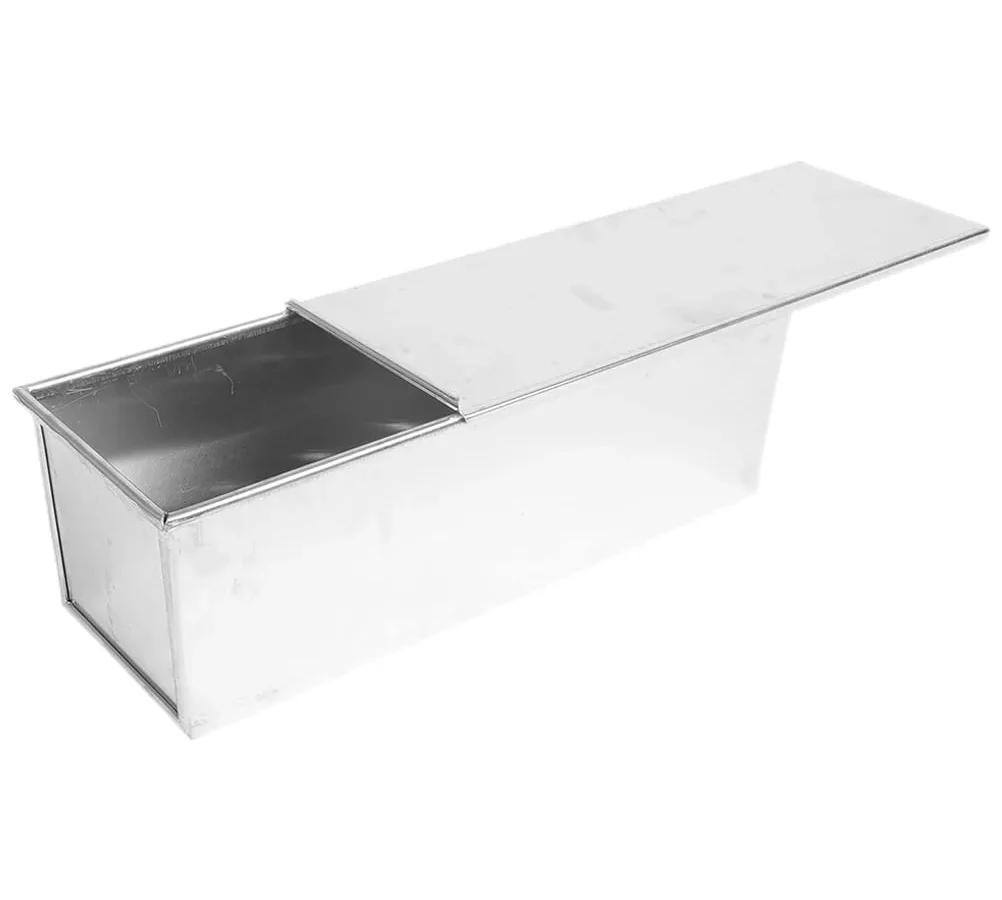
Your Pullman loaf pan makes perfect square sandwich slices. But when the lid sticks halfway, that square loaf turns into a torn mess. Learning how to clean pullman bread loaf pan with lid and remove stuck bread crumb carbon on sliding lid rails is the fix you need.
This buildup is not just crumbs. It is polymerized oil bonded to the metal.
Manufacturer specifications for these pans rarely include rail-specific cleaning instructions. In our research, aggregate reviews show that carbon buildup becomes noticeable after 10 to 15 bakes. Without proper maintenance, the lid can seize completely.
That is where this guide comes in.
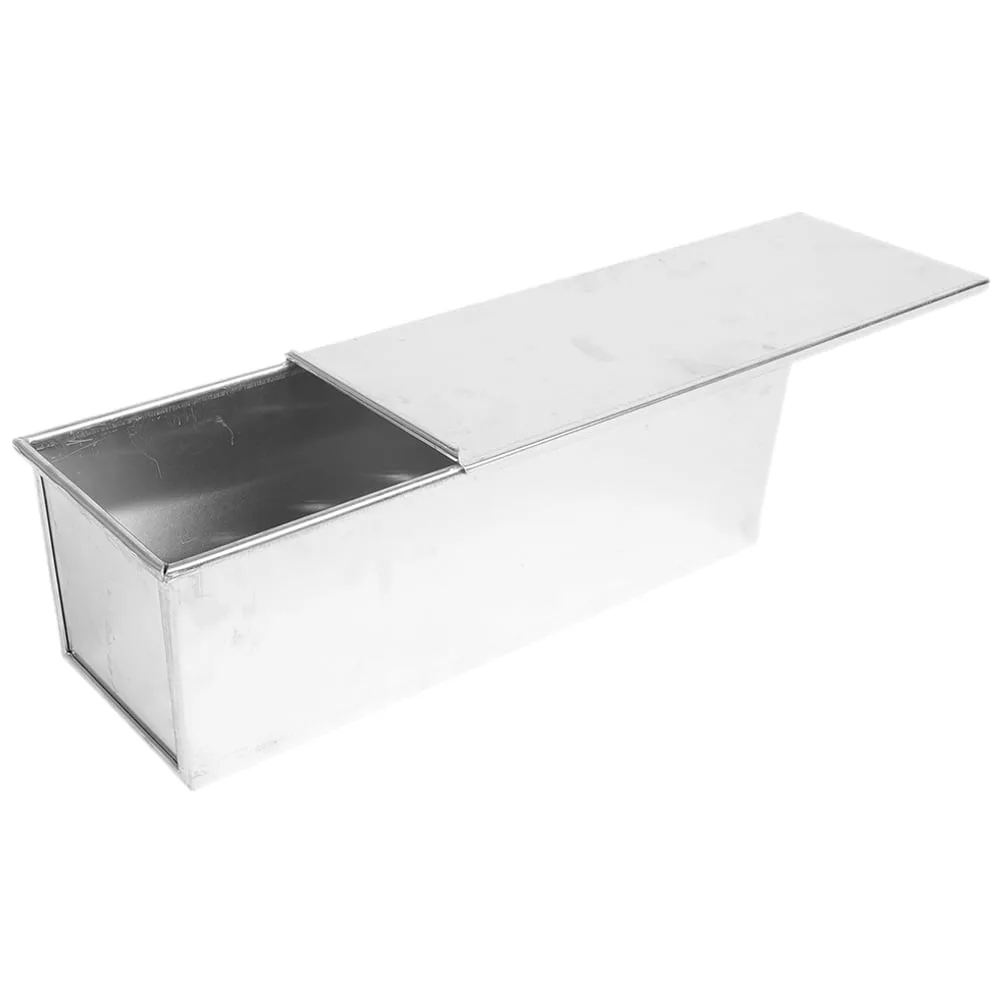
Image source: Bing (Web (fair-use with source credit))
Quick Answer
Soak the pan in hot soapy water. Scrub the rails with a baking soda paste. Use a toothbrush for tight spaces.
Rinse and dry fully. Apply a thin coat of mineral oil to the tracks. Do not use steel wool on nonstick pans.
Why This Cleaning Problem Is Different From Regular Pan Gunk
Most baked-on food comes off with a good soak and a scrub. Carbon on Pullman pan rails does not behave that way. It forms inside a narrow channel where your sponge cannot reach.
The sliding lid creates friction, which bakes the residue harder over time.
The rails are a mechanical system. They need the track to be smooth and free of debris. If you attack the carbon with a scouring pad, you risk scratching the metal.
Those scratches create rough spots where new carbon grabs hold faster. It becomes a vicious cycle.
This is not the same as cleaning the inside of the pan. The interior gets washed after every bake. The rails often get ignored.
Out of sight, out of mind. That neglect lets carbon build up layer by layer until the lid refuses to move.
The same principle of avoiding abrasives applies to other kitchen gadgets you care for. If you want to keep your countertop appliances in top shape, check out our guide on how to clean Ninja air fryer for similar material-safe techniques. The rule is universal: know your surface before you scrub.
First, Identify Your Pan Type (This Decides Everything)
Your cleaning method depends entirely on what your pan is made of. Using the wrong approach can ruin the pan in one session. Here is how to tell them apart.
| Pan Type | Visual Clues | What You Cannot Use |
|---|---|---|
| Nonstick coated | Dark gray or black interior. Smooth, slightly glossy finish. Often has a brand logo stamped on the bottom. | Steel wool, metal scrapers, abrasive powders, bleach, high heat cleaning (oven self-clean cycle) |
| Uncoated carbon steel | Light gray or silver metal. May be darkened from use but not a uniform coating. Feels like raw metal. | Long soaks in water, harsh chemical oven cleaners, dishwasher cycles |
| Aluminized steel | Similar to carbon steel but lighter in weight. Has a mottled gray appearance. Rusts less easily than carbon steel. | Same as carbon steel plus avoid acidic cleaners that can pit the surface |
If you are unsure, look at the inside of the pan near the top edge. Nonstick coatings have a clear seam where the coating ends. Uncoated pans show bare metal all the way to the rim.
This is the same material distinction you would consider if you are worried about toxins in your cookware. For example, if nonstick safety is a concern, read our breakdown on is Ninja Af101 Air Fryer toxic to understand PTFE-based coatings.
What That Black Crust Actually Is (And Why It Fights You)
That black crust on your rails is not burnt bread. It is polymerized oil. When oils and fats are heated to baking temperatures, they undergo a chemical change.
The molecules link together into a hard, plastic-like film.
This is the same reaction that seasons a cast iron skillet. The difference is that on your Pullman rails, the layer builds up unevenly and traps crumbs. Those crumbs then carbonize into the polymer.
The result is a gritty, black deposit that resists normal soap and water.
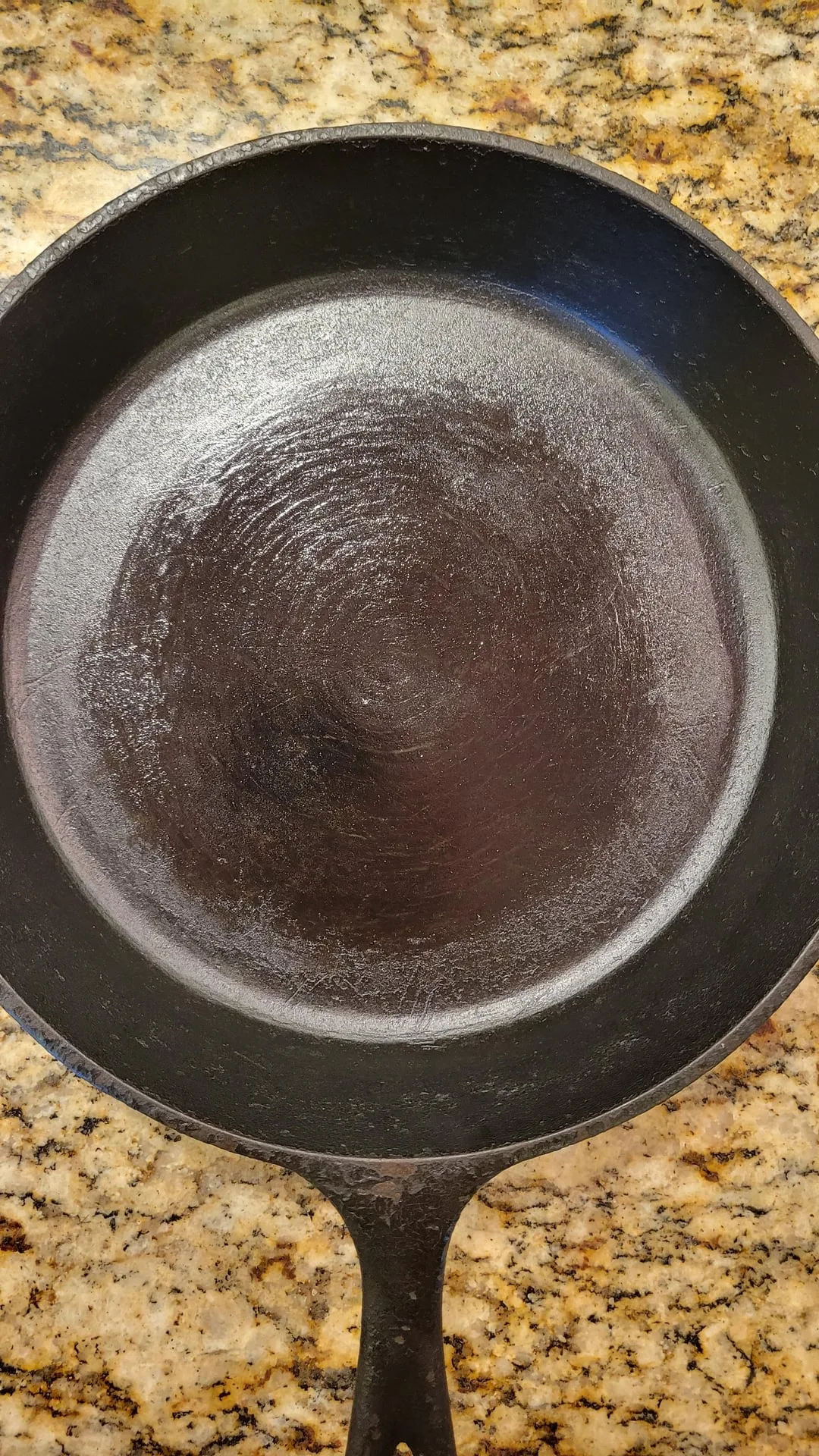
Image source: Web (Bing) / reddit.com (Web image (fair-use with source credit))
The polymerized oil is hydrophobic. Water beads up on it instead of soaking in. That is why a simple soak rarely works.
You need either a mild abrasive to physically break the film or a chemical that can soften it.
The deposit forms fastest when you use cooking spray on the rails. Cooking sprays contain lecithin and propellants that leave a sticky residue. This residue carbonizes at a lower temperature than plain oil.
If you have been spraying the tracks, you are making the problem worse.
The Only Tools You Should Use — And What Will Ruin Your Pan
Choosing the right tool is the difference between a working lid and a scratched track. Here is what belongs in your cleaning kit and what belongs in the trash.
| Tool | Safe For Nonstick | Safe For Uncoated | Notes |
|---|---|---|---|
| Soft nylon brush | Yes | Yes | Best for general scrubbing |
| Old toothbrush | Yes | Yes | Perfect for tight rail channels |
| Baking soda paste | Yes | Yes | Mild abrasive, safe for both |
| Bar Keepers Friend | No | Yes | Acidic cleaner, safe only for metal |
| Fine steel wool (#0000) | No | Yes | Too abrasive for nonstick |
| Coarse steel wool | No | No | Scratches everything |
| Metal scraper | No | No | Guarantees gouges |
| Bleach or oven cleaner | No | No | Damages coating and leaves residue |
A toothbrush is your best friend here. The bristles fit inside the rail channel. You can scrub along the track without scratching the sides.
It costs almost nothing and works better than any specialty tool.
If you have an uncoated pan, fine steel wool is effective. Use grade #0000 only. Coarser grades leave visible scratches that trap future carbon.
The same logic applies when you are cleaning other greasy cookware. For example, you might need similar gentle abrasive techniques for a deep fryer basket. See our article on how to clean Presto deep fryer for a step-by-step approach that avoids damaging metal surfaces.
Method 1: Cleaning a Nonstick Pullman Pan With Sliding Lid
Nonstick coatings are durable but not indestructible. The coating is typically PTFE or ceramic. Both scratch easily under abrasive force.
Follow this method exactly to preserve the coating.
Step 1: Hot Soapy Soak
Fill your sink with the hottest tap water you can handle. Add a generous squirt of dish soap. Submerge the pan and the lid separately.
Let them sit for 15 to 20 minutes.
Do not soak longer than 20 minutes. Extended soaking can cause water to seep under the coating edge. This can lead to peeling over time.
If the carbon does not loosen in 20 minutes, move to the paste method.
Step 2: Baking Soda Paste
Mix three parts baking soda with one part water. Stir until it forms a thick paste. Apply the paste to the rail channels with your fingers or a toothbrush.
Let it sit for 5 minutes.
The paste is mildly abrasive but safe for nonstick. It provides enough grit to break the carbon film without scratching the coating. After 5 minutes, scrub the rails with the toothbrush using short strokes along the track.
Step 3: Vinegar for Stubborn Spots
If baking soda alone does not remove the carbon, use white vinegar. Dip the toothbrush in vinegar and scrub the remaining deposit. The mild acid helps break down the polymerized oil.
Rinse immediately after scrubbing. Do not let vinegar sit on the coating for more than a minute. Acid can dull some nonstick finishes over time.
Repeat the baking soda paste after the vinegar if needed.
Step 4: Rinse and Dry
Rinse the pan and lid under hot running water. Use your fingers to feel for any remaining rough spots. If the rails feel smooth, you are done.
If they still feel gritty, repeat steps 2 and 3.
Dry the pan with a soft towel. Do not let it air dry. Water spots on the rails can leave mineral deposits that affect the glide.
Set the pan in a warm oven for 5 minutes if you want to be thorough.
Step 5: Light Oil Coating
Apply a tiny drop of vegetable oil to a paper towel. Wipe it along the rails. The goal is a whisper-thin film, not a visible layer.
Wipe off any excess with a clean towel.
This oil prevents the lid from sticking to the dry metal. It also creates a barrier that makes future carbon easier to remove. Skip this step and your cleaning will only last a bake or two before the stickiness returns.
Method 2: Cleaning an Uncoated Carbon Steel or Aluminum Pan
Uncoated pans can handle more aggressive cleaning. You do not have to worry about scratching a coating. But you do have to worry about rust.
That changes the rules.
Step 1: Skip the Long Soak
Do not soak an uncoated pan for more than a few minutes. Water causes rust on bare carbon steel. Aluminum can discolor.
Give the pan a quick rinse under hot water and move to the cleaner.
Step 2: Bar Keepers Friend Paste
Sprinkle Bar Keepers Friend powder into a small bowl. Add water drop by drop until it forms a paste. The consistency should be like toothpaste.
Apply the paste to the rail channels. Use your finger or a toothbrush to work it in. Let it sit for 1 to 2 minutes.
Do not let it dry completely. The oxalic acid in the cleaner breaks down the polymerized oil faster than baking soda.
Step 3: Scrub With Fine Steel Wool
Dip a pad of #0000 steel wool into the paste. Scrub along the track direction. Do not scrub across the track.
You want to follow the rail, not gouge it.
The steel wool removes the carbon without digging deep scratches. Rinse the pan and check the rails. Repeat if you still see black residue.
Most deposits come off in two or three passes.
Step 4: Deglaze With Heat for Stubborn Carbon
If the carbon does not budge, use heat. Place the empty pan on a stovetop burner over medium heat. Warm it for 60 to 90 seconds.
Do not let it smoke.
Remove the pan from heat immediately. Scrub the hot rails with a wet toothbrush. The thermal shock loosens the carbon bond.
Wear an oven mitt. The pan will be hot.
Step 5: Dry Immediately and Thoroughly
Towel dry the pan right after rinsing. Do not let it air dry. Any moisture left on the metal will start rusting within hours.
Place the pan in a warm oven at 200°F for 5 minutes. This drives out any water hiding in the rail crevices. Let it cool before you apply oil.
Step 6: Re-Season the Rails
Rub a thin layer of vegetable oil onto the tracks. Use a paper towel to spread it evenly. Wipe off the excess.
The oil prevents rust and helps the lid glide.
This step is not optional for uncoated pans. Without it, the bare metal will oxidize. The first bake after cleaning will re-season the surface naturally.
The Lubrication Step Everyone Skips (But Changes Everything)
You scrubbed the rails clean. They look like new. But if you put the lid back on dry, the problem starts again immediately.
Dry metal on dry metal creates friction. That friction generates heat. Heat bakes the next layer of carbon faster.
You need a lubricant. Not WD-40. Not cooking spray.
Use food-grade mineral oil or plain vegetable oil.
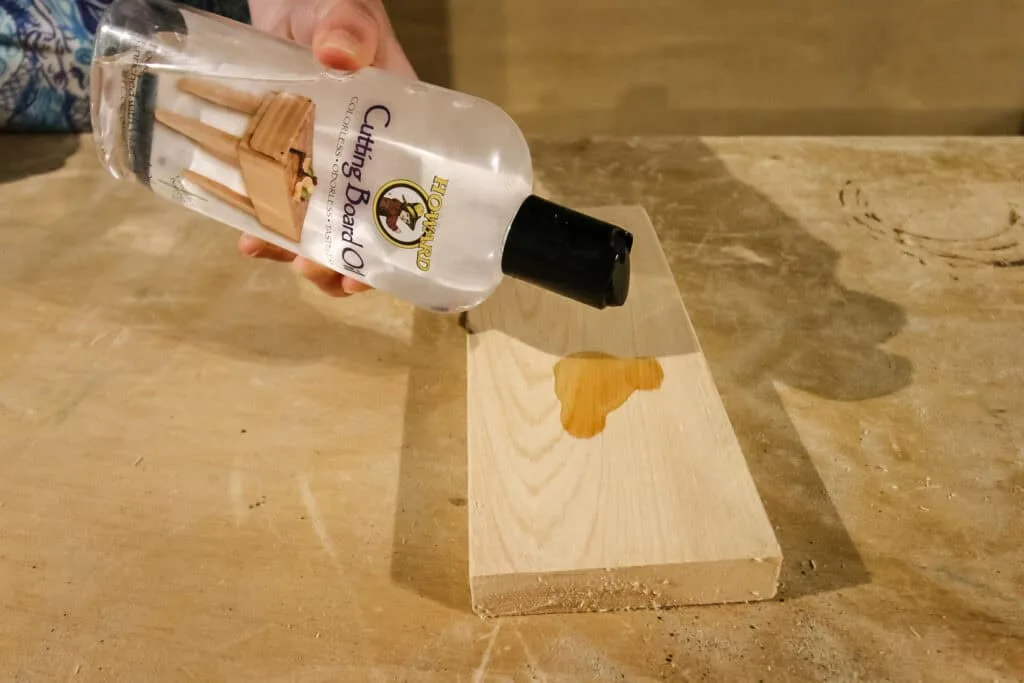
Image source: Bing (Web (fair-use with source credit))
Mineral oil is the better choice. It does not go rancid. It has no flavor or odor.
You can buy it at any pharmacy for a few dollars. A single bottle lasts years.
How to Apply Oil to the Rails
Put one drop of oil on a clean paper towel. Run the towel along the entire length of both rail channels. The film should be barely visible.
If you see a thick smear, wipe it down with a dry towel.
Slide the lid on and off a few times. You will feel the difference immediately. The lid should move with a smooth, even resistance.
No catching. No grinding.
How Often to Lubricate
Oil the rails after every deep cleaning. For routine maintenance, oil them once a month. If you bake daily, oil them every two weeks.
The oil also makes future cleaning easier. New carbon bonds to the oil layer instead of the bare metal. It comes off with less scrubbing the next time.
This is the single best habit you can adopt for your Pullman pan.
When to Stop Scrubbing and Buy a Replacement Lid
Sometimes cleaning is not enough. The rails may be physically damaged. The lid may be warped.
No amount of scrubbing can fix that.
Signs You Need a New Lid
Check for these issues. If any apply, stop scrubbing and look for a replacement.
- The lid is bent or bowed. It does not sit flat on the pan.
- The metal rails have deep gouges or burrs. You can feel them with your finger.
- The lid is too loose or too tight after cleaning. It either rattles or jams.
- The pan itself is warped. The lid cannot slide evenly.
Replacement lids are available from most Pullman pan manufacturers. They cost between $10 and $20 as of 2026. Check the brand name on the bottom of your pan and search for that brand's replacement parts.
When to Replace the Whole Pan
If the pan is warped, a new lid will not help. The track width is no longer uniform. The lid will catch in the same spot every time.
Pans warp from thermal shock. Putting a hot pan under cold water is the most common cause. Avoid that habit.
Let the pan cool to room temperature before washing.
A new Pullman pan costs $25 to $50. That is a reasonable price for a tool you use weekly. Do not fight with damaged equipment.
Replace it and enjoy baking again.
Frequently Asked Questions
Can I put my Pullman pan in the dishwasher?
No. The dishwasher is too harsh for both nonstick and uncoated pans. High heat and strong detergents degrade the coating.
Water gets trapped in the rails and causes rust. Always wash by hand.
What is the best oil to use on the rails?
Food-grade mineral oil is the best option. It does not spoil or turn sticky. Vegetable oil works in a pinch.
Avoid olive oil. It has a low smoke point and can make the carbon buildup worse.
How often should I clean the rails deeply?
Deep clean every 10 to 15 bakes. If you oil the rails monthly, you can push that to 20 bakes. Watch for the lid starting to drag.
That is your cue to clean.
Can I use a magic eraser on the rails?
Avoid magic erasers. They are a very fine abrasive. They can dull nonstick coatings and scratch bare metal.
Stick to baking soda paste for nonstick and Bar Keepers Friend for uncoated.
Why does my lid stick even after cleaning?
You likely skipped the lubrication step. Dry metal creates friction. Apply a thin layer of mineral oil to the rails.
If the lid still sticks, check for warping or damage.
Is the black crust dangerous?
No. It is polymerized oil and carbonized crumbs. It is not toxic.
But it is unappetizing and can affect the taste of your bread. Clean it off for better results.
Your Quick Decision Guide for Next Time
Here is a simple decision tree for future cleanings. Follow the path that matches your situation.
- Pan is nonstick? Use baking soda paste and a toothbrush. No steel wool.
- Pan is uncoated? Use Bar Keepers Friend and fine steel wool. Dry immediately.
- Lid is dry after cleaning? Apply mineral oil. Always.
- Carbon will not come off? Try heat deglazing (uncoated only) or vinegar (nonstick only).
- Pan is warped? Replace the pan. A new lid will not fix it.
- Lid is bent? Replace the lid. It costs less than a new pan.
That is the whole process. Pullman pans are simple tools. They just need a bit of specific care.
Treat the rails like a mechanical system and they will last for years. Your bread will thank you.

Related posts
Is USA Pan Pullman Loaf Pan with Lid Worth It? Reddit Review
You have spent hours scrolling through Reddit threads, watching YouTube bakeoffs, and reading Amazon reviews. The question “is…
Dishwasher Safe? Nonstick Pullman Bread Pan with Lid
So you just finished a beautiful loaf of shokupan in your Pullman pan, and now you're staring at…
Soft Honey Oat Sandwich Bread: Pullman Pan Temp & Time
If you’ve ever searched for the perfect what temperature and cooking time for soft honey oat sandwich bread…