Reddit Says: Is the Anova Precision Cooker 3.0 Worth It?
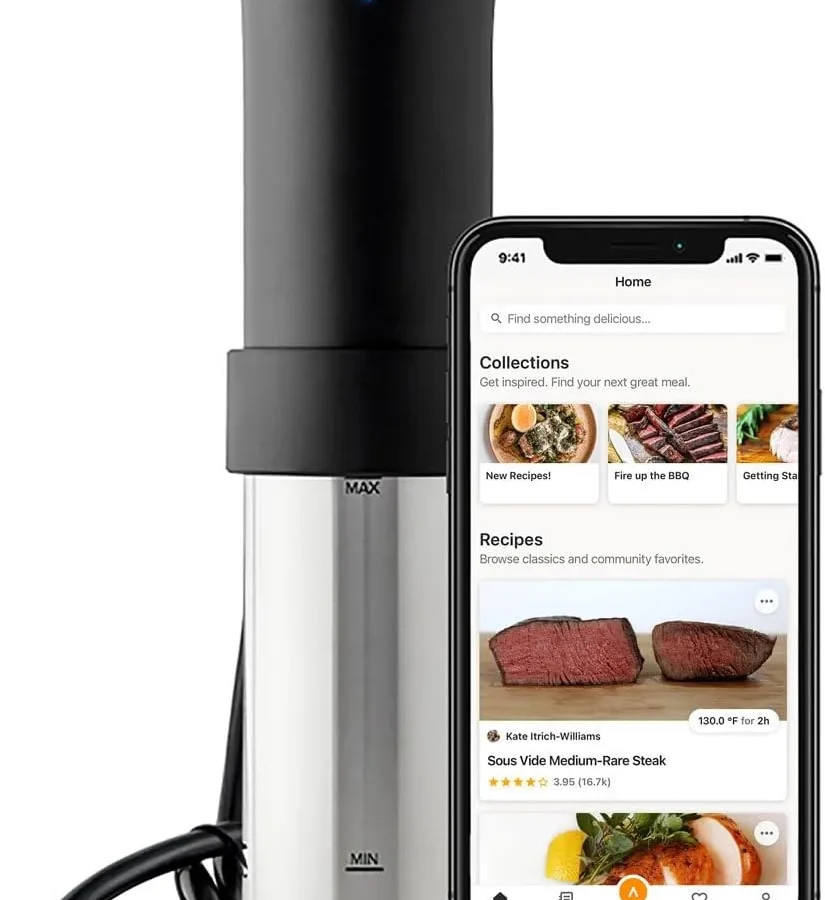
If you've been scrolling through Reddit trying to decide whether the Anova Precision Cooker 3.0 WiFi immersion sous vide cooker is worth buying, you're not alone. The honest answer is that it depends on your cooking habits, your budget, and how much you value app-based control. This isn't a simple yes or no, and the Reddit community has solid arguments on both sides.
Manufacturer specifications indicate the Anova 3.0 delivers 1000 watts of power and holds temperature within ±0.1°C, putting it in the upper tier of home sous vide circulators. As of 2026, it remains one of the most popular choices on the market. But specs only tell part of the story.
Let's dig into what real users report and help you decide if this is the right circulator for your kitchen.
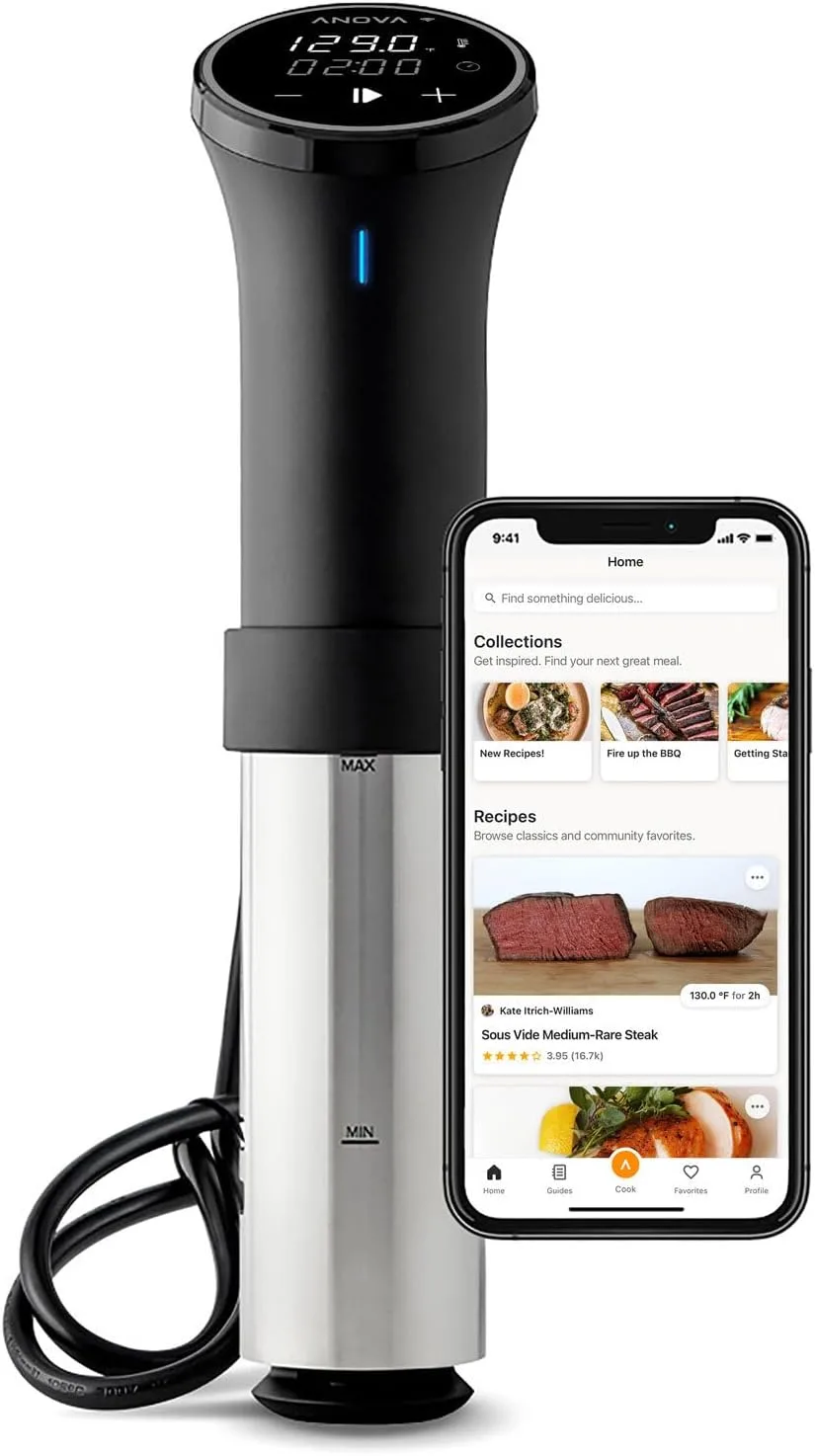
Image source: Web (Bing) / amazon.com (Web image (fair-use with source credit))
Quick Answer
The Anova Precision Cooker 3.0 WiFi is worth buying for sous vide enthusiasts who want app control. It delivers consistent results with accurate temperature regulation. The WiFi features can be unreliable at times.
Budget buyers or those wanting simple operation may prefer a cheaper model.
What Makes the Anova 3.0 Different from Other Sous Vide Cookers?
The Anova 3.0 WiFi sits in a specific spot in the sous vide market. It is not the cheapest option, and it is not the most expensive either. What sets it apart is the combination of WiFi connectivity, solid power output, and a well-developed app ecosystem.
WiFi Connectivity and the App
The biggest differentiator here is the WiFi connection. Many sous vide circulators only offer Bluetooth, which means you need to stay within range of your phone. The WiFi on the Anova 3.0 lets you start, stop, and monitor your cook from anywhere in your house.
You can even check on dinner while you are out running errands.
The Anova app includes a library of guided recipes. You select what you are cooking, and the app sets the temperature and time automatically. It sends notifications when the water is up to temperature and when the cook is finished.
For someone who meal preps or cooks large batches, this is genuinely useful.
Power and Capacity
The unit runs at 1000 watts, which is enough to heat up to 10 gallons of water. That is a serious amount of capacity. You can cook multiple steaks, a whole chicken, or several pounds of vegetables in a single batch.
The heating element is made of stainless steel, which resists corrosion better than some cheaper models.
Temperature Accuracy
Manufacturer specs claim accuracy within ±0.1°C. In practice, aggregate reviews confirm that the Anova 3.0 holds temperature steadily. You will not get temperature swings that ruin a long cook.
A 24-hour brisket or a 48-hour short rib will hold at the exact target temp the whole time.
Build Quality and Noise
The body is mostly stainless steel with a plastic control head. The clamp is adjustable and fits most pot sizes. Users report that the 3.0 is noticeably quieter than the previous generation.
The pump still makes noise, but it is not the loud hum that older models produced.
What It Does Not Include
The Anova 3.0 does not come with a lid, a container, or a vacuum sealer. You need to supply your own pot or plastic tub. Some people use a dedicated sous vide container with a cutout lid, which reduces water evaporation on long cooks.
That is an extra cost to factor in.
In terms of kitchen versatility, sous vide cooking is different from other methods. If you are curious about how other precision cooking tools compare, it is worth understanding the differences between cooking techniques. For example, air frying uses rapid hot air circulation instead of a water bath, and the results are quite different.
You can check out our thoughts on the Ninja AF101 or other air fryer models if you are weighing options. But for now, let us focus on what the Anova 3.0 does well and where it falls short.
The Real Pros and Cons: What Reddit Users Actually Complain About (and Love)
Reddit is a good place to find honest, unfiltered feedback on kitchen gear. The r/sousvide community has thousands of posts about the Anova 3.0. The sentiment is generally positive, but there are consistent complaints that show up again and again.
What Reddit Users Love
Consistent results every time. The number one reason people recommend the Anova 3.0 is reliability. It hits the target temperature and stays there. That is the whole point of sous vide, and the Anova delivers.
App convenience. Users appreciate being able to start a cook from bed or set a timer while they are in another room. The guided recipes are helpful for beginners who are not sure what temperature to use for a particular cut of meat.
Large capacity. Cooking for a crowd is easy with the 10-gallon capacity. Thanksgiving turkey, a big batch of chicken breasts for the week, or a dozen eggs all fit without issue.
Faster preheat than budget models. The 1000-watt element heats water faster than the 800-watt or 900-watt circulators at the same price point. You spend less time waiting for the water to come up to temperature.
Quiet operation. The pump is not silent, but it is low enough that you can run it overnight without it keeping you awake.
What Reddit Users Complain About
WiFi connectivity drops. This is the most common complaint by a wide margin. Users report that the Anova loses connection to the app, sometimes mid-cook. The cooker keeps running at the set temperature, so your food is fine.
But you lose the ability to monitor or adjust remotely. Some users have to re-pair the device multiple times.
App glitches. The Anova app crashes or freezes for some users. Notifications do not always fire. The app interface can be slow to load.
These are software issues, not hardware problems, but they are frustrating when you rely on the app for convenience.
Customer service is hit or miss. Some users report quick replacements when their unit fails. Others describe long wait times and unhelpful responses. The warranty is two years, but getting a replacement can be a hassle.
Price is higher than some alternatives. At around $150 to $200, the Anova 3.0 costs more than several well-reviewed budget circulators. Some users feel the WiFi feature is not worth the premium.
No lid included. This is a minor annoyance, but it adds to the overall cost. A container with a lid can cost another $20 to $40.
Heater element failures. A small but vocal subset of users report that the heating element stops working after a few months of use. This is not widespread, but it comes up often enough to mention. The problem seems more common in earlier production batches.
The Balanced Take
The Anova 3.0 is not a perfect product. No sous vide circulator is. The question is whether the pros outweigh the cons for your specific situation.
If you are the type of person who gets frustrated when an app does not work perfectly, the WiFi issues might bother you. If you mainly use the cooker manually and just want reliable temperature control, the WiFi is a bonus you can ignore.
When comparing kitchen appliances, it helps to think about what you actually need. A deep fryer and a sous vide circulator serve different purposes, but the same logic applies. You can read more about the differences between a dedicated deep fryer and a pot if you want to understand how cooking methods vary.
For now, let us move to the direct comparison with other circulators.
Anova 3.0 vs. the Competition: Joule, Nano, and Budget Options
If you are researching sous vide circulators, you have probably seen the Anova 3.0 compared to the Joule by Breville and the Anova Nano. These are the three most common recommendations on Reddit. There are also budget options from Inkbird, Gourmia, and Monoprice that cost significantly less.
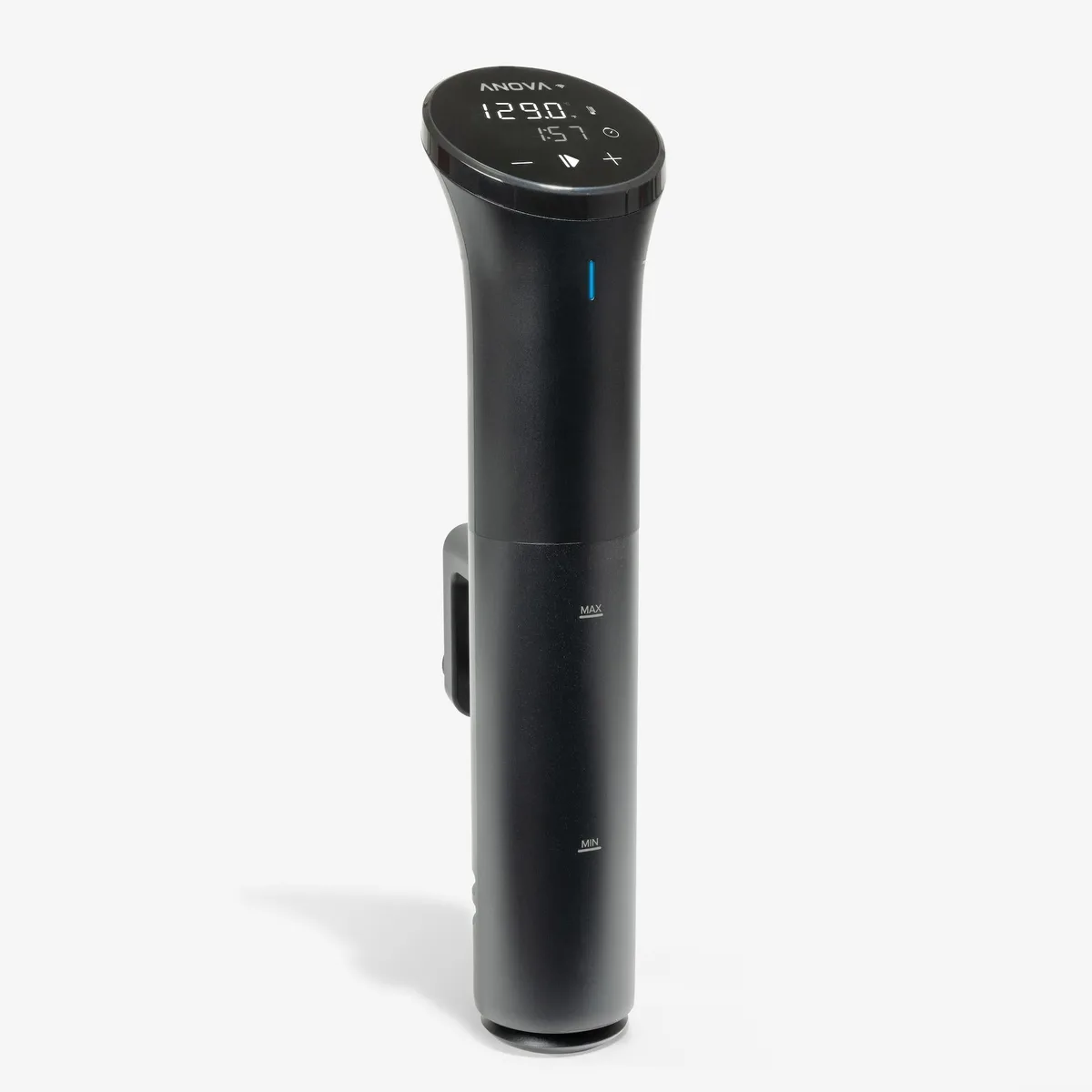
Image source: Web (Bing) / brand.totalfitness.co.uk (Web image (fair-use with source credit))
Anova 3.0 vs. Joule (Breville)
The Joule is the main competitor to the Anova 3.0. It is smaller, more powerful (1100 watts), and heats water faster. The Joule does not have any physical buttons or a display.
You control it entirely through the app. That is a dealbreaker for some people and a feature for others.
| Feature | Anova Precision Cooker 3.0 WiFi | Joule (Breville) |
|---|---|---|
| Power | 1000 watts | 1100 watts |
| WiFi | Yes | Yes |
| Physical controls | Yes (dial + display) | None (app only) |
| App required for operation | No (can use without app) | Yes |
| Water capacity | Up to 10 gallons | Up to 10 gallons |
| Price | ~$150–$200 | ~$180–$200 |
| Warranty | 2 years | 2 years |
Who wins? If you want physical controls and the ability to use the circulator without a phone, the Anova 3.0 is better. If you want a smaller footprint and faster heating, the Joule is better. The Joule also has a more polished app, according to user reviews.
Anova 3.0 vs. Anova Nano
The Anova Nano is the budget-friendly version of the Anova line. It has 750 watts of power and a smaller water capacity (about 5 gallons). The Nano is Bluetooth only, not WiFi.
It is also physically smaller and lighter.
| Feature | Anova Precision Cooker 3.0 WiFi | Anova Nano |
|---|---|---|
| Power | 1000 watts | 750 watts |
| Connectivity | WiFi + Bluetooth | Bluetooth only |
| Range | Anywhere with WiFi | ~30 feet (phone range) |
| Water capacity | Up to 10 gallons | Up to 5 gallons |
| Price | ~$150–$200 | ~$80–$100 |
Who wins? The Nano is a good choice if you cook for one or two people and do not need remote monitoring. The 3.0 is better for larger batches and anyone who wants the WiFi convenience.
Anova 3.0 vs. Budget Options (Inkbird, Gourmia, Monoprice)
Budget circulators cost between $40 and $80. They generally have lower wattage (800 to 900 watts), less accurate temperature control, and no WiFi or app features. They are basic immersion circulators that get the job done.
| Feature | Anova Precision Cooker 3.0 WiFi | Budget Options ($40–$80) |
|---|---|---|
| Power | 1000 watts | 800–900 watts |
| Temperature accuracy | ±0.1°C | ±0.2°C to ±0.5°C |
| WiFi / app | Yes | No |
| Build quality | Stainless steel + plastic | Mostly plastic |
| Warranty | 2 years | 1 year or less |
Who wins? Budget options are fine for occasional use. If you sous vide once a month, save your money. If you cook sous vide weekly or want the convenience of an app, the Anova 3.0 is worth the upgrade.
The Verdict on the Comparison
The Anova 3.0 sits in a sweet spot. It is more capable than budget options and more flexible than the Joule if you want physical controls. The WiFi is a nice bonus, but it is not the main reason to buy this circulator.
Reliable temperature control and good capacity are the real selling points.
If you are comparing different kitchen appliances, you might also be interested in how other cooking tools stack up. For instance, the Ninja AF101 and AF141 have different features that matter depending on your cooking style. The same careful thinking applies here.
Who Should Buy the Anova 3.0 WiFi? (And Who Should Skip It)
Not every cook needs a WiFi-enabled sous vide circulator. Here is how to tell if the Anova 3.0 is right for you.
Buy It If You…
Cook sous vide at least once a week. If you are a regular user, the extra features and reliability are worth the price. The 1000-watt heater and accurate temperature control make a difference over time.
Want to monitor cooking from another room. The WiFi feature is genuinely useful for meal preppers. You can start a cook in the morning, leave the house, and check on it from your phone.
Cook for a family or batch prep. The 10-gallon capacity handles large quantities. You can cook a whole pork shoulder or multiple racks of ribs.
Prefer having physical controls. Unlike the Joule, the Anova 3.0 has a dial and a display. You can set it up without ever opening the app. That matters if you do not always have your phone nearby.
Want a well-supported product. Anova has been in the sous vide space for years. Replacement parts, accessories, and customer support are available. The company is not going anywhere.
Skip It If You…
Sous vide only a few times a year. Spend $50 on a budget circulator. You will get the same basic results without the higher price tag.
Do not care about app features. If you plan to set the temperature manually and walk away, the WiFi is wasted on you. A simpler model will do the same job for less money.
Have a small kitchen with limited storage. The Anova 3.0 is not huge, but it is larger than the Nano or the Joule. If counter space is tight, consider a smaller option.
Are on a tight budget. The Anova 3.0 is a premium product. You can get a fully functional sous vide circulator for half the price. The extra features are nice, but they are not essential.
Get frustrated with tech that does not work perfectly. The WiFi and app have issues. If you are not patient with occasional disconnections or glitches, the manual-only models will be less stressful.
The Decision Framework
Think about your cooking habits honestly. If you are the kind of person who buys a tool and uses it twice, buy the cheap one. If you are the kind of person who dives into a new cooking method and uses it constantly, the Anova 3.0 is a solid investment.
The same logic applies to other kitchen purchases. A deep fryer or an air fryer can be a great addition to your kitchen, but only if you actually use it. You can read about the Ninja SP151 and its features to see how that thinking applies to a different appliance.
The principle is the same: match the tool to your habits, not your aspirations.
Common Setup Mistakes and WiFi Headaches (and How to Fix Them)
The Anova 3.0 is not complicated to set up, but there are a few common pitfalls that trip people up. Knowing these ahead of time saves you the frustration of digging through Reddit threads at 10 PM with a raw steak sitting in the water.
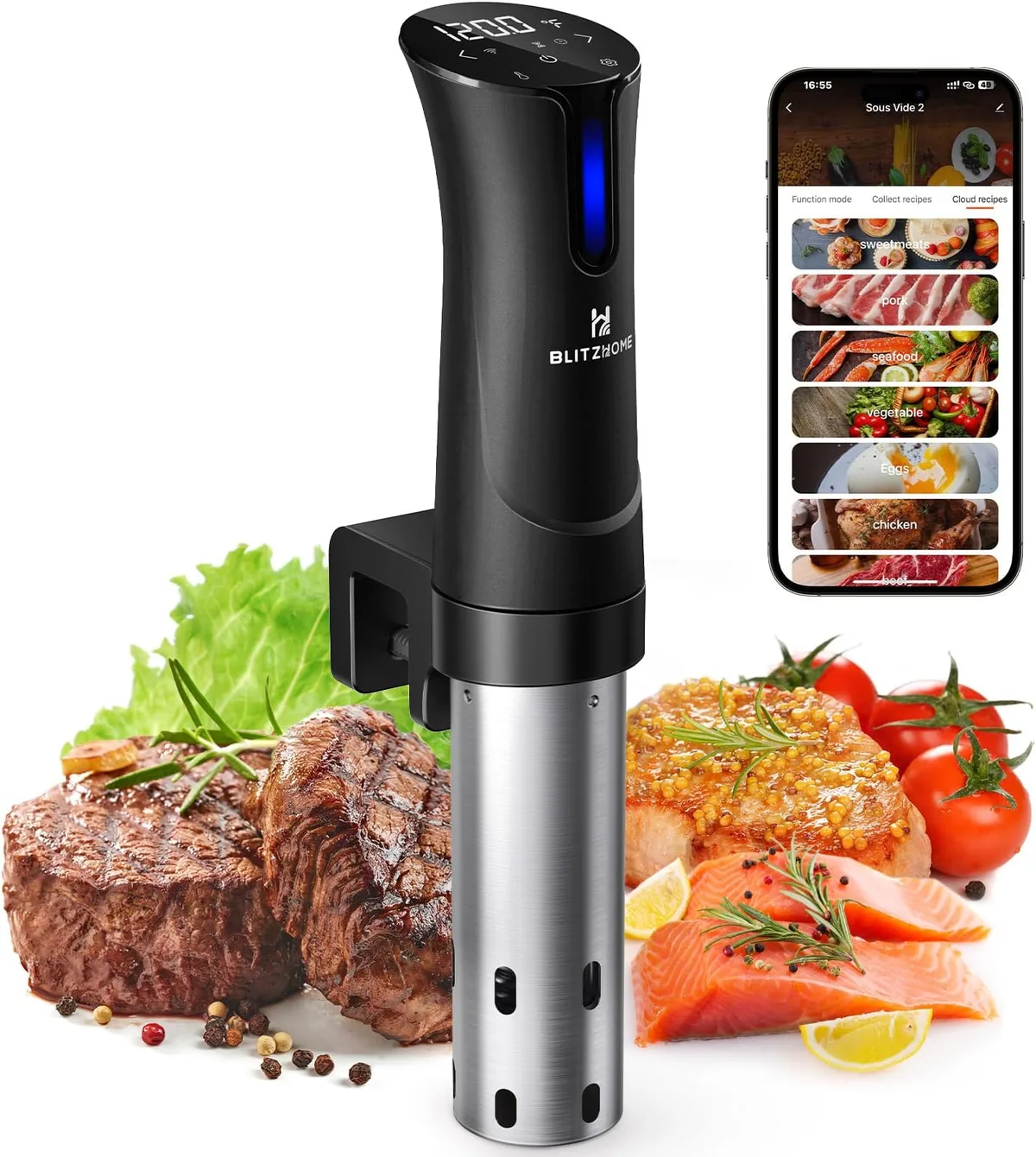
Image source: Web (Bing) / amazon.com (Web image (fair-use with source credit))
The WiFi Pairing Problem
The most frequent complaint is that the Anova 3.0 will not connect to WiFi on the first try. Here is the fix. The unit only works with 2.4 GHz networks, not 5 GHz.
If your router broadcasts both bands under the same name, your phone might connect to the 5 GHz band while the Anova tries to use the 2.4 GHz band.
What to do: Temporarily disable the 5 GHz band on your router during setup. Or move your phone close to the router and force it to connect to the 2.4 GHz network. Once the Anova is paired, it usually stays connected.
If it drops later, a power cycle often fixes it.
Water Level Mistakes
The Anova 3.0 needs a minimum water level to operate safely. The heating element must be fully submerged. If the water level is too low, the unit can overheat or shut off mid-cook.
What to do: Fill your container so the water covers the minimum fill line on the circulator body. That line is about an inch above the heating element. Leave at least an inch of clearance at the top to prevent overflow when you add food.
The Clamp Slip
The clamp that attaches the circulator to your pot can loosen over time. If it slips, the unit can tilt and expose the heating element to air.
What to do: Tighten the clamp screw firmly. Check it after the first few minutes of cooking. The vibration from the pump can loosen a clamp that was not fully tightened.
Ignoring the Descaling Reminder
Mineral buildup from hard water can reduce heating efficiency and eventually damage the element. The Anova app reminds you to descale, but many users ignore it.
What to do: Descale every one to three months depending on your water hardness. Fill a container with a mixture of water and white vinegar (about 1:4 ratio). Run the circulator at 150°F for 30 minutes.
Rinse thoroughly afterward.
Expecting the App to Be Flawless
The Anova app is useful, but it is not perfect. Notifications sometimes fail to fire. The app may crash during a cook.
The circulator itself keeps running at the set temperature, so your food is fine. But if you rely on the app to tell you when the cook is done, set a backup alarm on your phone.
Firmware Updates
The Anova 3.0 receives firmware updates through the app. These updates can fix bugs and improve WiFi stability. But sometimes an update causes temporary connectivity issues.
What to do: Keep the app updated. When a firmware update is available, install it when you are not mid-cook. If an update breaks the connection, a factory reset (holding the dial button for 10 seconds) usually restores functionality.
For general kitchen appliance maintenance, the same principles apply. Keeping your equipment clean and following the manufacturer's instructions extends the life of any tool. If you own a deep fryer, the same advice about oil levels and cleaning schedules applies.
You can read about how to maintain a Presto deep fryer for a similar approach to care.
Key Specs, Pricing, and What You Get for Your Money
Let us talk numbers. The Anova 3.0 WiFi costs between $149 and $199 depending on sales and the retailer. As of 2026, you can find it on Amazon, Anova's own site, and at some kitchen specialty stores.
What Is in the Box
The package includes the circulator unit, an adjustable clamp, a power cord, and a quick-start guide. That is it. No container, no lid, no vacuum sealer, no sample bags.
You need to supply those separately.
Detailed Specifications
| Specification | Anova Precision Cooker 3.0 WiFi |
|---|---|
| Power | 1000 watts |
| Temperature range | 25°C to 99°C (77°F to 210°F) |
| Temperature accuracy | ±0.1°C (±0.2°F) |
| Water capacity | Up to 10 gallons (38 liters) |
| Connectivity | WiFi + Bluetooth |
| Display | LED screen with dial control |
| Dimensions | 14.5 inches tall, 2.5 inches wide |
| Weight | 2.5 pounds |
| Construction | Stainless steel heating element, plastic head |
| Noise level | Approximately 40 to 50 dB |
| Warranty | 2 years |
Hidden Costs to Consider
The purchase price is not the whole picture. Here are the extra costs you will likely encounter:
Container: A dedicated sous vide container with a lid costs about $20 to $40. You can use a large stockpot if you have one, but evaporation is higher without a lid.
Vacuum sealer: A basic vacuum sealer runs $30 to $80. You can use the water displacement method with Ziploc bags, but a sealer gives better results for long cooks.
Bags: Vacuum sealer bags cost about $0.10 to $0.30 per bag. Ziploc freezer bags are cheaper but less reliable for cooks over 12 hours.
Descaling solution: White vinegar is cheap. Commercial descalers cost $5 to $10 per bottle.
Price Compared to Alternatives
The Anova 3.0 sits in the middle of the market. Budget circulators start at $40. The Joule costs about the same as the Anova 3.0.
The Anova Nano is about $50 less.
| Model | Price | Key Difference |
|---|---|---|
| Budget (Inkbird, Gourmia) | $40–$80 | No WiFi, lower accuracy |
| Anova Nano | $80–$100 | Bluetooth only, 750W |
| Anova 3.0 WiFi | $150–$200 | WiFi, 1000W, physical controls |
| Joule (Breville) | $180–$200 | WiFi, 1100W, app only |
Is the Price Justified?
For the price, you get a reliable, well-built circulator with a good app and solid temperature control. The WiFi feature is the main premium over the Nano. If you never use the app, you are paying extra for a feature you will not use.
If you are comparing this to other kitchen investments, consider how often you cook. A high-quality deep fryer can be a worthwhile purchase for frequent use. The same logic applies here.
You can read about the Presto 05420 Frydaddy to see how price and value relate in a different appliance category.
Frequently Asked Questions
How long does the Anova 3.0 take to heat water?
The 1000-watt element heats a standard 6-quart pot to 130°F in about 10 to 15 minutes. Larger volumes take longer. A 5-gallon container takes about 25 to 30 minutes to reach the same temperature.
Can I use the Anova 3.0 without the app?
Yes. The physical dial and display let you set temperature and time manually. The app is optional.
You lose remote monitoring and guided recipes, but the cooker works fine on its own.
Does the Anova 3.0 work with a smart home system?
The Anova 3.0 does not natively integrate with Amazon Alexa or Google Home. You control it through the Anova app only. There is no IFTTT support or voice command capability as of 2026.
What is the warranty on the Anova 3.0?
Anova offers a 2-year limited warranty. It covers manufacturing defects. It does not cover damage from misuse, hard water scaling, or normal wear and tear.
Customer service experiences vary according to user reports.
How do I clean the Anova 3.0?
Wipe the exterior with a damp cloth after each use. Descale the heating element every one to three months using a vinegar solution. Do not submerge the control head in water.
Only the stainless steel shaft can be fully immersed.
Is the Anova 3.0 safe to leave unattended overnight?
Yes, the unit is designed for long cooks. It has overheating protection and automatic shutoff if the water level drops too low. That said, follow basic kitchen safety.
Do not leave it on a flammable surface. Keep the cord away from water sources.
The Bottom Line: Is the Anova Precision Cooker 3.0 WiFi Worth Buying?
Here is the honest answer. The Anova Precision Cooker 3.0 WiFi is worth buying if you are a regular sous vide user who wants the convenience of app control and the capacity to cook large batches. It is a well-built machine with accurate temperature control and a strong community of users behind it.
The WiFi feature is not perfect. It drops connections sometimes. The app has glitches.
But the core function of the circulator, holding temperature precisely for hours, works reliably. That is what matters most in sous vide cooking.
If you are a casual user who cooks sous vide a few times a year, save your money. Buy a $50 budget circulator. You will get the same results without the extra cost and complexity.
If you are somewhere in between, consider the Anova Nano. It gives you the same build quality and temperature accuracy for about half the price. You lose the WiFi and the extra capacity, but you gain simplicity.
The decision comes down to your cooking habits. Be honest with yourself about how often you will use it. A sous vide circulator is a fantastic tool for the right cook.
It is an expensive dust collector for the wrong one.
This is the same advice we give for any kitchen appliance. The Ninja SP351 or the Ninja DZ550 are great machines, but only if they fit your cooking style. The same logic applies here.
Buy the tool that matches your actual habits, not the one you wish you used.
The Anova 3.0 is a good product. It is not the only option, and it is not for everyone. But for the right cook, it is a solid investment that will deliver consistent, restaurant-quality results for years.

Related posts

Crispy Rotisserie Chicken: Temp & Time for Combo Cooker
So you want restaurant quality crispy skin on a whole rotisserie chicken, and you want to do it…
Spray on Crisper Plate? Multi Cooker Safety Guide
So, can you put nonstick cooking spray directly on the crisper plate in a one lid multi cooker…

Clean Your Steam Crisp Lid & Vent Pipe Yellow Grease
That greasy yellow crust inside the steam vent pipe of your onelid multi cooker with steam crisp is…