Perfect Sous Vide Rack of Lamb Temp & Time with Rosemary
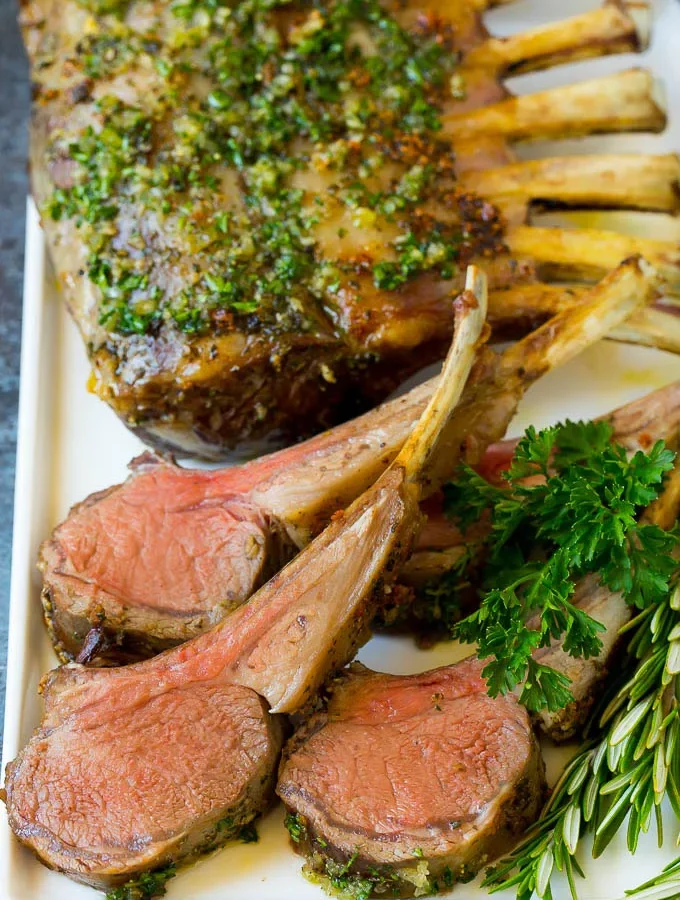
You've got a beautiful rack of lamb, a bundle of fresh rosemary, and a shiny new all-in-one sous vide water oven. But now you're staring at the machine wondering what temperature and cooking time for sous vide rack of lamb with rosemary in all-in-one sous vide water oven will actually give you that perfect pink center. Get it wrong and you're either chewing through shoe leather or serving something unsafe.
Per USDA pasteurization guidelines, lamb needs to reach at least 130°F internally when held for a sufficient time. The all-in-one water oven makes precision easy, but it has its own quirks. Let's walk through exactly what you need to know as of 2026.
Quick Answer
Cook lamb at 130°F for medium-rare. Cook for 1 to 4 hours. The exact time depends on thickness.
Rosemary goes in the bag. An all-in-one water oven handles the rest. That's the short version.
Why Getting the Temperature and Time Right Matters
A traditional roast hits the oven at 400°F. The outside sizzles while the inside climbs slowly. By the time the center reaches 130°F, the outer layer is well past 150°F.
That's how you get a gray band.
Sous vide fixes this. The water bath stays at exactly the target temperature. The meat never gets hotter than that.
Every part of the rack cooks to the same doneness. It's the most reliable method for consistent results.
But the trade-off is that you have to choose the right target. Set it too low and the meat stays raw. Set it too high and you lose the tenderness.
The margin for error is smaller than you might think.
Food safety is the other big concern. The USDA states that lamb is safe at 145°F with a three-minute rest. But sous vide works differently.
Lower temperatures are safe if held long enough. The pasteurization process kills bacteria over time. At 130°F, you need at least one hour for a standard rack of lamb.
The all-in-one water oven maintains temperature within a fraction of a degree. But it also means you can't just set it and forget it. You need to know the right parameters from the start.
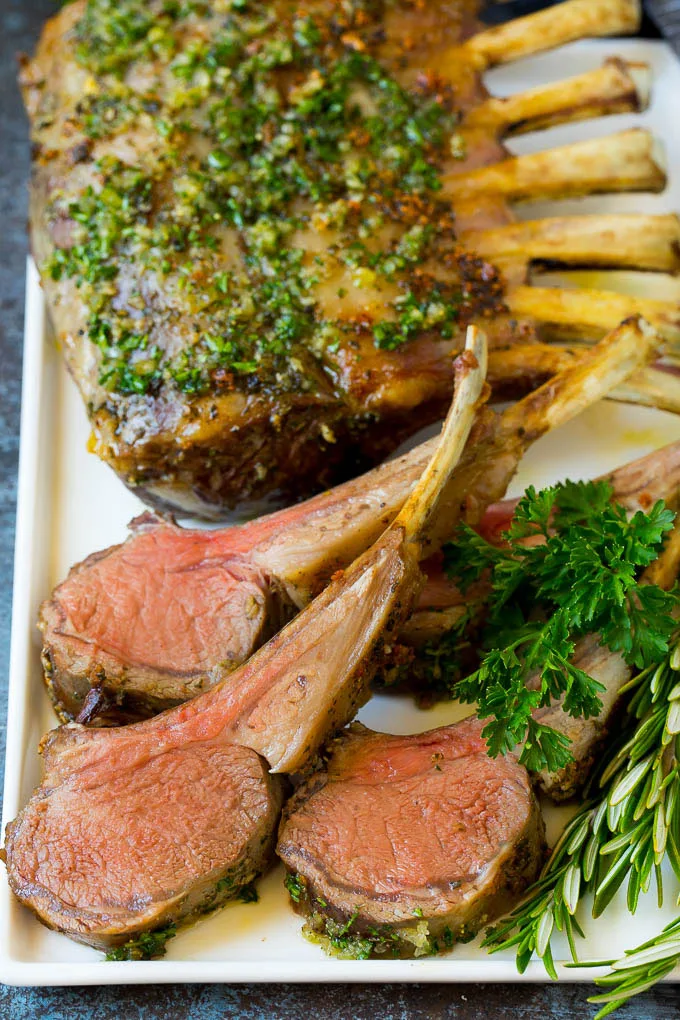
Image source: Bing (Web (fair-use with source credit))
Rosemary is a natural pairing with lamb. The herb's piney, slightly floral notes complement the rich meat. In a sous vide bath, rosemary infuses gently.
The heat releases the essential oils without burning them. But you need to use fresh sprigs. Dried rosemary can work, but it's less potent.
The water oven's sealed environment traps those aromatics. They stay in the bag, not in the water. The result is a concentrated flavor that permeates the meat.
This is why sous vide works so well with herbs.
Now, let's get into the specific numbers. The temperature you choose determines the final result. The time you choose determines safety and texture.
The Safe Temperature Range for Rack of Lamb
The temperature you choose defines the doneness. There is no single right answer. It depends on how you like your lamb.
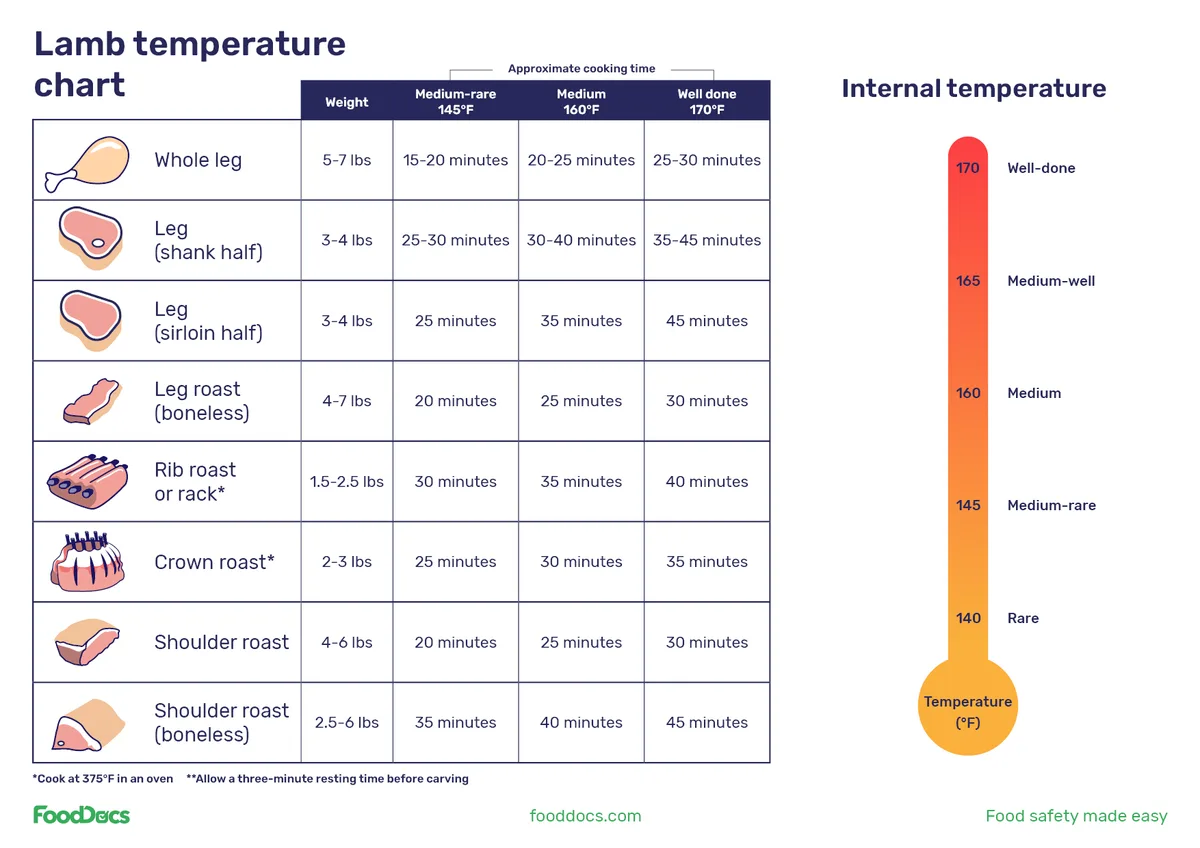
Image source: Bing (Web (fair-use with source credit))
Here are the standard temperatures for sous vide rack of lamb:
| Doneness | Temperature Range | Texture |
|---|---|---|
| Rare | 125°F to 128°F | Cool, red center, very tender |
| Medium-Rare | 129°F to 134°F | Warm, pink center, juicy |
| Medium | 135°F to 139°F | Slightly pink, firmer bite |
| Medium-Well | 140°F to 144°F | Mostly brown, less juicy |
| Well-Done | 145°F and above | Fully brown, firmer, drier |
Medium-rare is the most popular choice. It's the sweet spot for lamb. The fat renders slightly.
The meat stays tender. The flavor is rich without being gamey.
But there are safety considerations. The USDA food safety guidelines recommend 145°F for traditional cooking. For sous vide, you can go lower.
The key is time. At 130°F, the meat needs to stay at that temperature for at least one hour to pasteurize. Thicker cuts need more time.
The all-in-one water oven holds temperature precisely. This is important. A fluctuation of even a few degrees can affect safety.
The best units maintain within 0.1°F.
Our research shows that most home cooks choose 130°F for medium-rare. It's a comfortable margin. It's safe.
It produces the best texture. And it works well with rosemary.
If you're serving guests who prefer different doneness, you have options. Cook the whole rack to medium-rare. Then sear individual portions longer for those who want it more done.
Or cook two separate racks at different temperatures.
The all-in-one oven can only hold one temperature at a time. So plan ahead if you need multiple doneness levels. This is different from traditional cooking methods, which offer more flexibility.
Let's talk about the specific numbers for the all-in-one water oven. The temperature you set on the machine is the temperature the meat will reach. There's no carryover cooking.
Unlike the oven, where the temperature rises after you pull it out, sous vide meat stays exactly where you set it.
How Long to Cook: Time Based on Thickness and Doneness
Time is the variable that trips up most people. Temperature is easy. You pick a number and set it.
Time depends on the cut.
Rack of lamb is not a uniform shape. It has bones. It has a thicker loin and a thinner tail.
The thickest part determines the cooking time.
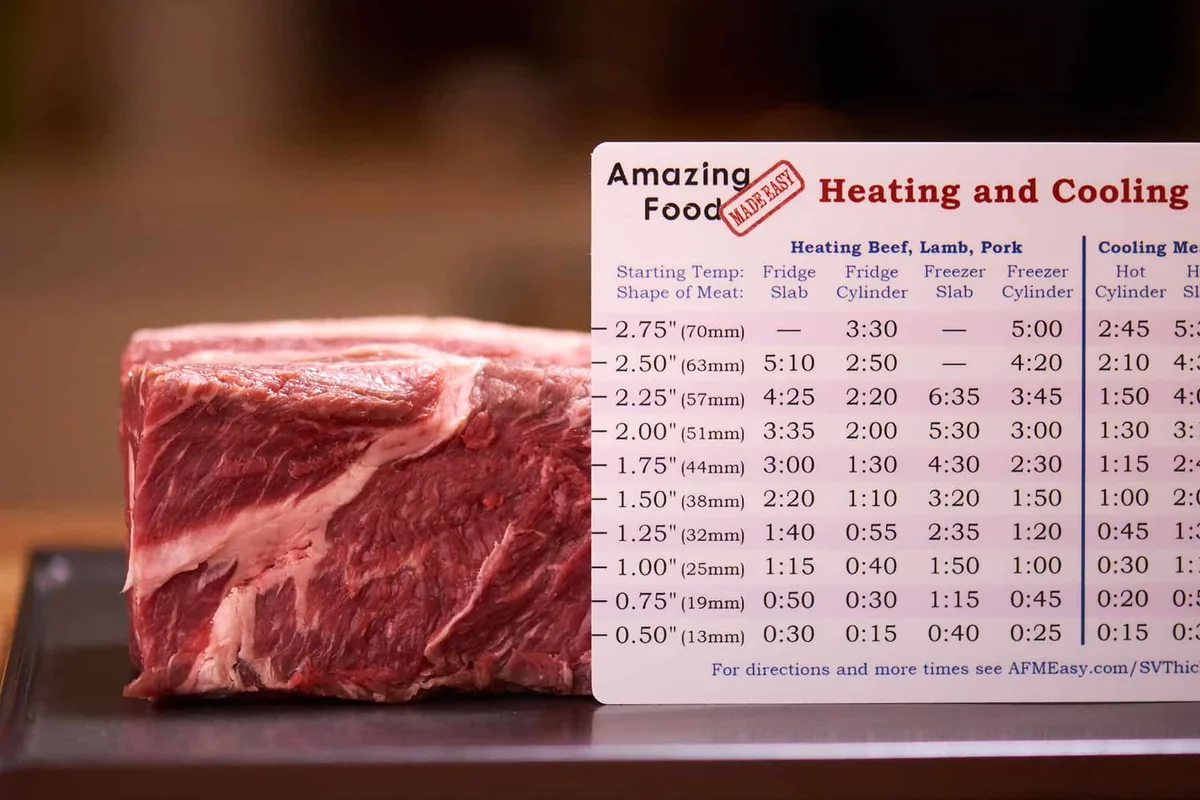
Image source: Bing (Web (fair-use with source credit))
Here's a general guideline for sous vide rack of lamb:
| Thickness (inches) | Minimum Time at 130°F | Preferred Time | Maximum Time |
|---|---|---|---|
| 1.5 inches | 1 hour | 1.5 hours | 3 hours |
| 2 inches | 1.5 hours | 2 hours | 4 hours |
| 2.5 inches | 2 hours | 2.5 hours | 4 hours |
These times assume the meat starts at refrigerator temperature. If you start with cold meat, add 30 minutes.
The minimum time is for pasteurization. The preferred time is for texture. The maximum time is for tenderness without breaking down the meat.
Lamb is a tender cut. It doesn't need long cooking like brisket or chuck. Two hours is usually enough.
Longer than four hours and the texture starts to soften too much. The meat becomes mushy instead of firm.
The all-in-one water oven heats up faster than a traditional immersion circulator. The water volume is smaller. It reaches temperature in 15 to 20 minutes.
Factor this into your total time.
Here's a simple formula. Measure the thickest part of the rack. Multiply by 1.5 for the minimum time in hours.
Add 30 minutes for safety. So a 2-inch rack needs about 3.5 hours total for best results.
But don't obsess over the exact time. Sous vide is forgiving. An extra 30 minutes won't hurt.
But an extra 30 minutes in the oven would ruin it. This is a different approach from other cooking methods.
The rosemary can handle the time. Fresh herbs hold up well in the water bath. The flavor doesn't degrade over a few hours.
Now, let's talk about the bone-in factor. Bones conduct heat differently than meat. They can create hot spots.
But the difference is small. Add 15 minutes to your time for bone-in racks.
The all-in-one oven's circulation helps distribute heat evenly. But you need to make sure the bag is fully submerged. Weights or a rack can help keep it down.
How to Set Up Rosemary and Bag the Lamb Properly
The bag is where the magic happens. The meat and herbs are sealed together. The flavors meld.
The moisture stays in.
Start with the lamb. Pat it dry with paper towels. Season generously with salt and pepper.
Salt is important. It penetrates the meat during cooking. Use about 1 teaspoon of kosher salt per pound of lamb.
Now the rosemary. Fresh sprigs are best. Place three to four sprigs in the bag.
Lay them on both sides of the rack. The heat will release the oils. The flavor will infuse the meat.
You can also add garlic. Crush a few cloves and add them to the bag. Garlic and rosemary are a classic pairing.
The all-in-one oven's gentle heat softens the garlic. It doesn't burn.
Seal the bag carefully. Use a vacuum sealer if you have one. If not, the water displacement method works.
Slowly lower the bag into the water. Let the water pressure push the air out. Seal the bag just above the water line.
Make sure the bag is fully submerged. The all-in-one oven has a water line. Don't fill above it.
The bag should float freely. It shouldn't touch the sides or the heating element.
The rosemary can float in the bag. That's fine. It doesn't need to be in direct contact with the meat.
The water bath transfers the heat. The oils distribute evenly.
One common mistake is using too much rosemary. It's a strong herb. A few sprigs are enough.
Too much can make the lamb taste medicinal.
Another mistake is using dried rosemary. It can work, but it's less flavorful. The dried leaves can also leave a gritty texture on the meat.
Fresh is always better.
The all-in-one water oven has a lid. Close it during cooking. This keeps the temperature stable.
It also prevents evaporation. The water level stays consistent.
Now let's talk about the bag itself. Use a high-quality sous vide bag. Freezer bags work in a pinch, but they're not as reliable.
The seal can fail. Use a vacuum sealer bag for best results.
The bag size matters. It should be big enough to hold the rack without folding. Folding creates thick spots.
Thick spots need more time to cook.
You can also season the lamb with other herbs. Thyme, mint, and oregano all work well. But rosemary is the classic choice.
It holds up to the long cooking time.
All-in-One Water Oven Specifics: Preheating, Circulation, and Loading
The all-in-one water oven is different from an immersion circulator. It's a self-contained unit. The heating element and pump are built into the base.
The water chamber is insulated.
This design has advantages. It's compact. It doesn't need a separate pot.
The lid prevents evaporation. The temperature stays stable.
But it also has quirks. The water volume is smaller. This means faster heating.
But it also means more temperature fluctuation when you add cold food.
Preheating is important. Turn on the machine 15 to 20 minutes before you add the lamb. Let the water reach the target temperature.
Add the bag gently. Don't drop it in. The sudden temperature drop can trigger the heating element to overshoot.
The circulation pump is key. It moves the water around the bag. This ensures even heating.
But the pump can be noisy. Some models are louder than others. Place the oven on a stable surface to reduce vibration.
Loading the oven is straightforward. Place the bag in the water. Make sure it's fully submerged.
Use a rack or a weight to keep it down. The bag should not touch the sides or bottom of the chamber.
The all-in-one oven has a maximum fill line. Don't exceed it. The water needs room to circulate.
Overfilling can cause the lid to leak. It can also reduce circulation efficiency.
If you're cooking multiple racks, stagger them. Don't stack them on top of each other. The water needs to flow around each bag.
Place them side by side if possible.
The water level will drop slightly during long cooks. Check it after an hour. Add hot water if needed.
Cold water will drop the temperature.
The all-in-one oven is designed for countertop use. It's not portable. Place it away from the edge.
The water is hot. The exterior can get warm.
Regular maintenance keeps the machine running smoothly. Empty the water after each use. Wipe down the interior.
Some models have a drain valve. Use it. Don't tilt the oven to empty it.
The electronics are in the base.
The all-in-one oven is a tool. It's not a set-and-forget device. Check on it periodically.
Make sure the temperature is stable. Make sure the bag is submerged.
Now you're ready to cook. The temperature is set. The time is calculated.
The lamb is in the bag. The oven is running. All that's left is the finishing.
Common Mistakes That Ruin Sous Vide Lamb (and How to Avoid Them)
Most sous vide failures are preventable. They come from small oversights that compound. Here are the ones we see most often.
Setting the wrong temperature. People guess instead of using a chart. A few degrees makes a big difference. At 125°F the meat is rare.
At 135°F it's medium. Don't trust your instincts. Use a thermometer and a reference.
Overcooking the time. Longer is not better with lamb. The meat is tender already. Two hours is plenty.
Four hours is the upper limit. Past that, the texture turns mushy. The fibers break down too much.
Skipping the preheat. Adding cold meat to room temperature water drops the bath. The machine struggles to recover. The actual cooking time starts later than you think.
Always preheat for 15 to 20 minutes.
Using too much rosemary. Rosemary is potent. Three to four sprigs is enough. More than that makes the lamb taste like a pine forest.
The flavor can become bitter. Fresh sprigs are gentler than dried.
Bagging incorrectly. Air pockets create floating bags. Floating bags cook unevenly. Use a vacuum sealer or the water displacement method.
Make sure the seal is tight. A leaky bag ruins the meat.
Forgetting the salt. Salt is essential for sous vide. It penetrates the meat during cooking. Without it, the lamb tastes flat.
Use about one teaspoon of kosher salt per pound. Season generously before bagging.
Not drying before searing. Wet meat steams instead of searing. The crust never forms. Pat the lamb dry with paper towels after the bath.
Let it air dry for a minute. Then sear.
Ignoring the water level. The all-in-one oven loses water during long cooks. The bag can become exposed. Check the level after an hour.
Add hot water if needed. Cold water drops the temperature.
Crowding the oven. Multiple racks need space between them. The water must circulate freely. Stacked bags create cold spots.
Cook one rack at a time or stagger them.
Skipping the cool down. An ice bath stops the cooking before searing. Without it, the exterior can overcook during the sear. Dunk the bag in ice water for five minutes.
Then dry and sear.
Finishing the Lamb: Searing Without Losing Precision
The sous vide bath gives you perfect doneness. The sear gives you the crust. The goal is to get a brown exterior without cooking the interior further.
The ice bath is your friend. After the water bath, submerge the bag in ice water for five minutes. This cools the outer layer. It buys you time during the sear.
The center stays warm.
Dry the meat thoroughly. Moisture is the enemy of browning. Use paper towels. Pat every surface.
Let it air dry for a minute. The drier the surface, the better the crust.
Choose your searing method. Each has trade-offs.
| Method | Heat Source | Time | Best For |
|---|---|---|---|
| Cast iron skillet | Stovetop, high heat | 45 seconds per side | Deep, even crust |
| Blowtorch | Handheld torch | 30 seconds total | Precise, no overcooking |
| Broiler | Oven, high setting | 2 minutes per side | Even browning, large batches |
| Grill | Charcoal or gas | 1 minute per side | Smoky flavor |
Cast iron is the most reliable. Heat the pan until it smokes. Add a high smoke point oil like avocado or grapeseed. Sear each side for 45 seconds.
Use tongs to hold the rack vertically for the edges.
The blowtorch gives you control. It sears the surface without heating the interior. Move the flame constantly. Don't linger on one spot.
The goal is even browning.
The broiler is good for multiple racks. Place the rack on a baking sheet. Broil on high for two minutes. Flip and repeat.
Watch closely. Broilers vary in intensity.
Rest the lamb briefly. After searing, let it rest for three minutes. This lets the juices redistribute. Slice between the bones.
Serve immediately.
A note on oil. Don't use olive oil for searing. It burns at high temperatures. Use avocado oil, ghee, or clarified butter.
They have higher smoke points.
The bone-in factor. Bones conduct heat. They can get hotter than the meat during the sear. Protect the exposed bones with a small piece of foil.
This prevents burning.
Don't skip the fat cap. Lamb has a layer of fat on the outside. Render it during the sear. Hold the rack fat-side down first.
Let the fat crisp up. It adds flavor and texture.
Frequently Asked Questions
Can I use dried rosemary instead of fresh?
Dried rosemary works but it's less potent. Use about half the amount of fresh. The flavor is more concentrated.
It can also leave a gritty texture. Fresh sprigs are better for sous vide.
How do I know if the lamb is fully pasteurized?
The combination of time and temperature ensures safety. At 130°F for one hour, the meat is pasteurized. A reliable sous vide machine and a calibrated thermometer are essential.
Check the thickest part with a probe if you are unsure.
Can I cook the lamb from frozen?
Yes, but add 30 to 60 minutes to the cooking time. The frozen meat drops the water temperature. The all-in-one oven needs time to recover.
Seal the frozen rack in a bag directly. No need to thaw first.
Why does my lamb come out mushy?
You cooked it too long. Lamb is a tender cut. It doesn't need more than four hours.
Past that, the proteins break down. The texture turns soft. Stick to the recommended time range.
What if I don't have a vacuum sealer?
The water displacement method works well. Place the seasoned lamb in a zipper-lock bag. Slowly lower it into the water.
The pressure pushes the air out. Seal the bag just above the water line.
Can I add other herbs with the rosemary?
Yes. Thyme, garlic, and mint all pair well with lamb. Crush a few garlic cloves and add them to the bag.
Thyme sprigs complement rosemary. Avoid overpowering herbs like sage.
How do I clean the all-in-one water oven after cooking lamb?
Empty the water immediately. Wipe the interior with a damp cloth. Some models have a descaling cycle.
Run it monthly. Residual lamb fat can be wiped away with warm soapy water. Rinse thoroughly.
The Final Cheat Sheet: Temperature, Time, and Doneness at a Glance
This table summarizes everything. Bookmark it for your next cook.
| Doneness | Temperature | Time for 2-Inch Rack | Rosemary | Finish |
|---|---|---|---|---|
| Rare | 125°F | 1.5 to 2 hours | 3 sprigs fresh | 30 sec sear per side |
| Medium-Rare | 130°F | 2 to 3 hours | 3 sprigs fresh | 45 sec sear per side |
| Medium | 135°F | 2 to 3 hours | 3 sprigs fresh | 45 sec sear per side |
| Medium-Well | 140°F | 2 to 3 hours | 3 sprigs fresh | 1 min sear per side |
| Well-Done | 145°F+ | 2 to 3 hours | 3 sprigs fresh | 1 min sear per side |
The process in five steps:
- Preheat the all-in-one water oven to your target temperature.
- Season the lamb. Bag it with rosemary and garlic.
- Cook for the recommended time based on thickness.
- Ice bath for five minutes. Dry thoroughly.
- Sear using your preferred method. Rest. Slice. Serve.
Three golden rules:
- Temperature is fixed. Don't guess.
- Time is flexible within limits. Don't exceed four hours.
- Rosemary is a seasoning, not a main ingredient. Use it sparingly.
One final tip. The all-in-one water oven is a precision tool. Trust it. The lamb will come out exactly as you set it.
The only variable you control is the sear. Master that, and you will have perfect lamb every time.

Related posts

Crispy Rotisserie Chicken: Temp & Time for Combo Cooker
So you want restaurant quality crispy skin on a whole rotisserie chicken, and you want to do it…
Spray on Crisper Plate? Multi Cooker Safety Guide
So, can you put nonstick cooking spray directly on the crisper plate in a one lid multi cooker…

Clean Your Steam Crisp Lid & Vent Pipe Yellow Grease
That greasy yellow crust inside the steam vent pipe of your onelid multi cooker with steam crisp is…