Oil on Water Stones? Don’t Skip the Soak
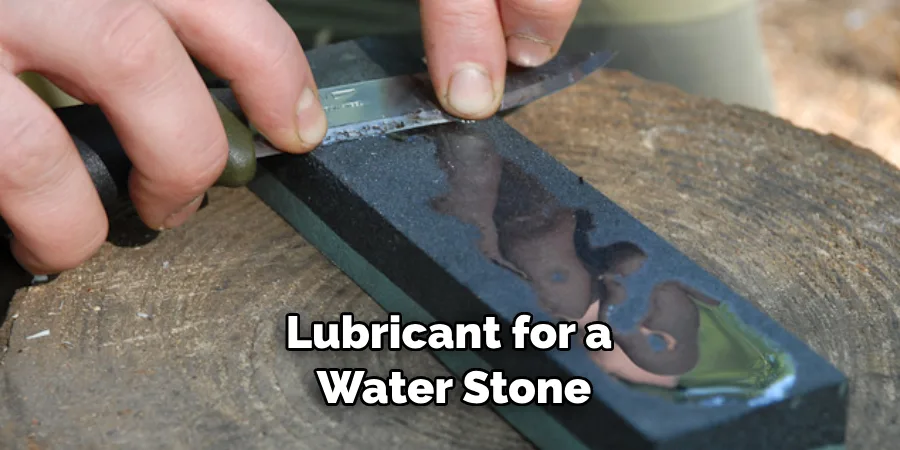
Can you put using oil on water stone or failing to soak stone for 15 minutes in a whetstone knife sharpening water stone set safely? Straight answer: no. Oil on a water stone clogs its pores and ruins the abrasive surface.
A dry stone wears unevenly and cuts far slower than it should. Both mistakes are common, but both are avoidable.
ANSI grit standards classify abrasive grain sizes for every sharpening stone, and manufacturer care guides from Shapton, Naniwa, and King all specify the same key steps. Water stones are designed for water, full stop. Let’s walk through exactly why, what happens when you break the rules, and how to recover if you already did.
Image source: Bing (Web (fair-use with source credit))
Why Mixing Oil and Water Stones Is a Risky Move
Water stones are porous by design. That open structure holds water and releases abrasive grit as you sharpen, creating the slurry that does the actual cutting. The porosity is the whole secret to how these stones work.
Oil ruins that system. Mineral oil, honing oil, or any petroleum-based lubricant seeps into the pores and clogs them. Water can’t push oil out, and soap won’t fully flush it away either.
Once the pores are sealed, the stone stops absorbing water. The slurry never forms, so the blade skates over the surface instead of grinding steel. You lose cutting speed, feedback, and control.
And here’s the bad news. Oil contamination is effectively permanent for most stones. Some people try acetone or degreasers, but the oil bonds with the binder material and resists every solvent you can pour on it.
Aggregate knife sharpening forums and manufacturer documentation agree on the warning. Once oil touches a genuine water stone, you might as well buy a new one.
Signs oil has contaminated your stone:
- Water beads on the surface instead of soaking in.
- No slurry appears after a minute of rubbing the steel.
- The edge feels slippery or glassy during sharpening.
- You see dark, oily patches across the abrasive face.
If you grew up watching someone sharpen with an old oil stone, the confusion makes sense. Both tools get called whetstones. And both are natural or synthetic abrasive blocks that do the same job, more or less.
But the chemistry matters. Oil stones use viscous lubricant to float away metal swarf. Water stones use water to do the same thing, and their binder material is far more porous to make that possible.
Treating them the same is the classic way people ruin a perfectly good water stone.
Oil also moves from stone to knife. If you’re sharpening kitchen knives, that oily residue ends up on the edge and then on your cutting board. It’s not something you want near prepared food, and it dulls the edge as it picks up dust from the kitchen.
Quick Answer: Safe or Not Safe?
Can you put using oil on water stone or failing to soak stone for 15 minutes in a whetstone knife sharpening water stone set safely? Not for a genuine water stone. Oil seals the stone’s pores permanently.
Skipping the soak wears it down faster. Use the right liquid and the right soak time.
Three firm rules cover almost every situation:
- Oil on a water stone: never. It permanently seals the stone’s pores.
- Water stone, no soak: bad. The stone wears unevenly and cuts poorly. Some stones work dry, but standard soaking stones do not.
- Splash-and-go stone: water or a light spray only, and never oil.
If you’re not sure which stone you own, check the box or the manufacturer’s documentation. That single step prevents almost every ruined whetstone.
The “15 minutes” isn’t arbitrary. It lets the binder fully saturate so the stone cuts evenly during a long sharpening session. With a proper soak, you don’t have to re-wet much while you work.
| Liquid or situation | What happens on a water stone |
|---|---|
| Water soak | Soaks in, creates slurry, cuts steel |
| Oil | Clogs pores, stops slurry, skates |
| Dry, no soak | Overheats, wears fast, inconsistent |
The safest option is simple. Confirm your stone type before you ever pick up the knife. A 30 second check beats a ruined stone and a bruised knife.
Water Stone vs Oil Stone: What’s Really Different Under the Surface
The confusion between water stones and oil stones is understandable. They look similar at first glance. Many sellers label both as whetstones.
But under the surface, they’re built differently.
Water stones use a soft, porous binder that releases fresh abrasive grains constantly. The water forms a slurry that cuts fast and leaves a polished edge. The trade-off is that the stone itself wears away quickly, that’s why flattening is so important.
Oil stones are dense and hard. Novaculite, which is Arkansas stone, has a crystalline structure with little room for fluid. The oil works as a carrier, floating away steel particles so the stone doesn’t clog.
Because they’re so hard, oil stones wear slowly and last decades.
The binder material is the difference.
A water stone’s binder absorbs water and releases grit as it goes. An oil stone’s binder barely absorbs anything, that’s precisely why it needs oil to clear swarf. Swap the fluids and everything breaks down.
| Water Stone | Oil Stone | |
|---|---|---|
| Binder | Soft, porous, absorbent | Hard, dense, closed-pore |
| Lubricant | Water or water-based spray | Honing oil, mineral oil |
| Cutting speed | Fast, aggressive | Slower, even bite |
| Stone wear | Rapid, needs flattening | Slow, long-lasting |
| Edge finish | Polished, versatile | Smooth, sharp |
| Best for | Kitchen knives, tools | Straight razors, fine edges |
If someone tells you to toss oil on any stone, they’re thinking of an oil stone. That advice will wreck a water stone in one session.
Some stones are called “oilstone-grade water stones” or vice versa, which makes things worse. Marketing labels on Amazon and box-store shelves muddy the terms.
Even sellers on eBay list Arkansas stones as “whetstones” and Japanese water stones as “oil stones.” Don’t trust the names on the listing. Look at the care instructions instead.
If the package says “soak in water before first use,” it’s a water stone. If it says “apply honing oil generously,” it’s an oil stone. If the listing doesn’t say, that’s a red flag.
Choose a different product.
In our research, the most frequent wallet-damaging mistake comes from hybrid or combination stones. They have a coarse side and a fine side bonded together. Owners assume since one side works with oil, the whole stone does.
That’s wrong. Combination stones are usually water stones too, and oil ruins both faces at once.
The 15-Minute Soak Rule: Fact or Flexibility?
The 15-minute rule is a real specification, not an old wives’ tale. Most Japanese water stone manufacturers state a full soak of 10 to 15 minutes in their care guides. Shapton’s packaging says it.
Naniwa’s does too. King follows the same range for its classic soaking stones.
The soak time exists for a reason. The binder needs to absorb water so the surface stays lubricated while you work. Air trapped in the stone escapes as bubbles.
Once the bubbles stop, the stone is fully saturated and ready to cut.
Skip the soak and you’ll notice it within minutes. Water evaporates from the surface fast, slurry turns to mud, and friction builds.
That friction heats the edge, and on thin Japanese knives, excess heat can soften the hardened steel. It’s a real risk, not a rumor.
Longer soaks won’t hurt most stones. Many sharpeners use 30 minutes for hard finishing stones like a Naniwa 6000. Overnight soaking is safe for most synthetic water stones, but some soft King stones can crack or flake if left underwater too long.
As of 2026, the guidance from those same manufacturers still reads the same: 10 to 15 minutes, then sharpen.
Splash-and-go stones flip the rule. They use a harder, less porous binder, so they cut with water on the surface only. No soaking required.
Shapton’s Pro series and Suehiro’s Cerax series are common examples. If a stone is labeled splash-and-go, ignore the 15-minute rule entirely.
How do you know which type you own?
- Drop water on the surface. If it soaks in within a few seconds, it’s a soaking stone.
- If water beads and runs off, it’s a splash-and-go or oil stone.
- Still unsure? Check the manufacturer’s website. That’s the final authority.
And a warning for the adventurous. Some experienced sharpeners skip the soak on purpose to cut faster with a dry stone. It works in skilled hands.
For everyone else, it produces uneven wear, deep scratches, and excess stone loss. Follow the soak time.
Decision Tree: Match Your Stone and Situation
Now the decision tree. Here’s exactly how to decide what to do, based on the stone you actually own.

Image source: Web (Bing) / storage.googleapis.com (Web image (fair-use with source credit))
Step 1: Identify your stone type
Check the box or the manufacturer’s label first. Look for words like “soaking stone” or “splash-and-go.” If the packaging says nothing, run the water test.
Step 2: Run the water test
Put a few drops of water right on the abrasive face.
- Water absorbs within seconds: you own a true soaking water stone.
- Water beads or sits on top: you have a splash-and-go water stone or an oil stone.
- A thin layer spreads slowly: check again after a minute, then decide.
Step 3: Apply the right rules
| Your situation | The right move | Safe? |
|---|---|---|
| Soaking water stone, used oil | Stop using it; recovery is covered below | No |
| Soaking water stone, soaked under 10 min | Add time, aim for 10 to 15 min total | Not ideal |
| Splash-and-go stone, no soak | Use as is with a water spray | Yes |
| Splash-and-go stone, soaked in water | Usually fine, but unnecessary | Yes |
| Oil stone, used water | Rinse and switch to honing oil | Yes, mostly |
| Oil stone, soaked in water | Dry it out completely and re-oil | Yes, mostly |
Step 4: Proceed with the correct workflow
If you own a soaking water stone, go straight to the next section for the step by step process. If you own a splash-and-go stone, you can also follow the same workflow, just skip the soak and spray the surface as you work. If you own an oil stone, use honing oil or mineral oil and ignore everything about water.
One more check. If you’ve already mixed oil and water on the same stone, don’t guess. Jump to the recovery section before sharpening anything.
Step-by-Step: Soaking, Sharpening, and Drying the Safe Way
First, confirm what kind of stone you own. A soaking water stone needs full submersion. A splash-and-go stone only needs a spray during use.
If you're not sure, wet the surface and watch what happens. Water that soaks in quickly means soak. Water that beads means splash-and-go.
Soak a true water stone for 10 to 15 minutes in clean, room-temperature water. Let it sit until the bubbles stop rising. That's your signal the stone is saturated and ready to cut.
Don't rush this step. A dry stone wears faster and leaves a rougher edge.
Wet the surface and add a few passes with a nagura stone if you want a thicker slurry. Place your knife flat with the edge against the stone. Lift the spine about the width of two coins, then push the edge forward into the stone.
Maintain that angle as you work the full length of the blade.
Rinse the stone with water after sharpening to remove metal swarf and grit. Skip the soap, since it can leave residue in the pores. Stick to water, then blot the stone dry with a towel.
Let it air-dry completely before storing. Damp stones in closed boxes invite mold in humid climates. The same principle behind keeping your gear in good shape applies here.
A clean tool works better and lasts longer.
If your stone shows a dish in the middle, flatten it with a lapping plate or coarse sandpaper on glass. Aggregate reviews say a flat stone is essential for even edges. Flattening also restores cutting speed.
Mistakes That Wreck Whetstones and Knife Edges
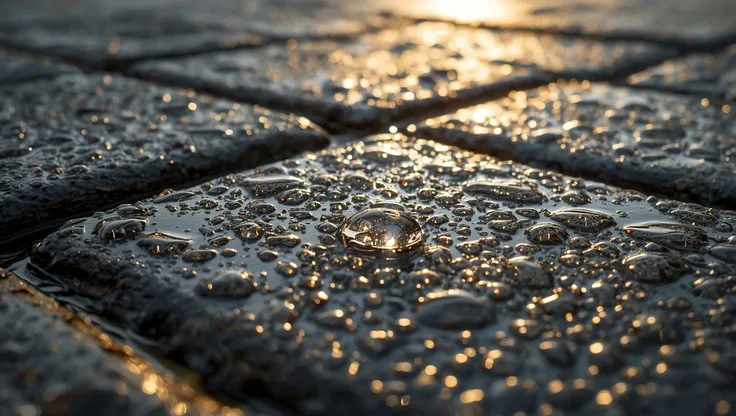
Image source: Bing (Web (fair-use with source credit))
Oil contamination tops the list. One drop of mineral oil permanently seals the pores and ends the stone's useful life.
Over-soaking comes in second. Some soft King stones crack if left underwater overnight. Others flake at the edges.
Always check the manufacturer spec for your exact model.
Sharpening dry produces heat and friction. That wears the stone unevenly, destroys edge geometry, and can soften thin Japanese steel.
Using too much pressure loads the surface with metal particles. The stone stops cutting and starts burnishing. Light passes work better.
Let the abrasive do the work.
Storing a wet stone in a sealed case traps moisture. Mold forms, and the stone starts to smell. Air-dry first, every time.
Skipping flattening is another common killer. A dished stone rounds your knife edge. You fix one problem and create another.
If you're unsure which approach fits your setup, it's like deciding between different cooking methods. You have to check what works best for your situation. A whetstone demands the same attention.
Most of these mistakes are avoidable with one habit. Read the manual before you soak or lubricate anything.
Already Used Oil or Skipped the Soak? Here's Your Recovery Plan
If you poured oil on a water stone, start with dish soap and warm water. Scrub the surface hard. If water still beads after rinsing, the oil bonded with the binder.
Try denatured alcohol or acetone, but expect limited success. Most contaminated stones become unusable.
If your stone never got its 15 minute soak, that's easier to fix. Give it a proper soak, flatten the surface, and test it on a cheap knife. You may need a coarser grit to reset the edge after the uneven wear.
The recovery is straightforward once you know the problem. Treat the stone like any other kitchen tool. It needs the right fluid, the right prep, and the right cleanup.
The same logic applies when following the right cleanup process for other cooking gear.
If the stone looks cracked or delaminated, stop. Toss it and buy a replacement. Cracks create spots where the stone can chip mid-sharpen, which damages the blade too.
If you only used oil accidentally on a splash-and-go stone, skip the solvents. Flush it under running water, then let it dry flat. Test it with water before putting a knife near it.
Verified buyer reports suggest water stone recovery is rare. Oil stones, on the other hand, dry out, get re-oiled, and keep working. That gap is the whole difference between the two materials.
Whetstone FAQs: Soaking, Oil, and Everyday Sharpening
Can I use mineral oil on a water stone?
No. Mineral oil seals the pores and prevents water absorption. The stone stops cutting, and the contamination is nearly impossible to remove.
Use water only for water stones. That's the same mindset as measuring fluids correctly in the kitchen. Don't improvise the liquid.
What happens if I skip the 15 minute soak?
A dry stone heats up fast, sheds grit unevenly, and leaves a rougher edge. It also wears much faster. For a soaking stone, the 10 to 15 minute soak is mandatory.
Splash-and-go stones don't need it at all.
Can I leave a water stone soaking overnight?
Most synthetic water stones survive overnight. Soft King stones may crack, so check the manufacturer guide first. If in doubt, stick to 15 minutes and refresh with water during sharpening.
Overnight soaking is only safe when the documentation says it is.
Is it okay to use water on an oil stone?
Yes, in a pinch. Water won't damage an oil stone, but it doesn't penetrate the dense surface. Sharpening will feel dry and slow.
Switch back to honing oil as soon as you can.
The Bottom Line: How to Keep Your Stones and Knives in Top Shape
Sharpening on a whetstone is a skill worth learning. It's cheap, quiet, and produces edges you can't get from electric sharpeners. But the stone itself needs respect.
Give it the right liquid, the right soak, and the right storage. It will serve you for years. Mistreat it, and you'll be shopping for a replacement before the knife gets sharp.
| Do | Don't |
|---|---|
| Soak traditional water stones for 10-15 minutes | Don't use oil on water stones |
| Use a water spray on splash-and-go stones | Don't soak splash-and-go stones |
| Flatten stones before sharpening | Don't skip flattening |
| Air-dry completely before storing | Don't store wet stones in sealed cases |
The simple rules work for every stone type. Identify what you own, read the manufacturer instructions, and never guess with oil.
Before you buy any new gear, it's like finding reliable recommendations. Get the details right, and the job becomes easy. A water stone is a precision tool.
Treat it that way.

Related posts

Ninja Foodi SmartLid OL701 Worth Buying? Reddit
If you've been scrolling through Reddit asking yourself "is ninja foodi smartlid ol701 one lid multi cooker with…

Crispy Rotisserie Chicken: Temp & Time for Combo Cooker
So you want restaurant quality crispy skin on a whole rotisserie chicken, and you want to do it…
Spray on Crisper Plate? Multi Cooker Safety Guide
So, can you put nonstick cooking spray directly on the crisper plate in a one lid multi cooker…