Lipavi Sous Vide Container with Lid & Rack: Reddit Review
If you've spent any time browsing r/sousvide, you've probably seen the same question pop up: is lipavi sous vide container sous vide container with lid and rack worth buying reddit review? It's a fair thing to ask. The container costs noticeably more than a basic plastic bin, and people want to know if that premium actually pays off.
Many home cooks report that a standard sous vide cook can evaporate 1 to 2 liters of water over 24 hours without a proper lid. That's wasted energy, drifting temperatures, and a circulator running harder than it needs to. The Lipavi aims to solve that exact problem.
Let's break down whether it actually delivers, and for whom.
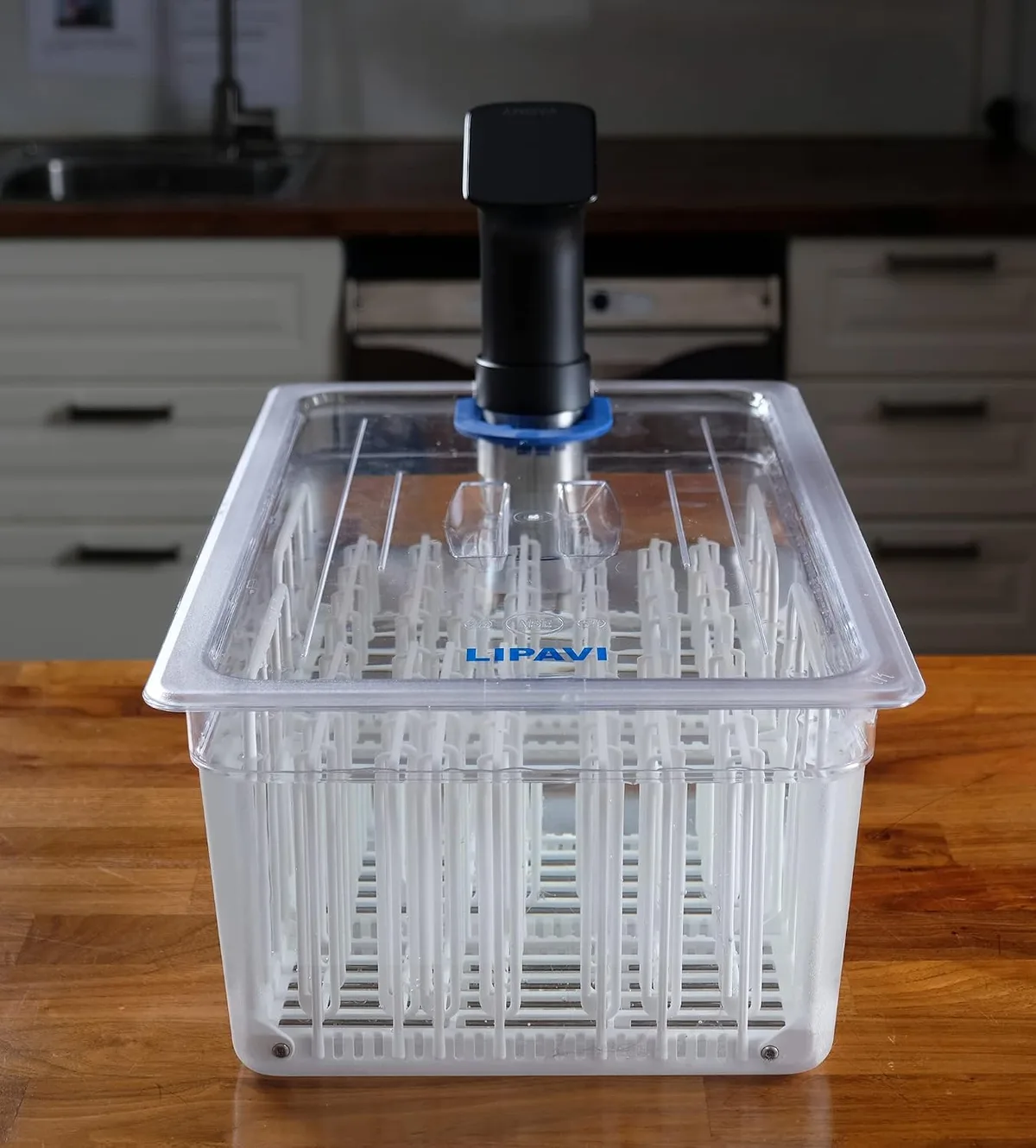
Image source: Bing (Web (fair-use with source credit))
Quick Answer
The Lipavi sous vide container with lid and rack is worth buying for frequent cooks. It reduces water evaporation significantly. The rack keeps multiple bags submerged and separated.
Occasional users may prefer a cheaper DIY option instead.
Why This Comparison Matters
Here's the thing about sous vide containers. You can technically use any heat-safe vessel that holds water. A stockpot works.
A plastic Cambro bin works. Even a cooler works for longer cooks. So why would anyone pay more for a dedicated container?
The answer comes down to three things: evaporation control, bag management, and heat retention.
Evaporation control matters more than most people realize. Without a properly fitted lid, water slowly turns to steam and escapes. Over a 12-hour brisket cook, you might lose half an inch of water. Over 48 hours, you could lose two inches or more.
That means your circulator has to work harder to maintain temperature, and you risk exposing food at the top of the bath. The Lipavi lid is designed to seal tightly around the container and includes a cutout for your immersion circulator. That simple design choice can save you from topping off water at 2 a.m.
Bag management is the second big reason. Anyone who has tried to keep multiple sous vide bags submerged in a stockpot knows the struggle. Bags float. They shift.
They overlap. A rack solves that. The Lipavi rack sits inside the container and holds bags in place, keeping them separated for even water circulation.
That's a small convenience that makes a big difference when you're cooking three different proteins for a meal prep session.
Heat retention is the third factor. A thin-walled plastic bin loses heat faster than a thicker, purpose-built container. The Lipavi uses polycarbonate that's thicker than typical food storage bins. In our research, aggregate reviews suggest that temperature stability improves noticeably with the Lipavi compared to a standard Cambro, especially in cooler kitchens or near drafty windows.
The comparison matters because the alternatives are cheap and easy. That's what makes this a real decision. You're not choosing between this container and nothing.
You're choosing between this container and a $10 bin from the restaurant supply store. The difference is real, but it only matters for certain cooks.
What Exactly Is the Lipavi Sous Vide Container?
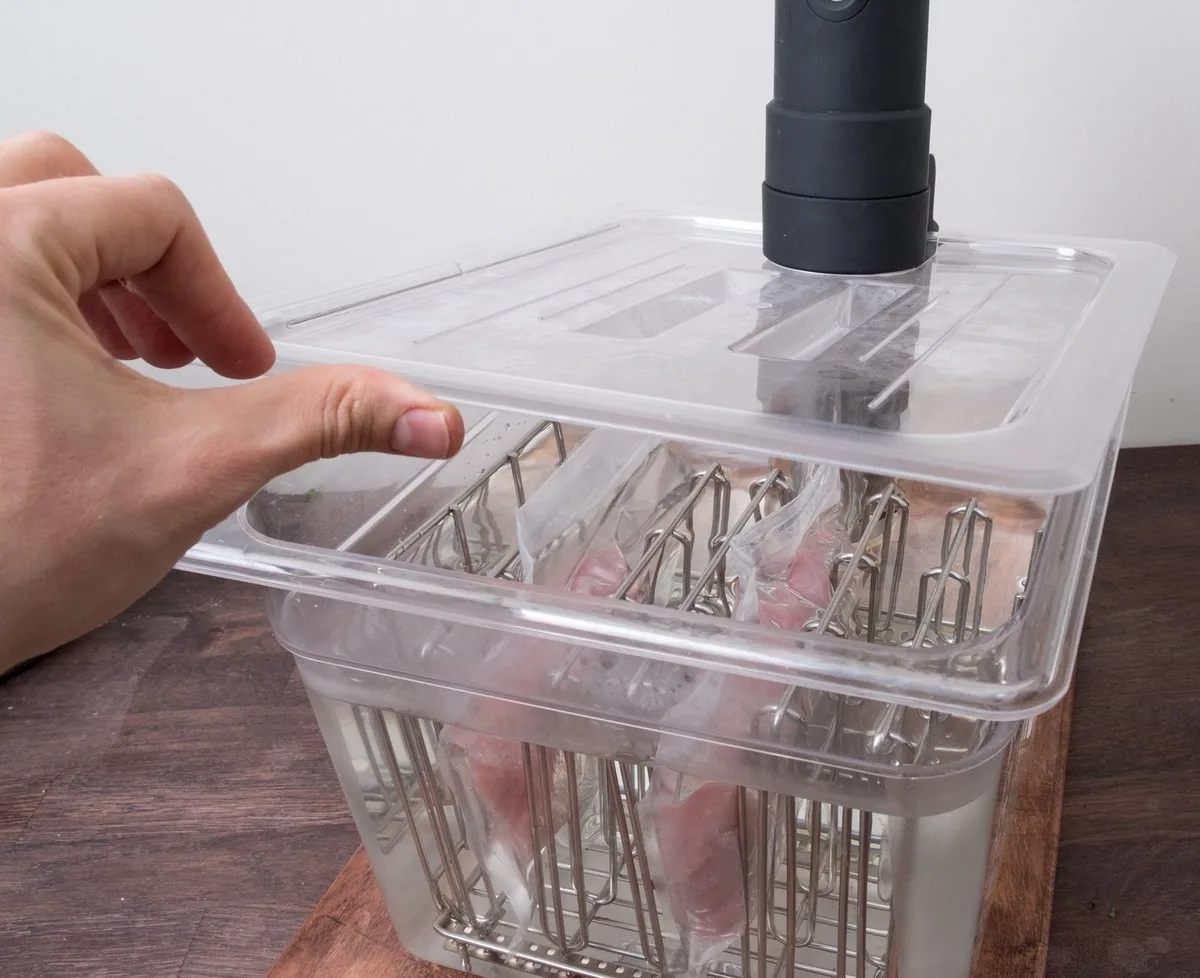
Image source: Bing (Web (fair-use with source credit))
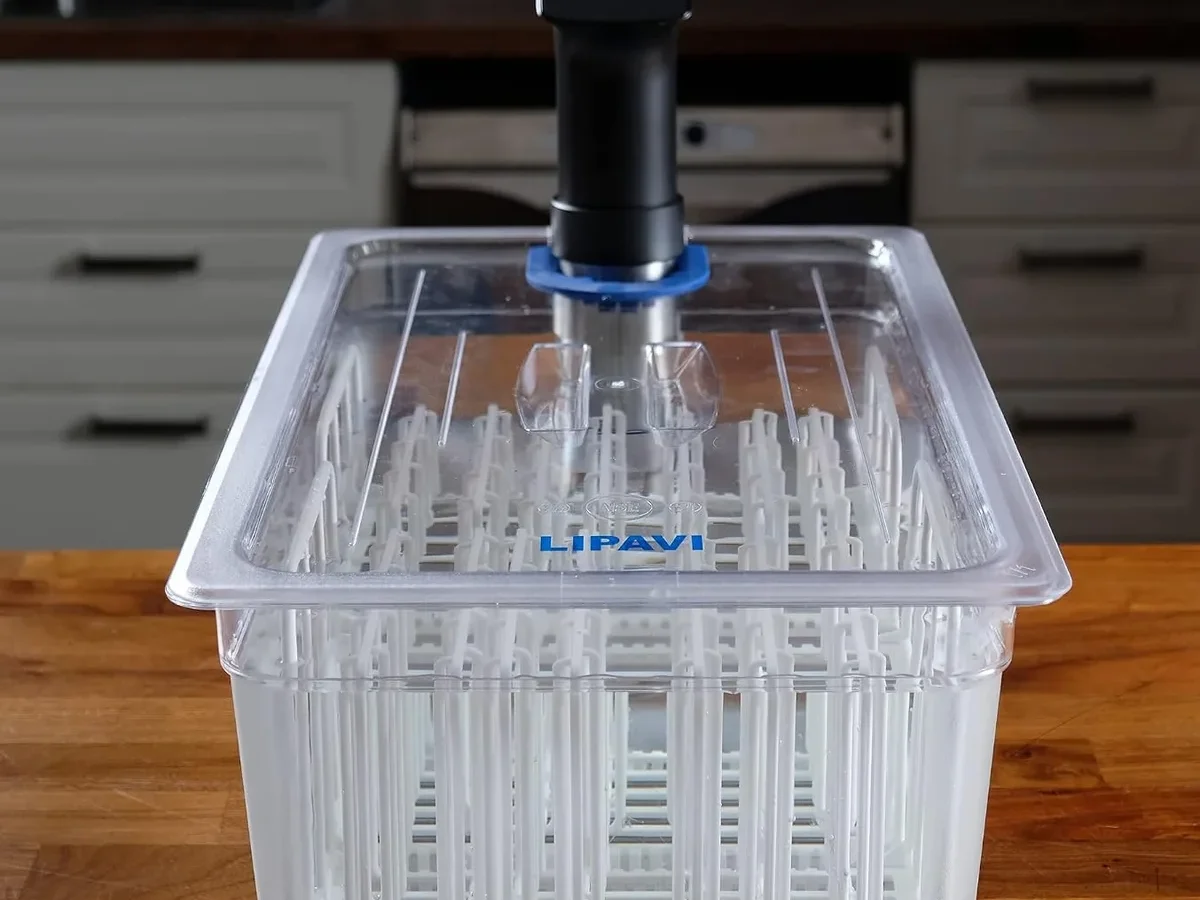
The Lipavi sous vide container is a purpose-built water bath vessel designed specifically for immersion circulators. It comes in several sizes, with the most common being the 12-liter and 18-liter versions. The kit includes three pieces: the container itself, a fitted lid with a cutout for your circulator, and a stainless steel rack.
The container is made from polycarbonate plastic. It's clear, so you can see the water level and your food without lifting the lid. The walls are thicker than typical food storage bins, which helps with insulation and durability.
The container has molded handles on both sides, making it easier to lift when full. A full 12-liter container weighs about 26 pounds, so those handles are not a luxury.
The lid is a tight-fitting polycarbonate cover with a silicone gasket around the edge. There's a pre-cut slot that accommodates most immersion circulators, including the Anova Precision Cooker and Joule. The lid also has a small vent hole to prevent pressure buildup.
Manufacturer specs indicate the lid reduces evaporation by roughly 90 percent compared to an open container. That's a meaningful number for long cooks.
The rack is made of stainless steel. It sits on the bottom of the container and has a series of bars that hold bags in place. The rack is removable for cleaning.
Some versions have a foldable design, while others are rigid. Aggregate reviews indicate that the rack keeps bags submerged without needing heavy clips or magnets.
The whole setup is BPA-free and food-safe. The polycarbonate is rated for temperatures up to 212 degrees Fahrenheit, which covers the full range of sous vide cooking. You won't run into problems even with high-heat cooks like 185-degree vegetables or 195-degree chicken thighs.
One thing to note: the container is not meant for stovetop use. It's designed to work with an immersion circulator only. Putting it on a burner will damage the plastic.
Stick to sous vide, and it will last.
The Real-World Pros and Cons
Let's talk honestly about what this container does well and where it falls short. No marketing spin. Just what buyers report.
What it does well:
- Lid seal is excellent. The silicone gasket creates a tight seal. Aggregate reviews consistently report minimal water loss, even on 48-hour cooks. One user in a forum noted losing less than half a cup of water over a 36-hour brisket cook. That's impressive.
- Rack is genuinely useful. The stainless steel rack keeps bags separated and submerged. It eliminates the need for binder clips, magnets, or heavy spoons to weigh down bags. If you cook multiple items at once, this alone is worth considering.
- Build quality is solid. The polycarbonate feels durable. It doesn't flex or warp under heat. The handles are molded into the container, not glued on, so they won't break off.
- Clear sides are helpful. Being able to see the water level and food without opening the lid is a real convenience. You can check for evaporation at a glance.
- Stackable design. When not in use, the container stacks with other Lipavi containers. The lid fits snugly for storage.
Where it falls short:
- Price is the biggest drawback. The Lipavi container costs significantly more than a Cambro of similar size. As of 2026, the 12-liter kit runs roughly $50 to $70 depending on the retailer. A Cambro bin with a lid and a separate cooling rack might cost $25 total. That price gap is real.
- Size can be limiting. The 12-liter version is fine for most home cooks, but it's tight for large cuts. A whole pork shoulder or a large brisket may not fit without trimming. The 18-liter version solves that, but it takes up more counter space.
- Lid cutout is not universal. While the lid fits most popular circulators, it doesn't fit every model perfectly. Some users report that the cutout is too narrow for certain circulators, requiring modification. Check compatibility before you buy.
- Rack can be finicky. The stainless steel rack works well for most bags, but it doesn't hold vacuum-sealed bags as securely as some users would like. Bags can shift if the water circulation is strong. Some users add a small weight on top of the rack.
- Cleaning around the rack. The rack sits on the bottom of the container, and bits of food or sediment can get trapped underneath. You need to remove the rack and clean the bottom separately. It's not a hassle, but it's an extra step.
The honest trade-off:
You're paying for convenience and performance. The Lipavi does everything a cheaper setup does, but it does it better. Whether that's worth the extra money depends on how often you cook and how much you value the improvements.
How It Stacks Up Against the Alternatives
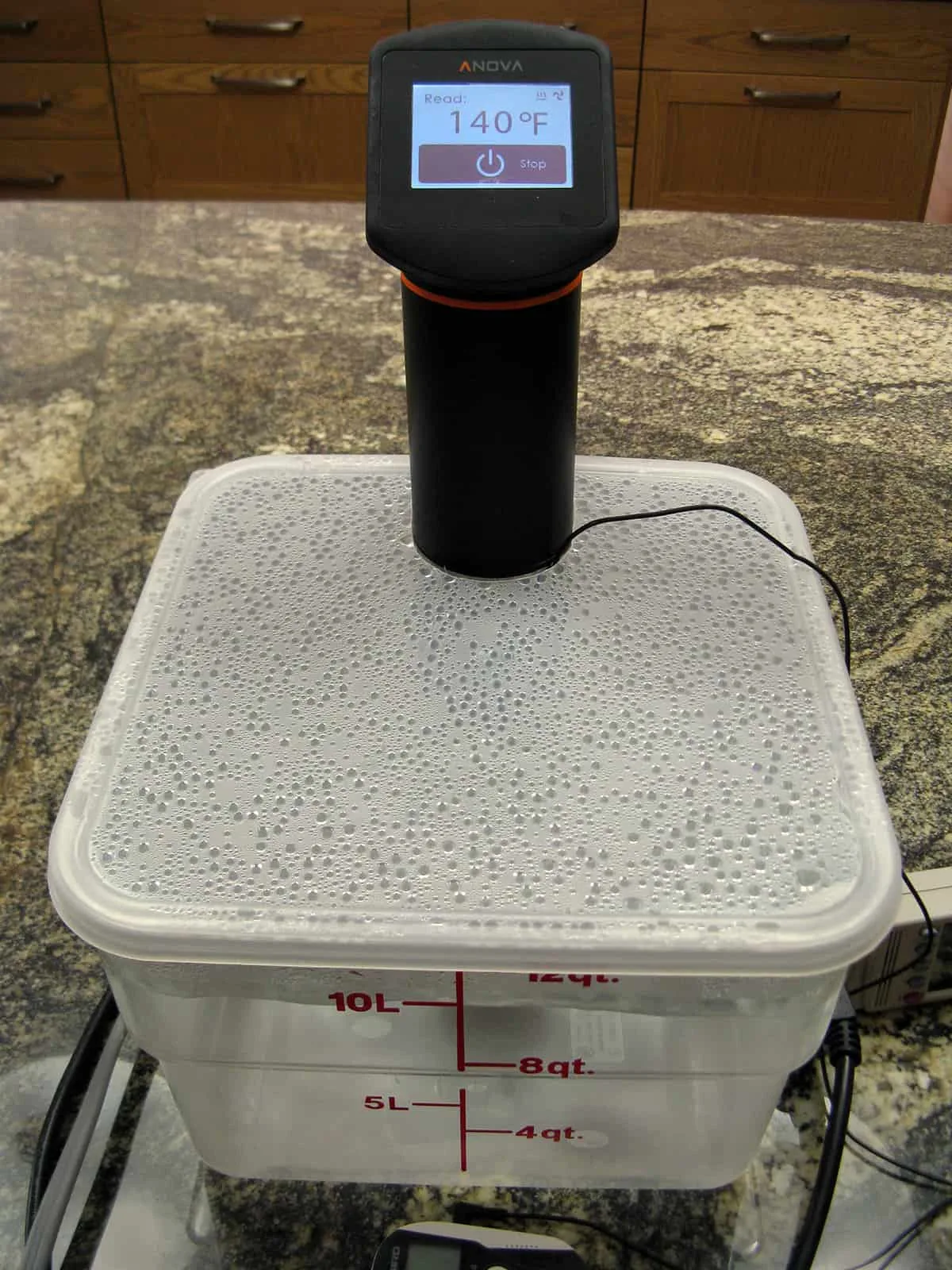
Image source: Bing (Web (fair-use with source credit))
The most common alternative to the Lipavi is the Cambro food storage container. It's the default choice for many sous vide enthusiasts, and for good reason. Cambro bins are cheap, widely available, and food-safe.
A 12-quart Cambro with a lid costs about $15 to $20. Add a cooling rack from the dollar store, and you have a functional sous vide setup for under $25.
But there are differences that matter.
Lipavi vs Cambro:
| Feature | Lipavi | Cambro |
|---|---|---|
| Material | Polycarbonate, thick walls | Polycarbonate, thinner walls |
| Lid | Tight seal with silicone gasket | Basic snap-on lid |
| Rack | Included stainless steel rack | Not included |
| Handles | Molded handles | No handles |
| Lid cutout | Pre-cut for circulator | No cutout (you cut it) |
| Heat retention | Better due to thicker walls | Less effective |
| Evaporation | Minimal | Moderate |
| Price (12L kit) | $50-$70 | $15-$25 plus extras |
| Stackable | Yes | Yes |
Lipavi vs other dedicated containers:
There are other purpose-built sous vide containers on the market, including the Everie and some generic brands. Most follow a similar design: clear container, fitted lid, rack. The Lipavi generally rates higher for lid seal quality and rack durability.
Aggregate reviews note that the Lipavi lid is noticeably tighter than budget alternatives.
Lipavi vs stockpot or cooler:
A stockpot works in a pinch, but it lacks a lid designed for a circulator. You end up with a gap between the pot and the lid, which lets steam escape. A cooler is excellent for heat retention, but it's bulky and opaque.
You can't see the water level or the food. Both are functional but less convenient.
The bottom line on alternatives:
If you cook sous vide once a month or less, the Cambro is the smarter choice. It's cheap, it works, and you can always upgrade later. If you cook weekly or more, the Lipavi starts to make sense.
The better lid seal, rack, and heat retention add up over time.
One more thing to consider. The Lipavi is a known quantity. You know the lid fits, the rack works, and the container is the right size for standard circulators.
With a DIY setup, you're guessing. You might cut the wrong size hole in the lid. You might pick a rack that doesn't fit.
The Lipavi removes that guesswork.
Who Should Buy It (and Who Should Skip)
Not everyone needs a dedicated sous vide container. Here's how to decide which camp you're in.
Buy it if:
- You cook sous vide at least once a week. The convenience and performance improvements become meaningful with regular use. You'll appreciate the lid seal, the rack, and the heat retention.
- You do long cooks. Anything over 12 hours benefits from the Lid's evaporation control. Not having to check water levels in the middle of the night is a real advantage.
- You cook multiple items at once. The rack keeps bags separated, which means more even cooking and less hassle. If you're meal prepping for a family, this is valuable.
- You value counter space. The Lipavi is compact and stackable. It takes up less room than a stockpot and looks cleaner on the counter.
- You want a clean, organized setup. There's something satisfying about having a dedicated container with everything you need. It's one less thing to think about.
Skip it if:
- You cook sous vide a few times a year. The extra cost isn't justified for occasional use. A Cambro or stockpot will serve you fine.
- You're on a tight budget. The $40 to $50 price difference can buy a lot of ingredients. Put that money toward better cuts of meat instead.
- You only cook small items. If you're mostly doing eggs, chicken breasts, or single portions, a smaller container or even a pot is sufficient.
- You have a large cooler you already use. Many people use a cooler for sous vide with excellent results. If that works for you, don't fix what isn't broken.
The gray area:
Some people fall in between. They cook every few weeks and want a better experience but aren't ready to spend $60. For those cooks, the best move is to start with a Cambro and see how often you actually use it.
If you find yourself wishing for better lid fit or a rack, then upgrade to the Lipavi later. You won't lose much money on the Cambro, and you'll know for certain that the upgrade is worth it.
If you're interested in comparing different cooking vessels and their performance, check out our guide on comparing different cooking vessels for more context. And if you're looking for other countertop appliance reviews, we've covered several options that might help round out your kitchen setup.
The Most Common Mistakes People Make
Even a good container won't fix bad technique. Here are the mistakes that show up most often in user feedback.
Buying the wrong size for your circulator. The lid cutout is designed for standard circulators, but not all models sit the same way. Some circulators have a wider clamp or a deeper body. If your circulator doesn't fit snugly, steam escapes through the gap.
Measure your circulator's mounting bracket before you buy. The manufacturer's website lists compatible models, but double-check with your specific version.
Ignoring the lid fit. The silicone gasket needs to sit flush against the container rim. If it's crooked or pinched, the seal breaks. Take a second to run your finger along the gasket after closing the lid.
A small gap can cause noticeable water loss over a long cook.
Assuming the rack works for all bag types. The stainless steel rack holds vacuum-sealed bags well, but it's less effective with zipper-lock bags. Zipper bags are thicker and more buoyant. They can slip through the rack bars or shift during cooking.
If you use zipper bags, add a small weight on top or use binder clips to secure them.
Overlooking the water level. The container has a maximum fill line, but many people ignore it. Filling too high causes water to spill when you add food. Filling too low means the circulator might suck air.
Mark the ideal water level with a piece of tape after you find the sweet spot.
Neglecting cleaning. The rack sits on the bottom, and small bits of food can collect underneath. If you don't remove and clean the rack regularly, sediment builds up. That can affect water circulation over time.
A quick rinse after each use is enough. A deeper clean every few weeks keeps everything running smoothly.
Not preheating the water. Some people drop food in cold water and let the circulator heat everything together. That's fine for short cooks, but for long cooks, it adds unnecessary time at unsafe temperatures. Fill the container with hot tap water to speed up the preheat.
Your circulator will reach temperature faster, and your food spends less time in the danger zone.
Pricing, Specs, and What to Look For
As of 2026, the Lipavi sous vide container kit typically runs between $50 and $70 depending on the size and retailer. Here's what you get for that price.
Key specs to know:
| Specification | 12-Liter Version | 18-Liter Version |
|---|---|---|
| Internal dimensions | 14.5 x 9.5 x 8.5 inches | 17.5 x 11.5 x 10 inches |
| Weight (empty) | 3.2 pounds | 4.1 pounds |
| Max temperature | 212°F | 212°F |
| Material | Polycarbonate | Polycarbonate |
| Lid type | Silicone gasket seal | Silicone gasket seal |
| Rack material | Stainless steel | Stainless steel |
| Price range | $50-$60 | $60-$70 |
What to look for when buying:
- Check your circulator compatibility. The lid cutout is about 3.5 inches wide. Most Anova and Joule models fit. Some older or larger circulators may not. Measure before you buy.
- Decide on size based on your typical cook. The 12-liter fits most home cooks. It handles a whole chicken or a few steaks. The 18-liter is better for large cuts like brisket or multiple racks of ribs.
- Look for a reputable seller. Counterfeit or knockoff containers exist. They use thinner plastic and cheaper gaskets. Buy from the manufacturer's official store or a trusted retailer.
- Consider the warranty. The Lipavi typically comes with a one-year warranty. Some sellers offer extended coverage. Read the fine print before purchasing.
The value question:
At $50 to $70, the Lipavi is not cheap. But it's also not expensive compared to other kitchen gear. A good chef's knife costs more.
A quality blender costs more. If you cook sous vide regularly, the Lipavi pays for itself in convenience and reduced evaporation. The lid alone saves you from babysitting long cooks.
That's worth something.
If you're comparing different kitchen appliances and their value, our piece on choosing the right cooking vessel might help you think through the trade-offs. For a broader look at countertop tools, we've covered several appliance comparisons that apply similar logic to different gear.
Real-World Scenarios: When It Shines and When It Falls Short
Let's walk through some common cooking situations and see how the Lipavi performs.
Long cooks (24 to 72 hours): This is where the Lipavi earns its keep. The lid seal reduces evaporation to almost nothing. You can start a brisket on Friday evening and not touch it until Sunday lunch.
The rack keeps the bag submerged and separated from other bags. Temperature stability is excellent due to the thicker walls. If you do long cooks regularly, the Lipavi is a clear upgrade over a basic bin.
Meal prepping for a family: Cooking multiple proteins at once is common for meal prep. The 12-liter container fits about four to six portions depending on the cut. The rack keeps bags from overlapping, so heat circulates evenly.
You can cook chicken breasts, pork chops, and vegetables at the same time. Just make sure they all need the same temperature. The Lid's seal keeps the water level steady for the whole cook.
Cooking large cuts like brisket or pork shoulder: This is where the 12-liter can feel cramped. A whole brisket flat fits, but a full packer brisket may need trimming. The 18-liter version is better for big cuts.
The rack still works, but the bag may rest against the side of the container. That's fine for heat transfer, but it reduces the benefit of the rack.
Small kitchens with limited counter space: The Lipavi is compact, but it still takes up about 14 by 10 inches of counter space. That's similar to a large toaster. If you have a tiny kitchen, consider whether you can leave it out or if you'll need to store it after each use.
The stackable design helps, but it's not zero space.
Impressive meals for guests: The clear sides let you show off. Guests can see the food cooking in the water bath. It looks professional and intentional.
The lid keeps things tidy, and the rack means you don't have clips or magnets hanging off the side. It's a clean, polished setup.
Quick weeknight dinners: If you're just cooking a couple of salmon fillets or a few chicken breasts, the Lipavi is overkill. A stockpot works fine. The container takes longer to preheat than a smaller pot.
For quick cooks, the extra steps aren't worth it.
Frequently Asked Questions
Is the lid really necessary for sous vide?
Yes, for long cooks. The lid reduces evaporation by roughly 90 percent compared to an open container. For cooks under four hours, the difference is minor.
For overnight or multi-day cooks, the lid is essential for maintaining water level and temperature stability.
Can I use this container with any immersion circulator?
Most standard circulators fit, but not all. The lid cutout is about 3.5 inches wide. Anova, Joule, and most Breville models work.
Some larger or older circulators may require modification. Check the manufacturer's compatibility list before buying.
How do I clean the Lipavi container properly?
Rinse with warm soapy water after each use. Remove the rack and clean underneath it. The container is dishwasher safe, but hand washing preserves the silicone gasket.
Avoid abrasive scrubbers that could scratch the polycarbonate.
Will the rack rust over time?
The rack is stainless steel, so it resists rust. However, if you leave it in water for days at a time, you may see some discoloration. Dry it after each use to keep it looking new.
Minor surface staining is cosmetic and does not affect performance.
Is it worth the premium over a basic bin?
For frequent cooks, yes. The better lid seal, included rack, and thicker walls justify the price. For occasional cooks, a Cambro bin with a DIY lid is a better value.
The Lipavi is a luxury, not a necessity.
The Bottom Line: Is It Worth Buying?
Here's the short answer. The Lipavi sous vide container with lid and rack is worth buying if you cook sous vide regularly and value convenience. It's not worth buying if you cook rarely or want to save money.
A simple decision framework:
- Cook sous vide weekly or more? Buy it.
- Cook sous vide monthly or less? Skip it.
- Do long cooks (over 12 hours) often? Buy it.
- Only cook small portions quickly? Skip it.
- Hate babysitting water levels? Buy it.
- On a tight budget? Skip it.
The Lipavi does exactly what it promises. It reduces evaporation, keeps bags organized, and maintains temperature well. The build quality is solid.
The price is fair for what you get.
But it's not magic. A $15 Cambro with a cut lid and a dollar store rack will cook the same food. The difference is in the experience, not the outcome.
If you enjoy the process and want a cleaner, more reliable setup, the Lipavi delivers. If you just want dinner on the table, save your money.
For most home cooks, the smartest path is to start with a cheap setup. See how often you actually use sous vide. If you find yourself cooking more and wishing for a better lid and rack, then upgrade.
The Lipavi will still be there. And you'll know exactly why you want it.

Related posts

Crispy Rotisserie Chicken: Temp & Time for Combo Cooker
So you want restaurant quality crispy skin on a whole rotisserie chicken, and you want to do it…
Spray on Crisper Plate? Multi Cooker Safety Guide
So, can you put nonstick cooking spray directly on the crisper plate in a one lid multi cooker…

Clean Your Steam Crisp Lid & Vent Pipe Yellow Grease
That greasy yellow crust inside the steam vent pipe of your onelid multi cooker with steam crisp is…