Is It Safe to Overfill Water Past the Line in a 3-Cup Rice
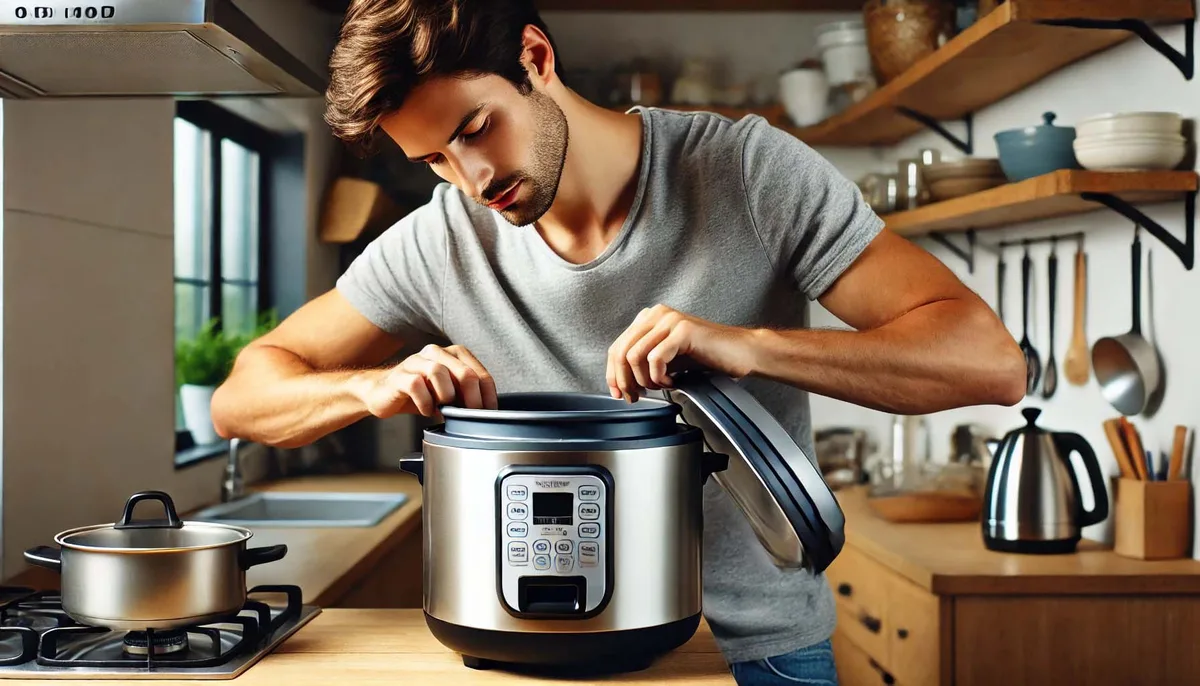
No, you cannot safely put overfilling water past the inner cup gauge line in a compact 3 cup small rice cooker. That line isn't just a suggestion, it's a safety limit engineered into the appliance. Exceeding it risks overflow, electrical damage, and even fire.
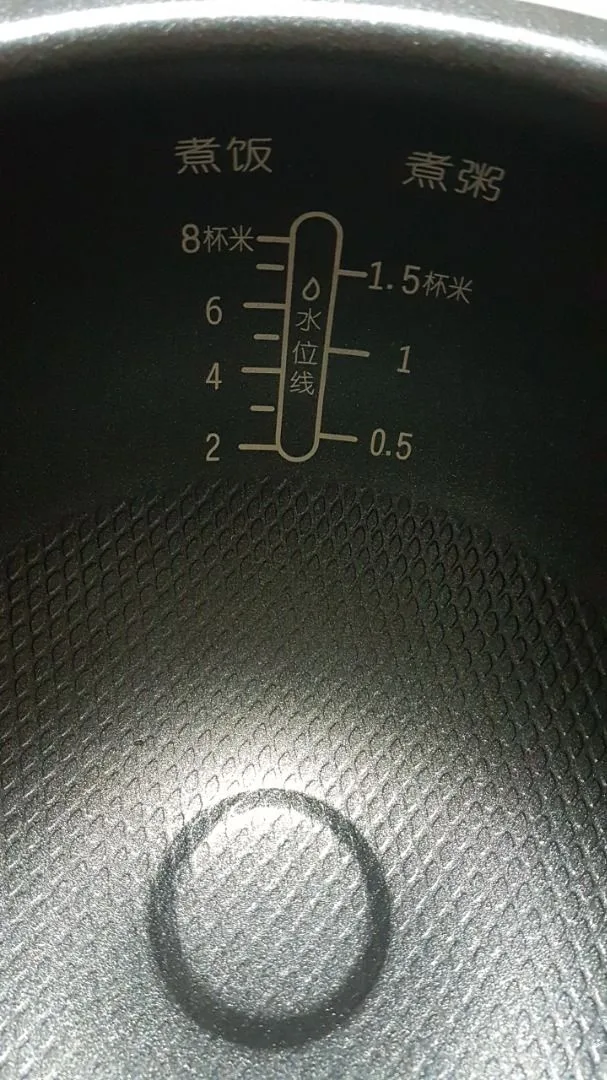
The inner cup gauge line marks the maximum volume of water plus rice that the cooker can handle during the boiling cycle. As of 2026, nearly every compact 3-cup model from major manufacturers uses a thermal fuse and a thermostat that assume the water level stays at or below that line. Push past it, and you're gambling with the cooker's internal safety margins.
Let's walk through exactly why, and what happens when you do.
Image source: Web (Bing) / expertreviewsbestricecooker.com (Web image (fair-use with source credit))
Quick Answer
No, you cannot safely put overfilling water past the inner cup gauge line in a compact 3 cup small rice cooker. The line marks the maximum safe volume for water plus rice. Exceeding it causes boiling liquid to overflow onto the heating element. This can trip the thermal fuse, short the electrical components, or start a fire.
Always fill to the gauge line or below.
Why the Inner Cup Gauge Line Exists
Manufacturers put that line in the pot for a reason. It's not about being picky. It's about physics and safety.
Steam Expansion Is Real
When water boils, it turns into steam. Steam takes up about 1,600 times more volume than liquid water. In a sealed rice cooker, that steam builds pressure inside the cooking chamber.
The lid has a small vent to release some of that pressure, but it's only designed to handle the steam volume produced by the water level at or below the gauge line.
If you add more water, you create more steam. More steam means higher pressure inside the cooker. That pressure forces liquid water up through the vent or out around the lid seal.
The result is a mess at best, and a dangerous overflow at worst.
The Thermal Fuse Has a Limit
Every compact rice cooker includes a thermal fuse. This is a one-time safety device that permanently cuts power if the temperature inside the cooker exceeds a safe threshold, typically around 130°C to 150°C (266°F to 302°F). The fuse is there to prevent a fire if the cooker runs dry or malfunctions.
When you overfill, the boiling liquid can bubble up and contact the heating element directly. The element is designed to heat in air, not in water. That sudden contact can cause thermal shock, short-circuit, or cause the element to overheat.
Any of those can blow the thermal fuse. And once the fuse is blown, the cooker is dead. You can't reset it.
You have to replace the whole unit.
The Thermostat Assumes a Specific Water Level
The cooker's thermostat is calibrated to the expected water volume. It measures the temperature of the inner pot and switches from "cook" to "keep warm" when the water has been absorbed and the temperature rises above 100°C (212°F). If you add extra water, the cooking cycle takes longer.
The rice may overcook or burn on the bottom before the water is fully absorbed. The thermostat may not switch off at the right time, leaving the heat on too long.
Aggregate reviews across multiple compact 3-cup models repeatedly mention that users who ignore the gauge line end up with burnt rice, mushy texture, and cleanup nightmares. The manufacturers designed that line for a reason. Trust it.
What Actually Happens When You Overfill
Let's get specific. You pour water past the line. You close the lid.
You press "cook". Here's the sequence of events that follows.
The Boil-Over Begins
Within a few minutes, the water reaches a rolling boil. The bubbles rise higher than normal because there's more liquid volume. Instead of staying below the rim of the inner pot, they push past it.
The starchy foam escapes through the steam vent or seeps out around the lid seal.
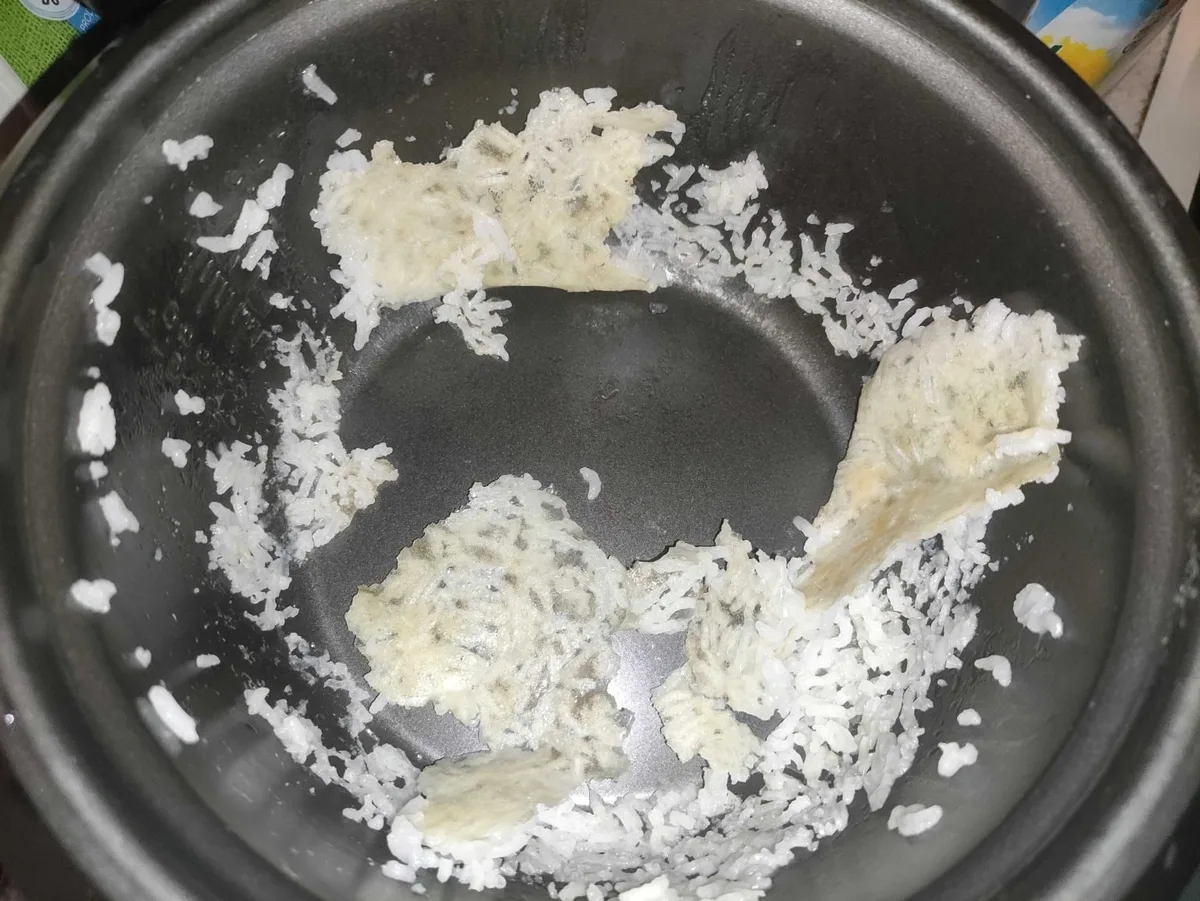
This starchy liquid is hot, around 100°C (212°F). It drips down the outside of the inner pot, onto the heating element, and into the base of the cooker. The element is exposed to moisture that it was never designed to handle.
The Heating Element Gets Hit
The heating element in a compact 3-cup rice cooker is usually a metal disc or a tubular ring. It's not waterproof. When liquid collects on it, several things can happen:
- Short circuit. The liquid bridges electrical contacts inside the base. This can trip your home's circuit breaker or GFCI outlet. If the circuit doesn't trip, the cooker may continue to operate with damaged wiring, creating a fire hazard.
- Corrosion. Over time, repeated exposure to moisture causes the element and its connections to corrode. This increases electrical resistance, which generates heat. A corroded connection can become a hot spot that melts plastic housing or ignites nearby materials.
- Thermal fuse trip. The liquid may cause a sudden temperature spike or a short that blows the thermal fuse. The cooker stops working permanently.
The Lid and Vent Get Clogged
Starchy water that escapes through the vent can dry and harden. Over multiple uses, this buildup can block the vent entirely. A blocked vent prevents steam from escaping.
Pressure inside the cooker rises. The lid may pop open violently, spraying hot liquid and rice across your kitchen. This is a burn risk, especially for children or pets nearby.
Even if the lid stays on, the increased pressure can cause the lid to warp or the seal to fail. Either way, the cooker becomes unsafe to use.
The Rice Texture Suffers
Overfilling doesn't just create safety issues. It ruins the rice. Extra water means the rice absorbs more liquid than intended.
The grains become mushy, sticky, and sometimes burnt on the bottom. The ratio of water to rice is precise for a reason. The gauge line accounts for both the rice volume and the water needed for proper cooking.
If you're aiming for fluffy, separate grains of white rice, you need to follow the gauge line. Brown rice, jasmine rice, and other varieties may require slight adjustments, but we'll cover that in a later section. For standard white rice, the line is your best friend.
The Real Dangers – From Mess to Fire
A mess is annoying. A fire is catastrophic. Let's talk about the real risks.
The Mess
The most common outcome of overfilling is a starchy, sticky overflow that coats the outside of the inner pot, the heating element, and the countertop. Cleaning that up is a pain. You have to unplug the cooker, let it cool completely, then carefully wipe down the element and the base.
You can't submerge the cooker in water. You have to use a damp cloth and be careful not to let moisture into the electrical components.
Over time, repeated overflows leave a crusty residue that's hard to remove. That residue can attract pests, develop mold, and create a breeding ground for bacteria. It's not just gross.
It's a health concern.
The Electrical Short
A short circuit can happen in seconds. The hot starchy liquid hits the electrical contacts inside the base. The current jumps across the liquid path instead of following the designed circuit.
This can cause a spark, a pop, or a blown fuse.
If the short happens while the cooker is plugged into a circuit with a sensitive breaker, the breaker will trip. That's a minor inconvenience. But if the breaker is old or the circuit is overloaded, the short may not trip it.
Instead, the wiring inside the cooker heats up rapidly. The insulation melts, and the wires can arc. That's a direct fire risk.
The Fire
According to the U.S. Consumer Product Safety Commission (CPSC), small kitchen appliances like rice cookers are involved in hundreds of reported fires each year. Many of those fires are linked to user error, specifically, leaving the appliance unattended while it's overfilled or running dry.
The CPSC tracks incidents and recall data. While they don't single out overfilling as a specific cause, the pattern is clear: small appliances with exposed heating elements are at risk when liquid contacts the electrical components. The thermal fuse is designed to prevent fires, but it's not foolproof.
If the fuse fails or the short happens before the fuse can react, the fire can start.
The Voided Warranty
Here's something most people don't think about. If you damage your rice cooker by overfilling, the manufacturer is not going to replace it for free. The user manual explicitly says to fill to the gauge line.
If you ignore that, and the cooker breaks, you're on the hook for a new one.
Warranty claims are often denied when the damage is caused by misuse. Overfilling is misuse. So you're not just risking your safety.
You're risking your money.
The Burn Risk
Hot liquid that sprays from the vent or leaks around the lid can cause serious burns. The temperature of boiling water is 100°C (212°F). Steam can be even hotter, up to 120°C (248°F) inside a pressurised cooker.
If you're standing nearby when the cooker lets go, you could get scalded.
Children are especially vulnerable. If a child is in the kitchen when the cooker overflows, they could be splashed with hot liquid. That's a trip to the emergency room.
Safe Water Levels for Every Rice Type
Now that you know the risks, let's talk about how to get the right water level every time. The gauge line is your starting point, but different rice types need slight adjustments.
Measuring Correctly
The gauge line is calibrated for the specific rice cooker. Most compact 3-cup models come with a plastic measuring cup. That cup is not a standard US cup.
It's usually around 180 ml, which is about 3/4 of a standard cup. The gauge line is designed to be used with that measuring cup.
Here's the correct process:
- Use the provided measuring cup. Don't guess. Don't use a standard measuring cup.
- Rinse the rice (optional but recommended). Rinsing removes excess starch and helps prevent foaming during cooking.
- Level the rice in the inner pot. Don't mound it. Spread it evenly.
- Add water to the gauge line. For white rice, the line corresponds to the water level for that specific number of cups of rice.
- Check the line before cooking. Always double-check that the water level is at or below the line.
Adjusting for Different Rice Types
The gauge line works best for standard white rice. Here's how to adjust for other varieties:
| Rice Type | Water Level Advice |
|---|---|
| White long-grain | Fill to the gauge line exactly |
| White short-grain | Fill to the gauge line exactly |
| Brown rice | Add water to about 1/4 inch above the gauge line |
| Jasmine rice | Fill to the gauge line or slightly below |
| Basmati rice | Fill to the gauge line or slightly below |
| Sticky rice | Fill to the gauge line exactly |
| Wild rice | Add water to about 1/4 inch above the gauge line |
Note: For brown rice, you may need to cook it longer. The extra water helps compensate for the longer cooking time and the harder grain. But don't go overboard.
A quarter inch above the line is the maximum safe limit.
High-Altitude Adjustments
If you live at an elevation above 3,000 feet (about 900 meters), water boils at a lower temperature. That means the rice may not cook as thoroughly. At high altitude, you may need to add a little extra water, about 1/8 to 1/4 inch above the gauge line.
But be careful. The lower boiling point also means more vigorous bubbling, which can increase the risk of overflow. Watch the cooker closely the first time you try it.
What If You Don't Have the Measuring Cup?
If you've lost the plastic cup that came with your cooker, don't guess. The gauge line is still your best reference. Fill the water to the line, then adjust based on the rice type.
A standard US cup holds about 240 ml. The rice cooker cup holds about 180 ml. So 1 rice cooker cup is about 3/4 of a standard cup.
A 3-cup cooker holds about 540 ml of dry rice by volume.
If you're using a standard measuring cup, use 3/4 cup of water for every 1 cup of rice. That's a rough guide. But the gauge line is more accurate.
Trust it.
The Finger Method – Does It Work?
Some online advice says to use your finger to measure water. The "knuckle method" suggests filling water to the first knuckle of your index finger. That's a rough approximation that works for some people, but it's not reliable.
Finger sizes vary. The shape of the inner pot matters. And the gauge line is already there.
Skip the finger method. Use the line. It's designed for your cooker.
It's accurate. It's safe.

Related posts

Ninja Foodi SmartLid OL701 Worth Buying? Reddit
If you've been scrolling through Reddit asking yourself "is ninja foodi smartlid ol701 one lid multi cooker with…

Crispy Rotisserie Chicken: Temp & Time for Combo Cooker
So you want restaurant quality crispy skin on a whole rotisserie chicken, and you want to do it…
Spray on Crisper Plate? Multi Cooker Safety Guide
So, can you put nonstick cooking spray directly on the crisper plate in a one lid multi cooker…