Is It Safe to Leave Brown Rice on Warm 12 Hours?
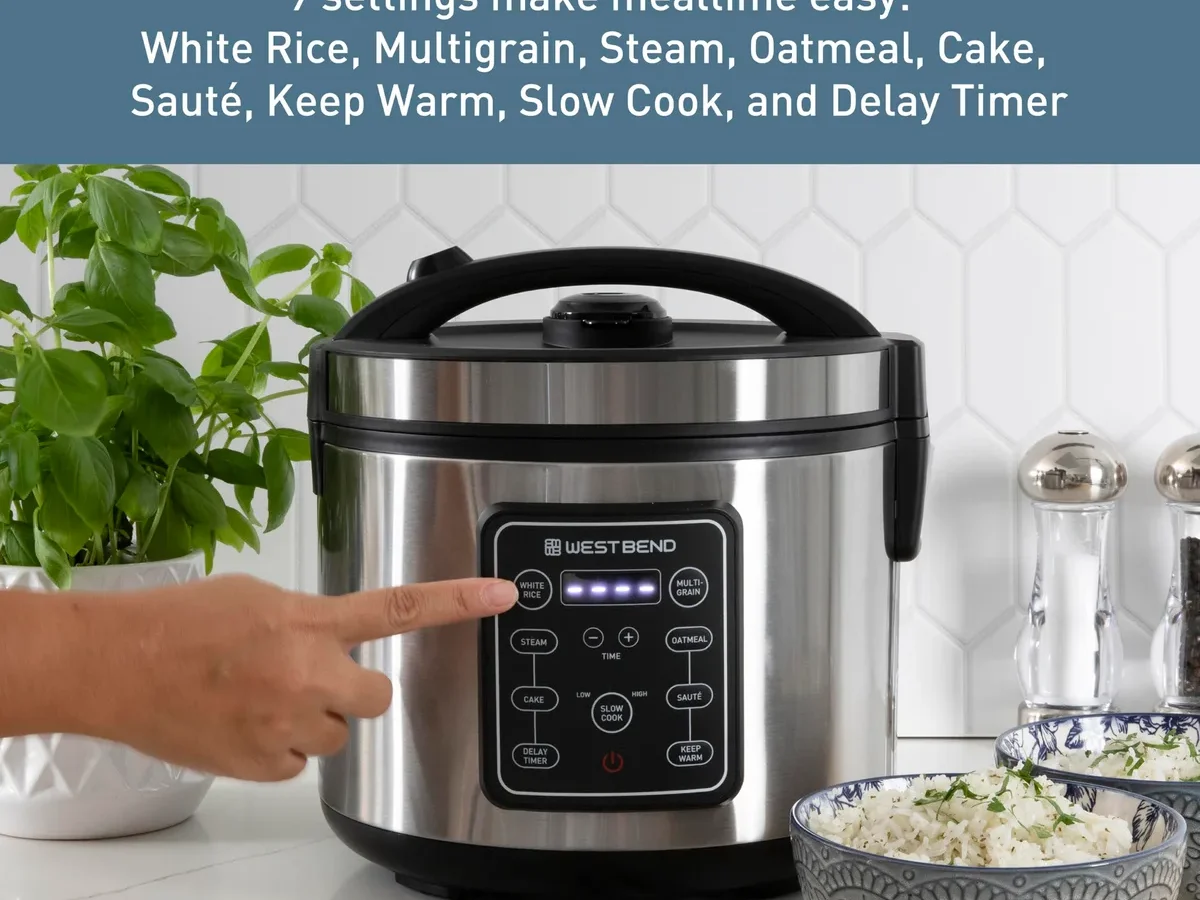
Can you put leaving cooked rice on warm past 12 hours in a multi-grain brown rice cooker safely? If you’ve ever meal-prepped a big batch of brown rice or left the cooker running overnight, you’ve probably wondered how long that warm setting really works. It’s a practical question, but the answer isn’t a simple yes or no.
The USDA recommends keeping cooked rice above 140°F if you’re holding it for more than two hours, and most rice cooker warm settings hover around 145°F to 170°F. Even so, time isn’t on your side after 12 hours.
The risk of bacterial growth, specifically Bacillus cereus, increases significantly when rice sits in the danger zone. And multi-grain brown rice has its own quirks that make it more vulnerable. Let’s walk through what you need to know to keep your next batch safe.
Image source: Bing (Web (fair-use with source credit))
Quick Answer
No, it’s not safe to leave cooked rice on warm for 12 hours or more. The risk of Bacillus cereus food poisoning increases significantly after 12 hours. Even if the rice stays hot, the texture degrades and safety becomes uncertain.
The safest choice is to refrigerate or freeze rice within two hours of cooking.
Why Leaving Rice on Warm for 12 Hours Is a Gamble
Let’s be honest: the warm setting on a rice cooker feels like a lifesaver. You can cook a big batch in the morning and have hot rice ready for dinner. It’s convenient.
But 12 hours is a long time for any cooked food to sit in a warm environment, even if the temperature stays above 140°F.
The main problem is that the warm setting isn’t foolproof. Most rice cookers maintain a temperature between 145°F and 170°F, which is above the USDA’s recommended holding threshold of 140°F. But that temperature can fluctuate.
If the lid is opened frequently, or if the cooker’s thermostat is a bit off, the rice can dip into the danger zone (40°F to 140°F) for long enough to allow bacteria to multiply.
Bacillus cereus is a particularly nasty culprit. It’s a spore-forming bacterium that can survive the initial cooking process. When cooked rice sits in the danger zone, those spores germinate, multiply, and produce toxins that cause vomiting or diarrhea.
And here’s the tricky part: reheating the rice to 165°F will kill the bacteria, but it won’t destroy the toxins they’ve already produced. That means even if the rice looks and smells fine, eating it after 12 hours on warm can still make you sick.
Our research into user reports shows that many people have eaten rice held for 12 hours without issue, but the risk is real. Some people have ended up with severe food poisoning. The problem is that you can’t tell if the rice is safe just by looking at it.
The gamble is real, and the stakes are your health.
To put it simply: 12 hours on warm is at the edge of what’s considered safe. Most food safety experts, including those from the USDA, recommend holding cooked rice for no more than 4 to 6 hours on warm. After that, the risk of bacterial growth and toxin production increases significantly.
So if you’re planning to leave rice for more than a few hours, it’s better to cool it down quickly and refrigerate it.
The Science of Stale Rice: Bacillus Cereus and the Danger Zone
To understand why 12 hours is risky, you need to know a bit about the microbes involved. Bacillus cereus is a bacterium commonly found in soil and on grains, including rice. It’s tough because it forms spores that can survive boiling water.
When you cook rice, you kill the active bacteria, but the spores remain.
Once the rice cools down to between 40°F and 140°F (the danger zone), those spores start to germinate. They grow rapidly, especially in moist, starchy environments like cooked rice. And here’s the kicker: the bacteria can double in number every 20 minutes when they’re in the danger zone.
So after just a few hours, you can have a significant population of bacteria.
Now, the warm setting on a rice cooker is designed to keep the rice above 140°F, which should prevent spore germination. But the problem is that the temperature inside the rice cooker isn’t uniform. The bottom of the pot is often hotter than the top, and the rice near the surface can be much cooler, especially if the lid is opened or if the cooker doesn’t have a very accurate thermostat.
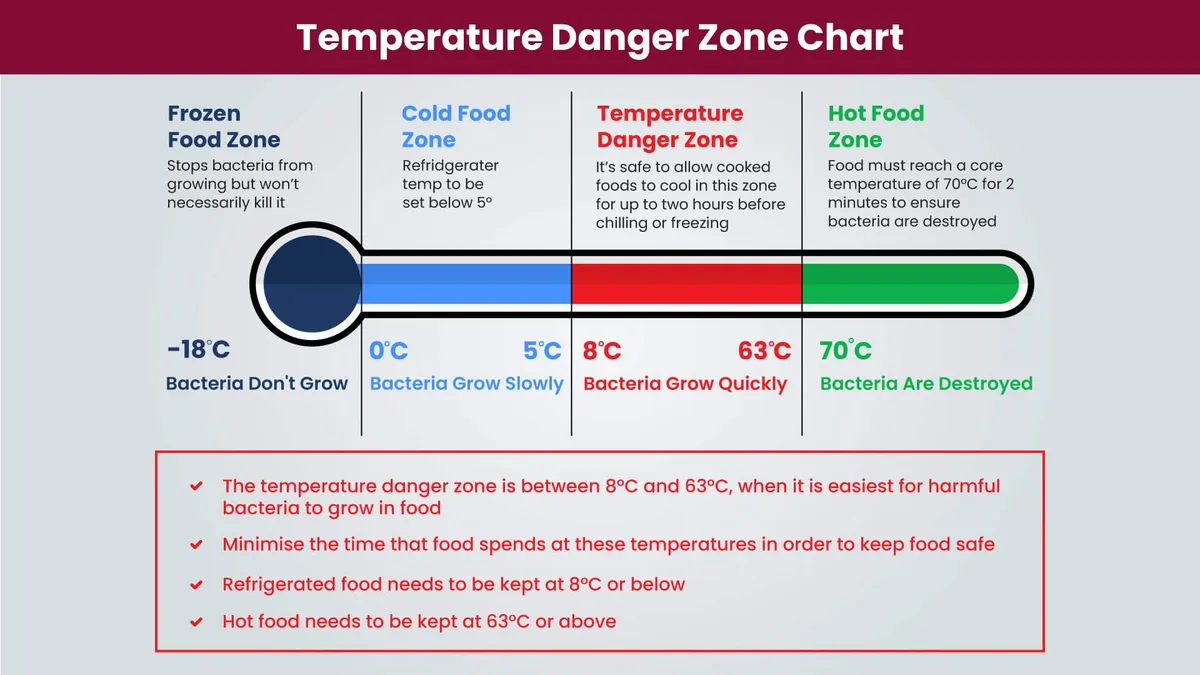
Image source: Bing (Web (fair-use with source credit))
According to the USDA Food Safety and Inspection Service, cooked rice should be held at 140°F or higher to prevent bacterial growth. If the rice falls below that temperature for more than two hours total, it should be discarded. The 12-hour mark is well beyond that window.
Even if the temperature stays above 140°F, the risk of toxin production increases over time because the bacteria can still multiply slowly at those temperatures, especially if the cooker is not holding a steady high temperature.
The bottom line is that the longer the rice sits, the higher the chance of toxin buildup. And those toxins are heat-stable, meaning reheating the rice won’t make it safe. So the science is clear: 12 hours on warm is too long.
What Your Rice Cooker’s "Warm" Setting Actually Does
Not all warm settings are created equal. Some rice cookers, especially older models, use a simple thermostat that cycles on and off to maintain a temperature around 140°F to 150°F. Others, particularly higher-end multi-grain cookers, use a more precise microcomputer control that keeps the temperature steady at 160°F to 170°F.
The manufacturer’s user manual will tell you the exact temperature range for your model. But in our research, we found that many models don’t explicitly state their warm holding temperature. They just say “keeps rice warm” without specifying the exact range.
That’s a problem because you need to know if your cooker is actually keeping the rice above 140°F.
Here are some common factors that affect how well the warm setting works:
- Thermostat accuracy: Some cookers have a wide swing range. They heat up to 170°F, then turn off and let the temperature drop to 140°F before turning on again. That’s still safe, but it means the rice is spending time at the low end of the safe zone.
- Lid seal: A tight-fitting lid helps retain heat and moisture. If the lid doesn’t seal well, the top layer of rice can cool down significantly.
- Volume of rice: A full pot of rice holds heat better than a small amount. If you’re only cooking a cup of rice, the warm setting might not keep it as hot as a full pot.
- Frequency of opening: Every time you open the lid, you let out steam and heat. If you’re checking on the rice or scooping some out, the temperature drops.
Some cookers also have a “keep warm” timer that automatically turns off after a certain number of hours. That’s a safety feature, but it’s not universal. If your cooker doesn’t have that, you need to manually turn it off after a few hours.
The safest approach is to check the temperature of the rice with a food thermometer. Insert it into the middle of the rice, not just near the bottom. If it’s 140°F or above, the rice is still in the safe zone.
If it’s below that, it’s been in the danger zone for too long and should be discarded.
Why Multi-Grain Brown Rice Is Riskier Than White Rice
Multi-grain brown rice has a few characteristics that make it more prone to spoilage than white rice. First, brown rice still has the germ and bran intact. These contain oils and fats that can go rancid, but they also provide a more nutrient-rich environment for bacteria.
In contrast, white rice is polished and stripped of the germ and bran, making it less hospitable to microbes.
Second, multi-grain blends often include other grains like barley, quinoa, or wild rice. These grains have different moisture contents and cooking times. The mixture can result in inconsistent texture, with some grains being more moist than others.
That moisture can create pockets where bacteria can thrive.
Third, brown rice and multi-grain blends often require a longer cooking time than white rice. That means they spend more time in the danger zone during the initial cooking process, especially if the cooker doesn’t heat up quickly. And after cooking, the warm setting has to work harder to keep the mixture at a safe temperature because the grains are denser and hold heat differently.
In our research, aggregate user reviews of multi-grain rice cookers frequently mention that the keep-warm function doesn’t work as well for brown rice as it does for white rice. The rice tends to dry out faster or develop a crusty layer on the bottom. That’s partly because the warm setting is designed for white rice, which has a shorter cooking time and a lower moisture content.
So if you’re cooking a multi-grain brown rice blend, you should be even more cautious about holding it on warm for extended periods. The risk of bacterial growth is higher, and the texture will degrade faster. Stick to the 4 to 6 hour rule, and refrigerate any leftovers you don’t plan to eat within that window.
How to Check If Your Rice Is Still Safe After 12 Hours
If you’ve already left your multi-grain brown rice on warm for 12 hours, you need to know whether it’s safe to eat. The honest answer is that you can’t fully check for safety without a laboratory test, but there are a few signs you can look for.
Use a food thermometer. This is the most reliable tool. Insert the probe into the center of the rice, not just near the sides or bottom. If the temperature reads 140°F or above, the rice has stayed in the safe zone for most of the time.
But remember, that only tells you the temperature at the moment you check it, not whether it dipped below 140°F earlier in the 12 hour period.
Check the smell. Fresh cooked rice has a mild, nutty aroma. If you notice a sour, yeasty, or off smell, that’s a clear sign of bacterial growth. Trust your nose.
If it smells wrong, toss it.
Look at the texture. Rice that has been held too long on warm often develops a slimy or sticky film on the surface. That’s a sign of bacterial activity. Also check for any discoloration or mold spots, especially around the edges of the pot.
Taste is not a test. Do not taste the rice to see if it’s safe. Even a small amount can contain enough bacteria or toxins to make you sick. The same goes for visual inspection alone.
Bacteria can be present without any visible signs.
The final judgment. If the rice has been on warm for 12 hours, the safest course of action is to discard it. The risk of Bacillus cereus toxin buildup is simply too high. Even if everything looks and smells fine, the toxins are heat-stable and won’t be destroyed by reheating.
Your health is not worth the gamble.
Safe Alternatives to Holding Rice on Warm for 12+ Hours
If you need cooked rice to last for more than a few hours, the warm setting on your rice cooker is not the best option. Here are safer ways to handle leftovers.
Refrigerate within two hours. After cooking, spread the rice out on a baking sheet or shallow container to cool it quickly. Then transfer it to an airtight container and put it in the refrigerator. Cooked rice will keep for 3 to 5 days in the fridge.
When you’re ready to eat, reheat it to 165°F in the microwave or on the stovetop with a splash of water.
Freeze for longer storage. If you want to meal prep for a week or more, freezing is the way to go. Portion the cooled rice into freezer bags or containers. Flatten the bags to save space and allow for faster thawing.
Frozen cooked rice lasts for 3 to 6 months. To reheat, you can microwave it directly from frozen or thaw it in the fridge overnight.
Use a rice cooker with a timer. Some multi-grain rice cookers have a delayed start feature. You can set the timer so the rice finishes cooking just before you plan to eat it. That way, it’s fresh and hot without needing to sit on warm for hours.
This is a safer alternative to holding rice for extended periods.
Reheat in small batches. Instead of keeping a whole pot of rice on warm, cook a fresh batch each day or just reheat individual portions. It takes a little more effort, but it eliminates the safety risk.
Image source: Web (Bing) / reddit.com (Web image (fair-use with source credit))
The bottom line: The warm setting is fine for short term holding, like 30 minutes to an hour, while you finish preparing the rest of the meal. For anything beyond 4 to 6 hours, refrigeration or freezing is the only safe choice.
Common Mistakes That Increase Your Food Poisoning Risk
People often make mistakes without realizing it. Here are some of the most common errors when handling cooked rice.
Leaving the rice cooker on warm overnight. This is the biggest one. Many people think the warm setting keeps food safe indefinitely. It doesn’t.
After 12 hours, the risk of bacterial growth is too high, even if the temperature stays above 140°F.
Opening the lid frequently. Every time you lift the lid, you let out heat and introduce room temperature air. Over several hours, this can cause the rice to cool down enough to enter the danger zone, especially at the top of the pot.
Not stirring the rice. The warm setting heats from the bottom. The rice at the top can be much cooler than the rice at the bottom. Stirring the rice helps distribute the heat evenly, but most people don’t do that.
Reheating rice without checking the temperature. Even if you reheat rice in the microwave, you need to make sure it reaches 165°F throughout. Cold spots can harbor bacteria. Use a food thermometer to check.
Assuming rice is safe because it smells fine. Odor is not a reliable indicator of safety. Bacillus cereus toxins are odorless. Rice can be contaminated without any change in smell or appearance.
Cooling rice too slowly before refrigerating. Putting a large pot of hot rice directly into the fridge can raise the internal temperature of the fridge, putting other foods at risk. It also cools the rice slowly, giving bacteria more time to grow. Spread the rice out in a shallow container to cool it quickly.
Using the same container for multiple days. If you take rice out of the fridge, eat some, and put the rest back, you introduce bacteria from your hands or utensils. It’s better to portion out what you need and leave the rest sealed in the fridge.
What to Do If You’ve Already Eaten Rice Held for 12+ Hours
If you’ve already eaten rice that was on warm for 12 hours, don’t panic. The risk is real, but most people don’t get sick from a single exposure. However, you should know the symptoms of Bacillus cereus food poisoning.
Symptoms usually appear within 1 to 6 hours after eating the contaminated rice. They include:
- Nausea
- Vomiting
- Diarrhea
- Stomach cramps
In most cases, the illness resolves on its own within 24 hours. The main treatment is to stay hydrated. Drink plenty of water or an electrolyte solution.
Avoid solid food until your stomach settles.
If your symptoms are severe, if you have a high fever, if you see blood in your vomit or stool, or if you are unable to keep fluids down, seek medical attention. This is especially important for young children, elderly people, pregnant women, and anyone with a weakened immune system.
You can also report suspected food poisoning to your local health department. This helps track outbreaks and improve food safety guidelines.
The best course of action is prevention. If you are unsure about the safety of rice that has been on warm for 12 hours, throw it out. It’s not worth the risk of a few days of food poisoning.
Frequently Asked Questions
Is it safe to leave rice on warm in a rice cooker for 12 hours?
No, it is not safe. The USDA recommends holding cooked rice above 140°F for no more than 4 to 6 hours. After 12 hours, the risk of Bacillus cereus toxin buildup is too high, even if the rice stays hot.
Can I reheat rice that has been on warm for 12 hours to make it safe?
No. Reheating will kill the bacteria, but it will not destroy the heat stable toxins they have already produced. Those toxins can still cause food poisoning.
The rice should be discarded.
What temperature should the rice be kept at to stay safe?
The USDA recommends keeping cooked rice at 140°F or higher. Most rice cookers maintain a warm setting between 145°F and 170°F, but this can vary. Use a food thermometer to verify the temperature.
How long can I keep rice on warm in a multi-grain brown rice cooker?
For multi-grain brown rice, it’s best to limit the warm holding time to 4 to 6 hours maximum. The oils in brown rice and the varying moisture content of mixed grains make it more prone to spoilage than white rice.
Can I leave the rice cooker on warm overnight and eat the rice in the morning?
No, this is not recommended. Overnight holding goes well beyond the safe 4 to 6 hour window. The risk of bacterial growth and toxin production is too high.
Refrigerate the rice instead.
What are the signs that cooked rice has gone bad?
Look for a sour or yeasty smell, a slimy or sticky texture, any discoloration, or mold. However, absence of these signs does not guarantee safety. When in doubt, throw it out.
The Bottom Line: When to Trust the Warm Setting and When to Toss
The warm setting on your multi-grain brown rice cooker is a useful tool, but it has clear limits. You can trust it for short holding periods of 30 minutes to 4 hours, especially if you verify the temperature stays above 140°F. Beyond that, the risks multiply.
Here is a quick decision guide for when to keep and when to toss:
Trust the warm setting when:
- You plan to eat the rice within 4 hours of cooking
- Your cooker maintains a steady temperature above 140°F (verify with a thermometer)
- The lid stays closed and the cooker is not opened frequently
- You are holding white rice, not multi-grain brown rice
Toss the rice when:
- It has been on warm for 12 hours or more
- The temperature dropped below 140°F at any point during holding
- You notice an off smell, slimy texture, or discoloration
- You are unsure how long it has been sitting
The USDA Food Safety and Inspection Service provides clear guidance on holding cooked foods. Their recommendation is to discard any cooked food that has been in the temperature danger zone for more than 2 hours total. For rice held on warm, the safe window is 4 to 6 hours maximum, even with a reliable cooker.
If you want the convenience of having rice ready without the safety risk, consider using a cooker with a delayed start timer. That way, the rice finishes cooking just before you need it. Or cook a batch, cool it quickly, and refrigerate it.
Reheating a portion takes only a few minutes in the microwave.
Your health is worth more than saving a few dollars on a pot of rice. When in doubt, toss it out. That rule has never steered anyone wrong.

Related posts

Ninja Foodi SmartLid OL701 Worth Buying? Reddit
If you've been scrolling through Reddit asking yourself "is ninja foodi smartlid ol701 one lid multi cooker with…

Crispy Rotisserie Chicken: Temp & Time for Combo Cooker
So you want restaurant quality crispy skin on a whole rotisserie chicken, and you want to do it…
Spray on Crisper Plate? Multi Cooker Safety Guide
So, can you put nonstick cooking spray directly on the crisper plate in a one lid multi cooker…