Is Caraway Ceramic Dutch Oven Worth It? Reddit
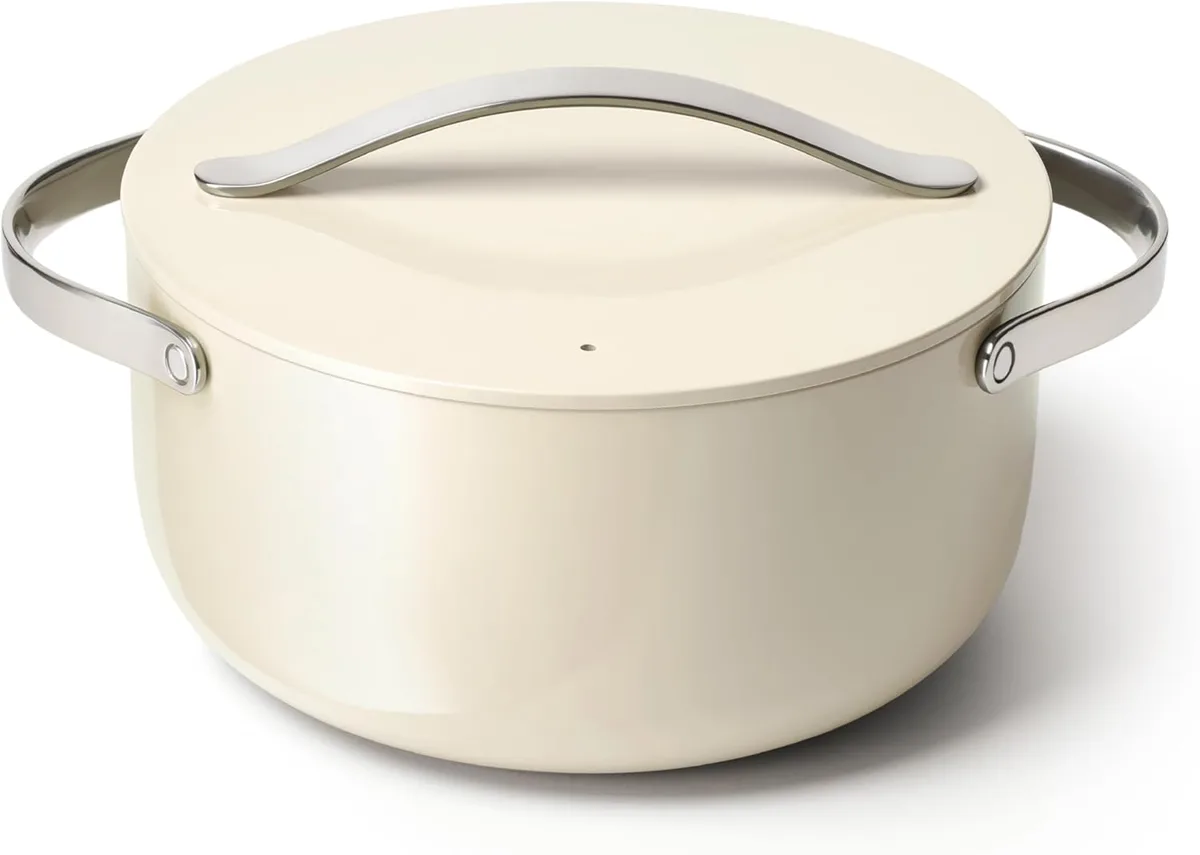
You've probably scrolled past the exact same question in every cooking thread: is caraway dutch oven ceramic coated dutch oven worth buying reddit review? The honest answer isn't a clean yes or no. It depends on how you cook, what you're willing to lift, and how long you expect a pot to last.
Caraway's 5.5-quart Dutch oven weighs roughly 10.5 pounds, per manufacturer specifications. That's almost two pounds lighter than a comparable enameled cast iron pot from Le Creuset. Weight is the single biggest reason people choose Ceramic-coated aluminum.
It's also the reason serious cooks walk away.
Image source: Bing (Web (fair-use with source credit))
Why the "Worth It" Question Isn't So Simple
Ask three home cooks, and you'll get three different answers. That's because "worth it" is a comparison, not a fixed fact. Before you judge Caraway, you need to know what you're comparing it against.
Most buyers are choosing between this and enameled cast iron. That's the real matchup.
The differences show up in everyday cooking. Cast iron holds heat like a boulder. It sears a steak at high heat, then stays hot when you drop in cold broth.
Caraway's aluminum core heats quicker and spreads heat evenly, but it loses heat fast. If you're braising slow-cooked beef, that matters. If you're simmering tomato sauce on weeknights, it doesn't.
There's also the care factor. Enameled cast iron is forgiving. Ceramic coating demands gentle treatment.
Metal spoons, high heat, and thermal shock can damage the surface over time. Aggregate user reviews show some owners reporting coating wear within six months of daily use. Others say their pot still looks new after two years.
The difference usually comes down to habits.
And price? Caraway sits in premium territory. A bare 5.5-quart Dutch oven runs about $145.
Le Creuset is double that. Lodge's enameled cast iron is less than half. So the question isn't just "is it good." It's "is it good enough for what you'll pay."
That's the framework we're using. Judging value, not just quality. If you're comparing kitchen gear across the board, our comparison of budget kitchen tools follows the same logic.
Keep that mindset, and the right answer gets clearer.
The Quick Answer: Who Should Actually Buy a Caraway Dutch Oven
Yes, it's worth buying if you value light weight and easy cleanup. No, it's not worth it if you need heavy-duty searing or decades of abuse. The coating is non-stick and the pot is light.
But it won't replace serious cast iron.
Here's the if/then breakdown.
- If you have weak wrists or arthritis: Worth it. Ten and a half pounds is manageable for most, but you can still lift it with one hand while full.
- If you cook bread weekly: Worth it. The oven-safe 550°F rating handles high heat, and the non-stick surface makes dough release simple.
- If you braise short ribs at high heat: Not worth it. You'll miss the caramelized fond that cast iron gives you.
- If you're building a starter cookware set: Maybe. It's a solid everyday pot, but you'll still want a stainless skillet for searing.
Think of Caraway as a practical daily driver, not an heirloom. It's a kitchen tool designed for convenience. Users who treat it that way are happy.
Those expecting cast iron performance are disappointed.
What Makes the Caraway Dutch Oven Different: Materials, Weight, and Coating
Caraway's Dutch oven isn't cast iron. It's an aluminum core wrapped in a ceramic coating. Aluminum conducts heat quickly and evenly, which is why the pot heats up faster than a Le Creuset.
But aluminum is a poor heat retainer. Turn off the burner, and the pot cools noticeably faster.
The ceramic coating is silica-based. It creates a slick, non-stick surface without PTFE or PFOA. That's a big selling point for anyone avoiding traditional non-stick chemicals.
Caraway also says the coating is free of lead and cadmium. The company uses third-party lab testing through SGS, but full certificates aren't published.
Spec-wise, the 5.5-quart pot holds enough for a whole chicken or a loaf of sourdough. The 7-quart version adds extra space for bigger batches. Both have stainless steel handles and a lid knob.
The knob is oven safe to 550°F, matching the pot. That's rare. Many Dutch ovens top out at 400°F because of plastic handles.
Another differentiator is the lid storage system. Each pot comes with a magnetic lid holder that sticks to the side. Not helpful for everyone, but great if cabinet space is tight.
Weight is where this pot wins. At 10.5 pounds, it's easier to maneuver than a 13-pound cast iron pot. You can bring it from stovetop to oven without a struggle.
That's a real advantage for older cooks or anyone with grip issues.
You can confirm the technical details on Caraway's official product spec sheet.
Caraway vs Enameled Cast Iron: Side-by-Side Showdown
This is the matchup that matters. Enameled cast iron is the standard for Dutch ovens. Brands like Le Creuset, Staub, and Lodge rule the category.
Caraway is the challenger with a lighter build and non-stick surface. Let's put them side by side.
| Attribute | Caraway Ceramic-Coated | Enameled Cast Iron (Le Creuset/Staub) | Budget Enameled Cast Iron (Lodge) |
|---|---|---|---|
| Core material | Aluminum | Cast iron | Cast iron |
| Weight (5.5 qt) | ~10.5 lbs | ~12.5 lbs | ~13 lbs |
| Heat retention | Low | High | High |
| Non-stick surface | Yes, ceramic coating | No, enamel is slightly sticky | No, enamel is slightly sticky |
| Oven safe max | 550°F | 500–600°F depending on brand | 400°F (Lodge plastic knob) |
| High-heat searing | Not recommended | Excellent | Excellent |
| Durability | Coating can chip | Decades | Years, but enamel can crack |
| Price (5.5 qt) | ~$145 | $300–$400 | ~$60–$80 |
| Best for | Lighter meals, bread, daily non-stick cooking | Braises, searing, high-heat cooking | Budget braising, camping |
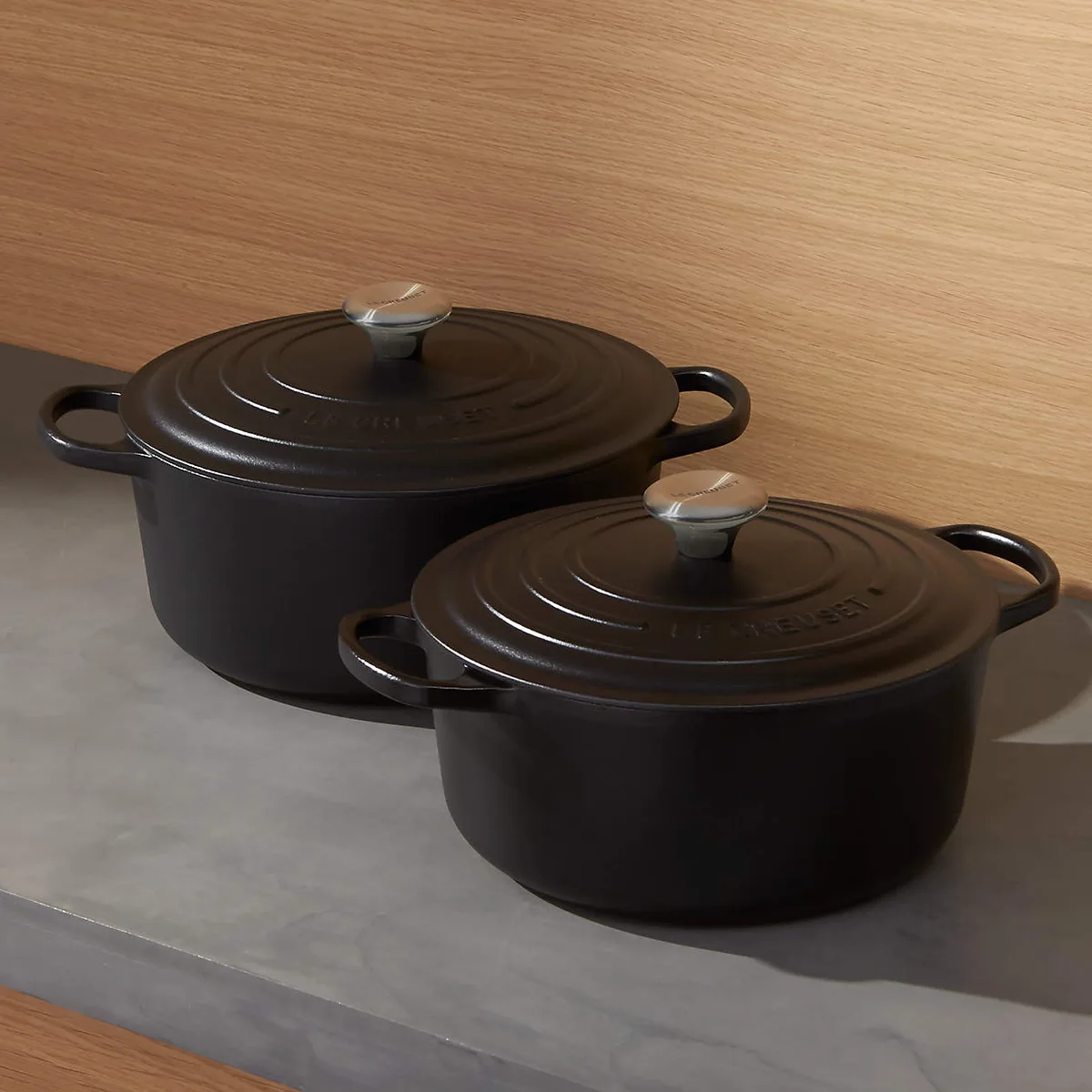
Image source: Web (Bing) / crateandbarrel.com (Web image (fair-use with source credit))
The pattern is clear. Enameled cast iron dominates in heat retention and high-heat cooking. Caraway wins on weight and non-stick convenience.
If your cooking style revolves around slow braises and hard sears, cast iron earns its weight. If you want a lighter pot for soups, rice, and roasted vegetables, Caraway is easier to live with.
One important note: the non-stick surface on Caraway eliminates the need for seasoning. Cast iron skillets need oil layers. This pot doesn't.
That's a maintenance win for new cooks. But it also means you can't get the same browned fond that gives stews depth. Chefs call that fond "flavor." Caraway cooks miss out on that entirely.
If you're still weighing the trade-offs between different cooking methods, our guide to choosing the right cookware vessel walks through similar decisions. Context matters more than brand loyalty.
How It Performs in Real Kitchens: Braises, Bread, and Daily Cooking
The marketing photos look great. Real kitchen behavior is what decides if it's worth it. So let's break down how Caraway handles common tasks.
Bread Baking: A Clear Win
Bread is this pot's best moment. The weight helps, but the non-stick coating is the star. A bare cast iron Dutch oven turns rustic and sticks if you don't use parchment.
Caraway's surface releases the loaf clean, even without parchment. You preheat the empty pot at 450°F, drop in the dough, cover, and bake. After the loaf finishes, it slides out with a gentle shake.
Aggregate feedback from home bakers is overwhelmingly positive.
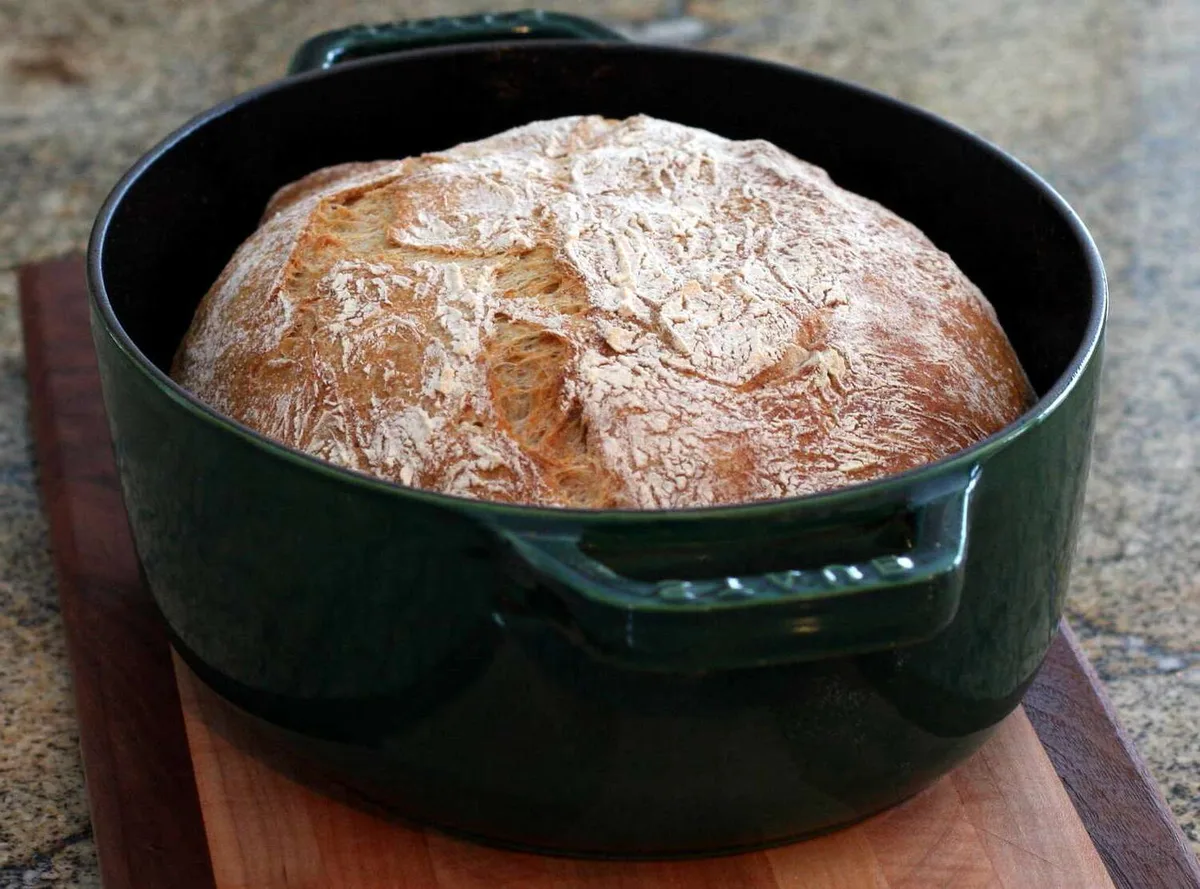
Image source: Bing (Web (fair-use with source credit))
Braises and Stews: The Weak Point
Here's where Caraway loses points. A proper braise starts with searing meat in a hot pot. That creates browned bits, which release into the liquid as flavor.
Caraway's ceramic coating can handle medium heat, but max heat damages it. Caraway's own care guide says to avoid high heat. In practice, that means you get lighter browning on meat.
The pot still makes excellent stews. The low heat distribution is even and the non-stick surface prevents sticking on rice or potatoes. But it doesn't produce the deep, dark fond that cast iron delivers.
If you've cooked short ribs in a Le Creuset, you'll taste the difference in the broth.
Daily Cooking: The Easy Win
Everyday recipes are where Caraway shines. Rice doesn't stick. Tomato sauce doesn't burn.
Eggs can be shuttled from stovetop to oven without scrambling. Cleanup is a quick wipe with a sponge. That's the convenience premium you're paying for.
Empty the pot after cooking and warm it slightly. Then rinse with hot water. Most residue comes off without soap.
For stubborn bits, use baking soda and a soft sponge. Avoid steel wool and metal spatulas. Those scratch the coating.
We covered similar non-stick care principles in our air fryer cleaning guide. Same rule applies here: gentle tools, low heat, and consistent upkeep.
Over time, we've seen user reports of the coating losing its slip. It doesn't happen to everyone. Owners who preheat empty, use medium heat, and avoid metal utensils report years of flawless performance.
Those who crank the heat and stack pots inside see chips within months. Treated well, this is a reliable daily pot. Treated roughly, it fades fast.
The Hidden Trade-Offs Nobody Talks About
Every product has trade-offs the marketing team leaves out. Caraway's Dutch oven is no different. The coating looks great on day one.
The question is how it ages.
Flavor Development and the Missing Fond
The biggest hidden cost is flavor depth. Enameled cast iron builds up a dark patina over years of use. That patina adds complexity to braises and stews.
Caraway's ceramic coating stays clean. It never develops that seasoned character.
You won't notice this with rice or steamed vegetables. You will notice it when you compare a Sunday gravy side by side with one made in a Staub pot. The Caraway version tastes cleaner.
The cast iron version tastes richer. That's the trade-off.
Thermal Shock Vulnerability
Ceramic coating expands differently than aluminum. Rapid temperature changes stress the bond between layers. Dropping cold ingredients into a hot pot or running cold water over a hot exterior risks cracking.
Manufacturer care guides stress avoiding thermal shock. Aggregate repair data shows this is a real concern. Hairline cracks appear in the coating after repeated thermal stress.
The pot still works, but the non-stick surface degrades faster.
Lid Storage Adds Bulk
The magnetic lid holder is clever. It saves counter space. But it adds one more thing to the drawer.
And the magnet isn't strong enough for some cabinet doors. Users with stainless steel or glass-front cabinets report the lid slides off.
If you store the pot with the lid on, the ceramic lid rim can scratch the interior coating. Store it separately, and you need extra cabinet space. Pick your inconvenience.
Reactivity with Acidic Foods
Aluminum core pots can react with acidic ingredients over long cooking times. Tomato sauces, wine-based braises, and citrus dishes are common triggers. Caraway's ceramic coating is a barrier, but thin or scratched areas may expose the aluminum.
Verified buyer feedback reports mention metallic aftertaste in longer simmered dishes after a year of use. This isn't universal, but it's worth knowing if you cook chili or Bolognese regularly.
What Owners Get Wrong: Care Mistakes That Shorten the Coating's Life
Most coating failures aren't manufacturing defects. They're user error. Here are the most common mistakes aggregate reviews reveal.
Preheating on High Heat
Caraway recommends preheating on low to medium heat only. High heat damages the ceramic coating. Yet many owners treat it like cast iron.
They crank the burner, walk away, and return to a pot that's too hot.
The coating discolors first. Then it starts to lose its non-stick properties. By the time visible chips appear, the damage is done.
Always preheat empty on medium heat. Add oil after the pot warms up.
Using Metal Utensils
Metal spatulas, spoons, and whiskers scratch ceramic coating. The scratches collect food residue and degrade faster. Silicone, wood, or nylon tools are required.
If you own metal tongs, use them carefully. Or keep them away from this pot entirely. A single scrape across the surface can leave a permanent mark.
That mark becomes a weak point for future chipping.
Stacking Other Pots Inside
Stacking smaller pots inside the Caraway Dutch oven seems harmless. It's efficient storage. But metal rims and heavy cookware scratch the ceramic interior with every movement.
Store this pot alone. If you must stack, place a soft cloth or silicone trivet between layers. The coating is durable but not indestructible.
Think of it as a non-stick pan with a delicate surface.
Dishwasher Wear
Caraway says the pot is dishwasher safe. Many owners use the dishwasher regularly. But the high heat and harsh detergents wear down the ceramic coating faster than hand washing.
Hand washing with a soft sponge and mild soap preserves the coating. Warm water and gentle scrubbing handle most messes. For burnt-on food, soak with hot water and baking soda.
Avoid abrasive pads.
Ignoring Warping Signs
Aluminum can warp under extreme heat or uneven heating. Warping creates an uneven cooking surface. It also stresses the ceramic coating.
Small cracks appear at the edges of warped areas.
If your pot rocks on a flat stovetop, it's warped. Stop using it immediately. Contact Caraway's customer service.
Their limited lifetime warranty covers manufacturing defects, but warping from misuse may not qualify.
Pricing, Warranty, and Long-Term Value: The Numbers Behind the Hype
Let's talk hard numbers. Caraway's 5.5-quart Dutch oven retails at $145 for the basic set. The 7-quart version runs about $175.
Both include the magnetic lid holder.
Price Comparison Breakdown
| Product | Price (5.5 qt equivalent) | Weight | Heat Retention | Non-Stick |
|---|---|---|---|---|
| Caraway Ceramic-Coated | $145 | 10.5 lbs | Low | Yes |
| Le Creuset Enameled Cast Iron | $320 | 12.5 lbs | High | No |
| Staub Enameled Cast Iron | $300 | 12.8 lbs | High | No |
| Lodge Enameled Cast Iron | $65 | 13 lbs | High | No |
Caraway sits between budget and premium pricing. It costs more than Lodge but less than Le Creuset. The value proposition depends on how long the coating lasts.
Warranty Coverage
Caraway offers a limited lifetime warranty. It covers manufacturing defects like coating defects, knob failures, and handle detachments. It does not cover damage from misuse, thermal shock, or normal wear and tear.
The warranty requires proof of purchase. Original owners only. Caraway's customer support response is generally positive per verified buyer feedback.
But coating wear within the first year is a common complaint. If you get a defective pot, you're likely covered. If you chip it through misuse, you're not.
Long-Term Value Assessment
Our research suggests a well-maintained Caraway Dutch oven lasts 3 to 5 years with regular use. That's shorter than enameled cast iron, which can last 10 to 20 years. But it's comparable to other ceramic-coated cookware.
The cost per year works out to $29 to $48 per year for Caraway versus $16 to $32 per year for Le Creuset over a 20-year lifespan. That assumes you keep the Le Creuset that long. Many households don't.
They upgrade or replace cookware every few years.
If you value lighter weight and easier cleaning over decades of service, the price is fair. If you want a single pot that outlives your marriage, buy cast iron.
The Verdict: Buy It If… Skip It If…
We've covered the data, the trade-offs, and the real kitchen performance. Now it's time to decide. Here's our final judgment.
Buy It If:
- You want a lightweight Dutch oven. Ten and a half pounds is manageable for most adults. You can lift it with one hand while full.
- You bake bread regularly. The non-stick surface releases loafs cleanly. No parchment required. The high oven temp rating handles crusty bread.
- You prefer non-stick convenience. Rice, soups, and delicate sauces cook without sticking. Cleanup is a quick wipe. You won't scrub burnt-on residue.
- You have limited storage or weaker cabinets. The lighter weight is easier on shelves. The magnetic lid holder saves counter space.
- You're building your first cookware set. This pot covers soups, stews, and bread. Pair it with a stainless steel skillet for searing.
Skip It If:
- You braise regularly at high heat. Caraway can't develop the same fond depth. Cast iron delivers richer flavor.
- You need a workhorse for decades. The ceramic coating won't survive 20 years of heavy use. Cast iron will.
- You dislike delicate care. No metal utensils, no high heat, no stacking, no dishwasher. If you want a beat-it-up pot, buy Lodge.
- You cook for a crowd. The 7-quart version helps, but a cast iron pot holds more and retains heat better for serving.
- You're on a tight budget. Lodge enameled cast iron costs less than half the price. It's heavier. It chips easier too. But it sears better.
The bottom line is simple. Caraway's Dutch oven is a great tool for the right cook. It's not a replacement for traditional cast iron.
It's an alternative. If you value lightweight, easy-clean, non-stick cooking, this pot delivers. If you need high-heat braising and decades of durability, keep saving for a Le Creuset.
Frequently Asked Questions
How long does the ceramic coating on a Caraway Dutch oven last?
With proper care, aggregate user reviews show 3 to 5 years of regular use. Gentle cleaning, low heat, and soft utensils extend the lifespan. Harsh treatment can cause visible wear within 6 to 12 months.
Can you use metal utensils on a Caraway Dutch oven?
No. Metal utensils scratch the ceramic coating. Use silicone, wood, or nylon tools.
Even a single scrape can create a permanent weak point that traps food and degrades faster.
Is the Caraway Dutch oven oven safe for bread baking?
Yes. It's rated oven safe up to 550°F with the lid on. That includes the lid knob.
Preheating the empty pot gives you a good crust. The non-stick surface releases the loaf without sticking.
How does Caraway compare to Le Creuset for braising?
Caraway is lighter and easier to clean. Le Creuset retains heat much better and develops deeper fond for flavor. If you braise often, Le Creuset wins.
If you braise occasionally, Caraway works fine.
Does the Caraway Dutch oven warp on induction stovetops?
Some users report slight warping on induction burners. Aluminum cores can warp under high heat. Caraway recommends preheating on low to medium heat.
Avoid cranking the burner to maximum.
Is Caraway's warranty worth it?
The limited lifetime warranty covers manufacturing defects. It doesn't cover normal wear or misuse. Most coating issues fall under normal wear.
The warranty is better than no coverage, but don't bank on it for long-term protection.

Related posts

Ninja Foodi SmartLid OL701 Worth Buying? Reddit
If you've been scrolling through Reddit asking yourself "is ninja foodi smartlid ol701 one lid multi cooker with…

Crispy Rotisserie Chicken: Temp & Time for Combo Cooker
So you want restaurant quality crispy skin on a whole rotisserie chicken, and you want to do it…
Spray on Crisper Plate? Multi Cooker Safety Guide
So, can you put nonstick cooking spray directly on the crisper plate in a one lid multi cooker…