Inkbird ISV-100W: Worth Buying? Reddit Review
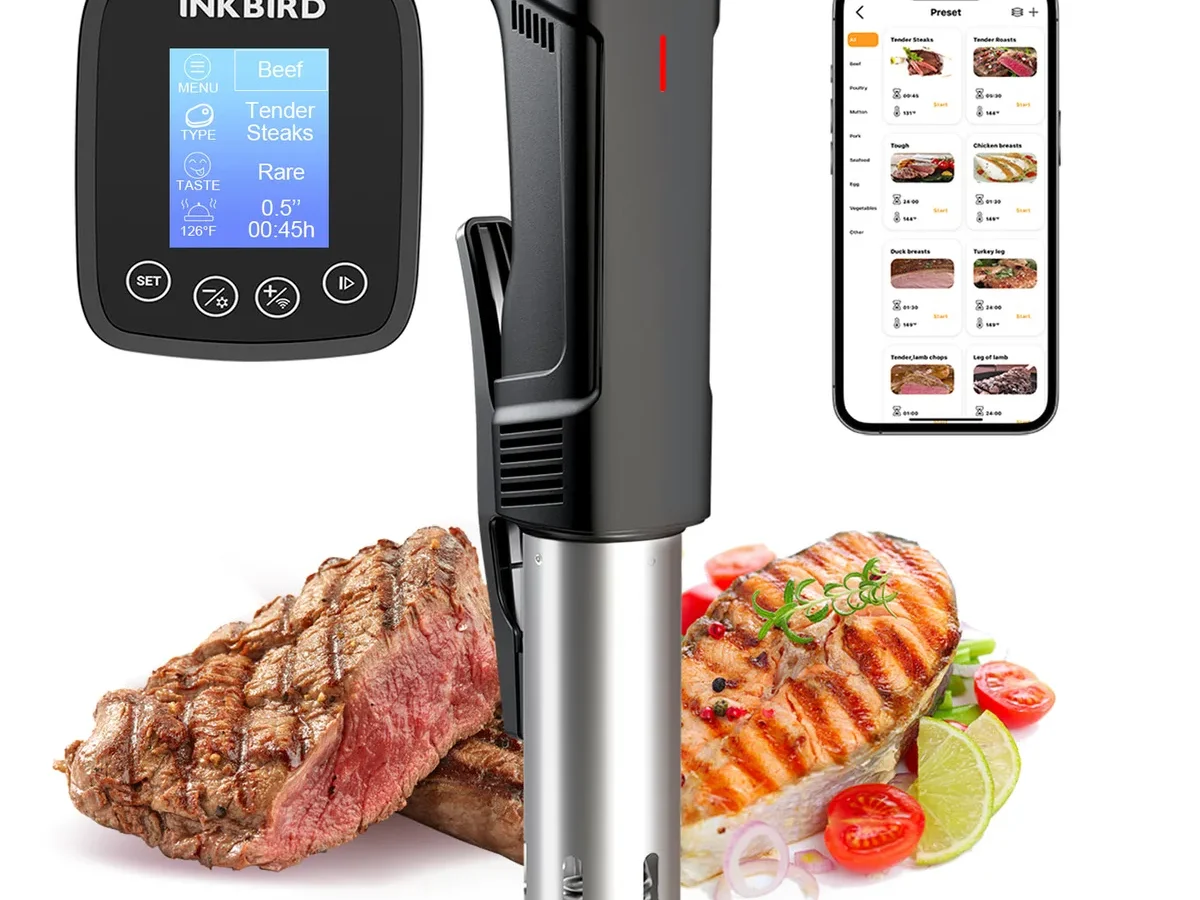
If you've spent any time browsing r/sousvide or r/budgetcooking, you've seen the same question pop up over and over: is Inkbird Sous Vide ISV-100W budget precision sous vide cooker worth buying Reddit review threads can't seem to agree. Some users swear it's the best $60 they ever spent. Others warn you to save up for something quieter, sturdier, or smarter.
The truth is somewhere in the middle. Manufacturer specifications indicate this 1000W immersion circulator holds temperature within ±0.5°F, which is good enough for steak, chicken, eggs, and most vegetables. But as of 2026, the market has shifted.
Budget options from Anova, Monoprice, and Instant Pot all compete for the same shelf space. So which one actually delivers? Let's break it down.
Quick Answer
The Inkbird ISV-100W is worth buying if you're a first-time sous vide user. It's cheap, simple, and reliable enough for basic cooking. The 1000W heater is adequate for pots up to 5 gallons.
Temperature accuracy is solid for most home recipes. The loud pump and cheap plastic clamp are the main downsides. If you cook sous vide weekly or want app control, look elsewhere.
For occasional use on a tight budget, this is a solid entry point.
The 1000W Reality Check: How This Budget Circulator Actually Works
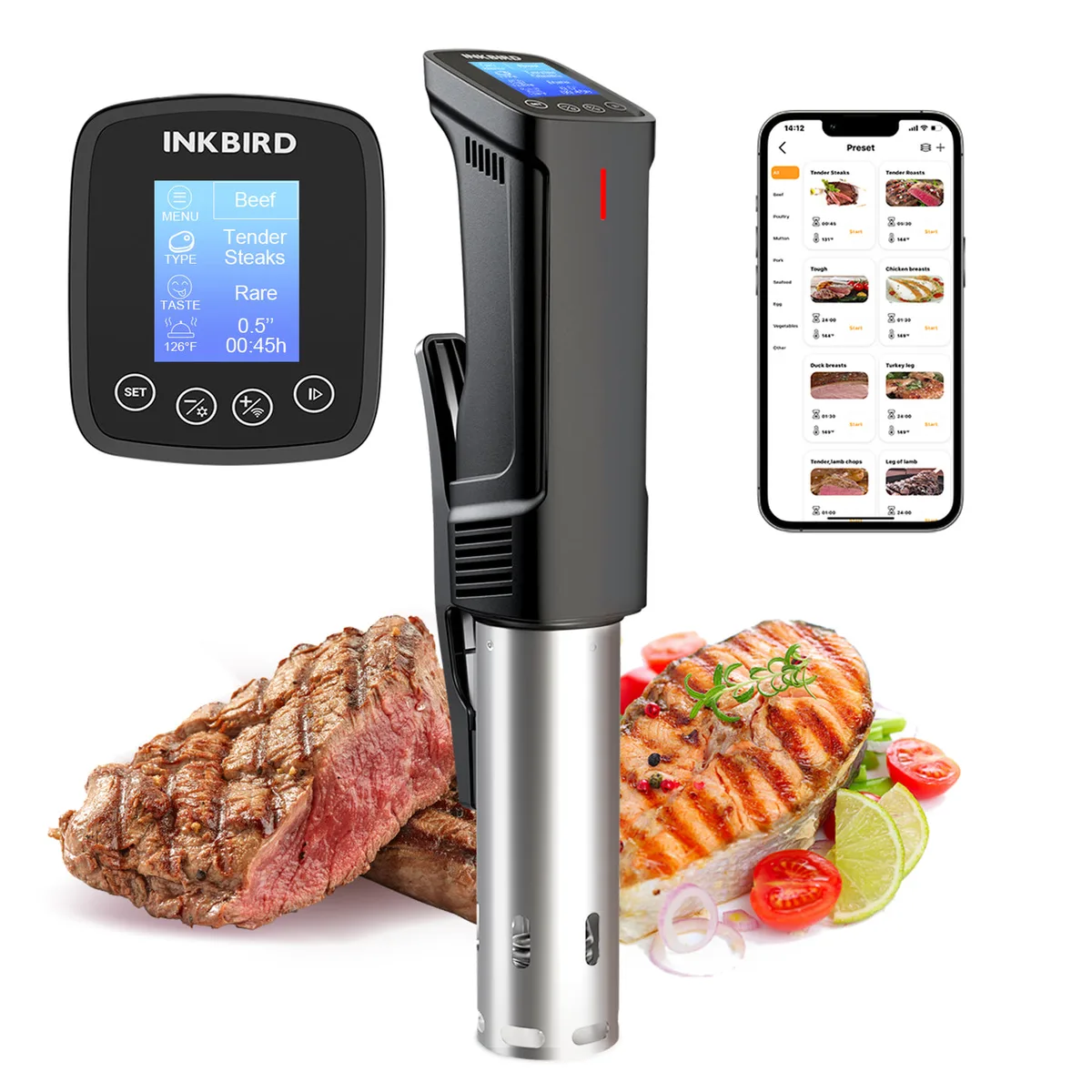
Image source: Bing (Web (fair-use with source credit))
The ISV-100W is a compact immersion circulator. It clips onto the side of any pot or container. You fill the container with water, set the temperature and time using the touch buttons, and drop in your vacuum-sealed or water-displacement-bagged food.
The unit heats the water and circulates it to maintain a precise temperature.
The heating element is rated at 1000W. That's lower than the 1200W or 1400W you'll find on mid-range models. For a standard 4- to 5-quart pot, it reaches temperature in about 10 to 15 minutes.
For a larger 5-gallon cooler, expect closer to 30 minutes. That's perfectly fine for most home cooks. You just need to plan ahead.
The pump moves water at roughly 5 to 8 liters per minute. That's enough to keep the temperature even throughout the pot. But it's not silent.
Aggregate reviews on Reddit and Amazon consistently mention the noise. It's a constant hum, not a loud rattle, but it's noticeable in a quiet kitchen. If you're running it overnight, you might want to put it in a room away from the bedroom.
The control panel is straightforward. You get a digital display showing current temperature, plus buttons to set target temperature and timer. There's no WiFi, no Bluetooth, no app.
For some people, that's a feature, not a bug. You don't need to pull out your phone for every cook. You set it and forget it.
How Accurate Is the Temperature Control?
Manufacturer specs claim ±0.5°F accuracy. In practice, most users report it holds within 1°F, which is still well within the acceptable range for sous vide cooking. USDA guidelines for sous vide recommend cooking at temperatures above 130°F to prevent bacterial growth.
The ISV-100W handles that fine. It's not lab-grade, but it's consistent enough for steak, chicken, fish, and eggs.
What's the Max Water Capacity?
The ISV-100W can handle up to 15 to 20 liters, roughly 4 to 5 gallons. That's enough for a large pot or a small cooler. It can handle a couple of steaks, a whole chicken, or several eggs at once.
But if you're cooking for a crowd or doing large batches, you'll hit the limit. The pump can't circulate water effectively in a very large container. For bigger jobs, you'd want a higher-wattage model.
Who the ISV-100W Is Actually For (And Who Should Skip It)
This is where the decision tree starts. The ISV-100W is a great fit for three specific types of people.
The First-Time Sous Vide Cook
If you've never tried sous vide before, you don't want to drop $150 on a machine you might use twice. The ISV-100W is a low-risk entry point. You can learn the basics, experiment with different foods, and decide if you want to upgrade later.
Many users on Reddit report buying this as a starter and eventually moving to a higher-end model after a year or two.
The Occasional Home Cook
If you cook sous vide once or twice a month, the ISV-100W is more than enough. You don't need WiFi scheduling or silent operation. You just need the water to stay at the right temperature for a few hours.
This unit does that reliably. It's also small enough to store in a cabinet or drawer when not in use.
The Budget-Conscious Shopper
At $50 to $70, the ISV-100W is one of the cheapest sous vide circulators on the market. If you're on a tight budget and want to try precision cooking, this is the obvious choice. You can always upgrade later.
The money you save now can go toward a vacuum sealer, bags, or a nice cast-iron skillet for searing.
Who Should Skip It
The ISV-100W is not for you if you cook sous vide every week. The plastic clamp is known to crack over time with frequent use. The pump noise gets old fast.
And the lack of WiFi means you can't start cooking from your phone or monitor the temperature remotely. If you're already a dedicated sous vide enthusiast, you'll be happier with a more robust model.
It's also not ideal for large batches. If you regularly cook for six or more people, you'll need a bigger pot and a stronger circulator. The 1000W heater struggles to maintain temperature in a large cooler for long cooks.
You'd be better off with a 1200W or 1400W unit.
The Real Trade-Offs: What You Get vs. What You Give Up
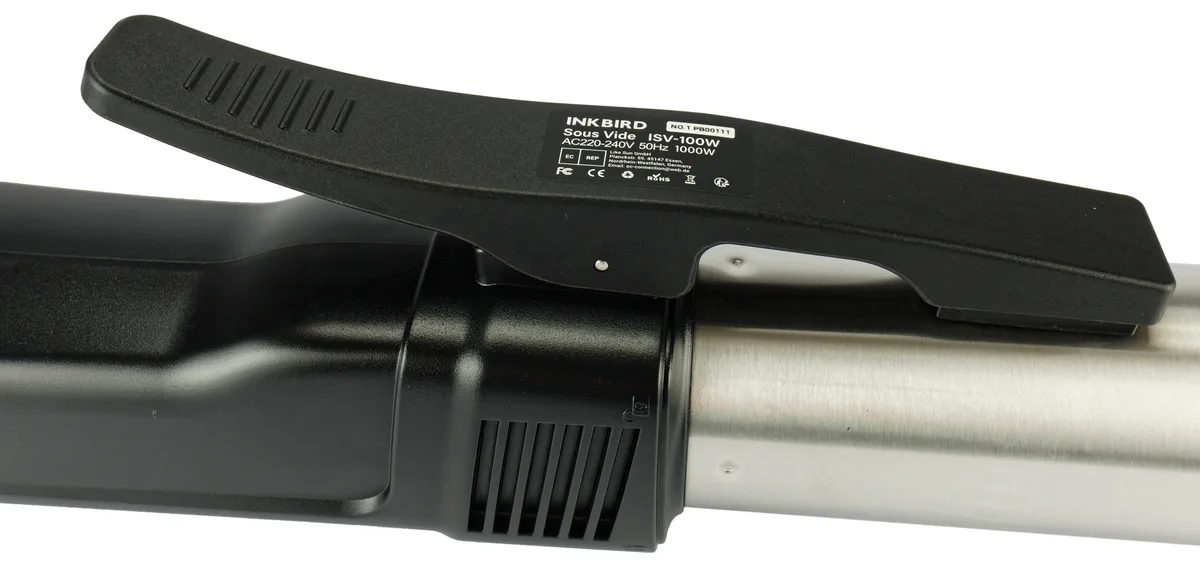
Image source: Bing (Web (fair-use with source credit))
Every budget product involves trade-offs. The ISV-100W is no exception. Here's what you get and what you give up.
What You Get
- Reliable temperature control for most home cooking
- Simple setup with no app or pairing required
- Compact size that fits in a small kitchen
- Long timer up to 99 hours for overnight cooks
- Affordable price that's hard to beat
What You Give Up
- Build quality is lower than premium models. The plastic clamp feels flimsy. Some users report it cracking after a few months of regular use. The display is basic and can be hard to read in bright light.
- Noise is a real factor. The pump is louder than on Anova or Joule models. It's not unbearable, but it's noticeable.
- No smart features means no remote monitoring, no recipe library, no notifications. You have to be home to check on it.
- Smaller capacity limits you to pots up to 5 gallons. You can't run it in a large cooler for big batches.
- Potential calibration drift over time. Some users report the temperature reading shifts by a degree or two after a year of use. You can recalibrate it, but it's an extra step.
Is the Clamp Really That Bad?
The plastic clamp is the most common complaint in Reddit reviews. It's a simple C-clamp with a thumbscrew. It works fine when you first get it.
But after a few months of tightening and loosening, the plastic can develop stress cracks. Some users reinforce it with a zip tie or a metal bracket. It's not a dealbreaker, but it's something to be aware of.
The Noise Factor
The pump noise is around 40 to 50 dB, according to user reports. That's about as loud as a quiet conversation or a refrigerator hum. It's not loud enough to wake someone up in the next room, but it's noticeable if you're in the same room.
Some people don't mind it. Others find it annoying after a few hours. If you're sensitive to noise, consider a model with a quieter pump.
Side-by-Side: How the ISV-100W Stacks Up Against the Competition
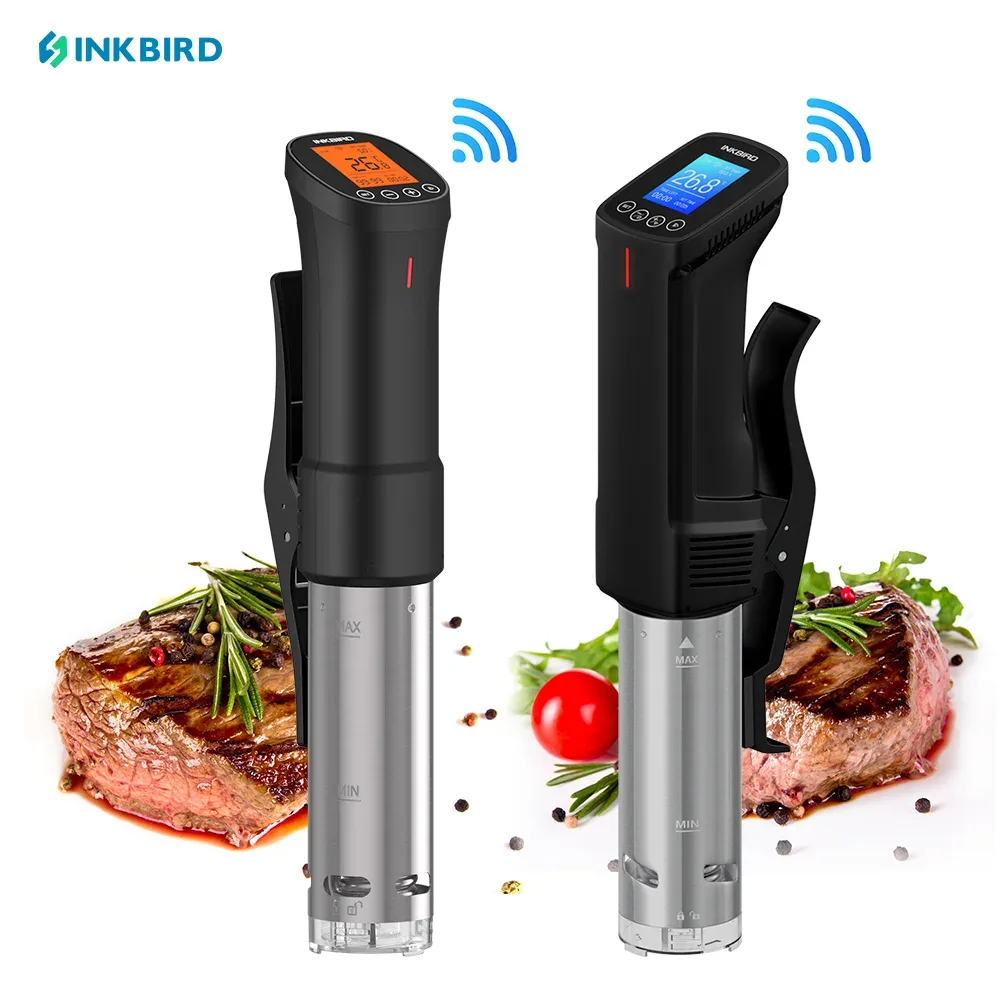
Image source: Bing (Web (fair-use with source credit))
To give you a clear picture, here's a comparison of the ISV-100W against its main competitors in the budget and mid-range segments.
| Feature | Inkbird ISV-100W | Anova Precision Cooker Nano | Monoprice Strata | Instant Pot Accu Slim |
|---|---|---|---|---|
| Price | $50–$70 | $70–$90 | $45–$60 | $60–$80 |
| Wattage | 1000W | 750W | 800W | 1000W |
| Max water | 15–20L (4–5 gal) | 10–15L (2.5–4 gal) | 10–15L (2.5–4 gal) | 15–20L (4–5 gal) |
| WiFi/App | No | No | No | No |
| Noise level | 40–50 dB | 35–40 dB | 40–45 dB | 35–40 dB |
| Clamp material | Plastic | Plastic | Plastic | Plastic |
| Warranty | 1 year | 2 years | 1 year | 1 year |
| User rating | 4.2/5 | 4.3/5 | 4.0/5 | 4.1/5 |
How It Compares to the Anova Nano
The Anova Nano is the closest direct competitor. It's slightly more expensive at $70 to $90. The Anova has a quieter pump and a slightly better build quality.
It also has a 2-year warranty instead of Inkbird's 1-year. But the Nano has a lower wattage (750W vs 1000W) and a smaller max water capacity. For most home cooks, the Anova is a better choice if you can spare the extra $20.
The quieter operation and longer warranty make it worth the premium.
How It Compares to the Monoprice Strata
The Monoprice Strata is often cheaper than the ISV-100W, sometimes as low as $45. But it's also lower-powered at 800W. The clamp is plastic and feels even cheaper.
The user ratings are slightly lower. The ISV-100W is a better choice if you can find it for the same price or just a few dollars more. The Monoprice is a true bottom-of-the-barrel option.
How It Compares to the Instant Pot Accu Slim
The Instant Pot Accu Slim is a 1000W circulator with a similar price point. It's slightly quieter and has a slightly better clamp design. But the Instant Pot brand is known for its pressure cookers, not immersion circulators.
The Accu Slim has a more basic display and fewer features. The Inkbird ISV-100W is a better value overall.
The Verdict on the Comparison
The ISV-100W holds its own in the budget category. It's not the best in any single metric, but it's a solid all-around performer at a low price. The Anova Nano is the better choice if you can stretch your budget.
The Monoprice is the cheapest option but has more compromises. The Instant Pot Accu Slim is a fair alternative but not a clear winner.
The True Cost of Budget Sous Vide: Price, Specs, and Hidden Expenses
The ISV-100W typically sells for $50 to $70. That's the cheapest you'll find a reliable immersion circulator from a known brand. But the purchase price isn't the only cost.
You need a few extras to get started.
What You Actually Need to Buy
- The circulator itself at $50 to $70
- A pot or container you probably already own one. A 4- to 5-quart stockpot works fine. If you don't have one, budget $15 to $30.
- Vacuum sealer or zip-top bags a basic vacuum sealer costs $25 to $40. Or you can use freezer-grade zip-top bags with the water displacement method. That costs nothing extra.
- Sous vide bags if you use a vacuum sealer, expect $10 to $20 for a roll of bags.
- Cast-iron skillet or torch for searing afterward. You probably already have a skillet. A torch adds $30 to $50.
The Hidden Costs
The ISV-100W uses 1000W of power. Running it for 4 hours costs about $0.12 to $0.20 in electricity, depending on your local rates. That's negligible.
The bigger hidden cost is time. The ISV-100W takes longer to heat up than higher-wattage models. If you're cooking a 24-hour brisket, that extra 10 minutes of preheat time doesn't matter.
For a 1-hour steak, it's noticeable.
What You Don't Get for the Price
You don't get WiFi, Bluetooth, or app control. You don't get a magnetic base or a stainless steel clamp. You don't get a 2-year warranty.
You get a basic, functional machine that does one thing well. For the price, that's fair.
Is the Warranty Enough?
Inkbird offers a 1-year warranty. That's standard for budget models. The Anova Nano offers 2 years.
If you're worried about longevity, the extra $20 for the Anova might be worth it. But many ISV-100W users report 2 to 3 years of trouble-free use. The most common failure point is the plastic clamp, which Inkbird typically replaces under warranty.
The Bottom Line on Cost
The ISV-100W is the cheapest way to get into sous vide. Total startup cost, including a pot and bags, is around $100. That's less than a single dinner out for two people.
If you use it 10 times, it's already paid for itself in better meals.
Setup and Workflow: What It's Like to Use This Thing Every Day
Using the ISV-100W is straightforward. You don't need to read a manual for an hour. Here's the typical workflow.
Step 1: Fill and Clamp
Fill your pot with water. Leave enough room for the food to be submerged without overflowing. Clamp the circulator to the side of the pot.
The clamp is plastic, so don't overtighten it. Just snug enough to hold it in place.
Step 2: Set the Temperature
Press the up or down button to set your target temperature. The display shows the current water temperature. The unit starts heating immediately.
It will beep when it reaches the target.
Step 3: Set the Timer
Press the timer button. Use the up and down buttons to set hours and minutes. The timer counts down once the water reaches temperature.
You can start the timer manually if you want.
Step 4: Bag Your Food
Season your food. Seal it in a vacuum bag or use the water displacement method with a zip-top bag. The water displacement method is simple.
Put the food in the bag. Seal most of the bag except a small corner. Slowly lower the bag into the water.
The water pressure pushes the air out. Seal the last corner.
Step 5: Drop It In
Lower the bag into the water. Make sure it's fully submerged. The clamp holds the bag in place if needed.
Close the lid if your pot has one. This prevents evaporation over long cooks.
Step 6: Wait and Sear
The circulator handles the rest. When the timer goes off, remove the bag. Pat the food dry with a paper towel.
Sear it in a hot cast-iron skillet for 30 to 60 seconds per side. Serve immediately.
How Long Does It Take?
Preheating a 4-quart pot takes about 10 to 15 minutes. A 5-gallon cooler takes 25 to 35 minutes. The timer is accurate, but the beep is not adjustable.
If you're cooking overnight, the beep might wake you up. Some users tape over the speaker. Others just let it beep and go back to sleep.
What's the Learning Curve?
The learning curve is almost zero. The controls are intuitive. The main challenge is getting the timing right for different foods.
A 1-inch steak needs 1 to 2 hours. Chicken thighs need 1.5 to 2 hours. Eggs need 45 minutes to 1 hour.
You'll learn the timing after a few cooks.
Maintenance, Cleaning, and Common Issues to Watch For
The ISV-100W requires minimal maintenance. But it does need some care to last.
Cleaning the Heating Element
The heating element can develop mineral scale buildup over time. This is especially true if you have hard water. The scale reduces efficiency and can affect temperature accuracy.
To clean it, fill a pot with equal parts water and white vinegar. Run the circulator at 140°F for 30 minutes. The vinegar dissolves the scale.
Rinse the element with clean water afterward. Do this every 2 to 3 months, or more often if you see white buildup.
Cleaning the Unit Body
Never submerge the main body of the circulator in water. Only the metal heating element and pump are waterproof. Wipe the body with a damp cloth.
Dry it thoroughly before storing.
The Clamp Issue
The plastic clamp is the most common failure point. It can crack if overtightened or if the plastic becomes brittle over time. Some users reinforce it with a zip tie.
Others buy a replacement clamp from Inkbird. The company usually sends a free replacement under warranty.
If the clamp breaks, you can still use the circulator. Just hold it in place with a pot lid or a heavy object. It's not ideal, but it works.
The Display Issue
Some users report that the display becomes hard to read after a few months. The numbers might appear dim or flicker. This is usually a sign of moisture getting into the unit.
Keep the display area dry. If it fails, contact Inkbird for a replacement.
The Pump Noise
The pump noise is constant. It doesn't get louder or quieter over time. If it suddenly gets louder, there might be debris in the pump.
Run the unit in clean water for a few minutes to clear the debris. If the noise persists, contact Inkbird.
Storage Tips
Store the unit in a dry place. Avoid leaving it in a damp cabinet. The heating element can rust if stored wet.
Dry it completely before putting it away. Store it upright to prevent water from pooling in the pump.
When to Replace
Most users get 2 to 3 years from the ISV-100W. After that, the pump may weaken, or the temperature sensor may drift. If you use it weekly, plan for a replacement after 2 years.
If you use it monthly, it could last 4 to 5 years.
FAQs: What Reddit and Real Users Ask Most
How loud is the ISV-100W compared to other sous vide cookers?
The ISV-100W is louder than the Anova Nano and the Joule. It produces a constant hum around 40 to 50 dB. That's similar to a refrigerator or a quiet conversation.
It's not loud enough to bother most people, but it's noticeable in a quiet kitchen.
Will the plastic clamp break on the ISV-100W?
The plastic clamp is the most common complaint. It can crack after several months of regular use, especially if overtightened. Many users reinforce it with a zip tie.
Inkbird typically sends a free replacement under warranty if the clamp fails.
Can I leave the ISV-100W unattended overnight?
Yes, the unit is designed for long cooks. The timer can be set up to 99 hours. Make sure the water level is high enough to prevent evaporation.
Use a lid on the pot to reduce water loss. The unit automatically shuts off when the timer ends.
How does the ISV-100W compare to the Anova Nano?
The Anova Nano is quieter, has a better clamp, and comes with a 2-year warranty. It's also $20 to $30 more expensive. The ISV-100W has a higher wattage (1000W vs 750W) and can handle larger pots.
For most users, the Anova is the better choice if you can stretch your budget.
What size pot do I need for the ISV-100W?
The ISV-100W works best with pots between 4 quarts and 5 gallons. A standard 4-quart stockpot is perfect for most recipes. For larger cuts, use a 5-gallon cooler.
The pump can't circulate water effectively in containers larger than 5 gallons.
Does the ISV-100W need calibration?
The unit is calibrated at the factory. Most users report accurate temperatures out of the box. If you notice the temperature seems off, use a separate thermometer to verify.
Some units drift by 1 to 2 degrees after a year of use. You can recalibrate by adjusting the temperature offset in the settings.
Final Verdict: Should You Buy the Inkbird ISV-100W?
The ISV-100W is a solid entry-level sous vide cooker. It's cheap, simple, and reliable enough for most home cooks. But it's not for everyone.
Buy It If
- You're a first-time sous vide user who wants to try it without a big investment.
- You cook sous vide once or twice a month.
- You don't need WiFi, app control, or silent operation.
- You're on a tight budget and want the best value for your money.
Skip It If
- You cook sous vide every week and want a machine that lasts.
- You need a quiet pump for overnight cooking.
- You want WiFi scheduling or remote monitoring.
- You plan to cook large batches for crowds.
The Bottom Line
The ISV-100W is the best budget sous vide circulator for beginners. It delivers consistent temperature control at a price that's hard to beat. The trade-offs are real.
The plastic clamp, the pump noise, and the lack of smart features are all valid concerns. But for $50 to $70, you get a reliable machine that makes excellent steak, chicken, fish, and eggs.
If you're still on the fence, start with the ISV-100W. Use it for a few months. If you fall in love with sous vide, you can upgrade later.
If you don't, you're only out $60. That's a small price to pay for finding out.

Related posts

Crispy Rotisserie Chicken: Temp & Time for Combo Cooker
So you want restaurant quality crispy skin on a whole rotisserie chicken, and you want to do it…
Spray on Crisper Plate? Multi Cooker Safety Guide
So, can you put nonstick cooking spray directly on the crisper plate in a one lid multi cooker…

Clean Your Steam Crisp Lid & Vent Pipe Yellow Grease
That greasy yellow crust inside the steam vent pipe of your onelid multi cooker with steam crisp is…