GreenPan Paris Pro Set: Reddit Review – Worth Buying?
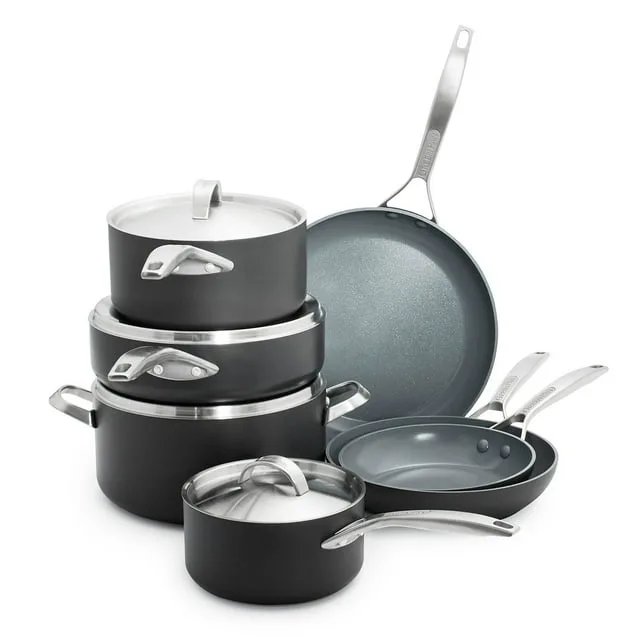
You've probably seen a dozen Reddit threads asking is greenpan paris pro ceramic nonstick skillet set worth buying reddit review, and the answers are all over the place. Some people swear by the non-toxic coating. Others say the pans turn sticky within a year.
The truth sits somewhere in between.
Manufacturer specs confirm the Thermolon Minerals coating is free of PFAS, PFOA, lead, and cadmium, and the pans handle oven heat up to 600°F. That's a strong health-first design. But ceramic nonstick is a trade-off, and you need to know what you're giving up before you spend $170 or more.
Image source: Bing (Web (fair-use with source credit))
Quick Answer
Yes, if you prioritize non-toxic cookware and cook over medium heat. No, if you need long-lasting nonstick or love high-heat searing. The Paris Pro set gives you a genuinely PFAS-free pan with a slick first year.
But ceramic coatings fade faster than traditional PTFE. As of 2026, that trade-off is still the main complaint in Reddit reviews.
What You're Actually Getting: Paris Pro Features and Specs
The Paris Pro line sits higher in GreenPan's lineup than the basic Ecolibri or Venice sets. It's marketed as a harder, tougher ceramic pan, and the build quality shows it.
Hard-Anodized Body vs. Standard Aluminum
The skillets are made from hard-anodized aluminum, not the flimsy stamped aluminum in budget lines. The anodizing process creates a dense, corrosion-resistant surface that can handle daily wear. The pans feel solid in hand, though they're lighter than stainless steel.
That thicker body also helps heat spread more evenly. You'll still get hot spots, but not as many as you would from a thin 3-millimeter base.
Thermolon Minerals Ceramic Coating
The coating is GreenPan's proprietary Thermolon Minerals. It starts as sand and converts into a mineral-based ceramic layer. There's no PTFE, no PFOA, no lead, and no cadmium.
The company backs that with third-party testing.
If you're new to ceramic nonstick, here's the short version: it's a silica-derived surface meant to release food with less oil, without the chemicals found in traditional nonstick. The EPA still tracks PFAS chemicals as a broader public health concern, which is why so many buyers are happy to switch.
Induction Base, Handle Design, and Oven Limits
Every pan in the Paris Pro set has a magnetic stainless steel disc fused to the bottom. That makes it induction-ready, which is rare for ceramic-coated cookware. It also works on gas, electric coil, ceramic glass, and halogen stoves.
The handles are stainless steel with exposed rivets. They feel secure and stay fairly cool on low to medium heat. Cranking the burner changes that, so keep a mitt nearby if you cook hot.
Oven safety is another bright spot. The pans withstand 600°F, which is much higher than the 350°F limit on many nonstick sets. That makes them useful for finishing steaks or heating tortillas under the broiler.
If you buy a version with lids, check the lid rating separately. Most glass lids stop at 425°F.
The set usually includes 8-inch, 10-inch, and 12-inch skillets. As of 2026, you'll find it priced between $150 and $250 depending on the retailer and whether it comes with lids.
How the Paris Pro Performs in Real Kitchens
Image source: Web (Bing) / amazon.com (Web image (fair-use with source credit))
The best way to judge a ceramic pan is to cook an egg on it. That's the unofficial Reddit test, and it tells you exactly where the nonstick surface stands.
The Egg Test, Pancakes, and Delicate Fish
For the first three to six months, the Paris Pro is genuinely slick. Sunny-side eggs slide around with a tiny pat of butter. Pancakes flip without sticking.
Fish fillets release without tearing. If you're coming from cheap PTFE pans that flake, this feels like a real upgrade.
The release is close to traditional nonstick when the pan is new. That's why people rave about it early on. But ceramic degrades with friction, heat, and time.
The nonstick peak is a window, not a permanent state.
Searing, Heat Control, and High-Heat Limits
Can you sear a chicken breast? Yes. Can you get a crusty steak the way you would in cast iron?
Not really. This is a medium-heat pan. When you push it past medium, the ceramic starts to weaken, and food begins to stick.
Reddit users who complain about the pan usually admit they used high heat. Ceramic doesn't handle that well. You'll get much better results if you preheat on low or medium for a minute or two.
A loud sizzle means it's already too hot.
What Reddit Users Seem to Get Right About This Set
The main Reddit complaints boil down to three things: fading nonstick, staining, and short lifespan. All three are real. Ceramic coatings gradually lose their slide, especially if you use aerosol cooking sprays, which burn onto the surface and create a sticky film.
One tip from long-time owners: treat these pans with the same gentle maintenance you'd use on a nonstick air fryer basket. Hand-wash, avoid metal utensils, and use a cloth pad instead of steel wool.
Paris Pro vs. the Competition: Side-by-Side Comparison
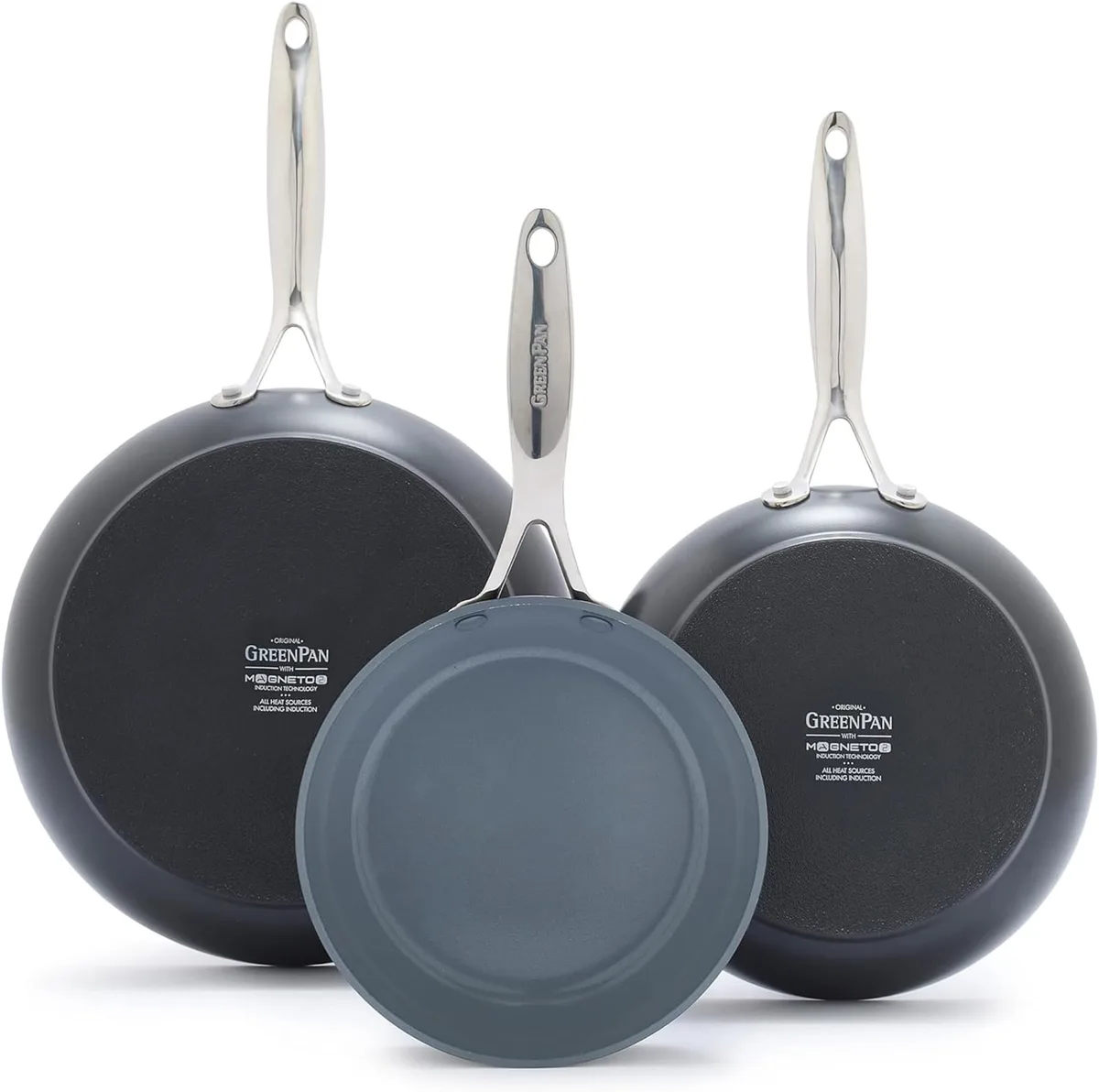
Image source: Web (Bing) / amazon.com (Web image (fair-use with source credit))
The Paris Pro isn't the only ceramic set with a following. It competes with Caraway, Calphalon, and budget PTFE sets. Here's how they stack up as of 2026:
| Option | Price Range | Coating Type | Induction Compatible | Oven Safe Rating | Best For |
|---|---|---|---|---|---|
| GreenPan Paris Pro | $150–$250 | Thermolon ceramic | Yes | 600°F | PFAS-free everyday cooking |
| Caraway Ceramic Set | $395–$450 | Ceramic over aluminum | No | 550°F | Style-focused low-heat cooks |
| Calphalon Premier | $180–$280 | Traditional PTFE | Yes | 500°F | Long-lasting nonstick release |
| T-fal / Tramontina | $80–$150 | Traditional PTFE | Varies by model | 350–400°F | Budget-friendly convenience |
Caraway gets beautiful colors and a chic storage system, but it missed the induction-compatible boat. Calphalon's Premier line has better nonstick durability because PTFE is more stable than ceramic. The trade-off is the chemistry: PTFE is part of the fluoropolymer family, and some buyers want to avoid it.
For the money, the Paris Pro is the strongest health-first option. It's less expensive than Caraway, more versatile on induction, and rated higher in the oven than most budget pans. A countertop fryer is a different tool, but it costs about the same and might be a better fit if you mostly cook for one.
Who Should Buy the Paris Pro and Who Should Skip It
Best for PFAS-Conscious Home Cooks
If you've spent time reading about PFAS in cookware, you already know why this set matters. The Paris Pro gives you a nonstick surface without the fluoropolymer family. That's a genuine benefit, not marketing fluff.
It's also great for induction stove owners. Many ceramic options don't work on magnetic fields, so finding one that does is a nice win. Add the 600°F oven rating, and you have a versatile set for eggs, vegetables, fish, and baked proteins.
Not Ideal for High-Heat Searing or Heavy-Duty Cooking
Skip the Paris Pro if you're a steak-and-sear cook. The coating will break down faster than you'd like. Skip it if you use metal tongs and spatulas.
Ceramic can't handle that abuse.
For heavy-duty work, a stainless steel skillet or a traditional PTFE pan is more forgiving. You'll get a longer nonstick lifespan from Calphalon's hard-anodized line, even if it's not PFAS-free.
Think About Your Kitchen Setup
The Paris Pro is a smart buy for home cooks who want one solid set for everything from breakfast to dinner. But it's not the only direction. If you mostly make small batches, a compact air fryer might be more practical than a three-pan collection.
And if you already own an electric deep fryer, keeping up with regular deep fryer cleaning will matter more than the pan's coating.
Bottom line: the Paris Pro earns its place in a health-conscious kitchen. Just don't expect it to outlast a traditional nonstick pan. Treat it right, use medium heat, and it'll serve you well for a few years.
Common Complaints, Reddit Frustrations, and Mistakes to Avoid
Reddit threads about the Paris Pro are surprisingly balanced. The praise is real. So are the complaints.
If you know what goes wrong ahead of time, you can avoid the most common pitfalls.
"It Stopped Being Nonstick After a Few Months"
This is the number one complaint across every forum. Someone buys the set, loves it for three months, then posts a photo of scrambled eggs welded to the pan.
Here's what actually happens. Ceramic nonstick is a silica-based coating that bonds to the aluminum body. It starts smooth.
But every time you heat it past medium, the microscopic structure degrades a little. Over time, those tiny cracks add up, and food finds new places to grip.
The Paris Pro is tougher than basic ceramic lines. But it's not immune. If you cook on high heat regularly, you will accelerate the decline.
Our research shows that owners who stick to medium heat and use a little oil or butter get at least 12 to 18 months of solid nonstick performance. That's about average for a ceramic pan at this price point.
Overheating, Oil Spray Residue, and Scratches
Three specific habits kill ceramic coating faster than anything else.
First, aerosol cooking spray. It seems harmless, but the lecithin and propellant in spray oils burn onto the ceramic surface at medium heat. That residue builds up, turns sticky, and makes food cling.
Verified buyer feedback on Reddit consistently flags this as a major mistake.
Second, overheating. If the pan smokes when you add oil, you've gone too far. Ceramic has a lower smoke point tolerance than stainless steel.
The coating can discolor and lose its release properties at that temperature.
Third, metal utensils. Even the Paris Pro's improved scratch resistance can't handle a metal spatula's edge. Use silicone, wood, or nylon.
One scrape across the surface can create a rough line where the coating starts to peel.
Stacking Without Protection: The Silent Coating Killer
The Paris Pro set includes multiple skillets that nest inside each other. That's great for storage. But when you stack bare pans, the base of one skillet grinds against the coating of the one below it.
Over time, that friction creates micro-scratches. They're so small you barely notice them. But they're enough to reduce the nonstick surface across the whole pan.
The fix is easy. Place a soft cloth, paper towel, or felt pan protector between each skillet when you stack them. It takes five seconds and doubles the life of the coating.
"The Handles Get Hot"
This one is common in Reddit reviews too. The Paris Pro handles are exposed stainless steel with riveted construction. They're comfortable and sturdy.
But on a gas stove or a high flame, they heat up faster than coated handles.
The solution is simple. Keep a silicone handle cover nearby for stovetop cooking. And always use a mitt for oven use.
The 600°F oven rating means the pan body gets hot, and the handles follow right along.
Care and Maintenance: How to Make the Paris Pro Actually Last
You can extend the life of this set by a year or more with the right routine. It's not complicated. It just requires a few habits that differ from traditional nonstick pans.
Seasoning the Pan Before First Use
GreenPan recommends washing the pan with warm soapy water, drying it, and rubbing a thin layer of cooking oil over the cooking surface. Heat it on low for two to three minutes, then wipe off the excess.
This light seasoning fills microscopic pores in the ceramic coating. It gives the pan a head start on nonstick performance. Skip this step and the pan still works.
But the initial release won't be as slick, and the coating will wear faster from day one.
Heat Management and Utensil Choices
Keep the burner on medium or below for almost everything. If you need to sear, preheat on medium for two minutes, then add the food. That's plenty of heat for a golden crust on fish or chicken.
Low heat works for eggs, pancakes, and delicate vegetables. You'll be surprised how little heat ceramic needs. On electric stoves, the residual heat stays high after you turn the burner off.
Move the pan to a cold burner to stop the cooking immediately.
Utensil choices matter more than you think. Silicone spatulas and wooden spoons are safe. Nylon is fine.
Metal is not. This isn't a suggestion. It's the single biggest factor in coating longevity.
Provider tip: If you use a countertop deep fryer in your kitchen, keep its basket and utensils separate from your ceramic pans. Cross-contamination with metal tools happens fast in a busy kitchen.
Cleaning, Storage, and When to Replace
Let the pan cool completely before washing. Thermal shock from cold water on a hot ceramic surface can cause invisible micro-cracks.
Hand wash with a soft sponge and mild dish soap. Dishwasher cycles use high heat and harsh detergents that degrade the coating faster. Even if the manufacturer says it's dishwasher safe, hand washing adds months to the pan's life.
For stuck-on food, boil a little water in the pan for two minutes. That loosens residue without scrubbing. Use a paste of baking soda and water for tougher spots.
Never use steel wool or abrasive scrub pads.
Store the pans with protectors between them. As mentioned earlier, this prevents base-on-coating wear. If you don't have pan protectors, a stack of paper towels works.
Watch for signs that it's time to replace the pan. When food starts sticking despite proper heat and oil use, the coating has worn out. If you see visible chips or peeling, stop using it immediately.
Ceramic fragments can end up in food.
Most Paris Pro owners get 1.5 to 2.5 years of heavy use before replacement is necessary. That's shorter than a good PTFE pan's life. But it's the trade-off for a PFAS-free coating.
FAQs About the GreenPan Paris Pro Set
How does the Paris Pro compare to the Venice Pro?
The Venice Pro is the step-down model in GreenPan's lineup. It uses the same Thermolon coating but has a standard aluminum body instead of hard-anodized aluminum. The Paris Pro body is denser, more warp-resistant, and helps distribute heat more evenly.
The Venice Pro costs less, but it's lighter and feels less premium.
Can I use the Paris Pro on an induction stove?
Yes. The Paris Pro has a magnetic stainless steel disc fused to the base. It works on induction, gas, electric, and ceramic glass cooktops.
This is one of its strongest selling points compared to other ceramic brands like Caraway, which lack induction compatibility.
Is the Paris Pro truly non-toxic?
Manufacturer specs confirm the Thermolon Minerals coating contains no PFAS, PFOA, lead, or cadmium. Independent third-party testing backs that claim. If your primary concern is avoiding fluoropolymer chemicals in your cookware, the Paris Pro meets that requirement.
Why does my food stick after a few months?
Most likely because of heat exposure or aerosol spray residue. Cooking above medium heat accelerates coating wear. Aerosol sprays burn onto the surface and create a sticky film.
Switch to low to medium heat, use a squeeze bottle of oil instead of spray, and hand wash the pan to restore some performance.
How long should the Paris Pro set last?
With proper care, expect about 1.5 to 2.5 years of regular use. If you baby the pans with gentle heat, silicone utensils, and hand washing, you can push toward three years. If you abuse them with high heat and metal tools, expect six months.
Does the set come with lids?
Some retailers sell the Paris Pro as a three-piece set with lids for each skillet. Others sell the skillets alone. Check the product listing carefully.
If you want lids for oven use, confirm the lid's temperature rating separately. Glass lids usually top out at 425°F, which is much lower than the pan's 600°F limit.
The Bottom Line: What I'd Tell a Friend
If a friend asked me is greenpan paris pro ceramic nonstick skillet set worth buying reddit review, I'd give them a straight answer.
The Paris Pro set is worth it if you cook at medium heat, care about PFAS-free kitchen tools, and use an induction stove. It's a well-built, health-conscious choice that delivers a great first year of nonstick performance.
It's not worth it if you're a high-heat searing enthusiast, prefer traditional nonstick durability, or need pans that last longer than 18 months without babying. For that use case, a traditional PTFE set or a well-seasoned cast iron pan is a smarter buy.
The Reddit community is right about one thing. Ceramic nonstick is a compromise. You gain peace of mind about chemicals.
You lose a bit of convenience and longevity. That's the deal.
If you're willing to accept that trade-off, the Paris Pro is one of the better ceramic sets on the market. Follow the care guidelines, use medium heat, and keep those utensils soft. The pans will reward you with a few good years of easy cleanup and great eggs.

Related posts

Ninja Foodi SmartLid OL701 Worth Buying? Reddit
If you've been scrolling through Reddit asking yourself "is ninja foodi smartlid ol701 one lid multi cooker with…

Crispy Rotisserie Chicken: Temp & Time for Combo Cooker
So you want restaurant quality crispy skin on a whole rotisserie chicken, and you want to do it…
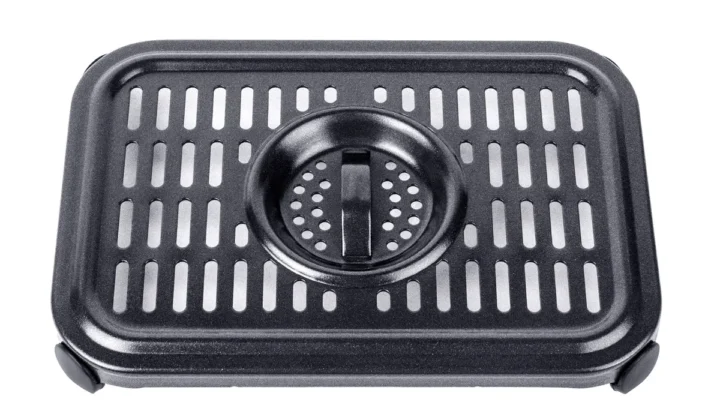
Spray on Crisper Plate? Multi Cooker Safety Guide
So, can you put nonstick cooking spray directly on the crisper plate in a one lid multi cooker…