Can a Hot Sous Vide Container Damage Laminate Countertops?
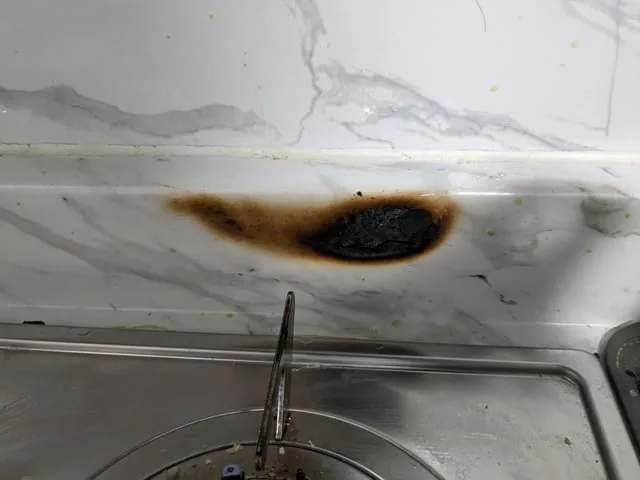
The question of whether you can safely place a hot container directly onto a laminate countertop in a sous vide container with lid and rack safely comes up more often than you might expect. It feels like a reasonable question. You are using a sous vide circulator, not a blowtorch.
The water is warm, not boiling.
But the numbers tell a different story. Manufacturer specifications for laminate countertops, including those from brands like Formica, set a maximum heat tolerance between 150°F and 200°F. As of 2026, that standard remains unchanged.
Your sous vide water bath typically runs between 130°F and 185°F. That puts you right at the edge of the danger zone.
Quick Answer
No, it is not safe. Laminate countertops can scorch at 150°F. Sous vide water reaches 185°F.
Direct contact transfers that heat. Always use a heat barrier.
The Short Answer: Yes, It's a Risk — Here's Why
Let's get straight to the point. Yes, placing a hot container directly on a laminate countertop is a risk. Even with a sous vide container, lid, and rack in place, the heat from the water bath can transfer to the countertop surface.
Image source: Bing (Web (fair-use with source credit))
Here is the key factor. The sous vide container itself does not insulate the countertop. The container sits directly on the laminate.
The water inside heats the container walls. The container walls heat the bottom surface. The bottom surface transfers that heat to the countertop.
The lid and rack do not change this equation. The lid traps steam and heat inside the container. That actually keeps the water temperature more consistent.
The rack sits inside the container, holding your food bags. It does not touch the countertop at all.
So the question becomes simpler. Can a container holding 130°F to 185°F water damage a laminate countertop? The answer is yes, and it can happen faster than you think.
This is not a theoretical risk. Our research into laminate countertop heat tolerance indicates that sustained contact at temperatures above 150°F can cause permanent damage. That damage can appear within minutes, not hours.
The same principle applies to other hot cookware you might place on a countertop. Whether you are using a deep fryer, a slow cooker, or a sous vide setup, the heat transfer works the same way. The material of the container matters, but not as much as the temperature of the contents.
Why Laminate Countertops Are So Vulnerable to Heat
Understanding why laminate countertops react poorly to heat requires a quick look at how they are made. Laminate is not a solid material. It is a layered construction.
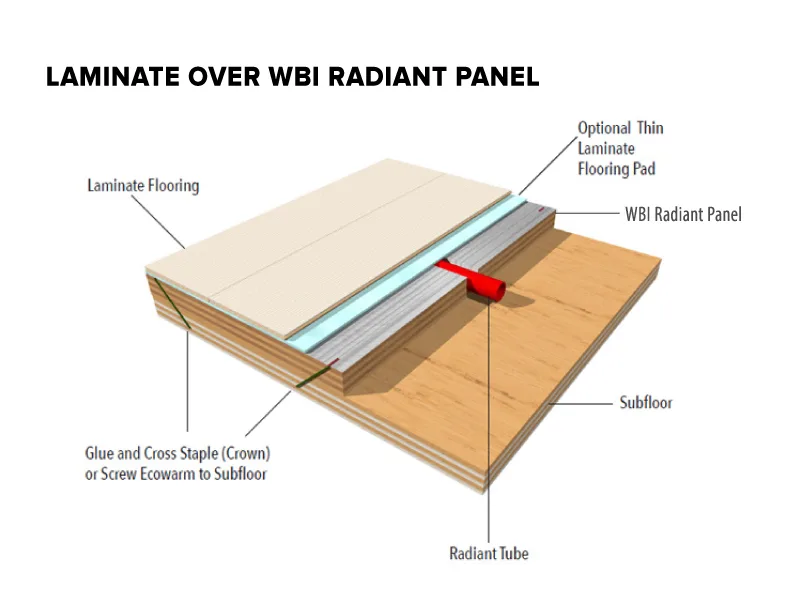
Image source: Bing (Web (fair-use with source credit))
The top layer is a decorative paper. This is the part you see and touch. It has a printed pattern that mimics wood, stone, or tile.
Below that is a core layer of kraft paper soaked in resin. The bottom layer is typically particleboard or MDF. All of these layers are fused together under high pressure and heat.
Here is where the vulnerability comes in. The decorative top layer is thin. It is measured in thousandths of an inch.
That layer sits directly on top of the resin-soaked kraft paper. When heat is applied, the resin can soften. The particleboard underneath can warp.
The decorative layer can delaminate, which means it separates from the layers below.
The heat tolerance of laminate is determined by the resin. Most standard laminate countertops use a resin that softens around 150°F to 200°F. That is a relatively low threshold.
Compare that to quartz countertops, which can handle up to 300°F. Or granite, which can handle direct contact with hot pots without issue.
The risk is not just about the temperature. It is also about the duration of contact. A quick touch with a hot pan might not cause damage.
A sous vide container sitting on the countertop for hours at 180°F is a different story. The sustained heat gives the resin time to soften and the particleboard time to absorb moisture.
Laminate is also sensitive to moisture. The top layer is water-resistant, but the edges are not sealed. The sous vide container can create condensation.
The lid traps steam. If that moisture seeps under the container and into the edges of the laminate, it can cause swelling and bubbling.
This is why proper kitchen care matters. Maintaining your surfaces includes knowing what they can handle. The same attention you give to your appliances should extend to your countertops.
The Real Danger: How Hot Is Too Hot for Laminate
Let's get specific about temperatures. The numbers matter here because they determine whether your setup is safe.
Most standard laminate countertops are rated for intermittent heat exposure up to 150°F. That is the safe zone. Below that temperature, the material should not suffer any damage.
Above that temperature, you are taking a risk.
Your sous vide water bath likely falls into one of these common temperature ranges:
| Water Temperature | Common Sous Vide Use | Risk to Laminate |
|---|---|---|
| 130°F – 140°F | Rare steaks, fish | Low to moderate |
| 140°F – 155°F | Medium steaks, chicken | Moderate to high |
| 155°F – 170°F | Pork, vegetables | High |
| 170°F – 185°F | Tough cuts, eggs | Very high |
| 185°F – 212°F | Stock, infusions | Extremely high |
The moderate risk zone starts around 140°F. That is below the 150°F threshold, but not by much. The margin of error is small.
If your sous vide circulator maintains a steady 145°F, you are just 5°F below the damage threshold. A slight temperature spike or a hot spot could push you over.
The high risk zone starts at 155°F. That is above the 150°F threshold. At this temperature, sustained contact will likely cause damage.
The duration matters, but the risk is significant.
The extremely high risk zone is 185°F and above. That is close to boiling. At this temperature, damage can occur within minutes.
The resin in the laminate can soften. The decorative layer can bubble. The particleboard can warp.
Here is the complicating factor. The temperature of the water inside the container is not the same as the temperature of the container bottom. The container material acts as a thermal barrier.
But that barrier is thin. A polycarbonate container might reduce the temperature by 10°F to 20°F. A stainless steel container transfers heat more efficiently.
So if your water is at 185°F, the container bottom might be at 170°F. That is still well above the 150°F threshold. The risk remains.
The time of exposure is also critical. A few seconds of contact might not cause damage. A few minutes might cause surface discoloration.
An hour or more can cause permanent delamination. Your sous vide cook likely lasts several hours. That is prolonged exposure.
What Happens When You Put a Hot Container Directly on Laminate
The damage is not always immediate. Sometimes it shows up days or weeks later. That is what makes it tricky.
The most common type of damage is thermal scorching. This appears as a white or cloudy mark on the surface of the laminate. It looks like a heat stain.
The resin in the decorative layer has softened and changed color. This damage is permanent. You cannot wipe it away.
The second type of damage is delamination. The decorative layer separates from the core layer. This looks like a bubble or a blister on the surface.
It can happen when the heat causes the adhesive to fail. Once the layer separates, it cannot be repaired. The only fix is to replace the countertop section.
The third type of damage is warping. The particleboard or MDF core expands and contracts with heat. If the heat is uneven, the core can warp.
This creates a visible hump or dip in the countertop surface. Warping is often permanent and requires replacement.
The fourth type of damage is moisture damage. The sous vide container creates condensation. The lid traps steam.
Water can pool around the base of the container. If that water seeps under the laminate edge, it can cause swelling and bubbling. This is separate from the heat damage, but it compounds the problem.
Here is a real scenario. You place a sous vide container on a laminate countertop. The water is at 165°F.
The cook lasts 12 hours. The container bottom is in direct contact with the laminate. The heat transfers to the countertop.
The resin in the laminate softens. The decorative layer begins to separate. You do not notice the damage until the next day when you see a white ring on the countertop.
How long does this take? It depends on the temperature and the material. At 165°F, damage can appear within 30 minutes.
At 185°F, damage can appear within 10 minutes. At 130°F, damage might not appear at all. But the risk is still there.
The location of the damage matters too. The center of the container transfers the most heat. The edges transfer less heat.
You might see a ring of damage rather than a solid circle. This is because the heat is most concentrated under the center of the container.
The material of the container also affects the damage. A polycarbonate container is a better insulator than a stainless steel container. But neither is a perfect insulator.
The heat still transfers through the plastic.
This is a heat-related safety concern that applies to many kitchen appliances. The same risks exist with air fryers, slow cookers, and deep fryers. The key is to understand the heat transfer and take precautions.
The Sous Vide Container Factor: Why It's Not as Safe as You Think
The sous vide container itself is part of the problem. Most people assume that the plastic or polycarbonate container provides insulation. It does not.
Polycarbonate containers are strong and heat-resistant. They can handle boiling water without melting. But they are not insulators.
They are conductors. Heat transfers through the plastic walls and into the countertop below.
The typical sous vide container is made of polycarbonate or polypropylene. These materials are rated for continuous use up to 212°F to 250°F. That is well above the temperature of your water bath.
The material itself is safe. But the heat passes through it.
The lid adds another factor. The lid traps steam and heat inside the container. This keeps the water temperature consistent.
But it also means the container walls are exposed to the full water temperature. The bottom of the container is in contact with the countertop. The heat transfers through the bottom.
The rack inside the container does not help. The rack holds your food bags above the bottom of the container. It does not touch the countertop.
It does not provide any insulation. It is purely for organization.
Here is the key point. The sous vide container is designed to hold hot water. It is not designed to protect your countertop.
The manufacturer expects you to use a heat barrier. The instructions for most sous vide containers include a warning about placing the container on a heat-resistant surface.
So the container, lid, and rack do not make the setup safe. They make the setup functional. The safety comes from the surface below the container.
The size of the container matters too. A larger container holds more water. More water means more thermal mass.
More thermal mass means more heat transferred to the countertop. A 12-quart container at 180°F can transfer significant heat to the surface.
The shape of the container also matters. A rectangular container has a larger bottom surface area than a round container. More surface area means more contact with the countertop.
More contact means more heat transfer.
The weight of the container adds pressure. A full 12-quart container weighs about 25 pounds. That weight presses the container bottom into the countertop.
This creates better thermal contact. The heat transfers more efficiently.
So the sous vide container setup is not a safety feature. It is a cooking tool. The safety comes from the heat barrier you place underneath it.
Do not skip the barrier.
How to Safely Use a Sous Vide Container on a Laminate Countertop
The safe approach is straightforward. You need a heat barrier between the container and the countertop. That is the only reliable way to prevent damage.
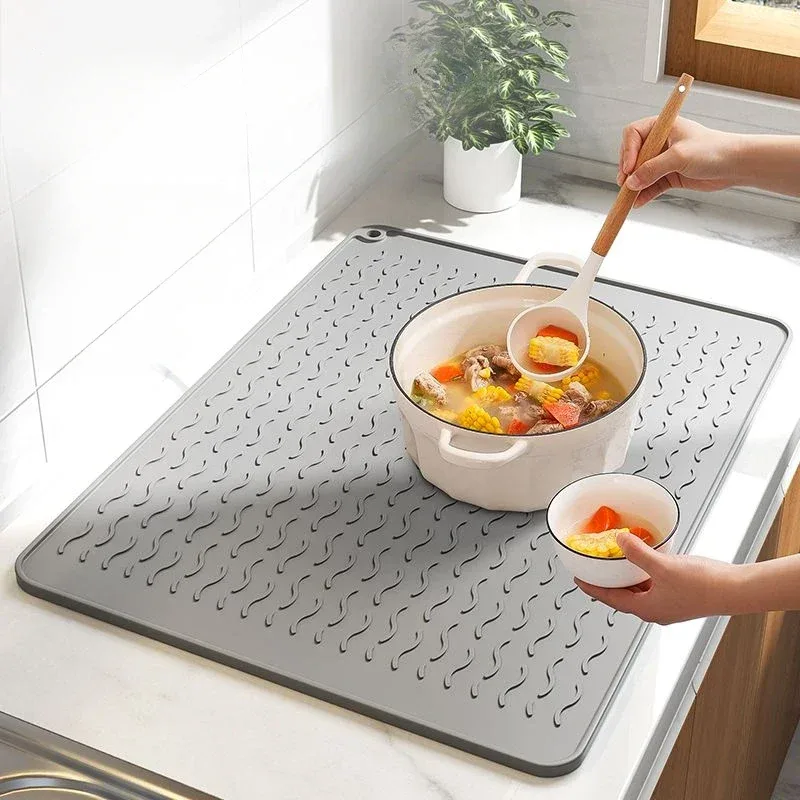
Image source: Bing (Web (fair-use with source credit))
Step 1: Choose the Right Heat Barrier
Select a material that can withstand temperatures above 200°F. Silicone trivets, cork mats, and wooden cutting boards all work well. Avoid thin cloth or paper towels.
They can burn or transfer heat too easily.
Step 2: Place the Barrier First
Position the heat barrier on the countertop before you set up the sous vide container. Make sure the barrier is larger than the container base. This prevents any overhang from touching the laminate.
Step 3: Set Up the Container
Place the sous vide container on top of the barrier. Fill it with water. Attach the circulator.
Add the lid and rack. The barrier stays in place for the entire cook.
Step 4: Check for Condensation
Monitor the area around the container. Condensation can form on the lid and drip down. If the barrier gets wet, wipe it dry.
Moisture under the barrier can still damage the laminate.
Step 5: Remove the Container Carefully
After the cook, lift the container off the barrier. Do not slide it. Sliding can scratch the laminate.
Let the countertop cool before inspecting it.
What If You Have No Barrier?
Do not start the cook. Find a barrier first. A wooden cutting board, a silicone baking mat, or a folded kitchen towel can work in a pinch.
But a proper trivet is best.
The Bottom Line
The setup is safe with a barrier. Without one, you are gambling. The risk is real.
The damage is permanent. Do not skip this step.
Heat Barriers That Actually Work: What to Use Instead
Not all heat barriers are created equal. Some work better than others. Here is a breakdown of the best options.
Silicone Trivets
Silicone trivets are the top choice for sous vide setups. They can handle temperatures up to 450°F to 500°F. They are flexible, non-slip, and easy to clean.
They come in various sizes. Choose one that is larger than your container base.
Cork Mats
Cork is a natural insulator. It absorbs heat without transferring it to the countertop. Cork mats can handle temperatures up to 350°F.
They are lightweight and inexpensive. The downside is that cork can absorb moisture over time.
Wooden Cutting Boards
A thick wooden cutting board works well. Wood is a natural insulator. It can handle high temperatures without damage.
The board must be completely dry. Wet wood can transfer heat more efficiently.
Bamboo Trivets
Bamboo is similar to wood. It is hard, dense, and heat-resistant. Bamboo trivets can handle temperatures up to 400°F.
They are durable and attractive. They do not absorb moisture as easily as cork.
What Not to Use
| Material | Why It Is Unsafe |
|---|---|
| Paper towels | Burns easily, transfers heat |
| Cloth towels | Can ignite, transfers heat |
| Plastic bags | Melts at sous vide temperatures |
| Aluminum foil | Transfers heat directly |
| Thin placemats | Not enough insulation |
The Best Option
Silicone trivets are the most reliable. They are affordable, durable, and heat-resistant. They are also non-slip, which keeps the container stable.
A 12-inch by 12-inch silicone trivet costs about $10 to $15. That is a small price for countertop protection.
What to Do If You've Already Damaged Your Countertop
If you have already placed a hot container on your laminate countertop, check for damage immediately. The sooner you identify the problem, the better.
Inspect the Surface
Look for white or cloudy marks. This is thermal scorching. Check for bubbles or blisters.
This is delamination. Feel for warps or humps. This is particleboard damage.
Look for swelling at the edges. This is moisture damage.
Thermal Scorching
If you see a white mark, it is likely permanent. The resin in the decorative layer has softened and changed color. There is no way to reverse this.
You can try to minimize the appearance with a laminate repair kit. But the mark will still be visible.
Delamination
If the decorative layer is separating from the core, the damage is structural. You cannot repair it. The only fix is to replace the countertop section.
This requires cutting out the damaged area and installing a new piece.
Warping
If the particleboard core has warped, the surface is uneven. This is a structural issue. You cannot flatten it.
The countertop section needs to be replaced.
Moisture Damage
If the edges are swollen or bubbling, the damage is from moisture. This can sometimes be dried out. Use a fan or dehumidifier to dry the area.
But the swelling is usually permanent. The particleboard has expanded and cannot shrink back.
Preventing Future Damage
Once you have identified the damage, take steps to prevent it from happening again. Use a heat barrier every time. Check the countertop after each cook.
Address any condensation immediately.
When to Call a Professional
If the damage is extensive or the countertop is warped, call a professional. A countertop installer can assess the damage and recommend a fix. Replacement is often the only option for laminate.
Frequently Asked Questions
Can I use a sous vide container on a quartz countertop?
Quartz countertops are more heat-resistant than laminate. They can handle temperatures up to 300°F. However, direct contact with a hot container can still cause thermal shock.
A trivet is still recommended.
How long does it take for heat damage to appear on laminate?
Damage can appear within 10 to 30 minutes at temperatures above 150°F. At 185°F, damage can appear within minutes. Lower temperatures may take hours or may not cause damage at all.
Can I use a towel as a heat barrier?
No. Towels can burn or transfer heat. They can also trap moisture against the laminate.
Use a silicone trivet, cork mat, or wooden cutting board instead.
Does the sous vide lid protect the countertop?
No. The lid traps steam and heat inside the container. It does not insulate the bottom.
The container bottom still transfers heat to the countertop.
Can I place the sous vide container on a metal baking sheet?
A metal baking sheet transfers heat efficiently. It does not provide insulation. The heat will pass through the sheet and into the countertop.
Use a proper heat barrier instead.
What is the best heat barrier for a sous vide setup?
A silicone trivet is the best option. It is heat-resistant, non-slip, and easy to clean. It provides reliable insulation and prevents damage to the countertop.

Related posts

Crispy Rotisserie Chicken: Temp & Time for Combo Cooker
So you want restaurant quality crispy skin on a whole rotisserie chicken, and you want to do it…
Spray on Crisper Plate? Multi Cooker Safety Guide
So, can you put nonstick cooking spray directly on the crisper plate in a one lid multi cooker…
Clean Your Steam Crisp Lid & Vent Pipe Yellow Grease
That greasy yellow crust inside the steam vent pipe of your onelid multi cooker with steam crisp is…