Will Dishwasher Ruin Your Half Sheet Pan? Gray Oxidation
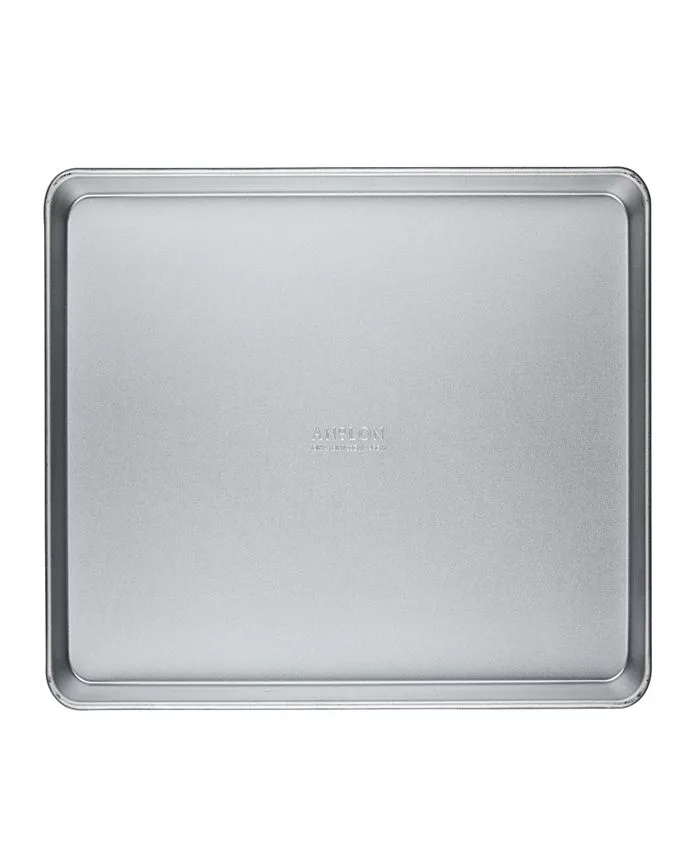
You open the dishwasher expecting clean pans. Instead, your half sheet pan comes out coated in a dark gray film that looks like pencil lead or industrial grime. That's oxidation, and if you've searched "can you put washing raw aluminum in dishwasher causing dark gray oxidation in a half sheet baking pan aluminized steel safely" you already suspect the answer isn't straightforward.
Here's the short version: raw aluminum and aluminized steel are two different materials with very different dishwasher tolerances. NSF International certification, the standard for commercial kitchen equipment, explicitly warns against dishwasher exposure for uncoated aluminum. As of 2026, most major bakeware manufacturers still echo that guidance.
Let's walk through what happened to your pan, whether it's still safe, and exactly what to do next.
Quick Answer
You can put raw aluminum in a dishwasher, but the gray oxidation will happen. The finish is permanent. The pan remains food-safe for most uses.
Aluminized steel tolerates dishwashers better but still degrades over time. Hand washing is safer for both materials. If the pan develops pitting or flaking, replace it.
Step One: Is Your Pan Raw Aluminum or Aluminized Steel? (Do the Magnetic Test)
Before you can decide what to do with a damaged pan, you need to know what it's made of. This matters more than brand or price. Raw aluminum and aluminized steel react differently to dishwasher detergent, and the decision tree branches from here.
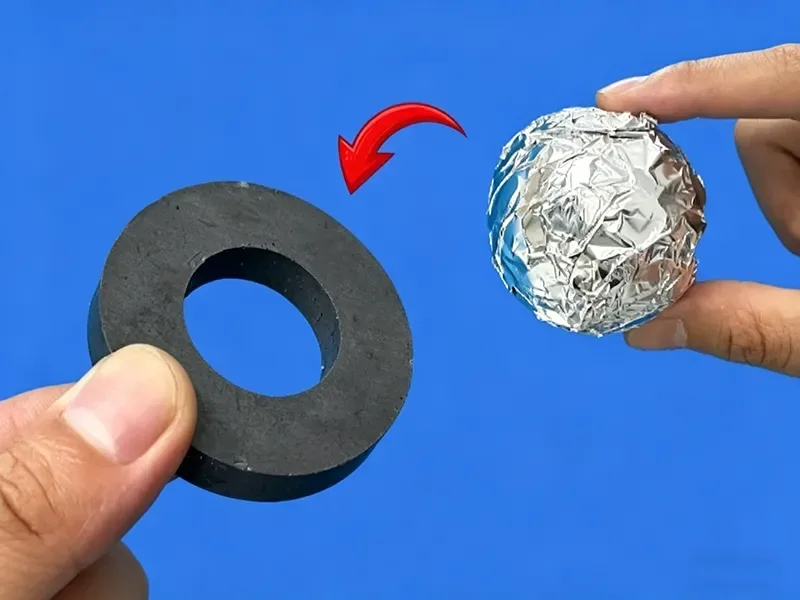
The Magnet Trick
Grab a refrigerator magnet. Press it against the center of the pan and also against the rim. If it sticks, you have aluminized steel.
If it slides right off, you have raw aluminum. It's that simple.
Aluminized steel has a steel core with a thin coating of aluminum-silicon alloy on both sides. The steel core makes it magnetic. The aluminum coating gives it corrosion resistance and even heat distribution.
Raw aluminum has no steel inside. It's lightweight, conducts heat beautifully, and oxidizes easily.
Why This Distinction Matters
Raw aluminum is the worst candidate for dishwasher exposure. The metal reacts aggressively with alkaline dishwasher detergent. The resulting gray oxide layer can be thick, chalky, and uneven.
Aluminized steel handles dishwashers somewhat better. The aluminum-silicon coating is more stable than pure aluminum. But it still degrades.
Repeated cycles strip the coating over time, exposing the steel core. Once the steel is exposed, you get rust on top of the oxidation problem.
Visual Clues Without a Magnet
Don't have a magnet handy? Look at the edges. Raw aluminum pans typically have raw, unfinished cut edges that show a uniform silver-gray color all the way through.
Aluminized steel pans often have a visible seam or a slightly different shade where the coating meets the edge. Some aluminized pans show a faint pattern of tiny dots from the steel rollers used in manufacturing.
Brand names don't help much here. Many companies sell both types under the same product line. Always test the specific pan you're worried about.
Why the Dishwasher Causes Dark Gray Oxidation on Bare Aluminum
Let's get into the chemistry. It's not complicated, and understanding it helps you avoid the problem in the future.
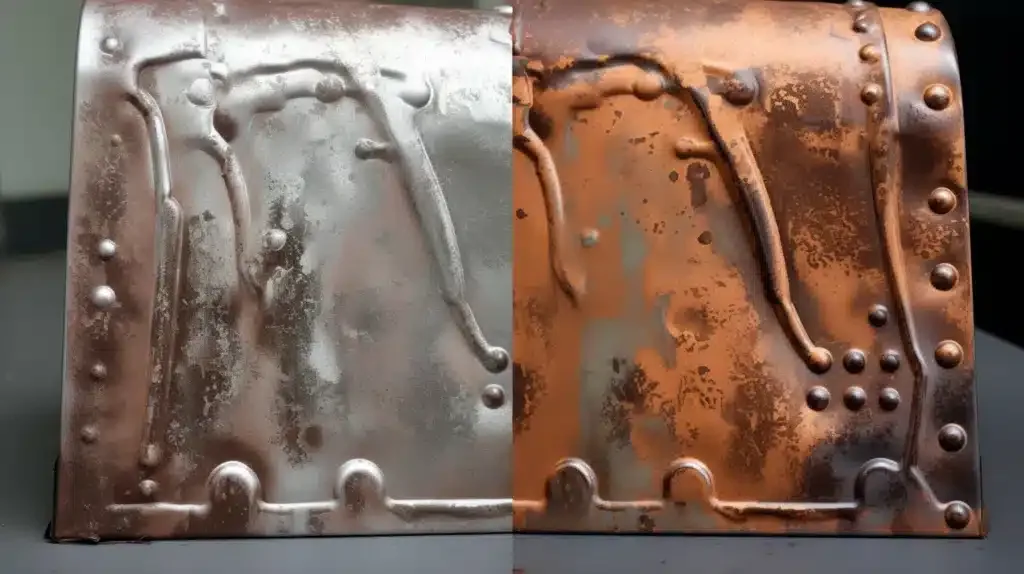
What Actually Happens Inside the Dishwasher Cycle
Aluminum is an active metal. It wants to form an oxide layer. In normal air, that oxide layer is invisible, thin, and protective.
It's the reason aluminum doesn't rust like steel.
Dishwasher detergent changes everything. Commercial dishwasher detergents are highly alkaline, with a pH between 10 and 12. They contain sodium carbonate, sodium silicate, and sodium hydroxide.
These chemicals strip the natural protective oxide layer from the aluminum surface.
With the protective layer gone, fresh aluminum is exposed to the hot water and oxygen in the dishwasher. The chemical reaction speeds up dramatically. The aluminum oxidizes rapidly, forming a thick, visible layer of aluminum oxide.
That's the dark gray film you see.
The reaction looks like this in simple terms: aluminum plus water plus oxygen plus alkaline chemicals equals aluminum oxide plus hydrogen gas. The hydrogen bubbles away. The oxide stays on the pan.
Temperature Accelerates Everything
Dishwashers heat water to 140 to 160 degrees Fahrenheit during the main cycle. Higher temperatures accelerate chemical reactions. Aluminum oxidation in alkaline solution roughly doubles in speed for every 18 degree increase.
That means a pan in a hot dishwasher oxidizes about four times faster than one washed in lukewarm hand water.
Why Aluminized Steel Reacts Differently (or Doesn't)
Aluminized steel has a coating that is roughly 90 percent aluminum and 10 percent silicon. The silicon changes the behavior. Silicon makes the coating harder and more chemically stable than pure aluminum.
It also creates a different oxide structure that is thinner and more adherent.
Does that make aluminized steel dishwasher safe? Not really. It just makes it more resistant.
Manufacturer specifications typically rate aluminized steel for "limited" dishwasher use, meaning occasional cycles with mild detergent. Heavy commercial dishwashing will still degrade the coating.
The table below summarizes how each material performs in the dishwasher.
| Material | Dishwasher Tolerance | Typical Outcome After 5 Cycles | Food Safety After Damage |
|---|---|---|---|
| Raw aluminum | Poor | Thick gray oxide, possible pitting | Generally safe if smooth |
| Aluminized steel | Fair | Thin gray film, minor coating wear | Safe until steel is exposed |
| Anodized aluminum | Good | Minimal change, surface may dull | Safe indefinitely |
Is an Oxidized Pan Still Safe for Baking? The Straight Answer
The gray film looks alarming, but the real question is whether it's safe to cook on. The answer depends on the pan's condition, not just its appearance.
When It's Just Cosmetic
A smooth gray oxide layer is stable. Aluminum oxide is chemically inert at typical baking temperatures. It does not react with food.
It does not leach into your cookies or sheet cakes in significant amounts.
The FDA considers aluminum cookware safe for food contact. The Agency for Toxic Substances and Disease Registry states that aluminum exposure from cookware is minimal compared to dietary sources. If the pan is smooth to the touch and free of pits, it's still usable.
You may notice the gray color transferring to wet or acidic foods. This is loose oxide powder, not a health hazard. It's harmless but unappealing.
Wiping the pan with a paper towel and a drop of oil before use cuts down on transfer.
When Oxidation Becomes a Real Problem
The trouble starts when the oxide layer grows thick enough to flake or when pitting develops. Pits are small craters in the metal surface. They form when dishwasher chemicals attack weak spots in the aluminum grain structure.
Pits trap food particles and bacteria. They are difficult to clean thoroughly. Over time, the pits deepen and the pan develops rough spots that snag on sponges and scratch utensils.
Flaking is another warning sign. If you can scrape the gray layer off with a fingernail, the pan is shedding oxide into your food. This is not toxic, but it means the surface is unstable.
The pan will continue to degrade with each use.
At this stage, the practical advice is to replace the pan. Half sheet pans are inexpensive, typically 10 to 25 dollars for a good aluminized steel model. The cost of a new pan is less than the frustration of scrubbing pitted metal and worrying about flaking oxide.
The Leaching Question
Some sources raise concerns about aluminum leaching into food from damaged pans. Let's be specific. Aluminum leaching increases with acidity, temperature, and cooking time.
Baking a neutral pH batter at 350 degrees for 20 minutes produces minimal leaching. Simmering tomato sauce for an hour in a damaged pan is another story.
If you bake acidic foods like fruit pies or tomato-based dishes in an oxidized pan, expect slightly higher aluminum transfer. For occasional use, this is not a concern. For daily use with acidic ingredients, switch to a stainless steel or glass pan.
How to Restore a Dishwasher-Damaged Pan: A Step-by-Step Decision Guide
You have a damaged pan. You want to know if you can fix it. The answer depends on how far the damage has progressed.
Branch A: Light Gray Film, Smooth Surface
This is the best case. The pan has a thin, even oxide layer with no roughness or pitting. Restoration is straightforward.
Wash the pan by hand with a soft sponge and mild dish soap. Dry it thoroughly with a towel.
Apply a very thin layer of cooking oil to the entire interior surface. Use a paper towel to spread it evenly. You want a sheen, not a pool.
Place the pan in a 350 degree oven for 15 minutes. Let it cool. Wipe off any excess oil.
This oil "seasoning" fills the microscopic pores in the oxide layer. It creates a smoother surface and reduces food sticking. The pan will still look gray, but it will perform well.
Branch B: Heavy Gray Coating, Chalky Texture
This pan has a thick oxide layer that sheds powder when touched. It needs more aggressive treatment.
Scrub the pan with a non-abrasive scrub pad and a paste of baking soda and water. The mild abrasion removes loose oxide without scratching the aluminum. Rinse thoroughly and dry.
Use a small amount of distilled white vinegar on a soft cloth to wipe the surface. The mild acid helps neutralize any remaining alkaline residues. Rinse again immediately.
Season the pan as described in Branch A. The seasoning will bond to the remaining oxide and create a more stable surface.
If the pan still sheds gray dust after this process, move to Branch C.
Branch C: Pitting or Flaking on Aluminum
Pitting and flaking mean the metal structure is compromised. Surface restoration will not fix deep damage.
You have two options. Use the pan for non-food purposes like catching drips under potted plants or as a palette for paint projects. Or recycle it and buy a replacement.
Do not use a pitted pan for food. The pits trap bacteria and are impossible to fully sanitize. The risk of foodborne illness is small but real.
A 10 dollar investment in a new pan is worth the peace of mind.
The table below summarizes the three restoration paths.
| Damage Level | Surface Feel | Restoration Method | Expected Outcome |
|---|---|---|---|
| Light film | Smooth | Oil seasoning | Usable, slightly gray |
| Medium coating | Chalky, powdery | Baking soda scrub + seasoning | Functional, may still shed |
| Pitting or flaking | Rough, cratered | Replace pan | None |
How to Care for Raw Aluminum and Aluminized Steel Pans Going Forward
Once you've restored a damaged pan or bought a replacement, proper care prevents the problem from recurring. The single best practice is simple: keep these pans out of the dishwasher.
Hand-Washing Protocol That Actually Protects the Metal
Use warm water and a mild dish soap. Avoid detergents labeled "heavy duty" or "grease cutting." Those often contain the same alkaline ingredients found in dishwasher pods.
Wash with a soft sponge or a non-scratch scrub pad. Steel wool and abrasive scouring pads scratch the surface. Scratches create new sites for oxidation to start.
Dry the pan immediately with a clean towel. Air drying leaves water spots, and in hard water areas, it can leave mineral deposits that react with the aluminum surface.
If you must use the dishwasher for space reasons, here are the compromises. Use a low-temperature cycle. Fill both rinse aid and dishwasher salt compartments.
Open the door immediately after the cycle ends and dry the pan by hand. Every hour in a hot, humid dishwasher accelerates oxidation.
When Commercial Pans Are Sold as "Dishwasher-Safe" and Why They Still Don't Last
Some bakeware manufacturers label their aluminized steel pans as dishwasher safe. This is technically true up to a point. The pan will not fall apart.
It will not rust immediately. But the label refers to structural survival, not appearance or long-term performance.
User reviews and aggregate feedback from commercial kitchens tell a different story. Pans marketed as dishwasher safe show visible gray film after 10 to 20 cycles. After 50 cycles, the coating shows measurable wear.
After 100 cycles, many pans develop bare patches where the steel core is exposed.
Commercial kitchens rarely use the dishwasher for bakeware for this reason. They hand wash sheet pans in a triple sink. The practice extends pan life from months to years.
What About Anodized Aluminum?
Anodized aluminum is raw aluminum treated with an electrochemical process. The process creates a thick, hard oxide layer that is bonded to the metal surface, not just sitting on top of it.
Anodized aluminum is genuinely dishwasher safe. The oxide layer is already there and is much more resistant to alkaline chemicals than natural aluminum. Most anodized bakeware handles hundreds of dishwasher cycles without visible change.
If you love the convenience of dishwasher cleaning and must use aluminum, switch to anodized aluminum pans. They cost slightly more but last much longer in a dishwasher environment.
When to Stop Cleaning and Just Replace the Pan (Cost vs. Effort)
At some point, restoration stops making sense. You're scrubbing, seasoning, and hoping. The pan still sheds gray powder or has rough spots that snag your sponge.
That's the moment to run the replacement math.
A new half sheet pan costs 10 to 25 dollars. Aluminized steel models from commercial suppliers run around 15 dollars. Your time is worth something.
Two hours of scrubbing a damaged pan is worth more than 15 bucks. Four dishwasher cycles with a ruined pan cost more in detergent and energy than a new pan would.
Replace the pan when you see any of these signs.
- Pitting that catches a fingernail. Bacteria hide in those craters.
- Flaking oxide that reforms after seasoning. The surface is unstable.
- Warping from dishwasher thermal shock. Uneven baking is guaranteed.
- Exposed steel on an aluminized pan. Rust will follow.
The good news is that aluminum is infinitely recyclable. Your local scrap yard will take the old pan. Many municipalities accept aluminum bakeware in curbside bins.
Check local rules before tossing it in the trash.
If the pan is smooth and only gray, keep it. Cosmetic oxidation is not a performance problem. Season it and get back to baking.
Most cooks who keep their air fryer baskets in good shape would never put aluminum bakeware in the dishwasher. The same maintenance mindset applies to everything in your kitchen.
Mistakes That Make Dishwasher Oxidation Worse
You might think one more dishwasher cycle won't hurt. For raw aluminum, even a second cycle noticeably deepens the gray film. Each cycle strips more of the protective oxide and exposes fresh metal.
These mistakes accelerate the damage.
- Abrasive scrubbers on oxidized aluminum. Steel wool scratches bare metal. Scratches become fresh oxidation sites.
- Detergents with bleach or citrus boosters. They are more aggressive than standard pods.
- Skipping rinse aid. Rinse aid helps water sheet off the pan instead of beading and depositing minerals.
- Overloading the dishwasher. Pans rubbing together scrape off the oxide layer.
- Running the heat-dry cycle. Extended heat and moisture prolong the chemical reaction.
- Leaving the pan wet after the cycle. Standing water keeps alkaline residue in contact with the metal.
The fix is straightforward. Hand wash with warm water and mild soap. Dry immediately with a towel.
If you must use the dishwasher, skip the heated dry and pull the pan out while the door is still warm.
There's one more mistake that shows up across kitchen care. Using the wrong cleaning tool for the surface. The same error appears in air fryer maintenance.
People use abrasive pads on nonstick baskets, then wonder why the coating peels. Treat aluminum sheet pans with the same respect you'd give a nonstick surface. Once the surface is scratched, it degrades much faster.
Aggregate reviews of bakeware consistently flag dishwasher use as the leading cause of premature pan failure. Manufacturer warranty terms confirm this. Most aluminum bakeware warranties exclude damage from dishwasher exposure.
That alone tells you what the pan makers expect.
FAQs: Aluminum Pans, Dishwasher Damage, and Food Safety
Can I still use a pan with dark gray oxidation?
Yes, if the surface is smooth and free of pitting. Aluminum oxide is stable and inert at baking temperatures. Wash it by hand, dry it, and apply a thin layer of oil before the next use.
Is aluminum oxide toxic?
No. The FDA considers aluminum cookware safe for food contact. The gray powder is the same compound found in natural corundum.
It passes through the digestive system without being absorbed in significant amounts. The same questions about nonstick coatings in air fryers come up in kitchens all the time.
How do I remove the gray film from an aluminum pan?
Mix baking soda and water into a paste. Scrub gently with a soft sponge. Rinse thoroughly and dry.
Season with a thin layer of cooking oil to stabilize the surface.
Does vinegar remove aluminum oxidation?
Mildly. White vinegar neutralizes alkaline residue from dishwasher detergent. It won't dissolve thick oxide layers.
Use it after a baking soda scrub, then rinse right away to prevent acid etching.
Why did my aluminum pan turn black?
That dark gray to black film is aluminum oxide. The color depends on oxide thickness and alloy composition. Some commercial aluminum alloys produce darker oxides than others.
A deep fryer that hasn't been properly cleaned can show similar discoloration from polymerized oil.
Is aluminized steel the same as aluminum?
No. Aluminized steel has a steel core coated with aluminum-silicon alloy. It's magnetic, heavier, and more resistant to dishwasher chemicals.
Raw aluminum has no steel core and reacts much faster.
Final Verdict: What You Should Do, Based on Your Exact Pan Type
Here's the complete decision guide. Find your pan type and follow the branch.
Raw aluminum. Hand wash only. One dishwasher cycle causes visible oxidation.
If the pan is already oxidized but smooth, season it and keep baking. If it's pitted or flaking, replace it.
Aluminized steel. Occasional dishwasher use won't destroy it immediately. But repeated cycles wear down the aluminum-silicon coating.
Watch for bare patches where the steel core shows. That's the replacement signal.
Anodized aluminum. Dishwasher safe. The electrochemically hardened oxide layer resists alkaline detergents.
Hand washing will keep the dark gray color looking better for longer.
The golden rule from manufacturer specs and NSF International guidance is simple. Raw aluminum and dishwashers don't mix. Choosing between cookware materials is like choosing between deep fryers and pots.
Each option has tradeoffs between convenience, durability, and performance. When in doubt, hand wash. Your pan will last longer and never surprise you with a gray film again.

Related posts
Fix Steam Burns from Heavy Cast Iron Combo Cooker Lids
If you've ever lifted the lid on a double dutch oven combo cooker and watched steam roll toward…
Storing Hot Cast Iron in a Humid Oven: Is It Safe?
Can you put leaving hot cast iron in humid unventilated oven in a double dutch oven combo cooker…
Perfect Sourdough: Dutch Oven Temp & Time
If you're staring at a proofed, highhydration boule and wondering when to slide it into a screaminghot combo…