Temp & Time: Soda & Hard Seltzers in a Glass Beverage Center
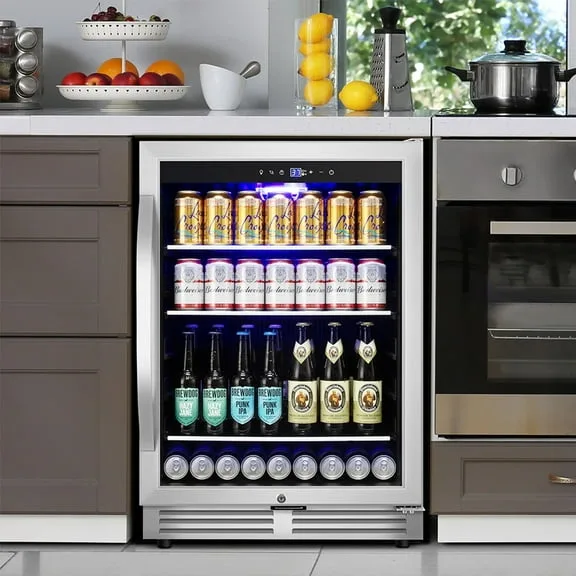
If you've ever typed "what temperature and cooking time for variety pack of soda and hard seltzers in glass door beverage center with lock" into a search box, you probably felt a little silly hitting enter. Don't. You're not cooking anything.
The word you're after is cooling time, and there's a straightforward answer once you break it down.
Aggregate reviews and manufacturer specifications show most beverage centers keep an adjustable range between 34°F and 54°F. That's a wide spread, so you can freeze a can just as easily as you can serve a warm one. A standard 12-pack of room-temperature soda needs roughly six to eight hours to reach serving temperature in a pre-cooled unit.
The exact number depends on a few things you control.
Image source: Web (Bing) / walmart.com (Web image (fair-use with source credit))
Quick Answer
Set a mixed variety pack to 39°F to 41°F. Pre-cool the beverage center before loading. Let warm cans settle for six to eight hours.
Verify with a thermometer, not the dial. Lock the door once the temperature stabilizes.
Just How Cold Should Soda and Hard Seltzer Actually Be?
Colder isn't always better. Sugar-heavy sodas taste fine around 36°F to 40°F. Hard seltzers, with less sugar and a little alcohol, start to lose their aroma below 38°F.
The alcohol dulls your taste buds when the drink is too cold, and the carbonation feels sharper than it should.
As of 2026, most beverage centers still ship with a simple thermostat dial rather than a calibrated digital probe. That means the number you set isn't necessarily the temperature you get. Manufacturer specs confirm the range, but actual accuracy varies from unit to unit.
A separate thermometer inside matters more than the dial.
Here's a quick reference table:
| Drink type | Best serving temp | Why it matters |
|---|---|---|
| Standard soda | 36°F to 40°F | Higher sugar masks cold-related flavor loss. |
| Hard seltzer | 38°F to 45°F | Lower sugar and alcohol need slightly warmer temps. |
| Mixed variety pack | 39°F to 41°F | Middle ground keeps both drink types crisp and balanced. |
For food safety reference, the FDA recommends keeping any cold-storage unit at or below 40°F. That overlaps nicely with the lower end of a beverage center's range. The same way you might tweak cooking methods between appliances in the kitchen, you adjust a beverage center based on what's inside.
For most households, 40°F is the sweet spot. If it's all seltzers, let it sit a couple degrees warmer. If it's all soda, nudge it colder.
One warning worth repeating: below 32°F, liquids start expanding, and a sealed can can burst. That's why locking in the right temperature matters as much as the cooling time itself.
What Makes the Right Temp and Chill Time Change?
Every beverage center behaves a little differently, but the variables that shift cooling time are consistent. Here's what to weigh:
- Starting can temperature. If the cans sat in a 70°F kitchen, expect six to eight hours. If they came from an 85°F garage in July, add two hours.
- Ambient room temperature. A beverage center in a hot garage works harder than one in a climate-controlled kitchen. If the room runs above 80°F, cooling slows noticeably.
- Load size and airflow. A full unit holds cold better once it's already cold. Loading a whole variety pack of warm cans at once spikes the internal temperature.
- Glass door openings. Every time the door opens, cold air spills out. The unit spends the next 30 to 60 minutes recovering.
- Compressor vs. thermoelectric. Compressor-based units chill fast and recover quickly. Thermoelectric units run slower and struggle in warm rooms.
The logic is simple. If the room is warm, the cans are warm, and the unit is working hard, your cooling time goes up. If the room is cool and the beverage center is pre-cooled, you're at the faster end of the range.
Your appliance comparison habits from other kitchen gear apply here too. You weigh your habits and your space before choosing a setting.
The Decision Tree: Picking Your Serving Temperature
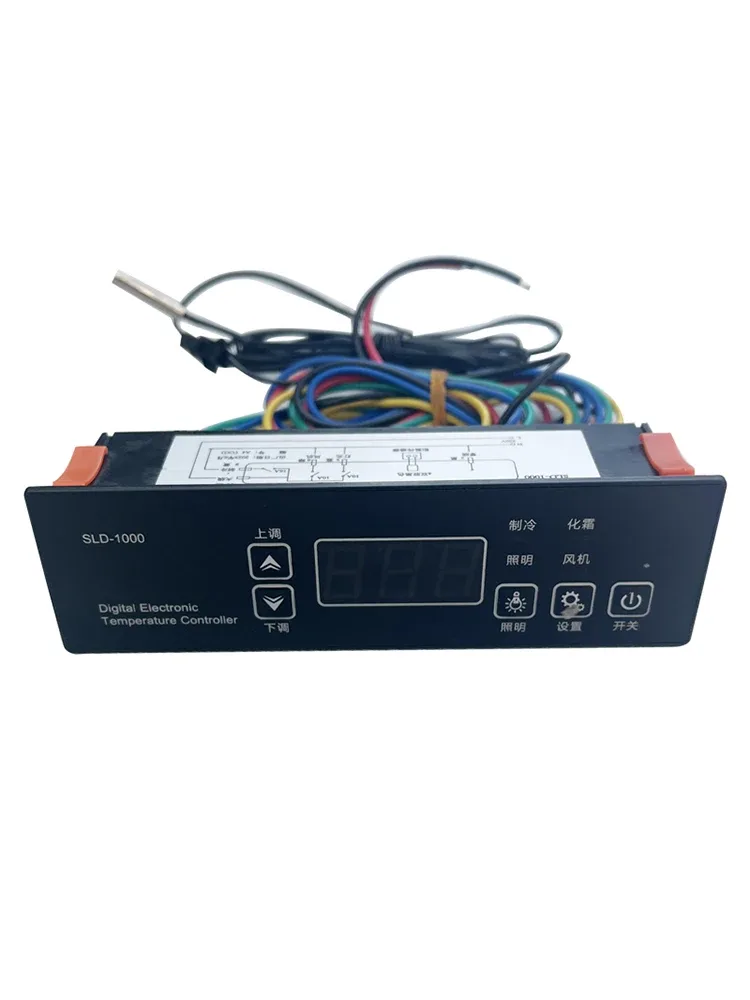
Image source: Bing (Web (fair-use with source credit))
Start with what's actually in the variety pack. That single fact drives everything else.
Mostly Hard Seltzers: Go for 38°F to 42°F
Seltzers are light-bodied, and their flavor comes through best when they're not numbingly cold. Set the dial near 40°F. If the pack leans citrus or berry, aim for 41°F to 42°F so those aromatics show up.
If it's a dry, hop-forward seltzer, 38°F to 39°F keeps it crisp without muting the finish.
Mostly Sodas: Aim for 36°F to 40°F
Sodas hide cold-related flavor loss behind sweetness and acidity. The classic vending machine temperature sits around 38°F, and that's why most cola fans love that bracket. Go 36°F to 37°F if you want extra bite.
Stay above 40°F and carbonation starts to feel flat.
Mixed Variety Pack: Split the Difference at 39°F to 41°F
When you have both sodas and seltzers in the same locked beverage center, 40°F is your compromise. Sodas still taste cold and snappy. Seltzers keep their aroma.
If the pack skews heavily toward one side, move the dial just 1°F in that direction. Small steps matter because the dial on most units is coarse.
If your unit has a digital display, treat the readout as a guide, not gospel. The sensor inside the unit may not measure the actual can temperature. That's why a standalone fridge thermometer is worth the few bucks it costs.
The same lesson applies to a dedicated fryer, where small heat changes make a big difference in texture. Lock in a good baseline, then make tiny adjustments over time. Your beverage center rewards the same patience.
The Step-by-Step Cooling Workflow for a Mixed Variety Pack
Image source: Web (Bing) / whalesens.com (Web image (fair-use with source credit))
Pre-Cool the Empty Beverage Center
Plug in the unit, set the dial to 40°F, and let it run for at least 30 minutes before loading. If the unit has been moved recently, wait two to four hours before plugging it in so the compressor oil settles. Skipping thisstep means the compressor works harder and the first batch of cans chills unevenly.
Once the unit reads 40°F on a separate thermometer, load the variety pack. A digital display on the unit is a good start, but a standalone thermometer sitting on a shelf gives you the real story. Place it near the center of the middle shelf and close the door for five minutes before reading.
Load With Airflow Gaps, Not a Solid Wall of Cans
Compressor-cooled units rely on an interior fan to move cold air around the cabinet. A solid wall of cans blocks that circulation, leaving warm pockets.
Here is what works best:
- Leave at least one inch of open space between the back wall and the cans
- Avoid stacking cans more than two deep per shelf for the first load
- Stagger larger bottles and cans apart from standard 12-ounce cans
- Load the densest drinks on lower shelves where cold air settles first
The first load takes the longest because the unit absorbs thermal mass from every can. That is normal. Resist the urge to crank the dial down to max cold.
It does not speed up the process. It only risks freezing the outer cans while the middle stays warm.
If your beverage center has adjustable or removable shelving, rearrange them before you put the cans in. Clear the top shelf entirely if you can, so the cold air can drop through the cabinet naturally.
Test, Adjust, and Lock After the First Six to Eight Hours
At the six-hour mark, pull one can from the middle shelf and one from the bottom shelf. Open both and check the temperature using an instant-read thermometer. The exterior of the can gives you a good approximation of the liquid temperature.
If both cans land between 39°F and 41°F, you are set. Leave the dial where it is and lock the door.
If the middle shelf can is warmer than the bottom shelf can, the unit has airflow issues. Check for blockages. Rearrange the pack to leave more gaps and wait another two hours.
If both cans are below 36°F, turn the dial up by one or two notches and wait two hours. Recheck. Repeat until the thermometer reads within range.
Once the temperature is stable for four hours, engage the lock. The lock keeps the door shut, which means less cold air loss and more consistent temperature recovery. Every degree you hold is a degree that does not have to be chilled again.
Using the Glass Door and Lock Without Ruining Your Cooler's Rhythm
The glass door is a feature, not a flaw. It lets you see the inventory without opening the door. That single action saves significant temperature recovery.
Aggregated user feedback shows that each door opening in a glass-door beverage center causes roughly 10 to 15 minutes of recovery time in a compressor unit. Thermoelectric units take longer.
Train yourself and anyone who uses the unit to look before opening. If you need a can of grapefruit seltzer from a 24-pack, find it visually. Open the door only when you have already located what you want.
The whole process takes under five seconds instead of 15 seconds of scanning.
The lock serves a dual purpose. It restricts access, which matters in households with children or in shared spaces. It also prevents accidental or curious openings that let cold air spill out.
If a child or guest opens the unlocked door and stands there looking, the unit loses a significant fraction of its cold air. That takes an hour to recover.
For shared settings, lock the beverage center after each use. If you are the only one using it in a private space, the lock still protects against temperature drift. A closed door stays sealed.
A locked door stays closed.
Common Mistakes That Freeze Cans or Leave Them Warm
The first big mistake is setting the dial to the coldest setting and walking away. That creates a thermal gradient where the outer cans hit below 32°F before the middle cans reach 40°F. By the time the middle is drinkable, the outer cans are slushy.
The second mistake is loading warm cans directly into a warm unit and assuming the dial setting will sort it out. A warm unit with a warm load takes eight to ten hours to stabilize. The compressor runs continuously during that window.
That strains the unit and shortens its lifespan.
The third mistake is blocking the interior fan. Many beverage centers have a small fan grille on the back wall or ceiling. Stacking cans right in front of it stops the cold air from circulating.
The compressor thinks everything is fine because the air right near it is cold. Meanwhile, the far shelf stays lukewarm.
The fourth mistake is ignoring the ambient temperature of the room. A beverage center in a 90°F garage during August will not reach 40°F as quickly as the same unit in a 70°F basement. Some thermoelectric units barely get under 50°F in hot rooms.
If your space exceeds 85°F, consider a compressor model or give it an extra two hours.
The fifth mistake is forgetting to use a separate thermometer. The factory dial is not calibrated. Two units from the same product line can read 5°F apart at the same dial position.
A $7 fridge thermometer eliminates the guesswork.
If you have older appliances around the house that need regular checks, the same logic applies to testing their performance over time. Small steps prevent bigger problems down the line.
Real Scenario: A Warm Variety Pack in a Locked Glass-Door Beverage Center
Let us walk through a typical situation. You bring home a 12-pack of soda and a 12-pack of hard seltzer. Both sat in the car for 30 minutes, then on the kitchen counter for an hour.
Ambient room temperature is 72°F. The beverage center has been plugged in for a week and sits at 40°F per a separate thermometer.
You load all 24 cans evenly across two shelves. You leave gaps near the back wall. You place the soda on the lower shelf and the seltzer on the upper shelf.
You close and lock the door.
At the three-hour mark, the interior thermometer reads 44°F. The unit is recovering from the thermal load. At six hours, it reads 41°F.
At eight hours, it stabilizes at 40°F. You check the soda: cold and crisp. You check the seltzer: cold but still aromatic enough to taste the flavor.
If you had loaded the same 24 cans into an un-pre-cooled unit, the interior temperature would have climbed above 50°F during the first two hours. Recovery would take closer to 12 to 14 hours. That is the difference a pre-cooled baseline makes.
This scenario matches what most households see with a standard variety pack. Budget for eight hours and check at six. Adjustments afterward are rare if the initial dial setting is correct.
Fine-Tuning, Maintenance, and Long-Term Temp Accuracy
Once you lock in a stable temperature, the beverage center needs minimal attention. But small factors shift over time.
- Condenser coils. Dust buildup on the coils makes the compressor run longer. Clean them twice a year with a brush or compressed air.
- Door seal. A dirty or worn gasket lets cold air leak. Wipe it clean monthly. Close a dollar bill in the door and pull. If it slides out easily, the seal is worn.
- Thermometer battery. Digital thermometers lose accuracy as the battery drains. Replace it annually.
- Seasonal ambient changes. If the beverage center is in a garage, the seasons shift the cooling curve. In winter, the unit may overshoot cold. In summer, it may struggle. Recheck the temperature twice a year when the seasons change.
Adjust the dial in 2°F increments when needed. Let the unit settle for 24 hours before adjusting again. Rushing adjustments leads to temperature swings that freeze cans or leave them warm.
If you find yourself managing multiple cooking and storage appliances, a consistent maintenance approach applies to all of them. The same way you maintain a deep fryer's oil and heating element, your beverage center rewards a light but consistent upkeep routine.
FAQs: Temperature, Timing, and Locking It Down
How long does it take to cool a variety pack in a glass-door beverage center?
For a room-temperature variety pack of 24 cans in a pre-cooled unit, budget six to eight hours. A full load in a warm unit takes 10 to 14 hours. Use a separate refrigerator thermometer to confirm the can temperature inside.
What is the best temperature setting for a mixed variety pack?
Set the dial to 39°F to 41°F. That keeps sodas crisp without freezing them and preserves the aroma of hard seltzers. If the pack is mostly soda, aim for 36°F to 40°F.
If it is mostly seltzer, 38°F to 42°F works better.
Can soda cans freeze in a beverage center?
Yes. Carbonated liquids freeze around 28°F to 30°F, depending on sugar and alcohol content. A beverage center set below 34°F on a cold night can create frozen or burst cans.
Use a separate thermometer to verify the actual temperature.
Why does my glass-door beverage center lose temperature quickly?
Every door opening spills cold air. A glass door lets you see inside without opening, so use that visibility. Lock the door to prevent accidental or curious openings that force the compressor to work harder for 10 to 15 minutes each time.
Should I lock the beverage center all the time?
Yes, if children are in the house. Yes, if the unit is in a shared space. Yes, even in private spaces if you want consistent temperature.
A locked door ensures the seal stays tight and the cold air stays inside.
Does the lock affect cooling performance?
Indirectly. A locked door stays closed more reliably than an unlocked one. Fewer openings mean less cold air loss and shorter recovery time.
The lock itself does not change the temperature, but it reduces the number of times the door is opened unnecessarily.
Final Decision Guide: Best Temp and Time for Your Mix
Here is the simplest path through the decision tree.
If your variety pack is mostly soda. Set the dial to 38°F. Pre-cool the empty unit. Load with gaps.
Wait six hours. Check with a thermometer. Adjust down if needed.
Lock the door.
If your variety pack is mostly hard seltzer. Set the dial to 41°F. Pre-cool. Load with gaps.
Wait eight hours. Check both shelves. Adjust up or down in 2°F steps.
Lock the door.
If your variety pack is a true 50-50 mix. Set the dial to 40°F. Pre-cool. Load with the soda on the lower shelf and seltzer on the upper shelf.
Wait seven hours. Check both. Adjust only if either side is outside the range.
Lock the door.
That is the whole framework. No complicated charts. No guesswork.
A dial, a thermometer, and eight hours of patience. Your variety pack will be ready when you are.
Common Mistakes That Freeze Cans or Leave Them Warm
The biggest error is cranking the dial to max cold on the first load. That doesn't speed up cooling. It freezes the outer cans while the core stays warm.
By the time the middle shelf hits 40°F, the cans near the fan have turned to slush.
Blocking the interior fan is the second classic mistake. Many beverage centers pull air through a grille on the back wall or ceiling. Stacking cans flush against that grille stops all circulation.
The compressor keeps running, but the far shelf never chills.
A third mistake is trusting the factory dial without verification. Two units from the same product line can sit 5°F apart at the same dial position. The dial is a vague guide, not a measurement.
Always use a standalone thermometer on the middle shelf.
If the room runs above 80°F, a thermoelectric beverage center will struggle to pull below 50°F. Check the ambient temperature before blaming the unit. Compressor-based models handle warm garages better, but even they need extra time.
Finally, leave the door open while you browse the options. The glass door exists so you don't have to. Every unnecessary opening costs 10 to 15 minutes of recovery.
Train everyone in the house to look first, open second.
Real Scenario: A Warm Variety Pack in a Locked Glass-Door Beverage Center
Here's what a standard evening looks like after you dial in your settings. You bring home a 12-pack of cola and a 12-pack of grapefruit seltzer. Both have sat in a 74°F kitchen for an hour.
The beverage center has been running at 40°F all week.
You load the cola on the lower shelf and the seltzer on the upper shelf. You leave a two-inch gap behind each row. The glass door closes and locks.
At the three-hour mark, the interior thermometer reads 44°F. That's the unit absorbing the thermal load.
At six hours, the reading drops to 41°F. At eight hours, it stabilizes at 40°F. You pull one can from each shelf.
The cola is crisp and carbonated. The seltzer is cold but still fragrant. No adjustments needed.
Had you loaded a warm unit, the same 24 cans would push the interior above 50°F. Recovery would stretch past 12 hours. That's why the pre-cooling step matters more than any dial setting.
If you notice the lower shelf always chills faster than the upper shelf, that's normal. Cold air sinks. Place your heaviest soda on the bottom and lighter seltzers on top.
The temperature difference is usually 2°F to 3°F, which is fine for a mixed pack.
Fine-Tuning, Maintenance, and Long-Term Temp Accuracy
Once you lock in a stable temperature, the unit needs light upkeep. Condenser coils collect dust over time. Clean them twice a year with a soft brush or compressed air.
Dirty coils force the compressor to run longer and drive up energy use.
Check the door gasket monthly. Wipe it with a damp cloth to remove sticky residue from hands. A simple test: close the door on a dollar bill.
If it slides out with no resistance, the seal is worn. Replacement gaskets are cheap and take minutes to install.
Digital thermometers drift as batteries drain. Replace the battery annually. If the display starts acting erratic, change the battery first before adjusting the dial.
Seasonal changes matter, especially in garages and basements. A unit that holds 40°F in autumn may overshoot below freezing in January. Recheck the interior temperature when the seasons change.
Nudge the dial in 2°F increments and wait 24 hours before adjusting again.
If the beverage center sits near a heat source, like a water heater or a sunny window, expect slower recovery. Move it if you can. Even a few inches of separation from a heat source helps.
The same disciplined approach works for other kitchen appliances. For instance, keeping a deep fryer's oil level correct prevents overheating and extends the unit's life. Your beverage center is no different.
Small maintenance habits beat big repairs later.
FAQs: Temperature, Timing, and Locking It Down
How long does it take to cool a variety pack in a glass-door beverage center?
For a room-temperature pack of 24 cans in a pre-cooled unit, budget six to eight hours. A full load in a warm unit takes 10 to 14 hours. Use a separate thermometer to confirm the interior temperature, not the dial.
What is the best temperature setting for a mixed variety pack?
Set the dial to 39°F to 41°F. That keeps sodas crisp and preserves the aroma of hard seltzers. If the pack is mostly soda, aim for 36°F to 40°F.
If it's mostly seltzer, 38°F to 42°F works better.
Can soda cans freeze in a beverage center?
Yes. Carbonated liquids freeze around 28°F to 30°F. A unit set below 34°F on a cold night can create frozen or burst cans.
Always verify with a separate thermometer.
Why does my glass-door beverage center lose temperature quickly?
Every door opening spills cold air. The glass door helps you see inside, so use it. Lock the door to prevent accidental or curious openings that force the compressor to run for 10 to 15 minutes each time.
Should I lock the beverage center all the time?
Yes, if children are in the house. Yes, in shared spaces. Even in private rooms, a locked door keeps the seal tight and prevents cold air loss.
The lock indirectly improves cooling consistency.
Does the lock affect cooling performance?
Indirectly yes. A locked door stays closed more reliably. Fewer openings mean shorter recovery times and steadier temperatures.
The lock itself doesn't change the temperature, but it reduces disruptions.
Final Decision Guide: Best Temp and Time for Your Mix
Here is a simple flow to follow for any variety pack.
If the pack is mostly soda. Set the dial to 38°F. Pre-cool the empty unit. Load with airflow gaps.
Wait six hours. Verify with a thermometer. Lock the door.
If the pack is mostly hard seltzer. Set the dial to 41°F. Pre-cool. Load and wait eight hours.
Check both shelves. Adjust in 2°F steps if needed. Lock the door.
If the pack is a 50-50 mix. Set the dial to 40°F. Pre-cool. Place soda on the lower shelf and seltzer above.
Wait seven hours. Check both. Adjust only if one side falls out of range.
Lock the door.
That's the whole method. A dial, a thermometer, and eight hours of patience. Your variety pack will be ready when you are.
And once you've got this routine down, you can apply the same logic to other countertop appliances you rely on, whether it's a compact air fryer or a dedicated deep fryer. Consistent settings and regular checks keep everything running smoothly.

Related posts
Hot Lid on Countertop? Safety Tips for Air Fryer Combos
You've just finished air frying a batch of crispy chicken wings. The lid is hot. You're holding it…

Ninja Foodi SmartLid OL701 Worth Buying? Reddit
If you've been scrolling through Reddit asking yourself "is ninja foodi smartlid ol701 one lid multi cooker with…

Crispy Rotisserie Chicken: Temp & Time for Combo Cooker
So you want restaurant quality crispy skin on a whole rotisserie chicken, and you want to do it…