Remove White Spots & Rainbow Tint from Tri-Ply Stainless
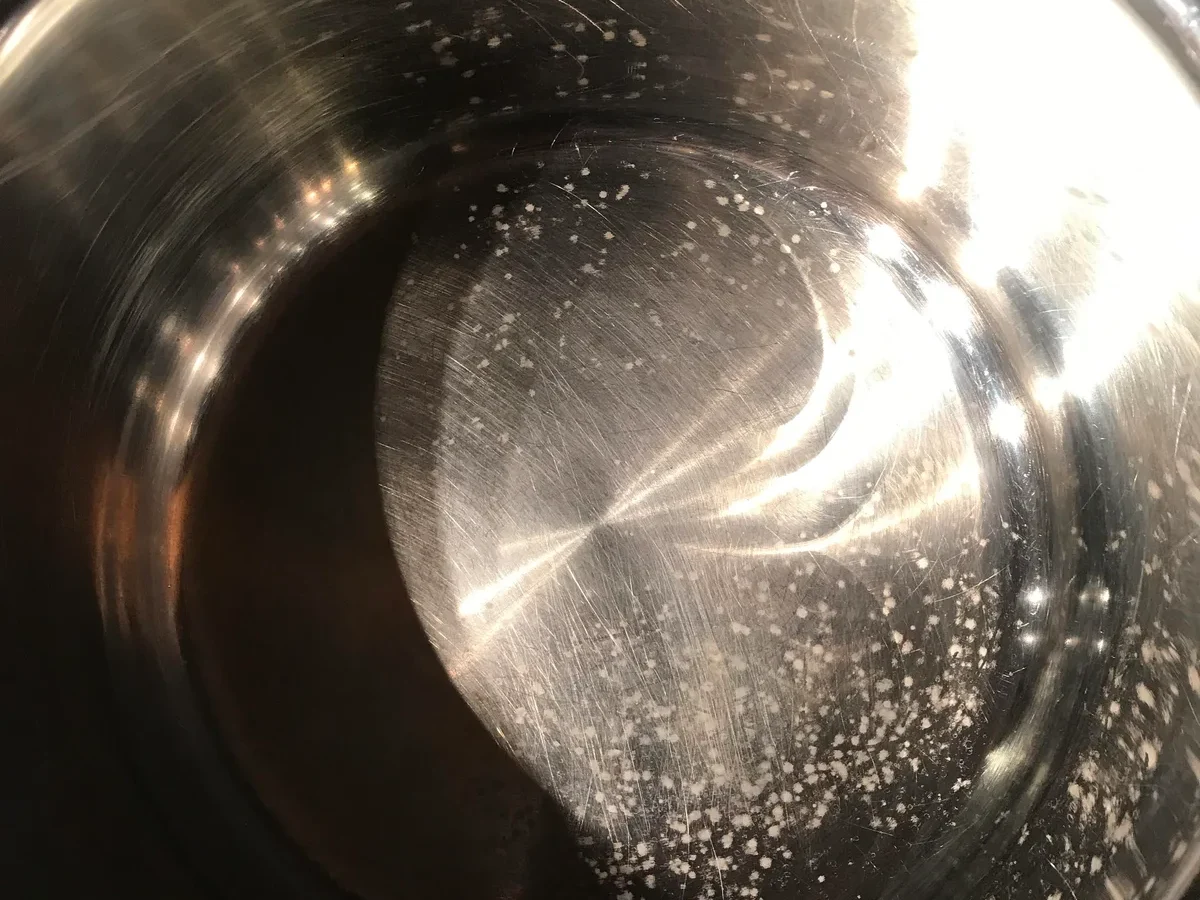
You’ve probably landed here because you need to know how to clean tri-ply stainless steel cookware set and remove white cloudy calcium spots and rainbow heat tint on stainless. Good news: both are fixable, and you likely already own the right supplies. The trick is matching the cleaner to the stain.
Use the wrong one and you’ll scrub for twenty minutes with nothing to show for it.
Our research keeps pointing to the same pattern. Most tri-ply sets from major cookware makers use an aluminum core sandwiched between two layers of 18/10 stainless steel. That construction is why gentle acid cleaners and fine abrasives work while steel wool wrecks the finish.
As of 2026, the two-track cleaning method below is what professional kitchen managers and manufacturer care guides recommend.
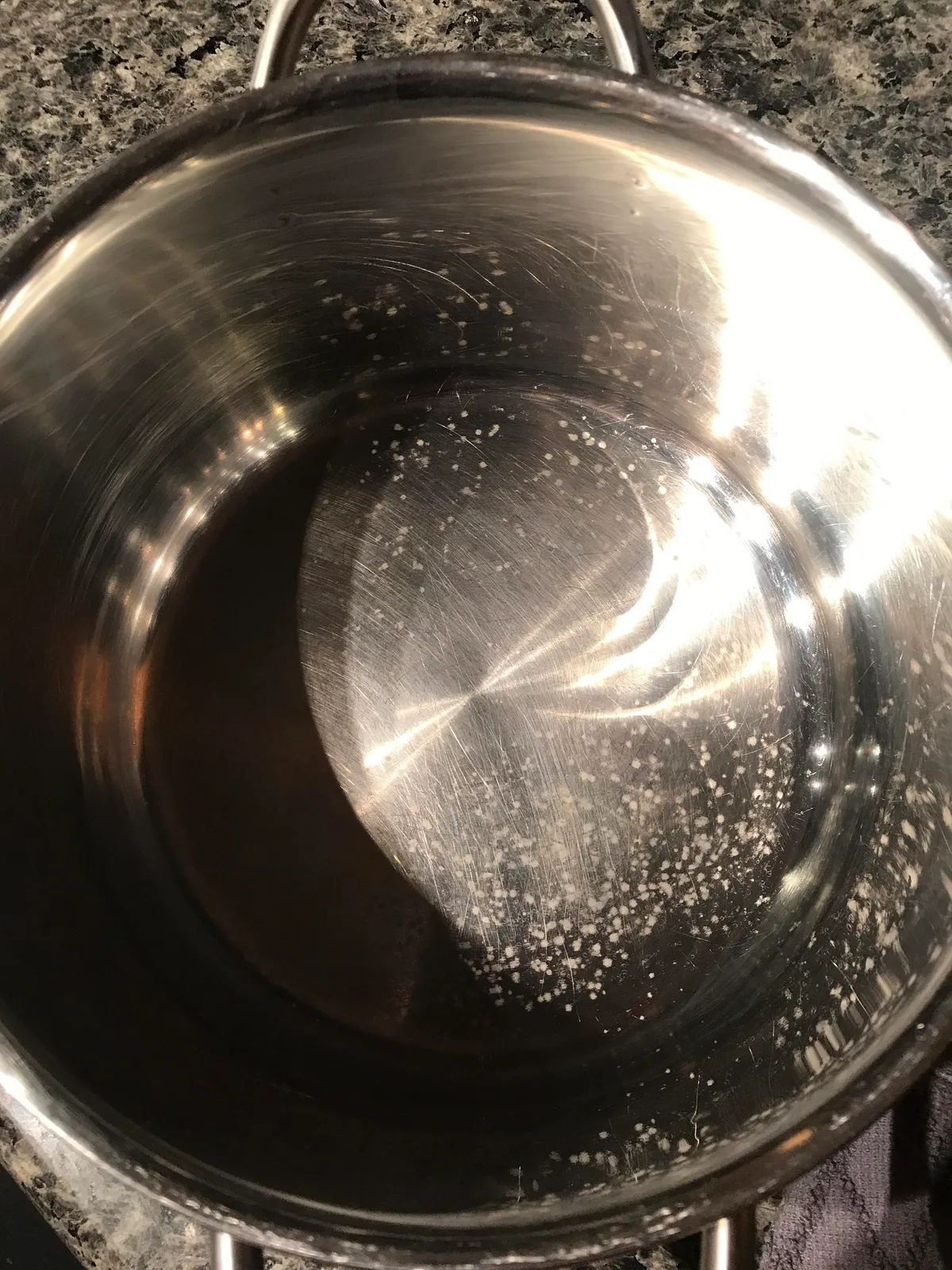
Image source: Web (Bing) / cookwareguider.com (Web image (fair-use with source credit))
Quick Answer
For tri-ply stainless steel cookware, vinegar removes white cloudy calcium spots. Rainbow heat tint needs Bar Keepers Friend, not vinegar. Make a paste, rub along the grain, and rinse.
Dry every pan immediately. Never use steel wool on either stain.
The Stain ID Check: Is It White Calcium or Rainbow Heat Tint?
Before you pour anything on the pan, look at it. The two stains are easy to confuse at a glance, but they need completely different treatments. Get this first decision right and the whole clean takes minutes.
Get it wrong and you’ll scrub a stain that won’t budge.
Why Getting This First Decision Right Saves Your Tri-Ply Finish
Tri-ply stainless isn’t fragile, but it is picky about cleaning. Harsh abrasives dull the brushed finish. Acids strip protective layers if used too aggressively.
The right workflow means you only touch the pan once, with the one cleaner that matches the stain.
If you use vinegar on heat tint, nothing happens because vinegar doesn’t dissolve metal oxides. If you use Bar Keepers Friend on calcium, it sort of works but leaves gritty residue. Neither ruins the pan, but both waste effort.
That’s why the 10-second test matters.
The 10-Second Test: Touch, Location, and Appearance
You can tell them apart without a magnifying glass. Touch the stain with a clean fingertip. White calcium feels rough or chalky.
Rainbow tint feels smooth because it’s an optical layer on the metal itself.
Key differences to look for:
- White cloudy spots feel rough and sit around the waterline inside the pan. They look like chalk or dried milk.
- Rainbow heat tint feels smooth and shows golden, blue, or purple sheen. It appears on the flat cooking surface and lower sidewalls.
- Mixed stains are common on sauté pans. The bottom shows tint, while the waterline develops calcium.
| Stain | Look and feel | Usual location | First cleaner |
|---|---|---|---|
| White calcium | Chalky, gritty, white | Waterline inside pan | White vinegar |
| Rainbow heat tint | Metallic sheen, smooth | Bottom and lower walls | Bar Keepers Friend |
| Mixed | Both textures | Both areas | Vinegar soak first, then polish |
If you’re still unsure, wet the pan. Rainbow tint disappears under water and returns as it dries. Calcium stays visible the whole time.
The Truth About White Cloudy Calcium Spots: Hard Water, Not Burnt Food
White cloudy spots look like scorched milk or grease residue. They aren’t. They’re mineral scale left behind when hard water evaporates.
Tri-ply stainless is non-reactive, so it doesn’t rust or stain from food. It’s the water that leaves the crust.
Why Dish Soap Alone Fails at Removing Limescale
Dish soap breaks down oils. It doesn’t dissolve mineral salts. Calcium carbonate and magnesium compounds need an acid to become a soluble form that rinses away.
That’s why a soapy scrub won’t fix a cloudy interior.
You can scrub until your arm hurts and the film stays. The minerals are sitting on top of the steel, almost like a thin layer of stone. Vinegar dissolves that layer chemically.
Soap and water just slide over it.
How Hard Water Deposits Form on Your Stainless Surface
The process is simple. Hard water holds dissolved calcium and magnesium. When water boils or sits in the pan, the liquid evaporates and the minerals stay.
Over time, they build until the surface looks cloudy.
The U.S. Geological Survey tracks water hardness across the country. If your home has mineral-rich water, your cookware will show it.
The more you boil pasta or vegetables, the faster the film forms.
Mineral film isn’t unique to pans. The same crust shows up on appliance interiors. That’s why deep fryer maintenance always mentions descaling rather than a simple wipe-down.
The good news? The pan’s finish is fine under the scale. The deposit is sitting on top.
Remove the minerals and the stainless looks brand new again.
Step-by-Step: The Vinegar and Baking Soda Workflow for White Calcium Spots
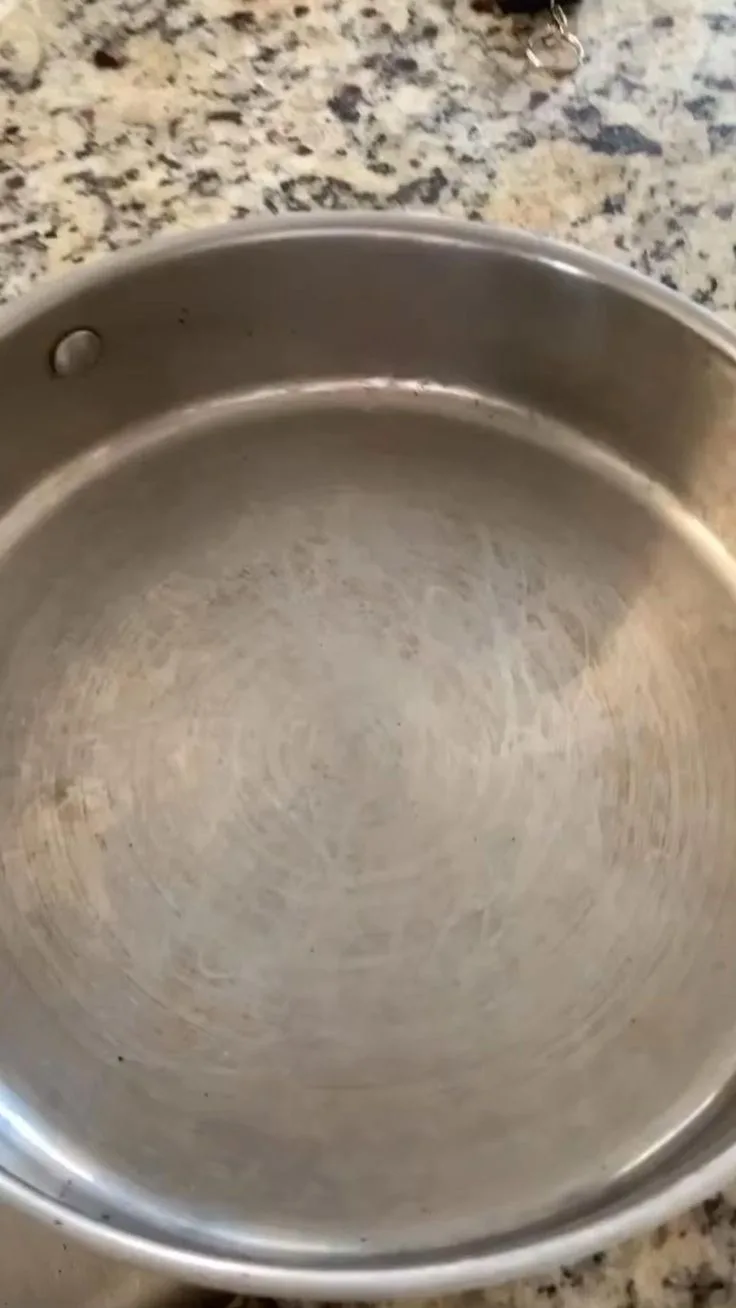
Image source: Web (Bing) / pinterest.com (Web image (fair-use with source credit))
The fastest way to remove calcium spots is standard white vinegar. Not apple cider vinegar. Not lemon juice concentrate.
White vinegar has a predictable 5% acetic acid content, and that’s enough to dissolve mineral scale without dulling stainless.
The Right Acid Concentration and Soak Time
Use a 1:2 vinegar-to-water mix for light clouding. Use full-strength vinegar for a thick white crust. Bring it to a gentle simmer for 5 minutes, then let it cool in the pan.
If the spots are on the exterior, soak paper towels in vinegar and press them against the side for 10 minutes.
A 5-minute simmer is safe. An hour-long boil risks etching the metal. Keep the pan from boiling dry.
Once the liquid cools, the white crust softens and lifts off with minimal scrubbing.
Leftover stubborn patches get a baking soda paste. Mix three parts baking soda with one part water. Apply it to the damp surface and let it sit for a few minutes before scrubbing.
The Gentle Scrubbing Technique That Won't Scratch the Grain
Stainless steel has a brushed grain. If you rub in circles, you create micro-scratches that show up as dull swirls in the light. Always scrub in straight lines that match the grain.
The full process in order:
- Fill the pan with white vinegar or a vinegar-water mix.
- Simmer for 5 to 10 minutes.
- Cool, drain, and rinse.
- Apply baking soda paste to leftover spots.
- Scrub along the grain with a soft nylon brush.
- Rinse and dry immediately.
Use a soft sponge, nylon scrub brush, or microfiber cloth. Skip green scouring pads. A green pad is fine for cheap metal, but it will leave visible swirls on tri-ply.
This softening approach is the same idea behind air fryer cleaning routines that won’t damage coatings. Soak, loosen, then wipe.
Why Rainbow Heat Tint Appears on Tri-Ply (And Why It's Not Really Damage)
Rainbow tint looks alarming, but it’s not burnt food and it’s not rust. It’s a thin oxide layer that forms when stainless steel gets hot. The chromium in the steel reacts with oxygen at high temperature, creating an optical film.
The colors are light interference, like oil on water.
It doesn’t affect cooking performance or food safety. It’s purely cosmetic. The pan still heats evenly and releases food the same way.
But if the color bothers you, it’s easy to remove.
Oxides, High Heat, and the Discoloration Spectrum
The tint follows a temperature scale. Around 400°F, stainless stays silver. At 500 to 600°F, you get pale gold and straw colors.
Push toward 700°F and you’ll see blues and purples.
This is why a pan left empty on high heat for a few minutes comes out looking like a gas flame rainbow. It happens fast. Preheat a tri-ply pan on medium-high for too long and you’ll see that first golden glow at the bottom.
In our research, most rainbow tint happens during searing. People preheat hard to get a crust on steak. That works, but it also paints the pan.
If the pan is warped or flaking, that’s real damage. Rainbow tint on its own is just a color change.
Why You Should Never Use Vinegar to Fix Heat Tint
Vinegar dissolves minerals. Heat tint is not a mineral deposit. It’s a metal oxide.
Acid alone will not lift it. Worse, a long vinegar soak can dull the finish and strip some of the passive layer.
Bar Keepers Friend works because it pairs a mild acid with fine abrasives. The abrasive does the physical work, and the acid loosens the oxide. Together, they polish the color off in about a minute.
This is the same logic behind many cookware safety concerns. What matters isn’t the stain itself, but what the material is and how you treat it. A polished stainless surface performs just fine.
Step-by-Step: The Fine Abrasive Paste Workflow for Rainbow Heat Tint
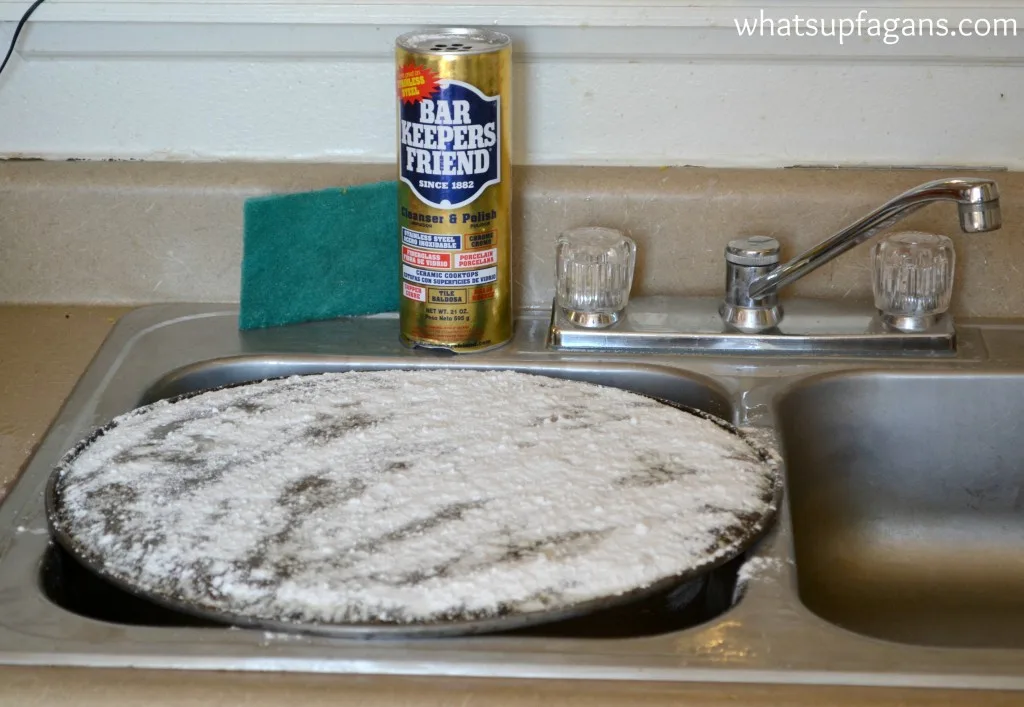
Image source: Web (Bing) / homecleaningfamily.com (Web image (fair-use with source credit))
Bar Keepers Friend is the standard fix for heat tint. It’s a fine polishing powder that works like very mild liquid sandpaper. It doesn’t eat the steel.
It removes the thin oxide film layer by layer until the original bright surface shows through.
How Bar Keepers Friend Works as a Gentle Oxide Remover
The two active parts matter. Oxalic acid breaks down the oxide film. A super-fine feldspar abrasive scrubs it away.
Together, they cut through blue, purple, and golden tint in about a minute.
Manufacturer specifications indicate a one-minute contact time for stainless steel. Don’t leave the paste on longer than that. It’s strong enough to dull the finish if you walk away and forget it.
Here’s the process:
- Let the pan cool completely.
- Wet the pan and sprinkle Bar Keepers Friend on the tinted area.
- Add a few drops of water to make a loose paste.
- Rub along the grain with a soft sponge or nylon brush.
- Rinse thoroughly. Don’t leave any residue.
- Dry and inspect. Repeat for dark tint.
You can find the full directions on the Bar Keepers Friend website. Always rinse well afterward so the powder doesn’t sit in crevices.
Buffing in the Right Direction: Matching the Brushed Finish
Rub in the direction of the original brush lines. Look at the pan under a light first. If you see fine parallel lines, follow them.
Circular motion leaves visible swirls that look worse than the tint.
Pressure matters too. Let the paste do the work instead of pressing hard. A light to medium touch removes the oxide without cutting into the steel.
After cleaning, wipe the pan with a few drops of cooking oil on a paper towel. This fills micro-scratches and restores that satin sheen. It also helps the pan release food more easily during the next use.
If the tint is deep blue or purple, you may need two rounds. A light gold tint often disappears in a single pass. The same gentle tools that keep air fryer baskets safe work perfectly here.
Soft sponge, nylon brush, and patience.
Common Mistakes That Ruin Tri-Ply Finishes and Warp the Aluminum Core
The two stain fixes above are simple, but they only work if you avoid the classic mistakes. A few seconds of the wrong habit can undo years of careful cooking. Here’s what to stop doing today.
Why Steel Wool and Scotch-Brite Pads Are Forbidden
Steel wool scratches stainless steel. The scratches catch light and food, making the pan look gray and dull. Worse, those tiny grooves become hiding spots for grease and minerals, so stains come back faster.
Scotch-Brite scouring pads are nearly as bad. They’re made for cast iron and cheap bakeware, not tri-ply. Modify your scrubber to a soft sponge, nylon brush, or microfiber cloth.
If you hear a scraping sound while cleaning, you're using the wrong tool.
Aggregate reviews from cookware owners show that scratches are the #1 reason a tri-ply set gets replaced. The cooking surface still works fine, but the looks go downhill. Skip the harsh pads and stick to gentle cleaning.
The Dangerous Cold Water Shock: Warping Your Most Expensive Pan
A hot pan hit with cold water can warp. The aluminum core expands at a different rate than the steel layers, and the sudden temperature change bends the bottom. Once a pan warps, it spins on the stovetop and cooks unevenly.
Let the pan cool for a few minutes before washing. If you’re in a rush, run warm water first, then gradually cool it. Never dunk a screaming-hot pan into a sink full of cold water.
That's how you turn a £150 pan into a wobbling frisbee.
Dishwasher Cycling: The Silent Finish Killer
Dishwashers are terrible for tri-ply stainless. High heat, aggressive detergents, and hard water combine to etch the surface. Aggregate reviews report that pans run through dishwashers come out looking foggy and pitted.
Hand washing is the only safe route. It takes two minutes. Dry with a towel afterward and the pan looks like new.
That’s the simplest habit you can build.
Leaving Vinegar or Acid Pastes On Too Long
Vinegar dissolves minerals, but acid also etches metal over time. A 10-minute soak is fine. An overnight soak will dull the brushed finish and leave a permanent cloudy haze.
The same rule applies to Bar Keepers Friend. Manufacturer specifications recommend no more than one minute of contact. If the tint doesn’t lift in one pass, rinse and try again, don’t let the paste sit.
Long-Term Maintenance: Drying Tricks and Daily Habits to Stop Stains From Returning
Once you’ve got the pans clean, keeping them that way takes less effort than you think. It’s mostly about water and heat management. Change two habits and the white spots and rainbow tint stay away for weeks.
The “Towel Dry Immediately” Rule for Hard-Water Homes
Hard water is the real enemy. It leaves calcium the moment water evaporates. If you air-dry your pans, you’re painting a mineral layer back on every time.
Towel dry with a soft kitchen cloth right after washing. Use a dedicated microfiber towel if you have one. This single step prevents 90% of white cloudy spots.
If your tap water is especially hard, consider rinsing pans with filtered water as a final step. A simple pitcher filter removes most of the calcium. The same trick works for keeping a deep fryer clean over time.
The Oil-Wipe Trick: Restoring Shine and Boosting Natural Nonstick
After drying, rub a few drops of cooking oil over the interior with a paper towel. You want a thin, invisible film, not a greasy coating. This fills microscopic scratches and gives the pan a satin glow.
It also helps food release better during cooking. Eggs slide, fish doesn’t stick, and cleanup gets easier. Make it part of your routine and the pan looks like a display model.
Heat Management: Don’t Preheat Empty Pans on High
Rainbow tint always traces back to the same mistake: heating an empty pan on high. The solution is simple. Use medium heat to preheat, then wait for the water test.
Flick a few drops of water onto the surface. If they dance and evaporate quickly, the pan is ready. This approach gives you good searing heat without building the oxide layer that causes rainbow tint.
You also avoid warping. Rapid heating of the aluminum core creates stress. Slow, even preheating is better for the pan and your food.
The habits that protect a tri-ply skillet are the same ones that protect a good air fryer basket: gentle heat, careful washing, thorough drying.
Frequently Asked Questions
Why does my stainless steel pan have rainbow colors after boiling water?
Boiling water alone won't cause rainbow tint. The rainbow appears when the pan is heated empty or dry on high heat. The color is a thin chromium oxide layer, not a stain or damage.
Use Bar Keepers Friend to remove it.
Can I use lemon juice instead of white vinegar for calcium spots?
Yes. Lemon juice contains citric acid, which also dissolves calcium scale. Use a 1:1 mix with water and simmer for 5 to 10 minutes.
White vinegar is cheaper and easier to rinse, so it’s the better default.
Is Bar Keepers Friend safe on the exterior of tri-ply pans?
Yes, it's safe on both the interior and exterior. Apply it as a paste and rub along the grain. Rinse thoroughly after one minute.
It works well on the sidewalls where heat tint shows during searing.
How often should I clean my tri-ply pans?
Spot-clean after every use. Deep clean with vinegar when you see white film, usually every few weeks. Polish with Bar Keepers Friend only when rainbow tint appears.
Over-polishing is unnecessary and can dull the finish.
What if my pan still looks cloudy after cleaning?
If vinegar and Bar Keepers Friend both failed, you may have pitting. Pitting happens when salt or acidic food sits on stainless for hours. Smooth pits can’t be polished away.
The pan is still safe to cook with, just less pretty.
Should I season my stainless steel pan?
Stainless doesn't need seasoning like cast iron. But a light oil wipe after cleaning improves release and shine. Don't bake oil into stainless on high heat.
That will create sticky residue and more rainbow tint.
The Final Verdict: When to Polish, When to Soak, and When to Leave It Alone
Here’s your decision guide for any tri-ply stainless cookware set. White chalky spots that feel rough on the waterline get the vinegar simmer. Smooth metallic rainbow tint on the cooking surface gets the Bar Keepers Friend paste.
Mixed stains get both, in that order: vinegar first to remove scale, then polish to lift tint.
If the pan is perfectly smooth and you don't see rainbow color, leave it alone. Over-cleaning a clean pan just wears down the finish. Wash, dry, wipe with oil, and move on.
If the damage looks like pitting, craters, or flaking metal, no cleaner will fix it. The pan may be worn down to the aluminum core. That’s when you buy a replacement.
Check and follow the proper preheating technique for your other cookware too, since most staining comes from how you heat, not what you cook.
Stick with gentle tools, show a little patience with vinegar soaks, and your tri-ply set will outlast your stovetop. The shine is just a side effect of doing it right.

Related posts
Hot Lid on Countertop? Safety Tips for Air Fryer Combos
You've just finished air frying a batch of crispy chicken wings. The lid is hot. You're holding it…

Ninja Foodi SmartLid OL701 Worth Buying? Reddit
If you've been scrolling through Reddit asking yourself "is ninja foodi smartlid ol701 one lid multi cooker with…

Crispy Rotisserie Chicken: Temp & Time for Combo Cooker
So you want restaurant quality crispy skin on a whole rotisserie chicken, and you want to do it…