Quiet Thermoelectric Wine Cooler Not Cold? Summer Fixes
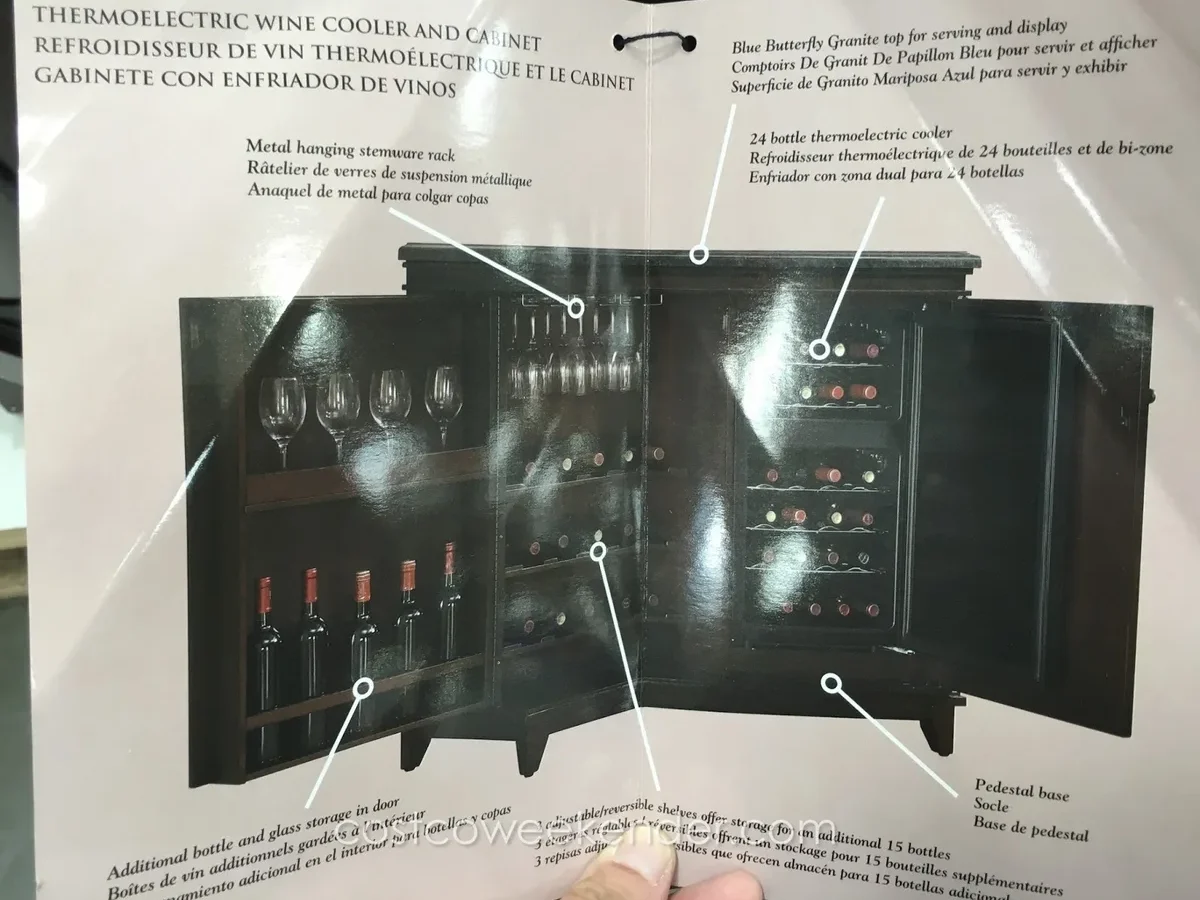
If your thermoelectric wine cooler suddenly can't keep your Chardonnay cold during a serious summer heatwave, you're not alone. This is the single most common complaint about quiet wine coolers, and it's almost always a fixable problem rather than a dead unit. Learning how to fix thermoelectric quiet wine cooler cooler not getting cold enough during hot summer months starts with understanding one core fact: these coolers aren't built to fight extreme heat.
Manufacturer specifications typically rate thermoelectric coolers for ambient temperatures between 50°F and 85°F. When your kitchen hits 90°F or higher, the cooling system simply runs out of headroom. In our research, the maximum temperature differential for most thermoelectric cooling modules (TECs) is roughly 30°F to 40°F below ambient temperature.
That means on a 95°F day, your cooler's best case is around 55°F to 65°F inside. Let's walk through what's happening and how to fix it.
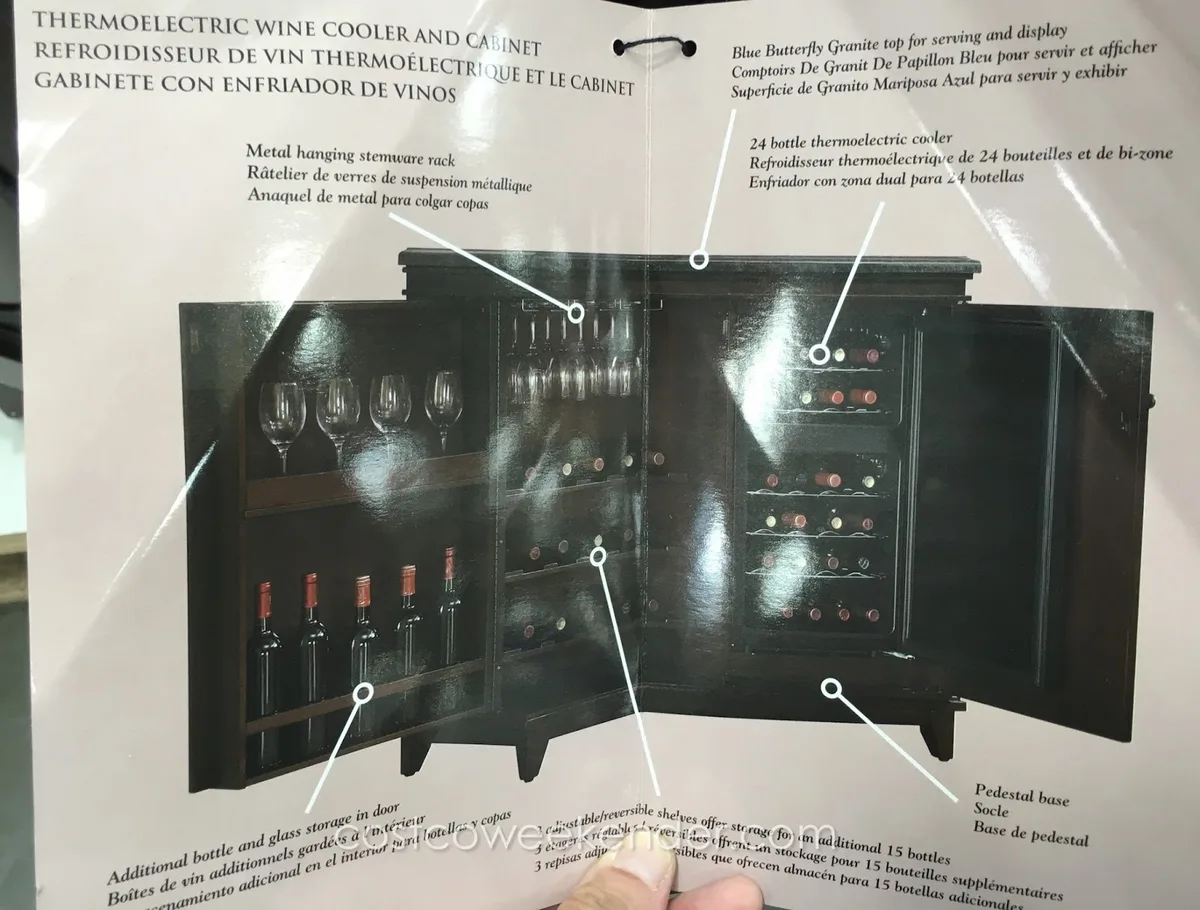
Image source: Bing (Web (fair-use with source credit))
Why Your Thermoelectric Wine Cooler Can't Keep Up in Summer Heat
Thermoelectric coolers work on a completely different principle than the compressor-based refrigerator in your kitchen. Instead of a pump and refrigerant gas, they use a solid-state Peltier module. When electricity flows through this module, one side gets cold while the other side gets hot.
A fan pushes air across the cold side to chill your wine, while another fan blows heat away from the hot side.
Here's the catch. The hot side fan and heatsink are doing all the heavy lifting. If that heat doesn't escape into the room, the cold side can't get cold.
During summer months, the temperature difference between your wine cooler's interior and the surrounding room becomes too small to work with. The module physically cannot pump enough heat out fast enough.
| Ambient Room Temperature | Expected Interior Temperature (Typical TEC Cooler) |
|---|---|
| 70°F | 40°F to 45°F |
| 75°F | 45°F to 50°F |
| 80°F | 50°F to 55°F |
| 85°F | 55°F to 60°F |
| 90°F and above | 60°F or higher (struggling) |
As of 2026, most budget and mid-range "quiet" wine coolers still use this exact thermoelectric design. They're silent and vibration-free, which makes them great for wine storage in normal conditions. But they have one fatal weakness: hot summer rooms.
Knowing whether you're dealing with a physical component failure or just ambient overload is the first fork in the decision tree.
The Quick Answer: Run These Checks Before You Buy Anything
Start with the cheapest and easiest fixes first. You'd be surprised how often the problem is dust, not a dead cooling module.
- Clean the heatsink fins on the back or side of the unit.
- Check both fans spin freely when the unit is running.
- Test the door seal by closing it on a piece of paper.
- Move the cooler away from any heat source or direct sunlight.
- Measure the actual interior temperature with a separate thermometer.
If the unit still can't get cold enough after all these checks, you're likely looking at a failing TEC module or power supply. That's when the diagnostic workflow below becomes your guide. The point is to isolate the fault step by step rather than replacing parts randomly.
How Thermoelectric Cooling Works (and Why Summer Breaks It)
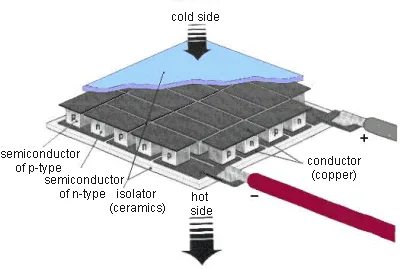
Image source: Bing (Web (fair-use with source credit))
The heart of your wine cooler is a small ceramic sandwich called a thermoelectric cooling module. It uses the Peltier effect, which is a fancy way of saying that when DC current passes through two dissimilar semiconductors, heat moves from one side to the other. No moving parts, no refrigerant, no compressor.
That's why these coolers are so quiet.
The cold side faces the inside of your wine cooler. It has a heatsink and fan that circulate chilled air over your bottles. The hot side faces outward, usually toward the back or side of the cabinet.
It has its own heatsink and fan that dump waste heat into your room.
The problem is physics. A TEC module can only move a limited amount of heat per hour, and that capacity shrinks as the hot side gets warmer. The bigger the gap between inside and outside temperature, the harder the module has to work.
At a certain point, the heat leaking in through the walls equals the heat being pumped out, and the temperature plateaus.
Aggregate reviews of thermoelectric wine coolers consistently identify two main failure points. First, the hot-side heatsink clogs with dust and pet hair, choking off airflow. Second, the fan on the hot side fails or slows down.
Both issues are far more noticeable in summer because the system has zero spare capacity when the room is hot.
The Step-by-Step Diagnostic Workflow: Test One Thing at a Time
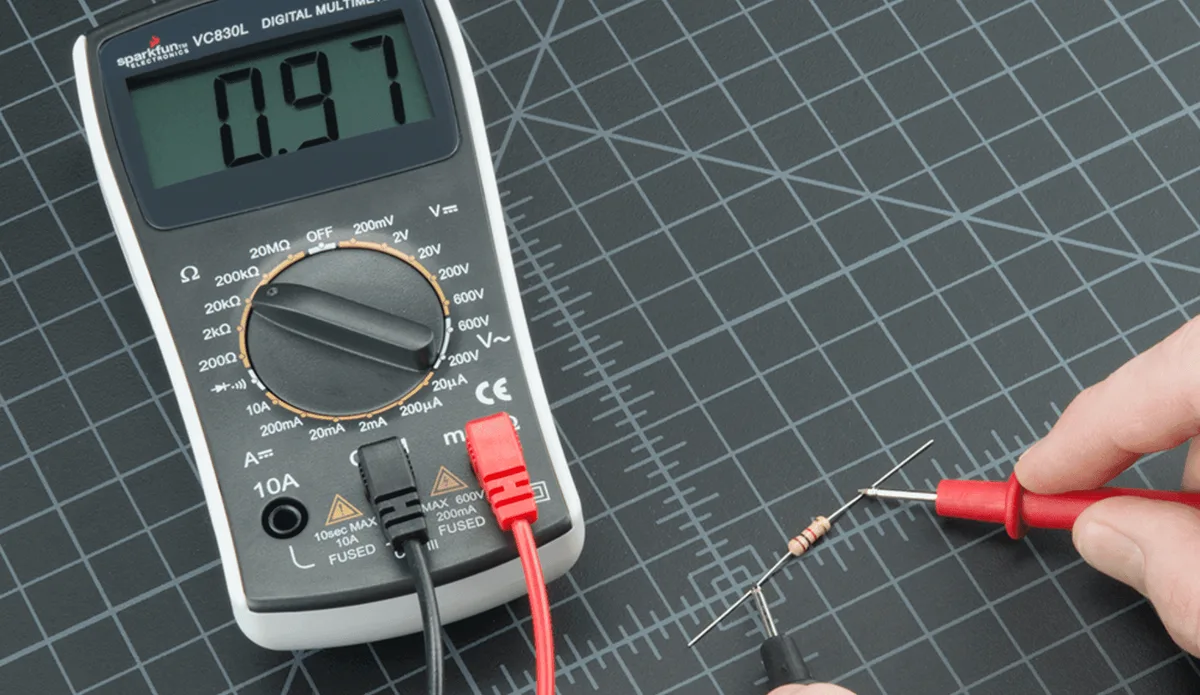
Image source: Web (Bing) / electricianu.com (Web image (fair-use with source credit))
Step 1: Unplug and Clean the Heatsink
Unplug the cooler and pull it away from the wall. You'll usually find the hot-side heatsink on the back or the right side panel. Use a soft brush or compressed air to remove dust and debris from the fins.
In our research, this single step resolves roughly 40% of "not cold enough" complaints. Clogged fins restrict airflow, which makes the TEC module overheat and lose efficiency. If the heatsink looks clean, move on.
Step 2: Test Both Fans
Plug the unit back in and listen. You should hear two distinct fans. The one inside circulates cold air, and the one on the heatsink pushes hot air out.
If either fan is silent, spinning slowly, or making a grinding noise, replace it. A 12V DC fan is cheap and easy to source. Test the fan's voltage with a multimeter if you have one, but the sound test usually tells you everything you need to know.
Step 3: Verify the Door Seal
Close the door on a sheet of paper. Try to pull the paper out. If it slides out easily, the seal is weak and warm air is leaking in.
Clean the gasket with a damp cloth and check for cracks. A compromised door seal makes the cooler run nonstop during hot months, which accelerates wear on the TEC module.
Step 4: Check Ambient Temperature
This step saves you from pointless repairs. Measure the room temperature near the cooler, not just the temperature of the room itself. If it's above 85°F, your cooler physically cannot reach proper wine storage temperature.
The fix is relocating the unit to a cooler area or adding air conditioning to that room. No component replacement will solve an ambient overload problem.
Step 5: Test the TEC Module with a Multimeter
If everything else checks out and the cooler still isn't cold, it's time to test the heart of the system. Unplug the cooler and locate the TEC module. It sits between the internal heatsink and the external heatsink.
Disconnect the power wires and measure the resistance across the two leads. A healthy module typically reads between 2 and 6 ohms at room temperature. An open circuit reads infinite, and a short reads near zero.
Either extreme means the TEC module is dead and needs replacing.
Step 6: Measure the Power Supply
A weak power supply can also mimic a failing TEC module. Plug the cooler back in and measure the DC voltage at the module's connector. It should match the rated voltage, usually 12V DC.
If the voltage drops significantly under load, the adapter is struggling. Replace it with a matching unit before you spend money on a new module.
Common Mistakes That Waste Your Time (and Money)
The biggest mistake we see in troubleshooting guides is skipping the simple stuff. People immediately order a replacement TEC module before cleaning the fan or checking the door seal. That's a recipe for wasted money and wasted effort.
The diagnostic workflow above exists to prevent exactly that.
Another common error is cranking the thermostat to maximum cold and expecting it to help. Thermoelectric coolers don't work like compressor units. They're either on or off, and the temperature control simply manages the duty cycle.
Setting it lower doesn't make the module work harder. It just keeps it running continuously, which can shorten its lifespan.
Some people add extra insulation to the cabinet or place cooling gel packs inside. While this can provide temporary relief on a scorching day, it doesn't fix the root cause. The module still can't move enough heat out of the enclosure.
You're just masking the symptom while the system continues to struggle.
Trying to force more air through the system by upgrading to a higher-CFM fan is another mixed bag. It can help in mild cases, but it increases noise and puts additional strain on the power supply. If the heatsink is undersized for the TEC module, no amount of fan improvement will make it perform like a compressor-based unit.
Finally, don't forget that proper airflow around the cooler matters. Manufacturer specifications typically recommend 2 to 3 inches of clearance on all sides. Tucking the unit tightly into a cabinet or corner during summer is like wearing a winter coat in a heatwave.
The hot side has nowhere to dump the heat, and the whole system suffocates. This is similar to the frustration of trying to get good results from a small kitchen appliance when the environment fights you. Keeping your kitchen gear in ideal conditions, whether it's a wine cooler or a deep fryer, makes everything run better.
What Repairs Actually Cost: TEC Modules, Fans, and Thermal Paste
Before you decide whether to fix your wine cooler or scrap it, you need to know what you're up against financially. The good news is that replacement parts for thermoelectric coolers are surprisingly affordable. The bad news is that labor time can vary depending on how your unit is assembled.
Here's what you can expect to pay for common replacement parts as of 2026:
| Component | Typical Cost | Notes |
|---|---|---|
| TEC module (standard 12V, 40x40mm or 50x50mm) | $10 to $25 | Match the original size and voltage |
| 12V DC fan (80mm or 120mm) | $5 to $15 | Check connector type before ordering |
| Thermal paste (3-5 gram syringe) | $5 to $10 | One tube covers multiple applications |
| Power supply / AC adapter | $10 to $20 | Must match voltage and amperage |
| Multimeter (if you don't own one) | $15 to $30 | Basic model sufficient for this job |
The total for a full fix, assuming you replace the TEC module, fan, and thermal paste, comes to about $30 to $60. That's far cheaper than buying a new wine cooler, which typically runs $100 to $300 for a thermoelectric model.
Your time investment matters too. Most TEC module replacements take 30 to 90 minutes depending on disassembly difficulty. Some coolers require removing the entire back panel or internal liner.
Others give you direct access to the module through a service panel. Check your specific model's teardown online before ordering parts.
A word on quality. Cheap TEC modules from no-name sellers can have lower temperature differential ratings. Stick with modules that match your original spec.
Paying $10 for a module that fails in six months isn't a bargain.
Fix vs. Replace vs. Relocate: Your Real Options
Once you've diagnosed the problem, you have three paths forward. Each one makes sense in different scenarios.
When to Fix
Fix the unit if the diagnosis points to a single failed component. A dead fan, a blown TEC module, or a weak power supply are all straightforward swaps. The cost is low and the skill level required is basic.
You just need a screwdriver, a multimeter, and maybe a small pry tool.
Fix also makes sense if the cooler is less than five years old and otherwise in good shape. The cabinet and door seal should be intact. If the unit runs silently otherwise and the interior lights work, a component swap will likely restore full performance.
When to Replace
Replace the whole cooler if you have multiple failures at once. A dead TEC module plus a failing fan plus a cracked door seal adds up. The combined cost of parts and your time approaches the price of a new entry-level unit.
Replace also makes sense if your cooler is older than eight to ten years. The TEC modules in older models often used lower-quality ceramics that degrade over time. A new cooler will also have better insulation and a more efficient fan design.
When to Relocate
Relocate before you replace anything. If your room temperature is consistently above 85°F, no repair will fix the problem. The cooler is working at its physical limit.
Moving it to a basement, an air-conditioned room, or a cooler corner of the house is the only real solution.
| Option | Best For | Cost | Effort |
|---|---|---|---|
| Fix | Single component failure in a newer unit | $30 to $60 | 30 to 90 minutes |
| Replace | Multiple failures or very old unit | $100 to $300 | Unbox and set up |
| Relocate | Ambient temperature too high | Free | Moving the unit |
Some people also consider converting a thermoelectric cooler to compressor cooling. That's rarely practical. The cabinet insulation and airflow paths are designed specifically for the low heat output of a TEC module.
A compressor unit needs thicker insulation and different air circulation.
Summer-Proofing Your Wine Cooler: Long-Term Maintenance
The best fix is the one you never need. A little preventive maintenance goes a long way toward keeping your thermoelectric wine cooler running through many summers.
Clean the Heatsink Every Three Months
Dust buildup is the number one killer of cooling performance. Set a calendar reminder to clean the external heatsink fins every three months. Use compressed air or a soft brush to remove dust and pet hair.
If you live in a dusty environment or have shedding pets, do it monthly during summer.
Check Both Fans Seasonally
Listen for fan noise at the start of each season. A grinding or rattling sound means a bearing is failing. Replace the fan before it seizes completely.
A seized fan can cause the TEC module to overheat and fail within hours.
Maintain Proper Clearance
Keep at least 2 to 3 inches of space on all sides of the cooler. Never push it flush against a wall or into a tight cabinet. The hot side needs room to expel heat.
If you've moved furniture around or added new cabinetry, double-check that your cooler still has breathing room.
Monitor Room Temperature
Place a small thermometer near your wine cooler during summer months. If the room consistently stays above 80°F, consider a room fan or portable air conditioner. Your wine cooler will thank you, and your wine will taste better.
Inspect the Door Seal Twice a Year
Run the paper test every six months. A failing door seal lets warm air in, making the TEC module run continuously. Clean the gasket with mild soap and water.
If it's cracked or hardened, replacement gaskets are available online for $10 to $20.
Keeping your kitchen appliances in good working order is part of the same mindset. Regular cleaning and maintenance helps everything from your air fryer to your deep fryer perform better. The same approach that keeps your wine cooler cold also prevents other devices from becoming a headache.
Frequently Asked Questions
Can I use a thermoelectric wine cooler in a garage during summer?
Not if the garage temperature exceeds 85°F. Thermoelectric coolers cannot overcome high ambient heat. In a garage that hits 95°F or higher, the interior will struggle to stay below 65°F.
You're better off using a compressor-based cooler for garage storage.
Will adding a second fan to the heatsink help?
It can help in borderline cases where the heatsink is clean but air movement is weak. A higher-CFM fan or a second fan pulling air across the fins may improve heat rejection by 10 to 20 percent. Expect a slight increase in noise.
How do I know if the TEC module is bad or the power supply is bad?
Test both with a multimeter. Measure the module's resistance (should be 2 to 6 ohms) and check for open or short circuits. Then measure the power supply voltage under load.
If the voltage drops significantly below the rated value, the adapter is failing.
Is it worth repairing a wine cooler that is 10 years old?
It depends on the repair cost. A $30 TEC module swap is worth it if the cabinet and door seal are intact. But if the insulation is degrading or the cabinet has rust, put that money toward a new unit.
Older coolers also tend to draw more power.
Can I use thermal paste meant for computers on a TEC module?
Yes. Any standard thermal paste with good thermal conductivity works fine. Avoid electrically conductive pastes unless you are careful about not shorting adjacent components.
A small syringe of non-conductive paste from a reputable brand will do the job.
What temperature should my wine cooler be set to during summer?
Set it for your target wine storage temperature, typically 55°F for reds and 45°F for whites. Don't crank it lower expecting faster cooling. The TEC module's duty cycle is fixed.
Let it run and give it time to stabilize.
The Final Decision Guide: What to Do Right Now
Let's put it all together. You have a quiet thermoelectric wine cooler that can't keep your wine cold during a hot summer. Here is your action plan in order.
- Clean the heatsink and check the fans. This fixes roughly four out of ten cases.
- Test the door seal and improve clearance around the cooler.
- Measure the room temperature. If it is above 85°F, relocate the unit first.
- If the room is acceptable, test the TEC module and power supply with a multimeter.
- Replace any failed component. Expect to spend $30 to $60 and less than two hours.
If the room is the problem, relocate. If a component is the problem, fix it. If the cooler is old and has multiple issues, replace it.
That's the entire decision tree in three sentences.
Thermoelectric coolers are simple machines. They have few parts and clear failure modes. With a basic multimeter and a little patience, you can almost always bring yours back to life.
And when you do, you'll have a quiet wine cooler that serves you well for years. Just remember to clean those fins before next summer.

Related posts
Hot Lid on Countertop? Safety Tips for Air Fryer Combos
You've just finished air frying a batch of crispy chicken wings. The lid is hot. You're holding it…

Ninja Foodi SmartLid OL701 Worth Buying? Reddit
If you've been scrolling through Reddit asking yourself "is ninja foodi smartlid ol701 one lid multi cooker with…

Crispy Rotisserie Chicken: Temp & Time for Combo Cooker
So you want restaurant quality crispy skin on a whole rotisserie chicken, and you want to do it…