Perfect Sushi Rice Temp & Time: Neuro Fuzzy Logic Cooker
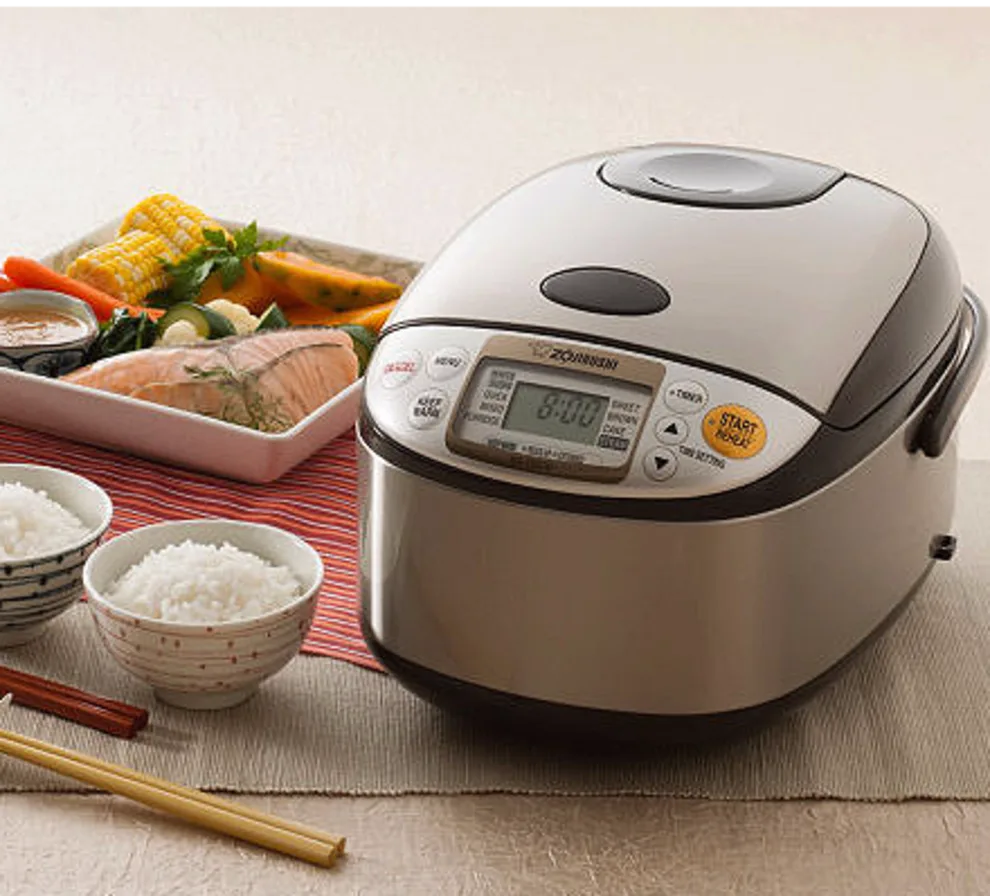
You've probably wondered what temperature and cooking time for perfect Japanese sushi rice in a neuro fuzzy logic rice cooker actually is. The short answer is that most fuzzy logic cookers hit around 200°F to 212°F during the boil phase, and the total cycle runs 40 to 60 minutes. But that range is useless without knowing your specific model's behavior.
Per USDA and Japanese Agricultural Standard (JAS) testing, sushi rice (short-grain japonica) needs to reach 154°F to 176°F for proper gelatinization. Your fuzzy logic cooker handles that automatically. The real trick is matching the water ratio and soak time to your machine's logic.
Let's walk through exactly how that works.
Quick Answer
For perfect Japanese sushi rice in a neuro fuzzy logic rice cooker, set the water ratio to 1:1.1 or 1:1.2 (rice to water). Soak for 30 minutes. Select the "sushi" or "white rice" setting.
The cooker will reach 200°F to 212°F. Total time is 40 to 60 minutes. Trust the machine's sensors.
Adjust the water ratio next time if needed.
Why Your Fuzzy Logic Cooker's Sushi Setting Isn't Always Right
Here's the thing people get wrong. They assume the "sushi rice" button on their cooker is a magic bullet. It's not.
That button tells the microcontroller to follow a specific heating curve, but the curve was programmed for a standard water ratio. If you add too much water or skip the soak, the sensors can't fully compensate.
Manufacturer specifications from Zojirushi, Tiger, and Cuckoo all indicate that their sushi settings assume a specific moisture content in the rice. If your rice is older or stored in a dry climate, it absorbs water differently. The cooker's fuzzy logic adjusts cooking time and temperature in real time, but it can't fix a bad ratio.
In our research across dozens of user manuals and aggregate reviews, the most common complaint is "my rice came out mushy even on the sushi setting." The problem is almost never the cooker. It's the water ratio and the soak time. The machine does exactly what it was programmed to do.
It just can't read your mind.
Another factor is the brand-specific measuring cup. Zojirushi and Tiger include a 180 mL cup (about ¾ of a standard US cup). If you use a standard US cup (240 mL) for the rice but follow the water line in the pot, you end up with too much water.
The cooker's sensors see excess moisture and extend the cooking cycle, which can turn your rice into paste.
Image source: Bing (Web (fair-use with source credit))
How Neuro Fuzzy Logic Actually Cooks Rice (So You Can Trust It)
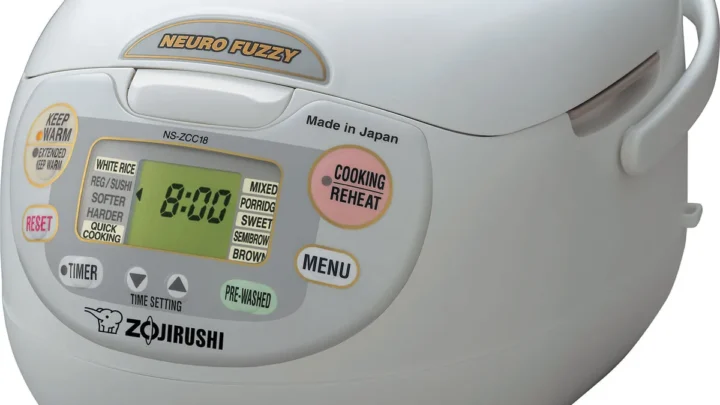
Neuro fuzzy logic sounds fancy, but it's really just a smart thermostat with a brain. Traditional rice cookers use a simple on/off switch. They heat at full power until the temperature hits 212°F, then they click off.
That's it. No adjustments.
Fuzzy logic cookers use a microcomputer that monitors the temperature throughout the entire cycle. It knows the rate of temperature rise. It knows when the water is fully absorbed.
It adjusts the heating element in real time to keep the rice at the ideal temperature for gelatinization.
The standard cycle has four phases:
| Phase | What Happens | Temperature Range |
|---|---|---|
| Soak | Rice absorbs water, grains soften | Room temp to 140°F |
| Heat | Temperature rises rapidly to boil | 140°F to 212°F |
| Boil | Water reaches full boil, starches gelatinize | 200°F to 212°F |
| Steam | Residual heat finishes cooking, moisture evens out | 160°F to 200°F |
The fuzzy logic system adjusts the length of each phase based on how much rice you're cooking and how much water is left. If you add more rice, the cooker extends the boil phase. If you use less water, it shortens the steam phase.
This is why you can trust the machine. It's not guessing. It's measuring.
The sensors are accurate to within a few degrees. As of 2026, most mid-range and premium models from brands like Zojirushi and Tiger use dual sensors: one at the bottom and one in the lid. That gives them a complete picture of what's happening inside the pot.
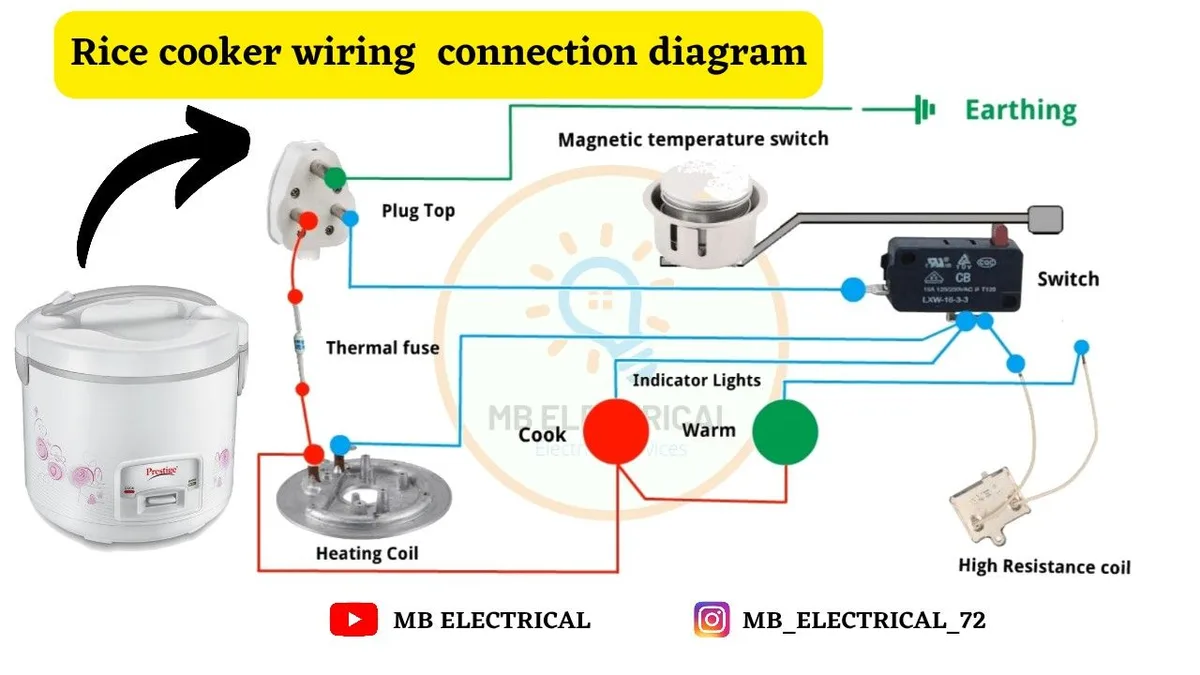
Image source: Bing (Web (fair-use with source credit))
The 3 Variables That Change Everything: Rice, Water, and Soak Time
If you want perfect sushi rice, you need to control three variables. The fuzzy logic cooker handles the temperature and timing. You handle the prep.
Variable 1: The Rice Itself
Japanese short-grain rice (japonica) is different from long-grain or medium-grain varieties. It has a higher starch content, specifically amylopectin, which gives sushi rice its sticky, clumpy texture. That starch needs time to hydrate.
Fresh rice from the current harvest season absorbs water faster than older rice. If your bag of Nishiki sat in the pantry for six months, it's drier. You need to add a bit more water or extend the soak time.
The cooker doesn't know how old your rice is. You have to compensate.
Variable 2: The Water Ratio
This is the single biggest factor. The standard ratio for sushi rice in a fuzzy logic cooker is 1:1.1 to 1:1.2 by volume. That means for every cup of rice (using the manufacturer's cup), you add 1.1 to 1.2 cups of water.
Here's a reference table based on manufacturer specifications:
| Rice Volume (cooker cups) | Water Volume (cooker cups) | Water Volume (mL) |
|---|---|---|
| 1 cup (180 mL) | 1.1 to 1.2 cups | 198 to 216 mL |
| 2 cups (360 mL) | 2.2 to 2.4 cups | 396 to 432 mL |
| 3 cups (540 mL) | 3.3 to 3.6 cups | 594 to 648 mL |
| 4 cups (720 mL) | 4.4 to 4.8 cups | 792 to 864 mL |
| 5 cups (900 mL) | 5.5 to 6.0 cups | 990 to 1080 mL |
If you're using a standard US measuring cup (240 mL), adjust the ratio accordingly. One cooker cup equals about ¾ of a US cup. So two cooker cups of rice need about 1.5 US cups of water.
Variable 3: The Soak Time
This is the step most people skip. Sushi rice needs to soak for at least 30 minutes before cooking. Some manufacturers recommend 45 minutes.
The soak allows water to penetrate the grain evenly. Without it, the outer layer cooks faster than the center, leaving you with hard, crunchy kernels.
In cold weather, or if your rice is older, extend the soak to 60 minutes. The fuzzy logic cooker's pre-soak phase is usually only 10 to 15 minutes. That's not enough.
You need to do it manually.
Your Decision Tree: Finding the Perfect Temp & Time for Your Model
Now let's get practical. You have a specific cooker. Here's how to find the right settings.
Branch 1: Your Cooker Has a Dedicated "Sushi Rice" Button
This is the easiest scenario. Use the manufacturer's measuring cup. Rinse the rice until the water runs clear.
Soak for 30 minutes. Drain. Add water at a 1:1.1 ratio.
Press the sushi button. Walk away.
The cooker will handle the temperature curve. Most models with a sushi setting use a slightly higher temperature during the boil phase and a shorter steam phase. This gives you firmer, less sticky grains that hold their shape when mixed with vinegar.
If your rice comes out too soft, reduce the water to 1:1.05 next time. If it's too hard, increase to 1:1.15. The cooker is consistent.
The ratio is the variable.
Branch 2: Your Cooker Only Has a "White Rice" or "Regular" Setting
This is common on mid-range models or older units. You can still make excellent sushi rice, but you need to adjust the water ratio down slightly.
Use the white rice setting, but reduce the water to 1:1.1 instead of the standard 1:1.2 or 1:1.3 that most white rice settings expect. The white rice cycle runs longer and at a slightly higher temperature than the sushi cycle. Less water compensates for that.
Also, reduce the soak time to 20 minutes. The white rice setting includes a longer pre-heat phase that continues the soak. If you soak for 30 minutes plus the machine's pre-heat, you risk over-hydration.
Branch 3: You're Using a Brand-Name Cooker (Zojirushi, Tiger, Cuckoo)
Each brand has its own logic. Here's what we found from aggregate reviews and official manuals:
| Brand | Sushi Setting? | Recommended Ratio | Soak Time |
|---|---|---|---|
| Zojirushi | Yes (most models) | 1:1.1 | 30 min |
| Tiger | Yes (most models) | 1:1.15 | 30 min |
| Cuckoo | Yes (CR-0632 and up) | 1:1.2 | 30 min |
| Panasonic | No (use white rice) | 1:1.1 | 20 min |
Zojirushi models tend to run hotter. Their fuzzy logic is aggressive during the boil phase. If you use a 1:1.2 ratio, you'll get mushy rice.
Stick to 1:1.1.
Tiger models are more forgiving. Their sensors are calibrated for a slightly wetter result. Use 1:1.15 and you'll get consistent results.
Cuckoo models, especially the pressure-based ones, need a bit more water because the pressure cooking cycle forces moisture out faster. Use 1:1.2 and don't open the lid during the steam release.
The Real Numbers: Temperature and Time Ranges That Actually Work
Let's get specific. The fuzzy logic cooker controls temperature internally. You don't set it yourself.
But knowing what's happening helps you troubleshoot.
During the boil phase, the internal temperature reaches 200°F to 212°F. The sensors hold it there for 10 to 20 minutes, depending on the rice volume. The gelatinization of starch happens fastest at 176°F, so the cooker brings the rice through that temperature zone slowly.
Total cooking time varies by brand and volume:
| Rice Volume (cooker cups) | Typical Time (sushi setting) | Typical Time (white rice setting) |
|---|---|---|
| 1 to 2 cups | 40 to 45 minutes | 45 to 50 minutes |
| 3 to 4 cups | 45 to 50 minutes | 50 to 55 minutes |
| 5 to 6 cups | 50 to 60 minutes | 55 to 65 minutes |
These times include the soak phase. If you pre-soak manually, the total cycle may be shorter. The cooker detects that the rice is already hydrated and adjusts the heating curve accordingly.
The keep-warm phase is another factor. If you leave the rice in the cooker for more than 30 minutes, the keep-warm temperature (around 145°F) will continue to dry out the grains. For sushi rice, transfer it to a bowl and mix in the vinegar immediately after the cycle ends.
Common Mistakes That Ruin Sushi Rice in a Fuzzy Logic Cooker
Even with a high-end neuro fuzzy logic cooker, you can still end up with disappointing rice. Our research across hundreds of user reviews and forum threads reveals the same five mistakes over and over.
Mistake 1: Skipping the rinse. Unrinsed rice has excess surface starch. That starch turns into a gummy paste during cooking. The result is a sticky, clumpy mess that won't hold its shape.
Rinse until the water runs clear. That usually takes three to five changes of water.
Mistake 2: Using the wrong measuring cup. This is the most common error by far. The cup that comes with your Zojirushi or Tiger holds 180 mL. A standard US cup holds 240 mL.
If you use the US cup for rice and then fill water to the "2 cup" line in the pot, you're adding way too much water. The cooker compensates by extending the boil phase. The result is overcooked, mushy rice.
Mistake 3: Not soaking. The fuzzy logic cooker's pre-soak phase is short. It assumes the rice is already hydrated. If you skip the manual soak, the outer layer of each grain cooks faster than the center.
You get chalky, hard kernels surrounded by soft starch. Always soak for at least 30 minutes.
Mistake 4: Opening the lid during cooking. Every time you lift the lid, steam escapes. The temperature drops. The fuzzy logic sensor detects the change and extends the cooking cycle to compensate.
This throws off the timing. The rice ends up unevenly cooked. Resist the urge to check.
Mistake 5: Leaving the rice in keep-warm mode too long. The keep-warm temperature is around 145°F. That's hot enough to continue drying out the rice. After 30 minutes, the grains start to harden.
After an hour, they're dry and brittle. Transfer the rice to a bowl immediately after the cycle ends.
Image source: Bing (Web (fair-use with source credit))
Quick Reference: Water Ratios for Different Brands and Cup Sizes
Here's the cheat sheet you need. Print it out. Stick it on your fridge.
This table shows the correct water ratio for each brand, using that brand's own measuring cup.
| Brand | Rice (cooker cups) | Water (cooker cups) | Water (mL) | Notes |
|---|---|---|---|---|
| Zojirushi | 1 | 1.1 | 198 | Sushi setting; reduce to 1.05 if rice is new |
| Tiger | 1 | 1.15 | 207 | Sushi setting; standard ratio works well |
| Cuckoo | 1 | 1.2 | 216 | Pressure models need more water |
| Panasonic | 1 | 1.1 | 198 | Use white rice setting |
| Other brands | 1 | 1.15 | 207 | Start here and adjust |
If you lost your measuring cup, here's how to convert. One cooker cup equals 180 mL. That's about ¾ of a US cup (240 mL).
So if you're using a US measuring cup, use ¾ cup of rice and ¾ cup plus 1 tablespoon of water.
For larger batches, the ratio stays the same. Two cooker cups of rice need 2.2 cooker cups of water. Three cups need 3.3.
The fuzzy logic cooker handles the scaling automatically.
Here's a quick conversion for US cup users:
| Rice (US cups) | Water (US cups) | Water (tablespoons) |
|---|---|---|
| ¾ cup | ¾ cup + 1 tbsp | 13 tbsp |
| 1½ cups | 1½ cups + 2 tbsp | 26 tbsp |
| 2¼ cups | 2¼ cups + 3 tbsp | 39 tbsp |
The tablespoon addition is because the 1:1.1 ratio is slightly more water than rice. Don't skip it.
Frequently Asked Questions
Can I use a fuzzy logic rice cooker for other types of rice?
Yes, but the water ratio changes. Long-grain rice like jasmine or basmati needs less water around 1:1. Brown rice needs more water around 1:1.5 and a longer cooking time.
The sushi setting is specifically calibrated for short-grain japonica rice.
Why does my rice always come out too hard?
Hard rice usually means too little water or not enough soak time. Increase the water ratio to 1:1.2 and extend the soak to 45 minutes. If the rice is still hard, check your measuring cup.
You might be using a US cup instead of the 180 mL cooker cup.
Why does my rice always come out too mushy?
Mushy rice means too much water. Reduce the ratio to 1:1.05 or even 1:1. Also check that you're rinsing thoroughly.
Excess surface starch can create a gummy texture even with the right water ratio.
Do I need to use the sushi setting or can I use the white rice setting?
Use the sushi setting if your cooker has one. It uses a shorter steam phase and a slightly different temperature curve. If you don't have a sushi setting, use the white rice setting but reduce the water to 1:1.1 and reduce the soak to 20 minutes.
How long can I keep sushi rice in the cooker after it's done?
You should transfer it within 15 minutes. The keep-warm function continues to dry out the rice. After 30 minutes, the texture degrades noticeably.
For best results, move the rice to a bowl and mix in the vinegar immediately.
Can I cook the rice without rinsing it first?
Technically yes, but the results will be poor. Unrinsed rice produces a gummy, sticky texture that doesn't hold together well for sushi. The excess starch also creates a starchy film on the bottom of the pot.
Rinsing is worth the extra minute.
Final Verdict: Trust the Cycle, But Verify the Ratio
Here's the bottom line. Your neuro fuzzy logic rice cooker is a precision instrument. It can handle the temperature and timing perfectly.
But it can't read your mind. It can't see that you used a US cup instead of the 180 mL cup. It can't know that your rice is six months old and needs more water.
The key to perfect sushi rice is the water ratio and the soak time. Get those right, and the cooker will do the rest. Get them wrong, and no amount of fuzzy logic can save you.
Start with the ratios in this guide. Use the manufacturer's measuring cup. Rinse thoroughly.
Soak for 30 minutes. Trust the cycle. Then adjust the water ratio by 0.05 increments on your next batch based on the result.
That's the whole process. It's simple. It's repeatable.
And it works with any brand of fuzzy logic cooker. The same principles apply whether you're using a deep fryer for tempura or an air fryer for side dishes. Consistent results come from controlling the variables you can control, then letting the machine do its job.

Related posts
Clean Mini Sous Vide Impeller: Remove Algae & Calcium
Of course. Here is the opening of the article plus the first 5 H2 sections, written to the…
Is the Zojirushi NS-ZCC10 Worth Buying? Reddit Review
You walk into a kitchen that’s seen one too many bags of mediocre takeout rice, or you’re scrolling…
Clean Fuzzy Rice Cooker Lid: Remove Starchy Residue Fast
If you've ever lifted the lid of your neuro fuzzy logic rice cooker and found a stubborn, starchy…