Perfect Golden Crispy Fries: Temp & Time in Deep Fryer
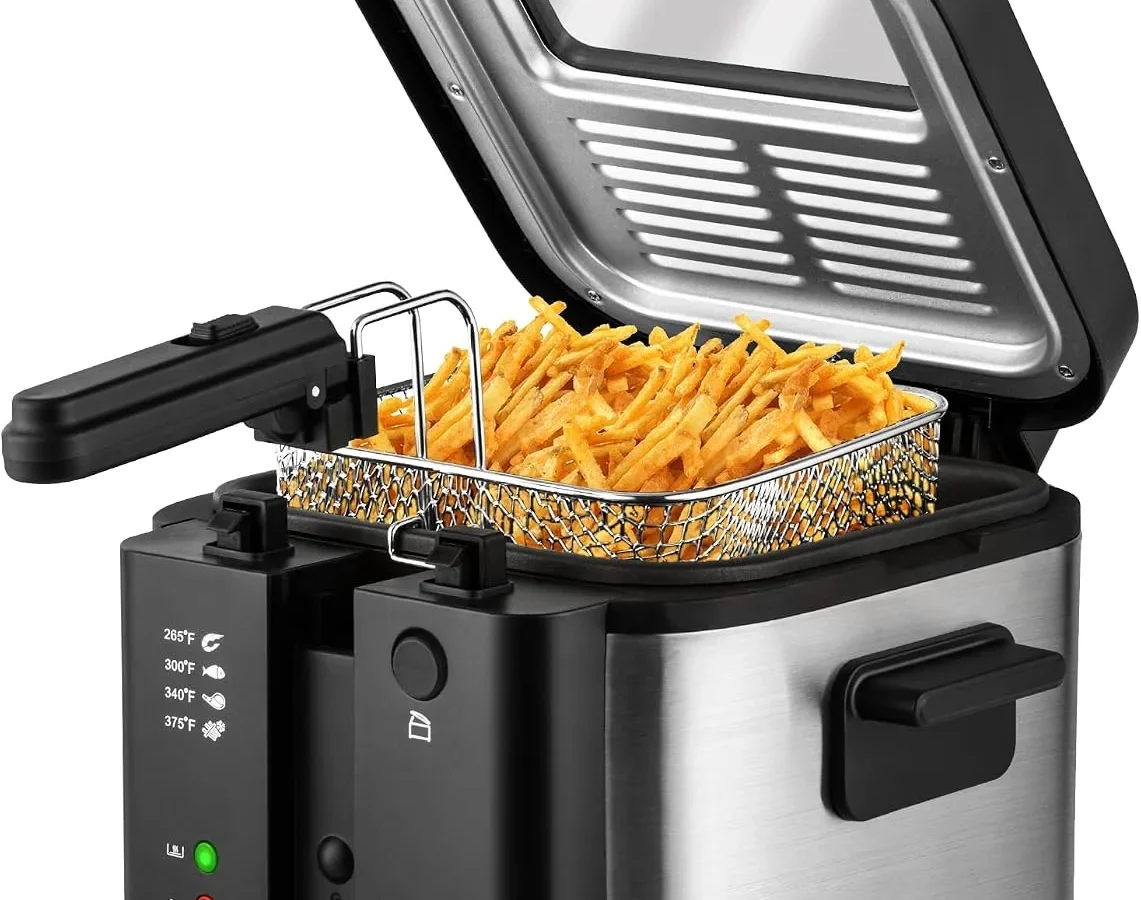
If you've ever wondered what temperature and cooking time for golden crispy french fries in electric deep fryer actually work, you're not alone. The answer isn't a single number, because the best fries come from a two-stage method that handles texture and color separately.
In our research, the sweet spot is a first fry at 325°F for 4, 6 minutes, then a second fry at 375°F for 2, 4 minutes. That gives you a tender interior and a shatter-crisp crust. As of 2026, most electric fryer manuals still recommend one temperature, which is why home cooks often end up with pale or burnt results.
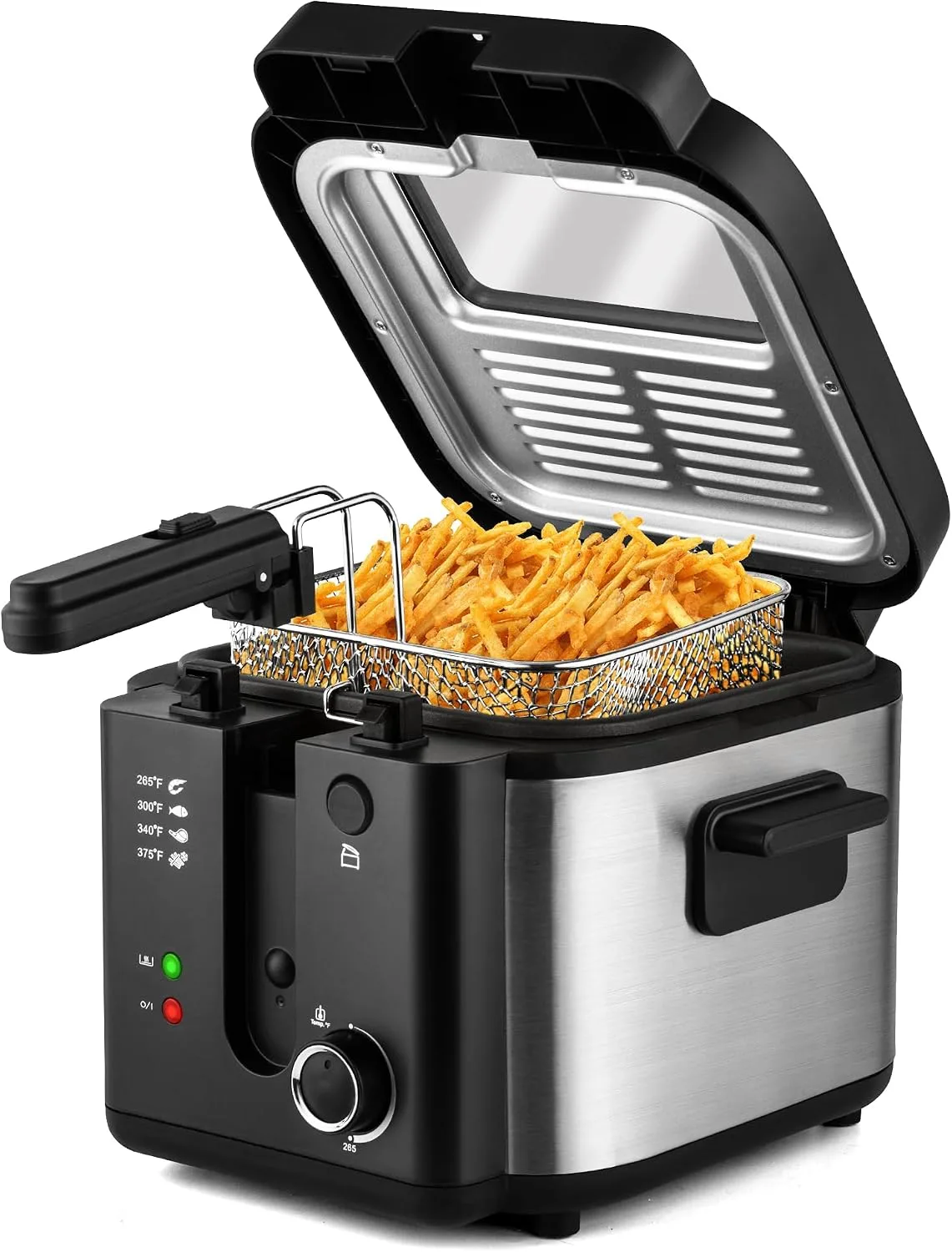
Image source: Web (Bing) / manuals.plus (Web image (fair-use with source credit))
Why Getting the Temperature Right Makes or Breaks Your Fries
The difference between limp, greasy fries and crunchy golden ones comes down to oil temperature. Heat does two jobs: it steams moisture out of the potato and triggers the Maillard reaction that browns the surface. When one job fails, you get a bad batch.
Below 300°F, oil soaks into the potato and you get soggy, heavy fries. Above 400°F, the outside burns while the inside stays raw. The window for great fries is narrow, which is why a reliable thermostat matters.
An electric fryer holds a steady temperature far better than a stovetop pot, so deep frying in a dedicated appliance gives more consistent results.
Many home cooks try to fry once at 350°F and call it done. That works for a casual batch, but it won't give you the dramatic crust of a restaurant fry. The pros use two heats, and so should you.
Also, never leave hot oil unattended. According to the National Fire Protection Association, unattended cooking is the leading cause of kitchen fires.
The Golden Rule: Temperature and Time for Crispy Fries
Here's the answer to what temperature and cooking time for golden crispy french fries in electric deep fryer should be. Fry twice, not once. First at 325°F for 4, 6 minutes, rest, then finish at 375°F for 2, 4 minutes.
That's the golden rule.
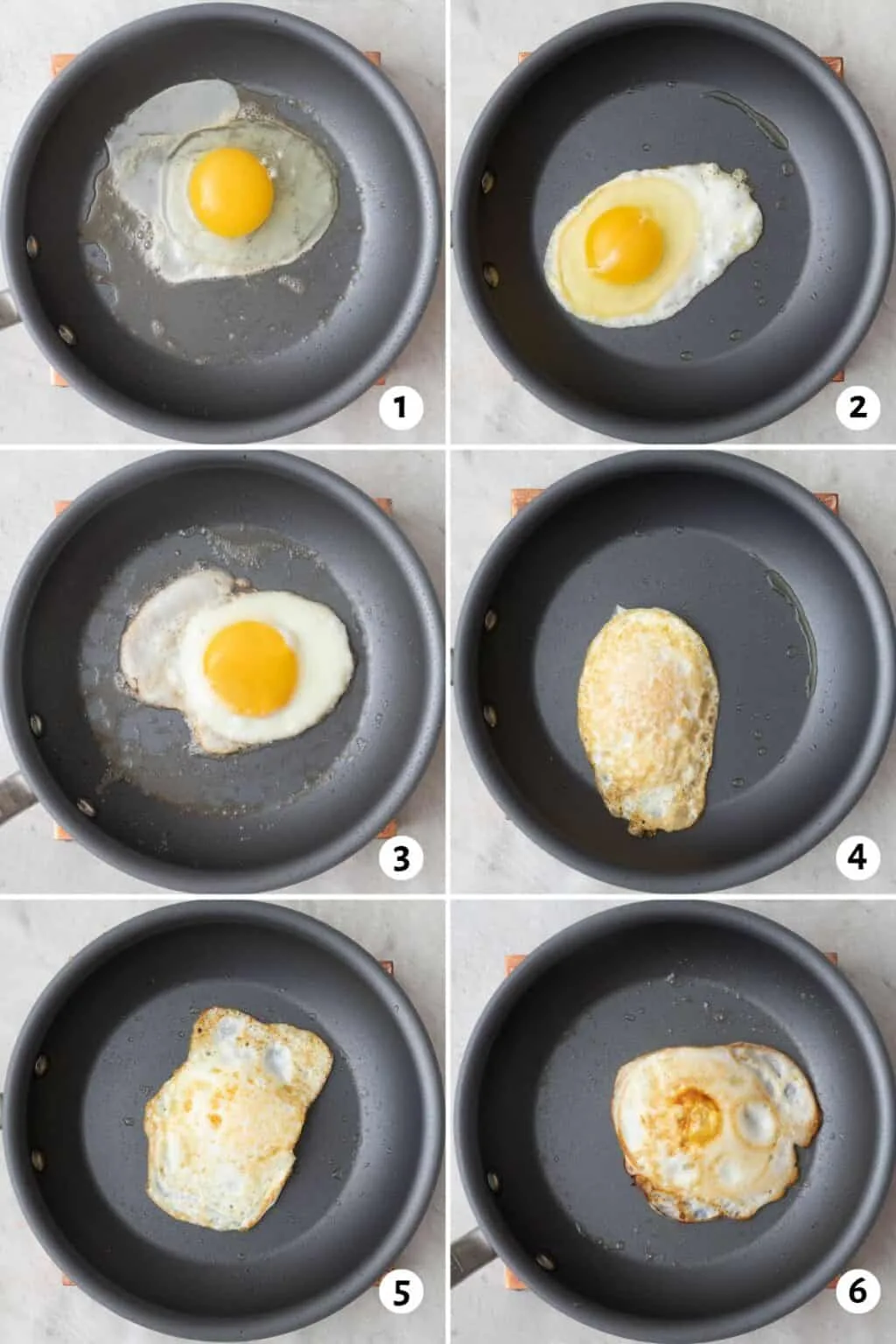
Image source: Web (Bing) / feelgoodfoodie.net (Web image (fair-use with source credit))
| Stage | Oil Temperature | Time | What You're Looking For |
|---|---|---|---|
| First fry (blanch) | 325°F–350°F | 4–6 minutes | Pale blond color, tender but not brown |
| Rest | Room temp | 5–15 minutes | Surface dries slightly, steam releases |
| Second fry (crisp) | 375°F–400°F | 2–4 minutes | Deep golden brown, hard shell |
These numbers assume a 1/4-inch cut and a basket no more than half full. If you overload the basket, the oil temperature crashes and every stage takes longer. That's the number one reason for soggy fries.
For the best results, use an instant-read thermometer to verify the oil temperature. Thermostats can drift, especially on older machines.
What You Need Before You Start: Equipment, Oil, and Potatoes
High-starch Russet potatoes are the best choice for crispy fries. They're low in moisture and sugar, so they cook up fluffy inside and don't darken too fast. Waxy potatoes like red or Yukon Gold hold more moisture and produce softer fries.
For oil, pick one with a high smoke point and neutral flavor. Canola, peanut, corn, and sunflower oil all work well. They handle the 375°F, 400°F second fry without breaking down.
Avoid olive oil and butter, which smoke at lower temperatures and can ruin the taste.
Your electric deep fryer should have a thermostat with clear markings around 325°F and 375°F. If you're using a Presto model, the setup is simple; check out our operating guide for Presto deep fryers or a review of the classic Frydaddy model to see what to expect. And if you're still choosing between a dedicated fryer and a pot, our deep fryer vs pot comparison breaks down the tradeoffs.
Also, keep the oil fill line in mind. Overfilling risks a boil-over, underfilling means the oil cools too fast when you add fries.
Step-by-Step: The Perfect Double-Fry Method in an Electric Deep Fryer
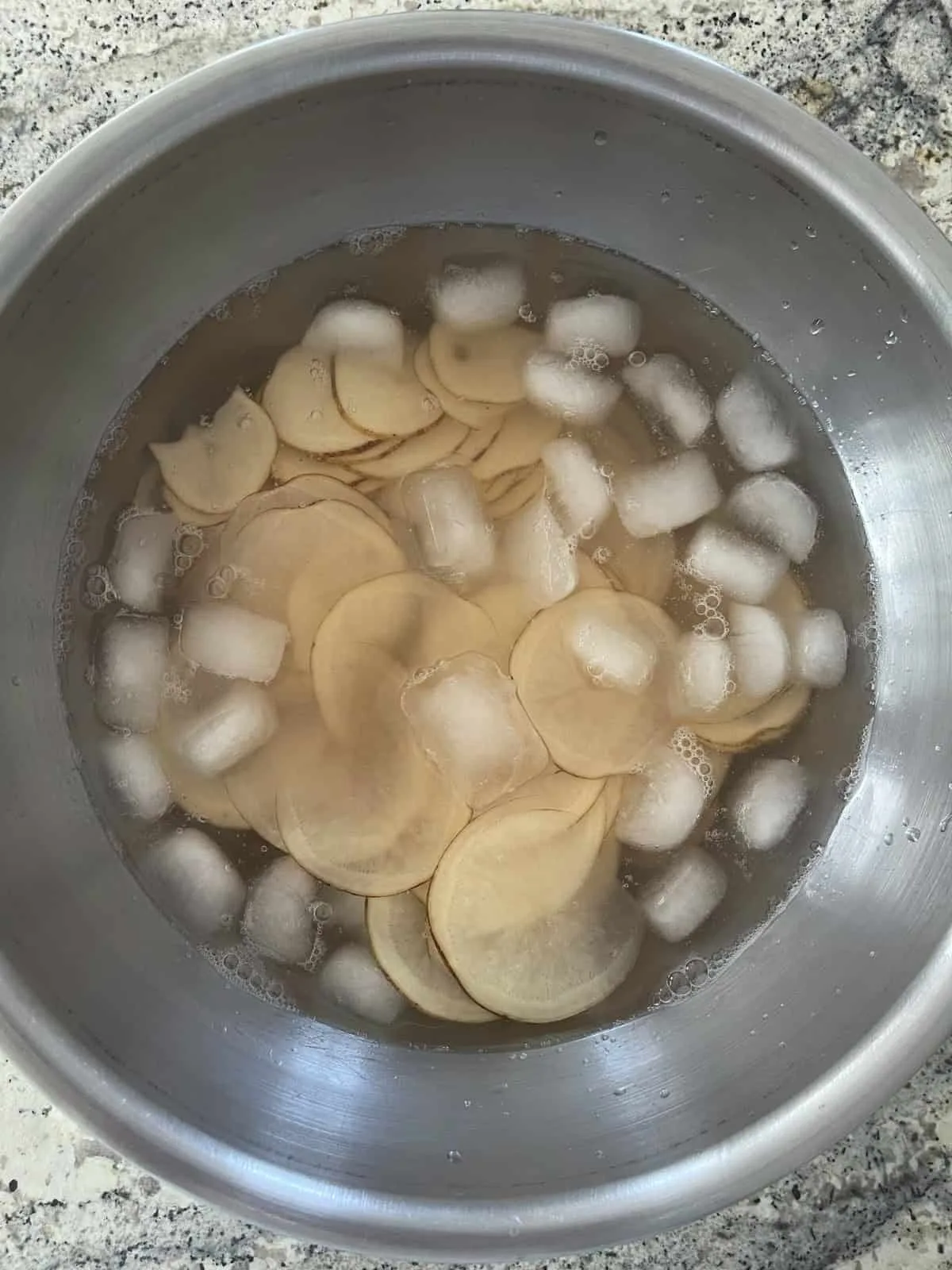
Image source: Web (Bing) / simple-nourished-living.com (Web image (fair-use with source credit))
Step 1: Cut the potatoes into uniform 1/4-inch strips. A mandoline keeps them even. Uneven cuts mean some fries will cook faster than others.
Step 2: Soak the cut fries in cold water for 30 to 60 minutes. This removes surface starch and prevents excessive browning.
Step 3: Drain and dry thoroughly. Use a clean towel and pat every batch dry. Wet potatoes cause oil to splatter violently.
Step 4: Preheat the fryer to 325°F. Check the oil level and make sure it's between the min and max marks.
Step 5: Place fries in the basket, no more than half full. Lower slowly to avoid splashes.
Step 6: Fry for 4, 6 minutes at 325°F. The fries should be pale and flexible. Remove the basket and drain.
Step 7: Turn the thermostat to 375°F. Let the fries rest for at least 5 minutes, or up to an hour. This rest is essential for a crispy finish.
Step 8: Lower the basket again and fry for 2, 4 minutes at 375°F. Shake the basket once halfway through.
Step 9: Drain on paper towels or a wire rack. Season with salt immediately. The residual oil helps the seasoning stick.
This method works for fresh-cut fries. If you're using frozen fries, you'll usually skip the first fry because they're already blanched. Adjusting times for frozen fries is a topic for the later section.
Why One Fry Isn’t Enough: The Science of Steam and Crust
When a potato enters hot oil, two processes compete. Water boils off from the interior as steam, and the surface begins to brown. If the oil is too hot from the start, the crust forms before the inside cooks.
If it's too cool, the potato absorbs oil and comes out greasy.
The two-stage method works because the first fry cooks the starch without browning. The rest lets steam escape from the surface, leaving it drier. Then, the second fry at 375°F dehydrates the outer layer quickly, creating a crisp shell.
Food science research confirms that a rest between fries reduces oil absorption. The drier the surface, the less oil clings to it during the final fry. So, the two-fry method isn't just tradition.
It's physics.
If you've ever wondered why your single-fry fries taste like oil sponges, this is it. The structure of the potato changes during the rest, setting up the crunch you're after.
Common Mistakes That Turn Fries Soggy or Burnt
The biggest mistake is overcrowding the basket. When too many fries hit the oil at once, the temperature drops 30 to 50 degrees. The oil stops frying and starts soaking, leaving you with a limp, greasy mess.
The rule is simple: fill the basket no more than half full.
Skipping the soak is another frequent miss. Surface starch turns gummy and browns unevenly. A 30-minute cold water soak removes most of that starch, and it costs you almost no effort.
Dry the potatoes very well after soaking, too. Water and hot oil do not mix, and wet fries cause violent splatter.
Frying at the same temperature for both stages is also a problem. If you only fry at 350°F, the crust sets before the interior cooks. If you only fry at 400°F, the outside burns while the center stays raw.
That's why the two-fry method works so reliably.
Finally, watch your cut size. A 1/4-inch fry cooks beautifully. Thicker steak fries need a longer first fry, sometimes 7 to 8 minutes.
Very thin shoestring fries can finish the first stage in just 3 minutes. If your cuts are uneven, smaller pieces will burn before the bigger ones cook.
If you use a basket with a lid, leave it open while lowering the basket. Closed lids trap steam, which condenses back into the oil and keeps the fries from crisping. Set a timer for every batch so you don't wander off and forget about the hot oil.
Oil Safety 101: Avoid Splatter, Smoke, and Fires
Hot oil is dangerous, full stop. Before you turn on the fryer, make sure it's on a flat, stable surface with nothing flammable nearby. Keep a lid or a metal splatter screen within reach.
And most importantly, never leave the appliance unattended while it's heating or frying.
Splatter happens when water meets hot oil. That's why drying the potatoes is non-negotiable. If you drop in frozen fries straight from the bag, the ice crystals turn to steam instantly and the oil erupts.
Let frozen fries thaw in the fridge, or shake off any loose ice before frying.
Smoke is a warning sign. If you see smoke before the oil reaches its set temperature, the oil is breaking down. Turn off the fryer and let it cool completely.
Rancid or degraded oil has a lower smoke point and can catch fire more easily.
If the oil does catch fire, never use water. Water spreads the fire instantly. Instead, turn off the fryer and cover it with a metal lid.
If the fire is inside the basket, use a fire extinguisher rated for kitchen fires. Keep baking soda nearby as a backup, but only for small flare-ups.
After frying, let the oil cool completely before moving the appliance. Hot oil can cause severe burns, and it stays dangerously hot for a long time. When it's cool, strain it through a fine-mesh sieve to remove food particles.
Changing the oil regularly also improves safety. Old oil smells bad, smokes more, and creates more foam. Plan to change the oil after 8 to 10 uses, depending on what you fry.
Adjusting Time and Temp for Frozen Fries, Thick Cuts, and Big Batches
Frozen fries come pre-blanched, so they skip the first fry entirely. You can go straight to the second stage at 375°F for 3 to 5 minutes. Some brands need a lower temperature, so check the package and adjust your thermostat.
If you're making thick steak fries, cut them about 3/4-inch thick. They need a longer first fry at 325°F, closer to 7 minutes. Let them rest for 10 minutes, then fry at 375°F for 4 to 5 minutes.
The result is a crisp shell with a fluffy center.
Shoestring fries are thin, about 1/8-inch. They cook fast, so reduce the first fry to 2 to 3 minutes and the second fry to 1 to 2 minutes. Watch them closely, they can go from golden to burnt in seconds.
For big batches, cook in smaller loads and keep finished fries warm in a 200°F oven. Spread them on a wire rack set over a baking sheet so they stay crispy instead of steaming. Don't cover them with foil, that traps moisture.
When scaling up, remember that each batch drops the oil temperature. Let the oil return to the target temperature before dropping the next basket. Rushing this step leads to soggy fries and longer cooking times.
How to Clean and Maintain Your Fryer So It Lasts
Cleaning an electric deep fryer isn't hard, but it's dirty work you can't skip. Oil residue turns rancid, attracts dust, and affects the taste of your next batch. A weekly cleaning keeps everything fresh.
Start by unplugging the fryer and letting the oil cool completely. Carefully pour the oil into a storage container, or strain it for reuse. Remove the basket and wash it in warm, soapy water.
Most baskets are dishwasher safe, but hand washing is gentler.
Wipe the interior using a paper towel to absorb any remaining oil. Use warm water and a soft sponge to clean the tank. Never use steel wool, it scratches the nonstick coating.
If food is stuck, fill the tank with hot water and a little dish soap, then let it soak.
After cleaning, dry every part completely. Any leftover water will cause splatter during the next use. Reassemble the fryer and store it with the lid open so air can circulate.
Change the oil when it turns dark brown or starts smoking at normal temperatures. Dark oil also foams when you add food. Some models have a built-in oil filter, but a fine-mesh sieve works just fine.
Between cleanings, wipe the exterior with a damp cloth to remove fingerprints and grease. For stubborn smudges, use a little vinegar diluted in water. That keeps your fryer looking decent and smelling fresh.
FAQs: Temperature, Timing, and Troubleshooting
Can I fry at one temperature instead of two?
Yes, but the texture won't be the same. A single fry at 350°F for 7 to 9 minutes gives you decent fries, but they'll be less crispy and slightly more oily. The two-stage method produces a much firmer crust.
If you're in a hurry, one fry is okay. If you want the best results, use both stages.
Why do my fries darken too fast but stay soft inside?
That means the oil is too hot, or you skipped the first fry. High heat cooks the surface quickly while the interior remains raw. Check your thermostat and lower the temperature to 325°F for the first fry.
Also make sure the fries are dry, since excess moisture makes the crust soft.
How long can I leave the fryer on between batches?
Don't leave it on unattended for more than a few minutes. While you're actively frying, the oil can stay hot for 20 to 30 minutes between batches. Once you're done, turn it off and unplug it.
Never let hot oil sit overnight, always let it cool and then store it.
What's the best way to keep fries crispy while waiting?
Spread finished fries on a wire rack in a 200°F oven. Keep them in a single layer so air circulates around each fry. Avoid stacking them or covering with foil.
That traps steam and ruins the crisp crust. They'll stay crunchy for 20 to 30 minutes.
Why does my oil splatter when I add fries?
The fries are wet, or the oil level is too high. Dry the fries thoroughly with a towel before lowering them. Also check that the oil is between the min and max lines.
Overfilling increases the chance of boil-over. Lower the basket slowly to minimize splashing.

Related posts
Can Kids Safely Leave Beverage Center Door Ajar?
Sure, here’s the full article opening and the first five H2 sections. So, can you put kids leaving…
Reddit Review: Presto 05420 FryDaddy Worth Buying?
You have seen the name pop up in Reddit threads and budgetfriendly lists. The question is presto 05420…
Stop Deep Fryer Smoking & Boiling Over: Fix Now
If you've ever wondered how to fix electric deep fryer oil smoking heavily or boiling over when adding…