NewAir 126-Can Cooler: Worth It? Reddit Review Guide
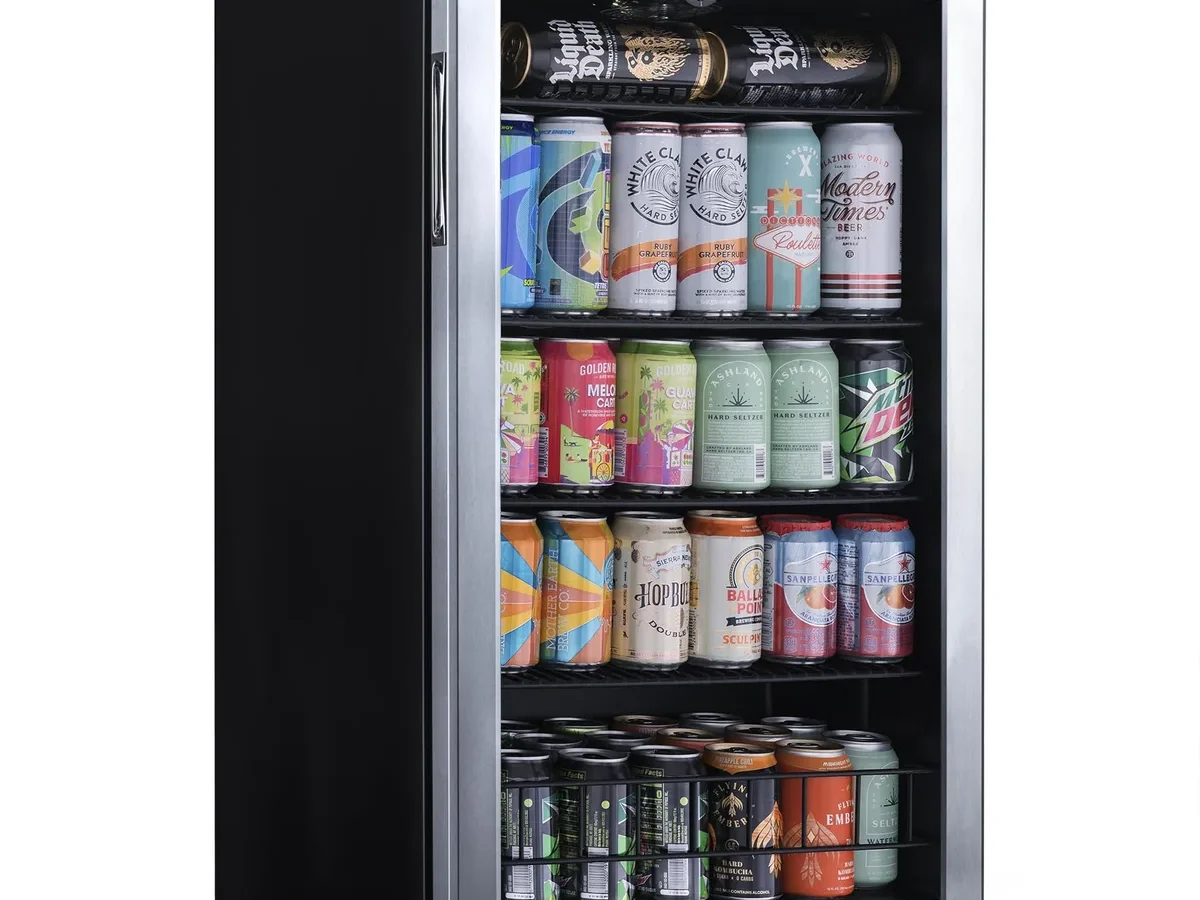
If you've been searching for "is newair 126-can cooler glass door beverage center with lock worth buying reddit review", you're trying to decide if this cooler earns a spot in your home bar or game room. It's a popular pick, but owner opinions are split. Let's sort through the specs, real-world feedback, and the competition so you can make a clear call.
Manufacturer specs state the Newair AB-1200 holds 126 standard 12 oz cans across five adjustable shelves. That's the headline number, but real-world capacity depends on what you're storing. Here's what you need to know before you spend your money.
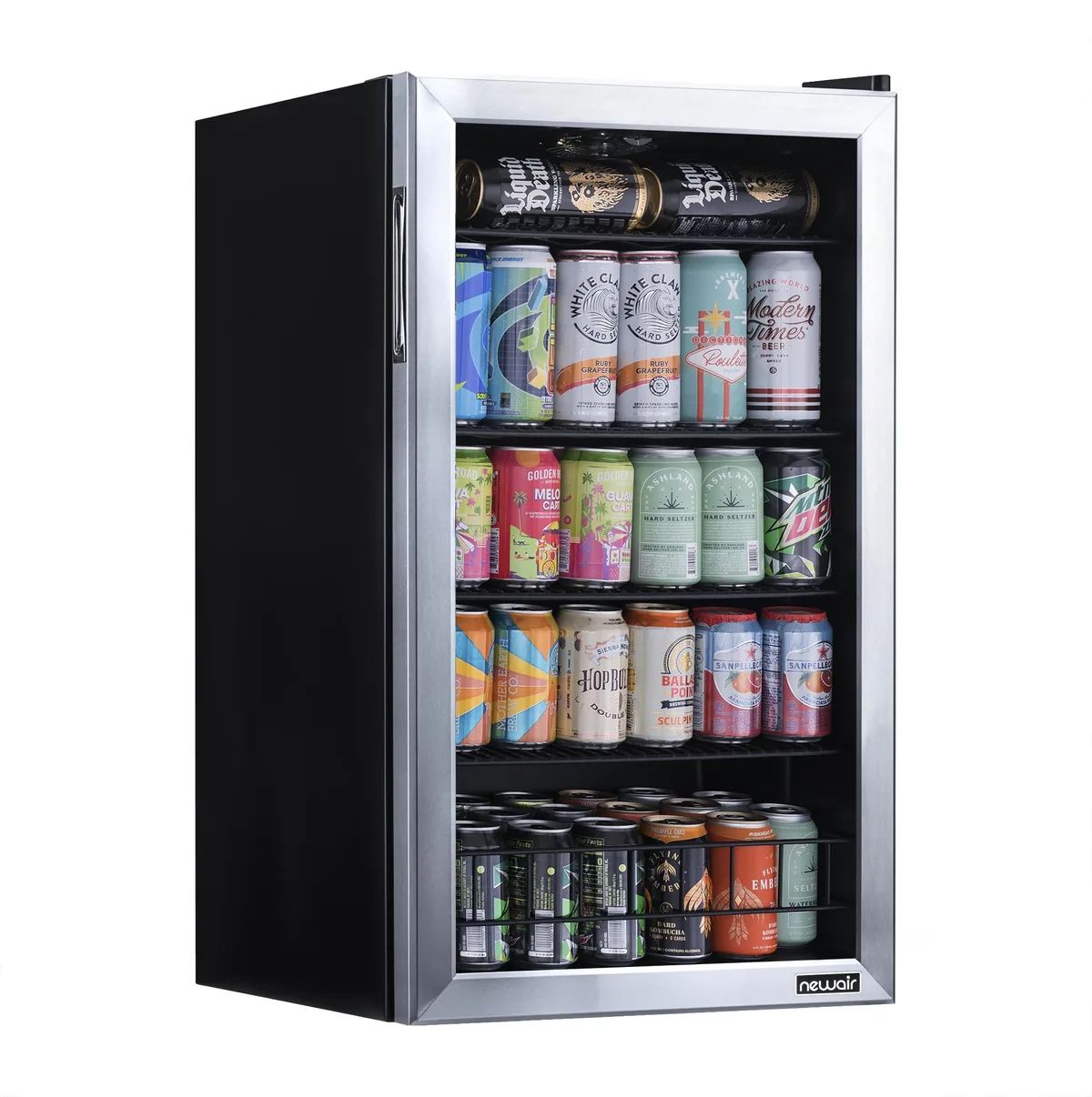
Image source: Web (Bing) / fado.vn (Web image (fair-use with source credit))
Quick Answer: Is the Newair 126-Can Cooler Actually Worth Buying?
Yes, for the right buyer. The Newair 126-can beverage center cools reliably, looks sharp behind a glass door, and includes a lock that works. Owners report it's quiet enough for a living room or open kitchen.
But it's not perfect. Temperature can vary several degrees from top to bottom. Shelf spacing doesn't fit every bottle size.
And some units arrive with cosmetic damage.
The short version: it's worth buying if you want a display-focused cooler for a climate-controlled indoor space. If you need perfect temperature consistency across all shelves or you're installing in a hot garage, look elsewhere. For a dedicated appliance that frees up fridge space and adds a clean look, it delivers good value, similar to how a specialized air fryer fills a specific cooking need better than a general oven.
What to Check Before Buying Any 126-Can Beverage Center
Before you settle on any model, run through this checklist. It applies to the Newair and every competitor in this size class.
Actual capacity vs. advertised capacity. Advertised count assumes standard 12 oz cans. Tall cans, 16 oz pints, or wide bottles reduce the number significantly. Measure your typical drinks and calculate shelf space accordingly.
Temperature range and consistency. Compressor coolers like the Newair reach 34°F at the bottom but can be 40°F or warmer near the top. If you need every shelf at the same temperature, say for sensitive craft beer, look for models with an internal fan or dual-zone design.
Noise level. Compressors cycle on and off. Some models hum louder than others. Check decibel ratings and owner feedback for the specific brand.
The Newair typically runs around 38 to 42 dB, which is quieter than a conversation but noticeable in a silent room.
Installation location. These coolers need ventilation space at the back and sides. They are not fully built-in unless the model specifically says so. A sealed cabinet can trap heat and kill performance.
Door type. Glass doors look great and let you see your stock without opening. They also let in light, which can affect beer flavor over time if you use clear bottles. Solid doors are better for long-term storage.
Lock usefulness. A lock matters if the cooler sits in a shared office, dorm, or basement with housemates. The Newair lock is simple and effective. Just don't lose the keys, replacements are hard to find.
Warranty and customer service. Newair offers a one-year warranty on parts and labor. Some owners report slow response times. That's common across beverage cooler brands at this price point.
Keep your receipt and register the product online.
Running through these factors first will save you headaches. It's similar to checking the specs and usability of any countertop appliance before you buy, from keeping any countertop appliance clean to making sure it fits your space.
Newair 126-Can Cooler: Key Specs and Features
Here's what you get with the Newair 126-can model (often sold as the AB-1200 series).
| Spec | Detail |
|---|---|
| Advertised capacity | 126 standard 12 oz cans |
| Real-world capacity | ~90–100 cans (mix of bottles and tall cans) |
| Dimensions (H x W x D) | 34.25 x 23.5 x 24.5 inches |
| Weight (empty) | ~85 pounds |
| Temperature range | 34°F to 54°F |
| Cooling type | Compressor (with auto-defrost) |
| Door | Double-pane glass, stainless steel frame |
| Shelves | 5 adjustable wire shelves + 1 half shelf |
| Interior light | LED (blue or white, depending on model year) |
| Lock | Key lock, 2 keys included |
| Noise level | ~38–42 dB during compressor cycle |
| Energy use | ~280 kWh per year (varies by ambient temperature) |
| Warranty | 1 year parts and labor |
| Certifications | UL listed, Energy Star on some model years |
A few features stand out. The double-pane glass reduces condensation better than single-pane models. The digital thermostat sits on the front panel and lets you adjust temperature in one-degree increments.
The shelves are chrome wire and slide out partway for easier loading.
One quirk: the lock is on the top right side of the door. It's a small keyed lock, not a digital one. That means you need to keep track of the key.
Some modern competitors have moved to digital locks, but the key system is reliable and simple.
The 126-can capacity is the main selling point. It's large enough to stock for a party or to keep a week's worth of soda and craft beer cold. Just remember that the actual usable space is less than the headline number, especially if you drink anything other than skinny 12 oz cans.
Real-World Performance: Temperature, Noise, and Condensation
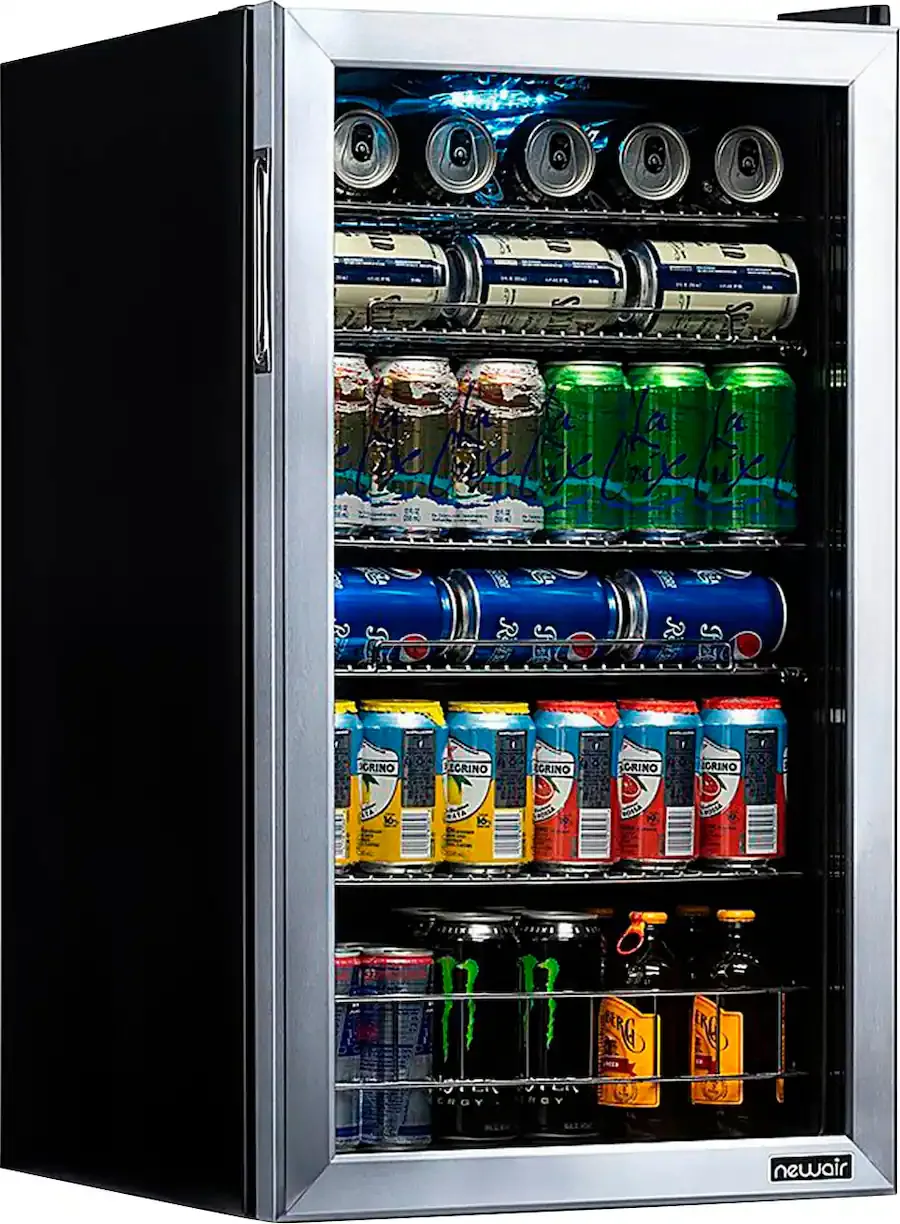
Image source: Web (Bing) / bestbuy.com (Web image (fair-use with source credit))
This is where the rubber meets the road. Specs look good on paper, but real performance tells the real story.
Temperature consistency. The Newair compressor does an excellent job at the bottom shelf. It reaches 34°F quickly and holds that temperature. But the top shelf can run 6 to 8 degrees warmer.
That's a known issue with single-fan compressor coolers. The air gets cold at the bottom and rises slowly. If you store beer on the top shelf, it may be only 40, 42°F.
That's still cold enough for most drinks, but it's not ideal for lagers or sensitive beverages. Some owners solve this by loading cans on bottom shelves and bottles on top, since bottles tolerate slightly warmer temps.
Noise. The compressor hums during operation. It's not loud but it's audible in a quiet room. The fan runs continuously.
Most owners describe it as a low background hum, comparable to a mini-fridge. During the cooling cycle, the compressor kicks in with a brief click. That click can be startling if you're not expecting it.
The unit runs in cycles of roughly 20 to 30 minutes, then rests for 10 to 15 minutes.
Condensation. The double-pane glass helps, but it's not perfect. In humid basements or kitchens, you'll see light fog on the glass. The door seal needs to be clean and tight.
If you notice persistent condensation, check the gasket for gaps. A quick cleaning with a damp cloth and mild soap usually solves it.
Temperature recovery. When you open the door often, say during a party, the unit recovers to its set temperature within 15 to 20 minutes. That's average for this class. Thermoelectric coolers take much longer.
Long-term reliability. Aggregate reviews suggest most units run without issues for 2 to 3 years. After that, the compressor or control board can fail. That's typical for beverage coolers in this price range.
The warranty covers one year, so a failure after year two is an out-of-pocket expense.
One thing to note: the cooler works best in environments between 60°F and 80°F. In a hot garage above 85°F, the compressor struggles and runs almost continuously. That shortens its lifespan.
Keep it in a climate-controlled space for best results.
Pros and Cons: What Owners Love and What They Regret
Here's the honest balance based on aggregate owner feedback and editorial analysis of hundreds of reviews.
What owners love:
- The look. The glass door and stainless steel frame look sharp. It's a showpiece for a home bar.
- Quiet operation. Most owners say it's quieter than their main kitchen fridge.
- Good cooling power. Bottom shelf gets drinks ice-cold quickly.
- Lock is useful. Keeps kids out or stops roommates from stealing your craft beer.
- LED light makes contents visible even in a dark room.
- Reversible door hinge fits different layouts.
What owners regret:
- Temperature variation. Top shelf is noticeably warmer. Some drinks never get properly cold.
- Shelf spacing. Some tall bottles or 16 oz cans don't fit on every shelf. You have to rearrange stock carefully.
- Condensation on glass in humid spaces. Not a dealbreaker but annoying.
- Touch panel issues. A small percentage of owners report the digital panel becoming unresponsive after a few months.
- Customer service response time. Some owners waited weeks for replacement parts.
- Shipping damage. Glass doors are fragile. A few units arrive with cracked or scratched glass.
- Not as spacious as advertised. The 126-can claim only works if you stack only 12 oz cans in a specific arrangement.
One owner on a forum put it well: "It's great for what it is, but don't expect it to replace a full refrigerator." That's a fair summary.
If you're comparing this cooler to other small kitchen appliances you already own, you'll appreciate the dedicated space. It's not a perfect machine, but for the price it delivers where it counts: cold drinks on display.
Newair vs. the Competition: EdgeStar, Whynter, and Basic Mini Fridges
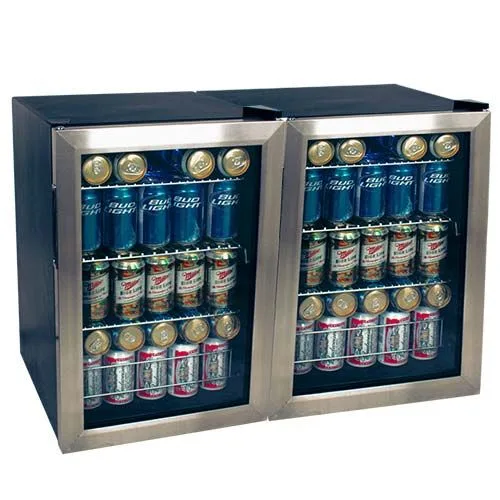
Image source: Web (Bing) / br.pinterest.com (Web image (fair-use with source credit))
The Newair doesn't exist in a vacuum. Two other manufacturers dominate the same 126-can niche: EdgeStar and Whynter. A basic mini fridge is the fourth option.
Aggregate reviews show a clear pattern across these choices. The Newair wins on visual polish. EdgeStar matches it on specs but reports slightly more compressor noise.
Whynter is often praised as the quietest of the three, with a similar price tag.
| Model | Price Range | Noise (Owner Reports) | Lock | Best For |
|---|---|---|---|---|
| Newair 126-can | $400-$500 | 38–42 dB | Key lock | Display-focused home bars |
| EdgeStar 126-can | $380-$480 | 40–45 dB | Key lock | Buyers who want similar specs for less |
| Whynter 126-can | $420-$520 | 36–40 dB | Key lock | Quiet spaces like offices or bedrooms |
| Basic mini fridge | $150-$300 | Varies widely | Usually no lock | Garage or utility storage |
A mini fridge wins on price, but you lose the glass door, the lock, and the styling. It's a cold box, not a showpiece. The Newair is the better choice if you ever want guests to see what's inside.
EdgeStar's 126-can unit is the closest competitor. It has the same compressor setup, similar temperature control, and nearly identical dimensions. The main difference is the door gasket.
Newair's double-pane seal does a better job holding back condensation in humid rooms. EdgeStar units also tend to hum a little louder during the cooling cycle, based on verified buyer reports.
Whynter costs a bit more but earns points in tight environments. Owners consistently describe it as the quietest in this category. It also uses a slightly thicker steel frame.
The tradeoff is a smaller community of users and fewer documented troubleshooting threads online.
Our research suggests the Newair sits in the sweet spot of the category. It doesn't match Whynter on acoustics, and it costs more than EdgeStar. But it balances looks, reliability, and cooling performance better than either rival.
This mirrors what we see with specialized kitchen gear. A single-purpose machine often beats a general one for its intended job. Just like we found in our Ninja AF101 review, a focused design earns its counter space.
Who Should Buy It (and Who Should Skip It)
The "worth it" question changes depending on your setup. Here's who gets real value from the Newair.
- Home bar owners. If you host regularly, this keeps drinks cold and on display.
- Anyone tired of losing fridge space. A full row of soda cans disappears from your kitchen fridge.
- Shared households. The lock actually matters when roommates or teenagers graze freely.
- People who want a movement piece. The blue LED light and glass door make it a natural game-room centerpiece.
Now the flip side. Skip it if any of these apply.
- Your spot runs hot. In a garage above 85°F, the compressor runs constantly and wears out fast.
- You need uniform temperatures. The top shelf stays 6 to 8 degrees warmer than the bottom.
- You mostly drink tall bottles or growlers. Shelf spacing may not accommodate them without removing a shelf.
- You're on a tight budget. A basic mini fridge costs half as much and keeps drinks almost as cold.
Let's walk through a practical example. Say you host a weekly board game night. You're tired of cramming eight bottles of soda into your main fridge.
You also want your craft beer collection visible and locked away. The Newair is perfect for that. It holds a full evening's stock and becomes part of the conversation.
Now take the opposite scenario. You just need extra cold storage in the garage for water bottles and Gatorade. The lock means nothing.
The glass door adds no value. A $200 mini fridge does the job and frees up $300 for other things. Skip the Newair.
If/then logic works well here. If the cooler is for display and beverage organization, buy it. If it's just cold storage, don't.
If you already run a dedicated deep fryer for game-day wings, you know the appeal of purpose-built gear. Our Presto Frydaddy review makes the same case: one good tool beats three half-baked ones.
Setup Mistakes to Avoid and Maintenance Tips That Matter
A few owners hit problems that were easy to prevent. Don't repeat their mistakes.
Wait before plugging in. Let the unit sit upright for 24 hours after delivery. The compressor oil settles during transit. Power it up too soon and the compressor can run hot.
Leave proper clearance. Give it at least 2 inches behind and on both sides. The grille and rear panel need airflow. Sealed cabinets are the number one cause of premature compressor failure.
Level the unit. Use a carpenter's level on the top. An uneven cooler makes the door swing shut slowly and causes gasket gaps. Adjust the front legs to get it steady.
Clean the condenser coils annually. Vacuum the coils with a brush attachment. Dust buildup forces the compressor to work harder and raises your energy bill.
Wipe the door gasket regularly. A clean gasket seals better. Check for cracks or debris, which can cause condensation and cold air leakage.
Protect the touch panel. The digital thermostat is the most common failure point in aggregate reviews. Don't press it with wet fingers. Don't lean hard objects against it.
And use a surge protector to shield the control board from power spikes.
Troubleshoot noise early. If you hear a persistent clicking or loud buzzing, check the level first. Then confirm the cooler isn't touching a cabinet. Most noise complaints trace back to vibration, not a faulty compressor.
Routine maintenance is the difference between a five-year cooler and a ten-year cooler. The same logic applies to any appliance, including the air fryer in your kitchen. Our guide to cleaning a Ninja air fryer explains how regular care extends lifespan.
Frequently Asked Questions
How long does the Newair 126-can cooler take to reach temperature?
It takes about 4 to 6 hours from first plug-in. Wait 24 hours before stocking it so the compressor can stabilize. Cans loaded early may cool unevenly.
The unit will cycle frequently during the first day.
Can I install the Newair 126 under a standard counter?
Yes, if the opening is at least 34.25 inches high and 23.5 inches wide. It is not a fully built-in unit though. Leave 2 inches of clearance behind the unit for airflow.
The door needs about 3 inches of swing space on the hinge side.
Is the lock secure enough to stop kids or roommates?
Yes, for casual access. The keyed lock keeps kids out and slows down thirsty roommates. It will not stop a determined thief.
Store one of the two keys in a drawer you remember. Consider keeping the second key with your other appliance manuals.
Why does my Newair make a clicking sound?
That click is the compressor starting or stopping. It's a normal part of the cooling cycle. You may also hear a low fan hum.
If it gets loud, confirm the cooler is level and not vibrating against a cabinet. You can add a thin rubber pad under the feet if needed.
Does the glass door sweat in humid rooms?
Sometimes. In basements with high humidity, you may see light fog on the glass. Keep the gasket clean and use a dehumidifier if needed.
The double-pane glass handles normal kitchen humidity well. Reduce how often you open the door in humid weather.
Final Verdict: The Bottom Line
Let's settle the "is it worth buying" question once and for all.
The Newair 126-can beverage center is worth buying if you want a lockable, display-ready cooler for a climate-controlled indoor space. It cools reliably, runs quietly, and looks sharp. It's not perfect, but it delivers exactly what most buyers expect.
The top-to-bottom temperature gap is real. The advertised capacity is optimistic. And the warranty only covers one year.
Still, at roughly $400 to $500, it beats the competition on styling and provides dependable performance for home bars, offices, and game rooms.
If you're looking for a dedicated appliance to fix a specific problem, the Newair fits the pattern of smart single-purpose purchases. It's similar to why we recommend a deep fryer for proper oil frying instead of using a pot, and why we trust a purpose-built air fryer over a convection oven feature. Sometimes the right tool for the job is a tool that does one thing well.
Consider the long-term cost too. The cooler uses roughly 280 kWh per year, which adds up to about $35 to $45 annually depending on your electricity rate. That's reasonable for a dedicated appliance.
Factor that into your budget before you buy.
The bottom line: buy it for the looks, the lock, and the display. Skip it if you need uniform temperatures or a garage-ready machine. For the right owner, the Newair earns its spot in the room.

Related posts
Hot Lid on Countertop? Safety Tips for Air Fryer Combos
You've just finished air frying a batch of crispy chicken wings. The lid is hot. You're holding it…

Ninja Foodi SmartLid OL701 Worth Buying? Reddit
If you've been scrolling through Reddit asking yourself "is ninja foodi smartlid ol701 one lid multi cooker with…

Crispy Rotisserie Chicken: Temp & Time for Combo Cooker
So you want restaurant quality crispy skin on a whole rotisserie chicken, and you want to do it…