Is Masterbuilt Electric Turkey Fryer Worth Buying? Reddit
Reddit threads on the Masterbuilt electric turkey fryer are all over the place. One cook swears it's the best Thanksgiving upgrade ever. Another calls it an overpriced oil heater.
So the real question “is masterbuilt electric turkey fryer electric turkey deep fryer worth buying reddit review” deserves a level-headed answer. That depends on your kitchen, your turkey size, and how much cleanup you can tolerate.
We looked at manufacturer specs, aggregate verified buyer reviews, and the USDA's frying guidelines. The Masterbuilt holds oil between 250°F and 375°F and accepts a turkey up to 20 pounds, though 14 pounds is the sweet spot. That pattern tells a clear story.
Here's what you need to know before pulling the trigger.
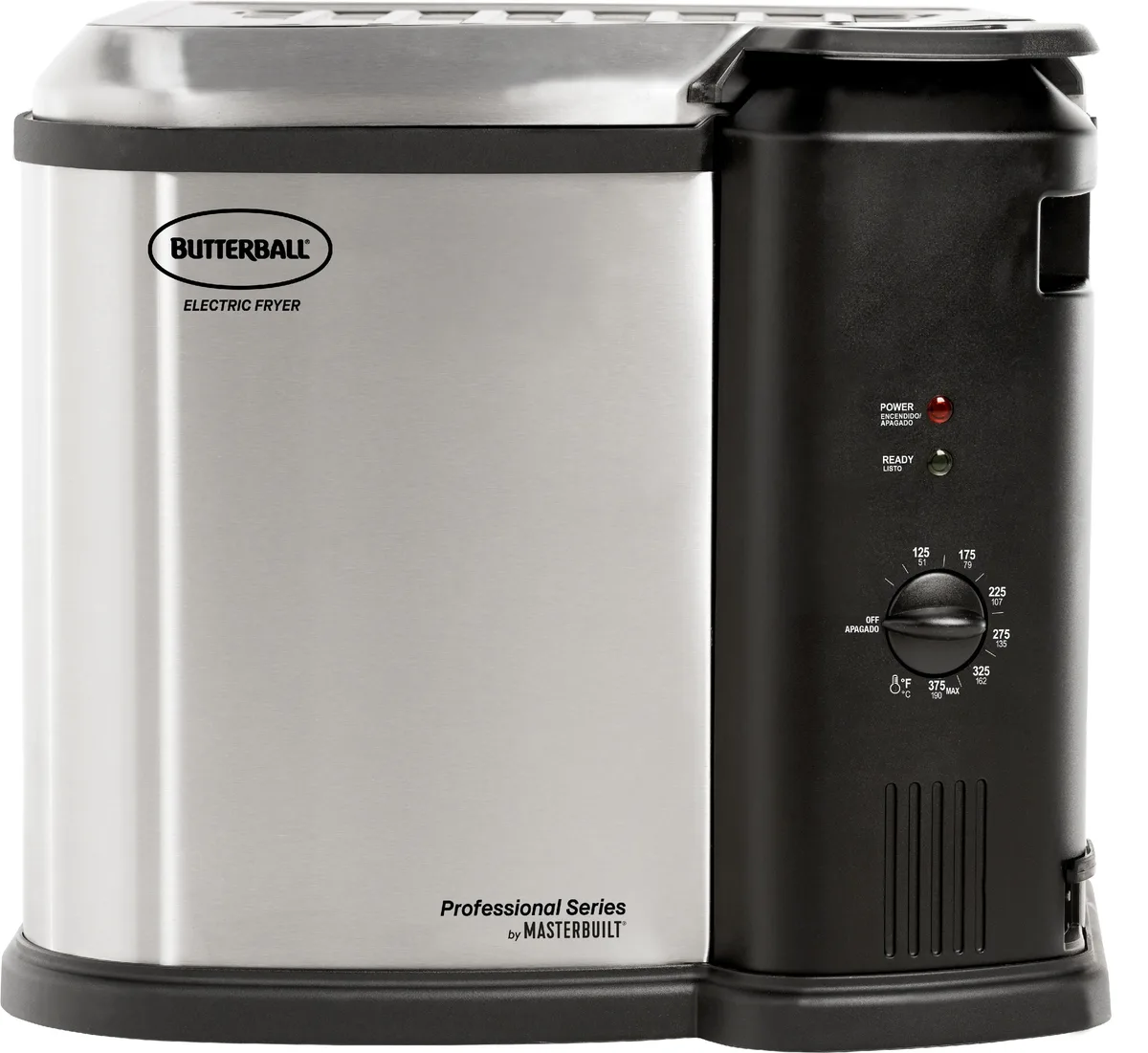
Image source: Web (Bing) / storage.googleapis.com (Web image (fair-use with source credit))
Quick Answer
Is masterbuilt electric turkey fryer electric turkey deep fryer worth buying reddit review? Yes, for most home cooks, it's a fair buy. It excels for beginners and apartment dwellers.
Heavy-duty turkey fryers will want propane instead. Here's the practical breakdown.
Core Explanation / How the Masterbuilt Electric Fryer Actually Works
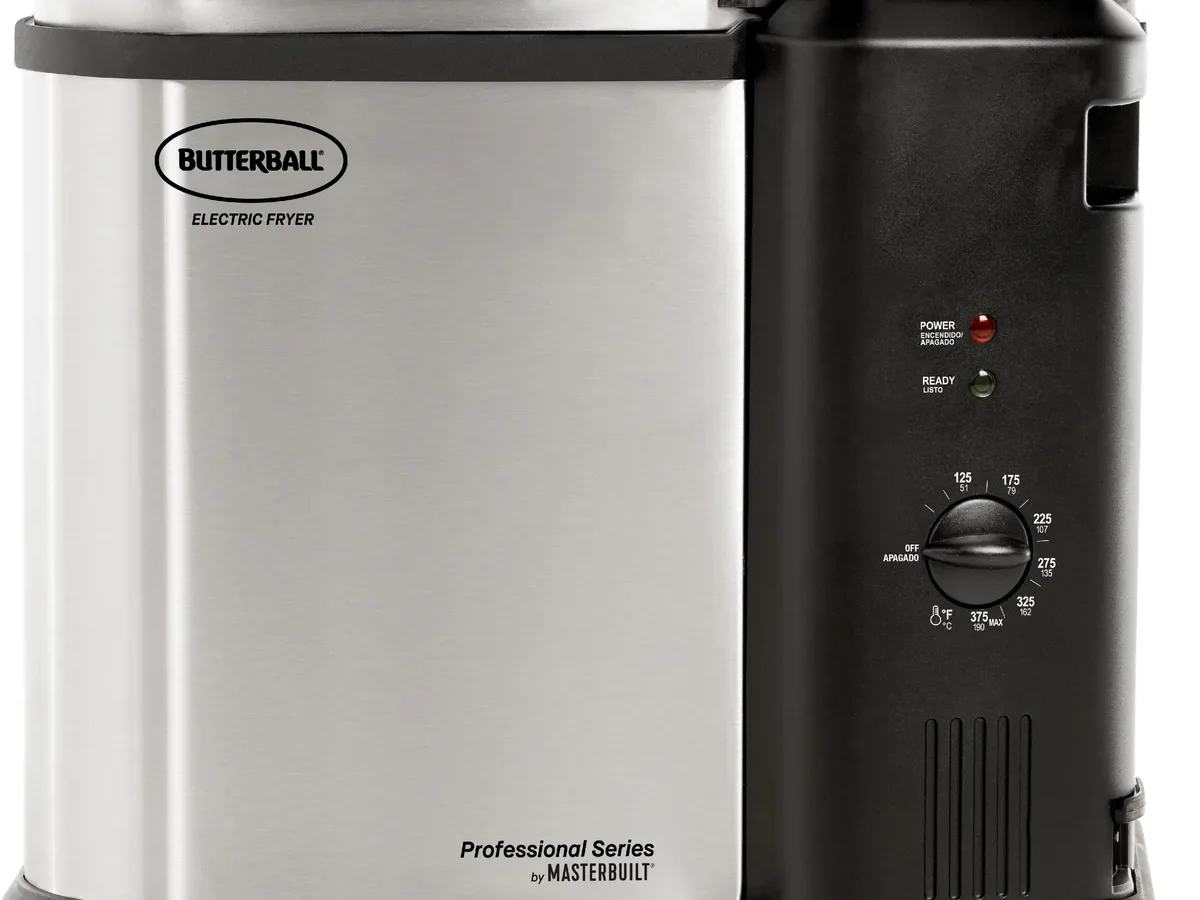
The Masterbuilt is a countertop electric fryer, usually model MB20070221 in recent versions. It works like a dedicated deep fryer with a heating element built into the base. You fill the inner pot with oil up to the maximum fill line, set the thermostat dial, and wait.
The element heats the oil directly, and the lid-mounted basket holds the turkey while it submerges.
If you've ever tried to fry a bird in a stockpot, you know the temperature hops all over the place. A dedicated electric fryer controls that. As of 2026, this is still one of the best-selling electric turkey fryers because it removes the open flame.
There's no propane tank, no separate burner, no risk of tipping a flame over. The basket attaches to the lid. You place the bird in the basket, close the lid, then flip the whole lid to lower the turkey into hot oil.
Manufacturer specs list a 1.9-gallon oil capacity, which comes to about 30 cups, and a 20-pound turkey maximum.
In practice, a 12 to 14 pound turkey fits best. A 16-pounder pushes the oil dangerously close to the rim. Aggregate reviews and Reddit feedback show better results with smaller birds.
The heating element draws about 1,500 to 1,800 watts, depending on the specific model. That's enough to hold a steady temperature for one turkey.
The thermostat keeps oil between 250°F and 375°F. You'll want the oil around 350°F when the turkey goes in. But heating the full oil charge takes 35 to 45 minutes.
That's the biggest difference from a propane burner, which can be ready in 10 minutes.
When the cold turkey hits hot oil, the temperature drops fast. The thermostat kicks back in, but recovery is slow. That's another reason smaller birds fry more evenly.
A 14-pound turkey takes about 45 to 55 minutes at roughly 3.5 minutes per pound. The breast must reach 165°F, per USDA Food Safety and Inspection Service guidelines, and the thigh should hit around 175°F.
Pros and Cons / What You Gain vs What You Give Up
No product this affordable comes without trade-offs. Here's the honest scorecard from our research.
Pros
- No open flame, so the fryer is safer to run indoors on a stable countertop.
- Thermostat control keeps oil temperature steadier than a stovetop pot.
- The enclosed design cuts down on splatter and oil mist in the kitchen.
- It's a solid multi-use fryer for chicken wings, fish, and French fries.
- The price sits around $75 to $100 during the holiday season.
Cons
- Oil capacity is only 30 cups. That's fine for a moderate bird but too small for a 20-pounder.
- Preheating takes 35 to 45 minutes, which tests your patience on Thanksgiving morning.
- Cleanup is a chore. The non-stick interior still needs careful hand washing.
- Temperature recovery lags after you add a cold turkey, so the cook time can wobble.
- The power cord is short, about 30 inches, so you'll need a nearby outlet.
If you're used to the easiest way to fill an electric fryer safely, the same logic applies here. Fill below the max line and account for oil expansion.
How It Stacks Up: Key Comparisons for Turkey Frying
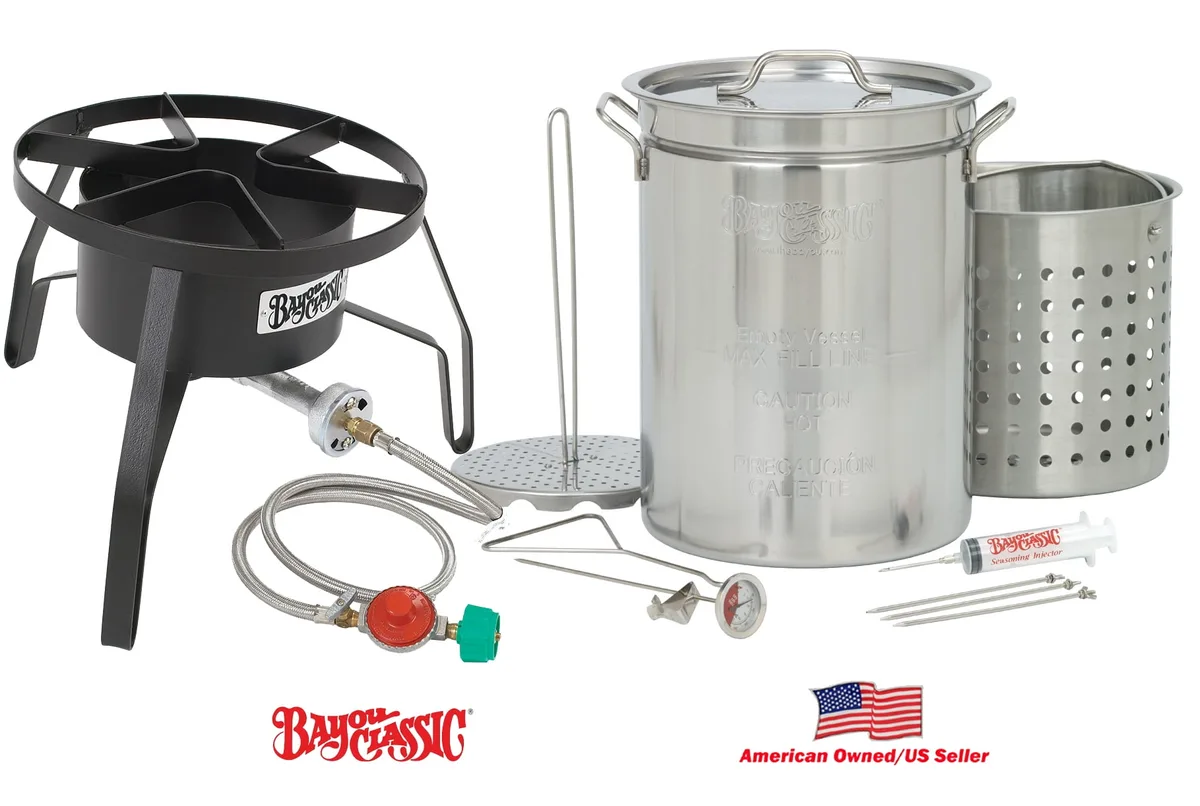
Image source: Web (Bing) / walmart.com (Web image (fair-use with source credit))
The Masterbuilt isn't the only route to a crispy bird. Let's line up the real options side by side.
| What matters | Masterbuilt Electric | Propane Turkey Fryer | Oven Roast |
|---|---|---|---|
| Heat source | Electric element | Propane burner | Oven heat |
| Cook time for 14-lb bird | 45 to 55 min | 35 to 45 min | 3 to 3.5 hours |
| Max turkey size | 20 lb, though 14 lb is ideal | 20 to 22 lb | Any size |
| Mess | Splatter contained | Outdoor mess | Moderate |
| Fire risk | Low indoors | High around hot oil | Very low |
| Setup time | 10 min | 20 min | 5 min |
| Best for | Beginners, apartments | Large family events | Hands-off cooks |
Masterbuilt vs. Propane Turkey Fryers
Propane fryers heat oil faster and recover quicker after the turkey drops in. They also handle bigger birds with less waiting between batches. But they use an open flame, which is a genuine fire hazard.
The National Fire Protection Association warns that turkey fryer fires spike every year around Thanksgiving. Reddit users usually recommend propane only for cooks with a safe, open-air space and a larger crowd.
Masterbuilt vs. Other Electric Fryers (Presto, Butterball, Cuisinart)
The compact Presto electric fryer is smaller and aimed at side dishes more than a full turkey. Butterball sells a larger electric unit, while Cuisinart models earn praise for simpler cleanup. Our research shows Masterbuilt leading on temperature consistency.
If you already own a Presto or similar countertop fryer, you'll notice the Masterbuilt is simply a bigger sibling.
vs. Oven Roasting: The Real Alternative
Deep-fried turkey is faster and juicier than a roasted bird. But oven roasting doesn't require gallons of hot oil or heavy cleanup. It also keeps your counter clear.
For smaller gatherings, many Reddit cooks decide the oven is less hassle. If crispy skin and speed matter more, frying wins. If you'd rather not manage hot oil, stick with the oven or try a compact air fryer for a lighter version.
Who Should Buy This? (And Who Shouldn't)
The decision comes down to where you cook and how many plates you're filling. Run your situation through these filters.
You should buy it if:
- You live in an apartment or a building that bans propane grills.
- You're hosting eight or fewer guests this Thanksgiving.
- You want a budget-friendly electric fryer for annual holiday use.
- You also want to fry sides like wings and potatoes throughout the year.
- You're a first-time turkey fryer who wants a safer, more forgiving setup.
You should pass if:
- You need to fry a 16-pound or larger turkey. The Masterbuilt will physically hold it, but oil overflow is a real risk.
- You already have a propane turkey fryer and a safe outdoor spot.
- You hate cleaning greasy plastic parts. The lid's plastic exterior traps heat and splatter.
- You want a hands-off, low-oil method. Then look at an air fryer or a convection oven instead.
The crowding rule is simple. If you're cooking for a crowd, this fryer will frustrate you. If you're cooking for a household of four to six, it fits beautifully.
Same appliance, totally different verdict depending on your table size.
Common Mistakes Reddit Users Keep Warning About
The biggest mistakes show up over and over in Reddit threads and verified buyer reviews. Most come from pushing the fryer past its design limits.
Overfilling the oil level. The 30-cup capacity looks generous until your 16-pound turkey takes a dip. Cold turkey displaces oil fast, and if you're near the max fill line, you'll get overflow. That's not just a mess, it's a burn hazard.
Stay at or under a 14-pound bird and trust the fill line.
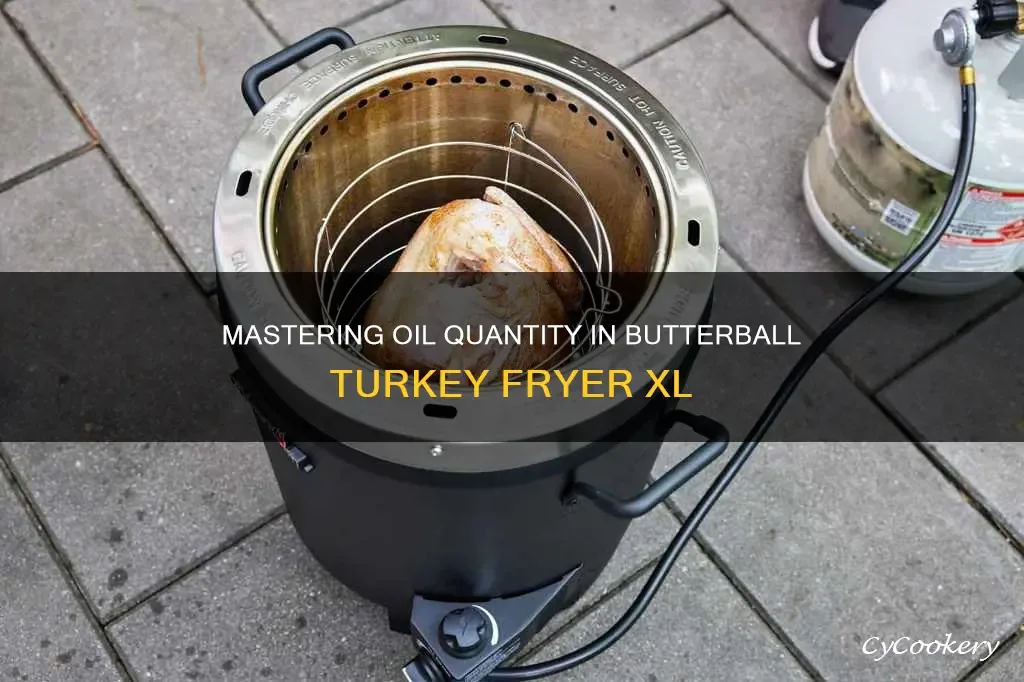
Image source: Bing (Web (fair-use with source credit))
Frying a partially frozen turkey. This is the most dangerous mistake we saw. Ice turns to steam instantly in hot oil, causing violent splatter. Thaw your turkey completely.
The USDA recommends about 24 hours in the fridge for every 4 to 5 pounds.
Trusting the built-in thermostat. The dial is a guide, not a precision instrument. Many Reddit cooks found their oil temperature drifted by 25°F or more. Use a separate instant-read thermometer to confirm the oil is at 350°F before dropping the bird.
Scrubbing the non-stick surface. Hot oil leaves a brown residue, and the instinct is to scrub hard. That ruins the coating and makes future cleanups worse. Use a nylon brush or soft sponge and warm soapy water.
If you need a deeper clean, a baking soda paste helps.
Frying under cabinets or near walls. Steam and oil mist rise from the fryer even with the lid on. That moisture can damage cabinetry. Keep at least a foot of clearance overhead.
Pricing, Oil, and Long-Term Costs
The $75 to $100 sticker price is only the entry fee. The ongoing cost is oil.
A full charge takes about 1.9 gallons. Quality peanut oil runs $15 to $25 a gallon, so each fry can cost $30 or more in oil alone. You can reuse it, but only if you strain it through a fine mesh or cheesecloth after each use.
Stored in a sealed container, most users get three to four batches before the oil darkens and starts smoking.
Here's a realistic cost picture:
| Cost item | One-time | Per use (est.) |
|---|---|---|
| Fryer unit | $75–$100 | – |
| Oil charge (1.9 gal) | – | $25–$45 |
| Electricity (1 hr at 1.5 kW) | – | $0.20–$0.30 |
| Replacement basket | $25–$40 | – |
The electricity is a rounding error. Oil is the real expense. If you fry a turkey once a year and toss the oil, you're spending $30 to $45 per bird just on frying oil.
That's steep for a single meal. If you fry a few times a year or cook wings and fish in between, the cost evens out.
Long-term durability is decent, not great. Aggregate reviews point to about three to five years of normal holiday use before the heating element or lid seal starts failing. Some owners report warped plastic edges from heat over time.
Stick to hand washing and gentle storage for longevity. You'll find the same routine for cleaning any countertop fryer, like keeping a Presto fryer spotless, applies here.
Safety First: What the Manual Doesn't Emphasize Enough
An electric fryer is safer than a propane setup, but it's still a pot of scalding oil. You need to respect it.
Place the fryer on a flat, heat-safe countertop. Avoid wood, paper, and plastic surfaces under the unit. The base gets hot, and the lid gets even hotter.
Keep the unit at least a foot away from walls, cabinets, and anything else that can melt or burn.
Do not add water to hot oil, ever. If oil catches fire, do not use water to put it out. Water sinks below the oil and vaporizes into steam, launching burning oil everywhere. Keep a BC-rated fire extinguisher nearby as your best defense.
Another underrated risk is steam burn. When you open the lid to check the turkey, steam bursts out without warning. Open the lid slowly, away from your face, and use the included hook to lift the basket.
And pay attention to the oil's smoke point. Peanut, canola, and sunflower oil are all good choices because they hold up above 400°F. Don't use olive oil or butter for deep frying.
If you see whitish smoke before you even drop the turkey, you're too hot and the thermostat may be off.
An electric fryer removes the open flame, but not the danger of a big spill. If you're still debating which tool fits your kitchen, weigh the trade-offs of a standalone fryer versus a deep stockpot before committing.
Frequently Asked Questions
How long does it take to preheat?
Plan for 35 to 45 minutes to reach 350°F with a full oil charge. A half-load heats a touch faster, around 25 to 30 minutes. The indicator light turning on doesn't guarantee the oil is ready.
Always verify with a separate thermometer.
Can I fry a turkey larger than 14 pounds?
Technically, the fryer accepts up to 20 pounds. In practice, a bird over 14 pounds risks oil overflow and uneven cooking. The cold turkey drops the oil temperature and recovery is slow.
Stick to smaller birds for the best results.
What type of oil should I use?
Peanut oil is the top pick for flavor and a high smoke point. Canola and sunflower oil work well too. Avoid olive oil, butter, or shortening.
They smoke at lower temperatures and leave an off flavor on the turkey.
Can I reuse the oil?
Yes, with care. Strain the oil through a fine mesh to remove food bits. Store it in a sealed container in a cool, dark place.
You'll get three to four uses before the oil darkens and starts smoking. Toss it after frying seafood, as the fish taste sticks around.
Do I need a separate thermometer?
Yes. The built-in dial can drift, especially after multiple uses. A good instant-read thermometer costs around $15 and gives you real confidence.
Check the oil before dropping the turkey and check the breast meat afterward.
Final Verdict: So, Is It Worth Buying?
The honest answer is a qualified yes for most home cooks.
If you're a beginner, live in an apartment, or only fry a turkey during the holidays, the Masterbuilt is a practical buy. It's affordable, safe enough for indoor use, and produces a juicy, crispy bird in about an hour. The cleanup is annoying, but manageable.
If you're frying for a crowd, cooking weekly batches, or want quicker preheating, skip it. A propane fryer handles bigger birds and faster temperature recovery. The Masterbuilt will only frustrate you with its 30-cup oil limit and slow heat-up.
For most households, the deciding factor is turkey size. If you buy a 12 to 14 pound bird, the fryer will serve you well for years. If you're determined to fry a 20-pound showpiece, you need a bigger machine.
That's it.
You're trading convenience and safety for a smaller capacity and slower preheat. For thousands of Reddit users, that's a fair swap. As of 2026, it's still one of the best budget electric turkey fryers on the market, and the price makes it a low-risk experiment.
You'll know after one Thanksgiving whether it earns a spot on your counter or ends up in the garage.

Related posts
Hot Lid on Countertop? Safety Tips for Air Fryer Combos
You've just finished air frying a batch of crispy chicken wings. The lid is hot. You're holding it…

Ninja Foodi SmartLid OL701 Worth Buying? Reddit
If you've been scrolling through Reddit asking yourself "is ninja foodi smartlid ol701 one lid multi cooker with…

Crispy Rotisserie Chicken: Temp & Time for Combo Cooker
So you want restaurant quality crispy skin on a whole rotisserie chicken, and you want to do it…