Is It Safe to Use Thermoelectric Wine Cooler in 80°F+ Rooms?
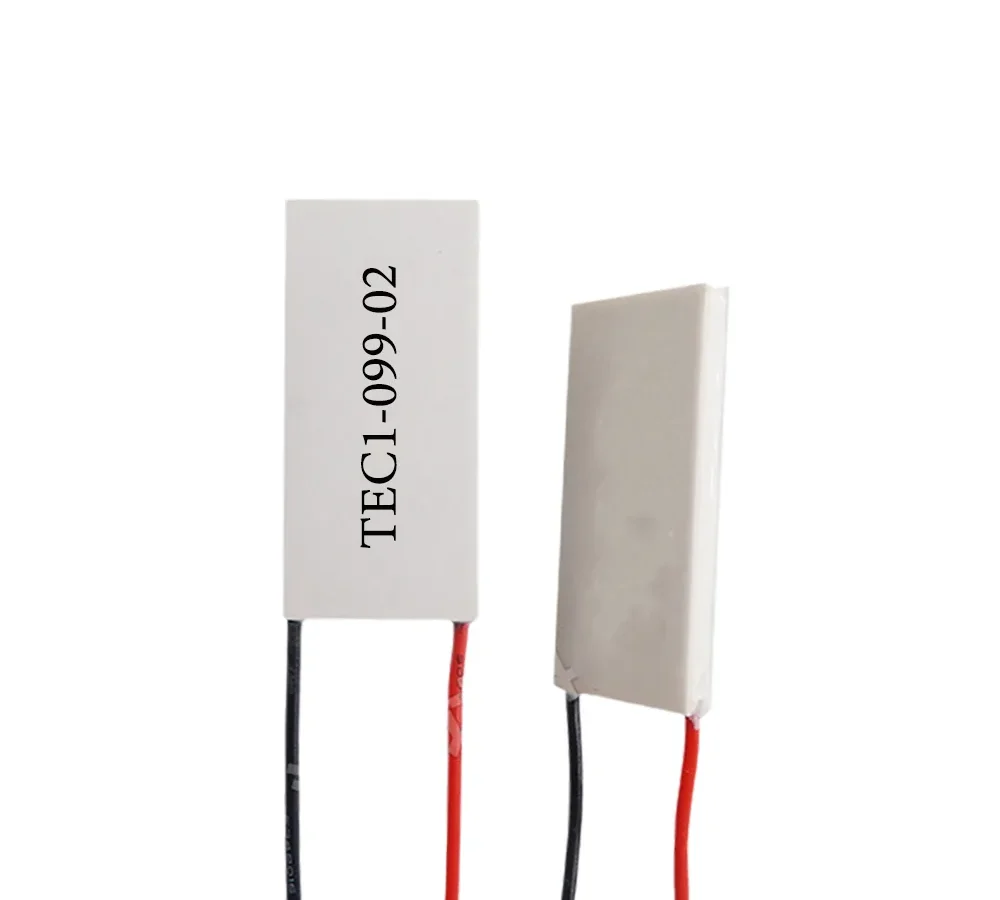
So you bought a quiet thermoelectric wine cooler thinking it would keep your wine at the perfect temperature. Then summer hit. Your room climbed past 80°F, and now you're wondering: can you put using thermoelectric cooler in rooms warmer than 80°f in a thermoelectric quiet wine cooler safely?
It's a fair question, and the answer matters for both your wine and your wallet.
Manufacturer specifications for most thermoelectric wine coolers list a maximum ambient temperature range of 80°F to 85°F. UL safety standards confirm that exceeding this range creates predictable risks. Before you plug that cooler into a hot room, here is what the physics, the data, and the user manual actually say.
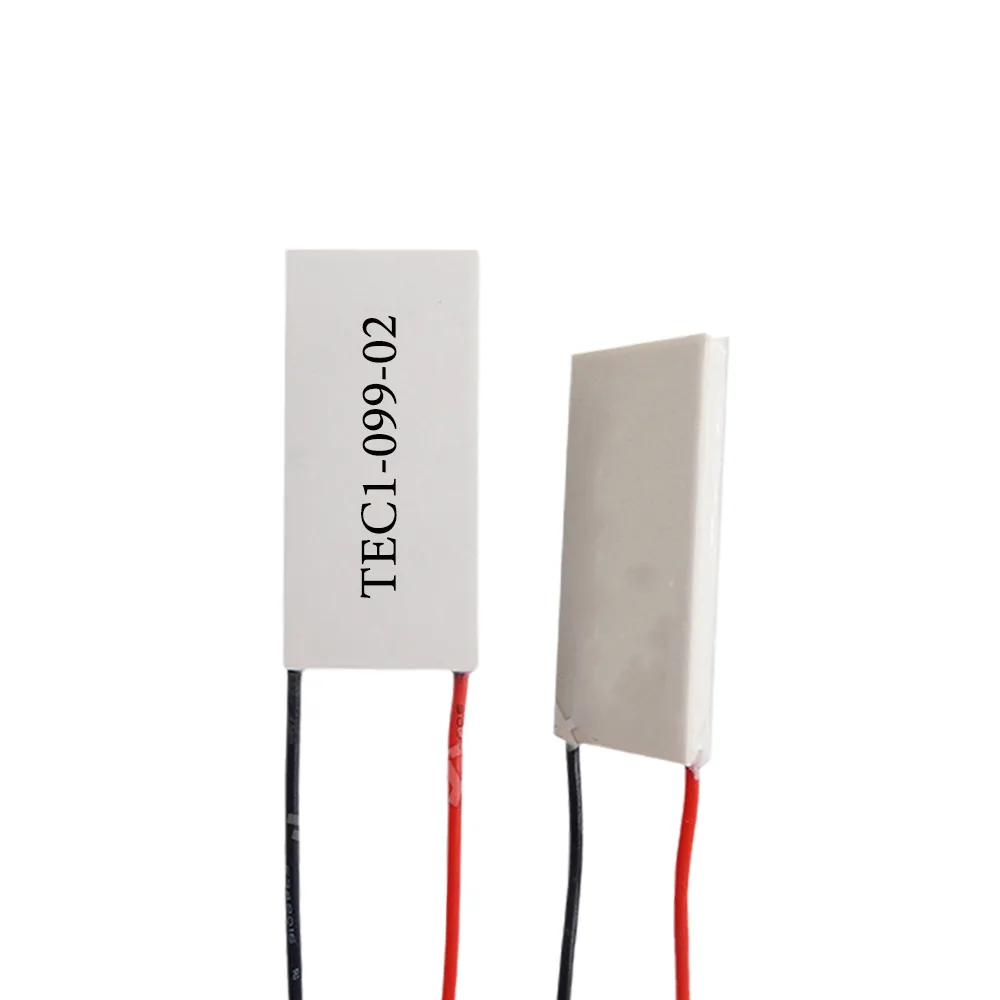
Image source: Web (Bing) / zjcxtech.com (Web image (fair-use with source credit))
Quick Answer
Using a thermoelectric cooler in rooms warmer than 80°F in a thermoelectric quiet wine cooler safely is not recommended. The cooling system cannot achieve the necessary temperature differential. Your wine will warm to unsafe levels.
The unit itself may fail permanently. Stick to rooms below 75°F for reliable performance.
How Thermoelectric Cooling Actually Works: The Physics That Sets the Limit
Peltier modules explained simply
A thermoelectric wine cooler does not use a compressor and refrigerant like your kitchen fridge. Instead, it relies on a solid-state device called a Peltier module. When electricity flows through this module, one side gets cold and the other side gets hot.
The cold side sits inside the cabinet, pulling heat out of the air. The hot side releases that heat into the room through a metal heat sink and a fan.
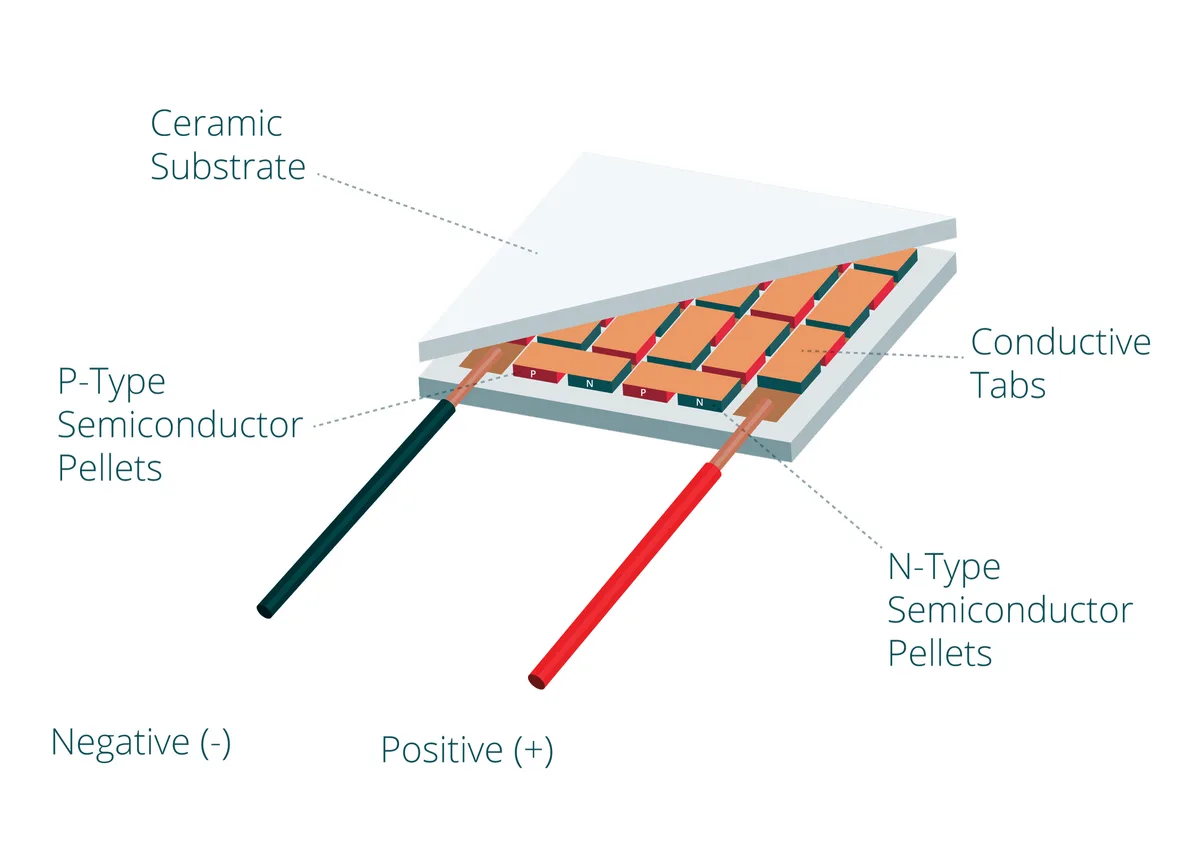
Image source: Bing (Web (fair-use with source credit))
Think of it as a heat pump with no moving parts inside the module itself. The beauty is silence and near-zero vibration. The trade-off is that it has limited cooling power compared to a compressor system.
Aggregate reviews from thousands of owners confirm that thermoelectric units excel in mild climates and struggle in hot ones.
Why temperature differential is the number that matters
The most important spec on any thermoelectric cooler is its maximum temperature differential. This is the difference between the room temperature and the temperature the cooler can achieve inside the cabinet. For almost every consumer-grade thermoelectric wine cooler on the market as of 2026, that differential is about 18°F to 20°F.
Here is what that means in plain numbers:
| Room temperature | Best possible internal temperature | Actual safe wine storage range |
|---|---|---|
| 70°F | 50°F to 52°F | Yes, well within range |
| 75°F | 55°F to 57°F | Acceptable for short-term |
| 80°F | 60°F to 62°F | Marginal for most wines |
| 85°F | 65°F to 67°F | Too warm, risk zone |
| 90°F | 70°F to 72°F | Unsafe for any wine |
The cooler can only move heat from a colder side to a hotter side. If the room is already hot, the module has to work harder. It reaches a point where the heat it pumps out is less than the heat leaking back in.
That is the limit.
Internal heat sinks, fans, and how heat actually escapes
The hot side of the Peltier module has a finned aluminum or copper heat sink. A fan blows room-temperature air across these fins to carry the heat away. If that airflow is blocked, or if the room air itself is too warm to absorb heat efficiently, the hot side stays hot.
That heat backflows into the cold side. The cabinet temperature rises.
This is why placement matters so much. A thermoelectric cooler needs at least four to six inches of open space behind and around it. Manufacturers specify this in the manual for a reason.
Blocking those vents is one of the fastest ways to kill the module.
Why 80°F Is the Breaking Point: Heat, Pressure, and Failure Modes
The 18°F to 20°F delta rule and what it means in a hot room
At 80°F ambient, a typical thermoelectric cooler can maintain roughly 60°F to 62°F inside. That is marginal for wine storage. Most red wines are best served between 60°F and 68°F, so you might think it is acceptable.
But the problem is that the cooler is running at its absolute maximum. Any fluctuation in room temperature pushes it over the edge.
If the room hits 85°F for an afternoon, the internal temperature climbs to 65°F or higher. That is not ideal for any wine. White wines and sparkling wines struggle even more.
They prefer storage below 55°F. At 80°F ambient, your thermoelectric cooler cannot get there.
Per the standards from the Underwriters Laboratories for household refrigeration, operating a cooling appliance above its rated ambient temperature places continuous thermal stress on the electrical components and the heat pump system itself. This is not a grey area. It is a spec limit.
What happens inside the Peltier module as ambient temps rise
A Peltier module is made of two ceramic plates with semiconductor material sandwiched between them. When you apply current, electrons move heat from one side to the other. The efficiency of this process drops as the temperature difference increases.
At a 20°F delta, the module draws more current and dissipates more waste heat. The hot side gets hotter. The module itself becomes less efficient.
This creates a feedback loop. The harder it works, the hotter it gets. The hotter it gets, the less efficiently it pumps heat.
At some point, the internal temperature of the module exceeds the manufacturer's maximum operating temperature, typically around 175°F to 200°F. That is when permanent damage occurs. The semiconductor junctions break down.
The module stops cooling entirely.
Why 80°F is the threshold and where the 85°F spec trick comes in
You might see some thermoelectric wine coolers rated for up to 85°F ambient. This is technically true but misleading. That rating usually means the cooler will turn on and run.
It does not mean it will hold a safe wine storage temperature.
At 85°F ambient, your internal temperature will be around 65°F to 67°F. That is above the recommended storage range for most wines. It is also above the temperature where wine begins to age faster and degrade in quality.
The unit is running, but it is not doing the job you bought it for.
The 85°F spec is a survival rating, not a performance rating. The unit survives. Your wine does not.
What Actually Goes Wrong: Spoiled Wine, Dead Units, and Fire Risk
Wine spoilage: how heat ruins flavor, cork, and aging potential
Wine stored above 70°F ages roughly twice as fast as wine stored at 55°F. Above 80°F, that acceleration becomes dramatic. The chemical reactions that cause wine to mature also cause it to break down.
Flavors flatten. Fruit notes fade. The wine becomes flat or cooked.
Heat also affects the cork. A hot cork expands and can leak. This lets oxygen into the bottle.
Oxidized wine tastes like sherry or vinegar. Even screw-cap bottles are not immune. The heat degrades the wine inside the bottle regardless of the seal.
The National Institute of Standards and Technology provides data on thermal degradation rates for organic compounds. The principle applies directly to wine. Every 18°F increase doubles the reaction rate.
At 80°F ambient, your wine is reacting twice as fast as it would at 62°F. That is not a theoretical risk. It is basic chemistry.
Permanent failure: why Peltier modules burn out and warranty claims get denied
When a Peltier module runs above its rated delta for extended periods, it overheats. The solder joints inside the module can melt. The ceramic plates can crack.
The semiconductor material degrades permanently.
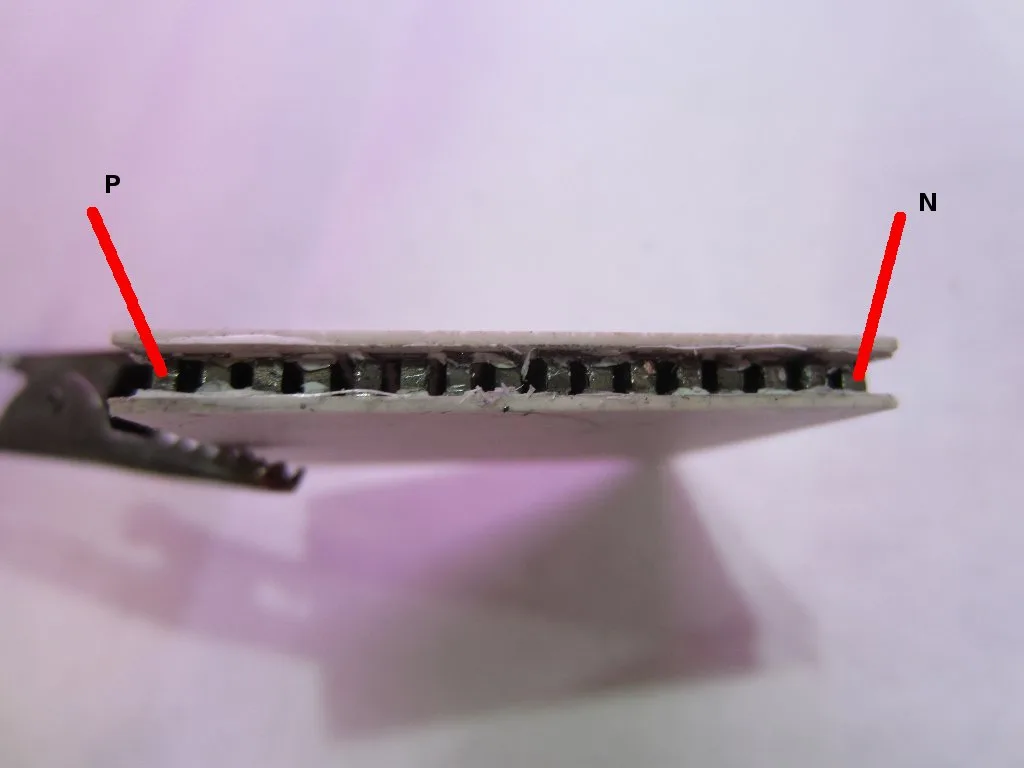
Image source: Web (Bing) / kerrywong.com (Web image (fair-use with source credit))
Warranty claims for thermoelectric coolers used in rooms above 80°F are routinely denied. Manufacturer specifications are clear. Running the unit outside the stated ambient range voids the warranty.
Aggregate user reports on forums and review platforms confirm this pattern. The cooler fails, the user contacts support, and the claim is rejected because the room was too hot.
A dead module means a dead cooler. Thermoelectric modules are not user-serviceable in most consumer units. Replacing them costs nearly as much as a new unit.
You end up buying a compressor cooler anyway.
Fire risk: overheating electronics, wiring, and dust accumulation
This is the most serious risk and the one least discussed. The fan that cools the hot side of the Peltier module also pulls dust into the unit. Over months of use, that dust collects on the heat sink fins and on the fan blades themselves.
In a hot room, the heat sink runs hotter than normal. Dust acts as an insulator. It traps heat.
The wiring inside the cooler, including the power supply and the fan motor, is rated for a certain temperature range. Operating at the top of that range for extended periods degrades the insulation. In extreme cases, the insulation can melt.
Short circuits can occur.
This is not common, but it is documented. Fire safety standards from UL require that cooling appliances include thermal fuses and over-temperature cutoffs. These protect against most failures.
But a dusty heat sink in a hot room running continuously for months pushes those safety margins.
How to Verify Your Cooler's Real Ambient Limit (Before You Trust It)
Step 1: Find the ambient temperature rating in the manual
Dig out the user manual or look up the specification sheet online. Look for the ambient temperature range or climate class rating. It is usually listed on the back panel or on the energy label.
Climate class designations follow the IEC 62552 standard. Class SN is 50°F to 90°F, class N is 60°F to 90°F, class ST is 60°F to 100°F, and class T is 60°F to 110°F.
Most thermoelectric wine coolers carry a class N rating. That means they are tested for ambient temperatures up to 90°F. But that test assumes a full cabinet with items already at temperature.
It does not mean the unit can pull a warm cabinet down to wine-safe levels at 90°F ambient. It means it can maintain temperature under ideal load conditions.
Step 2: Measure your actual room temperature, not the thermostat setting
Your thermostat might be set to 78°F. The actual temperature near your wine cooler could be 85°F. Sunlight through a window, heat from a nearby appliance, or poor air circulation in a corner all create microclimates.
Place a standalone thermometer next to the cooler at the same height as the vents. Let it sit for an hour. That is your real ambient temperature.
Step 3: Test internal temps under load with a secondary thermometer
The temperature display on the cooler itself is often inaccurate. It measures the temperature at the cold plate or the evaporator surface, not the air temperature where your wine sits. Use a standalone digital thermometer placed on a middle shelf.
Close the door and let it stabilize for four hours.
If the internal temperature is more than 5°F above your setpoint, the cooler is struggling. If the internal temperature never reaches the setpoint at all, the cooler cannot overcome the room conditions. That is your sign.
What to do if the cooler cannot hold setpoint
You have three options. The first is to move the cooler to a cooler room. A basement or a climate-controlled space below 75°F is ideal.
The second is to ventilate the room with an air conditioner or a fan that lowers the ambient temperature around the cooler. The third is to accept the limitations and use the unit for short-term storage of red wines only, monitoring the temperature regularly.
If none of these work, you need a compressor-based wine cooler. That is the only safe option for rooms that regularly exceed 80°F. The noise trade-off is real.
Compressor units are louder, but they work in hot rooms.
Safe Alternatives for Warm Rooms: Compressor Units and Workarounds
When a compressor wine cooler is the right call
If your room regularly hits 80°F or higher, a compressor-based wine cooler is the only reliable option. These units use a refrigerant cycle just like your kitchen refrigerator. They can maintain proper wine storage temperatures even when the ambient temperature reaches 100°F.
The trade-off is noise and vibration. Compressor units hum and cycle on and off. They also cost more upfront and use more electricity.
But for long-term wine storage in a warm room, there is no substitute. The internal temperature stays stable regardless of the season. Your wine ages properly.
The unit lasts for years instead of months.
Thermoelectric vs. compressor vs. absorption coolers in hot rooms
Here is a quick comparison of the three cooling technologies for rooms above 80°F:
| Cooler type | Works above 80°F | Noise level | Vibration | Price range | Best for |
|---|---|---|---|---|---|
| Thermoelectric | No | Very quiet | Minimal | $150-$400 | Cool rooms below 75°F |
| Compressor | Yes | Moderate | Some | $300-$1,500 | Warm rooms, long-term storage |
| Absorption | Yes | Silent | None | $500-$2,000 | Off-grid, RVs, noise-sensitive areas |
Absorption coolers are rare and expensive. They use heat instead of a compressor or Peltier module. They work in hot rooms and are completely silent.
But they are inefficient and slow to cool down. They are a niche solution for specific situations.
If you already own a thermoelectric unit: temporary tricks that help, and ones that don't
Some workarounds provide modest improvement. Moving the cooler to the coolest spot in the room helps. Adding a small fan to improve airflow around the heat sink can lower internal temperatures by a degree or two.
Keeping the cooler full of bottles adds thermal mass that resists temperature swings.
What does not work is placing ice packs inside the cooler. This confuses the thermostat and causes the unit to run less often. The Peltier module cycles off, and the ice melts, leaving you with warm wine and a puddle.
Also do not block the internal fan with bottles. The fan needs to circulate air across the cold plate.
If the room is above 85°F, none of these tricks are enough. You need a compressor unit.
Common Mistakes That Kill Thermoelectric Coolers Early
Blocking airflow and vent clearance
The number one killer of thermoelectric coolers is restricted airflow. The heat sink on the back needs constant airflow to dump heat into the room. If the cooler is pushed flush against a wall, the hot air recirculates.
The heat sink gets hotter. The module works harder. The fan spins faster.
Within a few weeks, the module overheats and fails. The manufacturer specification for clearance is usually four to six inches on all sides. That includes the top and sides, not just the back.
Many owners ignore this and pay the price.
Expecting it to work like a compressor unit
A thermoelectric cooler is not a refrigerator. It cannot pull a warm cabinet down to 45°F on a hot day. If you load it with room-temperature bottles and close the door, it will take hours to cool them.
In a warm room, it may never reach the setpoint.
The unit is designed to maintain temperature, not to cool down warm contents rapidly. If you expect it to behave like a compressor cooler, you will be disappointed. This mismatch in expectations leads to frustration and premature replacement.
Using it in garages, sunrooms, or next to heat sources
Garages and sunrooms are the worst locations for a thermoelectric cooler. These spaces can reach 100°F or more in summer. Even if the manual says 85°F maximum, the real-world performance at 100°F is zero.
The cooler cannot cool at all.
Placing the cooler next to an oven, a dishwasher, or a window with direct sunlight is just as bad. The radiant heat raises the ambient temperature around the unit. The Peltier module cannot overcome it.
Position the cooler away from all heat sources for best results.
Ignoring heat sink dust buildup
Dust accumulates on the heat sink fins and the fan blades over time. This acts as an insulator. It traps heat and reduces cooling efficiency.
The module runs hotter and fails sooner.
Cleaning the heat sink every six months is essential. A vacuum with a brush attachment or a can of compressed air works well. This simple maintenance step extends the life of the cooler significantly.
Most owners never do it.
Maintenance and Placement Tips to Extend Cooler Life
Cleaning the heat sink and fan (the 6-month rule)
Set a reminder every six months to clean the back of your thermoelectric cooler. Unplug the unit first. Use a vacuum with a soft brush attachment to remove dust from the heat sink fins.
Be gentle. The fins are thin and can bend easily.
Use compressed air to blow dust out of the fan blades and the power supply vents. If the fan is accessible, hold it still while blowing air to prevent overspinning the bearings. This keeps the fan running smoothly and quietly.
Clean units run cooler and last longer.
Ideal placement: shade, clearance, and room airflow
Place the cooler in a shaded spot away from windows. Avoid direct sunlight at any time of day. Allow at least four inches of clearance on all sides.
Six inches is better. The back of the unit needs the most space.
The room itself should have good air circulation. A corner with stagnant air around the cooler reduces its cooling capacity. A ceiling fan or a small floor fan in the room helps.
The cooler dumps heat into the room air. If that air stays still, the heat builds up around the unit.
Monitoring temperature over time and red flags to watch for
Use a standalone digital thermometer with a min-max function inside the cooler. Check it once a week during hot weather. If the internal temperature creeps up over time, the module is degrading.
If the unit runs continuously without cycling off, it is struggling.
Other red flags include unusual fan noise, a burning smell, or the cooler feeling hot to the touch on the sides. These indicate overheating. Unplug the unit and let it cool down.
If the problem returns, the module is likely damaged. Replace the unit before it fails completely.
Frequently Asked Questions
Can I run a thermoelectric wine cooler in a garage in summer?
No. Garages can reach 100°F to 120°F in summer. A thermoelectric cooler cannot function at those ambient temperatures.
The Peltier module will overheat and fail. Use a compressor wine cooler in a garage, or do not store wine there at all.
How hot is too hot? Is 85°F okay if the manual says it is?
85°F is too hot for safe wine storage. The cooler may run at that temperature, but it cannot hold a safe internal setpoint. Your internal temperature will be around 65°F to 67°F.
That is above the recommended range for most wines. Red wines age too fast. White wines stay too warm.
At what room temperature will a thermoelectric cooler stop cooling entirely?
Most thermoelectric coolers stop providing useful cooling around 90°F to 95°F ambient. At that point, the internal temperature matches the room temperature. The Peltier module cannot create a temperature differential.
Wine stored inside will be at room temperature.
What is the quietest way to store wine in a hot room?
A compressor wine cooler with a variable-speed compressor is the quietest option that works in hot rooms. Look for units that advertise silent operation or low noise levels. Absorption coolers are completely silent but slow to cool.
A wine cellar in a basement is the ultimate solution if you have the space.
Final Verdict: Buy the Right Cooler for Your Room, Not the Room You Wish You Had
When to stick with thermoelectric
Keep your thermoelectric wine cooler if your room stays below 75°F year-round. These units are silent, energy-efficient, and vibration-free. They are perfect for apartments, bedrooms, and offices.
Your wine will be safe and your sleep undisturbed.
If your room occasionally hits 78°F or 80°F for a few hours, the cooler can handle it. The wine will be fine for short-term storage. Just monitor the temperature and avoid peak heat hours if possible.
When to switch to compressor and what it costs you in noise and money
Switch to a compressor unit if your room regularly exceeds 80°F. This includes garages, sunrooms, warm apartments, and hot climates. The cost is higher.
Expect to pay $300 to $800 for a reliable compressor wine cooler. The noise is moderate. The unit cycles on and off with a low hum.
Is the trade-off worth it? Yes. Your wine stays at the proper temperature.
The unit lasts for years. You do not have to worry about spoilage or fire risk. The peace of mind alone is worth the extra cost.
The safest approach for long-term wine storage in warm climates
For long-term storage in warm climates, skip the thermoelectric cooler entirely. Buy a compressor wine cooler with a climate class rating of ST or T. These units are tested for ambient temperatures up to 100°F or 110°F.
They maintain stable internal temperatures regardless of the season.
Monitor the internal temperature with a standalone thermometer. Clean the condenser coils annually. Keep the unit away from direct sunlight and heat sources.
With proper care, a compressor wine cooler lasts ten years or more. Your wine ages gracefully. That is the goal.

Related posts
Hot Lid on Countertop? Safety Tips for Air Fryer Combos
You've just finished air frying a batch of crispy chicken wings. The lid is hot. You're holding it…

Ninja Foodi SmartLid OL701 Worth Buying? Reddit
If you've been scrolling through Reddit asking yourself "is ninja foodi smartlid ol701 one lid multi cooker with…

Crispy Rotisserie Chicken: Temp & Time for Combo Cooker
So you want restaurant quality crispy skin on a whole rotisserie chicken, and you want to do it…