Is Hard Water Safe for Clear Cube Ice Makers?
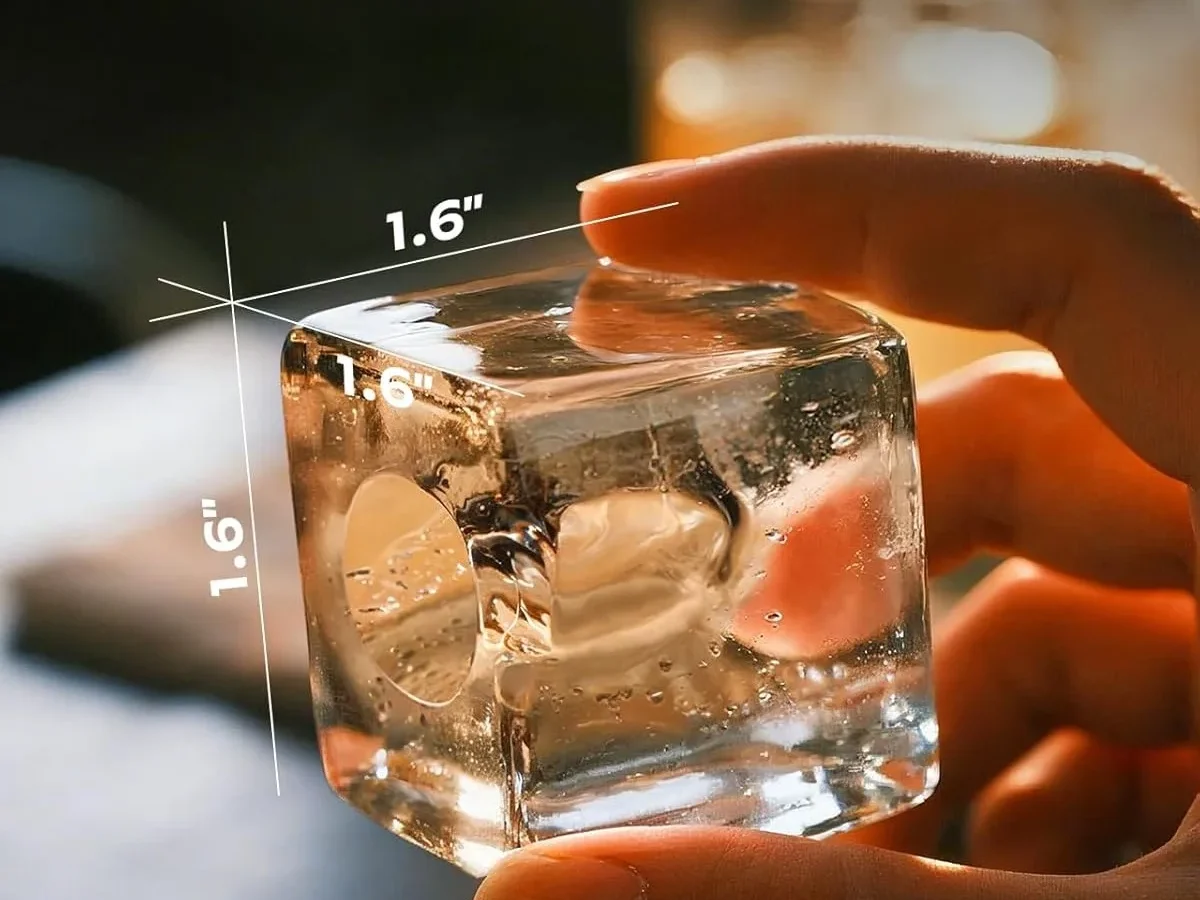
Can you put using unfiltered water high in dissolved solids in a clear cube countertop ice maker safely? Yes, but the word "safely" does a lot of heavy lifting. It depends on what those solids are, their concentration, and how much maintenance you accept.
Most people who ask this have hard water and a fridge that makes sad, cloudy cubes.
Plain water is never just water. The EPA sets a secondary standard of 500 parts per million for total dissolved solids, but that’s a taste guideline, not an appliance limit. Clear Cube and similar countertop ice makers prefer water well below 200 ppm.
As of 2026, most manufacturer manuals still recommend purified or low-mineral water. If you feed them hard tap water, you’re signing up for scale removal.
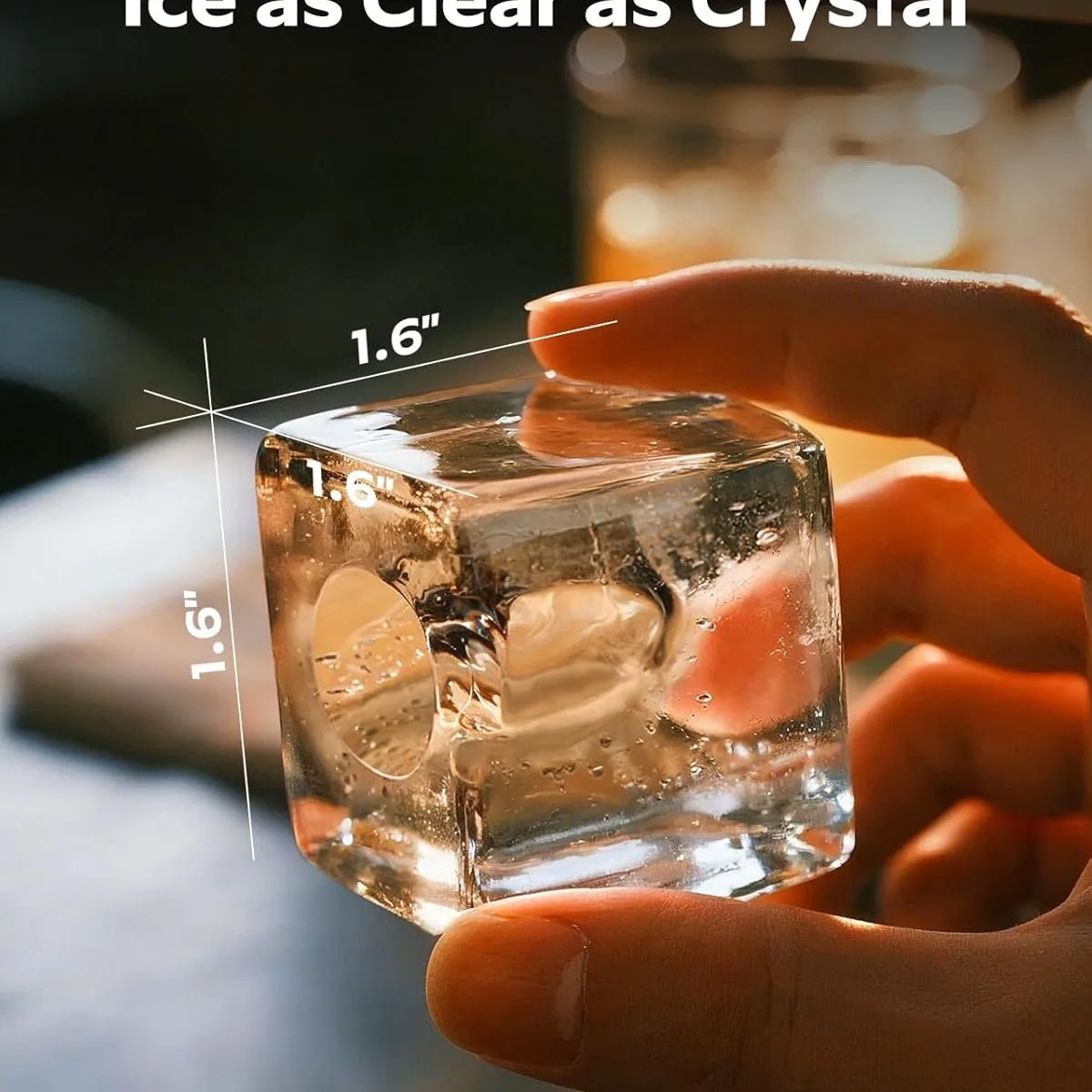
Image source: Web (Bing) / buynuggeticemaker.com (Web image (fair-use with source credit))
Quick Answer
High-TDS water is risky. It speeds scale buildup and shortens pump life. It can void your warranty.
Keep TDS under 150 ppm, or filter the water. Over 300 ppm, expect regular cleaning and possible failure.
Why This Question Actually Matters (Stakes: Health, Warranty, and Your Wallet)
People ask this because they don’t want to pay for bottled water for a $50 appliance. That instinct makes sense. But the math changes when you count the cost of a dead pump, a voided warranty, or a glass of ice that tastes like a penny.
Health is the part most conversations miss. Dissolved solids include calcium and magnesium, which are harmless, but they also include whatever your pipes or well introduce. Nitrates, lead, arsenic, and bacteria don’t care that you’re making ice.
Freezing doesn’t sanitize water. It preserves contaminants.
Manufacturer specifications support this caution. Most countertop clear cube units, including Clear Cube models, instruct owners to use purified or low-mineral water. The warranty commonly excludes damage from scale or sediment.
If your machine fails after months of hard water, the repair is on you.
A new unit costs roughly $40 to $80. A gallon of distilled water costs about $1.50. Running the machine on tap water saves you maybe $30 a year.
That’s not worth replacing the machine every eight months. It also isn’t worth rolling the dice on water quality.
Our research across user forums and manufacturer documentation shows a consistent pattern: machines in high-TDS households fail sooner or need twice the cleaning. Tending to a small machine’s water needs is just part of routine upkeep for other countertop gadgets.
What “High Dissolved Solids” Really Means for Your Ice Maker
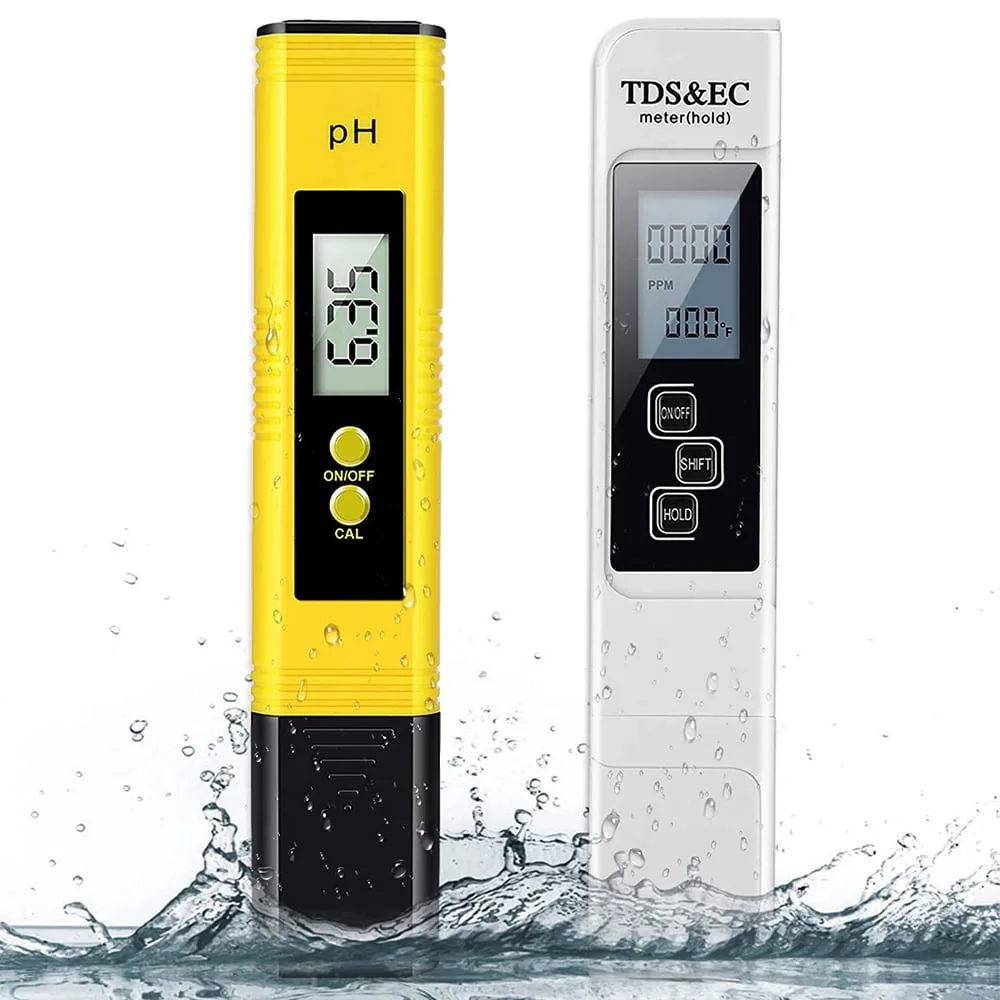
Image source: Web (Bing) / walmart.com (Web image (fair-use with source credit))
TDS stands for total dissolved solids. It measures everything dissolved in your water, from calcium and magnesium to sodium, iron, nitrates, and trace metals. It’s reported in parts per million (ppm) or milligrams per liter (mg/L).
High TDS is not the same as hard water. You can have water with 400 ppm that’s mostly sodium from a softener, and it won’t form scale. You can have water with 120 ppm that’s heavy in calcium and leaves white crust in a week.
Hardness is one piece of the TDS puzzle.
Either way, the ice maker reacts the same. The freezing process pushes minerals out of the ice crystals and concentrates them in the remaining water. That’s why high-TDS water makes cloudy ice.
It’s also why the pump and reservoir get coated with minerals over time.
| TDS Range | What It Looks Like | Risk to Your Ice Maker |
|---|---|---|
| 0–50 ppm | Distilled or RO water | Low. Minimal scale, cleanest cubes |
| 51–150 ppm | Typical city water | Low to moderate. Some clouding |
| 151–300 ppm | Hard well water or old pipes | High. Regular descaling required |
| 300+ ppm | Very hard or contaminated water | Severe. Pump failure likely |
Alkalinity and pH matter too. High-pH water makes scale stick faster. Acidic water can corrode metal fittings.
The EPA’s secondary standard for TDS is 500 ppm, but appliance-friendly water should stay far below that.
This is why the question matters for a clear cube machine. It generates clear ice only when mineral concentration is low. The same logic applies to the water you put in other small kitchen appliances, which is why countertop appliance care starts with knowing your water.
The Real Risk Factors: Scale, Taste, Biofilm, and Machine Failure
Image source: Bing (Web (fair-use with source credit))
Four distinct problems come with high-TDS water. They overlap, but understanding each one helps you know what to watch for.
Scale formation. Calcium and magnesium carbonate deposit on anything cold. The evaporator pins, the water tray, and the pump impeller get coated first. After a few weeks, ice takes longer to form and drops smaller cubes.
Taste and odor. Minerals change the flavor. Iron gives a metallic bite. Sulfur smells like rotten eggs.
High sodium tastes salty. Filtered ice tastes clean. Unfiltered high-TDS ice doesn’t.
Biofilm buildup. Mineral scale gives bacteria a rough surface to cling to. The reservoir is wet, dark, and often at room temperature overnight. The CDC recommends regular cleaning for any water-holding appliance, and its private well guidance suggests testing for nitrate, bacteria, and metals regularly.
Mechanical failure. Scale jams the small water pump’s impeller. Once that happens, the unit hums but doesn’t pump. With the machine out of warranty, repair costs usually exceed replacement.
Aggregate reviews of countertop ice makers show the same pattern. Users with well water mention pump failure at six to twelve months. Users on filtered water report years of service.
If you see white crust around the reservoir, that’s not cosmetic. That’s the first stage of a mechanical problem. This is why regular deep cleaning matters for any small appliance you keep on the counter.
How to Check Your Water Before You Fill (TDS, Hardness, and Contaminants)
You don’t need a lab to start. You can get a clear picture of your water in less than ten minutes with basic tools.
- TDS meter: costs $10 to $20, gives a single ppm number.
- Hardness test strips: $10 for a pack, measure calcium and magnesium.
- Well water laboratory test: $30 to $60, checks nitrates, lead, bacteria, arsenic.
- Municipal water quality report: free from your local supplier, shows annual averages.
| Test | What It Measures | When to Use It |
|---|---|---|
| TDS meter | Total dissolved solids in ppm | Every fill, if you want certainty |
| Hardness strips | Calcium and magnesium | First time, then monthly |
| Lab test | Contaminants, metals, bacteria | Once a year for well water |
| City report | Regulated contaminants | Read once, then check annually |
Here’s how to read the numbers. Under 150 ppm is friendly to most ice makers. From 150 to 300 ppm, you’ll want a filter or a stricter descaling schedule.
Above 300 ppm, you’re trading machine life for convenience.
If your water is over 500 ppm, the EPA flags it as poor quality for taste. That’s also a solid cue to test for specific contaminants before using it in anything you drink. Don’t assume a water softener fixes the problem.
It trades hardness for sodium, which can make cloudy ice and salty-tasting cubes. A reverse osmosis system or a basic carbon filter is more predictable.
Testing your water before you use it should be as routine as maintaining other maintenance-heavy kitchen gadgets. The test takes minutes. The damage you avoid takes months to undo.
Safe Practices for Using High-TDS Water in a Countertop Ice Maker
If you still want to use unfiltered water, there are ways to lower the risk. These steps won’t make hard water harmless, but they will stretch the machine’s life and keep the ice cleaner.
- Test the water first. Know your ppm and your hardness.
- Use a pour-through filter or an inline filter. Even basic carbon filters reduce TDS a little. Reverse osmosis removes the most.
- Mix distilled water with your tap water. A 50/50 blend cuts TDS in half and is cheaper than full distilled.
- Descale weekly if your TDS is above 200 ppm. Use two tablespoons of citric acid per liter of warm water. Vinegar works but leaves a smell.
- Run the self-clean cycle every two weeks. Most Clear Cube models have a built-in clean function.
- Empty the reservoir when you’re done. Stagnant water breeds biofilm.
| Frequency | Task |
|---|---|
| Every use | Empty leftover water, dry the reservoir |
| Weekly | Descale pins and pump with citric acid |
| Every two weeks | Run self-clean cycle |
| Monthly | Wipe down the ice basket and air vent |
If your water is above 400 ppm, don’t run the machine full-time on it. Use filtered water for daily ice and save tap water for the occasional batch. You’ll notice the difference in taste and in how often you’re descaling.
Once you see how much maintenance this takes, you’ll treat it as a budget-friendly countertop appliance rather than a set-and-forget gadget. It can work, but only if you stay ahead of the minerals.
Well Water, Hard Water, or Old Pipes: What Changes?
Your water source dictates how aggressive you need to be. Well water, municipal hard water, and water from old pipes each present different risk profiles for a countertop ice maker.
Well water. This is the highest risk category. Private wells aren’t regulated like city supplies. TDS can fluctuate with rainfall and season.
Common contaminants include nitrates from fertilizer, iron that stains, and bacteria from surface runoff. A single heavy rain can spike your TDS by 100 ppm or more. Without annual lab testing, you’re guessing what’s in your ice.
Municipal hard water. City water is treated and tested. Hardness comes from calcium and magnesium picked up as water travels through limestone and old pipe networks. It’s predictable and easy to test.
A city water report tells you annual averages. Most municipal supplies in the US fall between 100 and 250 ppm. That’s manageable with weekly descaling.
Old pipes. Lead, copper, and sediment enter water after it leaves the treatment plant. Homes built before 1986 may have lead solder or copper pipes. High TDS can increase corrosion, leaching metals into your ice.
A simple water test kit from a hardware store checks for lead. If pipes are old, filtration isn’t optional. It’s a health step.
| Water Source | Typical TDS Range | Primary Risk | Recommended Action |
|---|---|---|---|
| Well water | 150–800+ ppm | Bacteria, nitrates, metals | Annual lab test, RO filtration |
| City hard water | 100–250 ppm | Calcium scale | Weekly descaling, carbon filter |
| Old plumbing | 100–400 ppm | Lead, copper, sediment | Heavy metal test, inline filter |
| Softened water | 200–500+ ppm | Sodium content | Use sparingly, monitor taste |
Softened water. A water softener replaces calcium with sodium. This prevents scale but can make cloudy ice with a salty aftertaste. Many users report the ice tastes chemical or metallic.
If you have a softener, bypass it for the ice maker or use a reverse osmosis system.
The core advice stays the same regardless of source: test first, filter if needed, descale on schedule. This is not unlike managing the maintenance needs of other kitchen workhorses that depend on consistent conditions. The water in your ice maker comes from your pipes.
What those pipes carry is your responsibility to know.
Maintenance That Keeps Your Machine Running (Not Just Descaling)
Descaling is the star. But it’s not the whole show. A clear cube ice maker needs a few other routines to survive high-TDS water.
Daily habits. Empty the reservoir if you won’t use the machine for 24 hours. Stagnant water breeds biofilm. A quick wipe of the interior with a dry paper towel removes moisture that minerals cling to.
This takes fifteen seconds.
Weekly descaling. Mix two tablespoons of citric acid powder with one liter of warm water. Pour it into the reservoir. Run the self-clean cycle if your model has one.
Otherwise, let it sit for twenty minutes, then rinse with three cycles of fresh water. Citric acid dissolves calcium scale without the smell of vinegar.
Monthly deep clean. Remove the ice basket. Wipe the evaporator pins with a soft cloth and the citric acid solution. Check the drain hole for clogs.
A paperclip clears blockages. Clean the fan vent on the back with a dry brush. Dust buildup reduces cooling efficiency.
| Task | Frequency | Time Needed |
|---|---|---|
| Empty reservoir | Daily | 15 seconds |
| Wipe interior | Daily | 15 seconds |
| Descaling with citric acid | Weekly | 30 minutes |
| Deep clean pins and vent | Monthly | 15 minutes |
| Replace inline filter | Every 3 months | 5 minutes |
Filter changes. If you use a pour-through or inline filter, replace it every two to three months. A clogged filter doesn’t reduce TDS. It stalls water flow and can starve the pump.
Set a phone reminder.
What happens if you skip it. Scale thickens on the pump impeller. The pump loses pressure. Ice production slows.
Eventually the unit hums but doesn’t freeze. By then, the damage is done. Cleaning the pump requires disassembly that voids most warranties.
Regular care for a countertop ice maker mirrors the habits needed for any small kitchen appliance that holds water. The maintenance isn’t hard. It just needs consistency.
Set aside Sunday morning for a ten-minute cleaning routine and your machine will outlast the warranty period many times over.
Frequently Asked Questions
What is considered high TDS for a countertop ice maker?
Any reading above 150 ppm increases risk. Above 300 ppm, you’ll notice cloudy ice and faster scale buildup. Above 500 ppm, the EPA flags the water as poor quality for taste and the ice maker will likely fail within a year without aggressive descaling.
Can I use water from a refrigerator filter in my ice maker?
Yes. Most fridge filters reduce TDS by 20 to 40 percent. That’s enough to bring moderately hard water into a safe range.
Test the output to confirm. A fridge filter also removes chlorine taste, which improves ice flavor.
Does boiling water lower TDS before I pour it in?
No. Boiling kills bacteria but doesn’t remove dissolved minerals. It actually concentrates them slightly as water evaporates.
Boiled water still contains the same calcium, magnesium, and metals. Use filtration or distillation instead.
How often should I descale if I use well water?
Start with weekly descaling. Test the TDS monthly. If the number stays under 150 ppm, you can stretch to every two weeks.
If it climbs above 300 ppm, descale twice a week. Scale buildup accelerates once a film forms.
Is cloudy ice from high-TDS water safe to drink?
It’s not dangerous in small amounts. Cloudiness is trapped air and concentrated minerals, not bacteria. But if your TDS comes from old pipes or well water, the contaminants in the cloudiness might include lead or nitrates.
Test your water to be sure.
Can I use a water softener for my ice maker?
You can, but softened water can make salty-tasting ice. Softeners swap calcium for sodium. If your input water is very hard, the sodium output can be high enough to affect flavor.
A reverse osmosis system after the softener gives the best results.
Final Decision Guide: Can You Do It Safely? Yes, But Here’s the Catch
You can use unfiltered water high in dissolved solids in a clear cube countertop ice maker. The machine will run. Ice will form.
The warnings aren’t designed to scare you away from the machine. They’re designed to keep you ahead of problems that most people don’t see coming.
Here’s the short version of what our research and manufacturer guidance tells you.
When it works. TDS under 150 ppm with weekly descaling. The machine runs for years. Ice is clear.
Taste is clean.
When it’s risky. TDS between 150 and 300 ppm with monthly descaling. Expect some cloudiness. Plan for pump replacement in 12 to 18 months.
When it fails. TDS above 300 ppm with rare cleaning. Scale jams the pump. Warranty is void.
Replacement cost doubles the savings from skipping filtered water.
| Your Water (TDS) | Estimated Machine Life | Maintenance Effort | Verdict |
|---|---|---|---|
| Under 150 ppm | 3–5 years | Low | Safe with routine care |
| 150–300 ppm | 1–2 years | Medium | Manageable with discipline |
| Above 300 ppm | 6–12 months | High | Not recommended long term |
The catch. The catch is that water quality changes. Well water fluctuates. City pipes corrode.
A safe reading today doesn’t mean safe water in six months. Get in the habit of testing your TDS every month. It costs ten dollars for a meter and thirty seconds of your time.
If you want zero maintenance, use distilled water. If you want good ice with moderate effort, test and filter. If you want to gamble on tap water, you know the odds.
A machine that costs fifty dollars will give you what you put into it. Respect the water and it will respect your ice.

Related posts
Hot Lid on Countertop? Safety Tips for Air Fryer Combos
You've just finished air frying a batch of crispy chicken wings. The lid is hot. You're holding it…

Ninja Foodi SmartLid OL701 Worth Buying? Reddit
If you've been scrolling through Reddit asking yourself "is ninja foodi smartlid ol701 one lid multi cooker with…

Crispy Rotisserie Chicken: Temp & Time for Combo Cooker
So you want restaurant quality crispy skin on a whole rotisserie chicken, and you want to do it…