Is Cuisinart CDF-200P1 Triple Basket Fryer Worth It? Reddit
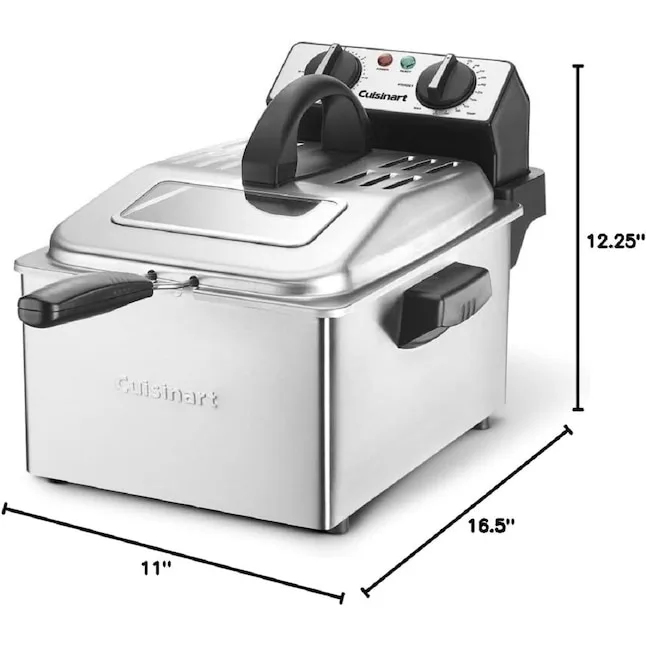
So you're wondering if the Cuisinart CDF-200P1 triple basket family size deep fryer is worth buying based on Reddit reviews and real-world experience. It's a fair question, because the reviews swing wildly. Some people call it the best fryer they've ever owned.
Others say it's too big, too messy, and too much work.
The CDF-200P1 packs 1,800 watts into a brushed stainless-steel frame with three independent baskets, and it carries UL electrical safety certification. That combination of capacity and features looks great on paper. But it also asks for serious counter space, a lot of oil, and a real commitment to cleanup.
Let's break down what that means for your kitchen.
Quick Answer
The Cuisinart CDF-200P1 triple basket family size deep fryer is worth it for big families. Frying all three baskets at once saves time. It's overkill for singles, couples, or occasional frying.
If that's you, get a smaller model. Most verified buyers score it above 4 stars.
Image source: Web (Bing) / lowes.com (Web image (fair-use with source credit))
What You're Actually Getting with the Triple Basket Design
The CDF-200P1 doesn't look like a typical home fryer. It's wide and low, with three baskets sitting side by side over a shared oil tank. That's the whole point.
You're not batch frying anymore. You're cooking an entire meal at once.
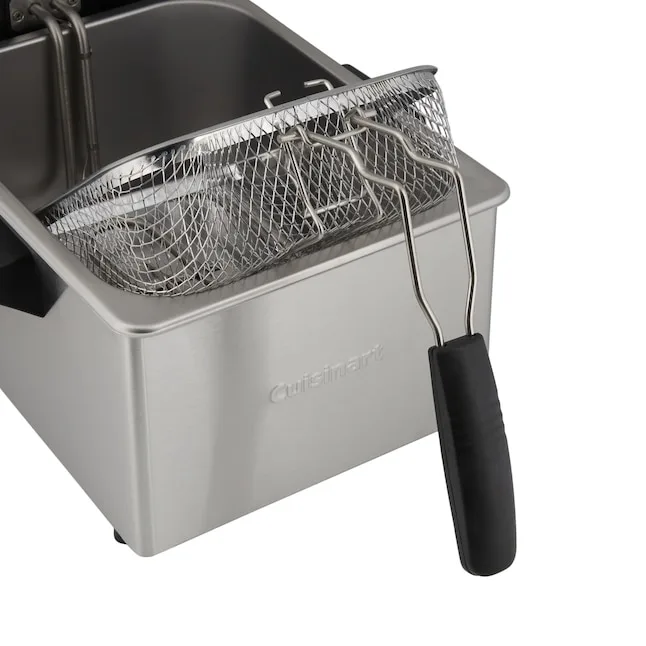
Image source: Web (Bing) / lowes.com (Web image (fair-use with source credit))
The center basket is larger. The two side baskets are smaller. Each basket has its own cool-touch handle, so you can raise or lower them independently.
The baskets hang from the rim of the tank, which keeps them stable while frying. The arrangement feels thoughtful once you start working with it.
Power comes from an 1,800-watt heating element. That's on the high end for countertop fryers. It helps oil bounce back to temperature quickly after you drop in cold food.
The thermostat adjusts up to 400°F, covering everything from zucchini chips to bone-in chicken.
The cooking vessel is a removable stainless-steel tank. The baskets are dishwasher-safe, and the tank lifts out for hand washing. That's a major step up from budget fryers with fixed basins that trap oil residue in corners you can't reach.
You also get a vented lid with a carbon filter. It cuts down on kitchen odor, which is a genuine selling point for anyone without a dedicated vent hood. Cool-touch handles on the housing reduce burn risk.
These aren't upgrades. They're standard, which is nice at this price.
Here's what you don't get: a drain valve. Fryers that cost twice as much include one, and it makes oil changes dramatically easier. With the CDF-200P1, you'll tilt the tank over a pot once the oil cools.
It's awkward, and you'll spill a few drops. That's the reality at this price point.
Measure your counter before buying. The footprint runs roughly 16 inches wide and 11 inches deep. That's bigger than a coffee maker, and you won't want to stash this in a cabinet.
As of 2026, the design still holds up well against newer models. The build quality feels solid, but the basket handles wear over time, so treat them gently.
If you're used to a compact single-basket fryer, this is a big leap in size and capability. Just know what you're signing up for before it arrives.
How the Triple Baskets Work in a Real Home Kitchen
The concept sounds simple. Three baskets, one hot oil bath, three foods cooking simultaneously. The execution takes a little planning, but it pays off quickly.
Here's a typical game-day scenario. You're making wings, fries, and onion rings. You fill the tank to the marked line, set the thermostat to 350°F, and wait for the indicator light to cycle.
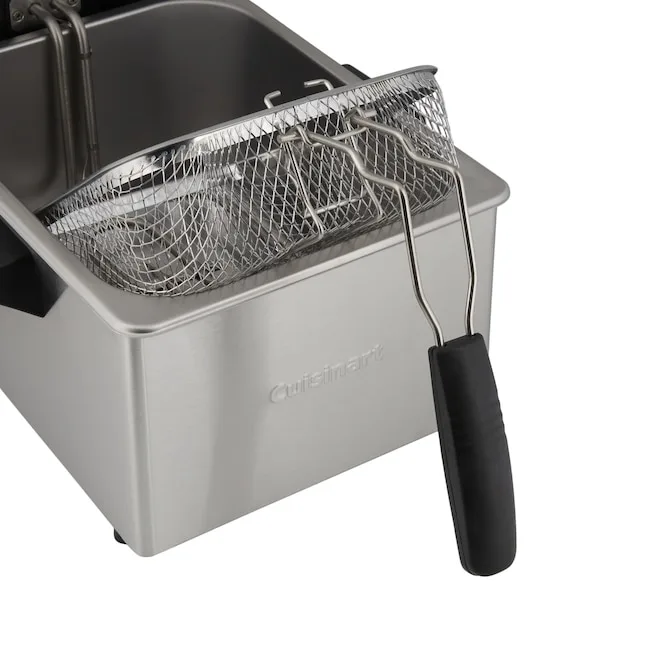
Image source: Web (Bing) / lowes.com (Web image (fair-use with source credit))
Wings need about 12 minutes. Fries take 6 to 8 minutes. Onion rings are done in 3 to 4 minutes.
With a single-basket fryer, you'd cook each food separately, and the first batch goes cold. With the triple basket, you drop the wings first, add the fries a few minutes later, then the rings at the end. Everything finishes together.
That's the magic.
But the shared oil bath creates tradeoffs. Crumbs from one basket float into another. Fish flavors bleed into whatever cooks next.
You can't fry fish and doughnuts in the same oil without tasting the fish. Most buyers figure this out after one bad batch. If you're new to frying, it's a lesson worth learning cheap.
Basket size matters too. The center basket suits whole chicken pieces or a pound of wings. The side baskets are better for sides and appetizers.
Overloading a side basket leads to uneven cooking and a sudden drop in oil temperature. That temperature crash is the biggest failure point. When all three baskets go in at once, the oil cools fast, and the 1,800-watt element needs time to recover.
Drop your food in staggered stages. Start with the longest cook time, then add the others. That keeps the oil temperature steady and the texture crisp.
Cleanup isn't fast. After the oil cools, you strain it, wipe down the tank, and wash the baskets. Budget about 20 minutes.
An air fryer is quicker to clean, but you already know the tradeoff. A real deep fryer delivers real fried texture.
One more practical tip: pat food dry before breading and before lowering it into the oil. Moisture causes violent splattering, which is dangerous and messy. Dry food also fries up crispier.
This is where you'll see the biggest improvement in results.
Where It Shines and Where It Stumbles
Every fryer is a compromise. The CDF-200P1 earns its keep if its tradeoffs match your cooking style. Here's the honest breakdown.
Where It Shines
- You can fry a complete meal in one session. Protein, side, appetizer, all done together.
- Removable baskets and tank make cleanup easier than fixed-basin fryers.
- The 1,800-watt element holds temperature through most home batches.
- Stainless-steel construction handles regular use without wobbling.
- The carbon-filter lid noticeably reduces lingering kitchen odor.
Where It Stumbles
- It's bulky. The footprint eats up a serious chunk of counter space.
- Shared oil means flavor transfer. Fish and fries don't mix.
- No drain valve makes oil changes awkward and messy.
- Cleanup takes 20 minutes, which is better than some fryers but worse than an air fryer.
- The side baskets are small, and overloading them is a common newbie mistake.
- It needs a lot of oil. Filling the tank costs more than you'd expect.
The verdict comes down to how often you fry. If you're cooking batch meals for four or more people, the strengths outweigh the weaknesses. If you're frying only for yourself, you'll waste oil, counter space, and effort.
Our research shows most positive feedback comes from households that fry regularly. Sports seasons, holiday dinners, birthday parties. Buyers looking for quick convenience tend to prefer air fryers.
They're faster, cleaner, and fine for most weeknight meals.
Aggregate owner feedback across retail and discussion sites lands around 4.2 to 4.5 out of 5 stars. That's genuinely good. But nearly half of the critical reviews mention cleanup or oil handling.
Nobody complains about the frying performance. They complain about the aftermath.
That tells you what this fryer expects from you. It cooks beautifully. It rewards you with excellent wings, crispy fries, and golden onion rings.
In exchange, you handle the oil, the splatter, and the scrubbing. If that trade sounds reasonable, you've found your match.
How It Compares to the Real Alternatives
The real test of "worth it" isn't whether the CDF-200P1 works on its own. It's whether it beats the other options sitting in your kitchen or your shopping cart. Here's the landscape.
| Option | Best For | Typical Cost | Cleanup Effort | Capacity |
|---|---|---|---|---|
| Cuisinart CDF-200P1 | Families frying multiple foods at once | ~$120 | Moderate | Family-sized |
| Single-basket fryer | Singles, couples, occasional use | ~$40 | Easy | Small |
| Dual-basket fryer | Two-food frying on a budget | ~$80 | Moderate | Medium |
| Air fryer | Everyday low-oil cooking | ~$100 | Low | Variable |
| Stovetop Dutch oven | Serious frying without an appliance | ~$60 | High | Large |
Single-basket fryers like the classic Presto models are cheaper and simpler. They handle one food at a time, which is plenty if you just want fries now and then. If you're new to deep frying, they make a low-risk starting point.
You learn the basics without spending a lot or cleaning three baskets.
Dual-basket fryers sit in the middle. Two baskets, two foods, less oil capacity. They cost less than the CDF-200P1, but you still deal with the shared-oil flavor tradeoff.
What's interesting is that the Cuisinart only costs a bit more, and it adds a third basket. For families of four or more, that extra basket is the difference between dinner being ready together or in waves.
Air fryers are the real competition. They use almost no oil, heat up in minutes, and clean quickly. The catch is texture.
You can get crispy, but it's not the same as genuinely fried food. If you mostly want crunch without the oil, an air fryer wins. Our take on a popular budget air fryer digs into that trade more deeply.
Stovetop frying with a heavy pot or Dutch oven also works. You control temperature manually, and you can fry large amounts. But it's messier, riskier, and harder to manage when you're also cooking the sides.
Some people switch to an electric fryer specifically to avoid the open-pot splatter hazard. The comparison applies here, too.
So where does the CDF-200P1 actually land? It's the best fit for budget-conscious families who want genuine fried food without spending commercial-appliance money. It's not the cheapest option.
It's not the easiest. But it offers the best versatility per dollar, especially if you cook for more than three people regularly.
For singles, couples, or monthly fryers, skip it. The oil costs alone make it hard to justify. The Cuisinart is a commitment, and commitments only make sense when you use them.
Is It Worth It for Your Cooking Habits and Kitchen Setup?
So who should actually buy this thing? The answer comes down to three questions. How many people are you cooking for?
How often do you fry? And how much counter space can you permanently give up?
If you cook for one or two, the answer is probably no. Oil alone costs $10 to $15 per fill, and you'll want to change it after every few sessions. A smaller single-basket fryer uses a fraction of that oil and handles the occasional batch just fine.
You don't need three baskets to warm up leftovers.
If you cook for four or more and fry at least twice a month, the CDF-200P1 starts to make real sense. All three baskets actually get used. The time savings stack up.
A full meal of wings, fries, and rings that takes 40 minutes in a single-basket fryer takes closer to 25 minutes here.
Counter space is the gatekeeper. Measure your surface before you buy. This fryer runs about 16 inches wide, 11 inches deep, and stands roughly 9 inches tall with the lid shut.
It also needs breathing room around it for steam and splatter. If your kitchen is tight, that footprint might end the debate on its own.
Storage matters just as much. An air fryer can slide into a cabinet when you're done. This Cuisinart is heavy and awkward to move, so it becomes a permanent countertop resident once it arrives.
If you don't have a dedicated spot, you'll stop using it within a month.
The other piece is your cooking personality. Frying takes attention. You watch the oil temperature, manage the basket timing, and stay close while things sizzle.
Some people enjoy that hands-on rhythm. Others just want dinner done. Be honest about which one you are.
A quick note on the air fryer question, because it keeps coming up in comparison threads. The CDF-200P1 and an air fryer serve different jobs. The Cuisinart delivers deep, genuinely fried texture.
An air fryer gives you crunch with a fraction of the oil and cleanup. Some families keep both, and that's a legitimate setup. Weeknights go to the air fryer, weekends go to the deep fryer.
If you're still torn, a closer look at how deep frying differs from air frying might settle it.
Oil management is the last consideration. You'll store a gallon or two, strain it after each batch, and find a safe way to dispose of it. Used cooking oil never goes down the sink.
Into a sealed container, then into the trash. It's a recurring chore that buyers consistently underestimate.
So here's the honest verdict. This fryer is worth it if you eat fried food weekly, cook for more than three people, and have a permanent counter spot. Answer no to any of those, and the value falls apart.
Simple as that.
What Actual Owners and Reddit Users Say After Months of Use
Reddit threads about the CDF-200P1 are genuinely useful because they surface issues that retail reviews gloss over. The overall message is consistent. Frying performance earns praise.
Maintenance and cleanup wear people down over time.
Several long-term owners describe the same arc. They bought it for family dinners and game days. The first month was great.
Then the oil-changing ritual got old, and the fryer started collecting dust. That pattern repeats across multiple discussion threads and verified buyer feedback.
The most common compliment is the ability to cook three foods at once. Parents especially say the triple basket eliminated the microwave-and-plate shuffle. A family of five sits down to a full fried meal together.
That small detail changes dinner entirely.
The most common complaint is the missing drain valve. Owners describe tilting the heavy tank over a pot and losing oil over the edge. It's messy, hot, and frustrating.
Multiple buyers recommend buying a dedicated oil strainer and a wide funnel to make it bearable.
Temperature control earns consistent praise. The 1,800-watt element recovers quickly after cold food hits the oil, which keeps results crisp and even. Users report success across everything from corn dogs to chicken thighs.
The thermostat just works.
Cleanup complaints zero in on the basket handles. They protect your hands, true. But they also make the baskets awkward to load into a dishwasher, and grease hides in the hinge points.
A stiff bottle brush helps. Accept that you'll spend a few minutes scrubbing by hand.
The odor filter also divides opinion. It works while it's fresh, but it needs replacement every few months. Filters cost around $10 each.
That feels small on its own, but it adds up as a recurring expense.
Here's how owner sentiment breaks down. Buyers who came in knowing the fryer needed real maintenance are happy with it. Buyers who expected set-and-forget convenience moved to an air fryer within a year.
If you're weighing that switch, a side-by-side look at two popular Ninja models shows how capable the air-fryer side has become.
The lasting summary from owners is simple. The CDF-200P1 rewards commitment. It asks for counter space, oil, and elbow grease.
In return, it produces genuinely excellent fried food. That's the trade, and it's a fair one.
Maintenance, Safety, and Getting the Most Out of It
Taking care of this fryer keeps it performing and keeps your kitchen safe. Here's the practical rundown.
Oil Management
The oil is the biggest variable in fried food quality. Filter it after every use. Let it cool, strain it through a fine-mesh sieve lined with cheesecloth, and pour it back into its original container.
Store it away from light and heat.
Change the oil when it starts smoking at normal frying temperatures or smells rancid. Expect four to six sessions per fill, depending on what you fry. Peanut oil holds up longer than canola, but both degrade eventually.
Cleanup Routine
Clean up while the oil is still warm, around 150°F, when it pours most easily. Never pour hot oil into plastic containers. Use a metal pot, then transfer the cooled oil into the bottle for storage.
The removable tank washes easily by hand with warm soapy water. Keep it out of the dishwasher. The machine's heat and detergent fade the printed fill markings over time.
The baskets handle the dishwasher fine, though. Top rack, normal cycle.
Owners of other electric fryers will find the routine familiar. The same steps that keep a Presto running clean apply here without changes.
Safety First
Hot oil causes serious burns. Set the fryer on a flat, heatproof surface. Keep it away from walls, cabinets, and any water source.
Never leave it unattended while the oil is hot.
Fill only to the marked line. Oil expands when heated, and overfilled tanks spill over and ignite. Keep a lid nearby to smother a small fire, and have a fire extinguisher in the kitchen.
Water on an oil fire makes things worse. Don't be tempted.
Let the oil cool completely before moving the fryer. Tipping hot oil is one of the most common injuries in home frying.
Getting the Most Out of It
- Fry in small batches. Crowding crashes the oil temperature and makes food soggy.
- Dry food thoroughly before breading. Moisture causes violent splatter.
- Use a separate deep-fry thermometer now and then to verify the built-in thermostat.
- Replace the carbon filter every three months or after heavy use.
- Drain fried food on a wire rack, not paper towels. Steam trapped in paper ruins the crisp.
You can also prep ahead. Coat chicken, arrange the pieces on a tray, and refrigerate for up to an hour before frying. That way you manage the oil temperature and the meal timing at the same time.
Regular upkeep pays off. A clean fryer holds temperature better, produces crispier food, and lasts years longer. Skip the maintenance, and you'll notice the difference in both flavor and fryer lifespan.
Frequently Asked Questions
How much oil does the Cuisinart CDF-200P1 need?
About 4.4 quarts at the max line, but most users fill to around 3.5 quarts for practical frying. That's roughly one standard jug of cooking oil. Expect to replace it after four to six frying sessions.
Are the baskets dishwasher-safe?
Yes, all three baskets are dishwasher-safe. The removable oil tank is not. Hand wash the tank with warm soapy water to keep the fill-line markings intact and protect the stainless finish.
How long does cleanup take?
Plan for around 20 minutes. Strain and store the oil, hand wash the tank, load the baskets into the dishwasher, and wipe down the exterior. It's not fast, but it's manageable.
Can I use the Cuisinart CDF-200P1 outside?
Technically yes, if you have a dry outdoor outlet and a stable, level surface. But the fryer isn't weatherproof, and wind affects temperature control. It's really designed for indoor countertop use.
Does the carbon filter really stop kitchen odors?
Mostly, yes, while the filter is fresh. It captures frying smells reasonably well. It saturates after about three months of regular use, so budget for replacements.
The sealed lid also helps contain odors between batches.
Common Mistakes That Ruin the Experience
Most complaints about the CDF-200P1 trace back to user error. Avoid the common ones.
Overloading the baskets is the biggest issue. Drop too much food at once, and the oil temperature crashes. Food turns greasy instead of crispy.
Fry in small batches and stagger the three baskets.
Filling the oil above the max line causes serious trouble. Hot oil expands as it heats. It spills over the rim and becomes a fire hazard.
Always fill below the marked line.
Skipping oil filtration shortens oil life. Leftover crumbs burn during the next session. They give your food a bitter, off flavor.
Strain the oil after every single batch.
Frying wet food is dangerous and messy. Moisture makes oil splatter violently. It pops, hisses, and sprays hot oil around the kitchen.
Pat everything dry before breading.
Grease build-up on the heating element causes smoking later. Wipe the element after the oil cools. A dry paper towel handles most residue.
Aggregate reviews show that seasoned fryer owners rarely report these problems. First-timers run into them within the first week. Get ahead of them.
Real Scenarios: Who This Fryer Actually Serves
Test the CDF-200P1 against real household patterns. It wins some hands and loses others.
The regular family cook. Two parents, three kids, meal prep on Sundays. They use it twice a week.
All three baskets work together, and a full meal comes out hot. This fryer fits their routine perfectly.
The weekend entertainer. Hosts game day parties six times a year. The triple basket replaces hours of batch frying.
Cleanup is a chore, but it only happens a few times a season. Worth the money.
The single person who loves fried food. Buys it impulsively, then discovers 4.4 quarts of oil is way too much for one person. Most comments in this category end with switching to a much smaller model.
The air fryer convert. Tried an air fryer, liked the convenience, but missed the real fried texture. This Cuisinart gives them the taste they wanted.
The tradeoff is oil management and counter space.
If you see yourself in the first two groups, the CDF-200P1 earns its place. If you see yourself in the last two, read that section again before buying.
The Long-Term Cost of Ownership
The purchase price is just the start. Running this fryer costs more than most people expect.
Oil is the biggest recurring expense. A gallon of frying oil runs $8 to $15, and you'll change it every four to six sessions. At twice-weekly use, that's roughly $15 to $40 per month.
| Cost item | Estimate |
|---|---|
| Initial fryer price | $100 to $130 |
| Oil per fill | $8 to $15 |
| Fills per fill lifecycle | 4 to 6 sessions |
| Carbon filter replacement (every 3 months) | $10 |
| Electricity per frying session | Under 50 cents |
| Estimated first-year running cost | $150 to $280 |
The carbon filter adds a small ongoing cost. Replace it every three months. Skip it too long, and kitchen odors come back.
This fryer is still cheaper than restaurant fried food. A family of five, eating wings out once a week, spends far more. Your break-even point hits quickly.
The value only makes sense if you actually use it. Covered in dust, it's wasted money. Used weekly, it's a solid investment.
Final Verdict: Should You Buy the CDF-200P1?
Here's a clean decision guide.
Buy it if you cook for four or more people and fry at least twice a month. Buy it if you want genuine deep fried texture and don't mind managing oil. Buy it if you have permanent counter space and a flat, heatproof spot.
Skip it if you mostly cook for one or two. Skip it if the cost of oil every few weeks bothers you. Skip it if you don't want another appliance permanently parked on your counter.
The Cuisinart CDF-200P1 is a specialized tool. It does one job beautifully and expects real involvement in return. That's the whole story, and it's the whole decision.
The easiest path is a smaller fryer. The cheapest path is a Dutch oven. The most convenient path is an air fryer.
The best path for families who love fried food is this one.
That's the honest take. No hype, no dismissal. Just a machine that pays you back when you show up for it.

Related posts
Can Kids Safely Leave Beverage Center Door Ajar?
Sure, here’s the full article opening and the first five H2 sections. So, can you put kids leaving…
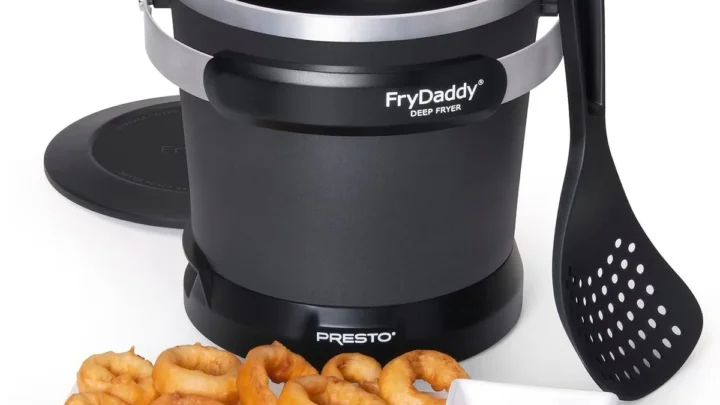
Reddit Review: Presto 05420 FryDaddy Worth Buying?
You have seen the name pop up in Reddit threads and budgetfriendly lists. The question is presto 05420…
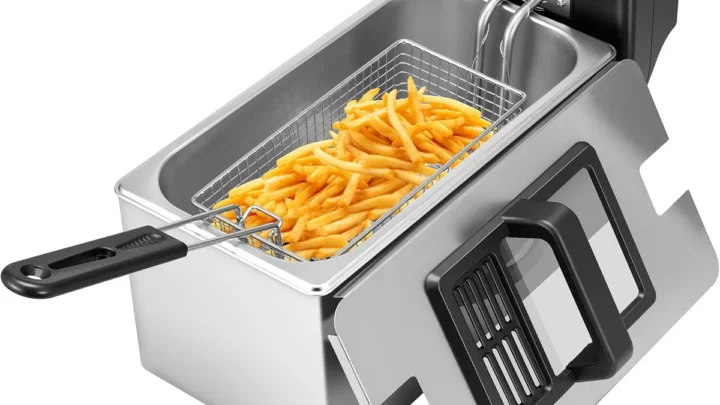
Stop Deep Fryer Smoking & Boiling Over: Fix Now
If you've ever wondered how to fix electric deep fryer oil smoking heavily or boiling over when adding…