How to Fix Peeling Nonstick Coating on Cookie Sheets
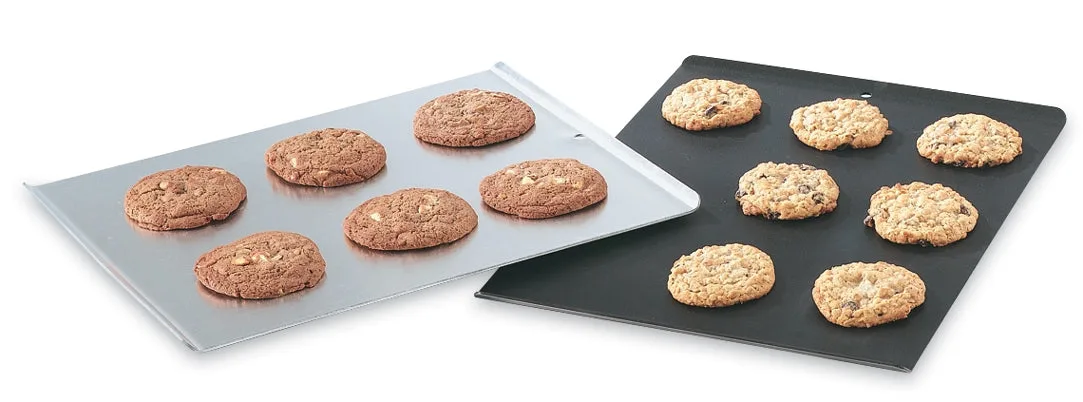
You pull a tray of cookies out of the oven, and the sheet looks like it has blisters. The nonstick coating is bubbling up or peeling off after baking, and now you’re trying to figure out how to fix nonstick baking cookie sheet nonstick coating bubbling up or peeling off after baking without making the problem worse. It’s a common failure, and it can be fixed, replaced, or safely managed.
The right move depends on what your sheet is made of and how far the damage has spread.
As of 2026, PTFE-coated sheets are typically rated for 260°C to 300°C (500°F to 570°F), while ceramic coatings usually max out around 230°C to 260°C. One high-heat bake can push the coating past its limit and cause it to delaminate. Manufacturer specifications from most big names in bakeware confirm that overheating is the number one cause of bubbling.
So before you reach for a scraper, let’s look at what the damage tells you and which repair path actually makes sense.
Image source: Web (Bing) / shop.samtell.com (Web image (fair-use with source credit))
Quick Answer
Bubbling or peeling nonstick coating can't be restored to factory condition. For PTFE sheets with lifting coating, toss the sheet and replace it. For ceramic-coated aluminum, strip loose flakes and sand the surface smooth.
You can keep using the bare metal, or re-season steel like cast iron. The short version: repair the sheet, not the coating.
Why Your Cookie Sheet Coating Bubbles or Peels
The coating doesn’t fail randomly. It happens when heat, moisture, or abrasion breaks the bond between the polymer layer and the metal underneath.
Bubbling is usually a heat or steam issue. When a PTFE (polytetrafluoroethylene) sheet goes past its rated temperature, the polymer begins to soften and release gases. Those gases push up from below, creating blisters.
The same thing can happen when a cold sheet hits a hot oven and trapped moisture vaporizes instantly.
Peeling is different. That’s usually mechanical wear or chemical breakdown. Repeated scrubbing, metal utensils, and dishwasher detergents slowly chip away at the surface.
Once a small nick appears, moisture and oil can creep under the coating and lift larger flakes.
Cooking spray makes both problems worse. The aerosol lecithin in most sprays burns onto the surface at low temperatures, leaving a sticky residue that adheres to the coating. On the next bake, that residue can pull coating off with it.
This is why many nonstick manufacturers explicitly warn against nonstick sprays.
The base metal matters too. Pure aluminum conducts heat well but warps easily. Aluminized steel is sturdier but heavier.
Carbon steel can be re-seasoned after stripping. Knowing which one you have is the difference between a quick repair and a trip to the store.
Per EPA guidance on PFAS, PFOA has been phased out of cookware, but PTFE itself is still common. That means your sheet doesn’t have the old PFOA concerns, but it can still overheat and delaminate. If you’ve ever wondered whether heated nonstick coatings can release fumes in other appliances, our notes on air fryer coating safety cover the same chemistry in a different tool.
The Quick Check: Is This Sheet Repairable or Is It Trash?
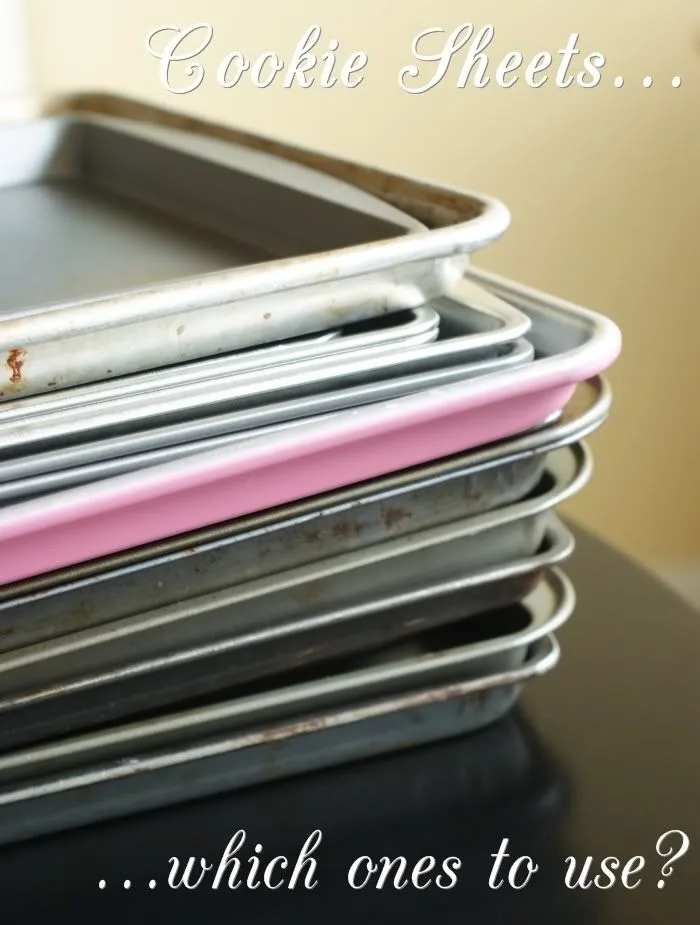
Image source: Bing (Web (fair-use with source credit))
Before you decide, look at the damage in good light. You’re checking three things: the type of coating, the pattern of damage, and the base metal. Use this shortcut table to sort your sheet.
| What You See | Most Likely Cause | Verdict |
|---|---|---|
| Small bubbles scattered across the surface | Overheating or cooking spray residue | Trash it if PTFE; repairable if ceramic |
| Large flakes lifting at the edges | Moisture or oil under the coating | Repairable if the base is bare aluminum or steel |
| Scratches but no lifting | Mechanical wear | Safe to use with parchment; no repair needed |
| Bare metal showing in patches | Coating delamination | Strip or discard, depending on the metal |
If the metal underneath is aluminum, you can keep using it uncoated once you sand it smooth. If it’s PTFE and you can see bubbles lifting the surface, the coating is compromised. A compromised PTFE layer can overheat and release fumes, so replacement is the safer call.
One more thing to check: warping. Set the sheet on a flat counter and press a corner. If it rocks, the metal has already bent from thermal shock.
A warped sheet bakes unevenly, even after you fix the coating, and it won’t sit flush on oven racks. In that case, repurpose the sheet for a drip pan or scrap bin.
The Full Decision Tree: Fix It, Repurpose It, or Toss It
Here’s the simple version. Ask yourself two questions. What is the coating?
How far has it failed?
Branch 1: PTFE / Teflon coating
If you see bubbles or lifting, do not try to repair it. PTFE can release fumes above 260°C (500°F). Sanding it can release particles into your kitchen air.
Replace it instead. If the sheet is still flat, repurpose it in the garage as a parts tray or paint palette.
Branch 2: Ceramic coating
Ceramic doesn’t produce toxic fumes when it overheats. It just fails. If the peeling is in small patches and the base is aluminum, you can strip the loose coating, sand it smooth, and continue baking without nonstick.
If the whole surface is crazed and flaking, replacement is the better path.
Branch 3: Bare metal or already stripped sheet
If you’re down to bare aluminum, steel, or carbon steel, you actually have a great baking sheet. Use parchment or silicone mats to keep food from sticking. For steel and carbon steel, you can even re-season the surface like cast iron, which gives you a natural nonstick layer.
| Situation | Do This |
|---|---|
| PTFE with bubbles | Toss it or repurpose it |
| Ceramic with small flakes | Strip, sand, reuse |
| Ceramic fully crazed or peeling everywhere | Replace it |
| Bare metal already | Keep it, season it if steel, and use parchment |
How to Safely Strip Damaged Nonstick Coating (If You Choose to Fix It)
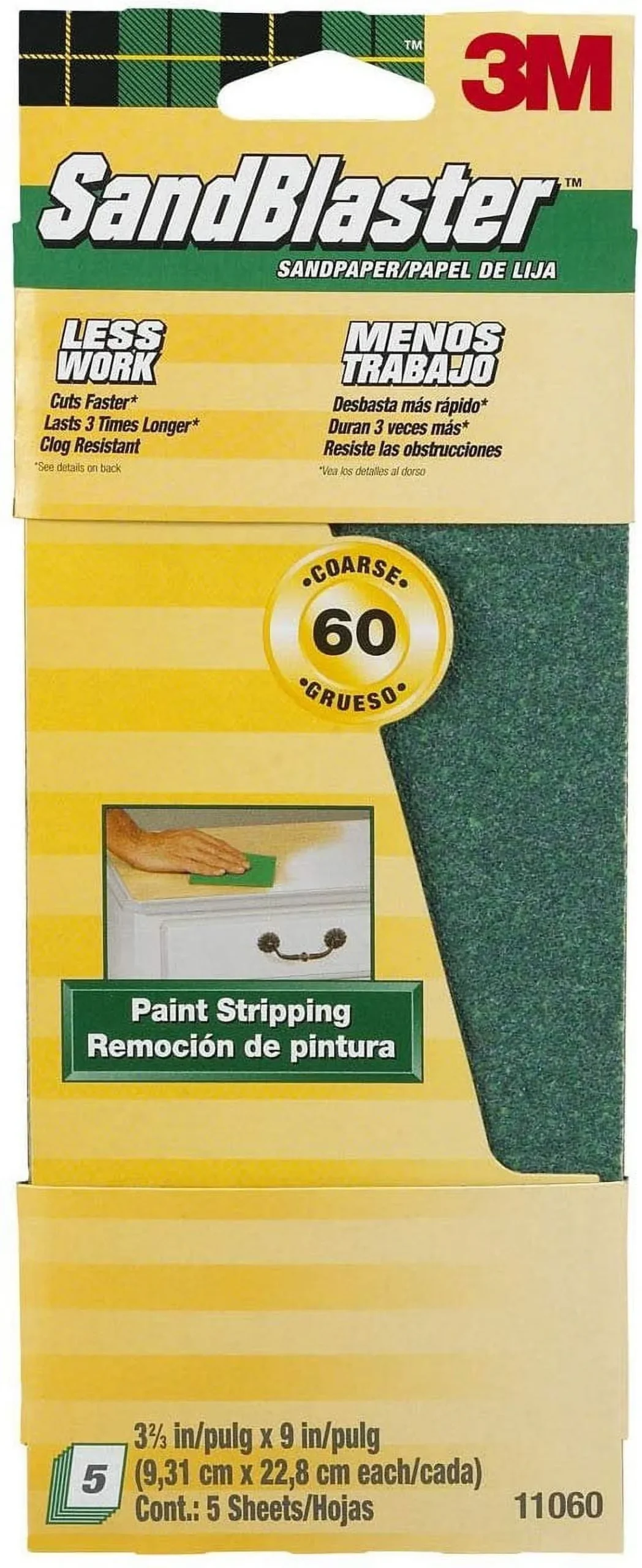
Image source: Bing (Web (fair-use with source credit))
Stripping ceramic coating is a straightforward DIY job. Stripping PTFE is not a job for a home kitchen. If your sheet is PTFE and peeling, skip this section and replace the sheet.
Tools and Supplies
| Item | Why |
|---|---|
| Dish soap and warm water | Clean off grease before sanding |
| 120-grit sandpaper | Knock down loose flakes |
| 220-grit sandpaper | Smooth the surface |
| N95 respirator or mask | Avoid breathing coating dust |
| Paper towels | Wipe down the metal after sanding |
Step by Step
- Wash the sheet with warm soapy water. Dry it completely.
- Use 120-grit sandpaper to remove every loose flake. Work in one direction.
- Switch to 220-grit and sand the whole surface until it feels smooth and even.
- Wipe the sheet down with a damp paper towel to catch the dust.
- Let it air dry. If the base metal is bare steel or carbon steel, season it with a thin layer of neutral oil and bake at 200°C (400°F) for one hour.
- For aluminum, no seasoning is required. Use parchment or a silicone mat for baking.
Important: don’t sand PTFE. It can release fine particles that are easy to breathe. That’s a safety hazard, not a repair.
If you want to salvage a PTFE sheet, repurpose it for non-food tasks.
For aluminum sheets, this process works best when the flakes are already lifting. If the coating is still firmly bonded, sanding it off is a dusty, slow fight. You’re better off replacing that sheet.
And if you’ve been making cookies or roasted vegetables, remember that the stripped sheet is now perfect for recipes that call for parchment, especially when you’re adapting air fryer recipes to a regular oven.
5 Common Mistakes That Make Coating Failure Worse
If you’ve got a partially damaged sheet, it’s easy to make things worse. Avoid these five errors.
Spraying it with cooking spray. The lecithin in aerosol sprays burns onto hot nonstick surfaces and creates a gluey layer. That layer pulls coating off over time. Use butter, oil from a bottle, or parchment instead. The same sticky buildup shows up in air fryers, and a proper cleaning routine for your Ninja air fryer handles it the same way.
Shocking the sheet with cold water. A hot sheet under the tap can warp the metal and lift the coating in wide sheets. Let it cool on a rack first. Even lukewarm water on a hot pan creates thermal stress.
Using metal utensils. Metal scrapers scratch past the coating and expose the base. Once that happens, moisture can get under the polymer. That’s exactly how bubbles start. Use silicone, wood, or plastic tools.
Stacking sheets without protection. The bottom of one sheet grinds against the coating of the one below it. Put a paper towel or silicone mat between each sheet. It takes two seconds and prevents micro-scratches.
Ignoring a small nick. Small scratches grow into bigger flakes. If you notice a chip, start using parchment on that sheet right away. Or repurpose it for non-baking jobs before the damage spreads.
Is a Peeling or Bubbling Sheet Safe to Use? What the Research Says
A bubbling PTFE sheet isn't safe to keep baking with. Ceramic is another story entirely. Here's why the coating type matters so much.
PTFE (polytetrafluoroethylene) breaks down above 260°C (500°F). When it does, it releases fine polymer particles and fumes. Inhaling those fumes can cause polymer fume fever, a temporary but nasty flu-like condition.
You won't end up in the hospital from one incident. But the risk isn't worth a tray of cookies.
Modern nonstick coatings are PFOA-free, so they don't contain the old cancer-linked chemical. That makes the flakes themselves far less alarming if you accidentally eat one. The bigger concern with PTFE is the gas, not the solid.
Gas only appears when the sheet gets extremely hot.
Ceramic coating is mostly silicon dioxide, the same compound as sand and glass. It doesn't release dangerous fumes regardless of temperature. The flakes are inert, though rough, and they can be a choking hazard in food.
In our research, most ceramic failures at normal baking temperatures are cosmetically ugly but not dangerous.
What about the bare aluminum underneath? The FDA considers aluminum cookware safe for food contact. Baking cookies on exposed aluminum is fine, especially if you line the sheet with parchment.
If you strip a ceramic sheet, the metal that remains is perfectly usable.
The FDA still lists PTFE as food-contact safe when used as intended. That's the catch. "As intended" means below the rated temperature.
That same polymer chemistry is why we get questions about Cuisinart air fryer concerns too, and the answer follows the same temperature rules.
So here's your safety rule of thumb. If your sheet is PTFE and the coating is visibly bubbling, stop using it. If it's ceramic, the coating may look terrible, but you can decide based on looks rather than fear.
How to Make Your Next Nonstick Sheet Last Years
Prevention beats any repair. If your next sheet is PTFE, stay below 230°C (450°F) for regular baking. That gives you a safety margin even when your oven runs hot.
Oven calibration is a hidden culprit. Most home ovens drift, and some run 15°C to 28°C (25°F to 50°F) hotter than the dial says. An inexpensive oven thermometer shows you the real temperature.
We've seen sheets die in a single over-temp batch of thin-crust pizza.
The second biggest killer is aerosol cooking spray. The lecithin in spray burns onto the surface at low temperatures, creating a sticky layer that pulls coating off over time. Use butter, oil from a bottle, or parchment paper.
Manufacturers print this warning on their care guides for a reason.
Thermal shock also damages nonstick sheets. A hot sheet dropped into cold water can warp the metal and crack the coating. Let the sheet cool on a rack, then hand wash with a soft sponge.
Dishwashers are the third killer, since the detergent and hot jets chip away at the polymer.
Store sheets flat with a paper towel between them. That prevents the bottom of one sheet from grinding against the coating of another. Metal utensils are fine on bare metal but deadly on nonstick, so keep silicone, wood, or plastic tools in the drawer.
The same gentle cleaning approach applies to countertop appliances, and our routine for keeping air fryers clean is the one we'd copy here.
Here's what to expect. PTFE sheets last two to five years with normal home use. Ceramic sheets last one to three years.
Daily bakers will fall on the short end of both ranges.
| Coating Type | Typical Lifespan | Max Safe Temp | Care Level |
|---|---|---|---|
| PTFE (Teflon) | 2 to 5 years | 260°C (500°F) | Gentle, no aerosol spray |
| Ceramic | 1 to 3 years | 260°C (500°F) | Gentle, may stain |
If you want a sheet that never bubbles or peels, skip coated bakeware entirely. A bare aluminized steel sheet, used with parchment, outlasts any nonstick coating. It's the same reason pro bakers stick to plain metal.
Frequently Asked Questions
Can I still use a cookie sheet with peeling nonstick coating?
If it's PTFE and you see bubbles or peeling, no. The coating is failing and can release fumes if overheated. If it's ceramic, you can strip the loose flakes, sand it smooth, and keep baking on the bare metal.
Use parchment to keep food from sticking.
Is peeling nonstick coating toxic?
Modern nonstick coatings are PFOA-free, so the flakes themselves aren't a poison risk. PTFE is inert and passes through the body if swallowed. The only real health concern is inhaling fumes from an overheated PTFE sheet, so stop using any sheet with visible bubbling.
What oven temperature causes nonstick coating to bubble?
PTFE starts to break down above 260°C (500°F). Ceramic is more forgiving, but it can craze and chip from thermal shock or from coating defects. If your oven runs hot, a 230°C setting can actually mean 260°C inside.
That's enough to trigger the first blisters.
Can I sand off the nonstick coating and keep the sheet?
Only if it's ceramic on aluminum or steel. Sanding releases dust, so wear a mask. Never sand PTFE, because the particles can be easily inhaled.
For a ceramic sheet, remove the loose flakes, sand with 120 grit, then polish with 220 grit.
How long should a nonstick cookie sheet last?
PTFE sheets typically last two to five years with normal home use. Ceramic sheets last one to three years. Heavy use, oven temperature spikes, dishwasher cycles, and aerosol spray all shorten that significantly.
If your sheet doesn't survive its first year, cooking spray is likely the culprit.
The Final Verdict: Your Exact Next Move
Here's your decision in plain language. Walk to your kitchen, flip the sheet over, and read the base. Most manufacturers stamp the metal type and coating on the bottom.
If the bottom says "Teflon" or "PTFE" and you see bubbles, the sheet is done. Cut your losses and replace it. If the bottom says "ceramic" and the damage is patchy, strip and sand it.
If the whole surface looks crazed like a cracked eggshell, recycle it or repurpose it for crafts.
The simplest long-term fix is to stop buying coated sheets. A bare aluminum or aluminized steel sheet is cheaper, can't delaminate, and lasts decades. Bake with parchment or a silicone mat, and you get the same nonstick result without the short lifespan or the health questions.
| Your Sheet's Condition | Your Move |
|---|---|
| PTFE with bubbles | Replace or repurpose |
| Ceramic with small flakes | Strip, sand, keep using |
| Ceramic with large flakes | Replace or repurpose |
| Bare metal | Use it, season if steel |
Act today if the sheet is PTFE. Keep it out of the kitchen drawer, because someone will bake on it again. If you're not sure about the coating type, do a scratch test on the edge.
If the flake feels like thin plastic, it's PTFE. If it crumbles into powder, it's ceramic.
In either case, the next sheet you buy is an opportunity. Choose uncoated metal, protect it with parchment, and you'll never need to search for a coating repair fix again.

Related posts
Fix Steam Burns from Heavy Cast Iron Combo Cooker Lids
If you've ever lifted the lid on a double dutch oven combo cooker and watched steam roll toward…
Storing Hot Cast Iron in a Humid Oven: Is It Safe?
Can you put leaving hot cast iron in humid unventilated oven in a double dutch oven combo cooker…
Perfect Sourdough: Dutch Oven Temp & Time
If you're staring at a proofed, highhydration boule and wondering when to slide it into a screaminghot combo…