How to Clean Melted Plastic Off a Teflon Sealing Strip
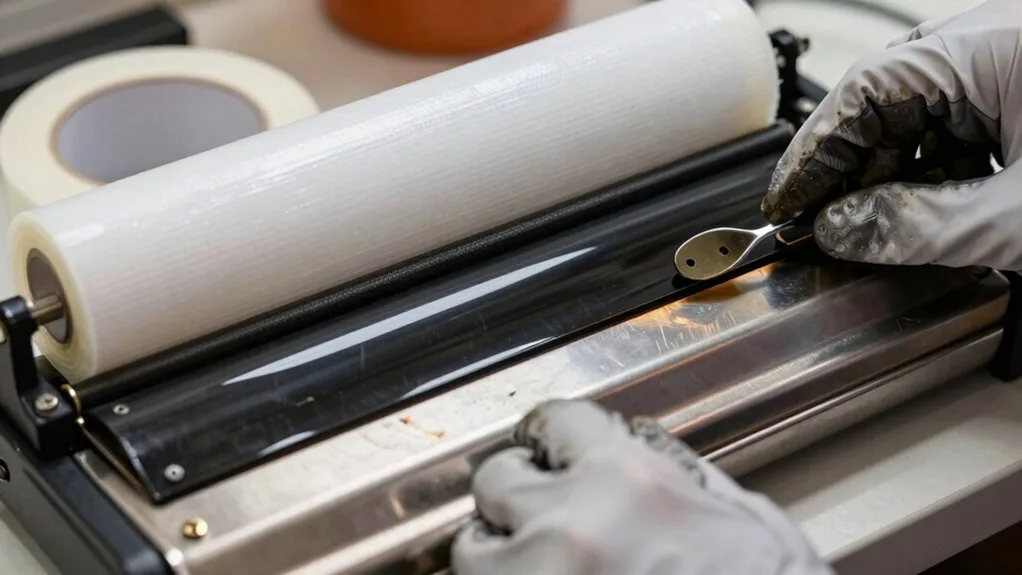
Melting plastic onto a Teflon sealing strip is one of the most frustrating problems a vacuum sealer owner can face. If you're wondering how to clean double heat seal vacuum sealer and remove melted plastic residue stuck on teflon sealing strip, the right fix depends on how fresh the burn is. Most people grab a razor blade and make the damage far worse.
PTFE (polytetrafluoroethylene) is the same non-stick coating used on premium cookware, and it tolerates continuous heat up to 260°C (500°F). That resilience is exactly why you should never crank the sealer to "burn off" residue. It can warp the heating wire and permanently ruin the seal bar.
Manufacturer service guides for popular double heat seal machines recommend gentle scraping with a wooden tool plus isopropyl alcohol, and this workflow gives you the exact sequence for your situation.
Quick Answer
To remove melted plastic from a double heat seal vacuum sealer, unplug it first. Let it cool for 10 minutes, then soften the residue with a hair dryer. Scrape gently with a wooden scraper and wipe with isopropyl alcohol.
Replace the Teflon strip if it tears.
Image source: Web (Bing) / kitchenhyper.com (Web image (fair-use with source credit))
Why Melted Plastic on the Teflon Sealing Strip Ruins Your Seals
If you've ever opened a double heat seal vacuum sealer, you already know the layout. Two parallel heating wires run along the lid. Each wire is wrapped in Teflon tape, which is actually a woven fiberglass ribbon coated with PTFE.
That tape presses the bag film against the seal bar and spreads heat evenly across the width of the seal.
Melted plastic breaks that system in three ways.
First, the residue creates lumps. Those lumps push the bag away from the heating wire, so heat transfers unevenly. The result is a seal that looks solid but peels apart under tension a few hours later.
Second, the plastic blob acts as a heat sink. It absorbs energy that should go into welding the fresh bag layers together. Even if a seal forms, it ends up weaker near the residue.
Third, the contaminated strip touches every new bag you seal. Burnt film sticks to fresh material, drags it out of alignment, and leaves tiny channels that let air leak back in slowly.
PTFE itself is approved for food-contact surfaces, and normal sealing temperatures stay well within its safe range. But once melted bag film bonds to the tape, the non-stick top coat can be damaged underneath. That top coat is what allows the strip to release cleanly after every cycle.
| Factor | Clean strip | Melted residue |
|---|---|---|
| Heat transfer | Even and consistent | Blocked by lumps |
| Seal strength | Full bond across the width | Weak points that peel later |
| Bag contact | Smooth and aligned | Drags and wrinkles film |
A dirty Teflon strip does not just look bad. It turns a reliable machine into one that produces bags you cannot trust. In our research, most owners only notice the problem after meat juice ends up in the freezer drawer.
By then, half a dozen bags are already compromised.
The good news is that the fix is usually quick. The workflow below walks through cleaning and replacement step by step.
The Key Question: Damaged Strip or Just Contaminated?
Before you clean anything, you need to decide which of two situations you're in. That single decision shapes everything else you do.
Branch one: the strip is intact but dirty. The PTFE surface feels smooth and continuous under your fingertip, and the residue sits on top of it. You can clean it safely.
Branch two: the strip is torn, lifting, bubbling, or missing chunks. The heating wire may show through. You should replace the strip, not clean it.
To inspect, unplug the machine and wait 15 minutes. Open the lid and look at the sealing area with a bright flashlight. Run a fingertip gently along the tape in both directions.
You're feeling for raised edges, blisters, or bare patches.
Then verify the wire beneath. A kinked, rusted, or broken heating wire means a new strip will not help. You need a wire assembly replacement or professional service.
Use the flashlight to check the corners where the wire bends around its terminal posts.
| If you see… | Then… |
|---|---|
| Smooth PTFE with surface residue | Clean it using Route One or Two |
| Bubbling or lifted tape edges | Replace the Teflon strip |
| Torn tape exposing the heating wire | Replace the strip, then inspect the wire |
| Kinked or broken heating wire | Stop and service the machine |
Most household units fall into branch one. Melted plastic sits on top of the tape, and it usually lifts off without harming the PTFE. But the moment you feel like you need to scrape hard enough to gouge the surface, you're heading toward branch two.
Sharp tools do more damage than burnt film ever will.
One more check matters. Look at the opposite seal bar where the heating wire presses down. If plastic is welded to the silicone pad or the lower jaw, remove that crust too using the same gentle methods.
Residue on both sides guarantees a bad seal no matter how clean the Teflon strip is.
Cleaning Route One: Softening and Wiping Off Fresh Residue
Best for: soft plastic smears that have not been repeatedly reheated. This is the route to use within an hour of the accident, once the unit has cooled enough to touch.
What You'll Need
- Soft cotton cloth or paper towel
- Isopropyl alcohol, 70 percent or higher
- Cotton swabs
- Hair dryer
The Steps
- Unplug the sealer and wait 10 to 15 minutes.
- Wipe the residue with a dry cloth.
- Dampen a cotton swab with isopropyl alcohol.
- Work it around the edges of the residue.
- Roll the plastic off rather than rubbing it in.
- Wipe the strip with a water-dampened cloth and let it air-dry.
Here's what each step does. The residual warmth keeps the plastic slightly pliable, which makes it release from the PTFE surface almost on its own. If the machine has cooled completely, a hair dryer on medium heat for 30 seconds does the same job.
When the alcohol softens the edge of the blob, lift it in one piece instead of smearing it across the fiberglass weave. A cotton swab rolls the film off beautifully. Rubbing with a cloth presses the melted plastic deeper into the tape.
That is why so many people turn a small mess into a permanent stain.
When This Route Fails
If the plastic does not budge after 10 minutes of gentle work, stop. You're either not being aggressive enough, or you're dealing with a baked-on crust. Move to Route Two.
Keep the heat gun away from this job. Its concentrated blast can exceed 300°C and push the PTFE top coat past its limits. The coating turns sticky and brown within seconds.
That kind of damage is permanent and leads straight to a strip replacement.
Cleaning Route Two: Gentle Scraping for Baked-On Crust
Best for: hard, dark, caked-on plastic that ignores alcohol and refuses to lift with a cloth. This is the route that rescues most neglected sealers, but it demands the right tool.
The Tool That Works
A flat wooden scraper is the safest thing you can put against Teflon tape. Wood is softer than the fiberglass backing, so it removes burnt film without scratching the non-stick top coat. Craft stores sell wooden clay scrapers for a couple of dollars.
A clean wooden popsicle stick or a bamboo skewer laid flat works too.
Plastic tools are acceptable as a backup. An old credit card or a nylon spudger will do the job. Metal tools are never acceptable.
A razor blade, a knife, or a screwdriver will slice right through the tape in one pass. Once the heating wire is exposed, the next sealing cycle can short it against the seal bar.
Steps for Baked-On Crust
- Unplug the machine and let it cool completely.
- Warm the residue with a hair dryer for 30 to 45 seconds.
- Hold the scraper at a shallow angle, about 20 degrees, against the strip.
- Push in short, controlled strokes away from the heating wire.
- Wipe the strip with isopropyl alcohol on a cotton swab.
- Test the seal with a scrap piece of vacuum bag film. Add a little water inside and squeeze. No leaks, no sticking? Done.

Image source: Web (Bing) / daraz.lk (Web image (fair-use with source credit))
| Unsafe tool | Why it's a problem |
|---|---|
| Razor blade | Slices into PTFE tape instantly |
| Steel wool | Strips the non-stick finish |
| Metal scrubber | Same damage as steel wool |
| Screwdriver | Gouges the heating wire beneath |
| Heat gun | Melts the PTFE coating |
Take your time. A baked-on spot takes 5 to 10 minutes to remove. Rushing usually means pressing harder, and pressing harder means a split strip.
That repair bill is avoidable, along with the frustration of destroying the one part you were trying to save.
When to Stop Cleaning and Just Replace the Teflon Strip
Sometimes cleaning is the wrong move. Most owners assume a dirty strip can always be saved. It cannot, and knowing the limit saves you time and money.
Signs the Strip Is Done
- The tape is torn or split.
- The surface has blisters or bubbles you can feel.
- The PTFE has turned brown, black, or shiny in patches.
- Residue keeps sticking in the same spot after cleaning.
- You can see the heating wire through the tape.
A damaged strip has lost its non-stick properties. Even if it looks perfectly clean, it will still grab the next bag and start the cycle over. Worse, a torn strip leaves the heating wire exposed to melting plastic.
That can burn and short the wire, which costs far more to fix than a roll of tape.
| Option | Cost | Time | Outcome |
|---|---|---|---|
| Cleaning supplies | $5 to $10 | 10 to 20 minutes | Works for fresh residue |
| Replacement Teflon tape | $8 to $18 | 5 to 10 minutes | Restores original performance |
| Professional repair | $50 to $100 | Several days | Needed only for wire damage |
As of 2026, replacement strips still cost between $8 and $18. Check your machine manual for the exact width. Common sizes are 8mm, 10mm, and 12mm.
The wrong width leaves gaps at the edges, which lets film melt directly onto the heating wire.
When Replacement Wins
Buy the tape before you scrape yourself into a deeper problem. If the strip is intact, cleaning with wood and alcohol is the right call. If the strip is torn, bubbled, or charred, replacement is the honest and cheap fix.
The procedure itself takes about 10 minutes and covers everything you need to know.
How to Replace the Teflon Strip on a Double Heat Seal Machine
Replacing a worn Teflon strip takes about 10 minutes and requires almost nothing special. You need the correct replacement tape, a clean dry cloth, and a pair of scissors.
What You Need: Tape Width, Thickness, and Tools
Manufacturer specifications indicate that most household double heat seal machines use 8mm, 10mm, or 12mm tape. Check your manual or measure the old strip with a ruler before ordering. Thickness matters too, with 0.08mm to 0.13mm being the common range.
Thicker tape lasts longer but transfers slightly less heat. Stick to the spec for your model.
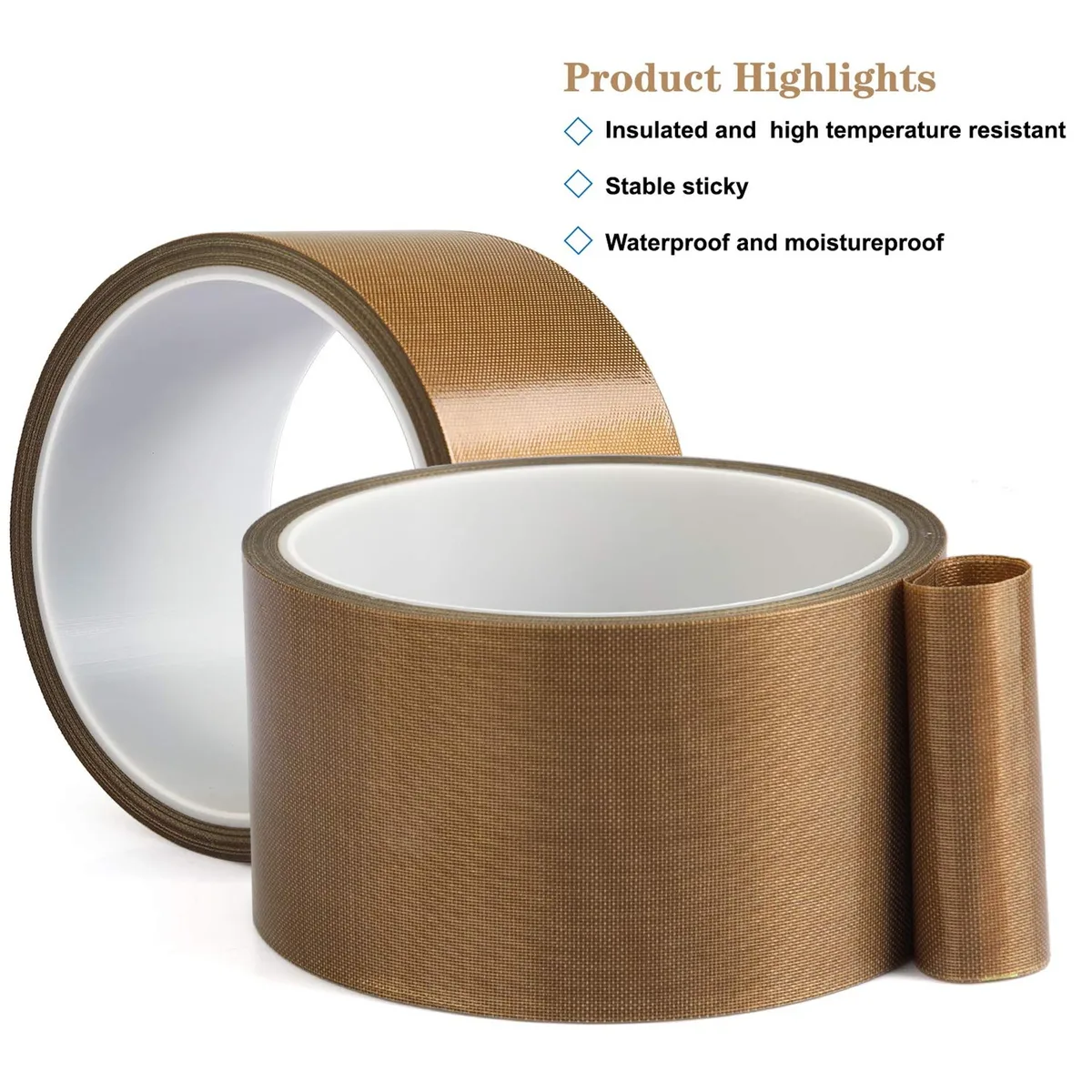
Image source: Web (Bing) / bargainfox.com (Web image (fair-use with source credit))
Replacement tape usually arrives in rolls with adhesive backing. Some brands sell pre-cut strips for specific models. Both work, but pre-cut strips remove the guesswork if you are unsure about measurements.
Step-by-Step: Removing Old Tape Without Damaging the Heating Wire
- Unplug the machine and let it cool for 15 minutes.
- Open the lid and locate both ends of the tape.
- Lift one corner with a fingernail or plastic spudger.
- Peel slowly, parallel to the wire, never upward at an angle.
- Wipe any leftover adhesive off the heating bar with isopropyl alcohol.
Peeling straight along the wire matters more than it sounds. Pulling upward tugs the heating wire and can bend it where it loops around the terminal posts. A bent wire creates a hot spot that burns bags later.
Inspect the exposed wire before taping. Look for kinks, dark burn marks, or rust. If you see any, stop and order a replacement wire assembly instead of proceeding.
Step-by-Step: Applying the New Strip and Testing the Seal
Cut the tape about 1 inch longer than the seal bar. Peel two inches of backing off one end. Lay the strip down starting at one terminal post, pressing it flat along the wire toward the other end.
Then peel the rest of the backing as you go, keeping slight tension to avoid wrinkles. Trim the excess at both ends with scissors.
Run a fingertip over the entire strip to confirm it sits flat with no bubbles. Close the lid and run an empty cycle at normal food settings. Then seal a scrap bag with a little water inside and squeeze to test for leaks.
The test matters because a misaligned strip can angle the heat path off center. If the bag seals crooked, redo the tape and adjust during application.
Common Mistakes That Destroy the Seal Bar (and How to Avoid Them)
Most seal bar failures trace back to five avoidable errors. Knowing them saves you from costly repairs.
Using metal scrapers. A razor blade or screwdriver cuts through Teflon tape in a single pass. The exposed heating wire then melts bags during every future cycle. Wood, plastic, or your fingernail are the only safe tools.
Turning the heat up to burn residue off. Crank the seal time to maximum and the plastic melts deeper into the fiberglass weave. The PTFE coating itself starts breaking down around 327°C. You are baking the mess in, not cleaning it out.
Letting food residue accumulate. Drippings on the lid dry into a hard crust across the sealing surface. That crust creates erratic contact and uneven heat distribution. At risk: the seal bar, the wire, and every bag you seal afterward.
Peeling tape upward at the corners. Lifting at an angle bends the heating wire where it connects to its terminals. Once the wire kinks, the whole assembly needs replacing.
Ignoring a charred strip. Brown or black PTFE has lost its non-stick properties. That strip will keep grabbing film even after you clean the residue off it. The only fix is replacement, and a fresh strip costs under $20 in most cases.
For context, an exposed heating wire can short against the seal bar and require far more expensive service.
Keeping the Strip Clean: Daily Habits and Monthly Maintenance
Consistency beats harsh cleaning every time. A 10-second wipe-down after each session prevents nearly all melted plastic issues.
The Quick Routine That Works
Let the sealer cool until the lid is warm but safe to touch. Dampen a soft cloth with plain water and wipe the Teflon strip front to back. If you see any film residue, clean it immediately with a cotton swab and isopropyl alcohol while it is still soft.
Weekly Maintenance
Once a week, inspect the strip with a bright light. Run your fingertip along its full length to catch blisters and tears early. Check the silicone pad on the lower jaw too, since melted plastic often transfers there.
Adjusting Heat Settings
Aggregate user reviews suggest many melt-on incidents come from mismatched settings. Thicker vacuum bags need slightly longer seal times. Thin bags need less.
Start at the manufacturer's baseline and adjust in small increments. If film consistently sticks, your seal time is too long. Reduce it before blaming the tape.
The Bigger Picture
Keeping the strip clean pairs perfectly with other appliance maintenance habits. The same discipline that keeps a reliable machine running smoothly applies across your countertop: wipe surfaces down after use, inspect heating elements periodically, and address small problems before they snowball.
Frequently Asked Questions
Can I Use a Metal Scraper or Razor Blade on Teflon Tape?
No. Metal cuts through PTFE-coated fiberglass tape almost instantly. One stroke is enough to expose the heating wire, which can short out the next time you seal a bag.
Use a wooden scraper, a plastic spudger, or the edge of a credit card instead. They remove residue without damaging the tape.
Will Burning Off the Plastic With High Heat Ruin the Seal Bar?
Yes. Crank the seal time and you bake the residue deeper into the fiberglass weave. The PTFE coating also breaks down near 327°C and turns brown, losing its non-stick properties.
Once that happens, the strip must be replaced. The heating wire can also warp from the extended heat, which costs more to fix.
Is It Safe to Use Denatured Alcohol or Acetone?
Isopropyl alcohol at 70 percent or higher is the safe choice. Denatured alcohol and acetone are aggressive solvents that can degrade adhesives and some plastics in the machine. They also dry out the PTFE coating.
Stick with isopropyl alcohol applied to a cotton swab, and keep the machine unplugged while cleaning.
How Often Should I Replace My Teflon Sealing Strip?
Replace it when you see tears, blisters, or charred patches. With regular home use, most strips last months to years. Heavy commercial use shortens that to every few months.
If residue keeps sticking in the same spot after cleaning, the non-stick coating is gone and the tape needs changing.
What If the Seal Wire Itself Is Kinked or Broken?
Stop using the machine immediately. A kinked wire creates hot spots that burn uneven holes in bags. A broken wire needs a replacement heating wire assembly or professional service.
Installing one normally costs $50 to $100. It is not a DIY job for most users unless you are comfortable with disassembling the lid.
Final Decision Guide: Clean It, Scrape It, or Replace It?
Here is everything condensed into three straightforward branches.
Branch 1: Soft Residue, Intact Strip
Wipe with isopropyl alcohol while the plastic is still pliable. If it refuses to move, use residual warmth or a hair dryer on low. This handles most kitchen accidents within minutes.
Branch 2: Baked-On Residue, Strip Still Smooth
Use the wooden scraper method at a shallow 20-degree angle. Apply alcohol, then test with a scrap bag. If the strip surface stayed smooth and the seal holds, you are finished.
Branch 3: Torn Strip, Exposed Wire, or Repeated Failures
Replace the Teflon tape. Measure the width, order the correct size, and follow the peel-and-stick procedure above. Inspect the heating wire before installing the new tape.
If the wire is damaged, call for professional service.
The Bottom Line
Check the strip's condition first, then choose your path. Fresh residue lifts off with alcohol. Baked-on crust needs a gentle scraper and patience.
Torn or charred tape gets replaced, not rescued. That single decision tree handles nearly every melted plastic problem and keeps your double heat seal vacuum sealer running like new.

Related posts
Are FoodSaver Heavy Duty Vacuum Rolls Worth It? Reddit
Alright, let's get into this. We're tackling a question that comes up constantly on Reddit and in kitchen…

Perfect Temp & Time for Vacuum Sealed Baby Back Ribs
You're standing in your kitchen, a slab of baby back ribs in one hand and a roll of…
How to Fix Dehydrator Fan Buzzing: Stainless Tray Noise
Your digital food dehydrator is humming along, loaded with trays of sliced apples or beef jerky, and then…