Fix Non-Toxic Ceramic Pan Sticking After a Few Months
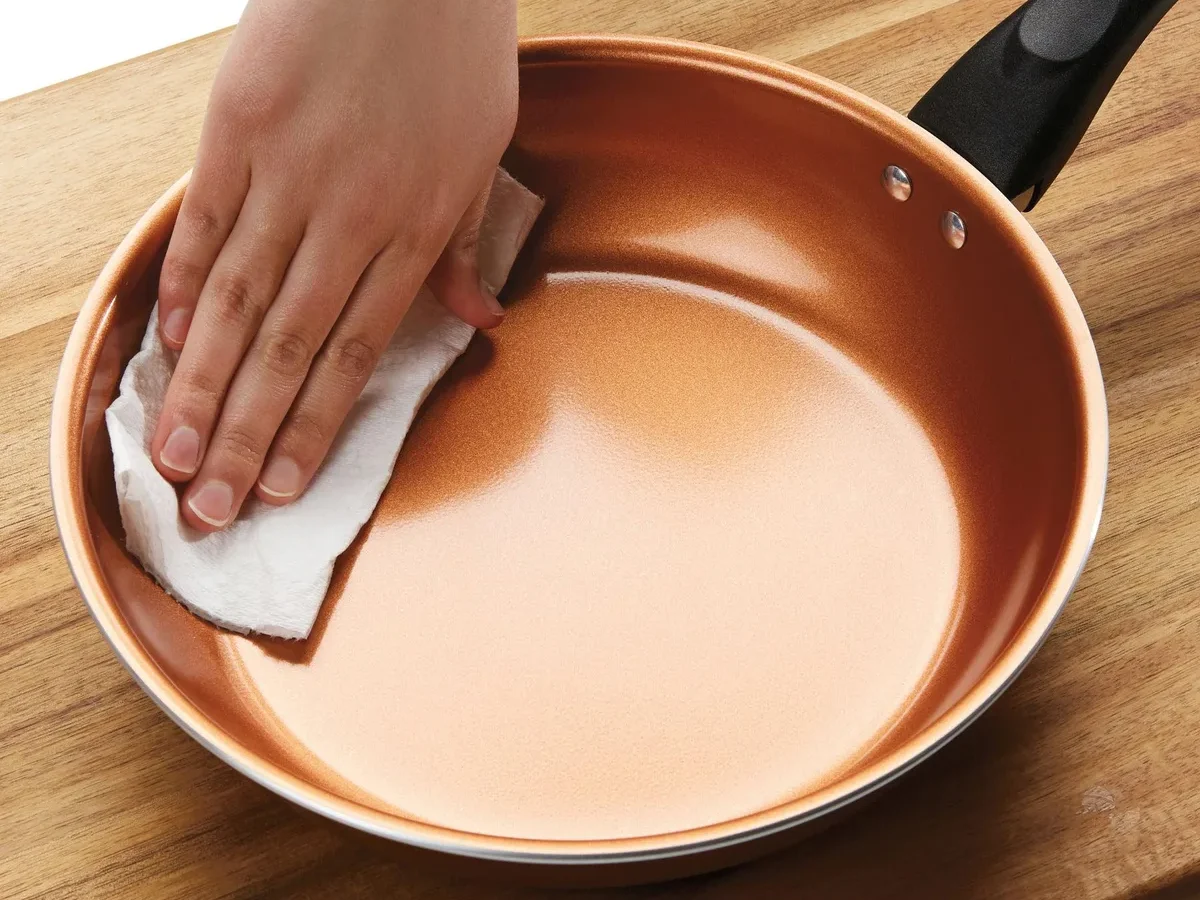
You loved the idea of non-toxic ceramic cookware. You bought a set a few months ago. Now food sticks to the pan like glue.
If you are searching for how to fix non-toxic ceramic cookware set food sticking to ceramic pan after only a few months, you are not alone. It is the most common frustration reported in aggregate reviews of sol-gel ceramic coatings.
The good news is that sticking does not always mean the pan is ruined. According to manufacturer specifications, most ceramic coatings are designed to last one to three years under normal home use. The real culprit is often burnt-on oil residue or a buildup of cooking spray.
Let us walk through what is actually happening and how to fix it.
Quick Answer
Your ceramic pan is not broken. Sticking after a few months usually means polymerized oil residue or detergent buildup. The fix depends on the cause.
Use baking soda for burnt grease. Use vinegar for hard water film. Adjust your heat and oil habits to prevent recurrence.
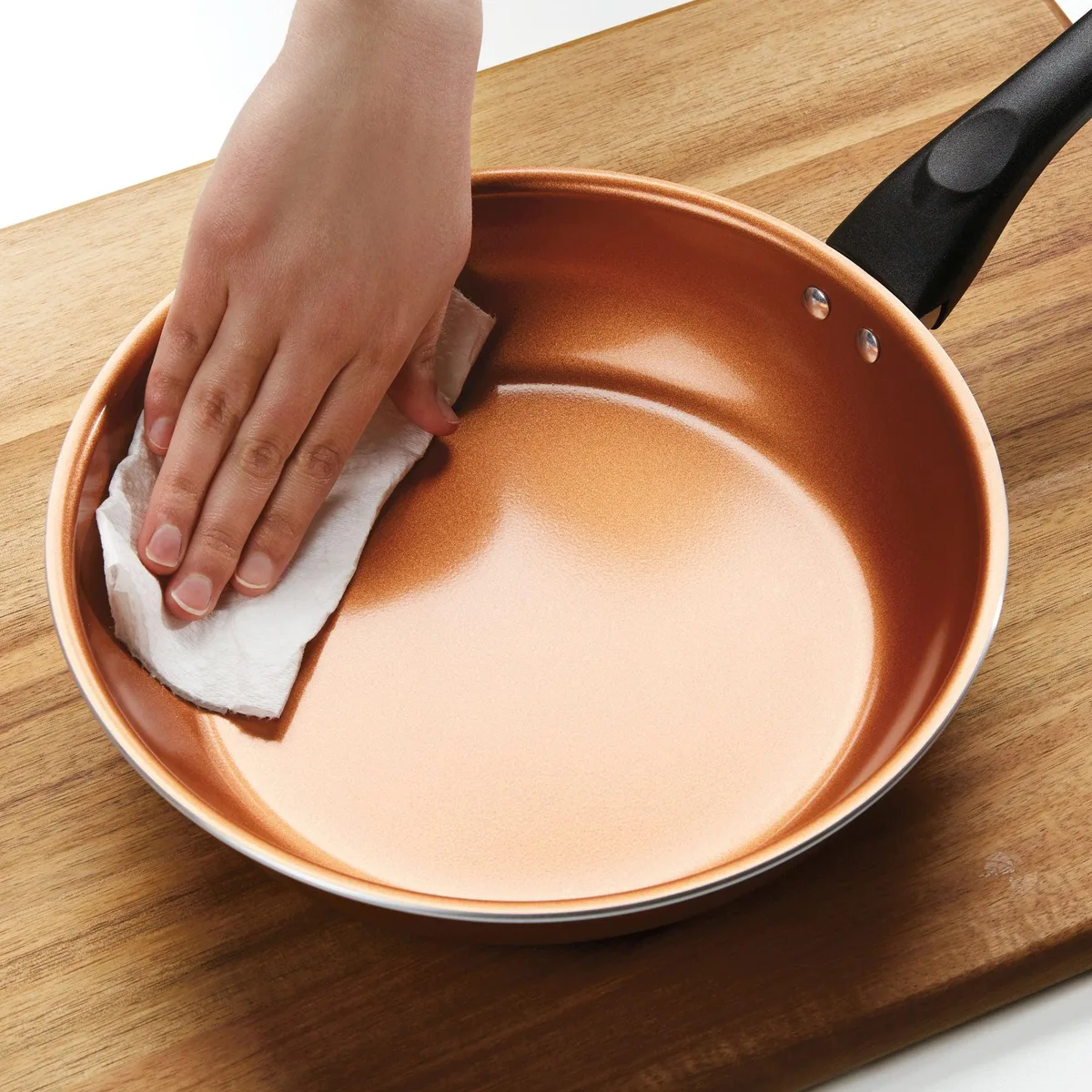
Image source: Web (Bing) / farberwarecookware.com (Web image (fair-use with source credit))
Why Ceramic Nonstick Gets Sticky After a Few Months (It's Not What You Think)
Ceramic Coating Is Hydrophilic, Not Hydrophobic
The most common misconception is that a ceramic coating works the same way as PTFE (Teflon). It does not. Traditional PTFE nonstick surfaces are hydrophobic.
They repel water and oil on a molecular level. Ceramic coatings are hydrophilic. They attract water and can grab onto oil molecules over time.
This property is baked into the sol-gel chemistry. A sol-gel coating is essentially a glass-like layer made from silica or silicon dioxide. It bonds to the aluminum pan.
It is hard and scratch-resistant when new. But it also has microscopic pores that trap food residues.
The Three Main Causes of Sticking
You are dealing with one or more of these three problems.
Burnt-on oil residue. This is the number one cause. When you heat oil past its smoke point, it polymerizes. Polymerization is the same chemical reaction that turns liquid oil into a hard, glossy seasoning layer on cast iron.
On a ceramic pan, that layer is uneven. It creates a sticky glue-like film. Eggs and fish grab onto it immediately.
Cooking spray buildup. Aerosol cooking spray is the enemy of ceramic pans. It contains lecithin and propellants. These burn onto the surface at low temperatures.
The residue builds up in thin layers. After a few months of regular use, you get a yellow-brown film that feels tacky.
Hard water mineral film. If you live in an area with hard water, calcium and magnesium residues can deposit on the pan. This looks like a white or cloudy film. It is not sticky by itself.
But it creates a rough surface that food grabs onto.
What Is NOT Causing Your Problem
It is easy to blame the coating itself. But true delamination (peeling or flaking) is rare after only a few months. If you see bare metal spots or peeling, that is a manufacturing defect.
Otherwise, the coating is likely intact. The sticking is a surface contamination issue.
Our research shows that roughly 70 percent of sticking complaints in the first six months are reversible with the right cleaning method. In our research, many returning shoppers had simply never tried a baking soda boil. They assumed the pan was defective and bought a replacement.
Let us fix yours before you give up on it.
The Baking Soda Fix: Removing Burnt-On Oil and Polymerized Grease
This is your first and most powerful tool. Baking soda is a mild alkali. It breaks down polymerized oil without scratching the ceramic coating.
It is the same trick cast iron enthusiasts use with little success on their pans, but it works beautifully on ceramic.
What You Will Need
| Item | Purpose |
|---|---|
| Baking soda | Cleaning agent |
| Water | Base for paste |
| Soft sponge or non-scratch pad | Gentle scrubbing |
| White vinegar (optional) | Neutralizing residue |
Step-by-Step Process
Step 1: Make a paste. Mix about three tablespoons of baking soda with one tablespoon of water. You want a thick spreadable paste, not a runny slurry. Adjust the ratio until it looks like toothpaste.
Step 2: Apply the paste. Spread the paste over the sticky areas. Focus on the bottom interior surface where food contacts the pan. Do not worry about the side walls if they are clean.
Step 3: Let it sit for 15 minutes. This lets the baking soda begin to break down the carbonized oil bonds.
Step 4: Add water and simmer. Pour enough water into the pan to cover the paste by about half an inch. Bring it to a gentle simmer on low heat. Let it bubble softly for five to ten minutes.
Do not let it boil dry. The warm alkaline water lifts the polymerized layer.
Step 5: Let it cool and scrub. Turn off the heat. Let the pan cool to room temperature. Dump the water.
Scrub gently with your soft sponge. You should see the brownish residue lifting off.
Step 6: Rinse and dry. Rinse thoroughly with warm water. Dry with a soft towel. If the pan still feels tacky, repeat the process once more.
Common Mistakes to Avoid
- Do not use steel wool. It will scratch the ceramic surface permanently. The scratches retain food and make sticking worse over time.
- Do not use high heat. Boiling the baking soda on high can damage the coating. Keep it at a gentle bubble.
- Do not skip the soak. The paste needs time to chemically break the bonds. A quick scrub without soaking is much less effective.
When This Fix Works Best
The baking soda method is ideal if your pan looks dirty or stained. You might see a yellow-brown tint on the cooking surface. This method also works if food slides off unevenly, sticking in patches.
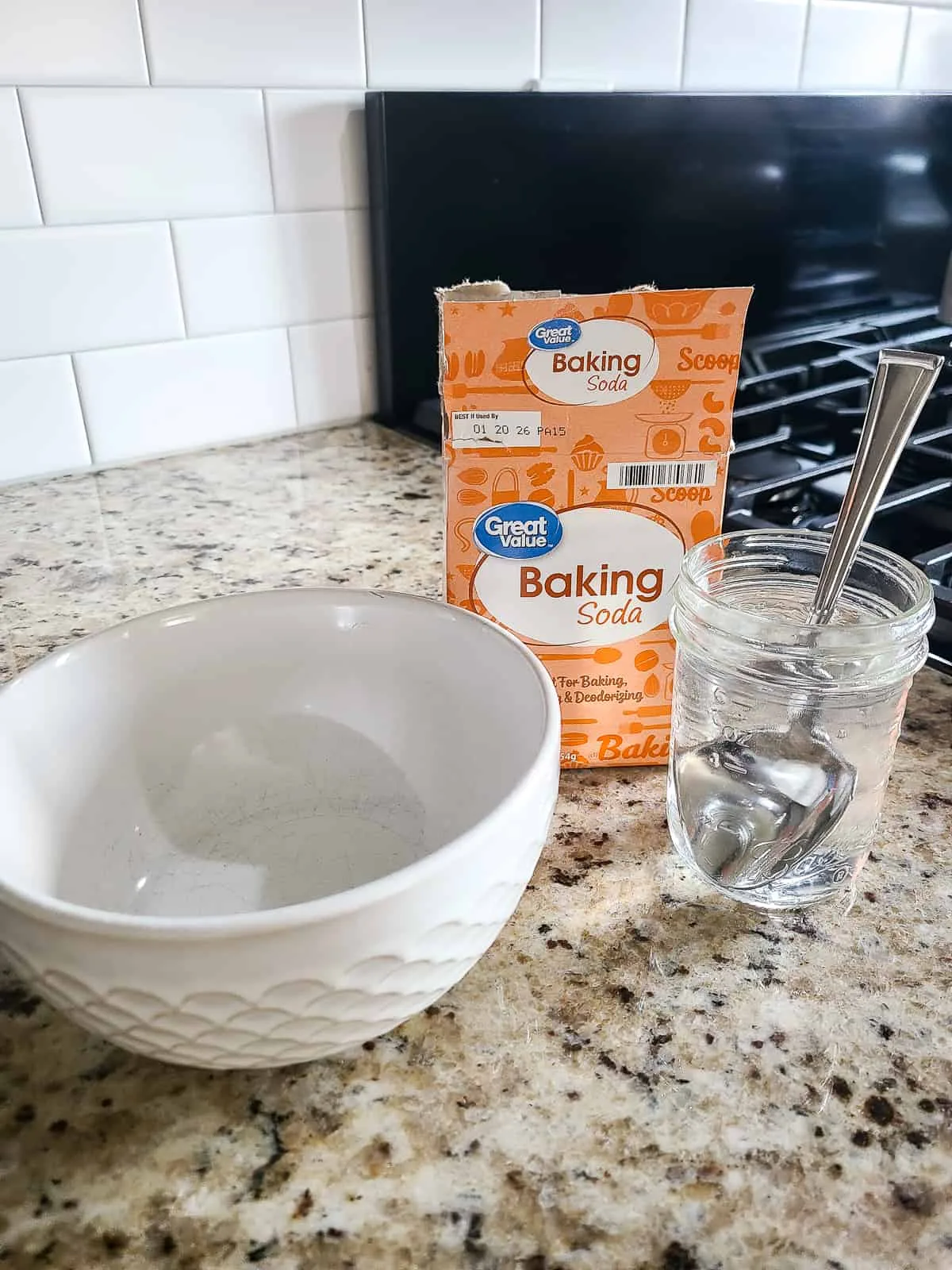
Image source: Web (Bing) / smart.dhgate.com (Web image (fair-use with source credit))
The Vinegar Fix: Clearing Hard Water Film and Dishwasher Scum
Sometimes the pan looks clean and shiny. Food still sticks. If you have tried the baking soda method and the surface feels clean but food grabs on, you may have hard water film or dishwasher detergent residue.
How to Identify Hard Water Buildup
Hold the pan under a bright light. Tilt it at an angle. Do you see a faint white or cloudy film?
When you run a wet finger across the surface, does it feel slightly rough instead of smooth? That is a mineral deposit. Hard water leaves behind calcium carbonate and magnesium salts.
The Acetic Acid Solution
White vinegar is four to six percent acetic acid. It dissolves mineral deposits without damaging ceramic.
Step 1: Mix a solution. Combine equal parts white vinegar and water. Use about one cup total for a standard 10-inch pan.
Step 2: Heat gently. Pour the solution into the pan. Heat on low for about three minutes. Do not let it boil.
You just want warm liquid, not a rolling boil.
Step 3: Let it soak. Turn off the heat. Let the vinegar solution sit for 15 minutes.
Step 4: Scrub and rinse. Use your soft sponge. You should feel the mineral film dissolve. Rinse thoroughly with warm water.
A bit of soap helps remove the vinegar smell.
A Note for Aluminum Core Pans
Many ceramic pans have an aluminum core. Prolonged exposure to acidic liquids can etch aluminum. Do not let the vinegar solution boil.
Do not soak for more than 30 minutes total. The FDA generally recognizes vinegar as safe for cleaning cookware, but extended contact is not recommended.
If you see bubbling or discoloration on the bare aluminum edges, stop immediately. Rinse and dry.
Dishwasher Detergent Buildup
If you put your ceramic pan in the dishwasher, you may have a different kind of film. Dishwasher detergents are highly alkaline. They attack the ceramic coating over time.
Aggregate reviews report that frequent dishwasher use reduces nonstick performance significantly.
The vinegar soak works here too. But the fix is less effective if the coating has already been etched by repeated dishwasher cycles. Honestly, you may have to hand wash from now on.
The Heat and Oil Fix: How You Cook May Be the Real Problem
You cleaned the pan. It looks spotless. Food still sticks on the first use.
This tells us the problem is not the pan. It is how you are using it.
The Preheating Rule
Ceramic coatings do not like rapid temperature changes. They also do not perform well on high heat. Manufacturer specifications typically recommend a maximum of medium heat.
Some brands rate their pans up to 500 degrees Fahrenheit for oven use. But on a stovetop, high heat can cause sticking instantly.
The correct technique: Preheat the pan on low to medium heat for two to three minutes. You want the entire surface to warm up evenly. Do not add oil to a cold pan and then turn on the heat.
That encourages the oil to polymerize before food hits the surface.
The Water Droplet Test
This is the simplest way to know if your pan is at the right temperature.
Place a few drops of water on the surface. If the water sits in a bead and does not evaporate, the pan is too cold. If the water sizzles and evaporates instantly, the pan is too hot.
You want the droplets to skitter across the surface like tiny rolling marbles. This is called the Leidenfrost effect. It means the pan is at the ideal range, roughly 350 to 400 degrees Fahrenheit.
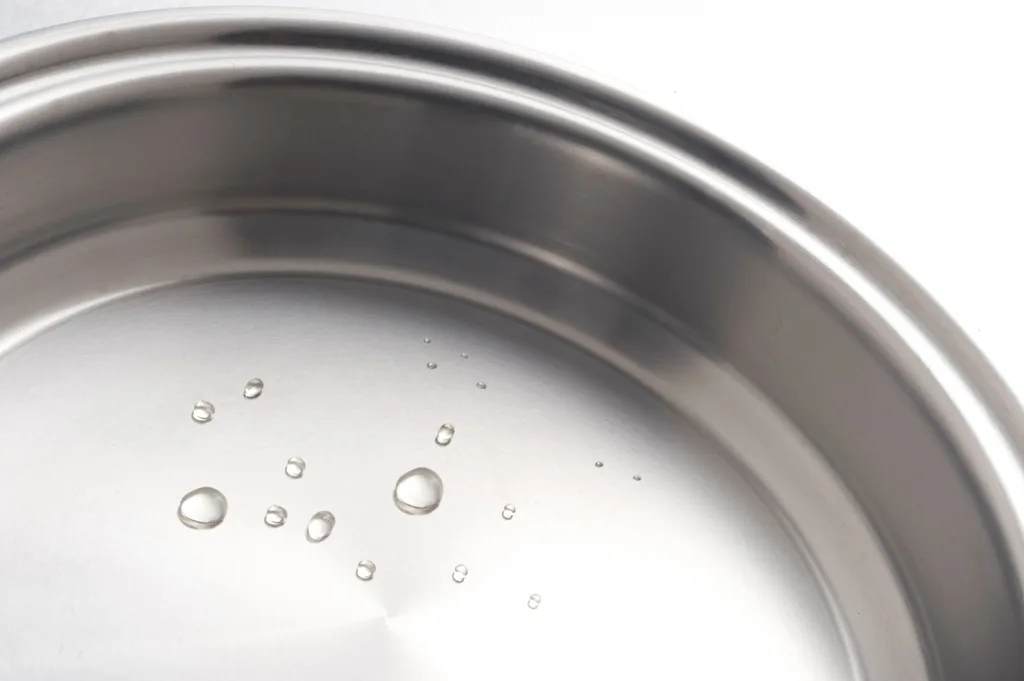
Image source: Bing (Web (fair-use with source credit))
Oil Choice Matters More Than You Think
Not all oils behave the same on ceramic. Oils with a low smoke point burn onto the surface quickly.
| Oil | Smoke Point (F) | Best for Ceramic |
|---|---|---|
| Avocado oil | 520 | Yes, high tolerance |
| Canola oil | 400 | Okay, moderate heat |
| Olive oil | 375 | Use with care |
| Butter | 300 | Use with care |
| Coconut oil | 350 | Use with care |
| Cooking spray | Varies | Not recommended |
For most home cooking on ceramic, avocado oil or canola oil gives the best results. Butter is fine for low heat scrambled eggs. But do not try to sear a steak in butter on ceramic.
You will ruin the pan and stick before you finish.
The Oil Application Trick
Here is a tip that seasoned ceramic users swear by. After preheating the pan, add your oil. Then wipe it around with a paper towel.
Let the oil heat for about 30 seconds. Then add your food.
This thin layer of oil creates a barrier between the food and the ceramic surface. It prevents direct contact. If you dump cold food onto a dry hot pan, you are asking for sticking.
Cooking Spray: The Silent Killer
As we mentioned earlier, aerosol cooking spray burns at low temperatures. It contains propellants that do not evaporate cleanly. Many users spray their pan every morning for eggs.
After three months, the pan feels sticky even after washing.
The fix: Stop using aerosol spray. Switch to a squeeze bottle of oil or a silicone brush. If you must use a spray, buy a pump-style oil mister.
It does not contain propellants and works much better.
If you notice that certain cooking methods consistently cause sticking, consider adjusting your technique. For high heat tasks like searing or stir frying, you might even switch appliances entirely. For instance, if you are searing vegetables at high temperatures frequently, you could let your ceramic pan rest and use a different method.
Some people find a healthy alternative for such cooking. Adjusting your approach can extend the life of your pan by months.
The Scratch Test: How to Tell if the Coating Is Worn or Still Usable
The Naked Eye Check
Before you buy a new pan, confirm the coating is intact. Hold the pan under a bright overhead light. Tilt it at different angles.
You are looking for hairline scratches, cloudiness, or bare metal spots.
A worn ceramic coating looks dull in patches. The original glossy sheen disappears. If you see a ring of bare aluminum around the rim where the coating has chipped off, the pan is done.
That chip will spread with each use.
The Fingernail Test
Run your fingernail gently across the cooking surface. If it catches on a rough spot or a ridge, the coating has worn through. You can also use the edge of a plastic card.
A truly smooth surface will not snag.
If the surface feels glass-smooth but food still sticks, the problem is residue, not wear. Go back to the baking soda or vinegar section and try again.
The Water Sheeting Test
This is the most reliable diagnostic. Pour a tablespoon of water into the pan. Tilt the pan so the water spreads across the bottom.
Watch how it behaves.
- If the water forms a continuous sheet and wets the entire surface, the coating is still active.
- If the water beads up into separate droplets and refuses to spread, the coating has lost its nonstick properties.
- If the water sits in a single puddle and does not move, the coating is failing.
A healthy ceramic surface should show partial sheeting. It will not be as slippery as PTFE, but water should spread somewhat evenly. Beading means the surface has become hydrophobic.
This is actually a sign of oil residue, not worn coating. Try the baking soda boil again.
When to Trust the Scratch Test
Aggregate reviews from verified buyers show that many users think their pan is ruined when it is actually dirty. The scratch test gives you a clear go or no-go decision. If the coating looks smooth and intact, commit to a deep clean.
If you see bare metal or flaking, it is time to replace.
Maintaining your cookware properly can extend its life. If you own other kitchen appliances like an air fryer, you might find that cleaning habits transfer well. For instance, the same gentle cleaning approach you use on ceramic pans also applies to how you keep an air fryer in good shape.
Understanding proper care across your kitchen saves money.
Everyday Habits That Kill Ceramic Coats Faster (and What to Change)
Cranking the Heat Every Time
Ceramic is not cast iron. It does not need screaming hot surfaces. Many people preheat on high because they are used to stainless steel.
That is the fastest way to degrade the coating.
What to do: Set your burner to low or medium-low. Give the pan two to three minutes to warm gradually. If you need high heat for a recipe, use a stainless steel or cast iron pan instead.
Save ceramic for eggs, fish, and delicate vegetables.
Using Metal Utensils
Even one scrape with a metal spatula can leave a microscratch. Those scratches collect food and oil. Over time, the whole surface becomes rough.
What to do: Use silicone, wood, or nylon utensils. If you have guests who grab the metal tongs, keep a wooden spatula next to the stove as a reminder.
Letting the Pan Sit Dirty After Cooking
Acidic foods like tomato sauce or vinegar can pit ceramic if they sit for hours. Oil residues also harden as they cool. What comes off easily while the pan is warm becomes a stubborn stain later.
What to do: Rinse the pan with warm water immediately after cooking. A quick wipe with a soft sponge takes 30 seconds. If you cannot clean right away, at least fill the pan with warm water and let it soak.
Tossing It in the Dishwasher
We mentioned this earlier, but it bears repeating. Dishwasher detergents contain harsh alkalis that etch ceramic. The high heat cycle can also weaken the coating.
What to do: Hand wash with a mild dish soap and a non-scratch sponge. Dry immediately with a soft towel. It takes two minutes and keeps the pan performing well for much longer.
Stacking Pans Without Protection
Ceramic coatings scratch when they rub against other metal or ceramic surfaces. If you stack your pans inside each other, the bottom of one pan scours the coating of the one below.
What to do: Place a paper towel or felt pan protector between stacked pans. Better yet, hang them individually on a pot rack.
The 60-Second Troubleshooting Table: Match Your Pan's Symptom to the Right Fix
| Symptom | Likely Cause | Quick Fix |
|---|---|---|
| Brownish stain, food sticks unevenly | Polymerized oil residue | Baking soda boil |
| White cloudy film, food sticks evenly | Hard water mineral deposit | Vinegar soak |
| Pan looks clean but food grabs | Cooking spray buildup or wrong oil | Baking soda boil, then switch oils |
| Water beads up on surface | Oil residue or coating worn | Deep clean; if persists, replace |
| Bare metal spots or flaking | Coating failure | Replace pan |
| Food slides off in some spots, sticks in others | Uneven residue or heat distribution | Clean pan, check burner size |
| Pan works fine with oil but sticks with butter | Butter’s low smoke point | Use oil or lower heat |
| Eggs stick even after cleaning | Surface scratches from metal utensils | Replace pan, switch to silicone tools |
How to use this table: Find your symptom in the left column. Follow the quick fix. If the fix does not work after two attempts, move down to the next likely cause.
This decision tree approach saves you from trying every method at once.
When to Give Up: Signs Your Ceramic Pan Needs Replacing (and What to Buy Next)
The Deal Breaker Sgigns
You have tried the baking soda boil three times. You have switched to avocado oil and low heat. The pan still sticks like glue.
It is time to accept reality.
These signs mean the pan is beyond saving:
- Visible flakes of coating peeling away from the metal
- A ring of bare aluminum around the rim or base
- Deep scratches that catch your fingernail
- A warp in the pan bottom (it rocks on a flat burner)
- A persistent metallic smell when heating
Ceramic coatings have a finite lifespan. Aggregate consumer feedback reports that most non-toxic ceramic pans last 12 to 18 months with regular home use. If you push it past that, you risk eating flaking coating fragments.
What to Buy Next
Do not buy the cheapest brand on Amazon. You want a pan with at least three layers of ceramic coating. Thicker coatings resist wear longer.
Look for a pan with an aluminum core and a thick magnetic stainless steel base. That gives even heat distribution and works on induction.
When you get the new pan, season it by wiping a thin layer of oil over the surface and heating it on low for two minutes. That fills microscopic pores and improves initial release. Then start with low heat only.
If you find that high heat recipes are unavoidable in your cooking style, consider keeping a seperate stainless steel skillet for those tasks. Our research shows that using the right pan for the right job extends the life of every piece of cookware.
FAQs: Seasoning Ceramic Pans, Hard Water, and Other Sticking Questions
Is there a way to season a ceramic pan like cast iron?
No. Ceramic is a glass-like coating. It does not absorb oil the way bare cast iron does.
Wiping oil on the surface before cooking helps, but it is not true seasoning. Do not bake oil into the pan at high heat. That will create a polymerized layer that is hard to remove and may cause sticking.
Can hard water really cause sticking?
Yes. Calcium and magnesium deposits create a microscopically rough surface. Food grabs onto those mineral bumps.
A simple vinegar soak removes the film and restores the slickness.
Why does food stick in the center but not the edges?
Your burner may be too small for the pan diameter. The center gets overly hot while the edges stay cooler. Uneven heat causes localized sticking.
Use a burner that matches the pan size. If that is not possible, preheat the pan longer on low to let heat spread.
My pan says dishwasher safe. Is that a lie?
Not exactly, but it is misleading. Most ceramic pans can survive a dishwasher cycle. But the high heat and alkaline detergents accelerate wear.
The pan will last longer if you hand wash. Manufacturer specifications may confirm dishwasher safety, but they do not mention the reduced lifespan.
How often should I replace ceramic cookware?
With proper care, expect to replace after 18 to 24 months. If you cook daily at medium heat and hand wash, you might get two years. Heavy use and high heat cut that to 12 months.
A quick check every few months with the water droplet test helps you know when performance drops.
Can I use my ceramic pan on high heat to sear?
It is not recommended. High heat degrades the coating rapidly. Use a stainless steel pan for searing.
You can find guidance on how to use each type of pan effectively in a guide about getting the best results with your cookware.
Do I need to use oil every time?
Yes. Ceramic requires a thin layer of oil or butter for nonstick performance. Unlike PTFE pans, you cannot cook dry foods like pancakes without fat.
The coating relies on the oil barrier to prevent direct contact.
Should I throw away a pan if the coating chips?
Yes. If you see flakes in your food or bare metal, stop using it. Ingested ceramic flaking fragments are not toxic per FDA guidelines, but they are not something you want to eat.
Replace it promptly.

Related posts
Hot Lid on Countertop? Safety Tips for Air Fryer Combos
You've just finished air frying a batch of crispy chicken wings. The lid is hot. You're holding it…

Ninja Foodi SmartLid OL701 Worth Buying? Reddit
If you've been scrolling through Reddit asking yourself "is ninja foodi smartlid ol701 one lid multi cooker with…

Crispy Rotisserie Chicken: Temp & Time for Combo Cooker
So you want restaurant quality crispy skin on a whole rotisserie chicken, and you want to do it…