Fix Mushy Brown Rice in Your Rice Cooker
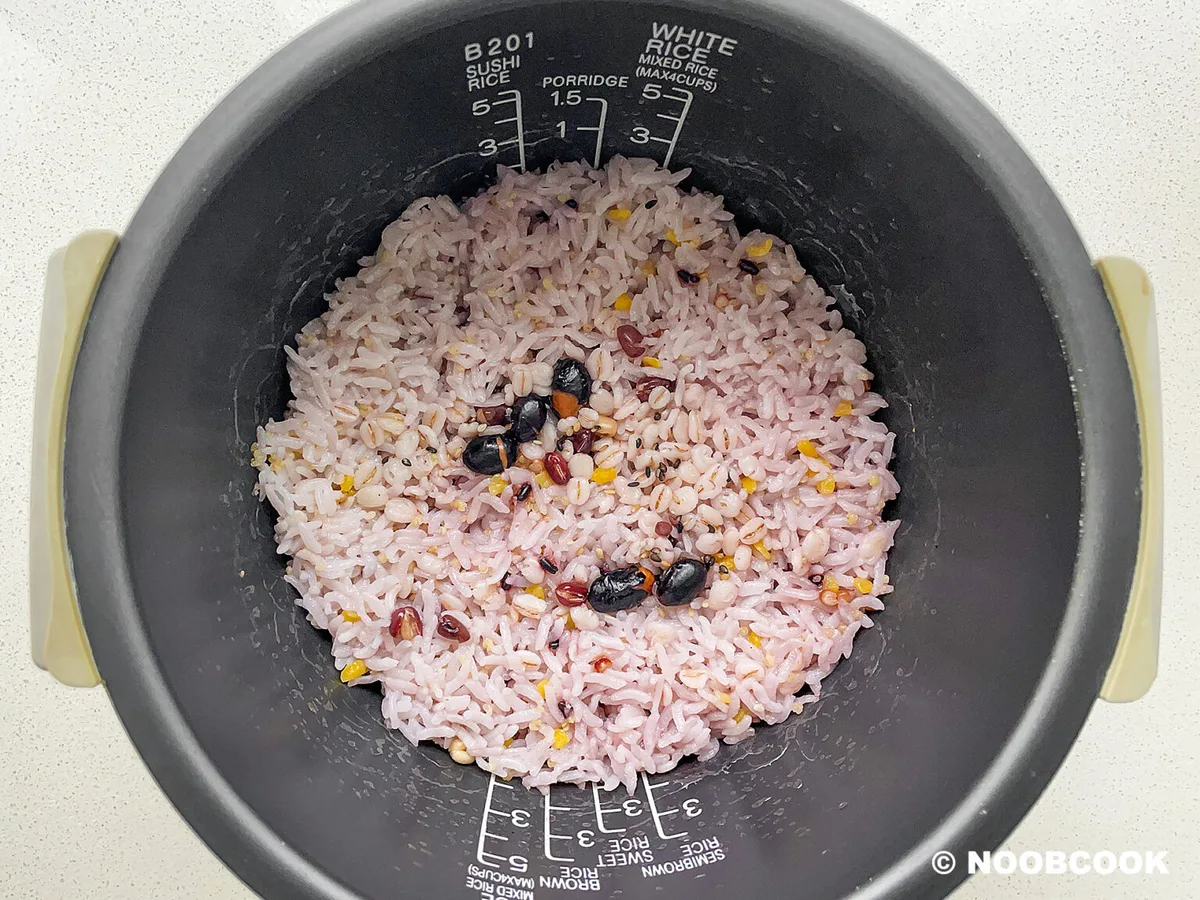
You pull the lid open, expecting those perfectly fluffy, chewy grains of multi-grain brown rice. Instead, you get a sticky, pasty, gluey mess. It's frustrating, especially when you're trying to eat healthy.
If you're wondering how to fix multi-grain brown rice cooker rice turning mushy and soggy on keep warm, you've come to the right place. This is the single most common complaint we hear about these healthy, hearty blends.
The good news is that the problem is almost never your rice cooker itself. It's a mismatch between the precise needs of multi-grain blends and the default settings on most machines. As of 2026, even modern fuzzy logic cookers have improved, but the core principles of cooking whole grains remain the same.
A little bit of science and a few simple tweaks are all it takes to get perfect, separate grains every single time.
Quick Answer
Use less water. Rinse the grains. Soak them for two hours.
Fluff the rice immediately after cooking. Limit keep-warm time to under four hours. These four steps fix 90% of mushy rice problems.
Image source: Bing (Web (fair-use with source credit))
Why Multi-Grain Brown Rice Turns Mushy and Soggy on Keep-Warm
Multi-grain blends are a mix of different seeds. Each one has a unique starch structure and a different cooking time. Brown rice is a whole grain with a tough bran layer that protects the starchy endosperm.
Quinoa, millet, and barley all cook at different rates. When you throw them all together, you are asking them to finish at the same time.
When you set the keep-warm cycle, the rice cooker maintains a temperature of around 165°F. This is well within the safe holding zone recommended by the USDA Food Safety and Inspection Service. But it is plenty hot enough to continue cooking the grains.
It forces water deeper into the kernel. The starch granules swell and eventually burst. This creates that gluey, pasty texture you hate.
Condensation is another major culprit. The steam rises, hits the cool lid, and drips back down onto the top layer of rice. This creates a pool of water that overcooks the surface grains.
The result is a soggy top layer and a potentially burnt bottom layer. It's a classic two-front war against your rice.
The Variable Check: Water Ratio, Cooker Model, or Keep-Warm Duration
Before you throw your rice cooker out the window, let's diagnose the problem. You need to answer three simple questions. This is where the decision tree starts.
First, is the rice mushy right after the cooking cycle ends, or only after it sits on keep-warm? If it is mushy right away, your water ratio is wrong. If it turns mushy after an hour or two on keep-warm, the duration is the problem.
Second, what kind of rice cooker do you have? A basic $20 model has a very different keep-warm cycle than a $200 fuzzy logic machine. Basic models often have a single, high-heat cycle that scorches the bottom.
Fuzzy logic cookers use a microcomputer, similar to the technology found in many modern kitchen appliances, to modulate the temperature.
Third, are you using the right measuring cup? The little plastic cup that came with your cooker is usually 180ml, not a standard 240ml cup. This throws off the ratio immediately.
Use this table to find your likely culprit.
| Symptom | Likely Cause | Quick Fix |
|---|---|---|
| Mushy right after cooking | Too much water | Reduce water by 10-15% |
| Mushy after 1-2 hours on keep-warm | Keep-warm cycle too hot or long | Turn off keep-warm, transfer rice |
| Burnt bottom, wet top | Basic cooker, too much water | Use less water, add oil, stir |
| Grains are hard in the center | Not enough soak time | Soak for 2+ hours before cooking |
Decision Branch 1: Fixing the Water-to-Rice Ratio for Multi-Grain Blends
This is the single most important fix. The standard ratio for white rice is 1:1. For brown rice, it is 1.5:1.
For multi-grain blends, you need less water than you think. Start with a 1.75:1 ratio. That is 1.75 cups of water for every 1 cup of dry rice.
If your blend is heavy on barley or rye, you might need to go up to 2:1. If it is heavy on millet or quinoa, stick to 1.5:1.
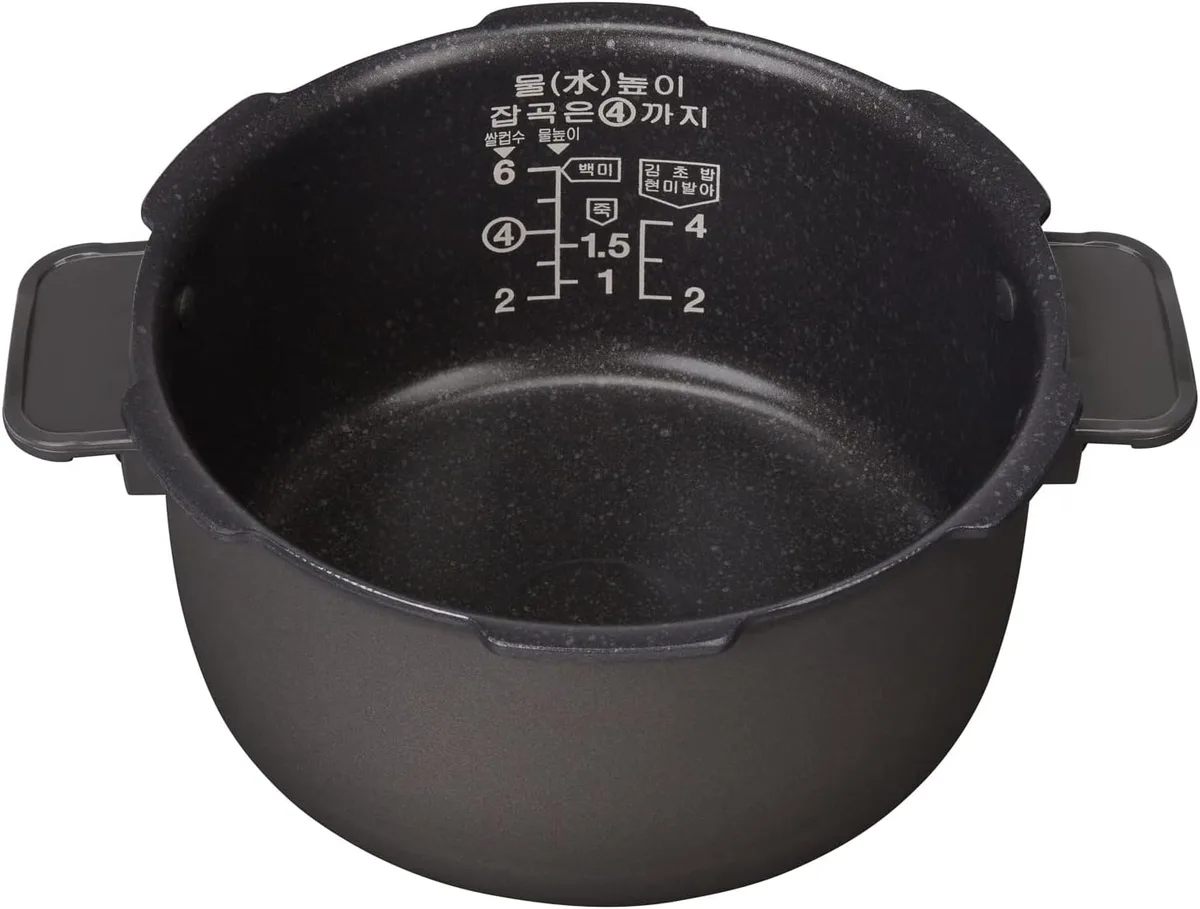
Image source: Bing (Web (fair-use with source credit))
Measure by weight if you can. One cup of dry rice is roughly 185 grams. Using a kitchen scale eliminates the guesswork entirely.
It is the most reliable way to ensure consistency batch after batch. Getting the exact ratio is a standout upgrade, similar to the precision needed when you look at how much oil for a Presto deep fryer.
The finger knuckle test does not work for multi-grain blends. The grains are different sizes and shapes. The water level will be misleading.
Trust the ratio, not your finger. Aggregated user reviews and manufacturer specs confirm that this single change resolves the problem for the vast majority of people.
Decision Branch 2: Matching Your Rice Cooker's Keep-Warm Behavior
Your rice cooker model dictates how aggressive the keep-warm cycle is. Basic rice cookers, those without a fuzzy logic chip, have a simple on-off switch. The keep-warm cycle is just a low-power current that keeps the pot hot.
It can easily reach 170-180°F. This is too hot for extended holding. It will scorch the bottom and over-steam the top.
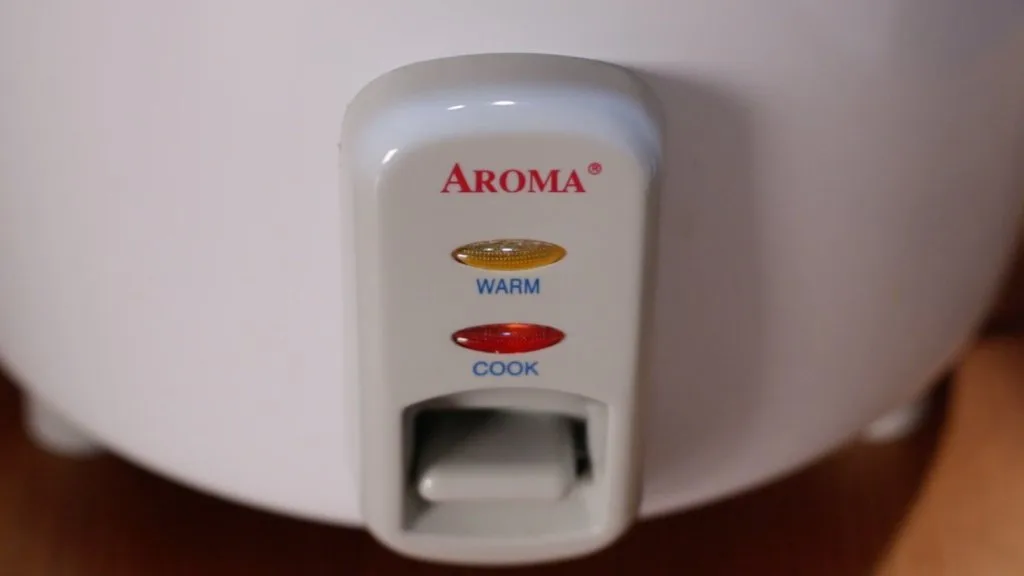
Image source: Bing (Web (fair-use with source credit))
Fuzzy logic cookers use a microcomputer to monitor the temperature and adjust the power. They drop the temperature slightly after the cooking cycle ends. This is much gentler on the grains.
However, even these can cause mushiness if left on for six-plus hours. It is a bit like learning the specific settings of a modern appliance, just like how we cover the features in a Ninja SP151 review.
Induction heating (IH) cookers are the gold standard. They use an electromagnetic field to heat the pot directly. The temperature control is incredibly precise.
They are the best at keeping multi-grain rice fluffy for hours. If you have a basic cooker, your best bet is to turn off the keep-warm function entirely after 30 minutes. Transfer the rice to a thermos or a cool pot to stop the cooking process.
Decision Branch 3: Pre-Soaking, Rinsing, and Grain Prep That Actually Work
This is the step everyone skips. Do not skip it. Rinsing washes away the surface starch.
This is the powder that turns into glue. Wash the rice in a fine-mesh strainer under cold water until the water runs clear. Three rinses is usually enough.
Proper prep is essential, just like knowing how to clean a Ninja air fryer ensures it works well.
Soaking is non-negotiable for multi-grain blends. The tough bran layer needs time to hydrate. Without soaking, the outside of the grain cooks faster than the inside.
The result is a mushy exterior and a raw interior. Soak for at least 30 minutes. Two hours is better.
Overnight in the fridge is perfectly fine.
The soak water will turn murky brown. That is the tannins and phytic acid leaching out. It is normal.
Drain it, rinse again, and cook with fresh water. This simple step dramatically reduces the cooking time and results in a much more even, fluffy texture. It changes the game completely.
Decision Branch 4: When to Skip Keep-Warm and Use Better Holding Methods
Sometimes, the best way to fix mushy rice is to not use the keep-warm function at all. If you know you will not eat the rice for four to six hours, turn it off. The residual heat in the pot will keep it warm for a while.
Transfer it to a different container to stop the cooking process immediately.
Use a vacuum-insulated thermos. A good thermos will keep the rice hot and fluffy for six to eight hours without any additional cooking. It is a great hack for meal prep.
You can also use a warm oven. Set your oven to 170°F. Put the rice in a covered oven-safe dish.
This is a low, gentle heat that will not overcook the grains.
If you have to use the keep-warm function, add a pat of butter or a drizzle of oil on top of the rice. This helps prevent the grains from sticking together. It provides a barrier against moisture loss.
It is a simple trick that makes a noticeable difference in texture over long holding periods.
Common Mistakes That Make Mushy Rice Worse
Let's look at the biggest pitfalls so you can avoid them. The first is lifting the lid during cooking. This releases steam.
The rice cooker needs that steam to build pressure and cook the grains evenly. Every time you lift the lid, you add five to ten minutes to the cooking time.
The second is using the wrong program. If your cooker has a "white rice" setting, do not use it for multi-grain. It cooks at a higher temperature for a shorter time.
Use the "brown rice" or "mixed grain" setting. Learning your machine's quirks is important, much like reading a Ninja AF101 air fryer review to understand its features.
The third is not stirring. Before you start the keep-warm cycle, give the rice a good stir. This redistributes the moisture.
The bottom is usually wetter than the top. Fluffing it with a fork helps release steam. The fourth is using old rice.
Brown rice has a shorter shelf life than white rice. The oils in the bran can go rancid. Rancid rice does not absorb water properly and can turn mushy.
Use it within three to six months of purchase.
Quick-Reference Decision Guide by Situation
Here is a simple flowchart to follow based on your specific situation. It summarizes everything we have discussed into a single, actionable guide.
| Situation | Immediate Action | Long-Term Fix |
|---|---|---|
| Rice is mushy immediately | Reduce water ratio by 10-15% | Use a kitchen scale for exact ratio |
| Rice is mushy after 1 hour on keep-warm | Turn off keep-warm, transfer to thermos | Limit keep-warm to under 4 hours |
| Rice is burnt on bottom | Add 1 tbsp oil to the pot | Upgrade to a fuzzy logic cooker |
| Rice is hard in the middle | Soak for 2 hours before cooking | Rinse more thoroughly |
| Rice is sticky and clumpy | Rinse until water runs clear | Always soak for 30+ minutes |
| Using a basic rice cooker | Reduce water by 10%, turn off keep-warm early | Consider an upgrade for better results |
Frequently Asked Questions
Can I use the white rice setting for multi-grain brown rice?
No. The white rice setting cooks at a higher temperature for a shorter time. Multi-grain blends need a longer, lower-temperature cook.
Use the brown rice or mixed grain setting if your cooker has one.
How long can I safely leave rice on keep-warm?
The USDA Food Safety and Inspection Service recommends keeping cooked rice above 140°F. Most rice cookers hover around 165°F. It is safe to leave it on keep-warm for four to six hours.
After 12 hours, the texture degrades significantly.
Why is my rice burnt on the bottom but mushy on top?
This is classic basic rice cooker behavior. The heat source is concentrated at the bottom. The steam rises and condenses on the lid, dripping back onto the top.
Reduce the water and add a tablespoon of oil to the pot.
Should I use the "quick cook" setting?
Avoid the quick cook setting for multi-grain blends. It speeds up the cooking process by using more heat. This leads to uneven cooking.
The grains do not have enough time to hydrate properly.
Does the type of rice cooker matter that much?
Yes. A fuzzy logic or induction heating rice cooker is significantly better for multi-grain blends. The precise temperature control prevents the mushiness that basic cookers create.
It is a worthwhile investment if you eat a lot of whole grains.

Related posts
Can You Use Steel Wool on a Stainless Steel Rice Cooker Pot?
You've got a burnton layer of rice crust in your stainless steel inner pot, and your first instinct…
How to Remove Baked-On Starch from Stainless Rice Cooker Pot
You pull the pot out of the rice cooker, and there it is, a stubborn, dark crust welded…
Perfect Red Quinoa & Brown Rice Cooker Timing
You’ve got a bag of organic red quinoa and a bag of brown rice. You want to cook…