Crispy Skin 15-lb Whole Turkey in Electric Fryer: Temp
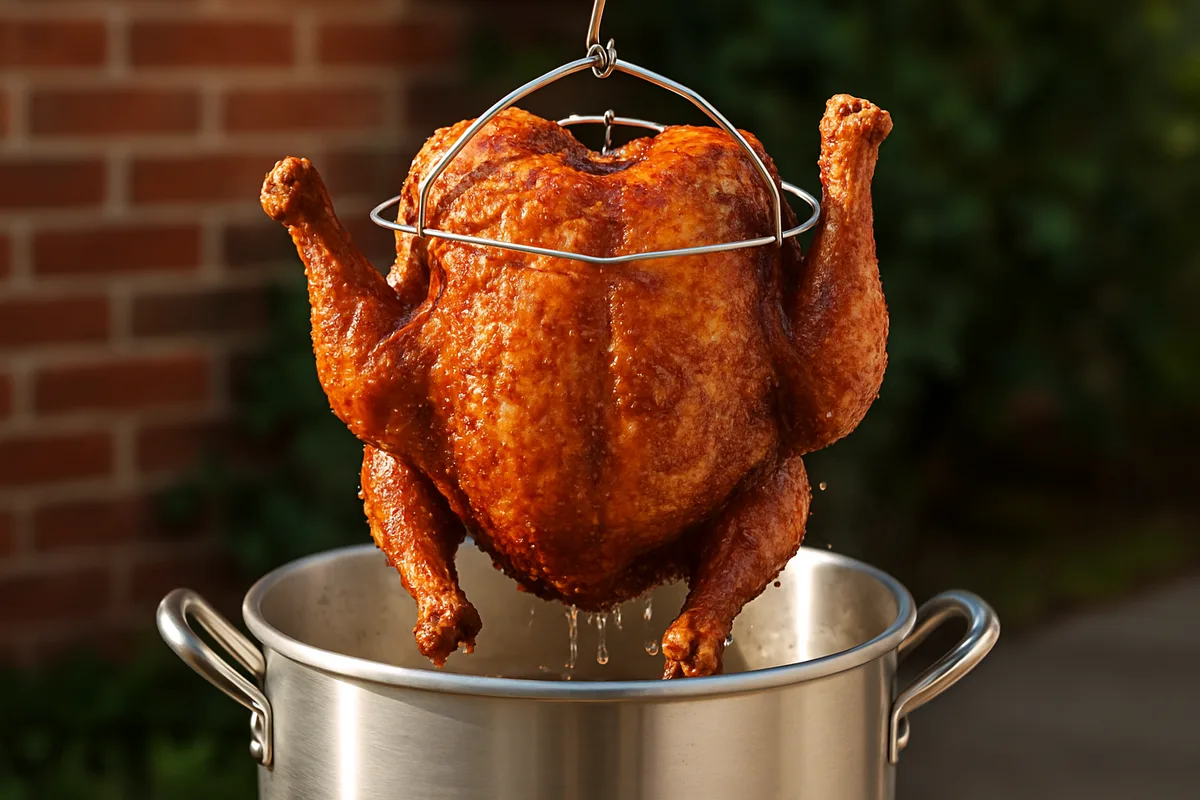
You've got the 15-pounder thawing, the cousins are about to descend, and the one question left is what temperature and cooking time for crispy skin 15-lb whole thanksgiving turkey in electric turkey deep fryer will actually deliver. Here's the short answer: 350°F for about 45 to 60 minutes.
But that's only half the story. That timing only works if the bird is fully thawed, bone-dry, and the oil level is dead-on. The USDA Food Safety and Inspection Service sets a hard floor of 165°F in the breast before you carve, yet crispy skin demands a bit more patience in the thighs.
Let's walk through it step by step.
Image source: Web (Bing) / recipezesty.com (Web image (fair-use with source credit))
Quick Answer
Set the fryer to 350°F. Cook a 15-lb turkey for 3 to 4 minutes per pound. That's 45 to 60 minutes total.
Check the breast hits 165°F. Check the thigh hits 175°F.
Why Precision Matters: The Real Risks of Deep-Frying a Whole Turkey
Deep-frying a turkey isn't like roasting a chicken. One wrong move sends a gallon of boiling oil across the patio. It's a Thanksgiving tradition that demands genuine respect.
The National Fire Protection Association has spent years tracking fryer-related fires. Their data shows more home fires happen on Thanksgiving Day than any other day of the year, and turkey fryers are a leading culprit. The usual cause isn't the oil itself, it's moisture.
A frozen or partially thawed bird turns trapped water into explosive steam. That steam throws hot oil everywhere.
Precision also protects the meat. Undercooked turkey can carry salmonella and campylobacter, which is exactly why the USDA sets a minimum internal temperature of 165°F in the breast. But leave it in too long and you're carving dry, chalky meat that tastes more like disappointment than holiday cheer.
The whole process comes down to three numbers: oil temperature, time per pound, and internal temperature. Get those right, and the crisp skin will follow. Get them wrong and you're looking at ruined meat, a dangerous cleanup, or something worse.
That's why electric fryers are a safer pick than the propane ones. They hold a steady temperature, they don't have an open flame, and they didn't melt someone's lawn. Some of the newer models, like the Presto 05420, never got near a turkey that size, but the floor models handle 15-pound birds regularly.
The Core Facts: Oil Temp, Cook Time, and Internal Temperature Targets
Let's lock in the numbers. These aren't guesses, they're the consensus from manufacturer manuals, USDA guidelines, and hundreds of home cooks who've fried turkeys in electric fryers.
| Measurement | Target |
|---|---|
| Oil temperature | 350°F |
| Cook time per pound | 3 to 4 minutes |
| Total cook time for a 15-lb turkey | 45 to 60 minutes |
| Minimum breast internal temp | 165°F |
| Thigh internal temp for crispy skin | 175°F to 180°F |
| Rest time before carving | 15 to 20 minutes |
The 350°F oil temperature is the sweet spot for electric turkey fryers. It's hot enough to crisp the skin quickly, creating that golden crackle, but not so hot that the outside burns before the inside cooks. If the oil runs closer to 400°F, the skin will darken too fast and the center will still be raw.
Time per pound matters because it's a rough guide, not a promise. A 15-lb bird at 3 minutes per pound equals 45 minutes. At 4 minutes, you hit 60 minutes.
Start checking both the breast and thigh every 5 minutes after the 45-minute mark.
Internal temperature is the real measure of doneness. The breast should hit 165°F, the thigh should reach 175°F to 180°F. The thigh runs higher because dark meat needs more heat to break down connective tissue and render fat.
That difference is also why you can't just time it and hope.
Remember, the meat keeps cooking after you pull it out. Carryover cooking can push the internal temp up another 5 to 10 degrees while the bird rests. So if the breast reads 160°F in the fryer, it'll cross 165°F during that 15-minute rest.
Fix the Oil Level First: The Water Displacement Test Before You Heat Anything
This is the most skipped step in turkey frying, and it's also the most dangerous. People fill the fryer, heat the oil, and realize the turkey won't fit without overflowing. That overflow only happens when the oil is bubbling hot.
Don't be that person.
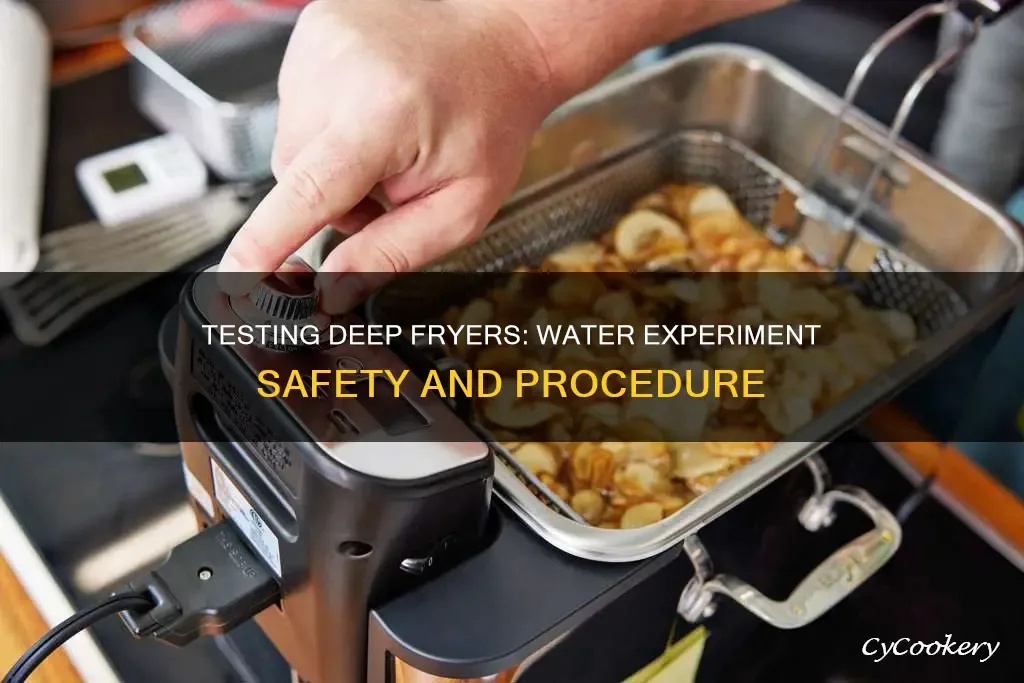
Image source: Web (Bing) / cycookery.com (Web image (fair-use with source credit))
The water displacement test tells you exactly how much oil to add. It takes two minutes, it uses no oil, and it happens outside anyway.
Place the empty fryer on its permanent cooking spot. Set the turkey in the fryer basket, then put the whole thing into the fryer pot. Fill the pot with warm water until the bird is just covered.
That level is your oil fill line.
Now use a ruler or a mark on the side of the pot to record where the water sits. Lift the turkey out. Pour out the water, dry the pot completely, and pour in fresh oil only up to that mark.
That's your safe starting oil level.
Why water and not oil? Because water is free and it won't ruin your oil supply. The bird's exact size and shape determine how much oil it displaces, and every turkey is different.
This test accounts for that. For a 15-lb bird, the oil level usually ends up around 4 to 6 gallons, but it varies by fryer model on a deep fryer vs pot comparison. The measurement always wins.
Never heat the oil before you've done this test. Once the fryer is on, you can't safely adjust the oil level, and adding oil to hot oil can cause splatters and flash fires. The test is cheap insurance.
Step-by-Step: Thaw, Dry, Season, Lower, Fry, and Rest the Bird Safely
This is the whole routine. Follow it in order, and you'll have a crispy-skinned, juicy turkey without drama.
1. Thaw the turkey completely. A 15-lb bird needs 3 to 4 days in the fridge. Use the 24-hours-per-5-pounds rule.
Never thaw at room temperature, and never, ever drop a frozen turkey in hot oil.
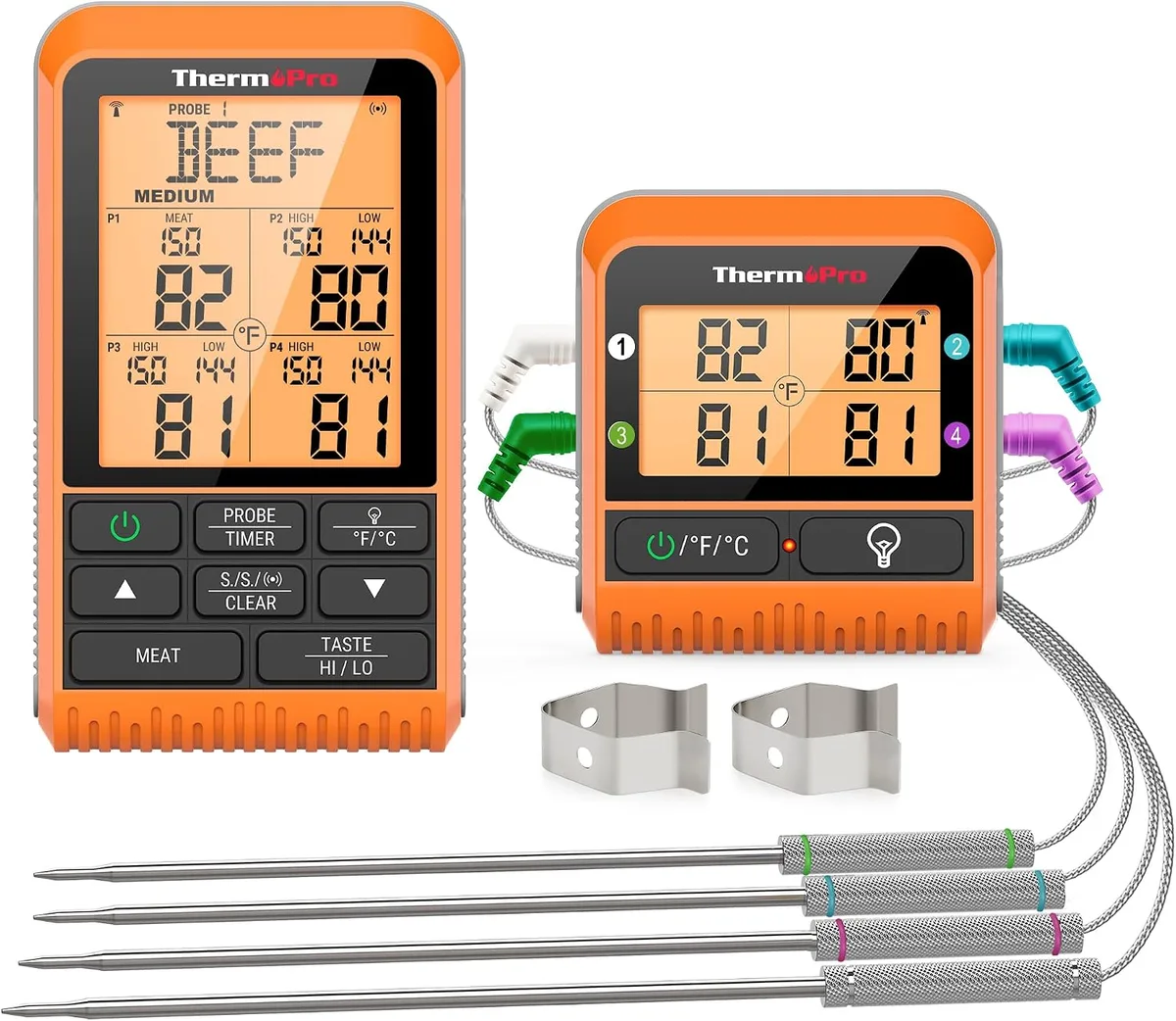
Image source: Web (Bing) / amazon.com (Web image (fair-use with source credit))
2. Remove the giblets and neck. Reach inside the cavity and clean it out, front and back. Some electric fryers have a small basket that swings out, and a 15-lb bird is a tight squeeze, so check the fryer's owner manual first.
If you're unsure about your unit, many how to use a fryer guides break down the exact process.
3. Pat the skin completely dry. Use paper towels. Dry the cavity, under the wings, around the thighs, everywhere.
Any surface moisture creates steam in the hot oil, and steam means splatter. For extra-dry skin, leave the bird uncovered in the fridge overnight.
4. Season generously. Rub the bird all over with your favorite blend. Salt, pepper, garlic powder, paprika, cayenne, dried herbs.
Go heavy, because the oil rinses some of it off.
5. Preheat the oil to 350°F. With the fryer empty, you want to reach that temp before the bird goes in. Most electric fryers take 10 to 20 minutes to preheat.
6. Lower the turkey very slowly. Use the lifting hook and lower the basket in stages. Dip it an inch, hold for 30 seconds, dip another inch, pause.
This gives the oil time to recover and prevents sudden bubbling. The whole lowering process should take 2 to 3 minutes.
7. Keep the oil at 350°F. The oil temp will drop when the cold bird hits it. Watch the thermometer.
Adjust the dial as needed. For a 15-lb bird, you'll likely see it dip to 300°F before it climbs back. That's normal.
8. Start your timer. Once the oil stabilizes at 350°F, begin timing. Aim for 3 to 4 minutes per pound.
At 45 minutes, start checking with an instant-read thermometer.
9. Check the internal temperatures. Probe the thigh near the joint, not touching the bone. Then check the breast at its thickest part.
You want 165°F minimum in the breast, 175°F to 180°F in the thigh. Pull the bird when both are there.
10. Rest for 15 to 20 minutes. Let it cool on a wire rack, basket still lifted, so the skin stays crisp. Resting redistributes the juices and lets carryover cooking finish the job.
This sequence mirrors the basics of using an electric deep fryer, just scaled up for a holiday bird. It's straightforward, but it's also the difference between a centerpiece and a disaster.
Mistakes That Wreck Crispy Skin or Cause a Fryer Disaster
The most dangerous mistakes happen before the oil even heats up. Skip a prep step, and you'll pay for it later. Here's what verified buyer feedback and manufacturer warnings keep highlighting.
- Frozen or partially thawed turkey. Ice crystals turn to steam instantly in hot oil. That steam erupts, splashing oil every which way. Always thaw fully in the fridge.
- Skipping the water displacement test. An overfilled pot spills when the bird goes in. The oil lands on the heating element and ignites. Do the test first.
- Zero drying. A wet turkey steams rather than fries. You get rubbery skin, and the oil pops loudly during lowering.
- Low oil temperature. If the oil hovers below 325°F, the skin absorbs oil. The bird comes out heavy, oily, and never crisp.
- Pulling by temperature alone. A breast at 165°F doesn't mean the thigh is done. Hot spots and cold pockets run wild in a 15-pound bird. The USDA's 165°F minimum is a floor, not a target.
The fix for all of these is patience. Let the bird thaw, dry, wait for the thermometer, and lower it slowly. Recovering from a mistake after the bird is in the pot isn't an option.
Pro Tips for Golden, Crackling Skin Without Dry Meat
Crispy skin is a physics problem. The skin must get hot enough to render fat and evaporate water before the interior overcooks. Here's how the winners do it.
Start the dry brine the night before. Rub the bird with salt and leave it uncovered in the fridge. That draws moisture out of the skin and seasons the meat deeper.
Add a tablespoon of aluminum-free baking powder to your seasoning rub. This is a classic move in the frying world. The baking powder raises the skin's pH and accelerates browning.
Mix it with salt, pepper, and paprika for a crackly crust.
Let the bird sit on the counter for about an hour before frying. The smaller temperature difference means the oil doesn't drop as far, so the skin sets faster. Cold birds drag the oil temp down hard.
Preheat the oil to 355°F or 360°F. When the cold bird drops in, the oil temp will fall. Starting a bit hotter keeps it above 330°F.
Rest the fried bird on a wire rack, not a pan. A rack lets air circulate underneath, so the skin stays brittle. Sitting it in a pan makes the bottom soggy.
Watch the oil thermometer during the cook. Electric fryers cycle on and off, so the temperature swings. Adjust the dial as needed to hold 350°F.
Safety and Cleanup: After the Bird Comes Out, the Danger Isn't Over
The frying is over, but the risk stays around for hours. Hot oil holds heat long after the fryer is off.
Follow the National Fire Protection Association guidance for outdoor cooking. Keep the fryer at least 10 feet away from any structure and never under a porch roof. Use a flat, level surface so the pot can't tip.
Let the oil cool completely before moving the fryer. This can take 4 to 6 hours depending on the volume. Moving hot oil is how most fried-turkey injuries happen.
When the oil is safe to handle, strain it through a fine mesh sieve lined with cheesecloth. Store it in a sealed container in a cool, dark spot. Peanut oil can be reused two to three times.
Clean the pot and basket with hot, soapy water. Avoid steel wool on the nonstick interior. If you own one, the maintenance routine is simple and it doubles the fryer's lifespan.
Dispose of the oil properly when it's spent. Small amounts can go in the trash in a sealed container. Never pour oil down the sink.
FAQ: Crispy Skin, 15-Lb Turkey, Electric Fryer Questions Answered
Can I fry a 15-pound turkey in my electric turkey fryer?
Yes, if the pot holds at least 26 to 30 quarts and the manufacturer rates it for 15 pounds. Check the owner's manual first. Smaller units will overflow and create a fire hazard.
For small fryers, the oil fill guide shows just how tight the fit gets.
Which oil is best for crispy skin?
Peanut oil is the classic choice. Its smoke point sits around 450°F, so it handles the heat without breaking down. Canola oil works too and costs less, but it doesn't add the same nutty flavor.
How long does the oil take to preheat?
Most electric turkey fryers hit 350°F in 10 to 20 minutes. Cold outdoor air and a full pot push that toward 25 minutes. Use the wait time to double-check your dry rub and thermometer readings.
Why isn't my turkey skin crispy?
The usual culprits are damp skin before frying, oil temperature below 325°F, or no resting period. Dry the bird thoroughly, hold the oil at 350°F, and rest it on a wire rack for 15 minutes.
Can I reuse the frying oil?
Yes. Strain the cooled oil through a sieve lined with cheesecloth, then store it in an airtight container. You can reuse it two to three times before it picks up off flavors.
Final Verdict: Is an Electric Turkey Fryer Worth It for a 15-Lb Bird?
If you want skin that actually crackles, an electric turkey fryer is hard to beat. The output is crispy, golden, and juicy in a way an oven can't replicate. A 45-minute cook time frees up your oven for every casserole and roll on your list.
The trade-offs are real, though. You're buying gallons of oil, wrestling with cleanup, and storing a bulky pot all year. Electric models are safer than propane versions, but they're not automatic.
You still need a flat outdoor surface and a respectful amount of caution.
For a 15-pound bird, the electric fryer is a solid tool if you already own one rated for it. If you're buying new, look for a 30-quart model. If you're torn between methods, the deep fryer vs pot question still applies.
The fryer wins when you want speed and texture.
That's the whole game. Thaw it, dry it, heat the oil to 350°F, and time it at 45 to 60 minutes. Trust your thermometer, not the clock.

Related posts
Hot Lid on Countertop? Safety Tips for Air Fryer Combos
You've just finished air frying a batch of crispy chicken wings. The lid is hot. You're holding it…

Ninja Foodi SmartLid OL701 Worth Buying? Reddit
If you've been scrolling through Reddit asking yourself "is ninja foodi smartlid ol701 one lid multi cooker with…

Crispy Rotisserie Chicken: Temp & Time for Combo Cooker
So you want restaurant quality crispy skin on a whole rotisserie chicken, and you want to do it…