Clean Sticky Soda Syrup from Built-In Fridge Wire Shelves
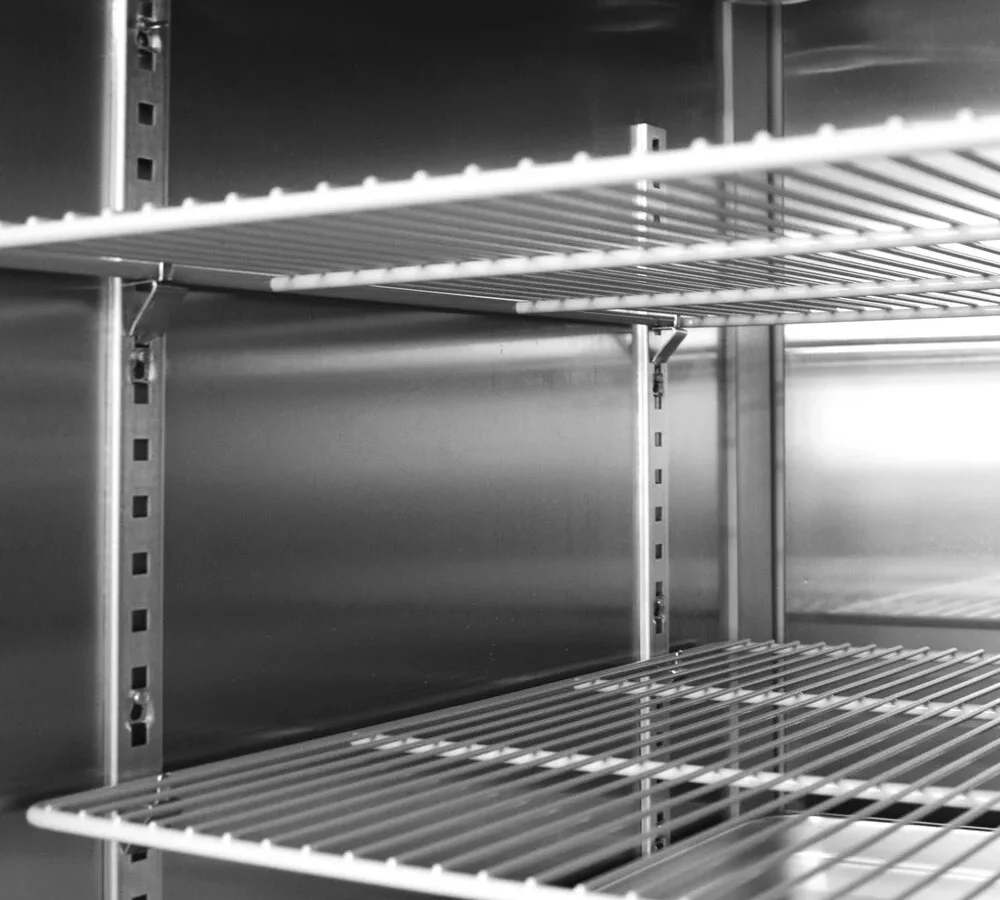
If you’ve ever opened your undercounter beverage fridge only to find a sticky, dried‑on soda syrup coating the wire shelves, you know the frustration. The good news is that learning how to clean undercounter built‑in beverage refrigerator and remove sticky soda syrup dried onto wire shelves isn’t complicated once you understand the chemistry behind that tacky mess. A few common household ingredients and the right technique will get those shelves looking like new without damaging the protective coating.
Sugar‑based syrups harden into a nearly waterproof glaze when they dry. Cold temperatures inside the fridge make the bond even stronger. But with a little patience and the right approach, warm water, mild acid, and a soft scrub, you can break that bond safely.
As of 2026, most built‑in beverage fridges use epoxy‑coated or chrome‑plated wire shelves that require gentle handling. Let’s walk through exactly what you need, step by step.
Quick Answer
Unplug the fridge and let it warm to room temperature for 15 minutes. Remove the wire shelves if possible. Soak them in warm soapy water for 10‑15 minutes.
For stubborn syrup, apply a baking soda paste (3 parts soda to 1 part water) and let it sit 5 minutes. Scrub with a soft sponge or plastic scraper. Rinse and dry completely before reinstalling.
Wipe the interior with a 1:1 vinegar‑water solution. Plug back in and cool before restocking.
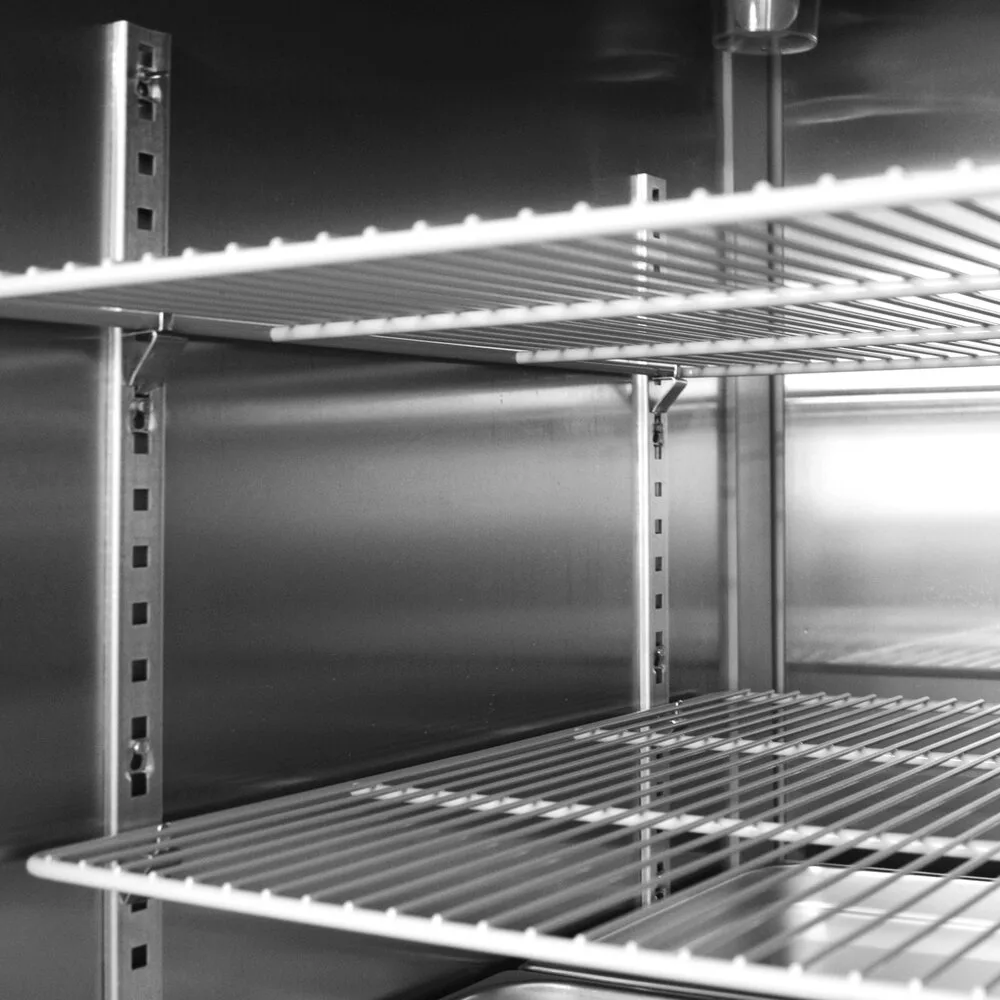
Image source: Bing (Web (fair-use with source credit))
Why Soda Syrup Is So Hard to Remove (and What You’re Up Against)
Soda syrup is mostly sugar and water. When it dries, the water evaporates and the sugar recrystallizes into a sticky, glass‑like layer. Cold temperatures inside the fridge make that layer even harder because sugar crystals form a tighter bond at lower temperatures.
That’s why wiping with a dry cloth does almost nothing.
The syrup also contains acids like citric and phosphoric acid, which can react with the metal coating on wire shelves over time. If the coating is already chipped or scratched, the syrup can seep under it and cause rust. That’s why you need to clean it as soon as you notice it, not let it sit for months.
Another factor is the shelf material. Most undercounter beverage fridges use one of three types:
| Shelf Material | Coating Type | Vulnerability |
|---|---|---|
| Chrome‑plated wire | Thin chrome layer | Scratches easily; syrup can cause pitting |
| Epoxy‑coated wire | Thick plastic‑like coating | More durable but can yellow; avoid abrasive scrubbing |
| Stainless steel wire | No coating | Most resistant but still prone to staining from sugar |
Epoxy‑coated shelves are the most common in mid‑range and newer models as of 2026. They’re tough, but abrasive cleaners or metal scouring pads can scratch the coating, exposing the metal underneath to rust.
The bottom line is that syrup removal isn’t just about wiping. It’s about softening that sugar bond without damaging the shelf surface. Warm water and a little time do the heavy lifting.
Harsh chemicals like bleach or ammonia are overkill and can leave residues that affect the taste of your next drink.
Before You Start – Unplug, Empty, and Assess Your Shelf Type
First things first: unplug the fridge. Water and electrical components near the compressor don’t mix. Wait about 15 minutes for the interior to come up to room temperature.
This helps soften the syrup naturally.
Next, empty everything. Take out all cans, bottles, and any removable drawers or bins. Check the back of the fridge for a drain hole, you’ll want to avoid pushing sugar water into it.
Now assess the shelves. Can they be removed? Most undercounter beverage fridges have wire shelves that slide out after releasing a pair of plastic clips or tabs.
Consult your owner’s manual if you’re unsure. If the shelves are fixed (some older models weld them in), you’ll have to clean them in place.
Here’s how to tell which shelf type you have:
- Removable: Look for clips or tracks on the side rails. Gently lift the front of the shelf and slide it forward. If it comes out without force, you’re in luck.
- Fixed: If the shelf doesn’t budge after releasing clips, check underneath for screws. If none, it’s likely welded or riveted.
Once you know, gather your supplies. You’ll need:
- Warm water
- Mild dish soap (like Dawn or Seventh Generation)
- White vinegar
- Baking soda
- Soft sponge or microfiber cloth
- Plastic scraper (an old credit card works perfectly)
- Towels
If the shelves are removable, you can soak them in the sink. That’s the fastest, most effective method. If not, you’ll need to do a soak‑in‑place using towels and a spray bottle.
We’ll cover both approaches below.
One more thing: check the rubber gasket around the door. Sugar syrup can drip down and stick there too. If it’s sticky, wipe it with a damp cloth after you finish the shelves.
A clean gasket ensures a proper seal and saves energy.
The Quickest Fix – When You Can Remove the Shelves and Soak
If your shelves pop out easily, this is the method you want. It’s fast, thorough, and minimises scrubbing.
Step 1: Soak in warm soapy water. Fill your sink (or a large tub) with warm water, not hot, because hot water can warp thin wire coatings. Add a few drops of dish soap. Submerge the shelves completely.
Let them soak for 10 to 15 minutes. For heavy syrup crust, go 30 minutes.
Step 2: Scrub gently. After soaking, most of the syrup will rinse off with a soft sponge. For any leftover spots, use a plastic scraper to lift the residue. Avoid steel wool or abrasive pads, they’ll scratch the coating.
Step 3: Rinse and dry. Rinse thoroughly with clean water to remove all soap residue. Pat dry with a microfiber cloth or leave them on a towel to air dry for an hour.
Step 4: Clean the interior. While the shelves dry, wipe down the inside of the fridge with a 1:1 vinegar‑water solution. Pay attention to the back wall and drain hole. A cotton swab works well for the drain hole.
Rinse with a damp cloth afterward.
Step 5: Reinstall and cool. Once everything is bone dry, slide the shelves back in. Plug the fridge in and let it run for at least 30 minutes before putting drinks back in. That ensures the temperature stabilises.
This method works for 90% of syrup messes. The only time it fails is when the syrup has been baked on for months. In that case, move to the baking soda paste technique covered in section five.
No Removal Possible? Here’s How to Clean Wire Shelves in Place
Fixed shelves require a bit more patience, but the same principles apply: soften, lift, rinse.
Step 1: Make a warm, soapy compress. Mix warm water with a few drops of dish soap in a spray bottle. Spray the shelves generously. Lay a damp towel or paper towels over the sticky areas.
Let it sit for 15 minutes. The moisture will soften the syrup.
Step 2: Scrub with a sponge. Remove the towel and scrub the sides of each wire with a soft sponge. For tight corners, use an old toothbrush. If the syrup is still stubborn, re‑apply the warm water compress and wait another 10 minutes.
Step 3: Use a plastic scraper for stubborn spots. An old credit card or plastic spatula works without scratching. Hold it at a shallow angle and push the dried syrup off.
Step 4: Rinse. Spray clean water over the shelves to remove soap and loosened syrup. Catch runoff with a towel placed on the bottom of the fridge. Avoid spraying water directly into the drain hole or fan vents.
Step 5: Dry thoroughly. Wipe down the shelves with a dry microfiber cloth. Then leave the fridge door open for 30 minutes to air dry. Any remaining moisture can lead to mold or rust.
One trick: if the syrup is really crusted on, use a steam cleaner. A handheld steamer with a narrow nozzle can blast the sugar loose without chemicals. Just be careful not to direct steam at the compressor or electrical parts in the back.
Stubborn Sugar Crust? Try These Targeted Techniques
Sometimes a simple soap soak isn’t enough. If you’re facing a thick, dark‑brown crust that won’t budge, it’s time for targeted treatments.
Baking soda paste is your best friend here. Mix 3 tablespoons of baking soda with 1 tablespoon of water to form a thick paste. Apply it to the stuck‑on spots.
Let it sit for 5 to 10 minutes. The mild abrasiveness of the soda, combined with the moisture, softens the syrup without scratching. Gently scrub with a soft sponge, then rinse.
Repeat if needed.
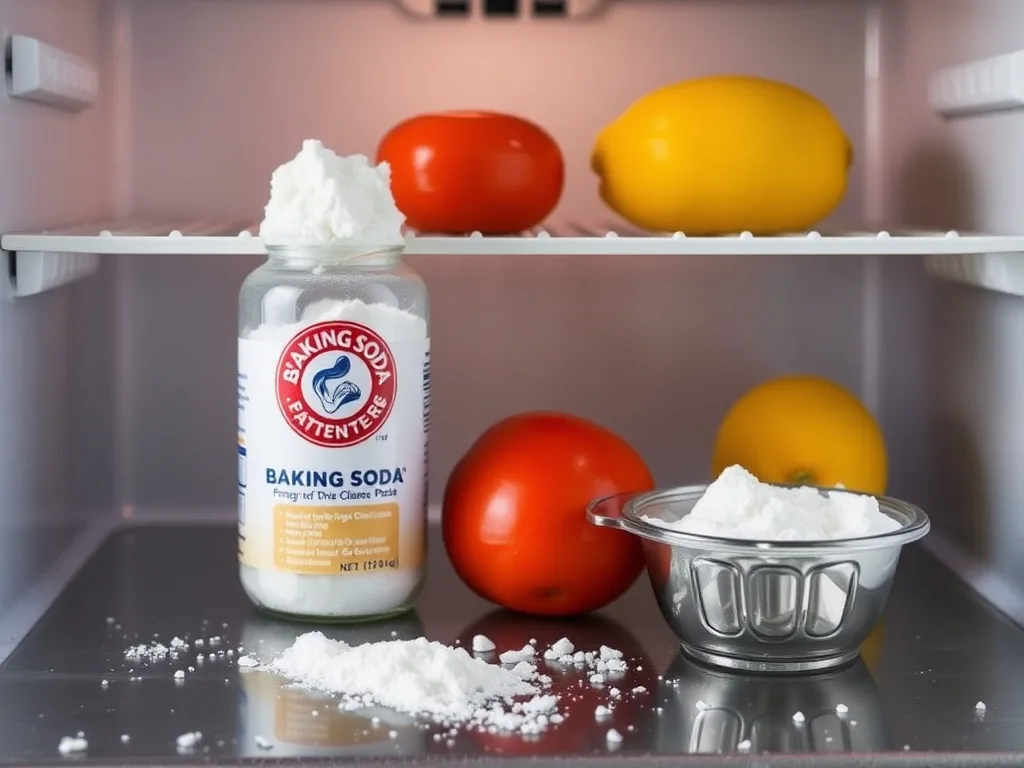
Image source: Web (Bing) / fridge.ciiwa.com (Web image (fair-use with source credit))
White vinegar is another option. Spray full‑strength vinegar on the syrup and let it sit for 10 minutes. The acetic acid helps dissolve sugar crystals.
Then scrub. Vinegar is especially good for removing odours too.
Isopropyl alcohol (70% or higher) works on really old, gum‑like syrup. Dampen a cloth with alcohol and press it onto the crust for a few minutes. The alcohol breaks down the sugar bond.
Wipe away. It evaporates quickly and leaves no residue.
Commercial degreasers are a last resort. Products like Simple Green or Krud Kutter are safe for food‑contact surfaces when diluted according to the label. But most household messes don’t need them.
Stick with baking soda and vinegar first.
Important caution: Never use bleach, ammonia, or any oven cleaner inside a beverage fridge. These chemicals can leave toxic residues that contaminate drinks. They can also damage the plastic interior and rubber gaskets.
The EPA Safer Choice program lists many gentle cleaning products that are food‑safe if you want a commercial option.
After any targeted treatment, rinse thoroughly with water and dry completely. You don’t want leftover baking soda or vinegar film attracting more dirt.
Mistakes That Ruin Shelves (and How to Avoid Them)
Even with the best intentions, it’s easy to damage the wire shelves while cleaning. The most common mistake is using a metal scouring pad or abrasive sponge. That scratches the protective coating.
Once the coating is gone, the exposed metal rusts. Within a few months, you’ll see orange spots that won’t come off. Stick to soft sponges or microfiber cloths.
Another frequent error is using too much water during in‑place cleaning. If water runs down into the drain hole or fan vents, it can reach the compressor or electrical components. You could short‑circuit the unit or cause mold inside the insulation.
Always catch runoff with a towel. Work in small sections.
Forgetting to dry the shelves thoroughly before reinstalling is another trap. Moisture trapped under the shelf clips can lead to corrosion. It also creates a breeding ground for bacteria.
Pat everything dry with a clean cloth. Leave the door open for 30 minutes to air out.
Skipping the vinegar rinse is a missed opportunity. Soap residue can leave a film that attracts more dirt and dust. A quick wipe with a 1:1 vinegar‑water solution cuts through any leftover soap.
It also neutralizes odors and kills surface bacteria.
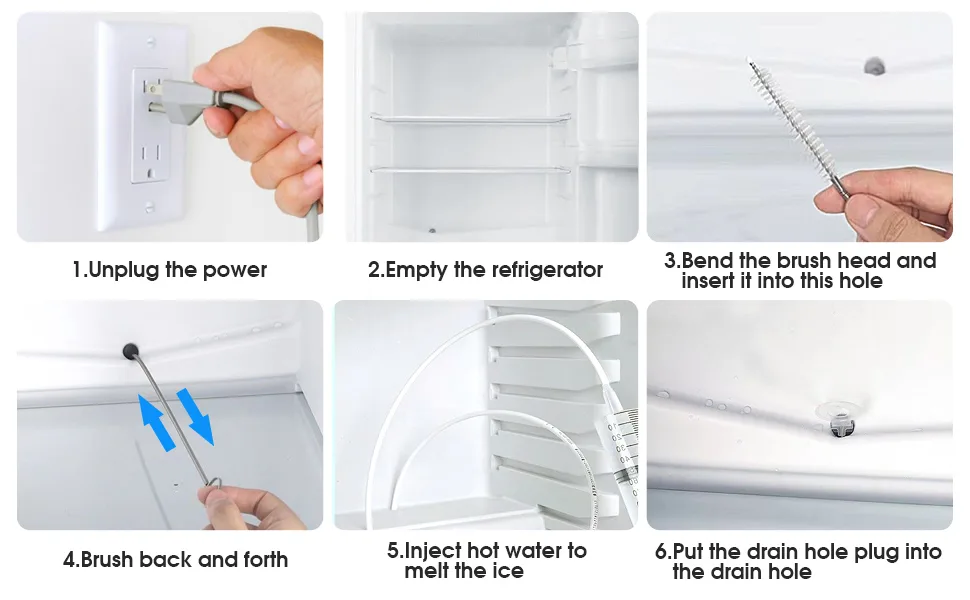
Image source: Web (Bing) / amazon.co.uk (Web image (fair-use with source credit))
Using bleach or harsh chemicals is a major no‑go. Bleach fumes can be trapped inside the fridge. They can also degrade the rubber gasket and plastic interior.
Your drinks may absorb the smell. Stick to mild dish soap, vinegar, and baking soda.
Finally, don’t force a stuck shelf. If it won’t slide out, check for hidden screws or clips. Prying it out can bend the wire frame or break the mounting brackets.
That’s a repair you don’t want to deal with. Always consult the manual or manufacturer’s website for removal instructions. For example, many Frigidaire models have a simple clip system that releases with a gentle lift.
How to Finish – Drying, Reassembly, and Preventing Future Sticky Spills
Once the shelves are clean and all residue is gone, focus on drying. Water left on the wires will cause spotting and, over time, corrosion. Use a microfiber cloth to wipe each wire individually.
For hard‑to‑reach spots on fixed shelves, use a clean, dry toothbrush.
Let the shelves air‑dry for at least 30 minutes with the fridge door open. This also allows the interior to dry completely. Don’t rush this step.
Installing wet shelves can trap moisture against the fridge walls and gasket.
Before you put the shelves back, inspect the drip tray or drain hole at the bottom. Wipe it out with a vinegar‑dampened cotton swab. A clogged drain hole is a common cause of standing water and bad odors.
Keep it clear.
Now reassemble. Slide each shelf into its tracks. Secure any clips or tabs.
Make sure the shelves are level. An uneven shelf can cause bottles to tip and spill more syrup later.
Plug the fridge back in. Let it run for 30 minutes to return to its normal temperature (usually 34‑40°F). Then restock with your drinks.
Check the temperature with a fridge thermometer if you have one.
Preventing future sticky spills is easier than cleaning them. Use drip trays or small mats under soda bottles. Don’t overfill the fridge, because cramped bottles are more likely to tip.
Wipe up any spills immediately when you see them. A quick dry cloth once a week saves you from a deep clean later.
Consider using a beverage dispenser with a spigot instead of cans or bottles if spills are frequent. But for most people, a simple rule works: if you spill it, clean it within minutes. That prevents the syrup from ever drying into that stubborn glaze.
Frequently Asked Questions
Can I use a steam cleaner on the wire shelves?
Yes, a handheld steam cleaner with a narrow nozzle can loosen dried syrup without chemicals. Keep the steam away from the compressor, fan, and electrical parts. Let the fridge warm to room temperature first to avoid thermal shock.
Will rubbing alcohol damage the shelf coating?
Isopropyl alcohol (70% or higher) is safe for epoxy‑coated and chrome‑plated shelves. It evaporates quickly and leaves no residue. Test on a small hidden area first.
Avoid using it near the gasket, as alcohol can dry out rubber over time.
How often should I clean the beverage fridge?
For light use, clean the shelves every three months. If you store soda regularly, check for spills monthly. A quick wipe of the interior with vinegar water every six weeks prevents buildup and keeps odors away.
What if the syrup has been there for months?
Apply a baking soda paste and let it sit for 15‑20 minutes. Then scrape gently with a plastic scraper. If that doesn’t work, use a commercial degreaser like Simple Green diluted per label.
Rinse thoroughly. For very old crust, soaking the removable shelves overnight in warm water with a few drops of dish soap may be necessary.
Is it safe to clean the fridge with vinegar and water while it’s running?
No. Always unplug the refrigerator before any cleaning that involves water or spray liquids. Even a small amount of water near the compressor or fan motor can cause a short circuit or electric shock.
Can I put the wire shelves in the dishwasher?
Check your owner’s manual. Some removable wire shelves are dishwasher‑safe, but many are not. The high heat and detergents can damage the coating or cause rust.
Hand washing with warm soapy water is the safer choice. If you do use the dishwasher, place shelves on the top rack and skip the heated dry cycle.

Related posts
Hot Lid on Countertop? Safety Tips for Air Fryer Combos
You've just finished air frying a batch of crispy chicken wings. The lid is hot. You're holding it…

Ninja Foodi SmartLid OL701 Worth Buying? Reddit
If you've been scrolling through Reddit asking yourself "is ninja foodi smartlid ol701 one lid multi cooker with…

Crispy Rotisserie Chicken: Temp & Time for Combo Cooker
So you want restaurant quality crispy skin on a whole rotisserie chicken, and you want to do it…