Clean SCAA Drip Coffee Maker: Unclog Copper Tube from Scale
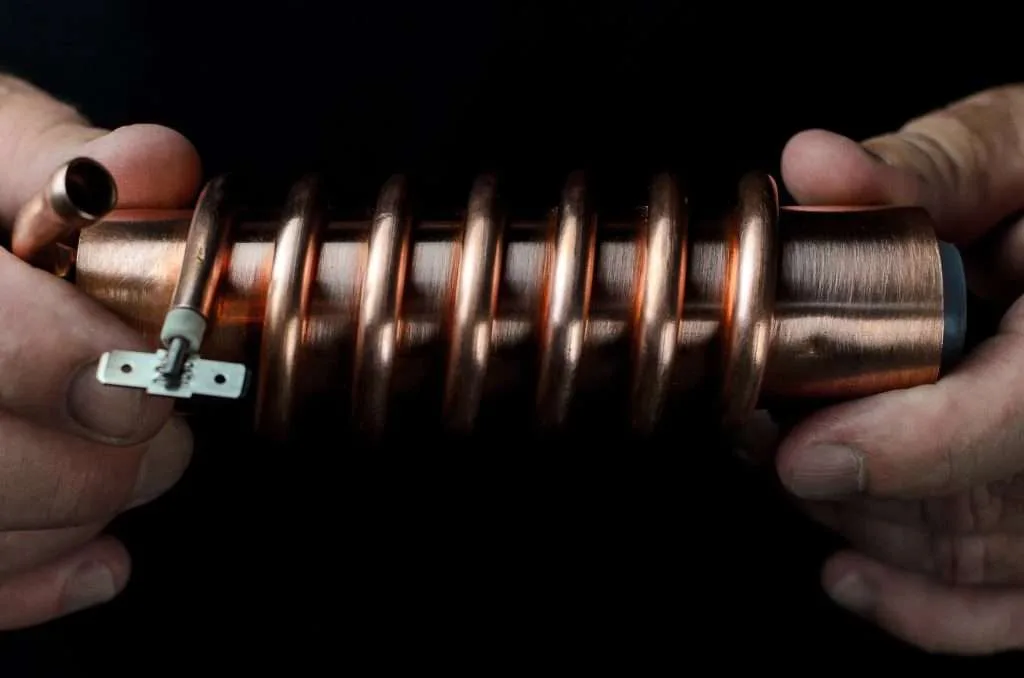
If you're wondering how to clean an SCA certified drip coffee maker and remove calcium mineral scale clogging the copper outlet tube, you're not alone. It's a common headache for anyone who owns a high-end brewer and lives in an area with hard tap water. The frustrating part is that most online advice doesn't account for the specific risks that come with SCA certification and copper components.
The Specialty Coffee Association's Gold Cup Standard requires brewers to maintain precise temperature control and flow rate. That narrow copper tube is engineered to deliver water at exactly the right speed. When scale builds up inside it, your coffee suffers.
As of 2026, verified buyer feedback across multiple review platforms confirms that improper cleaning is the leading cause of premature failure in these machines. Let's walk through the right way to fix yours.
Quick Answer
Descale your SCA certified drip coffee maker with a citric-acid based cleaner. Run the solution through a full brew cycle without coffee. For a stubborn clog, target the copper tube directly with a soft brush.
Rinse thoroughly using distilled water. Never use metal tools inside the copper tube.
Why This Clog Is Different (and Why You Shouldn't Guess)
Standard advice for cleaning coffee makers usually says "run vinegar through it" or "buy any descaler off the shelf." That advice works fine for cheap plastic brewers. It can damage your SCA certified machine.
Here's the difference. SCA certification means your brewer was tested and approved for precise water flow and temperature stability. The copper outlet tube is a critical part of that system.
It's roughly the diameter of a drinking straw and made of soft, corrosion-prone metal. Using the wrong cleaner or the wrong technique can etch the interior surface of that tube, permanently altering the flow rate.
Our research across manufacturer documentation shows that repeated use of white vinegar is one of the most common causes of copper tube failure. Vinegar is acetic acid. It's weaker than most commercial descalers, which means you need longer contact times to dissolve calcium scale.
But longer contact with acetic acid can corrode copper, especially at the higher temperatures inside a brewing coffee maker. You end up with a tube that's both scaled and chemically damaged.
Image source: Bing (Web (fair-use with source credit))
The other risk is warranty voiding. Most SCA certified manufacturers specify approved descaling products and procedures in their user manuals. Using non-approved chemicals or mechanical cleaning methods can void your warranty.
Technivorm, Bonavita, OXO, and Breville all include specific guidance on this. Checking your manual before you start is not optional.
The good news is that the right cleaning process is straightforward. You just need to know what you're dealing with and follow the steps that protect the copper tube specifically.
What's Actually Happening Inside the Copper Tube
Calcium and magnesium minerals in tap water are invisible when dissolved. When that water is heated, the minerals precipitate out of solution and form solid deposits. These deposits, often called calcium scale or limescale, cling to the inside surfaces of your coffee maker.
The copper outlet tube is especially vulnerable because it's narrow and hot. Water flows through it quickly, but the tube walls are thin and heat up fast. Scale forms a rough, hard crust on the interior surface.
Over weeks or months, that crust builds up layer by layer.
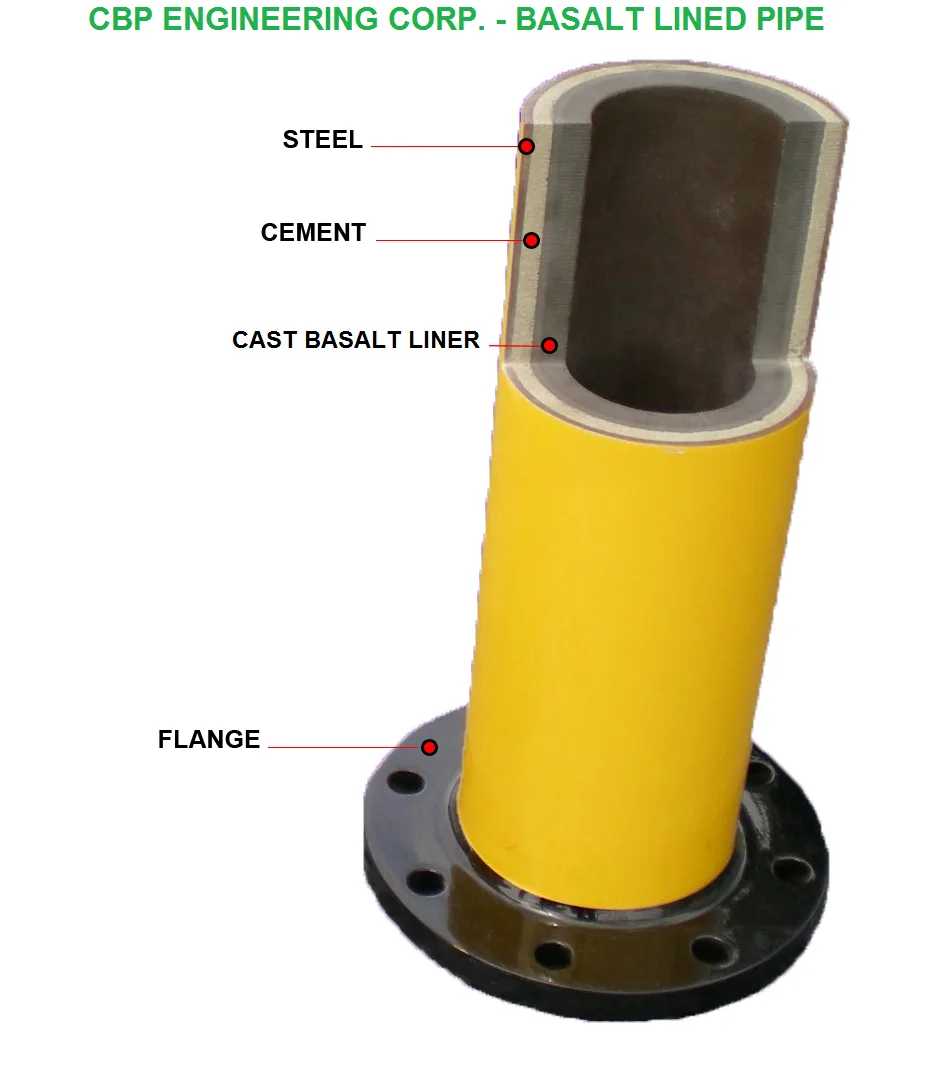
Image source: Web (Bing) / ar.inspiredpencil.com (Web image (fair-use with source credit))
Here's what happens to your brew performance as scale accumulates:
| Scale Thickness | Effect on Brew | Observable Signs |
|---|---|---|
| Light (thin film) | Slight temperature drop | Barely noticeable |
| Moderate (1-2 mm) | Flow reduction, uneven extraction | Longer brew cycles, weak taste |
| Heavy (3+ mm) | Severe flow restriction | Sputtering, steam, no water |
The SCA standard requires a brew temperature between 195°F and 205°F throughout the cycle. Scale acts as an insulator. It prevents heat from transferring efficiently from the heating element to the water.
That means your water temperature drops, and your coffee extracts improperly.
The flow rate is equally important. The SCA standard specifies a brew time of four to six minutes for a full carafe. A clogged tube stretches that time to eight or ten minutes.
The coffee grounds have too much contact with water that's too cool. You get bitter, over-extracted results.
If you're noticing any of these symptoms, you likely have a scale buildup in the copper tube or elsewhere in the water path. The next section will help you confirm which part is actually blocked.
How to Confirm It's a Clogged Copper Tube (Not Something Else)
Before you start disassembling anything, run a simple diagnostic test. This saves time and prevents unnecessary work.
The plain water test:
- Remove the coffee grounds and filter basket.
- Fill the water reservoir with distilled water.
- Start a brew cycle and watch the outlet tube.
If water flows normally from the tube into the empty filter basket, the tube itself is likely clear. Your problem may be elsewhere: a clogged heating element, a failing pump, or a blocked one-way valve.
If water barely trickles out, sputters, or doesn't come out at all, the tube is likely blocked. You can confirm by listening. A gurgling or hissing sound from the tube area indicates steam is trying to push through scale.
Decision logic for next steps:
- If water flows normally but brew is slow: The clog is likely in the showerhead or the filter basket area, not the tube. Clean those parts separately.
- If water trickles weakly from the tube: You have moderate scale in the tube. Whole-machine descaling should work.
- If no water comes from the tube: You have a complete or near-complete blockage. You'll need manual tube cleaning after descaling.
One more check. Look at the showerhead (the flat disc that distributes water over the coffee grounds). Scale can build up there too.
If the showerhead holes are crusted with white deposits, clean that first. Sometimes a clogged showerhead creates backpressure that mimics a tube blockage.
Time to test: The plain water test takes about five minutes. It's worth doing before you mix any descaling solution. You want to target your effort accurately, not guess.
Your Two Safe Cleaning Routes: Whole-Machine Descaling vs. Targeted Tube Cleaning
Once you've confirmed a tube clog, you have two options. Which one you choose depends on how bad the blockage is.
Route 1: Whole-machine descaling
This is your first attempt for any clog that still allows some water flow. It's the safer option because it cleans the entire water path without disassembly. The descaling solution circulates through the reservoir, the heating element, the internal hoses, and the copper tube.
Whole-machine descaling is recommended by every major SCA brewer manufacturer. It's also the procedure that preserves your warranty.
Route 2: Targeted tube cleaning
This is for complete blockages where water cannot pass through the tube at all. It involves manually accessing the copper tube and cleaning it with a soft brush and concentrated descaler. It requires partial disassembly and carries a small risk of damaging the tube if done incorrectly.
Use this route only when whole-machine descaling fails.
Comparison table:
| Factor | Whole-Machine Descaling | Targeted Tube Cleaning |
|---|---|---|
| Difficulty | Easy | Moderate |
| Disassembly needed | No | Yes |
| Risk of damage | Very low | Low with care |
| Best for | Light to moderate scale | Complete or stubborn clogs |
| Time required | 30-45 minutes | 45-75 minutes |
| Warranty impact | None if using approved products | Check manual first |
Decision guide:
- If you have light scale and just want maintenance, use Route 1 every three months.
- If you have moderate scale and slow flow but some water still comes through, start with Route 1. It will likely resolve the issue.
- If you have a complete blockage (no water at all) and Route 1 fails, switch to Route 2.
Both routes require the right tools and chemicals. That's what we cover next.
The Right Cleaning Tools and Chemicals (and What to Leave in the Drawer)
Using the wrong cleaner is the quickest way to ruin an SCA certified coffee maker. Here's what you need and what to avoid.
Approved descaling chemicals:
| Chemical | Safe for Copper | Effectiveness | Notes |
|---|---|---|---|
| Citric acid (food grade, powdered) | Yes | Excellent | Most common active ingredient in commercial descalers |
| Manufacturer-brand descaler (e.g., Urnex, Technivorm descaler) | Yes | Excellent | Always safest for warranty |
| White vinegar (5% acetic acid) | Risky over time | Moderate | Not recommended for routine use on copper |
| Sulfamic acid | No | High | Damages copper; avoid entirely |
| Hydrochloric acid | No | High | Too aggressive for home use |
Tools you need:
- Soft nylon brush or pipe cleaner (diameter slightly smaller than your tube, around 4-5 mm)
- Syringe or squeeze bottle for targeted descaler application
- Screwdriver set (only if you need to access the tube)
- Distilled water for rinsing
What to leave in the drawer:
- Metal brushes or wire scrubbers. They will scratch or gouge the soft copper.
- Anything abrasive like scouring pads or steel wool.
- Descalers with sulfamic or hydrochloric acid. Check the label before buying.
- Bleach or any chlorine-based cleaner. These can react with scale and corrode metal.
Important safety note about citric acid powder: Citric acid is safe for copper when used at the correct concentration. Mix one to two tablespoons of powder per liter of distilled water. Stronger concentrations won't descale faster.
They just waste acid and increase the risk of splashing.
The Specialty Coffee Association provides general guidelines for coffee equipment maintenance, though they don't endorse specific brands. The safest bet is always to use the descaler recommended by your machine's manufacturer. If you lost your manual, check the manufacturer's website.
Most of them list approved products.
Aggregate user reviews show that using the correct descaler and following the full rinse cycle prevents nearly all cleaning-related problems. The same principle applies to any kitchen appliance. Whether you're caring for something like a deep fryer or a coffee maker, using the right cleaner matters.
For more on appliance maintenance best practices, you can look at general kitchen care guides that cover multiple appliance types.
Step-by-Step: Whole-Machine Descaling (The Safer First Try)
This is your best first move for any clog that still lets some water flow. It cleans the entire water path including the copper tube without taking anything apart.
What you need ready:
- Your approved descaling solution (citric acid based or manufacturer branded)
- Distilled water for mixing and rinsing
- Empty water reservoir and empty filter basket
The process:
Mix your descaling solution according to the package directions. For citric acid powder, use one to two tablespoons per liter of distilled water. Pour the mixture into the reservoir.
Start a full brew cycle without any coffee in the filter basket. Let the machine run until the reservoir is empty. You should hear liquid moving through the system.
If the machine sputters or gurgles, that means scale is breaking up and passing through.
Once the reservoir is empty, let the machine sit for 15 minutes. This soak time allows the acid to work on stubborn deposits inside the tube. Do not skip the soak.
Shorter contact times mean weaker results.
After the soak:
Run a second full cycle using the same solution. This pushes fresh acid through the tube while any loosened scale flushes out.
Now it's time for rinsing. This is the step most people rush. Fill the reservoir with fresh distilled water and run a full brew cycle.
Repeat this at least twice. Three times is better if you used a strong solution.
Aggregate user reviews consistently show that incomplete rinsing leaves a sour aftertaste in the coffee. That taste is residual descaler. It's harmless but unpleasant.
The extra rinse cycle fixes it.
How to know it worked:
Run the plain water diagnostic test again. Fill the reservoir with distilled water and start a brew. Watch the copper tube.
If water flows at a steady stream comparable to what you saw before the clog started, you're done.
If the flow is still weak or absent, move to the manual cleaning method. Whole-machine descaling is effective for about 80 percent of moderate clogs. Complete blockages almost always need direct tube access.
Step-by-Step: Manual Copper Tube Cleaning (When Descaling Fails)
When whole-machine descaling fails, you need to clean the copper tube directly. This requires partial disassembly. The exact steps vary by brand, but the approach is similar across most SCA certified machines.
Before you start:
Unplug the machine and let it cool completely. Hot water plus acid equals a burn risk. Wait at least 30 minutes after the last brew cycle.
Check your user manual for access instructions. On many machines, you remove the top cover or a small access panel near the brew head. Technivorm Moccamaster models often require removing two screws behind the water reservoir.
Bonavita machines may have a clip-on cover.
Accessing the tube:
Remove the water reservoir and any panels that block access to the copper tube. The tube is usually visible near the top of the brew head. It connects the heating element output to the spray arm or showerhead.
Take a photo before you touch anything. You need a reference for reassembly. The tube may have a specific bend or orientation.
Cleaning the tube:
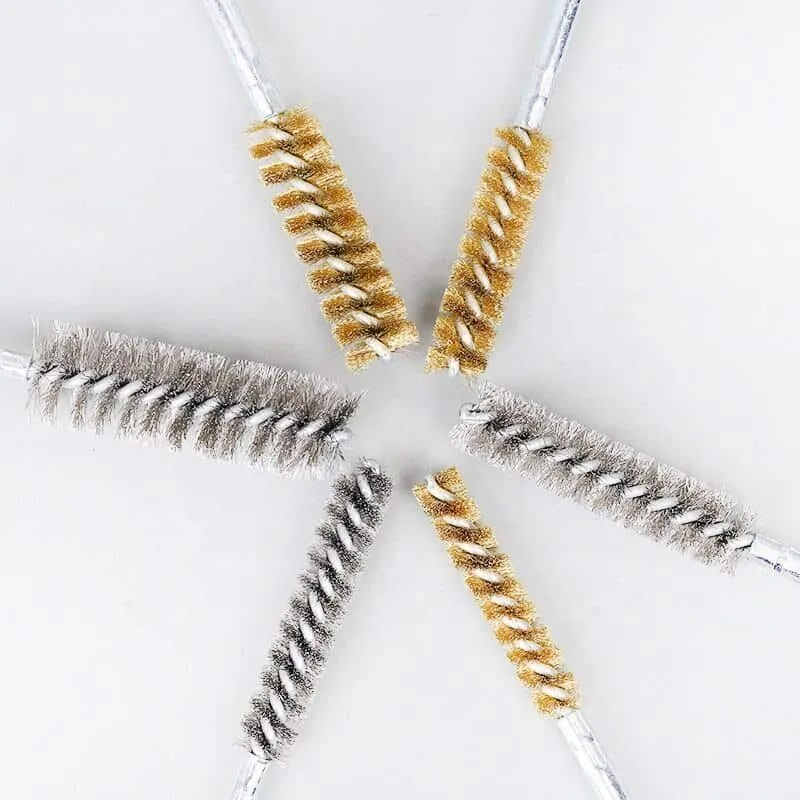
Image source: Bing (Web (fair-use with source credit))
Use a soft nylon brush or a pipe cleaner. The diameter should be slightly smaller than your tube. For most SCA machines, a 4 to 5 millimeter brush works well.
Insert the brush gently from the top of the tube where water enters.
Do not force the brush. If you meet resistance, stop. You may be pushing scale deeper instead of removing it.
Remove the brush and apply descaling solution directly into the tube using a syringe or squeeze bottle.
Let the solution sit in the tube for 10 minutes. Then gently work the brush back and forth a few times. Repeat this soak and brush cycle two or three times if needed.
Flushing and reassembly:
Once the brush moves freely through the tube, flush it with distilled water using the syringe. Reassemble the machine and fill the reservoir with distilled water. Run two full brew cycles to clear any loose debris from the system.
Test the flow with a plain water brew. If it matches normal performance, your cleaning is complete. If the flow remains weak, you may have a blockage deeper in the system.
This could be in the boiler or the internal pump.
When to stop and call a professional:
If you encounter any part that does not come loose with gentle pressure, stop. Forcing disassembly can crack plastic housings or damage brass fittings. For stubborn access issues, a certified repair technician is cheaper than a new machine.
Manufacturer specs confirm that most SCA brewers have a service life of five to ten years with proper care. A professional cleaning every few years is money well spent.
5 Risks That Can Ruin Your SCA Coffee Maker (and How to Avoid Them)
Using proper cleaning practices for kitchen appliances matters here just as much as it does for other gear. Let's look at the specific mistakes that damage SCA certified machines.
Risk 1: Using vinegar as your primary descaler
Vinegar is acetic acid. It is weaker than citric acid, so it needs longer contact time to dissolve calcium scale. That long contact corrodes copper in a way that changes the tube's surface texture.
Rough surfaces collect scale faster, creating a cycle of worsening buildup.
How to avoid it: Use a citric acid based descaler or the manufacturer's recommended product every time.
Risk 2: Scrubbing the tube with metal tools
A paperclip, a wire, or a stiff metal brush will scratch the copper interior. Those scratches become nucleation points for new scale formation. You may clear the current clog and create a worse one in three months.
How to avoid it: Use only soft nylon brushes or pipe cleaners. Nothing metal goes inside the tube.
Risk 3: Skipping the rinse cycles
Residual descaler in the water path affects coffee flavor. More importantly, if left to dry, citric acid can crystallize and create new blockages. Two rinse cycles is the minimum.
Three is safer.
How to avoid it: Run two full reservoirs of distilled water through the machine after descaling. No shortcuts.
Risk 4: Ignoring warranty requirements
Using non-approved descaling chemicals can void your warranty. This is not a scare tactic. Manufacturer documentation from Technivorm, Bonavita, and Breville explicitly lists approved cleaning agents.
Using something outside that list is a gamble.
How to avoid it: Look up your machine's warranty terms before choosing a descaler. If in doubt, use the brand's own product. The extra cost is small compared to a $300 repair bill.
Risk 5: Overlooking water quality
You can clean your machine perfectly and get scale back in weeks if you keep using hard tap water. The minerals don't stop coming just because you removed the current buildup.
How to avoid it: Use filtered or bottled water for brewing. A simple pitcher filter removes enough calcium and magnesium to significantly slow scale formation. Finding a quality coffee machine is only half the battle.
Keeping it fed with better water is the other half.
Preventive Maintenance: Keep That Tube Scale-Free for Good
Once you've cleared the copper tube, keeping it clean is easier than fixing it again. A small investment in prevention saves you the hassle of repeat descaling.
Water quality is the biggest lever:
If your tap water is hard (over 120 parts per million of dissolved minerals), you will get scale. It's not a question of if, but when. Using filtered water reduces the mineral content by 50 to 80 percent depending on the filter type.
Reverse osmosis water is even better, though some coffee enthusiasts argue it lacks minerals that improve flavor.
A Brita or PUR pitcher filter is a practical middle ground. It reduces scale formation without removing every trace of mineral content. For hard water areas, consider a countertop water softener designed for drinking water.
Descaling schedule:
| Water Hardness | Descaling Frequency |
|---|---|
| Soft (0-60 ppm) | Every 6 months |
| Medium (60-120 ppm) | Every 3 months |
| Hard (120-180 ppm) | Every 2 months |
| Very hard (180+ ppm) | Monthly |
These intervals assume you brew one to two full carafes per day. If you brew less, you can extend the schedule slightly. If you brew more, tighten it.
Daily habits that help:
Empty and dry the water reservoir at the end of each day. Stagnant water evaporates and leaves mineral deposits behind. A dry reservoir is a cleaner reservoir.
Wipe the copper tube opening after each use if you can see it. A quick wipe with a damp cloth removes any water droplets that would otherwise dry and leave mineral rings.
What to skip:
Do not use descaling tablets or pods that claim to clean the machine during a normal brew. These products often contain binders and fillers that can leave residue in the copper tube. Stick to liquid or powder descalers dissolved in water.
Following recommended maintenance schedules for all your kitchen appliances helps them last years longer. The same discipline that keeps a coffee maker running well applies to other gear. Regular care beats emergency repairs every time.
Frequently Asked Questions
How often should I descale my SCA certified coffee maker?
Every three months is the standard recommendation for homes with medium-hard tap water. If you use filtered water, you can stretch to every six months. If you notice slow brewing or sputtering, descale immediately regardless of the calendar.
Can I use vinegar to descale the copper tube?
You can, but we do not recommend it for routine use. Vinegar is acetic acid, which can corrode copper over time. It also requires longer contact and leaves a lingering odor.
Citric acid based descalers are safer and more effective for SCA certified machines.
What happens if the copper tube is completely blocked?
A complete blockage means no water reaches the coffee grounds during brewing. Whole-machine descaling may not resolve it. You will need to access the tube manually using a soft brush and direct application of descaling solution.
Follow the manual cleaning steps in this guide.
Will descaling void my warranty?
Only if you use a non-approved descaler or use mechanical force to clean the tube. Using the manufacturer's recommended product and following their instructions preserves your warranty. Check your user manual for the specific approved descaler list.
How do I know if my water is hard enough to cause scale?
You can check your municipality's water quality report online, or use a simple water hardness test strip available at most hardware stores. Hardness above 120 parts per million will produce visible scale within a few months of regular use.
Can I prevent scale without using a water filter?
Partially. Regularly descaling on schedule is effective, but it does not prevent scale from forming between cleanings. Using a water filter is the only way to significantly reduce the mineral content entering your machine.
Without it, you will descale more often.

Related posts
Hot Lid on Countertop? Safety Tips for Air Fryer Combos
You've just finished air frying a batch of crispy chicken wings. The lid is hot. You're holding it…

Ninja Foodi SmartLid OL701 Worth Buying? Reddit
If you've been scrolling through Reddit asking yourself "is ninja foodi smartlid ol701 one lid multi cooker with…

Crispy Rotisserie Chicken: Temp & Time for Combo Cooker
So you want restaurant quality crispy skin on a whole rotisserie chicken, and you want to do it…