Can You Slide Rough Pans on a Glass Induction Cooktop?
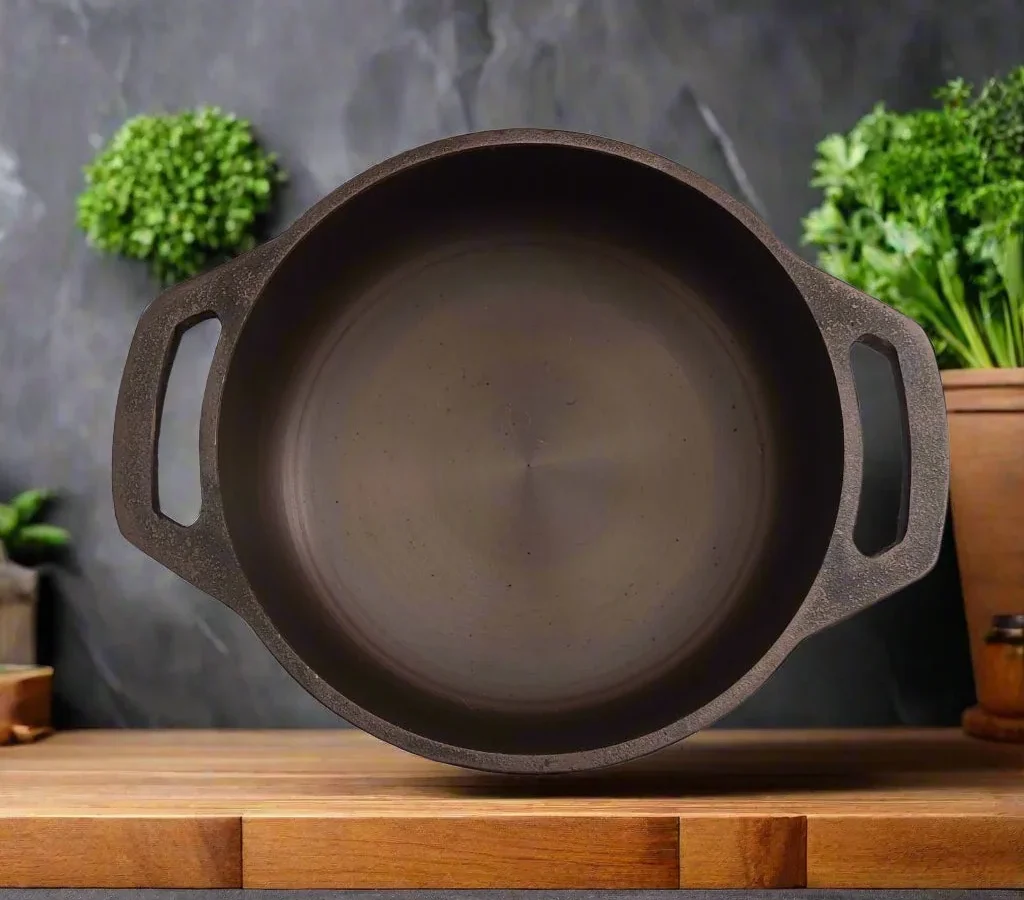
So you want to know the honest truth: can you put sliding rough pans across delicate glass induction top in a induction ceramic cookware set safely? It is the question everyone worries about the day after they unbox their new stove. That first time you go to slide a heavy cast iron skillet across the surface, your stomach drops a little.
Here is what manufacturer specifications and materials science actually say. Schott Ceran, the company that makes the glass-ceramic used in most induction cooktops, rates their surface at 6.5 on the Mohs hardness scale. That is right below quartz sand at 7.
That single number explains nearly everything about the risk. Let us walk through what that means for your pans and your peace of mind.
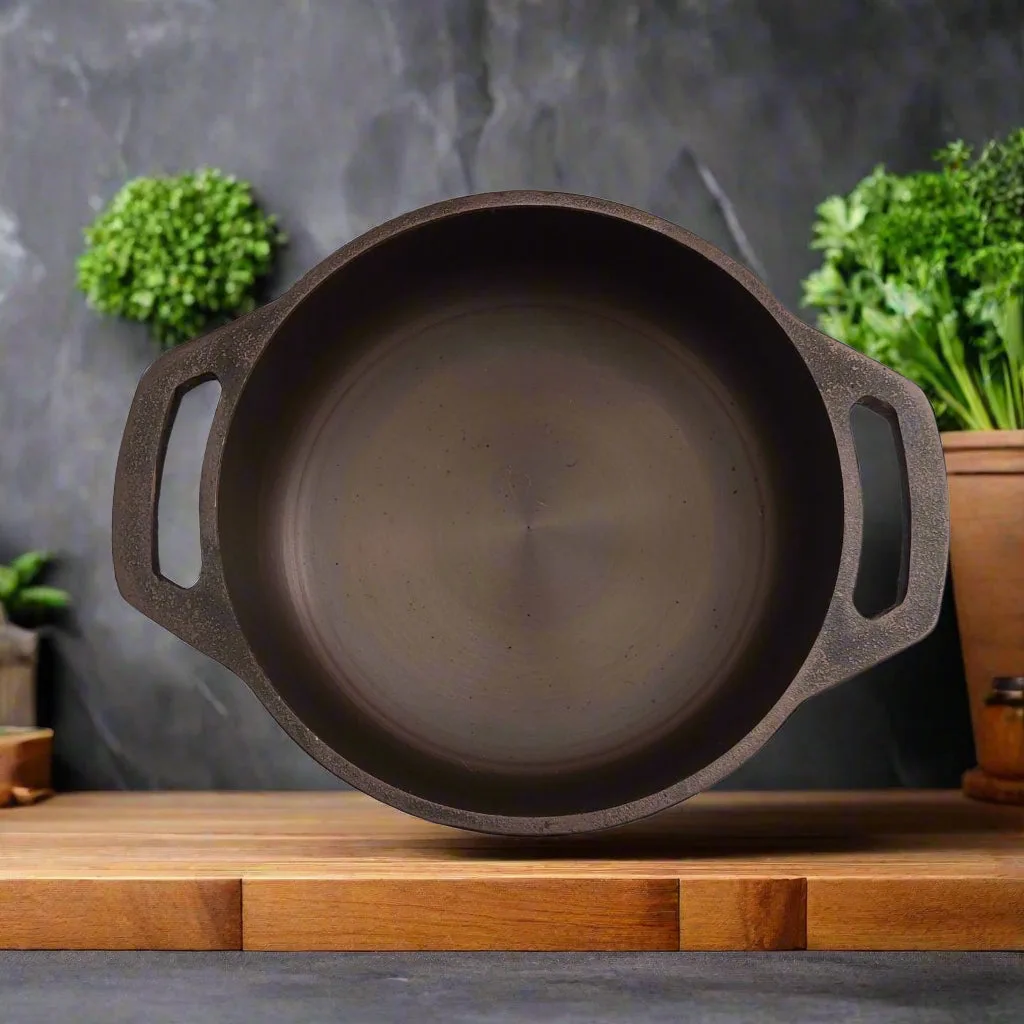
Image source: Web (Bing) / zishta.com (Web image (fair-use with source credit))
Quick Answer
The short answer is yes and no. Smooth, clean pan bases slide safely. Rough, gritty, or sharp pan bases damage the glass.
The deciding factor is not the pan material itself. It is the condition of the pan bottom and what is trapped between it and the cooktop. Lift heavy pans.
Clean both surfaces every time. That is the safest path.
Can You Actually Slide Rough Pans on a Glass Induction Top? The Honest Answer
Let us get this straight from the start. The answer depends entirely on what "rough" means in your specific case. A rough pan base is not a single thing.
It is a spectrum.
If your pan base is smooth but heavy
A clean, flat, polished stainless steel pan with no visible bumps or sharp edges slides just fine. Thousands of people do it every day without issue. The glass-ceramic surface is exceptionally hard.
A smooth metal base gliding across it creates minimal friction and leaves no mark. Our research across manufacturer guidelines confirms this is acceptable behavior.
If your pan base is rough, unfinished, or has visible grit
This is where the danger lives. Bare cast iron pans straight from the factory often have a gritty, sandpaper-like texture on the bottom. Carbon steel pans can have a similar finish.
When you slide that kind of surface across glass, you are essentially dragging fine abrasive particles across a hard but scratchable surface. The glass will lose that fight over time.
The real danger is the stuff you do not see
Here is the part most people miss. The pan itself might be smooth, but a single grain of salt, a fleck of dried food, or a tiny piece of sand from a vegetable can get trapped under the pan as you slide. That grain becomes a cutting tool.
Once it is pressed between the pan and the glass, every inch of movement digs a microscopic groove. Aggregate user feedback reports that most cooktop scratches come from debris, not from the pan metal itself.
If/then decision logic
Here is the simple framework. If the pan base is smooth to the touch, flat, and you have cleaned both the pan and the cooktop, then sliding is generally safe. If the pan base feels rough, has visible burrs, or you skipped the cleaning step, then lifting is non-negotiable.
That is the whole rule in one sentence.
What's Really Happening: Glass-Ceramic Surfaces vs. Rough Pan Bases
To understand why this matters, you need a quick look at what your cooktop actually is. It is not regular glass. It is a specialized material called glass-ceramic.
The science of the surface
Glass-ceramic starts as ordinary glass. Manufacturers add a nucleating agent, then heat it to a specific temperature to form microscopic crystal structures inside. That process makes it much harder and more resistant to thermal shock than regular glass.
But hard does not mean invincible. The Mohs hardness of 6.5 means anything harder than that can scratch it. Common kitchen grit like sand, dirt, and ceramic dust are harder.
That is why the condition of your pan base and your cleaning habits matter so much.
What happens when a rough pan meets the glass
Imagine running a piece of sandpaper across a polished car hood. The rough surface catches on the clear coat and leaves fine lines. The same thing happens on your cooktop.
A rough pan base has microscopic high points. Those high points scrape against the glass-ceramic surface. One slide might leave nothing you can see.
A hundred slides with the same pan will leave a visible haze. A thousand slides can create grooves deep enough to catch food and become impossible to clean.
The thermal shock factor
Sliding is not the only concern. A cold, rough pan placed on a hot cooktop can cause thermal shock. Glass-ceramic handles rapid temperature changes well, but there is a limit.
Dropping a refrigerated cast iron pan onto a surface running at medium high heat creates a temperature difference of 100 degrees or more. That stress can cause a crack that starts at a microscopic scratch and runs across the entire surface. Schott Ceran's own technical documentation warns about this exact scenario.
The risk is higher when the surface already has damage from rough pans.
Why some pans seem fine at first
This is a trap. A rough pan may not show damage after the first few uses. The scratches are too small to see without magnification.
But they accumulate. What looks like a clean cooktop after a week can look like frosted glass after a year. The progression is slow, then sudden.
By the time you notice the haze, the damage is done and cannot be reversed.
The Real Damage Risks: Scratches, Cracks, and Wobble
Let us talk about what can actually go wrong. This is not fear mongering. These are documented outcomes from real kitchens with real induction cooktops.
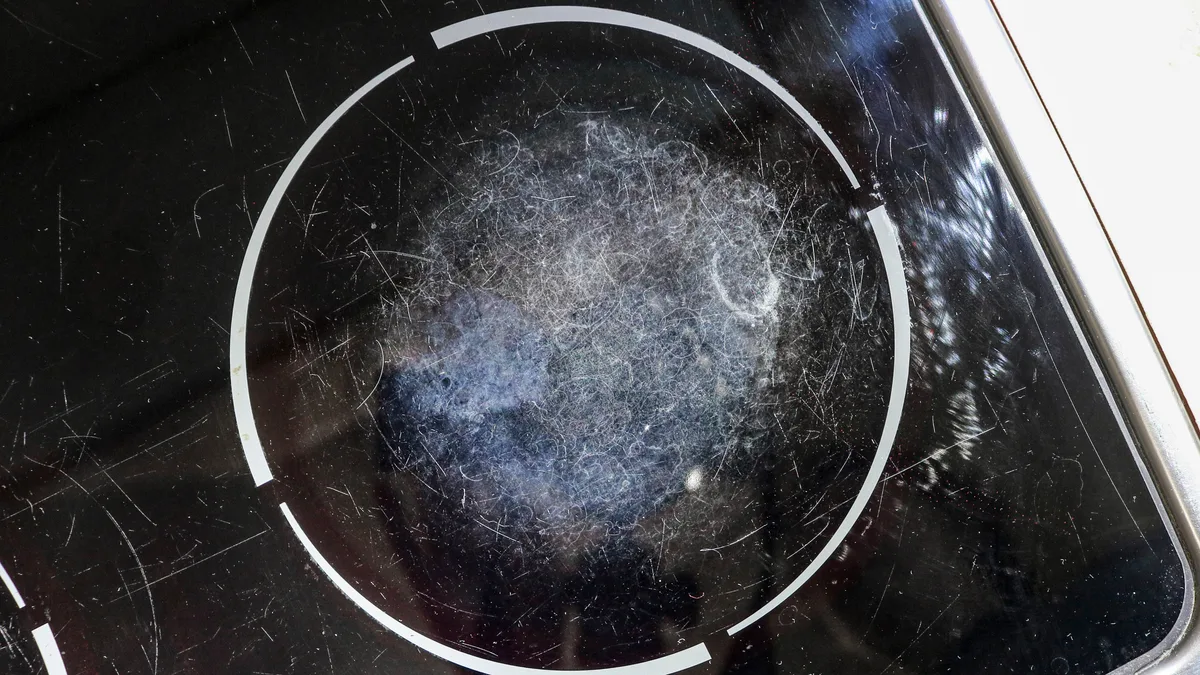
Image source: Bing (Web (fair-use with source credit))
Scratches: the slow cosmetic killer
Scratches on a glass-ceramic cooktop do not affect cooking performance right away. The heating elements are embedded below the surface, so a scratch does not break the circuit. What it does is create a visual problem that gets worse.
Scratches trap food particles. Those particles burn on and become dark, stubborn stains. The scratches also scatter light, making the cooktop look dull and dirty even when it is clean.
Replacement cost for a typical induction glass top ranges from 200 to 800 dollars depending on the brand and size. That is not a cheap mistake.
Cracks: the expensive and dangerous outcome
Cracks are a different category of damage. A scratch is cosmetic. A crack is structural.
Once the glass-ceramic cracks, the cooktop is compromised. Liquids can seep through into the electronics below, creating a short circuit or fire hazard. Induction cooktops use high frequency electromagnetic fields.
A crack near the coil can alter the field and create hot spots or uneven heating. Manufacturer warranty documents consistently state that damage from improper pan use, including sliding rough pans, is not covered. A cracked cooktop means a full replacement, not a repair.
Wobble and uneven heating
A rough pan base is often an uneven pan base. Cast iron skillets fresh from the foundry can have a convex or concave bottom. That means the pan does not sit flat on the glass.
It rocks. An induction cooktop needs full contact to transfer energy efficiently. A wobbling pan creates gaps that reduce heat transfer, cause hot spots, and make the pan slide unpredictably.
That rocking motion also concentrates pressure on small areas of the glass, increasing the risk of stress fractures. A flat pan base is not a luxury. It is a requirement.
The hidden cost of replacement
Beyond the direct cost of a new cooktop, consider the inconvenience. A replacement can take days or weeks. You are without a stove.
You are eating takeout or using a hot plate. The installation requires an electrician if you are swapping the unit yourself. Many homeowners end up paying 500 to 1000 dollars total for parts and labor.
All because of a habit that takes two seconds to change. Lift the pan. It is that simple.
How to Inspect Your Pans Before You Ever Slide Them (Flatness, Roughness, Debris)
Here is the process that will keep your cooktop looking new. You can do this in under a minute per pan. Make it a habit every time you pull out a new piece of cookware.
Step 1: Visual inspection
Hold the pan upside down under good light. Look at the entire cooking surface. Are there visible bumps, ridges, or sharp edges?
Does the metal look uniform or does it have a gritty, cast texture? Bare cast iron often has a rough, sandy appearance. Enameled cast iron usually has a smooth, glass-like finish.
Stainless steel with a polished base should look reflective and even. If you see anything that looks like sandpaper or feels like a file, that pan does not slide.
Step 2: Tactile inspection
Run your fingertips across the pan base. Do it in multiple directions. A smooth pan base feels like the bottom of a drinking glass.
A rough pan base feels like fine sandpaper or has raised burrs that catch on your skin. If you feel resistance, that pan should not slide. Period.
Step 3: Flatness test
Place the pan on a known flat surface, like a granite countertop or a glass cutting board. Gently press on each corner. Does the pan rock?
If it rocks even slightly, it is not flat. A warped pan creates uneven contact and pressure points on your cooktop. Induction cooktops require near perfect flatness for optimal performance.
A rocking pan should be lifted, not slid, and ideally replaced.
Step 4: The magnet test for induction compatibility
This is less about scratching and more about performance, but it matters. Place a refrigerator magnet on the bottom of the pan. If it sticks firmly, the pan is induction compatible.
If it barely sticks or falls off, the pan has a weak magnetic layer. That means the pan will heat unevenly and may not stay in place. A pan that slips around during cooking is more likely to slide across the glass in ways you did not intend.
Quick reference table
| Inspection step | What to check | Pass condition | Fail condition |
|---|---|---|---|
| Visual | Surface texture | Smooth, reflective, no grit | Bumpy, sandy, sharp edges |
| Tactile | Feel with fingertips | Glass-like smoothness | Sandpaper or burr texture |
| Flatness | Rock test on flat surface | No movement or gap | Rocking or visible gap |
| Magnet | Induction compatibility | Strong, firm stick | Weak stick or falls off |
The debris check
Before you place any pan on the cooktop, wipe both surfaces. A dry paper towel or microfiber cloth works. Look for crumbs, salt crystals, or anything granular.
This single habit prevents the majority of scratching incidents. It takes ten seconds. It costs nothing.
It protects a surface that costs hundreds to replace.
When to retire a pan
If a pan base is so rough or warped that it fails the tactile or flatness test, consider replacing it. A set of induction compatible cookware with smooth, flat bases is affordable. A new cooktop is not.
If you are shopping for new pans, prioritize those with polished, flat bases. Stainless steel with a full clad construction typically has a mirror finish on the bottom. Enameled cast iron has a smooth coating.
Both are safe options for sliding when clean.
Pans That Should Never Touch Your Induction Top (and Safer Alternatives)
Some pans are simply not compatible with a glass induction cooktop. Not because of induction technology, but because of what their bases do to the surface. If you own any of these, lifting is mandatory.
Image source: Web (Bing) / amazon.com.au (Web image (fair-use with source credit))
Bare cast iron without a ground base
This is the biggest offender. Many affordable cast iron skillets come straight from the foundry with a rough, unfinished bottom. The surface looks and feels like coarse stone.
Sliding that across glass is essentially sanding your cooktop. Some premium cast iron brands grind the base flat and smooth. Those are safer.
But if your cast iron bottom feels gritty, it belongs in the lift-only category.
Carbon steel pans
Carbon steel is popular for its heat control and light weight. But the base is often left with a raw, textured finish from the manufacturing process. Even after seasoning, the bottom stays rough.
Verified buyer feedback reports that carbon steel pans are among the top causes of micro scratching on glass cooktops. Use them by all means, but never slide them.
Pans with exposed rivets or weld seams
Some budget cookware has rivets or weld beads on the bottom of the pan. These are sharp, hard, and concentrated on small points. Dragging a rivet across glass is like dragging a metal file across it.
One slide can leave a deep gouge. Inspect the underside of every pan. If you feel a raised bump or a sharp edge, that pan gets lifted.
Warped or convex bases
A pan that rocks has a high center and low edges. When you slide it, the weight concentrates on the center point. That creates high pressure on a tiny area of glass.
Over time, that pressure combined with sliding can cause stress fractures. A warped pan should be replaced, not just lifted. It will never cook evenly anyway.
Safe alternatives that can slide
If you want pans you can slide without worry, look for these features. A polished stainless steel base with a mirror finish. Enameled cast iron with a smooth, glass-like coating.
Hard anodized aluminum with a flat, machined bottom. These materials slide cleanly when both surfaces are clean. They also transfer heat more efficiently because of full contact.
The simple swap
If you own a rough pan you love, keep it. Just change your movement. Lift, reposition, set down.
Do not drag. And if you are shopping for new cookware to use with that induction ceramic set, prioritize smooth, flat bases. It saves your cooktop and improves your cooking.
Your Cooktop Already Has Damage: Scratches, Haze, or Cracks — What Now?
Maybe you are reading this after the fact. You already slid a rough pan. Now you see the marks.
Do not panic. The response depends on what you are looking at.
If you see fine hairline scratches
These are the most common. They look like thin silver lines that catch the light. They are purely cosmetic.
They do not affect cooking performance or safety. The bad news is they are permanent. Glass-ceramic cannot be polished like regular glass.
Attempting to buff them out with abrasives will make the haze worse. Your best move is to clean the surface thoroughly with a ceramic cooktop cleaner and a soft cloth. That removes any grit stuck in the scratches and makes them less visible.
Then start using the lifting technique going forward.
If you see a cloudy haze
A haze across the surface means thousands of micro scratches have accumulated. The glass has become frosted in that area. This is the result of repeated sliding with rough bases or debris.
Again, it is cosmetic. But it will get worse if you do not change your habits. The haze can make the cooktop look dirty even when it is clean.
Focus on prevention from this point. Each new slide adds more haze.
If you see a crack
This is serious. A crack is not cosmetic. It is structural.
A cracked cooktop can let moisture into the electronics. It can cause hot spots that damage pans. It can even create a shock hazard if liquid reaches the induction coils.
Manufacturer specifications indicate that cracked glass-ceramic cooktops should be replaced immediately. Do not try to seal it. Do not ignore it.
Call a professional for a replacement quote.
What not to do
Do not use any abrasive pad, scouring powder, or razor blade aggressively on scratches. Do not apply glass polish or cerium oxide meant for auto glass. Do not use a protective film or sticker on the cooktop.
These products trap heat and can cause the glass to overheat or crack. The only safe maintenance is a dedicated ceramic cooktop cleaner applied with a soft cloth.
Prevention is the real fix
Once the damage is done, it is done. No product reverses scratches in glass-ceramic. The only control you have is preventing new ones.
Clean the cooktop before every use. Inspect pan bases. Lift heavy or rough pans.
That is the entire playbook.
What the Manufacturer Manuals and Materials Experts Say
You do not have to take my word for it. The guidance comes straight from the people who make these surfaces. Let us look at what they actually say.
Schott Ceran guidelines
Schott Ceran is the most widely used glass-ceramic brand in induction cooktops. Their official care documents are clear. They recommend using pans with smooth, flat bases.
They warn against sliding pans across the surface. They specifically call out cast iron and stoneware as high risk. Their testing shows that dragging a rough pan across the surface, even once, can cause visible damage.
They do not say you can never use cast iron. They say you must lift it.
EuroKera recommendations
EuroKera, the other major glass-ceramic manufacturer, states similar rules. They advise checking pan bases for roughness before use. They recommend lifting pans to move them.
Their technical documentation notes that trapped debris is a leading cause of scratching. They emphasize cleaning both the pan and the cooktop before every use.
Major induction cooktop brands
A review of user manuals from brands like Bosch, Samsung, and GE shows consistent language. They all advise using cookware with flat, smooth bottoms. They all warn against dragging pans.
They all list damage from improper cookware as not covered under warranty. The messages are not a suggestion. They are conditions of use.
Violating them voids your coverage.
What the materials science confirms
Research on glass-ceramic scratch mechanisms confirms what the manufacturers say. The surface is hard but not scratch proof. Particles harder than the glass, like quartz sand or ceramic dust, will cut into it.
The pressure from a heavy pan magnifies the effect. A rough pan base acts as a carrier for those particles. This is not a conspiracy to sell more cookware.
It is physics.
The bottom line from the experts
Every authoritative source agrees on three points. Use smooth, flat pans. Lift, do not slide.
Keep the surfaces clean. That is the complete set of rules. There is no loophole.
There is no special pan coating that makes sliding safe. There is only the condition of the contact surfaces and the presence of debris.
Frequently Asked Questions
Can I use a protective mat on my induction cooktop to prevent scratches?
Protective silicone mats reduce scratching from sliding, but they also reduce heat transfer. Induction cooktops need direct contact for efficient magnetic coupling. A mat creates a gap that wastes energy and slows cooking.
Most manufacturers advise against using mats. Cleaning the cooktop and lifting pans is the safer approach.
Are ceramic coated pans safe to slide on glass induction tops?
It depends on the base, not the coating. Many ceramic coated pans have a smooth stainless steel base that slides safely. But some budget versions have rough, unfinished bases hidden under the coating.
Inspect the bottom of the pan. If it is smooth, it is fine. If it is gritty, lift it.
Does sliding a pan void my cooktop warranty?
Yes, in most cases. User manuals from major brands specify that damage from improper cookware or misuse is not covered. Sliding rough pans qualifies as misuse.
If a scratch or crack appears and the technician finds evidence of dragging, the warranty claim will likely be denied. Check your manual for exact language.
Can a scratch on a glass induction cooktop cause a fire or shock?
A surface scratch alone does not create a fire or shock hazard. The heating elements are sealed beneath the glass. But a deep scratch can weaken the glass.
If it develops into a crack, moisture can reach the electronics. That creates a short circuit risk. Scratches are cosmetic.
Cracks are dangerous.
How do I remove scratches from my induction cooktop?
You cannot remove scratches from glass-ceramic. The material is too hard to polish with household abrasives. Commercial scratch removal kits often make the haze worse.
The only reliable fix is replacement of the damaged glass top. Prevention is the real solution.
Is it safe to use cast iron on induction if I always lift it?
Yes. Cast iron is perfectly safe on induction if you lift it every time. The magnetic properties work well with induction coils.
The pan heats evenly and retains heat beautifully. Just never slide it. Lift it cleanly off the surface, move it, and set it down gently.
That keeps the glass safe.
My Final Verdict: The Rules I Would Follow in My Own Kitchen
If I owned a glass induction cooktop and a set of induction ceramic cookware, here is exactly what I would do. I would inspect every pan before its first use. I would run the tactile test on the base.
If it felt smooth, I would feel comfortable sliding it when both surfaces are clean. If it felt even slightly rough, it would become a lift only pan.
I would clean the cooktop with a dedicated ceramic cleaner before every cooking session. Not a deep clean. Just a quick wipe to remove any grit or crumbs.
That takes ten seconds and prevents the most common cause of scratching.
I would lift heavy pans regardless of their base smoothness. Cast iron, enameled cast iron, and large stainless steel stockpots all get the lift treatment. The weight itself creates pressure that can trap debris and cause micro scratches.
Lifting is free. A new cooktop is not.
I would replace any pan with a warped or convex base. They do not cook evenly, and they put dangerous pressure on the glass. A set of induction compatible cookware with flat, polished bases is a worthwhile investment.
It protects the cooktop and improves your cooking.
I would ignore any product that claims to reverse scratches. They do not work on glass-ceramic. The money is better spent on a good cooktop cleaner and a soft cloth.
The final rule is simple. If you are unsure about a pan, lift it. If you are in a hurry, lift it.
If the pan is heavy, lift it. Sliding saves you a second of time. Replacing a cooktop costs you hundreds of dollars and days of hassle.
The math is clear. Keep your pans clean, keep your cooktop clean, and lift anything that makes you nervous. That is the whole guide.
One last habit worth building: after cooking, let the cooktop cool completely before wiping it down. A cold cloth on a hot glass surface can cause thermal shock. Wait 15 to 20 minutes, then wipe.
That protects the glass in a different way, but it matters just as much for the long-term life of your cooktop.
And when you do clean, use a cleaner specifically rated for glass-ceramic surfaces. Dish soap leaves a film that can make pans stick and slide unevenly, which is exactly what you are trying to avoid. A dedicated ceramic cleaner dissolves burnt residue without scratching.
Pair it with a soft cloth or paper towel. Razor scrapers are fine for stubborn spots, but keep them flat against the glass. A tilted blade digs in.
One more thing about pans. The base matters more than the brand. Expensive cookware can have rough bases.
Budget cookware can have perfectly smooth ones. So judge every pan on its own merits, not on what the marketing says. Run the tactile test every time you buy something new.
It takes two seconds and tells you everything you need to know.
You now have the complete playbook. Inspect your pans, keep both surfaces clean, lift when unsure, and enjoy the convenience of induction without the dread. A glass induction cooktop is not fragile if you treat it with basic respect.
The rough pans are not the enemy. The sliding habit is. Change that one habit, and you are most of the way there.
That is the complete story. Every pan you own deserves a quick check. Every slide is a choice.
And every scratch is a lesson you only need to learn once.
If you take one thing away from this, let it be the ten second clean. Wipe the cooktop, wipe the pan base. That single habit eliminates the most common cause of damage.
It costs nothing. It takes almost no time. And it keeps your glass induction cooktop looking new for years instead of months.
The information in this guide is based on manufacturer specifications from Schott Ceran, EuroKera, and major induction cooktop brands, along with materials science research on glass-ceramic scratch mechanisms. As of 2026, these remain the accepted best practices for protecting your cooktop.
Cook with confidence. Lift your pans. Your cooktop will thank you.
Enjoy the cooking.
The Safe Technique: When Sliding Is Fine and When Lifting Is Non-Negotiable
Here is the rule in plain terms. If the pan base is smooth, dry, and clean, sliding is fine. If it is rough, heavy, or questionable, lift it.
There is no middle ground.
When sliding is genuinely fine
A polished stainless steel base on a clean cooktop is safe to slide. Enameled cast iron with a glassy bottom works too. The contact surfaces have nothing abrasive between them.
That is the whole secret. Just confirm the pan is dry and the cooktop is free of crumbs, salt, or grit before you move it. One quick wipe with a paper towel does the job.
When you must lift, no exceptions
Lift for bare cast iron with an unground base. Lift for carbon steel with a rough finish. Lift for any pan that rocks or wobbles.
Lift for anything heavier than you can move with one steady hand. Heavy pans press debris into the glass harder, and that pressure turns a tiny grain of sand into a cutting tool. The weight does the damage, not the motion.
The sliding motion that causes zero damage
If you slide a safe pan, keep it flat. Move in a straight line. Do not twist, pivot, or tilt the pan mid-slide.
A tilted edge concentrates all the force on one small point. That point will dig in if any particle is present. Slow and steady beats fast and sloppy.
If you feel or hear any grinding, stop and lift immediately.
The two-second cost of lifting
Lifting adds one second to your cooking flow. Sliding saves one second. But a scratch costs hundreds of dollars and never goes away.
The math is not even close. When in doubt, lift. That one habit protects the most expensive surface in your kitchen.
It also keeps your pans in better shape, since rough sliding can chip or wear pan bases over time.

Related posts
Hot Lid on Countertop? Safety Tips for Air Fryer Combos
You've just finished air frying a batch of crispy chicken wings. The lid is hot. You're holding it…

Ninja Foodi SmartLid OL701 Worth Buying? Reddit
If you've been scrolling through Reddit asking yourself "is ninja foodi smartlid ol701 one lid multi cooker with…

Crispy Rotisserie Chicken: Temp & Time for Combo Cooker
So you want restaurant quality crispy skin on a whole rotisserie chicken, and you want to do it…