Can You Put Plastic Under an Air Fryer Lid Safely?
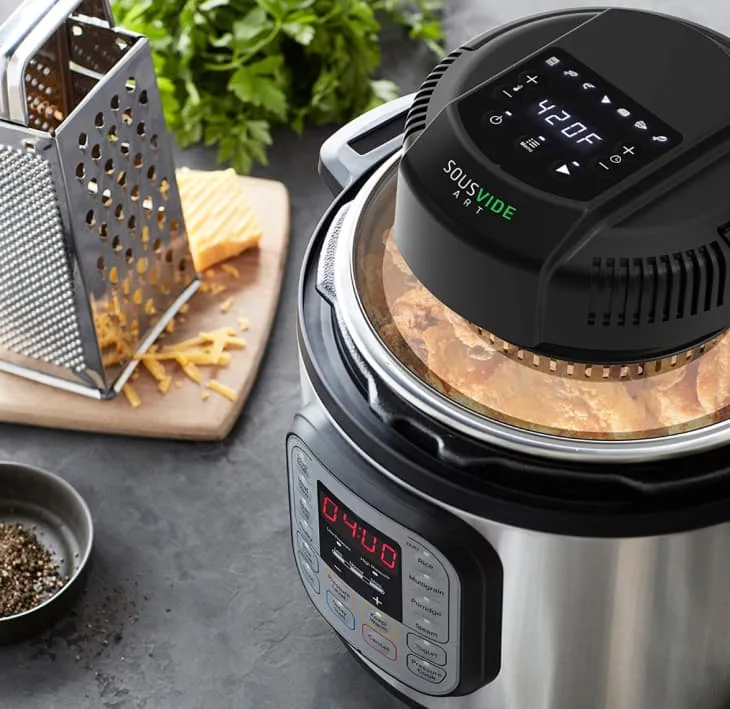
If you've ever wondered whether you can put plastic bowls or plates under the lid of an air fryer lid attachment for a pressure cooker, you're not alone. It's a common question from people who want to reheat leftovers or cook small portions without dirtying extra dishes. But the short answer is almost always no.
Most plastic containers aren't designed for the intense heat these lids generate.
The air fryer lid's heating element can reach temperatures of 400°F (204°C) during operation. Even common plastics like polypropylene begin to soften or melt around 320°F. That's a significant gap.
Understanding the specific risks is the first step to keeping your kitchen safe.
Image source: Bing (Web (fair-use with source credit))
Quick Answer
The short answer is no. Most plastic bowls and plates are not safe under an air fryer lid. The lid's heating element gets too hot.
It can melt plastic and release toxic fumes. Check your manufacturer's manual for exact warnings. Even "heat resistant" plastics often fail at these temperatures.
What Makes a Plastic Bowl or Plate Unsafe Under the Lid?
Understanding why plastic is dangerous requires looking at how the air fryer lid actually works. It's not the same as a microwave or a standard oven. The heat is intense and concentrated.
The Heating Element's Position
The heating element sits directly above the food. It's a high-wattage coil that glows red hot. In a standard oven, the heat is more evenly distributed.
With an air fryer lid, the heat is focused right on the container. If your plastic bowl is too tall, it can touch the element. That's a direct fire hazard.
Trapped Heat Inside the Pressure Cooker
The pressure cooker base acts as an enclosed chamber. The lid creates a sealed environment. Heat has nowhere to escape.
The temperature inside can rise well above the dial setting. The air fryer lid's fan circulates hot air, but it also concentrates heat near the bottom of the bowl. Plastics that are safe for the microwave may fail here.
The Real Temperature Inside vs. the Dial Setting
You might set the air fryer to 350°F, but the actual temperature at the surface of your bowl could be higher. Radiant heat from the element adds extra energy. The plastic absorbs that heat directly.
A bowl that feels warm to the touch after a few minutes is already reaching dangerous levels. Warping can happen quickly.
Which Plastics Can Handle High Heat (And Which Can't)
Not all plastics are created equal. Some are rated for higher temperatures, but that doesn't automatically make them safe for an air fryer lid. Here's a breakdown of the common types you might find in your kitchen.
| Plastic Type | Typical Melting Point | Safety Under Air Fryer Lid |
|---|---|---|
| Polypropylene (PP) | ~320°F (160°C) | Risk of softening or warping at 400°F |
| Polyethylene (PE) | ~250°F (121°C) | Unsafe — will melt quickly |
| Melamine | ~350°F (177°C) | Unsafe — can leach formaldehyde at high heat |
| Silicone | ~450°F+ (232°C) | Generally safe, but check for a "food-grade" label |
| Nylon | ~480°F (249°C) | Unsafe — can melt and release fumes |
| Polycarbonate | ~300°F (149°C) | Unsafe — will deform and may leach BPA |
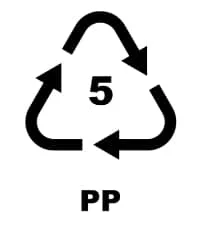
Image source: Bing (Web (fair-use with source credit))
Polypropylene (PP) – The Most Common Takeout Container
Polypropylene is the plastic used in most takeout containers, yogurt cups, and some mixing bowls. It's labeled with a "#5" recycling symbol. It's microwave-safe for short periods.
But it's not designed for the sustained dry heat of an air fryer. At 400°F, it will soften and warp. It may not drip, but it will lose its shape.
That means hot food, or even the bowl itself, could spill.
Polyethylene (PE) – Low Melting Point, High Risk
Polyethylene is used for plastic bags, squeeze bottles, and some cheap storage containers. It has a very low melting point. It's not safe for any high-heat cooking.
Don't use it under the air fryer lid. It will melt, deform, and possibly drip onto the heating element.
Melamine – Not Safe Despite High Heat Tolerance
Melamine is a hard, durable plastic used in many colorful plates and bowls. It has a high melting point, around 350°F. But it's not safe for high-heat cooking.
The reason is chemical safety. When heated above 160°F, melamine can leach into food. The FDA warns against using melamine for hot food.
Under an air fryer lid, the risk of chemical migration is real. Melamine is also not microwave-safe for long periods.
Silicone – The Exception That Works
Silicone is a different material. It's not a traditional plastic. It's a synthetic rubber that can withstand high temperatures.
Many silicone baking mats, molds, and even some bowls are rated for 450°F or higher. If you want to use a flexible container, silicone is your best bet. But check the label.
Some cheap silicone goods include fillers that lower the heat tolerance. Make sure it's 100% food-grade silicone.
Nylon and Polycarbonate – What You Need to Know
Nylon is used in some kitchen utensils and heat-resistant containers. It has a high melting point, but it can still melt under the air fryer lid. Nylon also releases fumes when overheated.
Polycarbonate is used in some reusable water bottles and storage containers. It's not heat-resistant. Both should be avoided for this use.
What to Do Instead: Safe Alternatives for Your Air Fryer Lid
If you want to use a bowl or plate under the air fryer lid, stick with materials that are proven safe. Here are the best options.
| Material | Heat Tolerance | Pros | Cons |
|---|---|---|---|
| Borosilicate Glass | 400°F+ | Safe, non-reactive, easy to clean | Heavy, can break if dropped |
| Ceramic (oven-safe) | 400°F+ | Retains heat well, attractive | Heavy, can crack with thermal shock |
| Stainless Steel | 500°F+ | Very durable, lightweight | Can cause hot spots, may scratch non-stick inserts |
| Silicone Molds | 450°F+ | Flexible, easy to remove food | Not rigid, limited shapes |
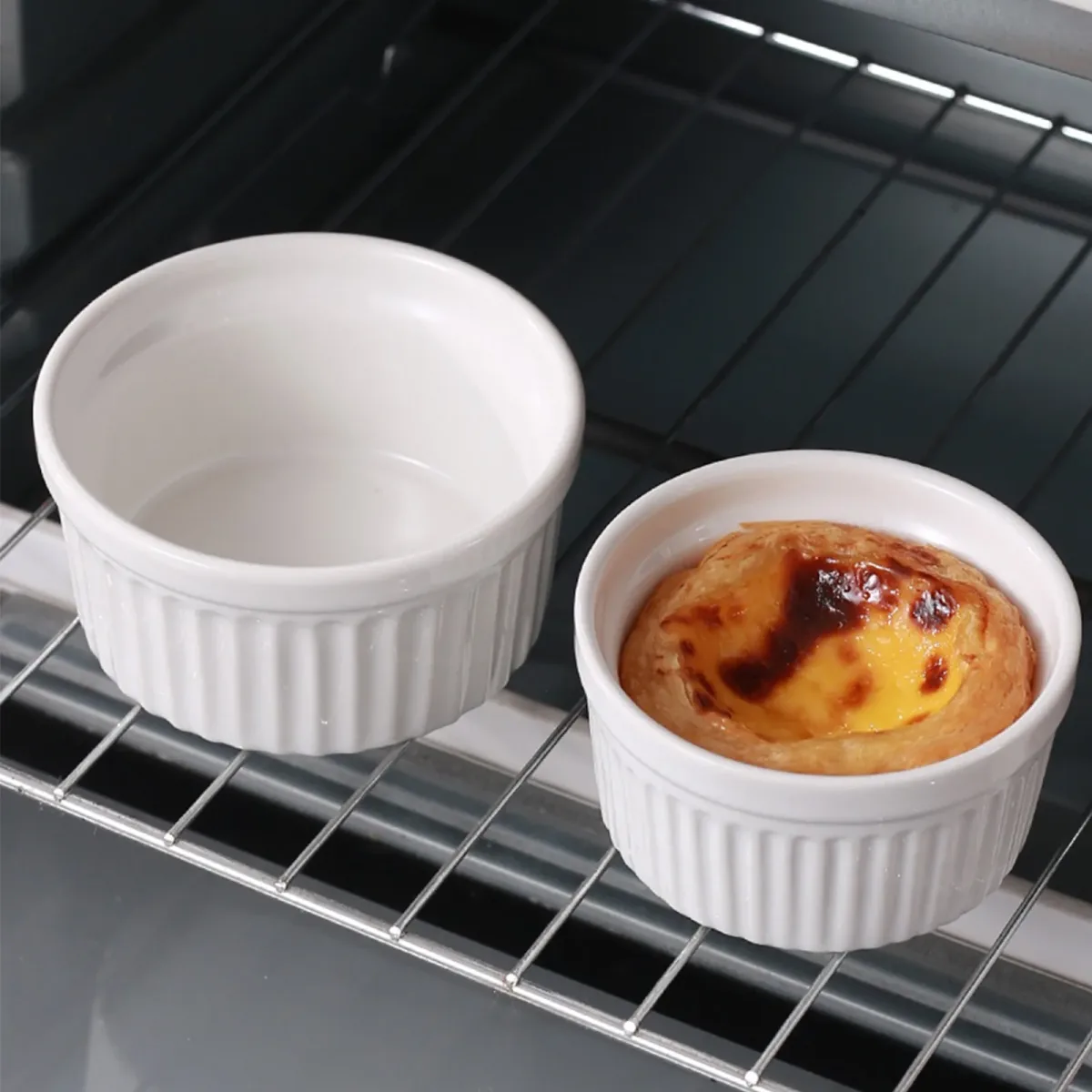
Image source: Bing (Web (fair-use with source credit))
Glass Bowls (Borosilicate)
Borosilicate glass is designed to handle thermal shock. It's safe for the oven, microwave, and air fryer. Look for labels that say "oven-safe" or "heat-resistant up to 400°F." Pyrex (borosilicate) or similar brands work well.
But don't use thin glass or decorative glass plates. They can shatter. Always check the manufacturer's rating.
Ceramic Ramekins and Bowls
Ceramic is a great option for small dishes. It holds heat well and distributes it evenly. Make sure the ceramic is labeled "oven-safe." Some ceramic glazes contain lead, which can leach at high temperatures.
Stick with reputable brands. Avoid cold ceramic directly into a hot air fryer. Let it come to room temperature first to prevent cracking.
Stainless Steel Inserts
Stainless steel is a top choice for durability. It's lightweight, non-reactive, and can handle any temperature the air fryer lid can produce. You can use small stainless steel bowls or the inner pot of the pressure cooker itself.
The main downside is that stainless steel can get very hot. Use oven mitts when handling. Also, stainless steel can create hot spots if it's very thin.
But for most uses, it's excellent.
Silicone Molds and Containers
Silicone is flexible and heat-resistant. It's ideal for making egg bites, muffin cups, or small cakes under the air fryer lid. The food pops out easily.
Silicone also doesn't conduct heat as much as metal, so it reduces the risk of burning. Again, make sure it's 100% food-grade silicone. Some silicone products have melting points lower than advertised.
A Step-by-Step Guide to Testing Your Plastic Container (If You Choose To)
I don't recommend using plastic. But I know some people will try anyway. If you absolutely must test a plastic container, follow these steps.
Do this at your own risk. Watch the container closely.
Step 1: Check the Label
Look for a recycling number and a temperature rating. The best case is polypropylene (#5) with a label that says "oven-safe." Even then, most oven-safe plastics are only rated for 350°F. The air fryer lid can exceed that.
If the label says "microwave only" or "dishwasher safe," it's not enough.
Step 2: Verify Clearance Under the Lid
Place the plastic bowl inside the pressure cooker base. Close the lid without any food. Check that the bowl does not touch the heating element or the fan.
There should be at least a half inch of clearance. If the bowl is too tall, don't use it. The heat is even more intense near the element.
Step 3: Start Low and Watch Closely
Set the air fryer lid to the lowest temperature setting, usually 250°F. Run it for 2 minutes. Open the lid and check the bowl.
Is it warped? Is it soft? Is there any smell?
If it's fine, try a slightly higher temperature for another minute. Do not leave the kitchen. The moment you see any change, stop.
Step 4: Know the Signs of Danger
The signs of a failing plastic container are clear. Look for warping, bubbles, or a change in color. A strong chemical smell is a bad sign.
If the bowl feels soft or sticky, it's melting. Stop immediately. Turn off the air fryer.
Let it cool. Remove the plastic and dispose of it. Do not reuse it.
Common Mistakes People Make with Plastic and Air Fryer Lids
Even careful cooks make mistakes. Here are the most common ones.
- Confusing Microwave-Safe with Oven-Safe: Microwave-safe plastic can handle indirect heat. The air fryer lid uses direct radiant heat. They are not the same.
- Assuming the Lid's Heat is Even: The heat is not uniform. The center near the element is hotter than the edges. A bowl that seems safe at the edges can melt in the middle.
- Using Thin, Disposable Plastic: Disposable containers, like takeout lids, are very thin. They melt almost instantly. Never use them under the lid.
- Leaving Plastic Unattended: Even if you think it's safe, don't walk away. Melted plastic can cause a fire. Always stay nearby.
If you're interested in keeping your kitchen equipment in top shape, you might find our cleaning guidelines for similar appliances helpful. And if you're concerned about the safety of your air fryer's materials, we've covered the questions around toxicity in detail.

Related posts
Ninja PossibleCooker Pro: Is It Worth Buying? Reddit Reviews
Wondering is ninja possiblecooker pro countertop electric dutch oven multicooker worth buying reddit review? You are not alone.…
How to Clean Caramelized Sauce from Dutch Oven Handles
You've just braised a pot roast to perfection, and the kitchen smells incredible. But now you're staring at…
Braised Red Wine Short Ribs: Electric Dutch Oven Time & Temp
Figuring out the right temperature and cooking time for braised red wine beef short ribs in countertop electric…