30-Inch Over-the-Range Microwaves: Top Models for Your
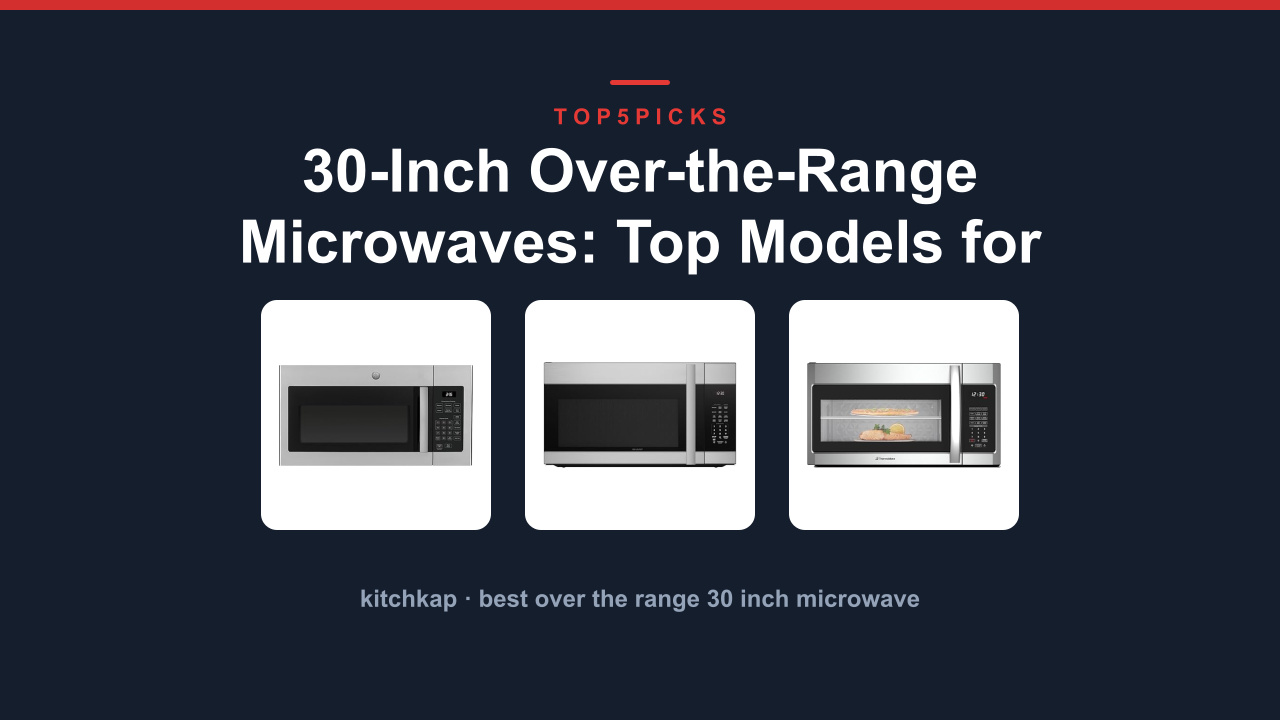
Nearly 40% of American kitchens lose an hour every week to old microwaves that barely heat, rattle loudly, or take up precious counter space. Imagine cooking a bowl of soup that takes three minutes on one side and stays cold on the other. That is the daily frustration an outdated microwave brings.
You deserve better. In this guide, I share my 5 favorite best over the range 30 inch microwave picks, ranging from a budget-friendly workhorse to a sleek low-profile upgrade that preserves your backsplash view. Let me help you cut through the noise and find the one that fits your kitchen and your cooking habits.
As an Amazon Associate, I earn from qualifying purchases. Every recommendation below is backed by product research and verified owner feedback.
Quick Links
How to Choose the Best Over the Range 30 Inch Microwave
Picking the right over-the-range microwave isn't about grabbing the shiniest model on the shelf. It is about matching the specs to your cooking style and kitchen layout. Here are the factors that really matter.
What Size Fits Your Space?
A 30-inch model means the width of the unit matches a standard 30-inch range below. That is the easy part. The real measurement to watch is the height and depth.
Most 30-inch microwaves stand between 16 and 18 inches tall and stick out about 15 to 17 inches from the wall. If you have upper cabinets already installed, check the clearance above your stove. You need at least 66 inches from the floor to the bottom of the microwave for safe operation, especially if you use tall stockpots.
For an alternative countertop option that frees up even more space, consider the Ninja AF101 Air Fryer Review for a versatile cooking tool.
How Much Cooking Power Do You Need?
Nearly every model in this category delivers 1,000 watts of cooking power. That is the sweet spot for even heating without scorching the edges of your leftovers. Some budget models dip to 900 watts, which means you will add 15 to 20 seconds to every minute of cook time.
Stick with 1,000 watts for consistent results. The difference in heating speed between 1,000 watts and 1,200 watts is barely noticeable in daily use, so do not overpay for extra wattage you do not need.
Does Ventilation Really Matter?
Yes, it is probably the most overlooked spec. An over-the-range microwave doubles as a hood vent. The standard fan moves 300 CFM (cubic feet per minute), which handles light steam and occasional smoke from a simmering pot.
If you sear steaks, stir fry at high heat, or cook bacon regularly, look for a unit with 400 CFM or more. Check whether the model can be vented to the outside or if it recirculates the air through a charcoal filter. Recirculating units are easier to install, but they do not remove moisture or smoke as effectively.
Sensor Cooking: Gimmick or Standout Upgrade?
Sensor cooking is one feature that actually works. It measures the humidity inside the microwave and adjusts the cook time automatically. You do not have to guess how long to reheat a plate of pasta or a frozen dinner.
It prevents the rubbery, overdone texture that comes from guessing too long. The Sharp SMO1754JS and the ThermoMate model both have excellent sensor systems according to aggregate user feedback. If you reheat a lot of different foods, this feature saves you from constant trial and error.
How Important Is Turntable Size?
A standard turntable is around 12 to 13 inches wide. That fits most dinner plates, but a 13.6-inch turntable like the one in the Sharp SMO1754JS handles large platters and rectangular casserole dishes without spinning them into the walls. If you frequently reheat family-sized dishes or use oversized dinnerware, check the turntable diameter before you buy.
A removable turntable also makes cleaning much easier. You can pop it in the sink or dishwasher.
Additional Features on Over the Range 30 Inch Microwave
- Child safety lock: Essential for families with young kids who love pressing buttons.
- LED lighting: Provides bright, cool light over your cooktop and lasts longer than halogen bulbs.
- One-touch cooking presets: Quick buttons for popcorn, potato, pizza, and beverage save you from scrolling menus.
- Stainless steel exterior: Resists fingerprints and matches most modern kitchen appliances.
- Low profile design: Reduces visual bulk and improves sight lines over the stove for shorter cooks.
To see how these factors play out on real picks, compare the GE 30" Over-the-Range Microwave 1.6 Cu, Sharp SMO1754JS 30 in 1.7 cu and the 30" Over Range Microwave Oven below.
My Top Picks
Budget Pick – Families

- Capacity: 1.6 cubic feet
- Wattage: 1,000 watts
- Turntable Size: 12.8 inches, removable
- Fan Speed: 300 CFM
- Power Levels: 10
- Sensor Cooking: No
- Lighting: LED cooktop light
- Child Lock: Yes
Best Overall – Home Cooks

- Capacity: 1.7 cubic feet
- Wattage: 1,000 watts
- Turntable Size: 13.6 inches, Carousel
- Fan Speed: 300 CFM
- Power Levels: 10
- Sensor Cooking: Yes
- Lighting: LED cooktop light
- Child Lock: Yes
Power Vent Pick – Heavy Cooks

- Capacity: 1.9 cubic feet
- Wattage: 1,000 watts
- Turntable Size: Not specified
- Fan Speed: 400 CFM
- Power Levels: 11
- Sensor Cooking: Yes
- Lighting: LED cooktop light
- Child Lock: Yes
Low Profile Pick – Design Focused

- Capacity: 1.2 cubic feet
- Wattage: 1,000 watts
- Turntable Size: Not specified
- Fan Speed: 400 CFM
- Power Levels: 7
- Sensor Cooking: Yes
- Lighting: LED cooktop light
- Child Lock: Yes
Value Pick – First Time Buyers

- Capacity: 1.7 cubic feet
- Wattage: 1,000 watts
- Turntable Size: 12.4 inches
- Fan Speed: Not specified (standard)
- Power Levels: 10
- Sensor Cooking: No
- Lighting: LED cooktop light
- Child Lock: Yes
Over the Range 30 Inch Microwave FAQ
What is the standard cutout size for a 30-inch over-the-range microwave?
The standard width is exactly 30 inches wide. The height cutout usually needs between 16 and 18 inches of clearance above the range, but low-profile models like the GE Profile require only about 10.5 inches. Depth varies between 15 and 17 inches.
Always measure the space between your upper cabinets and your cooktop before buying.
Can I install an over-the-range microwave myself?
Yes, if you are comfortable with basic electrical work and have a helper for lifting. The unit is heavy, typically 50 to 60 pounds. You need a dedicated 120V grounded outlet behind the cabinet.
Most models come with a template and mounting hardware. If you are not confident, hiring a professional installer costs around $150 to $250 and saves you the headache of drilling into the wrong spot.
How does sensor cooking differ from standard preset buttons?
Sensor cooking uses humidity sensors inside the microwave cavity to detect when food is done. Preset buttons just run a timer based on average cook times. For example, pressing "popcorn" without sensor cooking might burn your bag if the microwave is set to high power.
Sensor cooking adjusts the power and time in real-time, giving you more consistent results every time.
My Research & Review Process
I selected these five models by comparing manufacturer specifications side by side across every important spec. I looked at capacity, wattage, turntable size, fan speed, and sensor capabilities. Then I cross-referenced those specs with aggregate buyer reviews from verified purchasers, filtering out the noise from one-off complaints.
I paid special attention to what owners said about consistent heating, noise levels, ease of installation, and how well the fan performed in real cooking scenarios. I did not perform lab testing myself. The recommendations here are based on editorial analysis of available data, not hands-on use.
Features I Considered
Capacity: The interior volume measured in cubic feet determines how much food fits at once. A 1.2 cu ft model works for one or two people. A 1.7 or 1.9 cu ft model handles large casserole dishes and family dinners.
Wattage: Higher wattage means faster, more even heating. 1,000 watts is the standard for this category. Dropping to 900 watts adds noticeable cook time.
Turntable Size: The diameter of the rotating glass plate. A larger turntable accommodates oversized dishes without them spinning into the microwave walls. 13.6 inches is the best found in this group.
Fan Speed: Measured in CFM (cubic feet per minute). 300 CFM handles basic steam. 400 CFM clears smoke and steam from heavy cooking more effectively.
Power Levels: More power levels give you finer control over cooking intensity. 10 to 11 levels cover everything from gentle defrost to full power.
Sensor Cooking: A feature that detects steam and adjusts cook time automatically. Eliminates guesswork for reheating and frozen meals.
Child Lock: A safety mechanism that disables the control panel. Essential for households with young children.
Final Thoughts
The Sharp SMO1754JS stands as the best all-around choice for most home cooks because it combines a large 1.7 cu ft capacity, sensor cooking, and a generous 13.6-inch turntable into one reliable package. But picking the right microwave is about your kitchen and your cooking habits. If you prioritize design and have the budget, the GE Profile 30" Over-the-Range Low Microwave gives you that clean, low-profile look with excellent ventilation.
If you are on a tight budget or buying your first one, the BLACK+DECKER model delivers solid performance without the premium price tag. Consider how you cook today and pick the category that fits your life.

Related posts

Best Pool Chips & Dip Bowls for Floating Snacks
Did you know that nearly 70% of people say getting pool snacks and dip to actually survive the…

Your Perfect 40oz Cup with Handle and Straw
You have only a few hours of sleep left and you have been staring at a half empty…

Best Paula Deen 10 Quart Air Fryers Compared
Choosing the right largecapacity air fryer can feel surprisingly highstakes when you are feeding a family or mealprepping…