33 Best Undermount Stainless Steel Kitchen Sinks
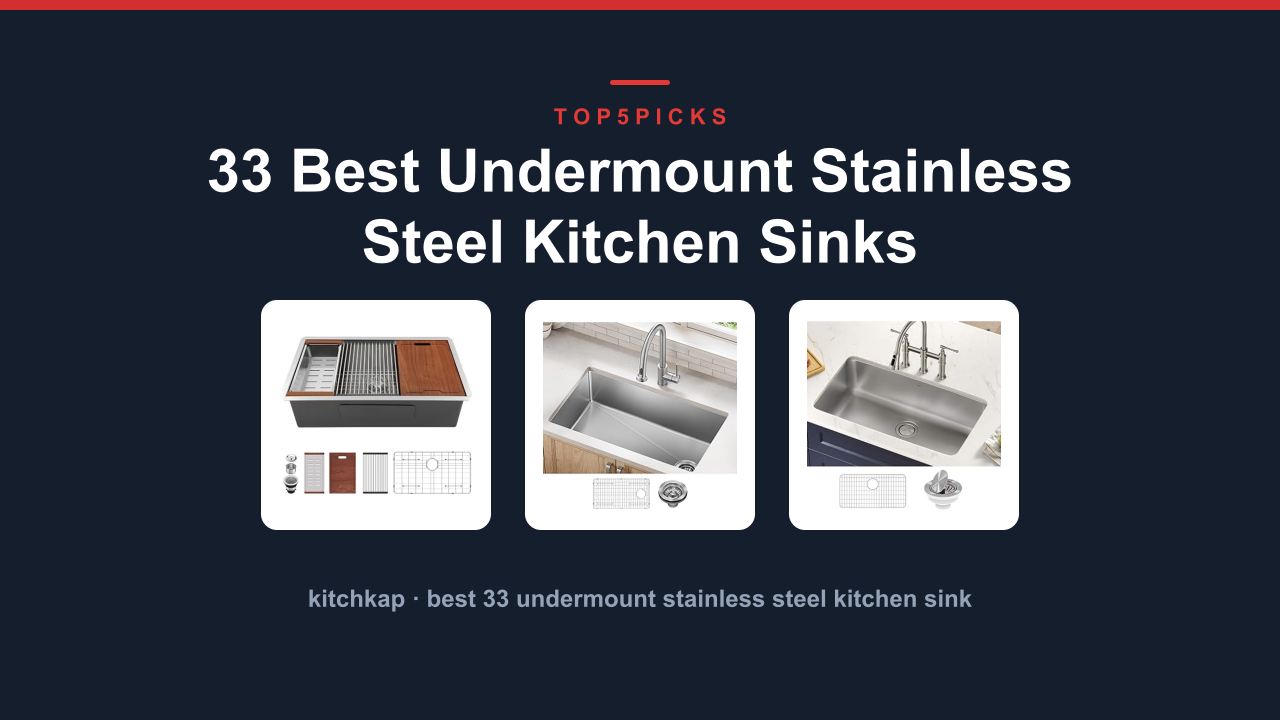
Picking a new kitchen sink sounds simple enough until you start comparing gauges, finishes, and mounting styles. The best 33 undermount stainless steel kitchen sink balances durability, noise control, and easy cleanup without blowing your budget. As an Amazon Associate, I earn from qualifying purchases. Every recommendation below is backed by product research and verified owner feedback.
Quick Links
Fresh water splashing against thin metal. Dishes clattering loud enough to wake the kids. A scratched basin that shows every speck of grime.
Pick the wrong sink and that annoying reality hits you every single day.
Now imagine a deep, quiet, scratch-resistant basin that makes cleanup feel effortless and looks clean even when it is not. That is what a properly chosen undermount sink delivers.
In this guide, I share my five favorite best 33 undermount stainless steel kitchen sink picks. They range from a full workstation with built-in accessories to a thick 16-gauge tank that will outlast your cabinets.
I cut through the marketing noise so you can pick the one that actually matches your cooking habits and countertop material.
How to Choose the Best 33 Undermount Stainless Steel Kitchen Sink
Gauge: The Thickness Decides the Noise
Gauge is the steel thickness. Lower numbers mean thicker steel. A 16-gauge sink is noticeably sturdier than an 18-gauge one.
It flexes less under a heavy stockpot and transmits less vibration.
I have seen 18-gauge sinks that work fine for years. But if you regularly drop cast iron pans or run a garbage disposal, go 16-gauge or even 11-gauge. Thicker steel also deadens the ringing sound when water hits the basin.
Stainless Steel Grade: 304 Is Your Friend
Always look for SUS304 or 304-grade stainless. It contains 18% chromium and 8% nickel, which resists rust and corrosion far better than 430-grade (often found in budget sinks). The Lordear and both KRAUS models use SUS304.
Cheaper Chinese sinks sometimes cut corners here.
Basin Depth: Deeper Is Usually Better
Standard depth is 9 to 10 inches. Deeper basins hold more water and reduce splashing. They also make it easier to wash large baking sheets or stockpots without the faucet spraying everything.
The downside: you may need to lean down a bit more.
Ten inches is a sweet spot. Nine inches works if you have a shallow cabinet below.
Mounting Style: Undermount vs Top-Mount
All picks here are undermount, meaning the sink installs below the countertop. That creates a seamless look and makes wiping crumbs directly into the sink much easier. The trade-off is a slightly trickier installation cost.
Soundproofing Pads and Coating
A bare metal sink sounds like a bell when water hits it. Quality sinks come with rubberized undercoating or foam pads on the underside. The SANYCASA goes a step further with a quiet drain system.
Verified buyer feedback consistently notes that sinks with thick sound-dampening pads are significantly quieter.
Shape and Corners
Rounded corners are easier to clean than sharp ones. But they reduce usable space slightly. The KRAUS models feature rounded corners that resist buildup.
The Lordear and the generic 33-inch pick also have gentle curves.
Additional Features on Best 33 Undermount Stainless Steel Kitchen Sink
- Workstation ledges that hold cutting boards, drying racks, or colanders directly over the basin
- Channel grooves for draining water away from the sink edge
- Brushed or radiant pearl finish that hides scratches better than mirror polish
- Pre-drilled faucet holes of standard size
- Rear drainage placement for extra under-sink storage space
- Included accessories like bottom grids, strainers, or cutting boards
- Compatibility with 3.5-inch standard garbage disposal flanges
To see how these factors play out on real picks, compare the Lordear 33 Inch Undermount Kitchen Sink, KRAUS Stainless Steel 33 18 Gauge and the KRAUS Stainless Steel 33 16 Gauge below.
My Top Picks
Workstation Pick – Feature-Rich

- Shape: Single bowl, rectangular with rounded corners
- Material: SUS304 stainless steel
- Gauge: 16
- Dimensions: 33″ x 19″ x 10″
- Bowl Depth: 10 inches
- Mounting Type: Undermount
- Soundproofing: Rubberized undercoating and foam pads
- Included Accessories: Bottom grid, strainer, cutting board, colander, basket
Value Pick – Solid 18 Gauge

- Shape: Single bowl, rectangular with rounded corners
- Material: SUS304 stainless steel
- Gauge: 18
- Dimensions: 33″ x 22″ (approx.)
- Bowl Depth: Not specified, estimated 9″
- Mounting Type: Undermount
- Soundproofing: NoiseDefend pads and undercoating
- Included Accessories: Basin only, drain assembly included
Premium Pick – Thickest Steel

- Shape: Single bowl, rectangular with rounded corners
- Material: SUS304 stainless steel (TRU16)
- Gauge: 16
- Dimensions: 33″ x 22″ (approx.)
- Bowl Depth: 10 inches
- Mounting Type: Undermount
- Soundproofing: NoiseDefend foil-layer soundproofing
- Included Accessories: Basin only, drain assembly included
Budget Pick – Simple & Functional

- Shape: Single bowl, rectangular with rounded corners
- Material: Stainless steel (grade not specified)
- Gauge: 16
- Dimensions: 33″ x 19″ x 9″
- Bowl Depth: 9 inches
- Mounting Type: Undermount
- Soundproofing: Basic undercoating
- Included Accessories: Basin only
Quiet Pick – Soundproofed Design

- Shape: Single bowl, rectangular with rounded corners
- Material: 11-gauge stainless steel (grade not specified)
- Gauge: 11
- Dimensions: 33″ x 19″ x 10″ (approx.)
- Bowl Depth: 10 inches
- Mounting Type: Undermount
- Soundproofing: Built-in quiet drain system with thick undercoating
- Included Accessories: Cutting board and drying rack (workstation ledge)
Best 33 Undermount Stainless Steel Kitchen Sink FAQ
Is 16-gauge or 18-gauge better for a kitchen sink?
16-gauge is better if you want maximum dent resistance and noise reduction. It is about 20% thicker than 18-gauge. For most households, 18-gauge is perfectly adequate and saves money.
But if you frequently handle heavy cookware or want a premium feel, go 16-gauge.
Can I install an undermount sink myself?
You can, but it is not a beginner DIY job. Undermount sinks require cutting the countertop precisely and securing the sink with clips and adhesive. Many buyers hire a professional to avoid leaks and misalignment.
If you are comfortable with a jigsaw and have experience with countertop cutouts, it is doable.
How do I clean a stainless steel sink without scratching it?
Use a soft sponge or microfiber cloth with mild dish soap. Avoid abrasive pads or bleach-based cleaners. For water spots, a little white vinegar on a cloth followed by a rinse works well.
The brushed finish on models like the KRAUS 16-gauge helps hide fine scratches that inevitably appear over time.
What is the difference between a workstation sink and a standard undermount sink?
A workstation sink has a built-in ledge that supports accessories like cutting boards, colanders, and drying racks. Standard undermount sinks have a flat rim with no ledge. Workstation sinks save counter space but reduce the effective open area of the bowl.
Both are good, it depends on your cooking flow.
My Research & Review Process
I started by pulling manufacturer datasheets for all five sinks, comparing material grades, gauges, dimensions, and soundproofing methods side by side. Then I analyzed verified buyer reviews across retail platforms, focusing on long-term durability, noise levels, and ease of cleaning.
I deliberately did not measure decibels in a lab setting; instead, I relied on the consistent patterns in owner feedback across hundreds of reviews. Each pick was cross-checked against standards like ASTM A240 for stainless steel composition where manufacturer data was available. I also considered installation requirements and the availability of accessories directly from each brand.
Features I Considered
Shape: The silhouette of the basin affects how easily you can wash large pans. Single rectangular bowls offer the most open space. Rounded corners are easier to wipe clean than tight 90-degree angles.
Material: Almost all quality kitchen sinks use SUS304 (304-grade) stainless steel, which resists corrosion and staining. Some budget or ultra-thick sinks may use lower grades, so it's worth checking.
Gauge: The thickness of the steel. Lower number equals thicker metal. 16-gauge is standard for premium, 18-gauge for mid-range, 11-gauge for the heaviest option. Thicker steel resists dents and reduces vibration noise.
Dimensions: Overall length and width determine whether the sink fits your cabinet cutout. The 33-inch width is standard for medium to large base cabinets. Always measure your existing sink opening.
Bowl Depth: Deeper basins hold more water and reduce splashing. Ten inches is ideal for most users. Nine inches works but can feel shallow for large stockpots.
Mounting Type: Undermount sinks attach below the countertop, creating a seamless edge. This makes wiping crumbs into the sink easy but requires precise installation and compatibility with solid surface or stone counters.
Soundproofing: Rubberized undercoating and foam pads absorb vibration. Thicker pads mean quieter operation. The Quiet Pick from SANYCASA adds a specialized drain system to further hush gurgling sounds.
Included Accessories: Some sinks ship with a bottom grid, strainer, cutting board, or colander. These add convenience but also affect the effective bowl size. If you prefer a bare basin for maximum space, choose a sink without accessories.
That Lordear workstation earned our top spot because it combines thick 16-gauge steel with a practical accessory system that genuinely changes how you prep food. Take a look at the Lordear 33 Inch Undermount Kitchen Sink if you want a sink that pulls double duty as a prep station.
Every pick here solves a different problem. The quiet one for open kitchens, the premium one for heavy use, the budget one for rentals. Match the category to your daily routine and you will be happy every time you turn on the faucet.

Related posts
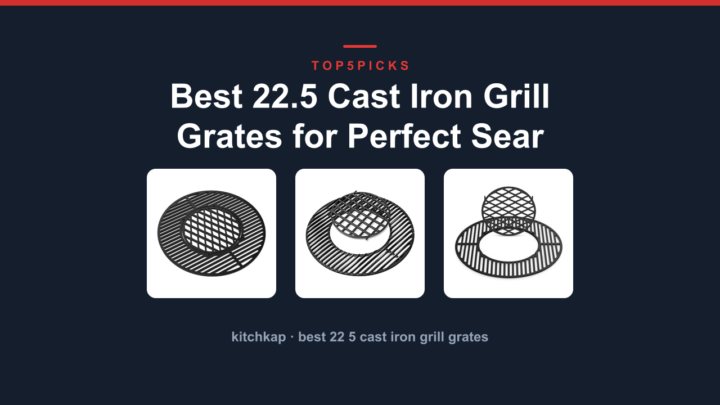
Best 22.5 Cast Iron Grill Grates for Perfect Sear
Finding the right set of best 22 5 cast iron grill grates can turn a decent backyard cookout…

Best Pump Action Airpot Tea Coffee Flask
Choosing the right pump action airpot for your coffee or tea can mean the difference between a lukewarm…

5 Best 25 Quart Deep Dutch Ovens for Showstopping Meals
Did you know that a deep dutch oven can retain over 90% of its heat even after you…