All-Clad D5: Worth Buying? Reddit Review
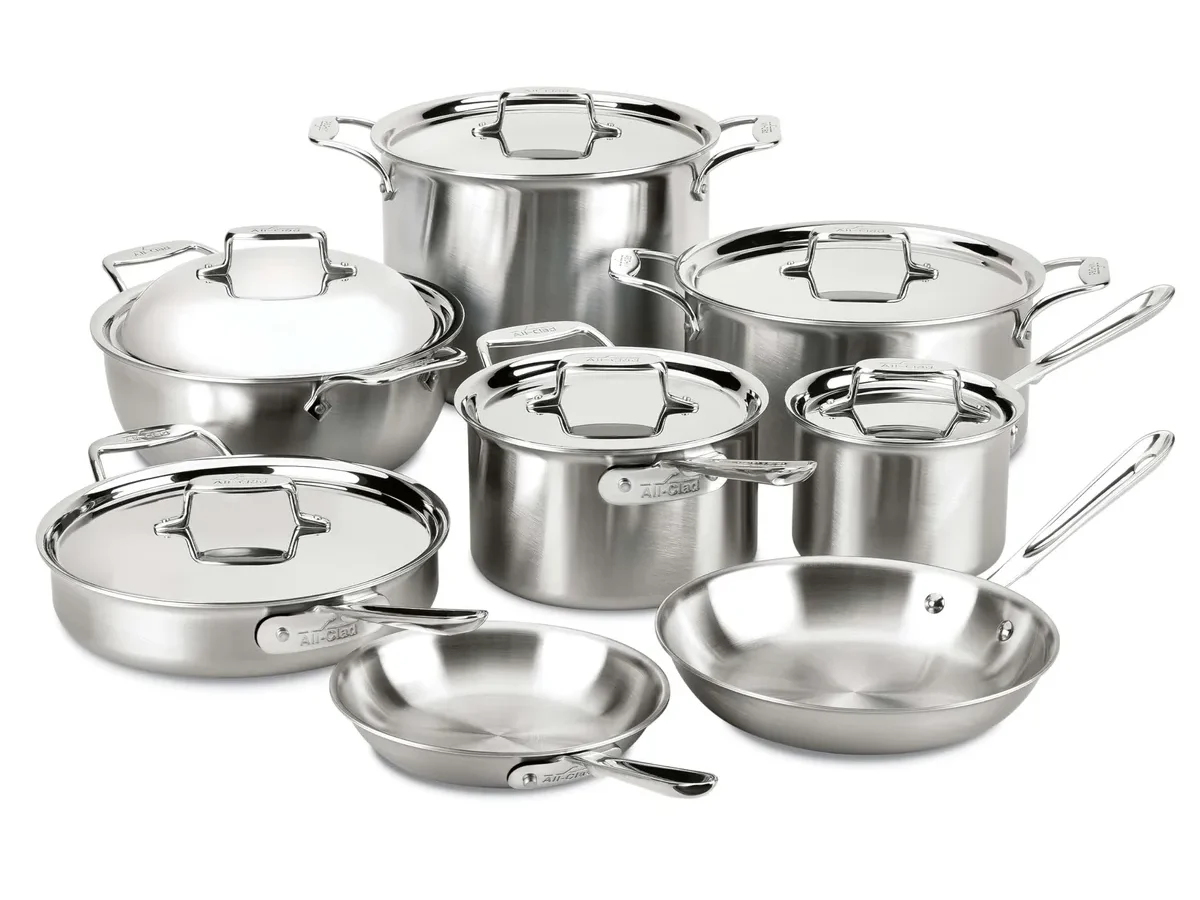
If you've spent any time on cookware forums, you've probably seen the question "is all-clad d5 stainless 5-ply stainless steel skillet worth buying reddit review" get picked apart thread after thread. Some people swear it's the last pan they'll ever need. Others say it's overpriced and heavy.
The truth sits somewhere in the middle, and it depends entirely on how you cook.
The D5 sits between All-Clad's entry-level D3 and the heavier D7. It uses five alternating layers of stainless steel and aluminum. That design costs more than the D3 and weighs more, too.
But it promises steadier heat distribution and better retention for dishes that need a patient hand. In our research, that trade-off matters more than most people expect. Let's break down whether it's worth your money as of 2026.
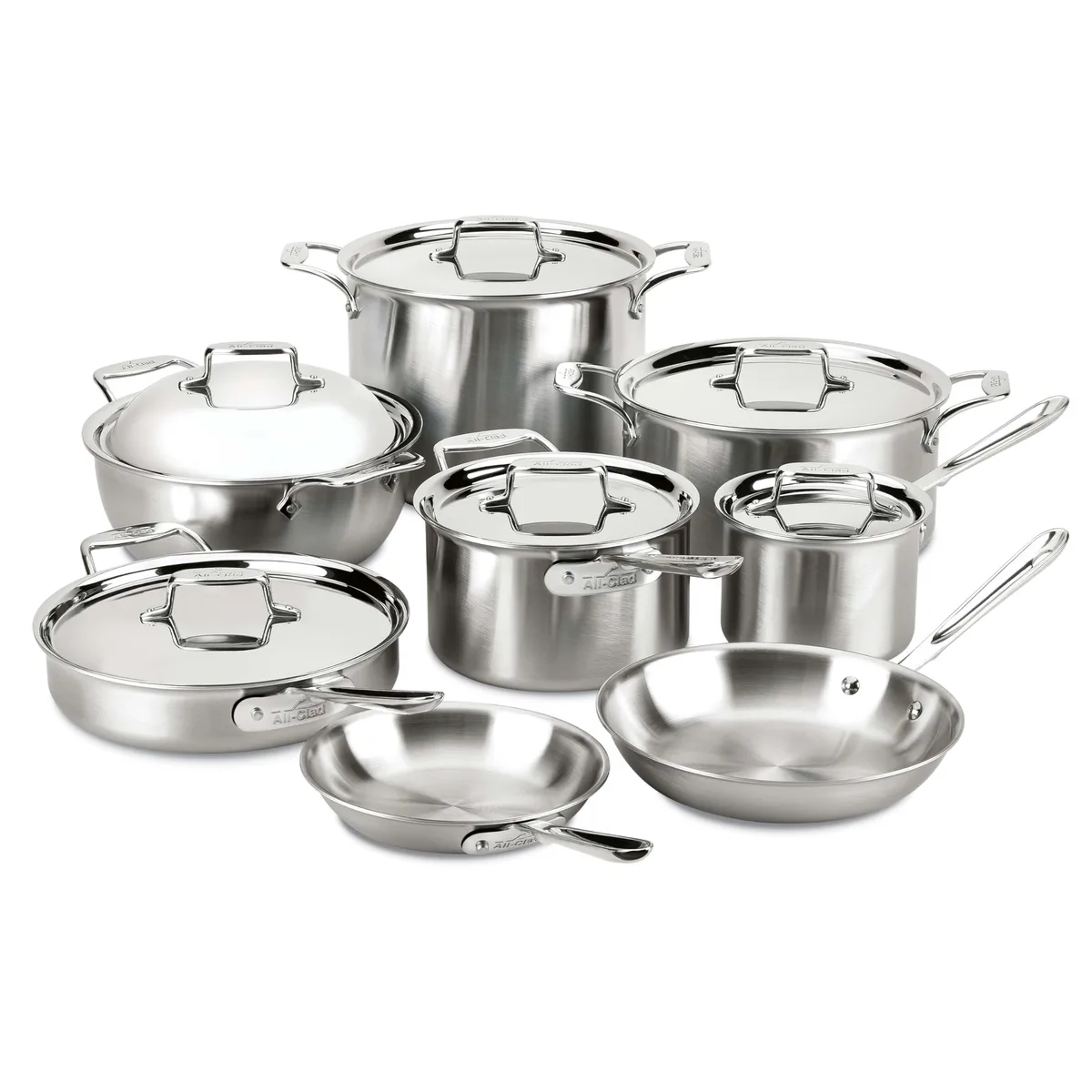
Image source: Web (Bing) / amazon.com (Web image (fair-use with source credit))
The Real Question Nobody’s Asking Before Buying an All-Clad D5
Every forum thread eventually stalls on the same debate. Is the extra money really going to improve your food? The answer is yes, but not in the way you'd expect.
This pan doesn't magically make proteins juicier or vegetables crispier. What it does is hold a temperature so steady that your cooking becomes more predictable.
That predictability is the real selling point. When you drop a steak into a preheated D5, the pan doesn't cool off as fast as a thinner pan would. You get a better sear.
Your pan sauce thickens evenly instead of scorching in one corner. That's the kind of performance you notice in the first week, not the first day.
Reddit's consensus matches that. Scrolling through r/cooking and r/BuyItForLife shows a clear pattern. Owners love the rock-solid stability.
They also complain about the weight, the scratches, and the price tag. If you're the type who weighs every kitchen purchase carefully, you've probably faced the same decision in other categories. The classic deep fryer vs pot debate is exactly that kind of choice.
Same energy, different equipment.
Here's what the D5 actually does. It's heavy, so it feels substantial. It's slow to heat, so you need patience.
But once it's hot, it stays hot. That makes it a fantastic tool for braising, pan-roasting, and searing. It also makes it a poor fit for someone who wants a quick weekday omelet.
The real question isn't whether the D5 is good. It is. The real question is whether it's good for your kitchen, your cooking style, and your budget.
What the 5-Ply Construction Actually Does for Your Cooking
Stainless steel alone is a poor conductor. That's why All-Clad welds aluminum layers inside the pan. Aluminum spreads heat quickly across the base.
Stainless steel provides a hard, non-reactive cooking surface. The D5 puts five layers together in a specific order:
| Layer | Material | Job |
|---|---|---|
| Exterior | 18/10 stainless | Durability, induction compatibility |
| Second | Aluminum | Spreading heat side to side |
| Core | Stainless | Stability, prevents warping |
| Fourth | Aluminum | Even heating near the surface |
| Cooking surface | 18/10 stainless | Flavor-neutral contact with food |
More aluminum means even heat. More stainless means greater rigidity. The D5 uses two aluminum layers, while the D3 uses one thicker aluminum core.
In practical terms, the D5 responds a little slower to temperature changes. It also holds heat longer after you turn off the burner.
Manufacturer specifications indicate the D5 is oven-safe up to 600°F. That covers most roasting and finishing techniques you'd ever use. The 18/10 exterior makes it compatible with induction cooktops too.
Those specs alone justify some of the price for many buyers.
But don't oversell the layers. The difference between the D3 and D5 in day-to-day cooking is noticeable, not night and day. You're paying for incremental gains in retention and evenness.
If you cook mostly at medium heat, you might not feel the difference at all. If you make lots of pan sauces and sear meat often, you will.
D5 vs D3: The Only Comparison That Really Matters
The D3 is All-Clad's bestseller for a reason. It's lighter, less expensive, and heats up faster than the D5. That makes it the smarter choice for most home cooks.
The D5 costs more and weighs about a quarter-pound heavier for a 10-inch skillet. You get better heat retention, but you also get a pan that's tiring to toss around.
Here's a side-by-side look at the two skillets:
| Feature | D3 | D5 |
|---|---|---|
| Layers | 3 | 5 |
| Aluminum layers | 1 thick core | 2 thinner layers |
| Weight (10-inch) | About 2.2 lbs | About 2.5 lbs |
| Heat response | Faster | Slower |
| Heat retention | Good | Better |
| Price (10-inch) | Around $100 | Around $150 |
| Surface feel | Slick, quick | Stable, heavy |
The D3 is the better all-around pan. It heats faster, reacts sooner to burner changes, and costs less. The D5 is the better pan for slow, steady cooking.
If you make a lot of stews, ragùs, or thick pan sauces, the D5's stability helps.
Choosing between pans isn't unlike comparing two air fryer models back to back. You want the one that fits your counter and your habits. In this case, the D5 fits cooks who value control over convenience.
The Reddit crowd leans hard one direction. Newer cooks should grab the D3. Experienced cooks who own another brand often upgrade to the D5 for that final layer of consistency.
Take a look at the D5 as an investment in technique, not a shortcut to better food.
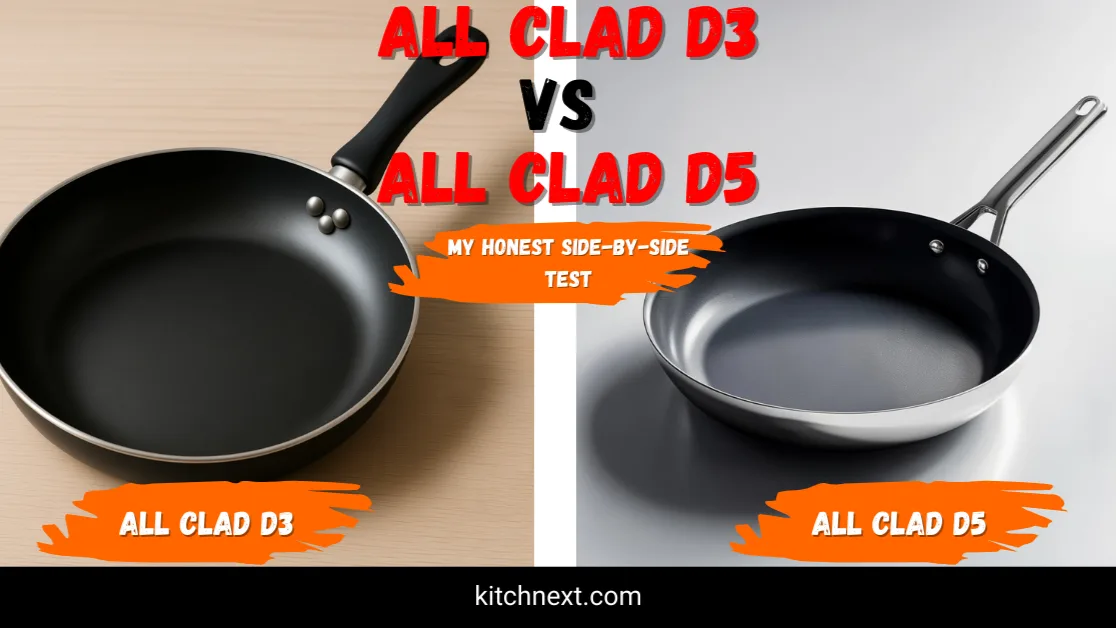
Image source: Bing (Web (fair-use with source credit))
Where the D5 Shines and Where It Falls Short
Let's be honest about the good and bad. This pan isn't for everyone, and pretending otherwise would be unfair.
What the D5 does brilliantly
- Searing. It holds heat so well that a steak develops a deep crust without the center overcooking.
- Pan sauces. Deglazing is smooth. The pan stays hot enough to mix wine and butter into a silky result.
- Oven finishing. It moves from stovetop to a 500°F oven without a problem.
- Durability. This is a buy-it-once pan. No coating to scratch or peel.
- Induction compatibility. The magnetic stainless exterior works on every cooktop type.
Where it frustrates people
- Weight. Tossing vegetables with one hand is a workout. The 12-inch version feels especially heavy.
- Slower heating. You'll wait longer than you would with a D3 or even a cheap nonstick pan.
- Sticking. Stainless steel sticks if you don't preheat properly. Eggs are a nightmare here.
- Scratches. The polished exterior shows marks after a few uses. It doesn't affect cooking, but it bothers some owners.
- Price. At $150 or more, this is a serious purchase.
If you're new to stainless steel, set your expectations. The D5 rewards patience and technique. It punishes rush and carelessness.
The same goes for keeping kitchen appliances clean without scrubbing yourself to death. It takes practice.
That said, the pan never needs replacing. You might outgrow it, but it won't wear out.
Who Should Buy the D5 (And Who Should Look Elsewhere)
The easiest way to decide is to match the pan to your cooking habits. Here's how that breaks down.
Buy the D5 if you…
- Cook with stainless steel regularly and know how to preheat properly
- Make pan sauces, roasts, or braises at least a few times a week
- Use an induction cooktop and want maximum stability
- Want a pan that will last 20 years or more
- Don't mind the weight and the higher price
Skip the D5 if you…
- Mostly cook eggs, pancakes, or delicate fish
- Prefer lightweight pans you can toss around
- Cook on high heat and want quick temperature changes
- Want the easiest cleaning experience possible
- Are just starting out with stainless steel
This is where the D5 divides people. Passionate home cooks who make sauces every week will love it. Casual cooks who just want dinner fast might regret it.
If your style leans toward quick weeknight meals, this pan might sit in the cabinet more than you expect. For those nights, an air fryer often gets the job done faster. But if you genuinely enjoy slow cooking and browning, the D5 will become your go-to.
Consider your own default meal. If it's a seared chicken breast with a white wine pan sauce, the D5 earns its price. If it's scrambled eggs and toast, you'd be happier with a cheap nonstick pan or a lightweight carbon steel skillet.
The D5 is not a beginning pan. It's also not an advanced requirement. It's just a tool that rewards a certain style of cooking.
Match it to your kitchen, and you'll see the value quickly.
The Biggest Mistakes People Make with a D5 Skillet
Even a great pan performs poorly if you use it wrong. The D5 gets blamed for sticking, scorching, and uneven results. In almost every case, the problem is technique, not the pan itself.
Mistake one: not preheating long enough. Stainless steel needs a proper preheat before food hits the surface. If you add oil to a cold pan, it seeps into microscopic pores and makes food stick. The correct method is to heat the empty D5 for two to three minutes over medium heat.
Drizzle in a few drops of water. They should bead up and skitter across the surface. That's the Leidenfrost effect.
That's your green light.
Mistake two: using too high or too low heat. The D5 holds heat well, so you don't need high flames. Medium is usually enough for searing. High heat is for boiling water only.
If you scorch butter or burn fond in the pan, you're running too hot. Back it off.
Mistake three: overcrowding the pan. Crowding drops the surface temperature instantly. Food steams instead of searing. With a D5, you get better recovery than with thin pans, but physics still wins.
Cook in batches.
Mistake four: using metal utensils aggressively. The D5 is tough, but the cooking surface can scratch. Scratches don't affect cooking, but they collect residue and make cleaning harder. Use wooden or silicone tools.
Mistake five: soaking the pan immediately after cooking. Thermal shock can warp a pan over time. Let it cool before you wash it, or add warm water to a still-hot pan gradually. No cold water shock.
Getting the technique right matters more than the pan you buy. The same principle applies to other cooking tools, especially when you are making recipes that call for precise heat control.
How to Keep Your D5 Looking Great for Decades
The D5 doesn't need much care. What it does need is consistent, gentle handling. Here is a practical maintenance routine.
Daily cleaning. Wash by hand with warm water, mild dish soap, and a soft sponge. Avoid steel wool and abrasive scrubbers. They leave visible scratches on the polished exterior.
If food sticks badly, fill the pan with water and a splash of vinegar. Bring it to a simmer for a few minutes. That loosens everything.
Removing discoloration. The D5 will develop a rainbow tint over time. That's normal. It comes from mineral deposits and heat exposure.
A quick wipe with white vinegar or a dedicated stainless cleaner restores the original shine. Barkeeper's Friend works well for tougher stains.
Dishwasher use. The manufacturer says the D5 is dishwasher safe. Most experienced owners disagree. Dishwasher detergents contain harsh chemicals that dull the polished finish over time.
Hand washing keeps it looking new.
Storing the pan. Stacking other pans inside the D5 scratches the cooking surface. Place a paper towel or a soft pan protector between pans. If you have limited cabinet space, a thin cloth works just as well.
Avoiding thermal shock. Hot pan, cold water, sudden warp. Don't do it. Let the pan cool naturally or rinse with warm water.
This is the same principle you'd follow when cleaning any quality cookware.
Long-term durability. The D5 will survive dropped spoons, aggressive scraping, and years of daily use. It will not survive being left on high heat while empty. That can warp the aluminum core and ruin the flat cooking surface.
Keeping your gear clean is a habit. A solid cleaning routine for one tool carries over to every other tool in your kitchen. The same mindset applies to keeping a deep fryer spotless or any other workhorse appliance.
Real Alternatives Worth Considering
The D5 is not the only option. Several other pans deliver similar performance at different prices and weights. Here is a breakdown of the most common alternatives.
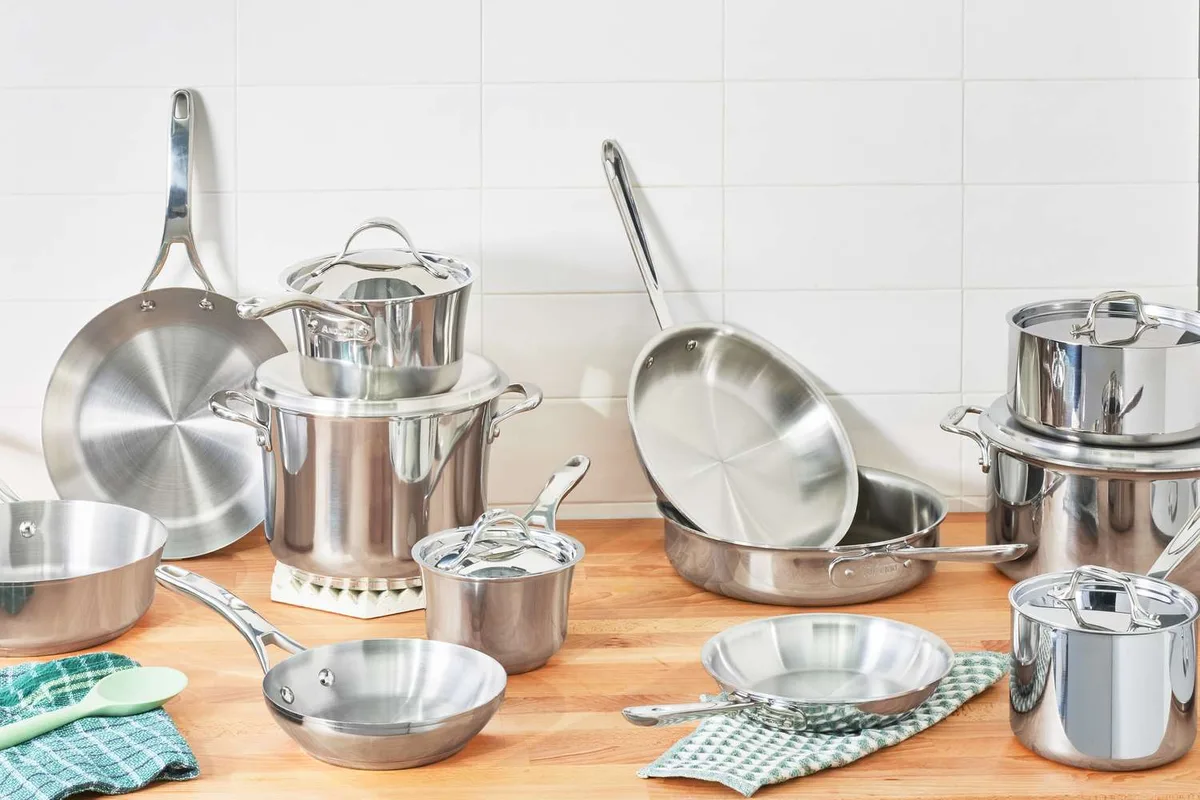
Image source: Web (Bing) / storage.googleapis.com (Web image (fair-use with source credit))
Made-In Stainless. This is the closest competitor to the D5 in terms of build quality. It uses five layers too. The pan is slightly lighter and costs a bit less.
Aggregate reviews report excellent heat distribution and a comfortable handle. The biggest trade-off is brand reputation. All-Clad has decades of trust behind it.
Made-In is newer.
All-Clad D3. The lighter, cheaper sibling. It heats faster, costs less, and weighs less. For most home cooks, the D3 makes more sense.
You lose some heat retention, but you gain speed and comfort. If budget matters, the D3 is the smarter buy.
Demeyere Atlantis. This is a step up in price and quality. Demeyere uses a seven-layer core with a copper layer. It is heavier and more expensive than the D5.
Professional chefs often prefer it for specific tasks. Most home cooks won't need it.
Tramontina Tri-Ply. The budget champion. It costs about a third of the D5. Performance is surprisingly close for everyday cooking.
The handles aren't as comfortable and the finish isn't as polished. But for someone trying stainless steel for the first time, it is a fantastic starting point.
Cast iron. A seasoned cast iron pan holds heat better than any stainless pan. It also sears beautifully. The downsides are weight, maintenance, and reactivity with acidic foods.
Many cooks use both a D5 and a cast iron pan for different jobs.
Carbon steel. Lighter than cast iron, similar heat properties. It requires seasoning, so it is not as non-reactive as stainless. Great for stir-frying and high heat work.
If you're comparing two kitchen tools to decide which fits your style, the process is the same across the board. The right choice depends on how you cook, not just on specs.
Facing a choice between two similar options, it helps to see the differences in a structured way.
| Alternative | Price (10-inch) | Weight | Heat Retention | Best For |
|---|---|---|---|---|
| All-Clad D3 | ~$100 | Lighter | Good | Everyday cooking, beginners |
| Made-In Stainless | ~$120 | Moderate | Very good | Budget shoppers wanting 5-ply |
| Demeyere Atlantis | ~$200 | Heavier | Excellent | Enthusiasts, tech lovers |
| Tramontina Tri-Ply | ~$50 | Lighter | Good | First stainless steel pan |
| Cast Iron | ~$30-40 | Heavier | Superior | Searing, oven work |
FAQs
Does the D5 warp over time?
Warping is rare with the D5. The five-layer construction gives it excellent rigidity compared to thinner pans. The most common cause of warping is thermal shock: plunging a hot pan into cold water.
If you let the pan cool naturally, it should stay flat for decades.
Can I use the D5 on an induction cooktop?
Yes. The magnetic stainless steel exterior works with all induction cooktops. That is a major advantage over pure aluminum or copper pans.
The flat bottom also ensures good contact with the induction surface for even heating.
Is the D5 oven safe?
The manufacturer specifies an oven safety rating of up to 600°F. That covers broiling, roasting, and finishing dishes. The handle stays cool for a while but will get hot with extended oven use.
Always use an oven mitt.
How do I stop food from sticking to the D5?
Preheat the pan properly. Add oil only after the pan is hot. The Leidenfrost test is reliable: water drops should bead and skitter.
If they sit and sizzle, the pan isn't hot enough. Also, avoid moving food too early. Let it develop a crust and release naturally.
Is the D5 worth the extra money over the D3?
It depends on your cooking style. If you make pan sauces and braises often, the D5's better heat retention matters. If you cook quick meals and want a lighter pan, the D3 is a better value.
Most home cooks don't need the D5. Experienced cooks who prioritize control will appreciate it.
How long does the D5 last?
With proper care, a lifetime. Stainless steel doesn't degrade, the aluminum core doesn't wear out, and the handle is riveted. The pan can outlast you.
That is the main argument for the higher price. It is a single purchase if you take care of it.
Final Verdict: Is the All-Clad D5 Worth It?
Here is the honest answer. The D5 is not the best pan for everyone. It is heavy, expensive, and requires good technique.
It does not make cooking easier. It makes cooking more predictable for people who already know what they are doing.
The D5 is worth buying if you have the budget, the patience, and the cooking style to benefit from it. If you sear meat often. If you make pan sauces.
If you use an induction cooktop. If you want one pan to last forever.
The D5 is not worth buying if you want a lightweight, quick, forgiving pan. If you cook eggs and fish mostly. If you are just starting with stainless steel.
If budget is tight.
Think of it like this. The D5 is a pro-quality tool. It rewards skill.
It punishes carelessness. Most people are better off with the D3 or a budget tri-ply pan. But the people who genuinely need the D5 will love it forever.
When you are evaluating a new purchase for your kitchen, the same logic applies. Ask yourself what you cook most often. Match the tool to the task, not to the hype.
The D5 is a fantastic pan. It is just not the right pan for every kitchen.
As of 2026, it remains the most debated skillet on cookware forums for good reason. It delivers exactly what it promises. Whether that matches what you need is the only question that matters.

Related posts
Hot Lid on Countertop? Safety Tips for Air Fryer Combos
You've just finished air frying a batch of crispy chicken wings. The lid is hot. You're holding it…

Ninja Foodi SmartLid OL701 Worth Buying? Reddit
If you've been scrolling through Reddit asking yourself "is ninja foodi smartlid ol701 one lid multi cooker with…

Crispy Rotisserie Chicken: Temp & Time for Combo Cooker
So you want restaurant quality crispy skin on a whole rotisserie chicken, and you want to do it…