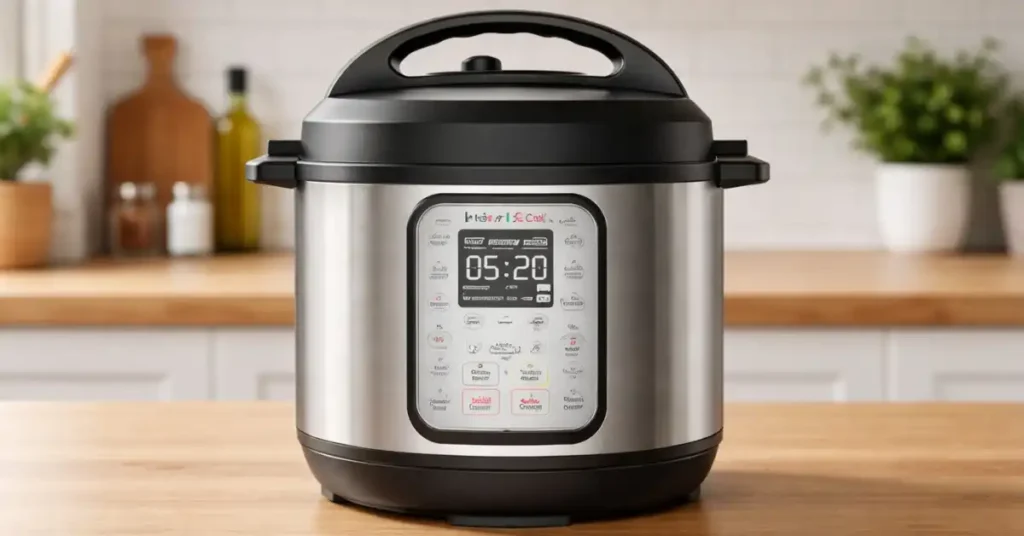
Cleaning a pressure cooker can feel tricky at first, but learning how to clean the pressure cooker properly keeps it safe and working like new. I’ve spent years cooking everything from stews to rice, and a quick daily clean prevents stuck food and odors.
With the right steps, even tiny parts like valves and gaskets stay spotless. Stick with me, and I’ll share exactly what works, step by step.
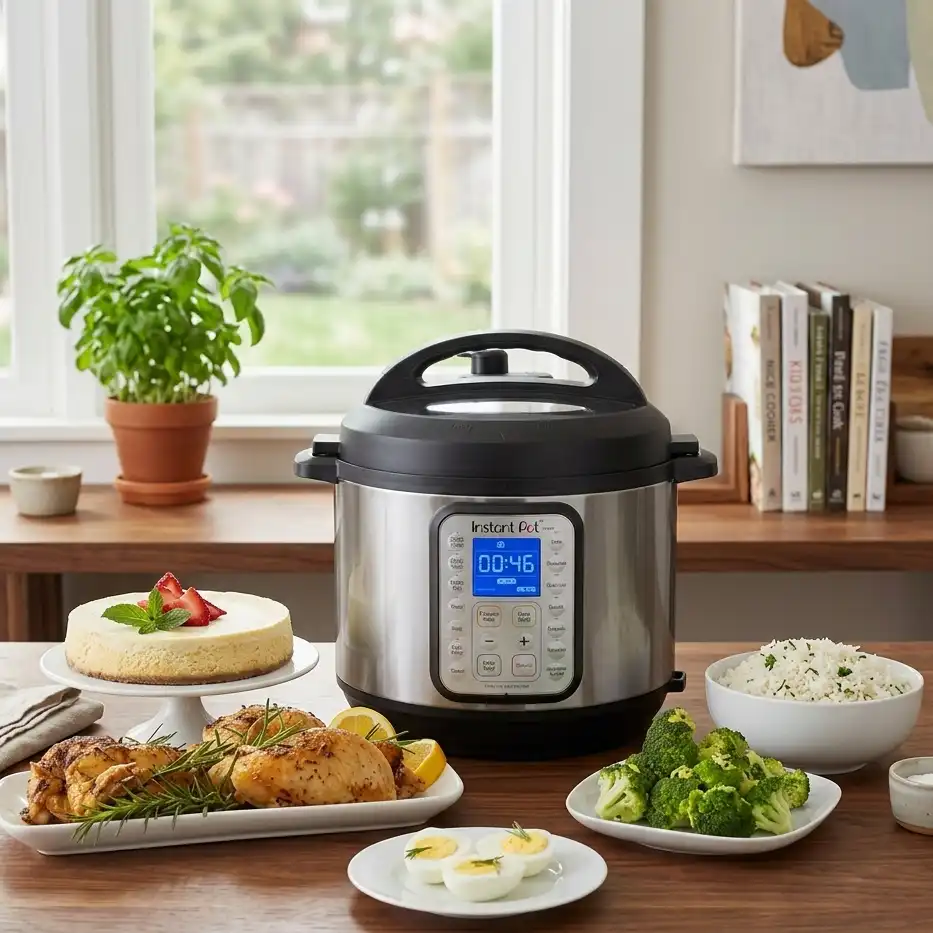
Cleaning Priority Order (Safety-First Structure)
Always clean the lid and valve first to prevent dangerous pressure buildup and ensure safe cooking.
When I first learned how to clean the pressure cooker, I made one mistake—I focused on the shiny pot, not the hidden parts. The real answer: safety comes first, not looks. The lid and valve control pressure, so they must be cleaned before anything else.
A blocked vent is like a clogged nose—you can’t breathe right. In a cooker, that means trapped steam and rising pressure. The short answer: dirty vents = higher risk.
After every use, check three things fast: lid, valve, and gasket. These parts handle steam flow. Cleaning them right away keeps your cooker safe and working.
Core Components You Must Clean Separately
Inner Pot (Cooking Surface)
The inner pot is the easiest part. The quick answer: wash it with warm, soapy water after every use.
Different materials behave differently. Stainless steel handles scrub well. Aluminum is softer. Nonstick needs a gentle touch. I treat mine like a favorite pan—firm but careful.
Residue also changes the cleaning method. Oil wipes off fast. Rice starch sticks more. Burnt food needs soaking. The short answer: match your cleaning to the mess.
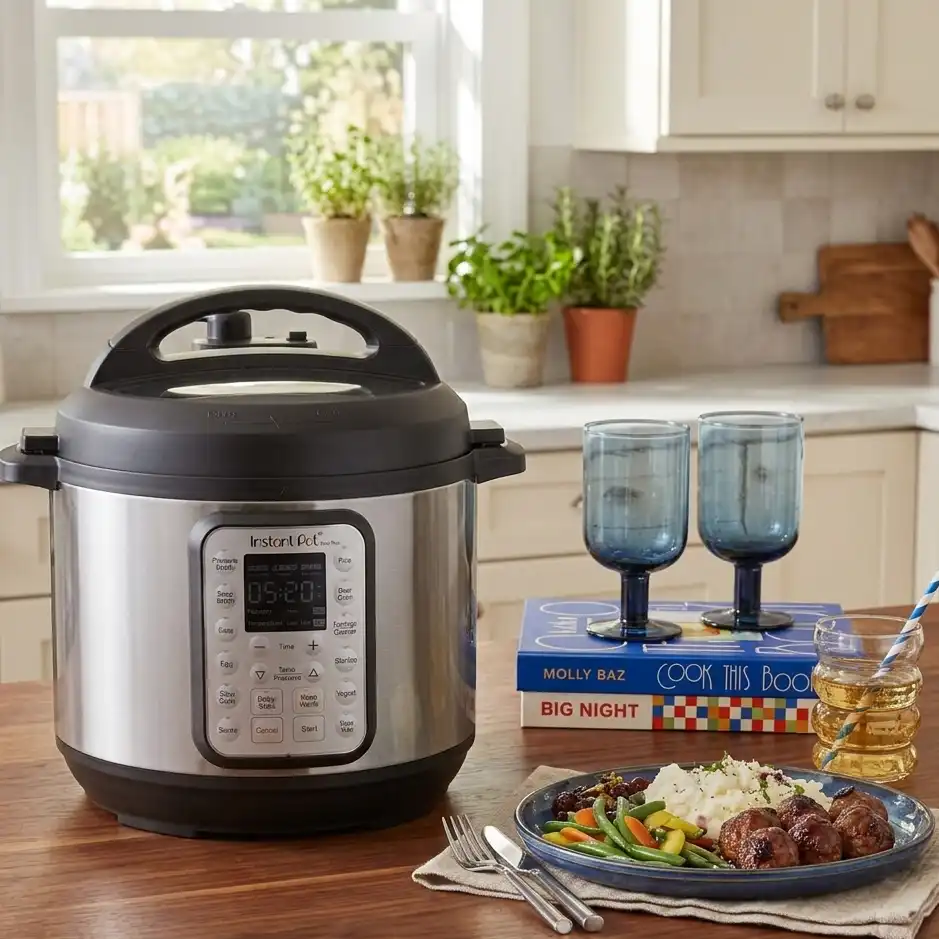
Lid System (Most Critical Area)
The lid hides food debris in steam pathways, so deep cleaning prevents pressure blockage.
The lid is where most problems hide. The simple truth: if the lid is dirty, your cooker is not safe.
Steam travels through tiny paths. Food bits can block these paths. I once found rice stuck inside—no wonder steam was slow.
Always flip the lid and check under it. The short answer: clean what you can’t see, not just what you can.
Sealing Ring (Gasket)
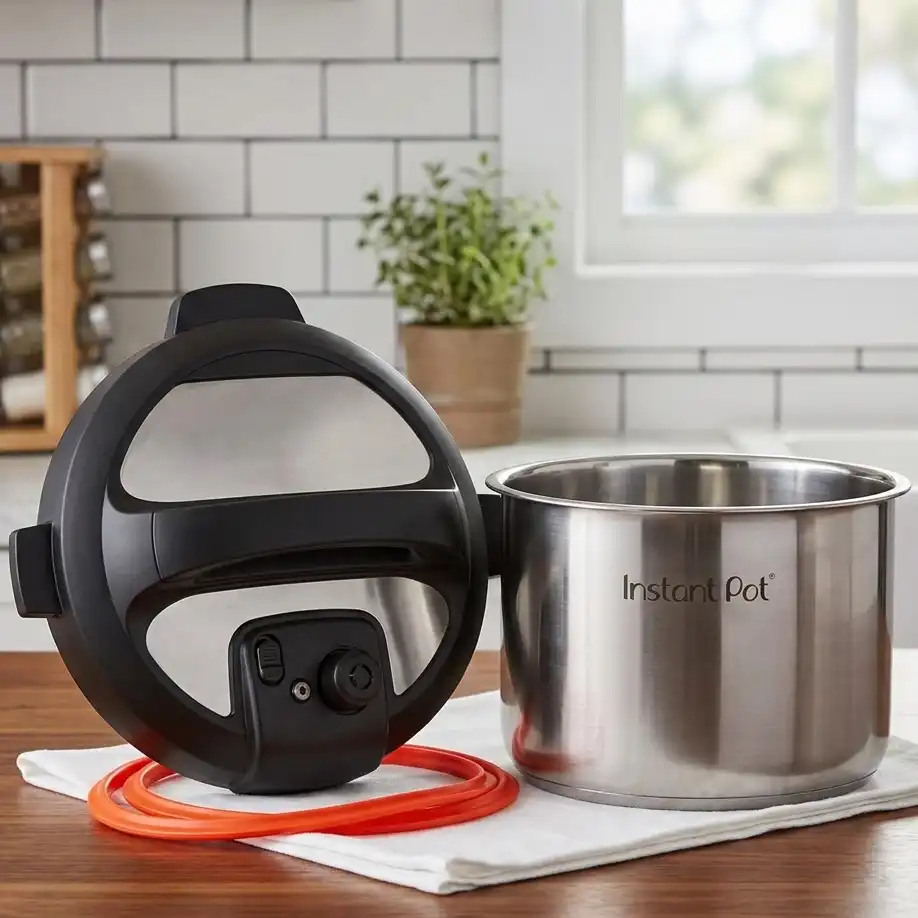
The gasket holds pressure. The quick answer: wash it and let it dry fully after each use.
This ring absorbs smells like a sponge. Cook meat today, rice tomorrow—you may still smell the meat. That’s normal.
Sometimes, cleaning is not enough. If it feels loose, cracked, or smells bad all the time, replace it. The short answer: if it fails to seal, it must go.
Pressure Valve & Vent Pipe
The valve is tiny but critical. The answer: rinse and clear it every time.
Even a small clog can change pressure. That means uneven cooking or a safety risk.
Watch for slow steam release or odd sounds. These are signs of partial blockage. The short answer: clean small parts, avoid big problems.
Safety Valve / Float Valve
This part is your backup safety. The simple answer: inspect it, don’t mess with it too much.
Look for dirt or stuck movement. If it moves freely, you’re fine.
Deep cleaning is rarely needed here. The short answer: check it, don’t over-handle it.
Step-by-Step Cleaning Process (Sequential Logic)
Immediate Post-Cooking Routine
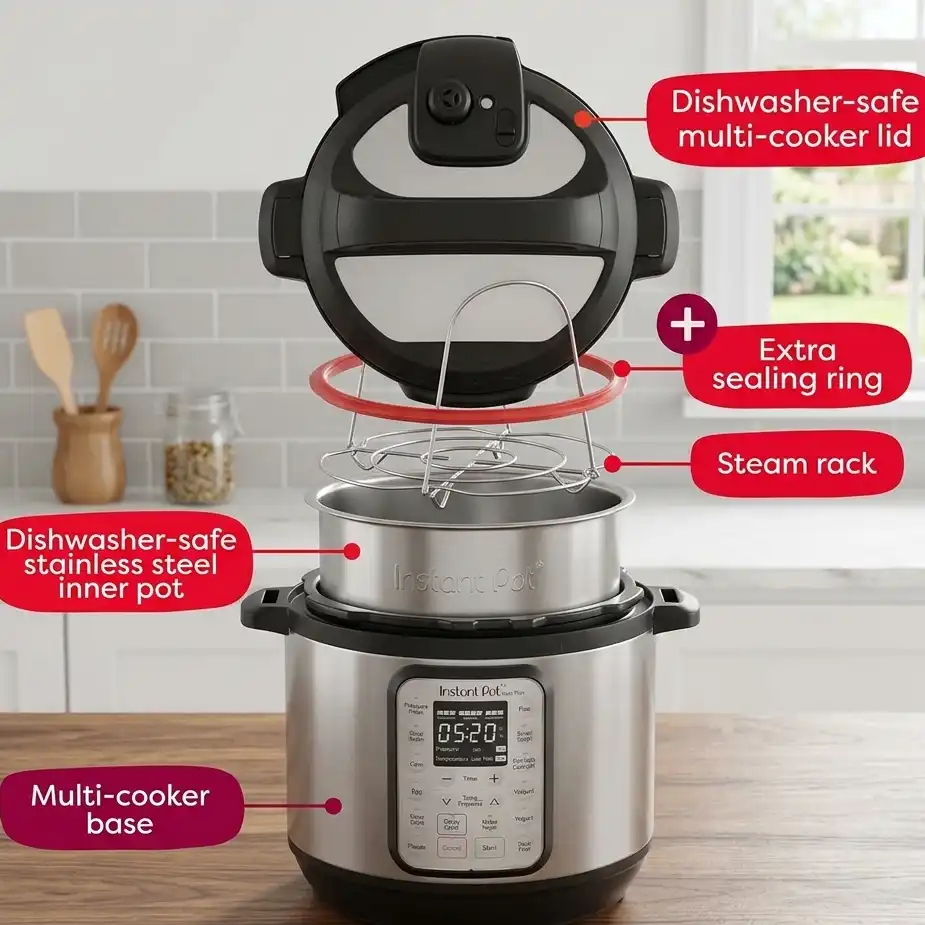
Let the cooker cool fully, then disassemble safely before cleaning.
Never rush this step. The answer: wait until the pressure drops fully.
Start by removing the lid. Then take out the gasket and valve parts. This order keeps things safe and simple.
Standard Washing Workflow
Use warm water and mild soap. The short answer: keep it simple and gentle.
A soft sponge works best. Avoid harsh scrubbers, especially on nonstick.
Clean each part separately. This avoids hidden buildup.
Precision Cleaning for Small Parts
Small parts need extra care. The answer: flush and clear gently.
Run water through the valve. Use a toothpick or brush for tiny debris.
Never force anything. The short answer: gentle cleaning keeps parts working.
Drying & Reassembly
Drying matters more than people think. The answer: no moisture inside sealed parts.
Water trapped inside can cause odor or damage.
Reassemble only when fully dry. The short answer: dry first, then rebuild.
Deep Cleaning Triggers & Methods
When Regular Cleaning Isn’t Enough
If your cooker smells bad, looks dull, or feels sticky, it needs more. The answer: deep clean when basic washing fails.
Descaling & Odor Removal
Use vinegar or lemon water to remove odor and mineral buildup safely.
Boil water with vinegar or lemon. Let it sit, then rinse.
This removes smell and stains. The short answer: natural acids clean deep.
Burnt Food Recovery Process
Burnt food needs patience. The answer: soften first, scrub later.
Boil water in the pot to loosen residue. Then clean gently.
Avoid harsh scraping. The short answer: soak before you scrub.
Material-Specific Cleaning Strategy
Stainless Steel Pressure Cookers
Stainless steel can show rainbow stains. The answer: Use vinegar to restore shine.
It’s strong, so light scrubbing is okay.
Aluminum Pressure Cookers
Aluminum reacts easily. The answer: avoid harsh chemicals.
Stick to mild soap and soft tools.
Nonstick Inner Pots
Nonstick needs care. The answer: never use abrasive scrubbers.
Protect the coating to extend life.
Real-World Usage & Ownership Friction
Cleaning after oily food is easy. The answer: oil wipes fast, starch sticks longer.
Rice and spices leave a smell. I’ve noticed this often—it lingers in the gasket.
Busy days make cleaning hard. The short answer: quick daily cleaning saves time later.
Common Mistakes That Affect Long-Term Reliability
- Ignoring valve cleaning → leads to blockage
- Using harsh scrubbers → damages surfaces
- Reassembling while wet → causes odor
- Storing with a sealed lid → traps moisture
The answer: small mistakes shorten lifespan.
Maintenance Cycle & Replacement Timeline
Gaskets don’t last forever. The answer: replace every 6–12 months if used often.
Check valves weekly. Look for wear or clogging.
If parts look worn, replace them early. The short answer: prevention is cheaper.
Poor cleaning can block pressure release and increase failure risk.
A dirty cooker is not just messy—it’s risky. The answer: cleaning is part of safety.
Blocked vents can cause pressure issues. Always follow manufacturer rules.
Performance: How to Clean the Pressure Cooker
Clean parts help pressure build fast and release smoothly. The answer: better cleaning = better cooking.
| Factor | Clean Cooker | Dirty Cooker |
|---|---|---|
| Pressure Build | Fast | Slow |
| Steam Release | Smooth | Irregular |
| Cooking Time | Accurate | Inconsistent |
Rating (Performance Impact): 9/10
Ease of Use: How to Clean the Pressure Cooker
Cleaning is simple if done daily. The answer: quick cleaning takes 5–10 minutes.
| Task | Time | Effort |
|---|---|---|
| Daily Clean | 5–10 min | Low |
| Deep Clean | 20–30 min | Medium |
| Part Cleaning | 3–5 min | Low |
Rating (Ease of Use): 8.5/10
Value for Money: How to Clean the Pressure Cooker
Good cleaning saves money. The answer: maintenance prevents costly repairs.
| Factor | With Cleaning | Without Cleaning |
|---|---|---|
| Lifespan | Long | Short |
| Repair Cost | Low | High |
| Efficiency | High | Low |
Rating (Value for Money): 9/10
Overall: How to Clean the Pressure Cooker
Cleaning is simple but powerful. The answer: clean regularly for safety and long life.
| Category | Score |
|---|---|
| Safety | 10/10 |
| Ease | 8.5/10 |
| Longevity | 9/10 |
Overall Rating: 9.2/10
Advanced Care for Longevity (Underrepresented Angle)
Hard water leaves minerals. The answer: descale monthly with vinegar.
Use separate gaskets for sweet and savory food. This avoids odor mixing.
Store the lid loosely. The short answer: let it breathe.
FAQs
How often should you clean the pressure cooker?
Clean the pressure cooker after every use for safety. Wash the lid, valve, and pot each time. Do a deep clean once a month to remove odor and buildup.
What is the first step in how to clean the pressure cooker?
Let the pressure cooker cool fully before cleaning. The short answer: never open it while hot. Once cool, remove the lid and parts safely.
Can you wash the pressure cooker lid with water?
Yes, you can wash the lid with warm water and mild soap. The answer: clean it gently and check hidden areas. Dry it well before using again.
How do you clean a pressure cooker valve properly?
Rinse the valve under running water after each use. The short answer: keep it clear of food bits. Use a small brush or toothpick if needed.
How do you remove the smell from a pressure cooker?
Boil water with vinegar or lemon inside the cooker. The answer: This helps remove odor fast. Rinse well after to keep it fresh and clean.
Related Post:

Hi, I’m Rob Newaz Khan. I share practical, experience-based guidance on kitchen appliances such as air fryers and coffee makers. My content is built around real home use, common user questions, and manufacturer best practices, with the goal of helping readers use their appliances safely, fix everyday issues, and make better decisions in the kitchen.