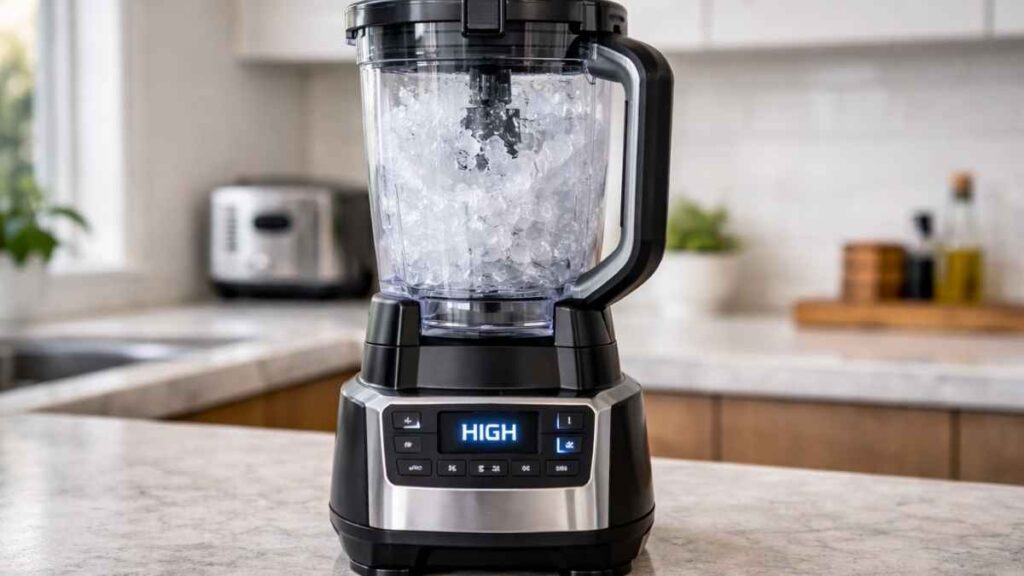
The first time I hit the power button, I jumped—why is Ninja blender so loud was the only thing in my head. It sounded strong, fast, and almost shocking, like it meant serious business. Over time, I learned this noise is often normal by design, but sudden changes can point to real issues. I have used and tested Ninja blenders enough to know when loud is expected and when loud means trouble. In this guide, I will walk you through why a Ninja blender is so loud, what to watch for, and how to fix it fast so you can blend with confidence again.
Is It Normal for a Ninja Blender to Be So Loud?
Yes, it is normal—Ninja blenders are loud by design. They are built with strong motors made to crush ice, frozen fruit, and hard foods fast. That power comes with noise, and most Ninja models prioritize performance over quiet blending. In simple terms, a Ninja blender is loud because it is doing heavy work at high speed.
Most Ninja blenders run around 90 to 100 decibels, which sounds intense but is expected. That noise level is close to a lawn mower or a handheld drill running nearby. The first time I heard it, I honestly thought something was wrong. But once you understand the design, it makes sense—a Ninja blender is so loud because power always makes sound.
Why Is My Ninja Blender So Loud All of a Sudden?
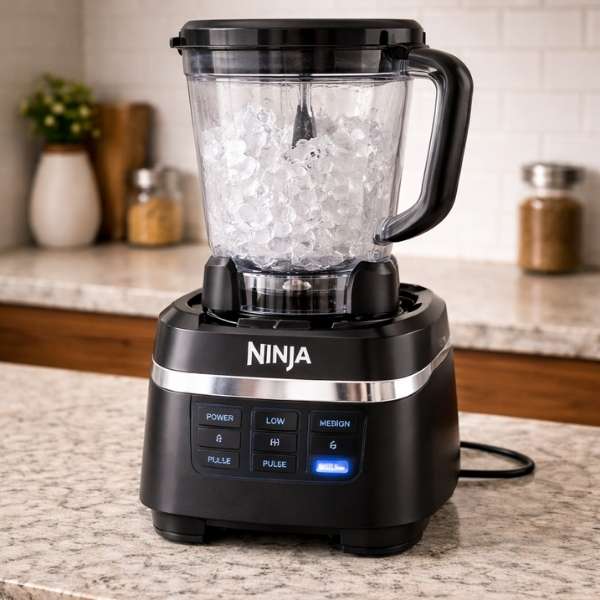
If you are asking why is my Ninja blender so loud all of a sudden, the short answer is this—a sudden change in sound usually means something has changed inside. I have seen this happen after months of normal use, when one day the blender just sounds harsher or sharper. Loud by design is fine, but new loud is not. When the noise jumps overnight, it is often a warning sign worth checking.
In my experience, this is the moment people say their Ninja blender is so loud in a way it never was before. The pitch feels higher, the sound lasts longer, or there is even a hot smell. That kind of noise is not about power anymore. It is about wear, stress, or damage building up over time in a Ninja blender.
Normal Loud vs Problem Loud
Normal loud stays the same over time. Your blender has always been loud, but it sounds steady and strong. If that matches your case, the noise is likely normal and expected.
Problem loud changes over time. Use this quick checklist to spot trouble early:
- The sound is sharper, higher, or more metallic
- The blender vibrates more than before
- You hear screeching, grinding, or rattling
- The base feels hotter than usual after blending
If you notice any of these, that is the key signal. Change over time is the real red flag. When people ask why is my Ninja blender so noisy now, it is almost always because a part is wearing out, not because the blender suddenly became powerful overnight.
Most Common Reasons a Ninja Blender Is So Loud
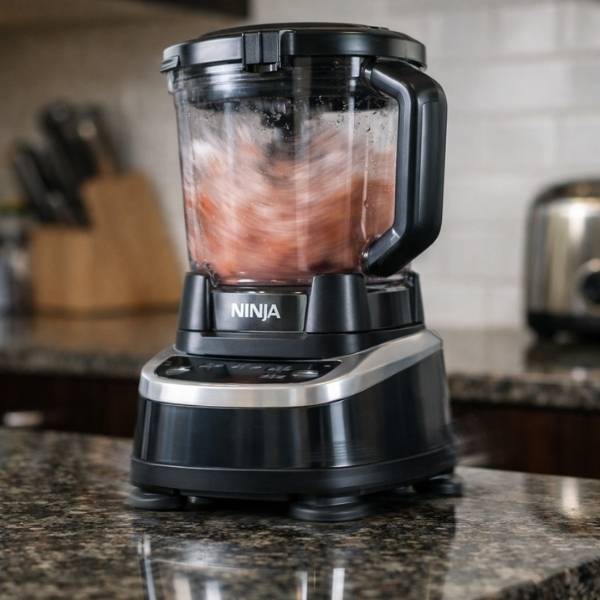
When people wonder why a Ninja blender is so loud, the reason is usually simple. The sound comes from how the blender is built and how hard it works, not from a flaw. Once you understand the causes, the noise feels expected instead of worrying.
High-Power Motor and High RPM
The biggest factor is the motor itself. Most Ninja blenders use around 1000 to 1500 watts, which is a lot of power for a home kitchen. More power creates more force, and that force naturally creates more sound as the motor spins fast.
Ice makes the noise even louder. Ice is hard and uneven, so the blades have to fight through it. When the motor works harder to crush ice or frozen fruit, the sound rises quickly. That is why your Ninja blender sounds calmer with yogurt but aggressive with ice.
Minimal Sound Insulation
Another reason is sound insulation, or the lack of it. Most home blenders do not use thick sound barriers because that would make them bulky and costly. With less insulation, the motor noise escapes freely instead of being trapped inside.
This is where home blenders differ from commercial “quiet” models. Café blenders use heavy covers and sound shields. Ninja blenders skip those and focus on power and speed, which is why the noise feels more direct and intense.
Vibration on the Countertop
Your countertop can make the noise worse. Hard surfaces like granite or marble reflect vibration instead of absorbing it. When the motor runs, that vibration spreads through the counter and makes the blender sound louder than it really is.
Ninja blenders do use suction cups to help with grip. They reduce movement, but they cannot stop vibration fully. If your blender sits on a hard surface, some noise will always travel through it.
Mechanical Problems That Make a Ninja Blender Noisy
When a Ninja blender suddenly sounds wrong, the cause is often mechanical wear. These noises feel different from normal loud blending and tend to come with heat, smells, or resistance. Once you hear them, your blender is asking for attention.
Worn or Rusted Blade Bearings
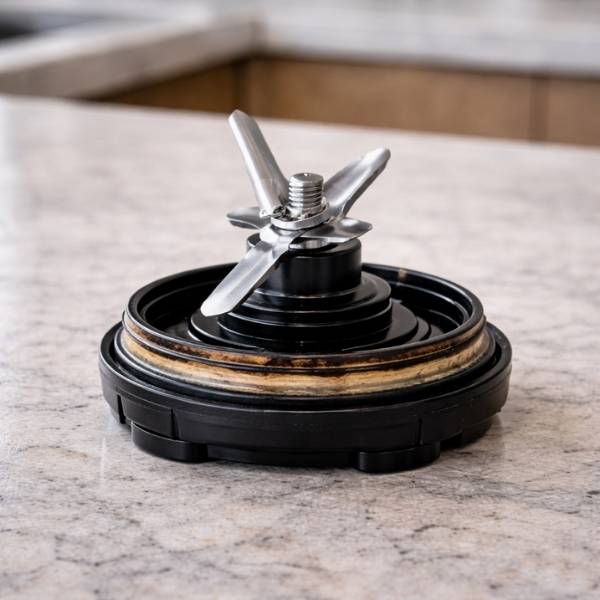
A sharp screech or screaming sound usually points to worn blade bearings. I have heard this noise myself, and it is hard to ignore because it cuts through everything else. As the bearings lose lubrication or start to rust, friction builds fast, which creates heat and that high-pitched sound.
You may also notice a burning smell or feel resistance when the blades slow down under light load. That mix of noise, heat, and strain means the blades are no longer spinning freely. At that stage, continued use can make the problem worse.
Failed Blade Assembly Seal
A failed seal is another common issue. When this happens, you may see brown liquid or dark residue near the bottom of the blade assembly. That discoloration is a sign that moisture has slipped past the seal and reached the bearings.
Once liquid gets inside, noise follows quickly. The blades start to grind instead of glide, and safety becomes a concern because internal parts are breaking down. A loud blender with visible residue is a strong signal to stop and inspect it.
Cooling Fan Issues Inside the Base
A rattling or low humming sound often comes from the cooling fan inside the base. This fan keeps the motor from overheating, but it can get clogged or damaged over time. Dust, food debris, or even a loose fan blade can throw it off balance.
When that happens, the sound changes from strong blending noise to an uneven rattle. The blender may still work, but the airflow is reduced, which raises motor heat. Ignoring this can shorten the life of the blender fast.
How to Tell If the Blade Assembly Is the Problem
If your blender sounds wrong, the blade assembly is often the first place to check. You do not need tools or special skills to test it. A simple check can tell you a lot in less than a minute.
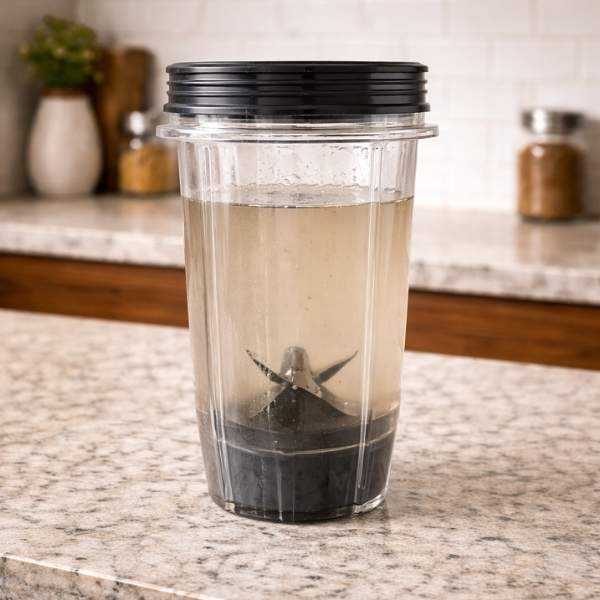
One easy method is the water test. Fill the cup with plain water and run the blender for a few seconds. If the water stays clear and smells normal, the seal is likely fine. If the water turns cloudy, brown, or smells burnt, liquid is leaking past the seal into the bearings.
Discoloration or smell is a big clue. Brown liquid, black residue, or a sharp burnt odor usually means internal wear. When this happens, the blades no longer spin smoothly, which explains why a Ninja blender becomes louder and hotter over time.
At that point, replacement is often smarter than repair. Blade assemblies are sealed units, and once moisture gets inside, the damage keeps spreading. Swapping the assembly is safer, cheaper, and faster than risking motor damage by pushing a failing part.
How to Reduce Ninja Blender Noise at Home
You cannot make a Ninja blender silent, but you can make it noticeably calmer. Small changes at home often reduce noise more than people expect. I use a few of these myself, and they really help during early mornings.
Use a Silicone or Rubber Mat
A silicone or rubber pad under the blender might assist absorb vibration. Soft materials stop sound from traveling into the counter and echoing around the kitchen. Even a thick towel works in a pinch and can cut the harsh edge off the noise.
Change Blender Placement
Where you place the blender matters. Keeping it away from walls and corners reduces sound bounce. When a blender sits tight against a wall, noise reflects back and feels louder than it really is. Moving it to open counter space often lowers the sound right away.
Light Lubrication for High-Pitch Squeals
If you hear a light squeal, gentle lubrication may help. A tiny drop of food-safe oil on the blade contact point can reduce friction. This does not fix worn parts, but it can quiet mild squeaks and make blending smoother for a while.
DIY Sound Dampening Options
Some people use simple sound covers to muffle noise. A sturdy cardboard box or a basic sound dome placed loosely over the blender can reduce volume. Just make sure air can still flow, because blocking vents can trap heat and cause damage.
These steps will not change how powerful the blender is. They simply help manage how that power sounds in your kitchen.
When Loud Noise Means You Should Stop Using the Blender
Some sounds are a clear signal to pause and step back. If you notice a burning smell, stop right away. Heat and odor usually mean friction inside, and continuing to blend can damage the motor or other parts. I have learned that stopping early saves money and stress later.
A metallic grinding sound is another strong warning. This noise feels sharp and rough, not smooth or powerful. It often means parts are rubbing that should never touch. When a Ninja blender grinds like metal on metal, using it more only makes the damage worse.
Watch closely for discolored liquid or residue near the blade assembly. Brown liquid, black marks, or oily stains usually point to a failed seal. That means moisture is inside places it should never be. At that stage, stopping is the safest choice.
This is not about fear—it is about care. Blenders are strong tools, but they still need limits. If sound, smell, and sight all say something is wrong, listening early protects both you and the blender.
Is It Worth Replacing Parts or Buying a New Blender?
In many cases, replacing a part makes more sense than buying a whole new blender. A blade assembly usually costs far less than a full unit, and when the motor is still strong, a new assembly can make the blender feel almost new again. I have done this myself, and the noise dropped right away.
The key is choosing the correct replacement. Ninja blade assemblies come in different designs, often with different fin counts on the bottom. Before buying, flip the old assembly over and count the fins, then match it to your model. A small mismatch can cause poor fit or more noise.
Buying a new blender is the better choice when multiple issues show up at once. If the motor overheats, the base rattles, and the blades are worn, repairs add up fast. From experience, replacing one part is smart, but replacing many usually means it is time to move on.
Official Support: Visit the Ninja Kitchen support pages for guides and contact options.
Conclusion: why is ninja blender so loud
A loud Ninja blender is usually normal, and most of the time it just means the motor is doing strong work. The key thing to remember is that steady loud is fine, but changing loud is not. When the sound shifts, your blender is giving you useful feedback.
Quick checks can prevent bigger problems later. Listening for new noises, watching for smells, and checking the blade assembly takes only a minute. Those small habits can save the motor and extend the life of your blender.
In the end, confidence comes from knowing what is normal and what is not. Once you understand why a Ninja blender is so loud, the noise feels less stressful and more predictable. Blend smart, listen early, and your smoothies will stay smooth.
FAQs
Why is my Ninja blender so loud even when it works fine?
A Ninja blender is so loud because it uses a strong motor to blend fast. This noise is normal and expected. Power and speed create sound, even when the blender works well.
Why is my Ninja blender so loud all of a sudden?
If your Ninja blender is so loud all of a sudden, a part may be wearing out. A sharp change in sound often means blade bearings or seals are starting to fail.
Is it dangerous if my Ninja blender is so noisy?
A Ninja blender so noisy is not dangerous if the sound stays the same. But grinding sounds, heat, or smells mean you should stop and check it for safety.
Why does my Ninja blender smell hot when it is loud?
A hot smell with loud noise means friction inside. This often happens when blades do not spin freely. Stop using the blender to avoid motor damage.
Should I replace parts if my Ninja blender is so loud?
Replacing the blade assembly often fixes a Ninja blender that is so loud. If the motor is still strong, part replacement costs less than buying a new unit.
Read related Post:
- How To Clean Presto Deep Fryer
- Ninja AF101 Air Fryer Toxic
- How to Use Presto Deep Fryer
- How to Clean Hamilton Beach Air Fryer
- is the cuisinart air fryer toxic
- ninja air fryer making noise
- why won’t ninja blender work
- why does my ninja blender leak

Hi, I’m Rob Newaz Khan. I share practical, experience-based guidance on kitchen appliances such as air fryers and coffee makers. My content is built around real home use, common user questions, and manufacturer best practices, with the goal of helping readers use their appliances safely, fix everyday issues, and make better decisions in the kitchen.